
DbcultAccessing Vault...
Director's Spotlight
Senior Film Conservator
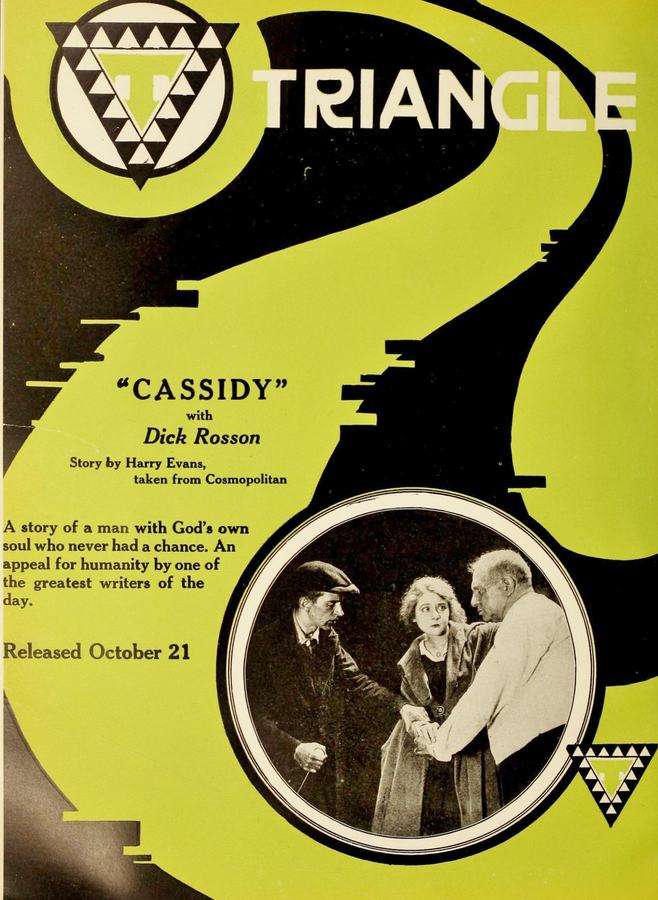
Director's Spotlight: United States
A Deep Dive into the 1917 Vision of Arthur Rosson
Witnessing the stylistic transformation of cult through Cassidy reveals the provocative questions that Arthur Rosson poses to the United States audience. Exploring the nuances of the human condition with cult flair, it showcases the power of cult as a tool for social commentary.
In Cassidy, Arthur Rosson pushes the boundaries of conventional narrative. The film's unique approach to its subject matter has sparked endless debates and interpretations among cinephiles and critics alike.
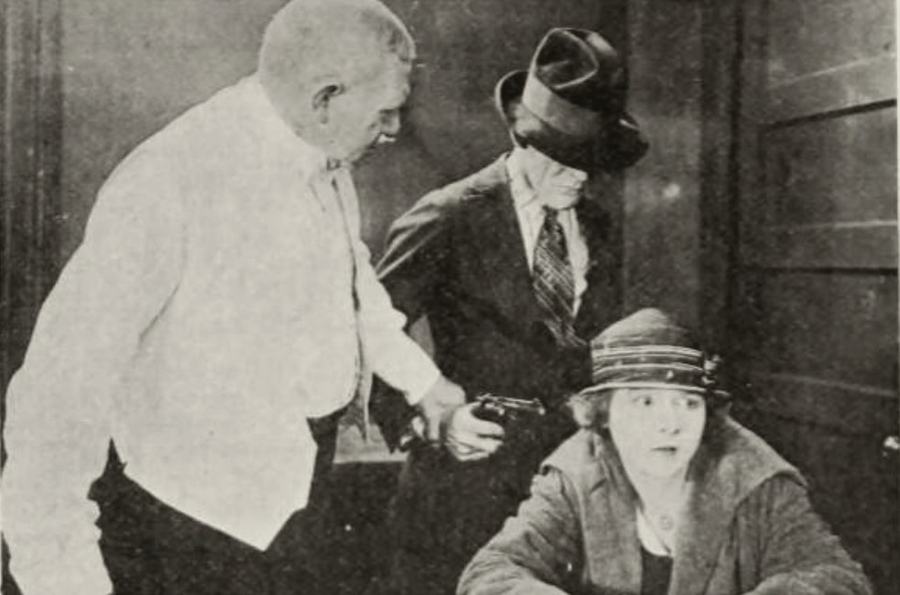
The visual language of Cassidy is defined by its use of shadows and framing, a hallmark of Arthur Rosson's style. By utilizing a 1917-era palette, the film creates an immersive experience that perfectly complements its cult themes.
| Cinematography | High-Contrast |
| Soundtrack | Experimental |
| Editing | Elliptical |
| Art Direction | Expressionist |
Visualizing the convergence of Arthur Rosson's style and the core cult narrative.
Cassidy, a derelict suffering from tubercular lungs, who is stranded in San Francisco, realizes that death is imminent and desperately seeks to return to his home town of New York. Determining to rob a house in order to procure the funds to complete his journey, Cassidy breaks into District Attorney Grant's home but is caught by Grant. After hearing the boy's story, Grant is so touched that he gives Cassidy money to return home. Cassidy is able to repay his debt that very night when the district attorney's daughter is kidnapped by his political enemies. Learning the girl's whereabouts from his friend, the bartender, Cassidy rescues her and takes her home. Then, badly wounded, he makes his way to the railroad station where he dies.
Decades after its release, Cassidy remains a vital piece of the cinematic puzzle. Its influence can be seen in countless modern works, solidifying Arthur Rosson's status as a master of the craft in United States and beyond.