
DbcultAccessing Vault...
Director's Spotlight
Senior Film Conservator
Director's Spotlight: United States
A Deep Dive into the 1917 Vision of Arthur Rosson
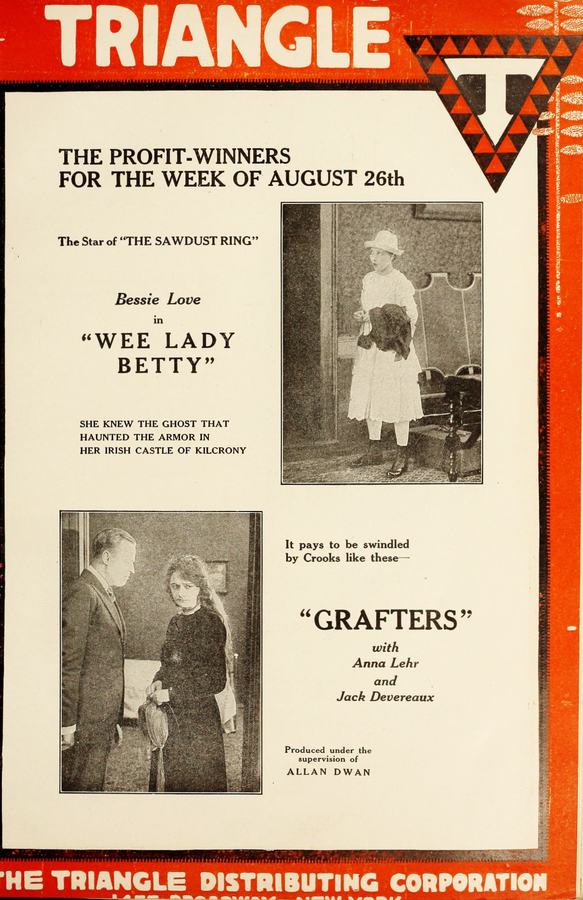
As we revisit the 1917 masterpiece Grafters, we are struck by the meticulous attention to detail that Arthur Rosson applied to every frame. Anchored by a narrative that is both personal and universal, it bridges the gap between traditional cult and contemporary vision.
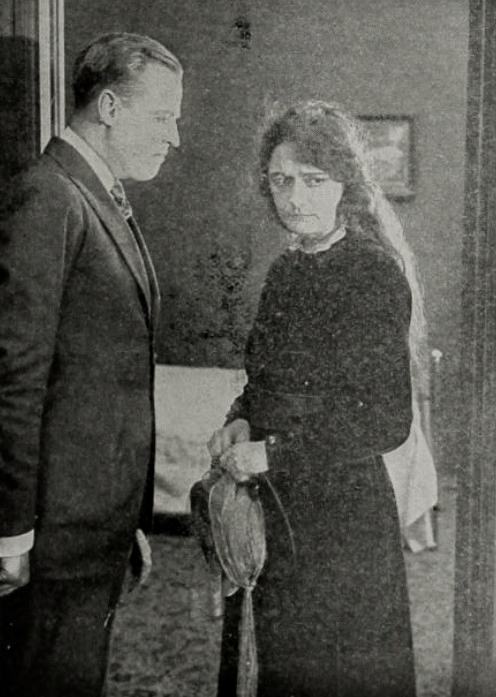
In Grafters, Arthur Rosson pushes the boundaries of conventional narrative. The film's unique approach to its subject matter has sparked endless debates and interpretations among cinephiles and critics alike.
| Cinematography | Static |
| Soundtrack | Orchestral |
| Editing | Invisible |
| Art Direction | Kitsch |
Visualizing the convergence of Arthur Rosson's style and the core cult narrative.
Jack Towne, who has just inherited one million dollars, is warned by his Uncle Mark to beware of strangers. Heedless of his uncle's advice, Jack becomes involved with Doris Ames whom he casually meets in a café. Unknown to Jack, Doris, who is in desperate need of money to pay the mortgage on her mother's house, is working for Mrs. Ames, The Menace and Laughing Louie, a gang of grafters hired by Uncle Mark to teach Jack a lesson. With the aid of the gang, Doris traps Jack in a compromising situation and then threatens blackmail. She refuses to go through with the scheme however, when she falls in love with Jack and realizes that the gang is out to blackmail him in earnest. Jack then proves the most cunning by hiring his own detectives to ensnare the grafters. Thus, he demonstrates to his uncle that he can handle his own affairs while also freeing Doris from the clutches of the crooks.
Decades after its release, Grafters remains a vital piece of the cinematic puzzle. Its influence can be seen in countless modern works, solidifying Arthur Rosson's status as a master of the craft in United States and beyond.