
DbcultAccessing Vault...
Director's Spotlight
Senior Film Conservator
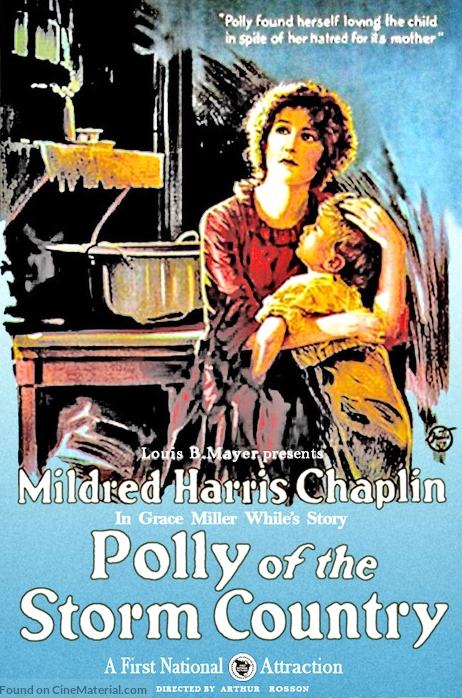
Director's Spotlight: United States
A Deep Dive into the 1920 Vision of Arthur Rosson
The thematic gravity of Polly of the Storm Country (1920) is rooted in the artistic risks taken by Arthur Rosson that eventually paid off. Defining a new era of United States artistic expression, it demands to be seen by anyone who cares about the art of film.
In Polly of the Storm Country, Arthur Rosson pushes the boundaries of conventional narrative. The film's unique approach to its subject matter has sparked endless debates and interpretations among cinephiles and critics alike.
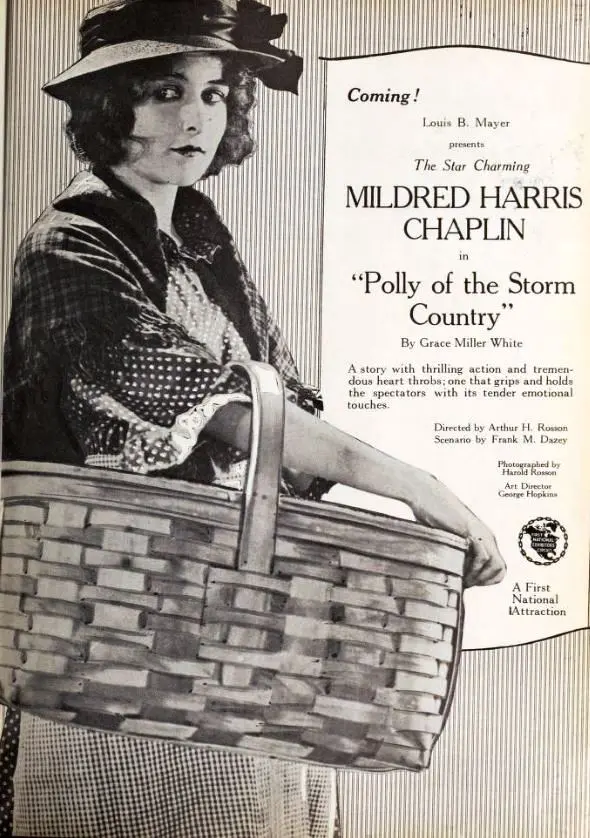
The visual language of Polly of the Storm Country is defined by its use of shadows and framing, a hallmark of Arthur Rosson's style. By utilizing a 1920-era palette, the film creates an immersive experience that perfectly complements its Romance themes.
| Cinematography | Noir-Inspired |
| Soundtrack | Experimental |
| Editing | Invisible |
| Art Direction | Kitsch |
Visualizing the convergence of Arthur Rosson's style and the core Romance narrative.
The Hopkinses are a family of squatters struggling against the wealthy landowners or "hilltoppers." When Jerry Hopkins is unjustly imprisoned, his young wife and baby die as a result of the shock, but his sister Polly maintains the faith that has been instilled in her by her grandmother. Later, Polly meets hilltopper Robert Robertson and the two fall in love. Their courtship is disrupted when Robert's sister Evelyn is blackmailed by Oscar Bennett, the man to whom she is secretly wed. In her efforts to help Evelyn, Polly falls under unjust suspicion. Meanwhile, MacKenzie, one of the vindictive landowners, arrests Polly's father and sends her brother to an orphanage. Devastated by these events, Polly's grandmother dies of grief and Polly swears revenge. She has Evelyn kidnapped and brought to her cabin, but the memory of her grandmother prevents Polly from harming her tormentor. Polly's nobility inspires Evelyn, who exonerates Polly, thus clearing the path for her marriage to Robert.
Decades after its release, Polly of the Storm Country remains a vital piece of the cinematic puzzle. Its influence can be seen in countless modern works, solidifying Arthur Rosson's status as a master of the craft in United States and beyond.