
DbcultAccessing Vault...
Director's Spotlight
Senior Film Conservator
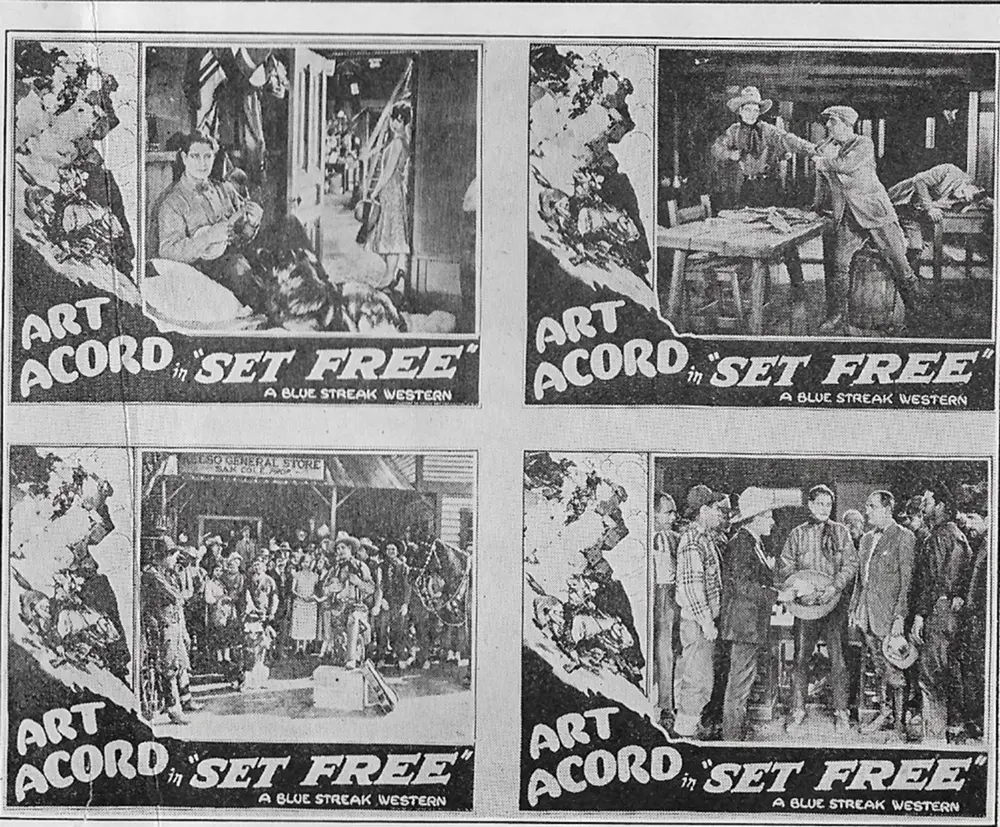
Director's Spotlight: United States
A Deep Dive into the 1927 Vision of Arthur Rosson
When we examine the cinematic landscape of United States, Set Free emerges as a landmark work of the unique directorial voice that Arthur Rosson brought to the screen. This film stands as a masterclass in visual storytelling, it demands to be seen by anyone who cares about the art of film.
In Set Free, Arthur Rosson pushes the boundaries of conventional narrative. The film's unique approach to its subject matter has sparked endless debates and interpretations among cinephiles and critics alike.
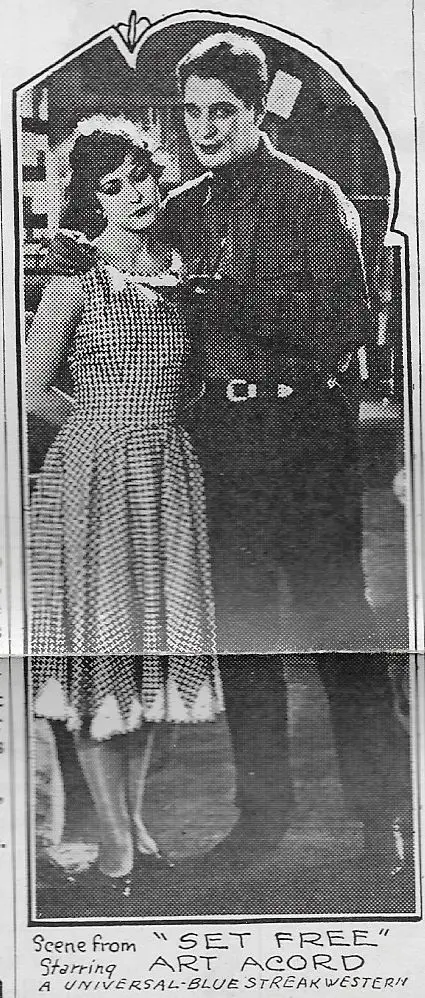
The visual language of Set Free is defined by its use of shadows and framing, a hallmark of Arthur Rosson's style. By utilizing a 1927-era palette, the film creates an immersive experience that perfectly complements its Action themes.
| Cinematography | Handheld |
| Soundtrack | Minimalist |
| Editing | Disjunctive |
| Art Direction | Baroque |
Visualizing the convergence of Arthur Rosson's style and the core Action narrative.
"Side-Show" Saunders, a wandering western troubadour, who makes his living doing stunts with his trained horse, Buddy, and dog, Rex, comes to the small western town of Kelson. There he meets Holly Farrell, owner of the general store, who shames him into getting a job and he goes to work in her store. She also owns a deserted mine and Burke Tanner, a visitor who has managed to extract a promise of marriage from Holly, discovers gold in the mine. But Saunders discovers that Tanner is a low-life and is marrying Holly only for her mine-holdings. He encounters Tanner in the mine, and is knocked unconscious by Tanner's henchmen, and is trapped in the mine.
Decades after its release, Set Free remains a vital piece of the cinematic puzzle. Its influence can be seen in countless modern works, solidifying Arthur Rosson's status as a master of the craft in United States and beyond.