
DbcultAccessing Vault...
Director's Spotlight
Senior Film Conservator
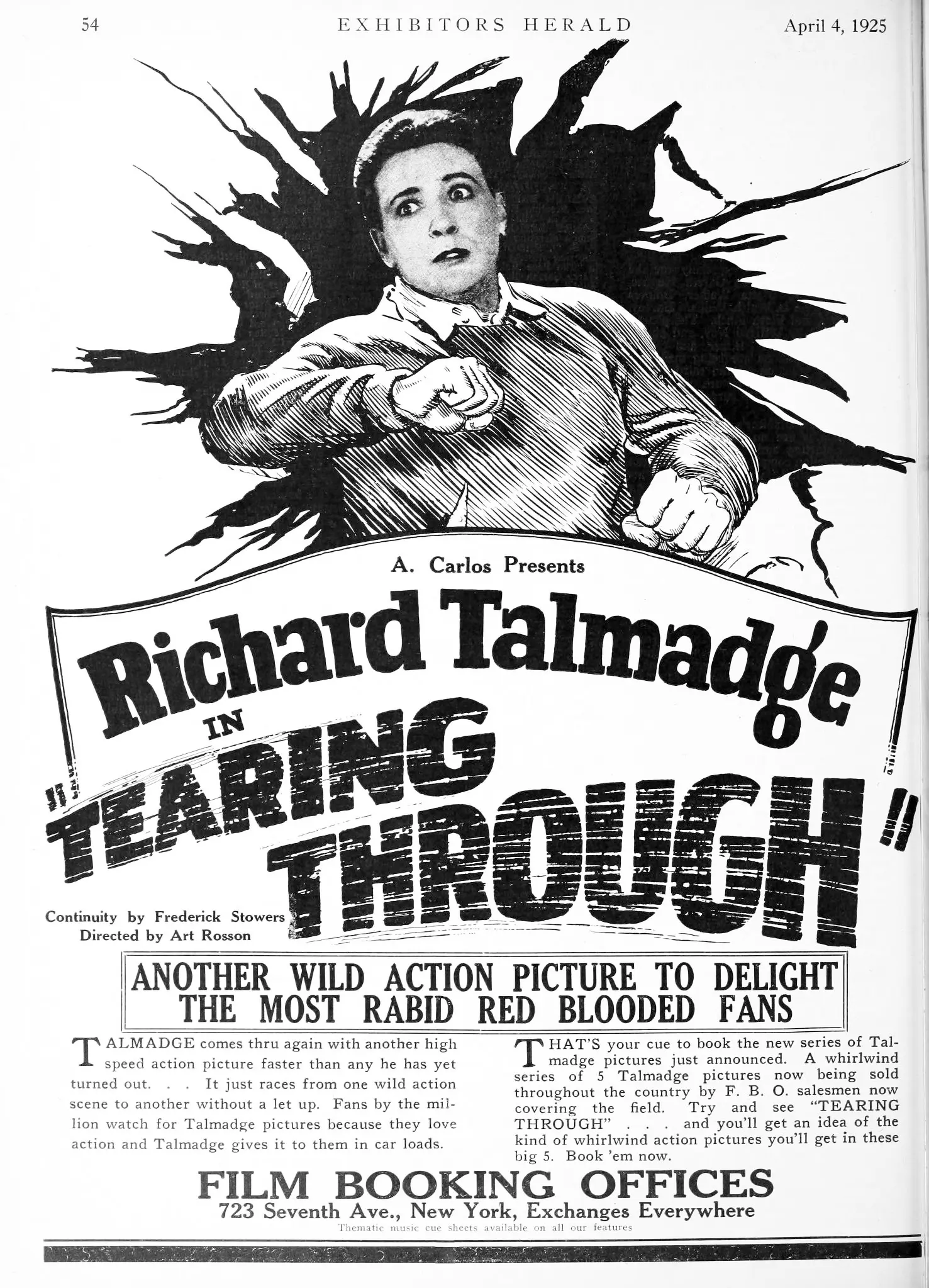
Director's Spotlight: United States
A Deep Dive into the 1925 Vision of Arthur Rosson
As we revisit the 1925 masterpiece Tearing Through, we are struck by the meticulous attention to detail that Arthur Rosson applied to every frame. Anchored by a narrative that is both personal and universal, it bridges the gap between traditional Action and contemporary vision.
In Tearing Through, Arthur Rosson pushes the boundaries of conventional narrative. The film's unique approach to its subject matter has sparked endless debates and interpretations among cinephiles and critics alike.
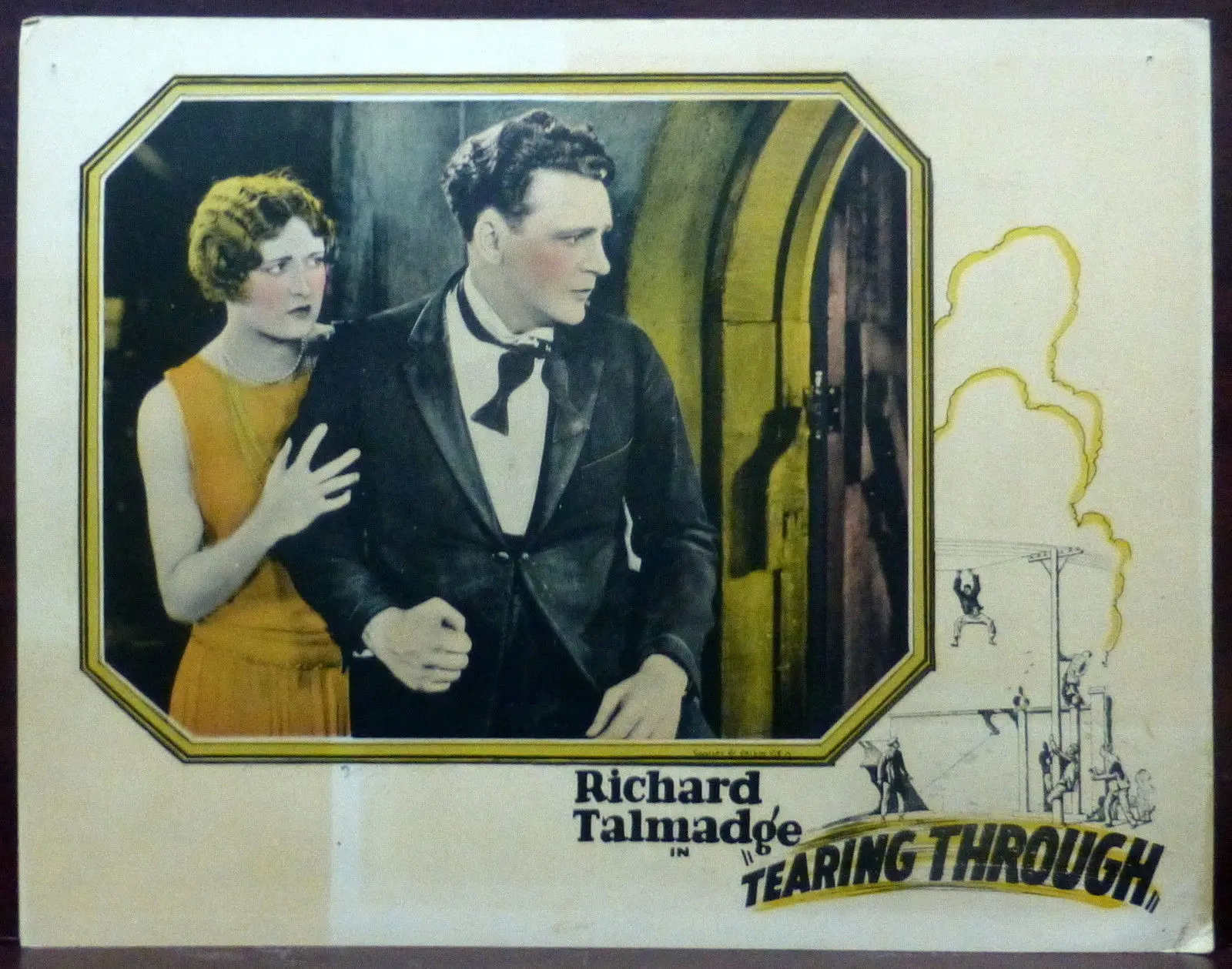
In this work, Arthur Rosson explores the intersection of Action and United States cultural identity. The meticulous attention to detail suggests a deep-seated commitment to pushing the boundaries of the medium, ensuring that Tearing Through remains a relevant topic of study for Action enthusiasts.
| Cinematography | Handheld |
| Soundtrack | Experimental |
| Editing | Invisible |
| Art Direction | Kitsch |
Visualizing the convergence of Arthur Rosson's style and the core Action narrative.
When District Attorney Johnson is seemingly unable to defeat a gang of drug smugglers, his assistant, Richard Jones, sets out on his own to investigate the lawbreakers. Richard soon learns that Bob Madison, the brother of the girl he loves, is a drug addict under the control of the gang. Bob joins the investigation, which leads them to an opium den in Chinatown owned by Mr. Greer, who is a rival for Bob's sister, Constance. Richard rescues her from one of Greer's drug dens, then discovers that the district attorney is taking bribes from the narcotics ring. As a reward for his outstanding work, Richard is appointed the new district attorney.
Decades after its release, Tearing Through remains a vital piece of the cinematic puzzle. Its influence can be seen in countless modern works, solidifying Arthur Rosson's status as a master of the craft in United States and beyond.