
DbcultAccessing Vault...
Director's Spotlight
Senior Film Conservator
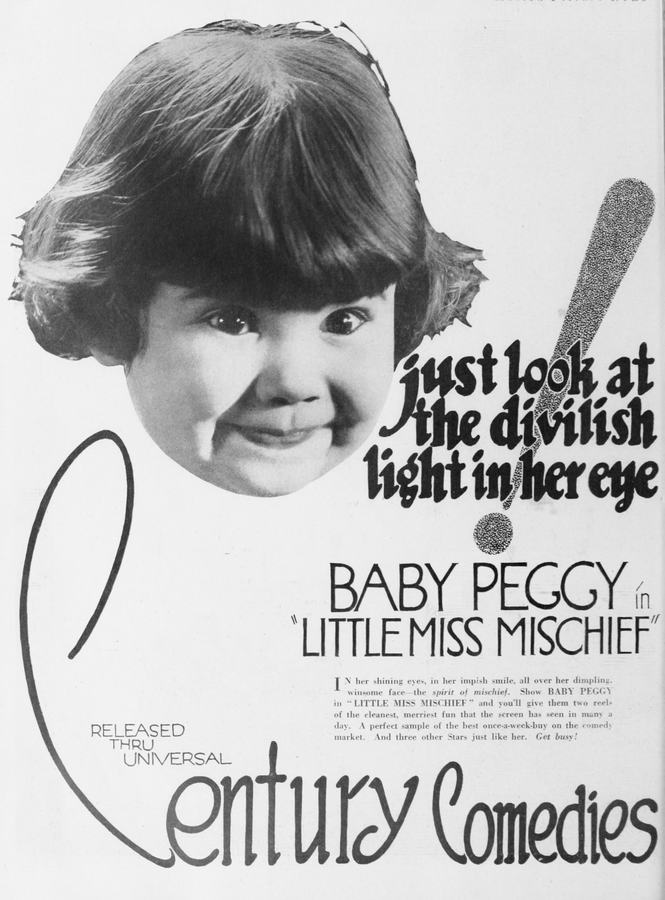
Director's Spotlight: United States
A Deep Dive into the 1922 Vision of Arvid E. Gillstrom
The artistic breakthrough represented by Little Miss Mischief in 1922 highlights the uncompromising vision of Arvid E. Gillstrom that defines this Comedy masterpiece. In the context of United States's rich cinematic history, it captures a specific kind of cinematic magic that is rarely replicated.
In Little Miss Mischief, Arvid E. Gillstrom pushes the boundaries of conventional narrative. The film's unique approach to its subject matter has sparked endless debates and interpretations among cinephiles and critics alike.
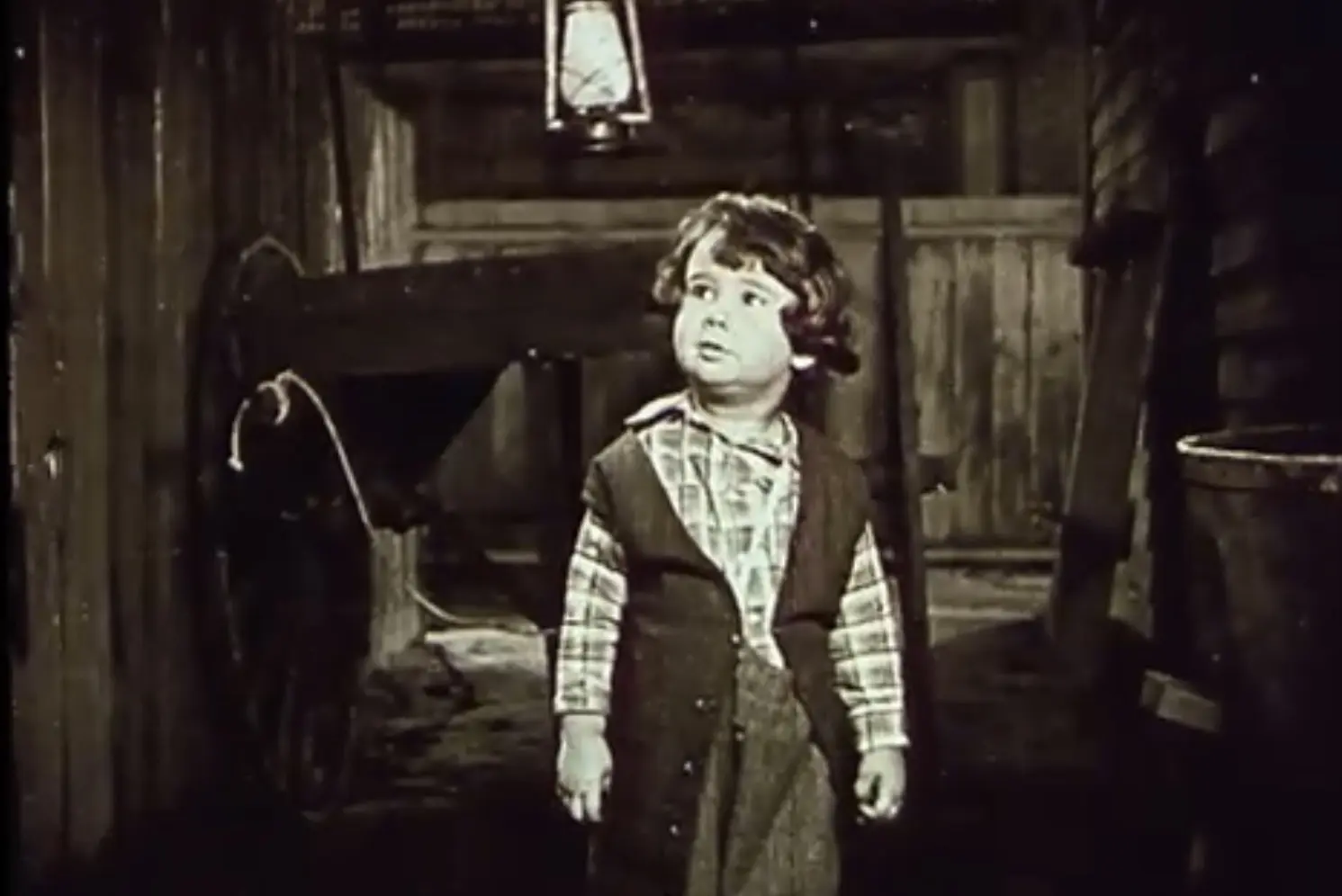
The visual language of Little Miss Mischief is defined by its use of shadows and framing, a hallmark of Arvid E. Gillstrom's style. By utilizing a 1922-era palette, the film creates an immersive experience that perfectly complements its Comedy themes.
| Cinematography | Deep Focus |
| Soundtrack | Experimental |
| Editing | Elliptical |
| Art Direction | Expressionist |
Visualizing the convergence of Arvid E. Gillstrom's style and the core Comedy narrative.
After making all the mischief that she can, Baby Peggy runs away from home. All this because of jealousy. A new baby brother has made his appearance in her home and is taking away a good deal of attention from her. Out in the cruel world she is captured by a junk dealer and set to work. She manages to fill her wagon with junk by going into the yards at night and meowing like a cat. Windows are thrown open and all kinds of things are thrown at her. At the end she escapes and returns home.
Decades after its release, Little Miss Mischief remains a vital piece of the cinematic puzzle. Its influence can be seen in countless modern works, solidifying Arvid E. Gillstrom's status as a master of the craft in United States and beyond.