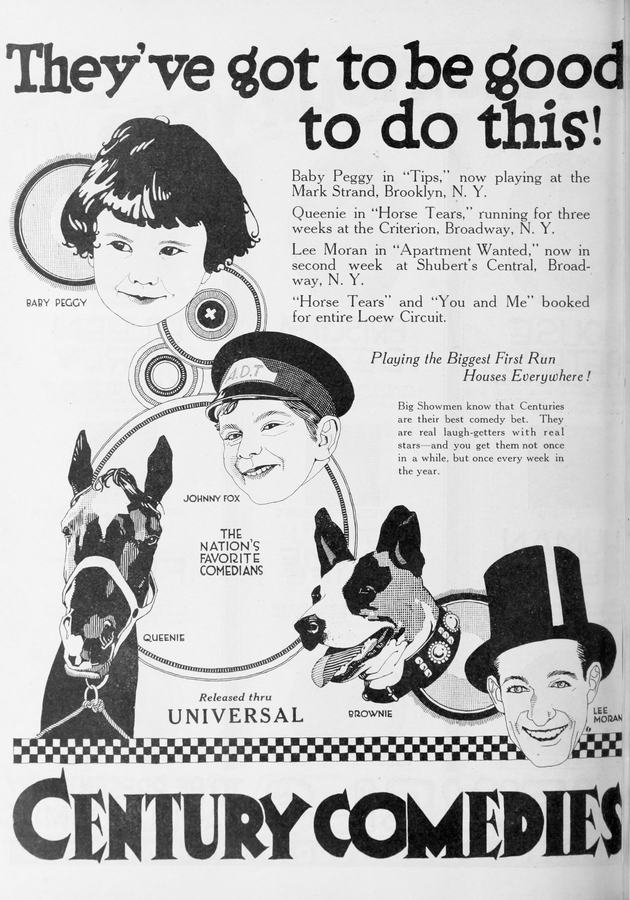
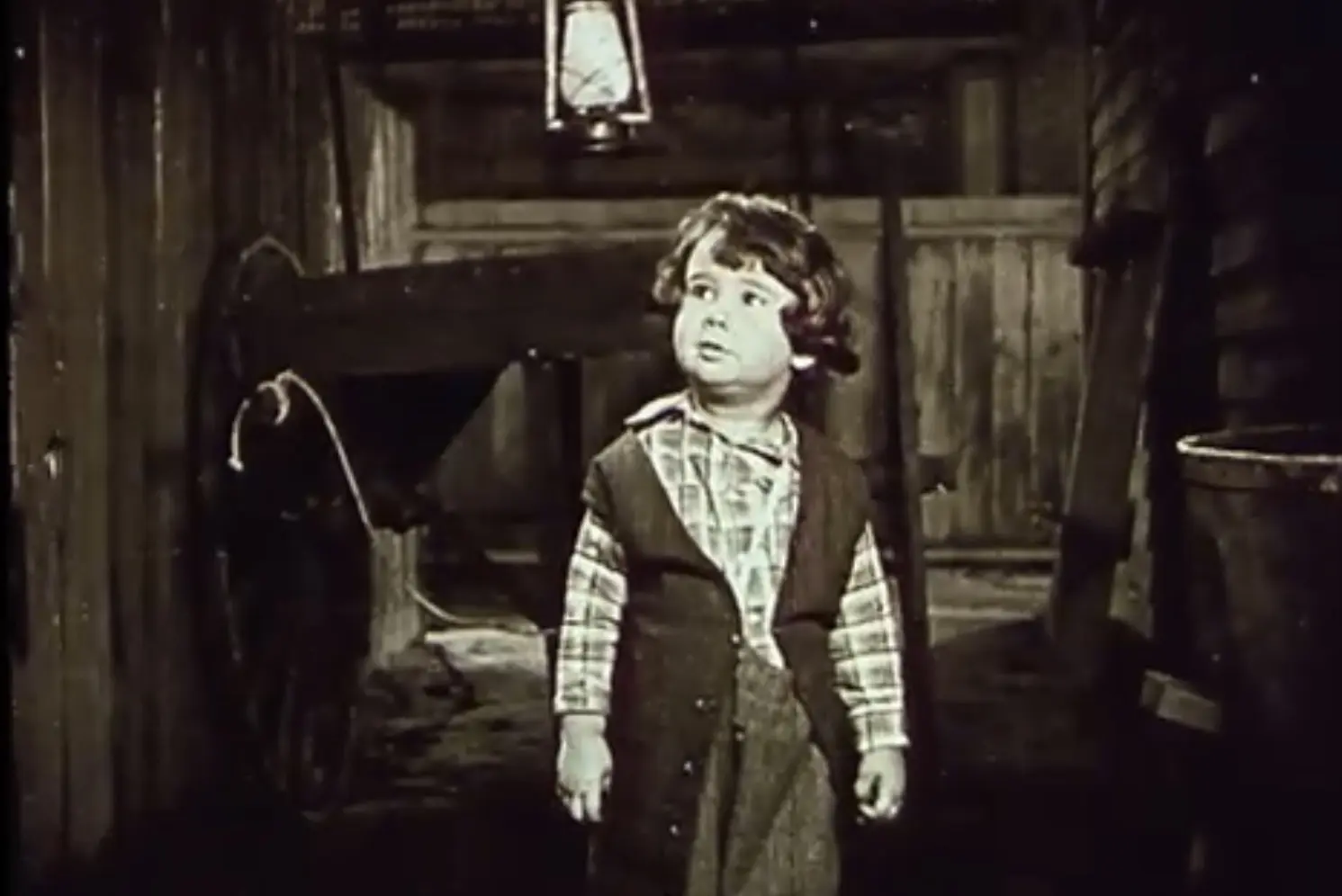
After making all the mischief that she can, Baby Peggy runs away from home. All this because of jealousy.
Arvid E. Gillstrom
United States
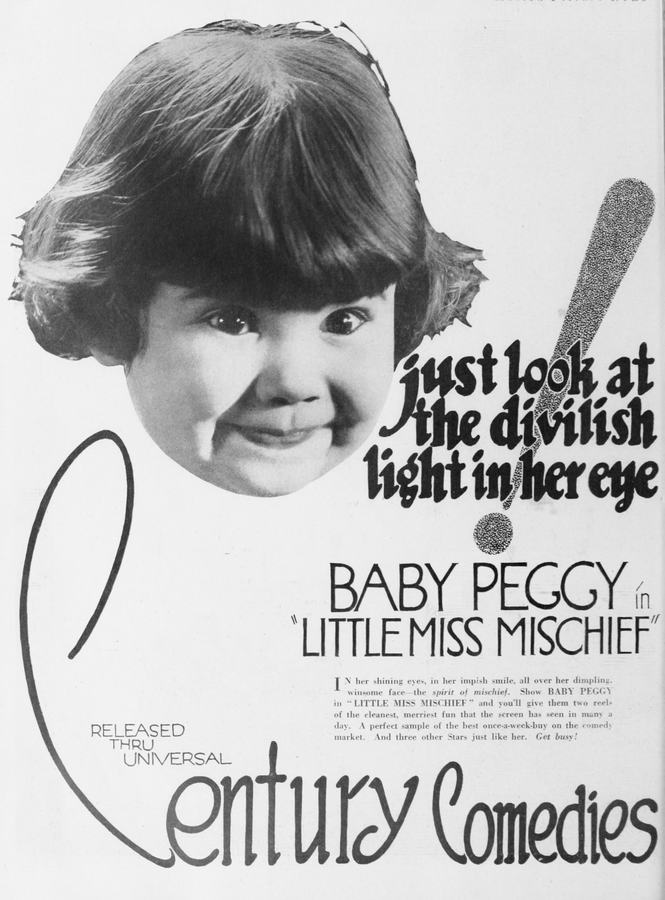
A toddler’s tantrum becomes epic poetry in Arvid E. Gillstrom’s 1922 one-reeler: jealousy incarnate, moonlit larceny, and the junk-dealer who thinks childhood is scrap metal. There is a moment—blink and the nitrate may combust—when Baby Peggy’s iris-in widens to swallow the entire frame. In that pinhole of black pea...
still_frame
Comparing the cinematic DNA and archive impact of two defining moments in cult history.
Arvid E. Gillstrom
Charley Chase
Community
Log in to comment.
" A toddler’s tantrum becomes epic poetry in Arvid E. Gillstrom’s 1922 one-reeler: jealousy incarnate, moonlit larceny, and the junk-dealer who thinks childhood is scrap metal. There is a moment—blink and the nitrate may combust—when Baby Peggy’s iris-in widens to swallow the entire frame. In that pinhole of black pearl, you witness every silent-era anxiety about parenthood, property, and performance. She is four, maybe four-and-a-half, yet her brows knit like a grand dame discovering a blemish..."
Deep dive into the cult classic
Discover similar cinematic experiences
A Directorial Spotlight on Arvid E. Gillstrom