
DbcultAccessing Vault...
Director's Spotlight
Senior Film Conservator
Director's Spotlight: United States
A Deep Dive into the 1924 Vision of Arvid E. Gillstrom
Peeling back the layers of Arvid E. Gillstrom's Stepping Some exposes the technical innovation that Arvid E. Gillstrom introduced to the Comedy format. Driven by an uncompromising commitment to Comedy excellence, it stands as the definitive 1924 statement on Comedy identity.
In Stepping Some, Arvid E. Gillstrom pushes the boundaries of conventional narrative. The film's unique approach to its subject matter has sparked endless debates and interpretations among cinephiles and critics alike.
| Cinematography | Handheld |
| Soundtrack | Minimalist |
| Editing | Slow-Burn |
| Art Direction | Brutalist |
Visualizing the convergence of Arvid E. Gillstrom's style and the core Comedy narrative.
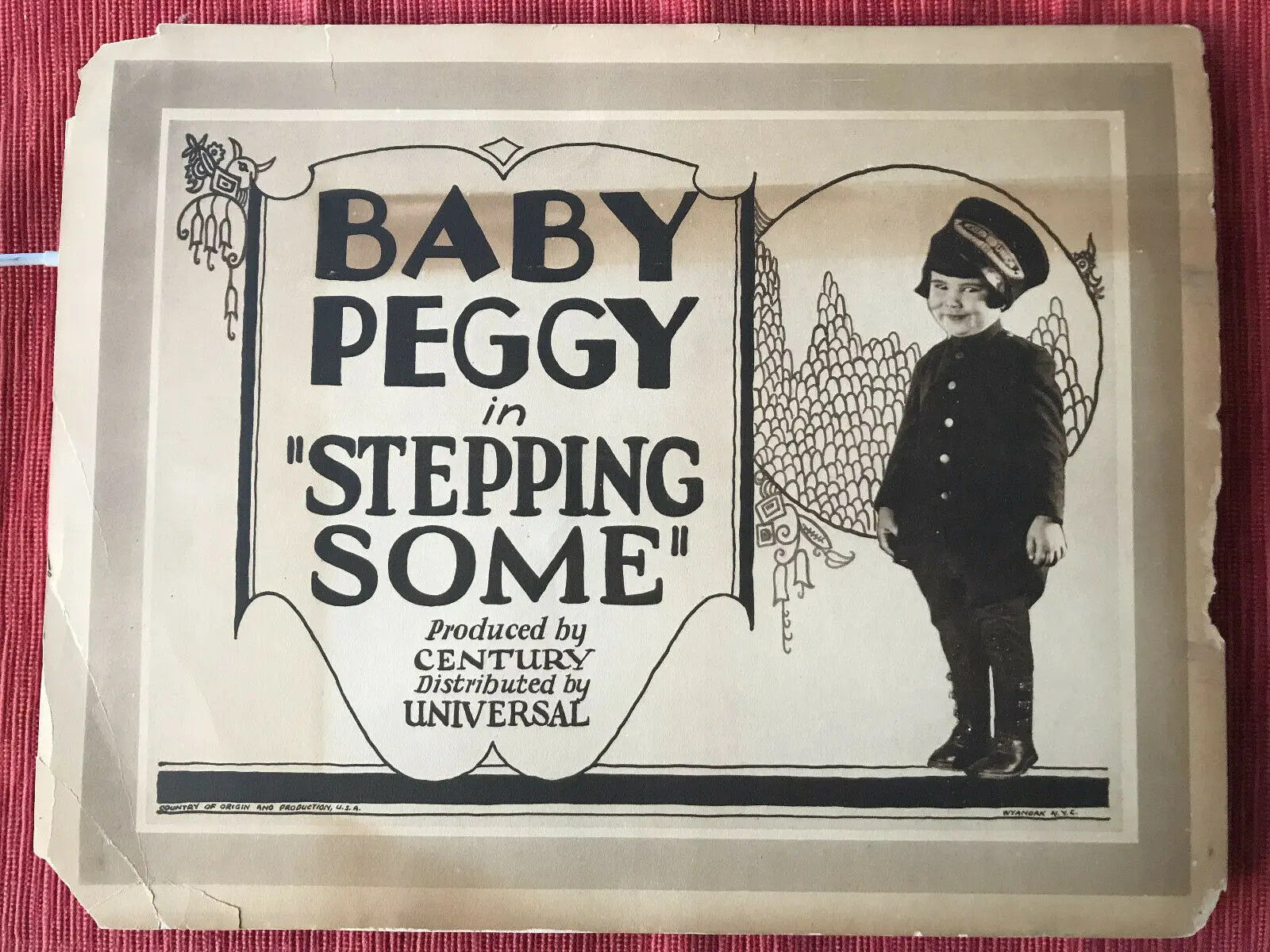
Baby Peggy is an only child. Her mother has not heard from her husband in months; he has been reported lost at sea. Peggy, dressed up as a messenger boy, ekes a meager living for the family. Peg is sent to deliver a message to a family high up on the hills and, after walking about three thousand steps to the people's house, Peg delivers the wire. While there they learn Peggy is their grandchild and send for her mother. Peggy is up to all kinds of mischief - she invites all the messenger boys to the swimming pool; chases the butler all over the place. Meanwhile a bogus count is making love to Peggy's mother, urged on by the wealthy parents-in-law. The father, saved at sea, returns home to find his family gone. He learns where they are and arrives just as Peggy is getting a sound spanking, and the bogus count is trying to kiss his wife. Everything is settled, and the family is reunited once again.
Decades after its release, Stepping Some remains a vital piece of the cinematic puzzle. Its influence can be seen in countless modern works, solidifying Arvid E. Gillstrom's status as a master of the craft in United States and beyond.