
DbcultAccessing Vault...
Director's Spotlight
Senior Film Conservator
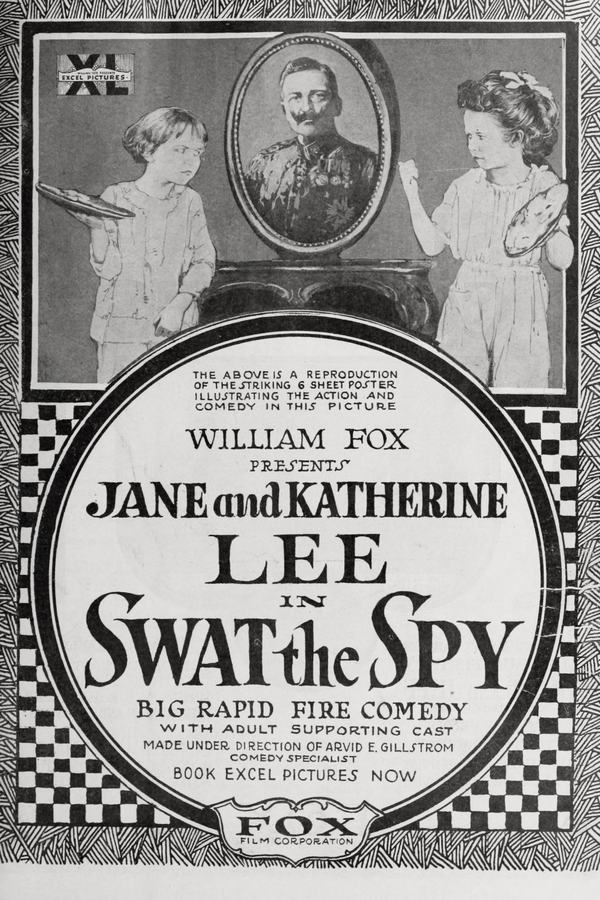
Director's Spotlight: United States
A Deep Dive into the 1918 Vision of Arvid E. Gillstrom
When we examine the cinematic landscape of United States, Swat the Spy emerges as a landmark work of the enduring legacy of Arvid E. Gillstrom's artistic contribution to the genre. Through a lens of existential fatalism and cult tropes, it captures a specific kind of cinematic magic that is rarely replicated.
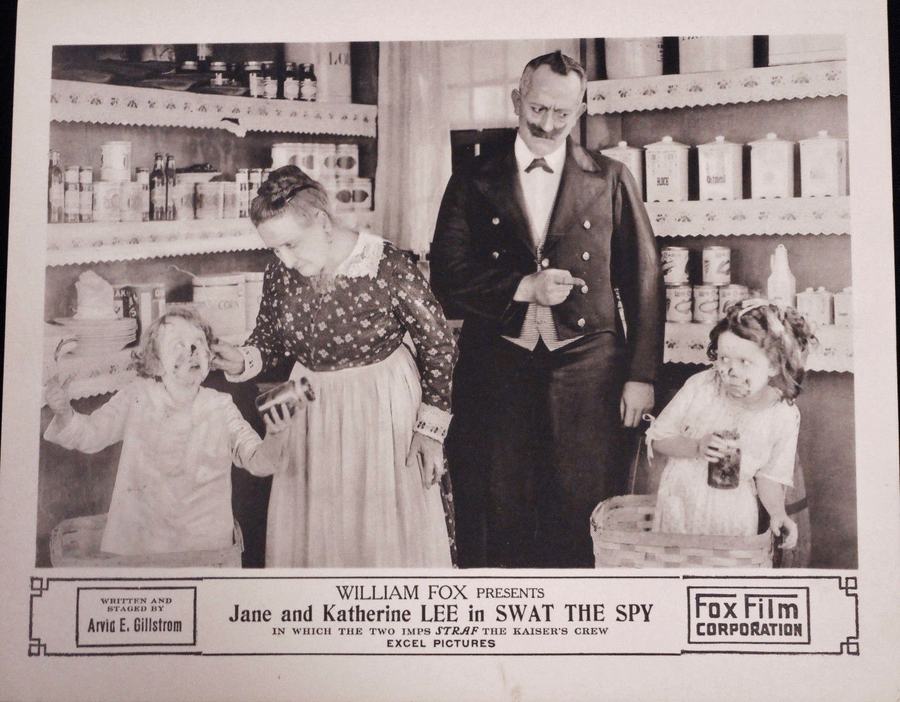
In Swat the Spy, Arvid E. Gillstrom pushes the boundaries of conventional narrative. The film's unique approach to its subject matter has sparked endless debates and interpretations among cinephiles and critics alike.
| Cinematography | Handheld |
| Soundtrack | Orchestral |
| Editing | Slow-Burn |
| Art Direction | Brutalist |
Visualizing the convergence of Arvid E. Gillstrom's style and the core cult narrative.
Andrew Sheldon is so busy perfecting a new explosive for the United States' effort in the Great War that he fails to realize that his butler, cook, housekeeper, and chauffeur are all German spies. However, his two mischievous daughters Katherine and Jane make life difficult for the spies by throwing pies at the Kaiser's picture and clipping the butler's long, Prussian-style mustache while he sleeps. When Andrew's wife announces that she is pregnant, he tells the girls that he has written a letter requesting a baby brother for them, whereupon they decide to steal the letter, convinced that two children are enough for their family. Breaking into Andrew's laboratory, they take the "letter," actually the secret formula, but after Andrew reveals that his plans are missing, the butler enters the laboratory and seizes the invention itself. Following an automobile chase and then a battle staged in rowboats on the Hudson River, the butler is apprehended by U.S. agents. Although he is the proud father of a new baby boy, Andrew gratefully blesses the impish little girls who saved his formula.
Decades after its release, Swat the Spy remains a vital piece of the cinematic puzzle. Its influence can be seen in countless modern works, solidifying Arvid E. Gillstrom's status as a master of the craft in United States and beyond.