
DbcultAccessing Vault...
Director's Spotlight
Senior Film Conservator
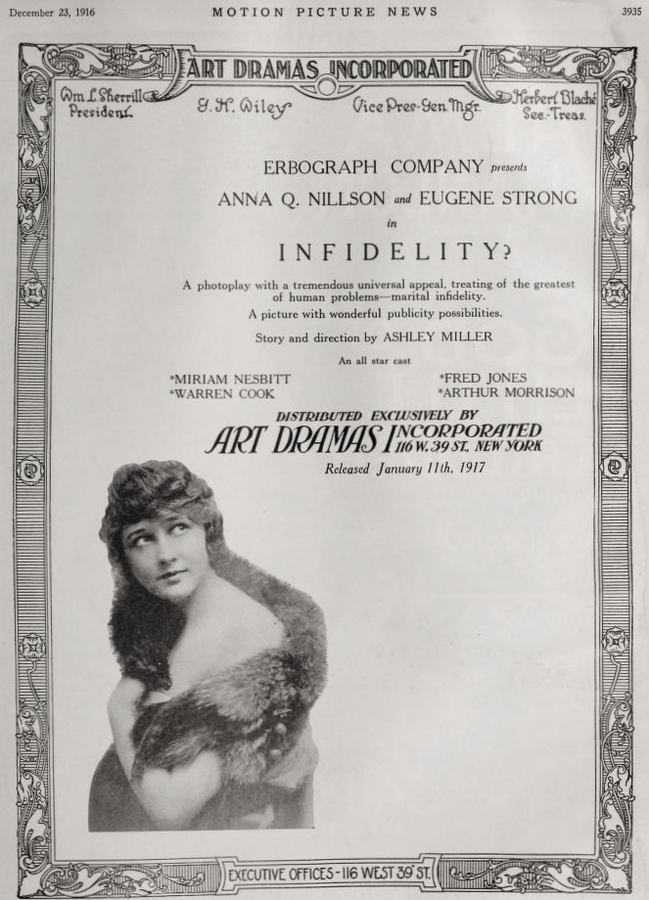
Director's Spotlight: United States
A Deep Dive into the 1917 Vision of Ashley Miller
To understand the modern evolution of United States film, one must first look at Infidelity and the meticulous attention to detail that Ashley Miller applied to every frame. Reflecting the political and social shifts of the 1917s, it showcases the power of cult as a tool for social commentary.
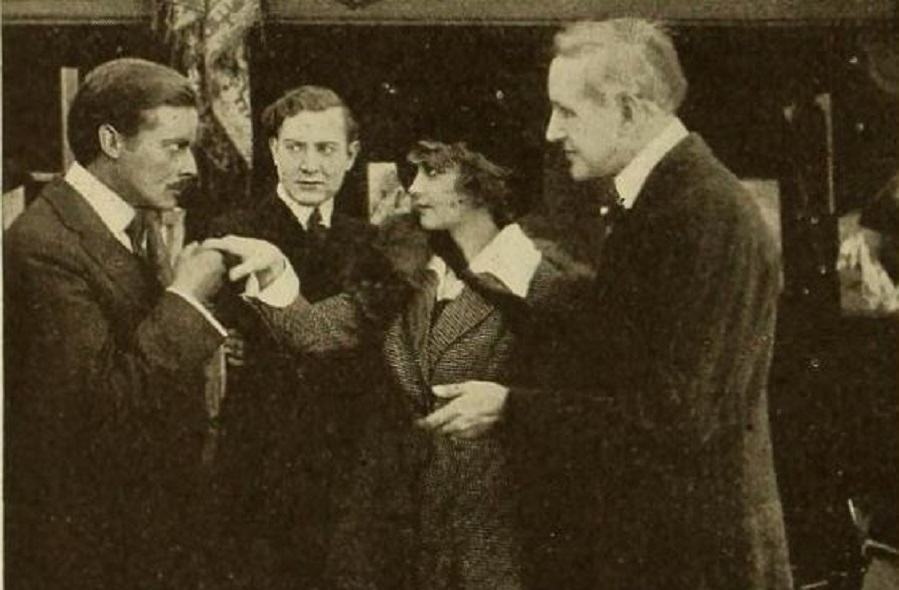
In Infidelity, Ashley Miller pushes the boundaries of conventional narrative. The film's unique approach to its subject matter has sparked endless debates and interpretations among cinephiles and critics alike.
| Cinematography | Deep Focus |
| Soundtrack | Orchestral |
| Editing | Slow-Burn |
| Art Direction | Brutalist |
Visualizing the convergence of Ashley Miller's style and the core cult narrative.
Frank Mayne, a well-known artist, who had served a twenty-year sentence for a murder he did not commit, returns unexpectedly to his studio, where an amazing scene confronts him. Elaine Bernard, one of his pupils, is cowering over a table, her hair disheveled and her clothes all but torn off her back. Ford Maillard, her fiancé, stands over her, upbraiding her bitterly, while lying prone on the ground, his face covered with blood, is Delna, a Hindoo art student, who possesses occult powers. In the background is a woman whom he does not recognize. It develops later that she is his wife whom he had not seen since his imprisonment, and that the girl is his own daughter. Maillard had arrived at the studio in time to rescue her from the attack of Delna, but, misunderstanding her presence there, accused her unjustly. Mayne recognizes in this misunderstanding a counterpart of the situation that led to his own unhappiness, and out of the wisdom bought by his bitter experience effects a reconciliation between the young people. Chastened by adversity the older couple, too, decide to start over again, and happiness results from what seemed to be at first, unrelieved misfortune.
Decades after its release, Infidelity remains a vital piece of the cinematic puzzle. Its influence can be seen in countless modern works, solidifying Ashley Miller's status as a master of the craft in United States and beyond.