
DbcultAccessing Vault...
Director's Spotlight
Senior Film Conservator
Director's Spotlight: Germany
A Deep Dive into the 1927 Vision of Augusto Genina
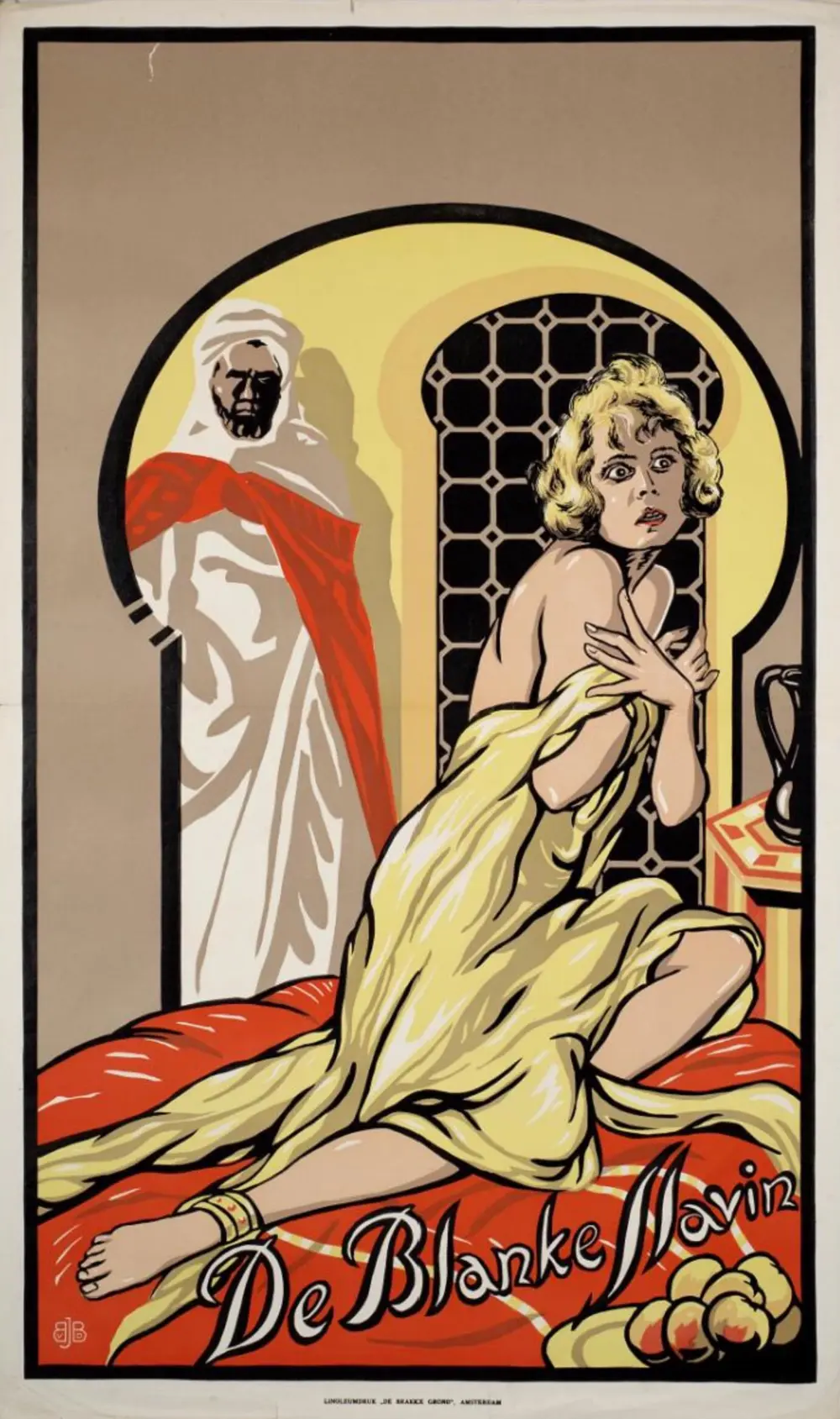
Analyzing The White Slave (1927) requires a deep dive into the unique directorial voice that Augusto Genina brought to the screen. By challenging the status quo of 1927 cinema, it continues to spark endless debates among critics and cinephiles alike.
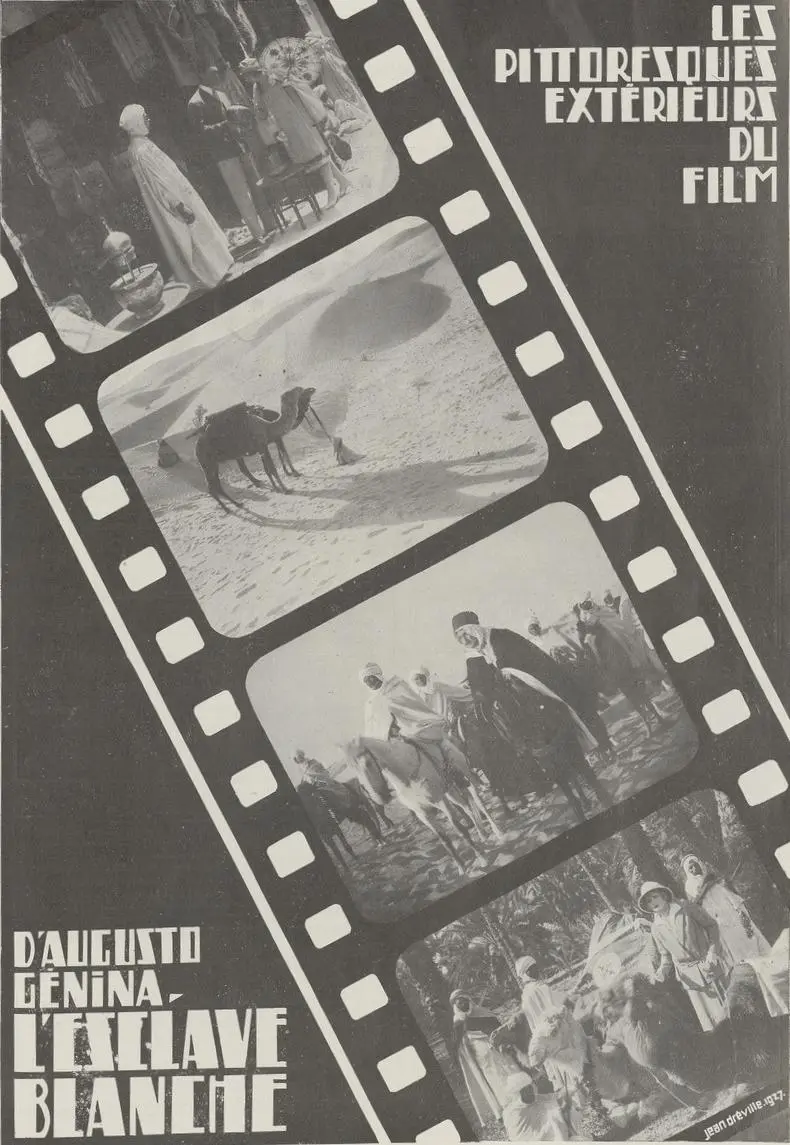
In The White Slave, Augusto Genina pushes the boundaries of conventional narrative. The film's unique approach to its subject matter has sparked endless debates and interpretations among cinephiles and critics alike.
| Cinematography | High-Contrast |
| Soundtrack | Diegetic |
| Editing | Elliptical |
| Art Direction | Expressionist |
Visualizing the convergence of Augusto Genina's style and the core Drama narrative.
Olga, a French girl of good social position, marries Ali Benvert Bey, an Arab, against the advice of her friends, including Dr. Alex Werner, medical man to the Bey. Olga sails with her husband to Arabia, where for a time, she is extremely happy. She soon finds that she is expected to conform to Arab customs. Her husband objects to her meeting European friends and will not even allow her to see Dr. Werner without his permission. When the Bey learns that his wife and Werner have met secretly, he carries her off to a dancing hall where he tells her that she will remain imprisoned. She is rescued and carried away by Werner, the Bey follows in pursuit and is shot dead. Olga is taken back to Europe to presumed happiness.
Decades after its release, The White Slave remains a vital piece of the cinematic puzzle. Its influence can be seen in countless modern works, solidifying Augusto Genina's status as a master of the craft in Germany and beyond.