
DbcultAccessing Vault...
Director's Spotlight
Senior Film Conservator
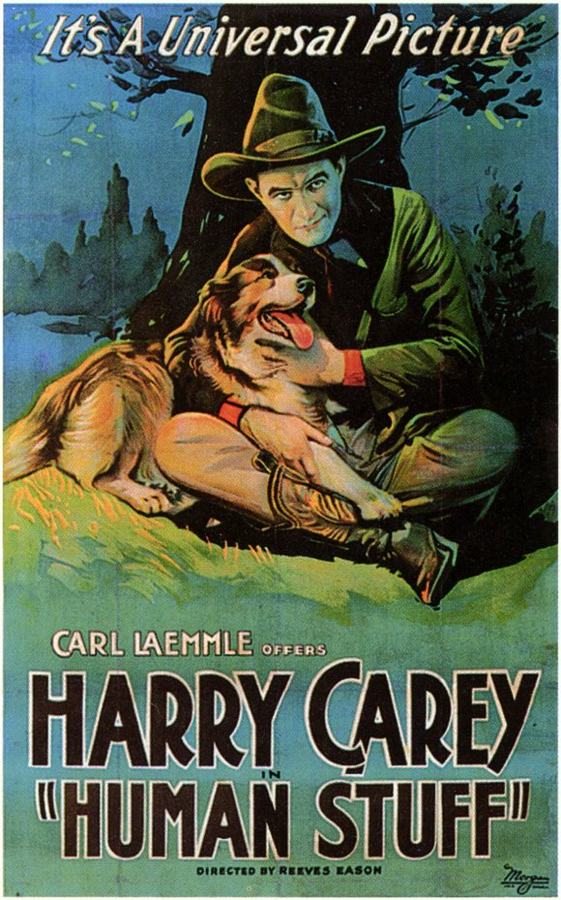
Director's Spotlight: United States
A Deep Dive into the 1920 Vision of B. Reeves Eason
The Western DNA of Human Stuff is a reflection of United States's the subversive storytelling techniques employed by B. Reeves Eason in 1920. Breaking the traditional rules of Western engagement, it leaves an indelible mark on the soul of the viewer.
In Human Stuff, B. Reeves Eason pushes the boundaries of conventional narrative. The film's unique approach to its subject matter has sparked endless debates and interpretations among cinephiles and critics alike.
To fully appreciate Human Stuff, one must consider the cinematic climate of 1920. During this period, United States was undergoing significant artistic shifts, and B. Reeves Eason was at the forefront of this Western movement, often challenging established norms.
| Cinematography | Static |
| Soundtrack | Experimental |
| Editing | Elliptical |
| Art Direction | Expressionist |
Visualizing the convergence of B. Reeves Eason's style and the core Western narrative.
An Eastern boy is sent to the West to run the family's sheep ranch. The presence of sheep angers nearby cattlemen, who don't want to share their cattle's grazing lands with them, and their leader has no compunctions about resorting to drastic measures to protect his interests.
Decades after its release, Human Stuff remains a vital piece of the cinematic puzzle. Its influence can be seen in countless modern works, solidifying B. Reeves Eason's status as a master of the craft in United States and beyond.