Summary
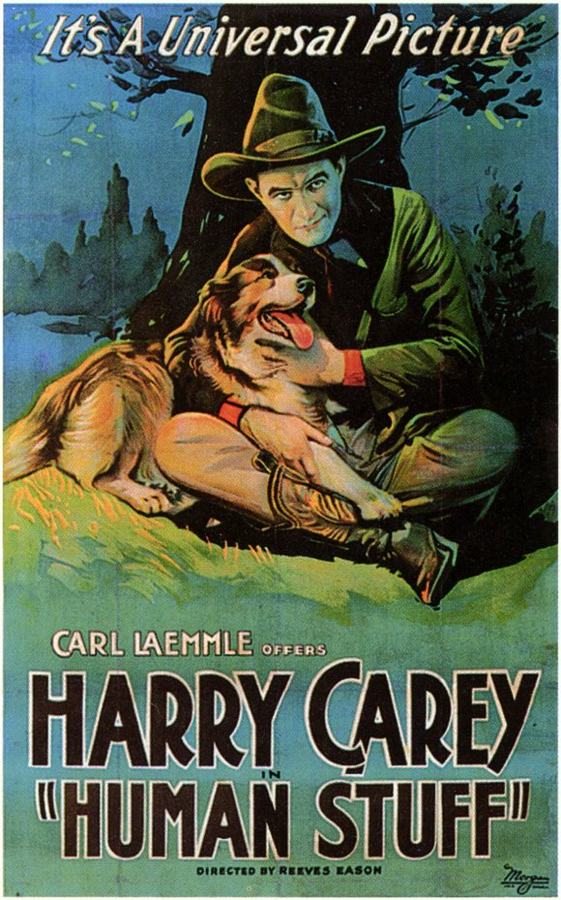
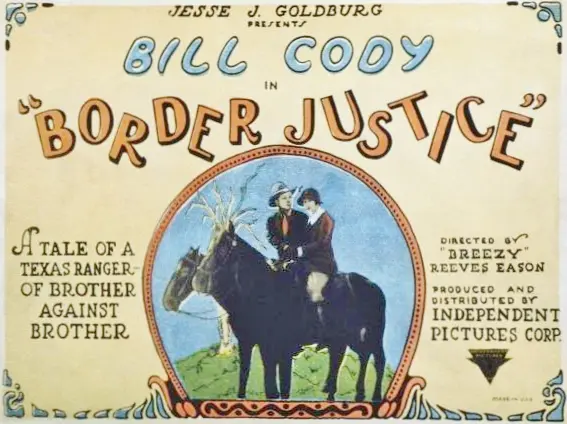
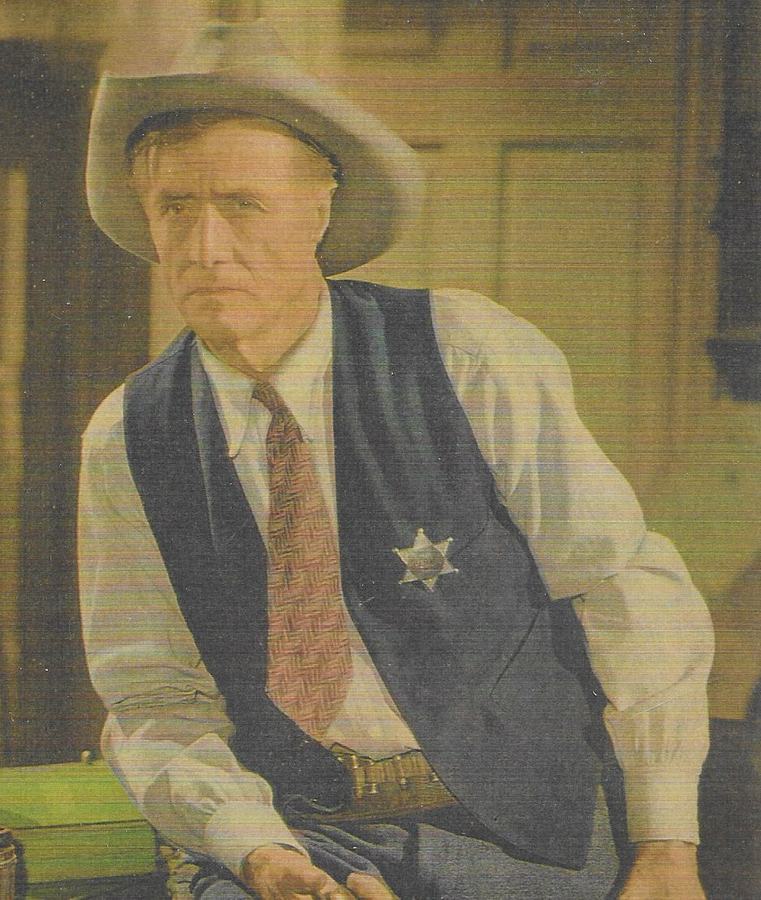
Across a bruised frontier where ochre mesas cleave the sky, a silk-robed scion of Qingdao merchants—his queue still fragrant with camellia oil—steps from the vestibule of a clattering immigrant train into the sulfur stink of a sun-scorched depot. He carries no sword, only ledgers penned in his ancestors’ blood-red ink and a lacquered box of jade buttons meant to barter for wool. The family’s sprawling demesne of bleating merinos, willed to him by a father who never set boot on American sod, lies like a white pox amid the emerald swaths coveted by beef barons. These cattle kings—men whose spurs ring like cathedral bells—view the ovine tide as biblical plague; each cloven hoofprint is a sacrilege, each fleece a ghost that will devour the prairie’s last blade. At their helm strides Judge Royce McCorley, a Stetsoned Lucifer who signs death warrants with a silver-nib pen he once used to ink Confederate scrip. Into this crucible the boy—renamed Young Hao by the stationmaster’s tongue—rides at dawn astride a flea-bitten mule, his silks traded for denim, his queue hacked off by a Bowie knife in a mercantile doorway. The camera lingers on the severed braid falling like a black comet onto sawdust, an omen of identities shorn as cleanly as fleece. Over the next reel, the plateau becomes a chessboard: night-riders brandishing kerosene torches descend, stampeding sheep over cliffs whose echoes sound like women wailing; Hao, schooled in Confucian restraint, answers with irrigation ditches and shepherding dogs bred on Mongolian steppes. He courts Ruth Fuller Golden’s character—an itinerant photographer whose glass-plate negatives trap both gunsmoke and starlight—through a series of tableaux: she snaps him silhouetted against a merino cyclone, he teaches her the ideogram for “grass” that also means “resurrection.” Their courtship unfolds in negative space, between frames where bullets hiss and lambs bawl. The film’s mercurial grammar—iris shots that bloom like poppies, double exposures that ghost Hao’s ancestral village onto the prairie—culminates when McCorley’s riders string a barbed-wire horizon across the valley, a metallic rosary of dispossession. In a midnight sequence lit only by lantern and conscience, Hao kneels, not to pray but to splice wire with the same jade buttons once meant for trade; each snip is a sutra, each spark a kowtow to an American god who demands blood tithe. When dawn ignites the sky—cinematographer B. Reeves Eason bathing the celluloid in vermilion so thick it drips—the two armies meet not with Colts but with branding irons heated cherry-red. Sheepherders and cowpunchers circle in a danse macabre whose choreography recalls Aeschylus more than dime-novel myth, while Mary Charleson’s schoolmarm reads aloud from Walt Whitman, her voice a fragile hymnal against the bovine basso. The climax arrives not in gunfire but in a dust-eclipsed auction where wool and beef futures are gambled on the turn of a card: Hao stakes his last flock, McCorley his sprawling spread. A single merino lamb, its fleece dyed cerulean by photographic chemicals, totters between them—an absurdist referee. The card turned is the jade button; its emerald face winks like a cynical moon, and deeds change hands as silently as graves. Yet victory tastes of alkali: the final shot tracks Hao walking into a horizon now fenced, the lamb bleating at his heel, while the camera cranes up to reveal the valley partitioned into squares that resemble both Confucian rice paddies and Jeffersonian grids—an unsettling palimpsest where East and West bleed into one another, neither conqueror nor conquered, only the long, low sound of wind combing through wool.
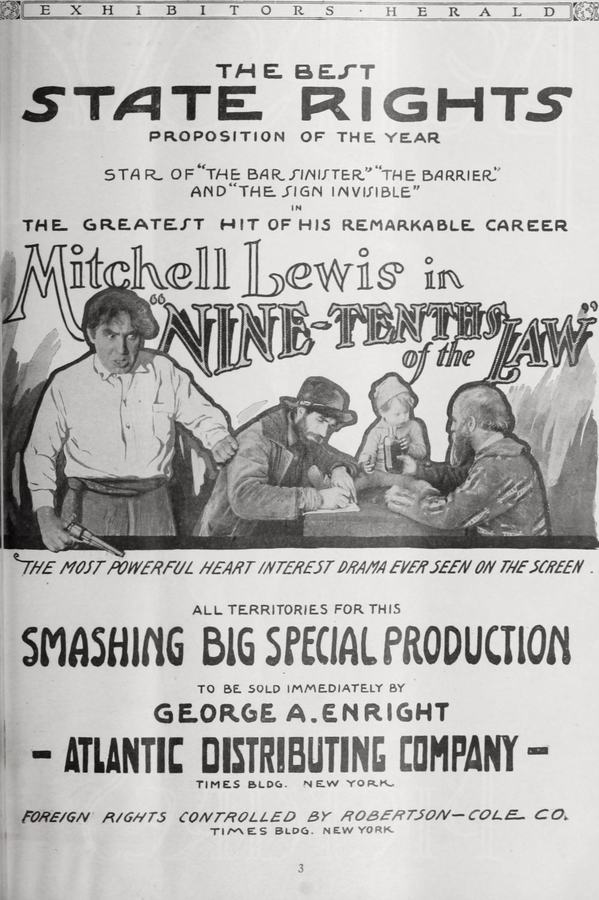
An Eastern boy is sent to the West to run the family's sheep ranch. The presence of sheep angers nearby cattlemen, who don't want to share their cattle's grazing lands with them, and their leader has no compunctions about resorting to drastic measures to protect his interests.
Review Excerpt
"
The first time I saw Human Stuff—a nitrate print sizzling through a hand-cranked 1918 projecteur in a Parisian basement that smelled of Gauloises and vinegar—I understood why the past keeps re-inventing its own ghosts. One reel in, Harry Carey’s weather-scarred visage looms like a prairie gargoyle, and you realise this is not a cowboy picture in any ledger-book sense. It is a bruised meditation on nomadism, capital, and the terror of fences.
Plot Re-fracted Through a Prism of Blood and Wool
..."