
DbcultAccessing Vault...
Director's Spotlight
Senior Film Conservator
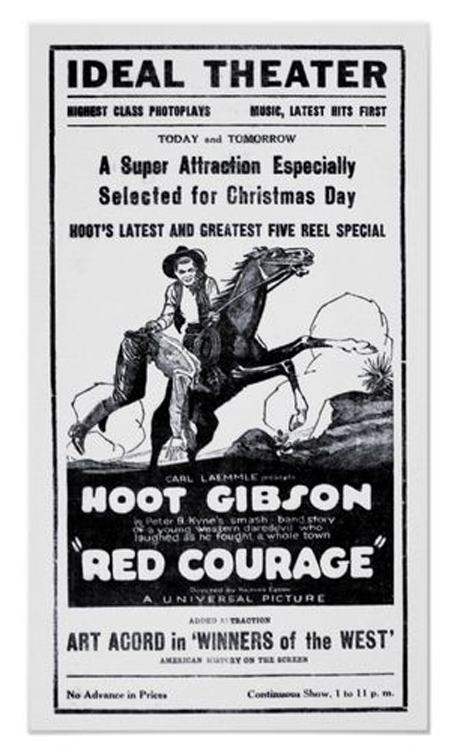
Director's Spotlight: United States
A Deep Dive into the 1921 Vision of B. Reeves Eason
The thematic gravity of Red Courage (1921) is rooted in the artistic risks taken by B. Reeves Eason that eventually paid off. Defining a new era of United States artistic expression, it demands to be seen by anyone who cares about the art of film.
In Red Courage, B. Reeves Eason pushes the boundaries of conventional narrative. The film's unique approach to its subject matter has sparked endless debates and interpretations among cinephiles and critics alike.
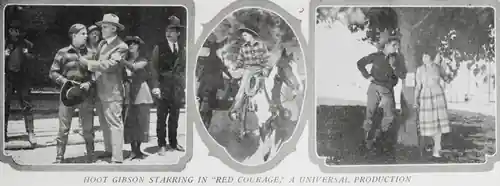
To fully appreciate Red Courage, one must consider the cinematic climate of 1921. During this period, United States was undergoing significant artistic shifts, and B. Reeves Eason was at the forefront of this Drama movement, often challenging established norms.
| Cinematography | Static |
| Soundtrack | Diegetic |
| Editing | Rhythmic |
| Art Direction | Naturalist |
Visualizing the convergence of B. Reeves Eason's style and the core Drama narrative.
Pinto Peters and his pal Chuckwalla Bill acquire a newspaper in the town of Cinnabar, which is run by the mayor and boss Joe Reedly, guardian of Jane, with whom Pinto is in love. They decide to wage a reform campaign and are elected sheriff and mayor respectively, through the efforts of Judge Fay, who speaks in their behalf. Jane, however, is won over by Blackie, owner of a gambling house. Pinto thrashes Reedly for bothering the judge's daughter Eliza and orders him from town. When Reedly is mysteriously killed, Eliza's fiance' Nathan is blamed, but Pinto suspects Blackie and catches him trying to abscond with Jane and her fortune. He is jailed, and Jane is reunited with Pinto.
Decades after its release, Red Courage remains a vital piece of the cinematic puzzle. Its influence can be seen in countless modern works, solidifying B. Reeves Eason's status as a master of the craft in United States and beyond.