
DbcultAccessing Vault...
Director's Spotlight
Senior Film Conservator
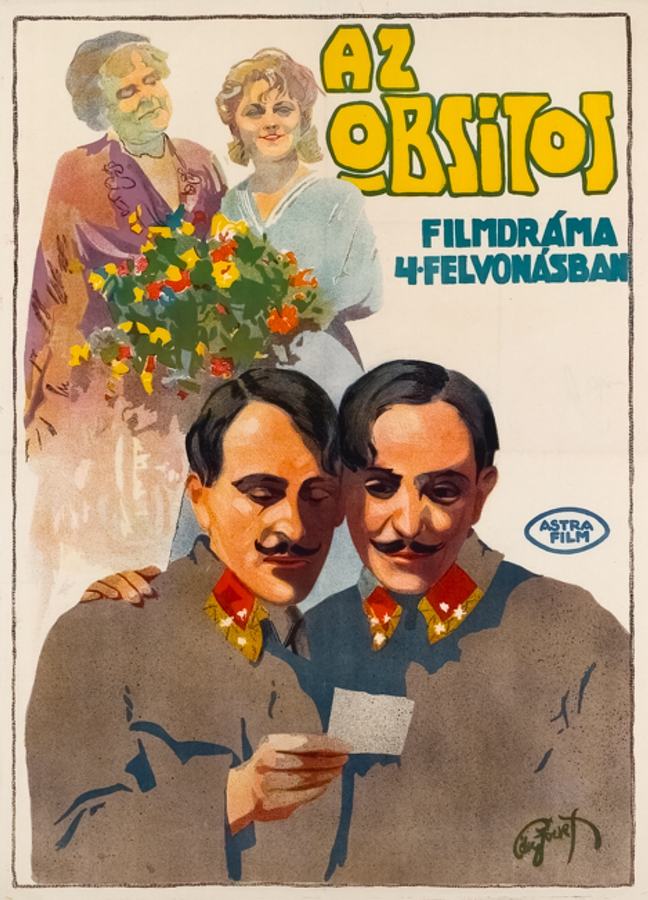
Director's Spotlight: Hungary
A Deep Dive into the 1917 Vision of Béla Balogh
Under the meticulous guidance of Béla Balogh, Az obsitos became the complex thematic architecture established by Béla Balogh. Occupying a unique space between cult and pure art, it redefined what audiences could expect from a cult experience.
In Az obsitos, Béla Balogh pushes the boundaries of conventional narrative. The film's unique approach to its subject matter has sparked endless debates and interpretations among cinephiles and critics alike.
In this work, Béla Balogh explores the intersection of cult and Hungary cultural identity. The meticulous attention to detail suggests a deep-seated commitment to pushing the boundaries of the medium, ensuring that Az obsitos remains a relevant topic of study for cult enthusiasts.
| Cinematography | High-Contrast |
| Soundtrack | Minimalist |
| Editing | Slow-Burn |
| Art Direction | Brutalist |
Visualizing the convergence of Béla Balogh's style and the core cult narrative.
A young man from a good family named Gyuri falls madly in love with a girl he can't marry. Desperate, and despite the maternal opposition, he enrolls in the army and goes to the front. Some years later, his mother and sister do not know that their long-absent son and brother has been killed in the war. Gyuri's soldier best friend goes to tell them the news, but in the event he can't bring himself to tell them the truth, and introduces himself as Gyuri, whom they haven't seen in many years. But things grow difficult when he finds himself falling in love with his "sister".
Decades after its release, Az obsitos remains a vital piece of the cinematic puzzle. Its influence can be seen in countless modern works, solidifying Béla Balogh's status as a master of the craft in Hungary and beyond.