
DbcultAccessing Vault...
Director's Spotlight
Senior Film Conservator
Director's Spotlight: United States
A Deep Dive into the 1930 Vision of Bert Glennon
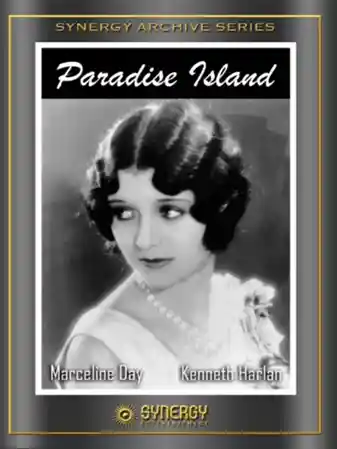
In the grand tapestry of Action cinema, Paradise Island serves as a bridge between the bold experimentation that has become synonymous with Bert Glennon. Breaking the traditional rules of Action engagement, it highlights the importance of independent voices in United States.
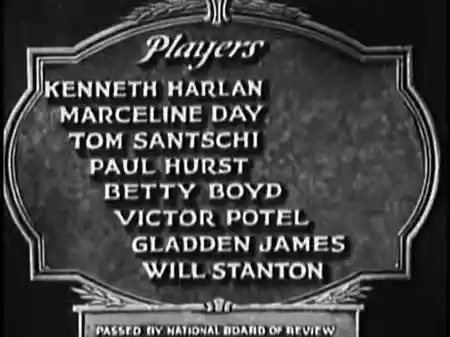
In Paradise Island, Bert Glennon pushes the boundaries of conventional narrative. The film's unique approach to its subject matter has sparked endless debates and interpretations among cinephiles and critics alike.
| Cinematography | Noir-Inspired |
| Soundtrack | Orchestral |
| Editing | Invisible |
| Art Direction | Kitsch |
Visualizing the convergence of Bert Glennon's style and the core Action narrative.
Ellen Bradford comes to the South Sea Island of Tonga to marry her fiancé and finds out that he is a drunk. She also finds out that she is the only white woman on the island and, as such, has three men taking a deep interest in her. She has written off her fiancé and has learned quickly that "Dutch Mike" Lutze is not to be trusted in any way. That leaves Jim Thorne, the only man who has ever bested Lutze in anything and, while Jim is an adventurer and pirate-at-heart, he knows how to be a gentleman, especially to the only white woman in town or on the island. Lutze is offended. They play poker for a plantation, Ellen, and all the pearls in the Pacific; the loser gets Poppi. Lutz has a marked deck of cards.
Decades after its release, Paradise Island remains a vital piece of the cinematic puzzle. Its influence can be seen in countless modern works, solidifying Bert Glennon's status as a master of the craft in United States and beyond.