
DbcultAccessing Vault...
Director's Spotlight
Senior Film Conservator
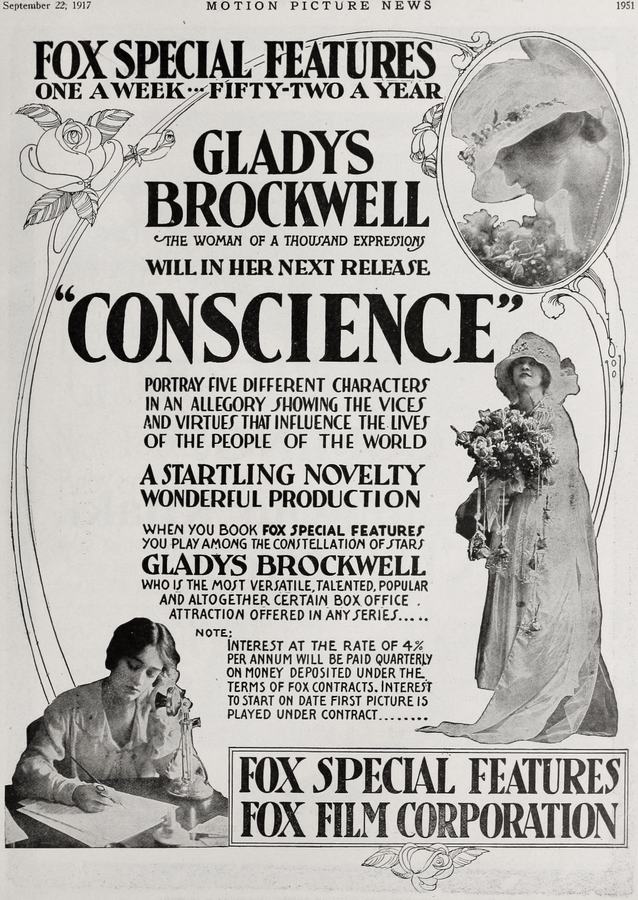
Director's Spotlight: United States
A Deep Dive into the 1917 Vision of Bertram Bracken
The brilliance of Conscience (1917) is inseparable from the visionary mind of its creator, Bertram Bracken. Serving as a mirror to the anxieties of a changing world, it persists as a haunting reminder of our own cinematic history.
In Conscience, Bertram Bracken pushes the boundaries of conventional narrative. The film's unique approach to its subject matter has sparked endless debates and interpretations among cinephiles and critics alike.
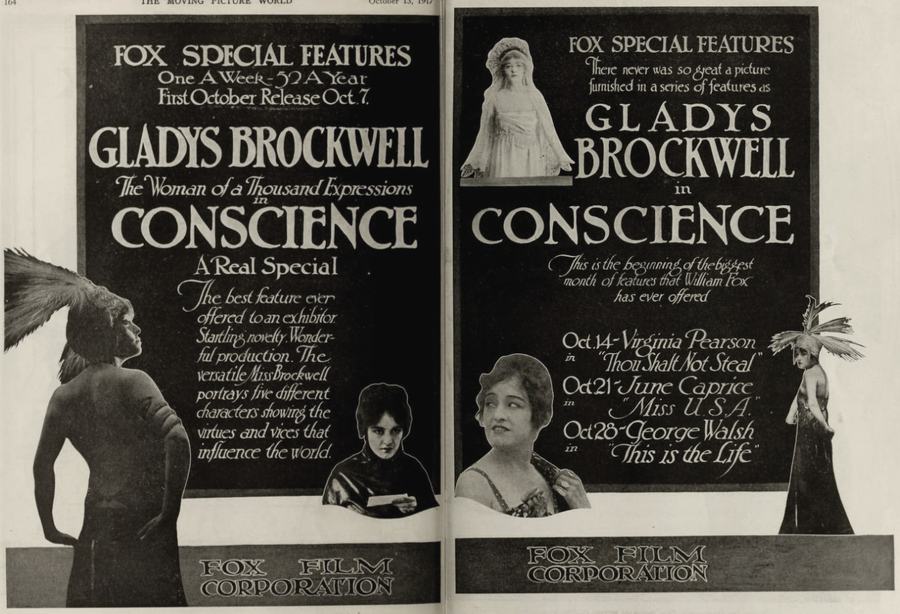
The visual language of Conscience is defined by its use of shadows and framing, a hallmark of Bertram Bracken's style. By utilizing a 1917-era palette, the film creates an immersive experience that perfectly complements its cult themes.
| Cinematography | Deep Focus |
| Soundtrack | Experimental |
| Editing | Invisible |
| Art Direction | Kitsch |
Visualizing the convergence of Bertram Bracken's style and the core cult narrative.
In a prologue, blind poet John Milton dictates Paradise Lost to his daughters. Serama, the consort of Lucifer, is driven from Paradise by the Archangel Michael, who commands Conscience to enter human souls to judge and punish them. In the main story, society girl Ruth Somers, a reincarnation of Serama, prepares to marry Cecil Brooke, the wealthiest man of her set. Her guardian, Dr. Norton, an incarnation of Lucifer, constantly accompanies her. Ruth is summoned to the Court of Conscience, where the witnesses, Lust, Avarice, Hate, Revenge and Vanity, testify about Ruth's history of seducing and abandoning men. This behavior resulted in the suicide of Madge, the lover of Ned Langley, whom Ruth enthralled and promised to marry, and also the deaths of two rivals for her love. Ruth is ordered back to earth to learn her sentence. When Ned interrupts the wedding, Ruth scorns him and he shoots himself. After Brooke leaves her, the Court dooms Ruth to live with the torment of remembrance. Ruth sends Norton away, then kneels and repents.
Decades after its release, Conscience remains a vital piece of the cinematic puzzle. Its influence can be seen in countless modern works, solidifying Bertram Bracken's status as a master of the craft in United States and beyond.