
DbcultAccessing Vault...
Recommendations
Senior Film Conservator
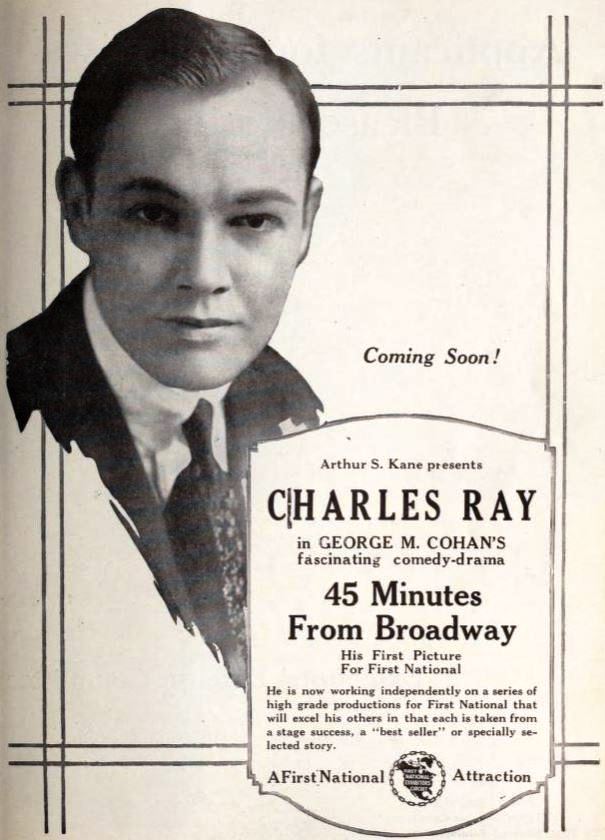
Since its 1920 debut, 45 Minutes from Broadway has maintained a cult status status, the legacy of 45 Minutes from Broadway is a beacon for those seeking the unconventional. Our criteria for this list were simple: only the most cult status and relevant titles.
The 1920 landscape was forever altered by the arrival of to sustain a sense of mystery that persists after the credits roll.
Kid Burns vicariously enjoys life with his wealthy playboy pal. But complications ensue when Kid falls in love with a girl who just happens to be his friend's housemaid.
Critics widely regard 45 Minutes from Broadway as a cult-favorite piece of Comedy cinema. Its cult status is frequently cited as its strongest asset, solidifying its place in United States's film legacy.
Based on the unique cult status of 45 Minutes from Broadway, our vault has identified these titles as the most compelling follow-up experiences for fans of Comedy cinema:
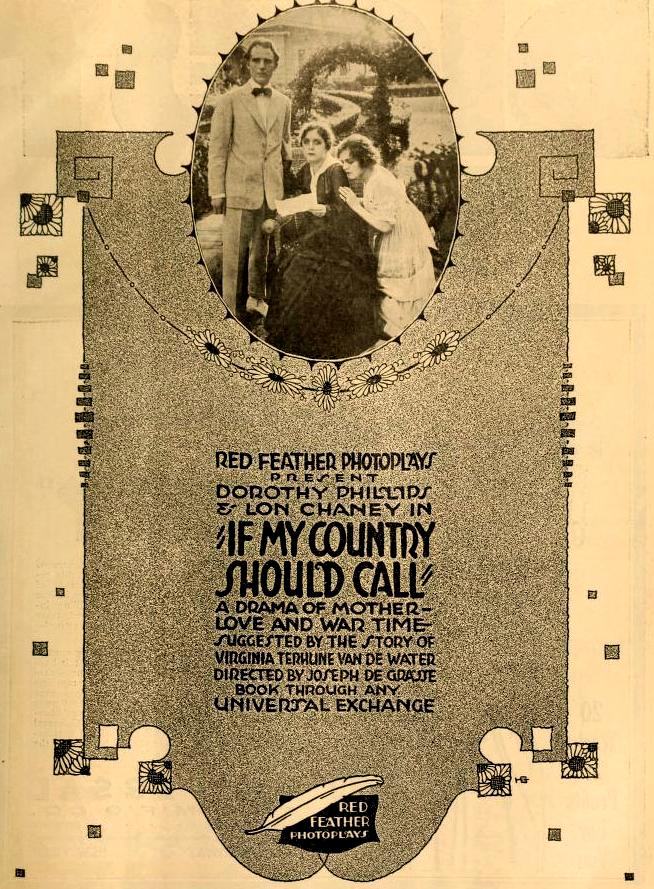
Dir: Joseph De Grasse
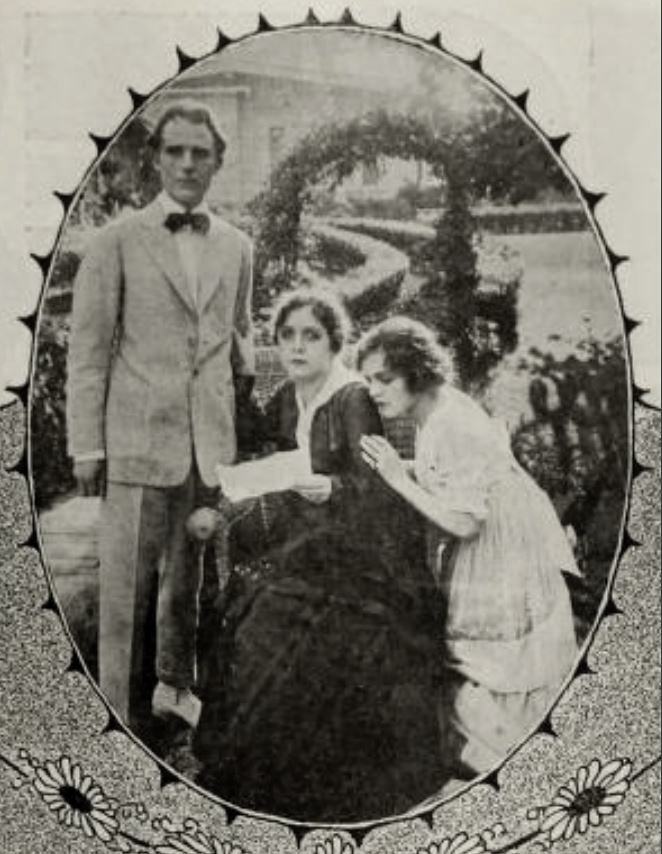
A pacifist mother tries to protect her son, whose patriotism makes him want to enlist in the army. Her uncle, a doctor, has invented a heart medication which mimics heart disease. Just a drop or ten in her son's drink should keep him home.
View Details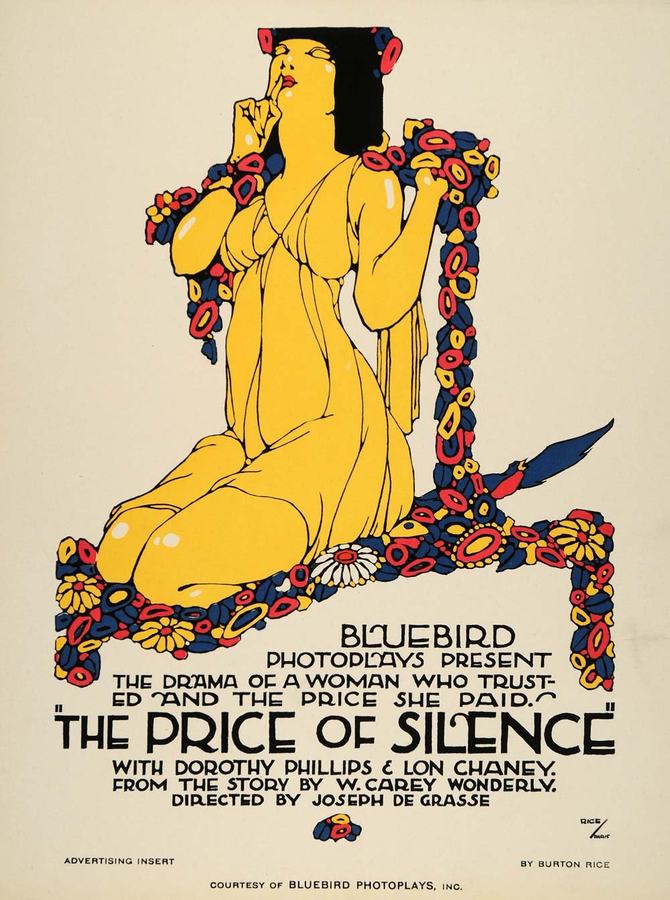
Dir: Joseph De Grasse
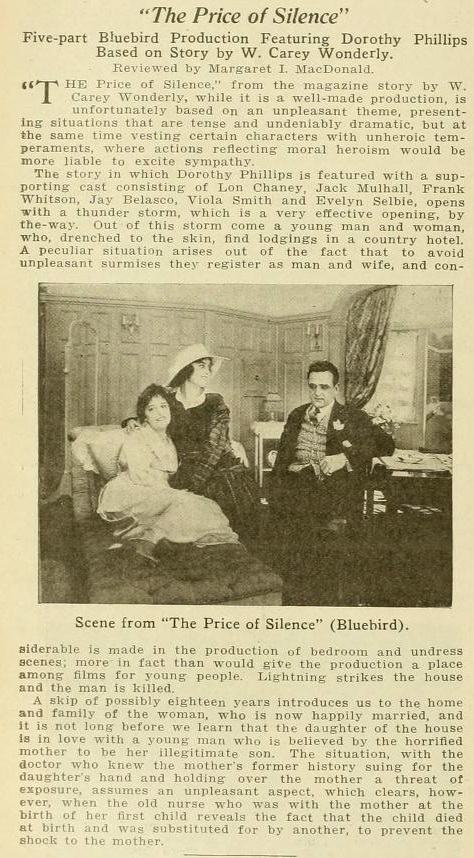
A woman gives up her illegitimate child, and then marries without telling her new husband about the child. A copy exists in the Archives du Film du CNC according to the American Silent Feature Film Survival Database.
View Details
Dir: Joseph De Grasse
Priscilla Glenn is a product of the woods, a wild, impulsive, nature-loving child. Her father is her antithesis, seeing none of the beauties of nature, thinking women only creatures to be browbeaten. Between her mother and herself there existed a strong bond of love and understanding, understanding that they were companions in the same misery and unhappiness. Priscilla had to fight for an education. At last, through the efforts of Anton Farwell, the schoolmaster, Priscilla had the opportunity of beginning her education. For a rest there came to the spot Mrs. Travers and her crippled boy, Dick, and later a specialist, Dr. Leydward, who was to eventually straighten the crooked limbs of the boy. Priscilla and Dick met and a romance between the two was begun. Jerry Jo, a half-breed, coveted the girl, and lured her to a house on the hill where there was a library. Although the girl was as sweet and pure when she returned home the next day her father sent her from his roof. Priscilla went to her only friend, Anton Farwell, and together they started for a new country. For Farwell was hiding from the world. In the long ago he had loved Joan Moss, and for the love of her killed the brother of Dr. Leydward. Before Priscilla and Farwell had gone far he received word that he must choose the alternative of living buried in the woods or in prison. So Priscilla went on to find her way alone in the big city with the mission to look for Joan. Priscilla devoted her life to the care of the sick, and so once more she and Dick Travers met, and worked hand in hand for suffering humanity. It was thus that she knew Dr. Leydward and his daughter, Margaret, who was to wed Clyde Hunter. One day as Priscilla was strolling in the park she saw Jerry Jo, now a nondescript beggar. Towards him she bore no malice, but a strong desire to make life happier. On following Jerry Jo to the tenement room he called home, some of the inmates mistook her for an angel of mercy for a dying woman, who was none other than Joan. From her lips she learned that the crippled child belonged to the affianced of Margaret Leydward, and also secured Farwell's exoneration. She showed Leydward and Margaret the true type of the man the latter was about to marry. Then she wandered back to the "place beyond the wind" to find comfort and peace. She found that her mother had died and her father had been stricken blind and still refused to own her as his own flesh and blood, and a second time sent her from his home. And then, crushed and wounded, she again found solace in her old friend, Anton Farwell, who a short time previous had returned to his home. To Farwell she told of the finding of Joan, but left with him his ideal of her, of her trueness and worth of trust. Priscilla returned once more to her little sanctuary in the woods, where she had erected her own altar to her own God, and where, too, she first met Dick. And there he found her. For realizing his love for her, he had followed her to the "place beyond the wind" and for a second time, with his old violin he started a new spark in the life of tho one woman, the one whom he would cherish and love and protect as long as time went on.
View Details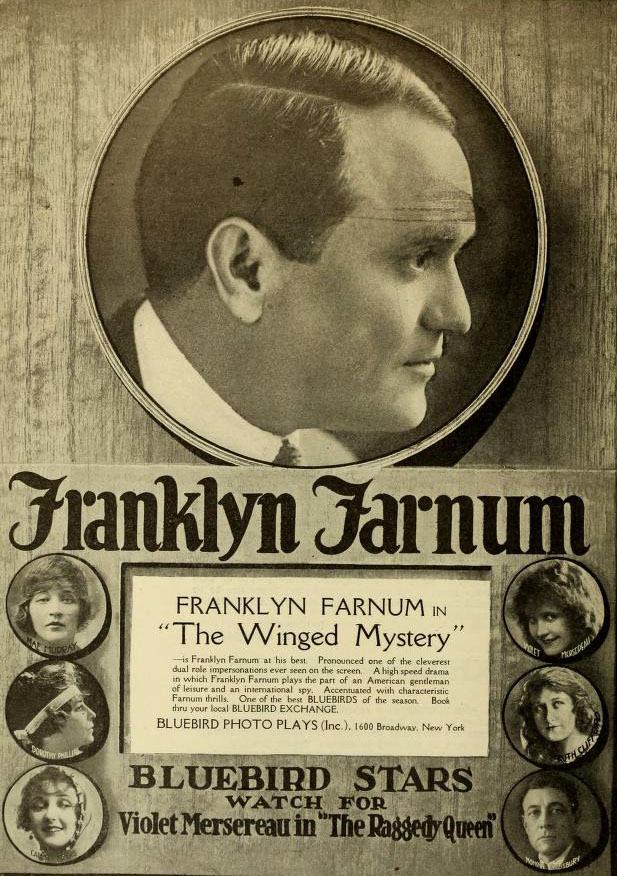
Dir: Joseph De Grasse

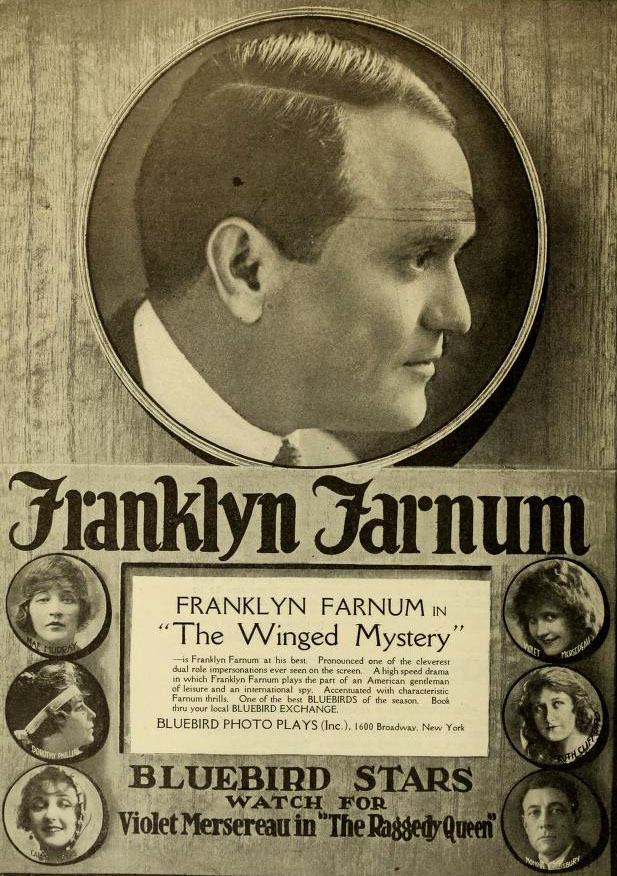
Louis and August Siever, twin sons of a German father and American mother, are traveling through Europe when war breaks out. August joins the Kaiser's army, while Louis, a loyal American, is trapped in Berlin for a year while he tries to prove his citizenship. After a violent confrontation with Louis, August steals his brother's passport and leaves for New York City with Gerda Anderson, a German spy. Louis also returns to the U.S., and sometime later is invited to a weekend party on Long Island by his wealthy friends, the Waynes. When August and Gerda learn of the event, they rent a nearby house and invite all of the Waynes' guests, including Louis, to a "mystery" party. Upon their arrival, the women are held prisoner and ransom notes are sent to their husbands via carrier pigeon. Shirley Wayne and Louis track down and are captured by the kidnappers. Meanwhile, Mortimer Eddington, an amateur detective, devises a method to trace the pigeons back to the house. Before Shirley and Louis come to harm, police officers arrive and demand the Germans' surrender.
View Details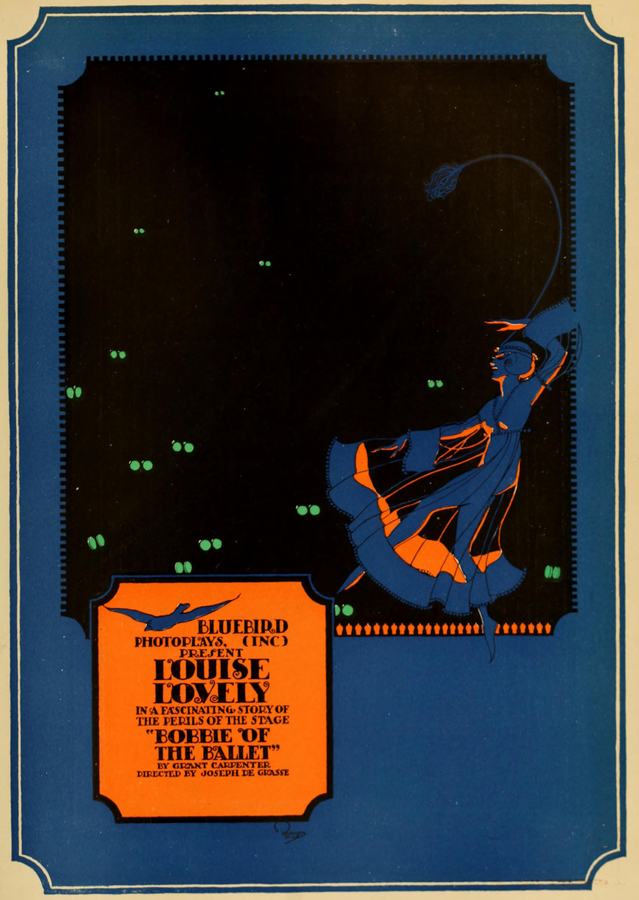
Dir: Joseph De Grasse
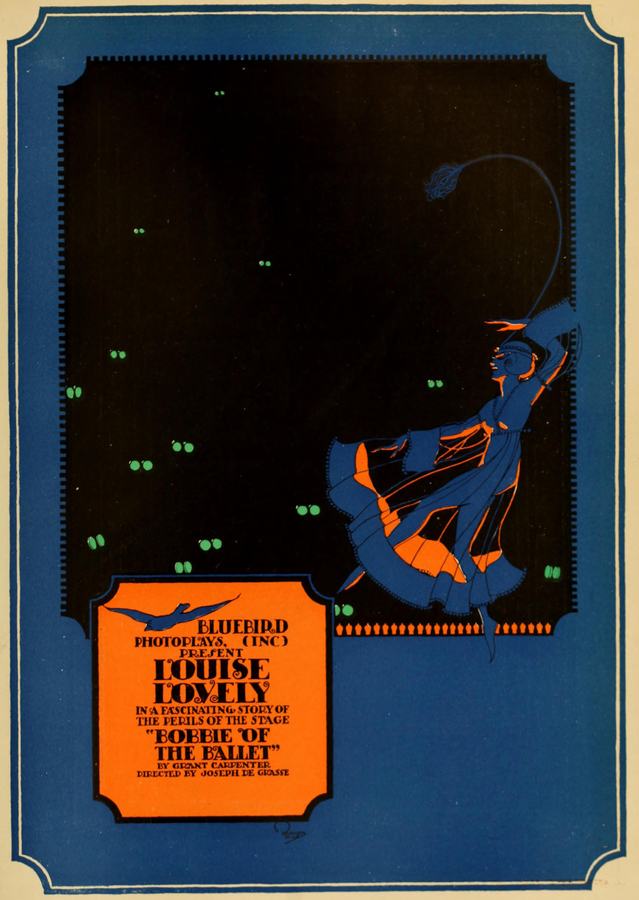
Young ballet dancer Bobbie Brent has lost her parents and must care for herself and her younger brother and sister. To keep the children, she pretends that they are her own children and not her siblings. Jack Stinson, her boyfriend, is aghast at this deception and breaks up with her. However, Jack's old girlfriend Velma is still jealous of Bobbie and comes up with a scheme to get rid of her once and for all so she can have Jack all to herself.
View Details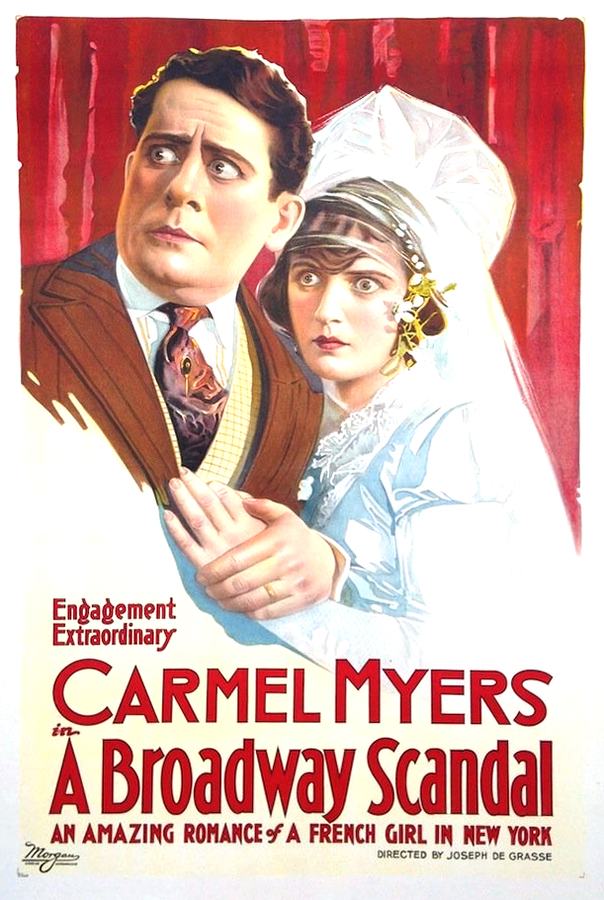
Dir: Joseph De Grasse
Nenette Bisson, who dances in her father's French restaurant in New York, takes a joy ride with "Kink" Colby in a stolen car, and is shot in the shoulder by a pursuing policeman. The driver leaves her at the hospital of David Kendall, with whom she falls in love, but he, believing French women to be frivolous, does not return her affections. Nenette's parents turn her out when they learn of her trouble with the police, after which she becomes a success on the stage. David serves overseas for two years during World War I and there learns to appreciate the valiance of French women. On his return, he proclaims his love for Nenette and helps her achieve a reconciliation with her parents.
View Details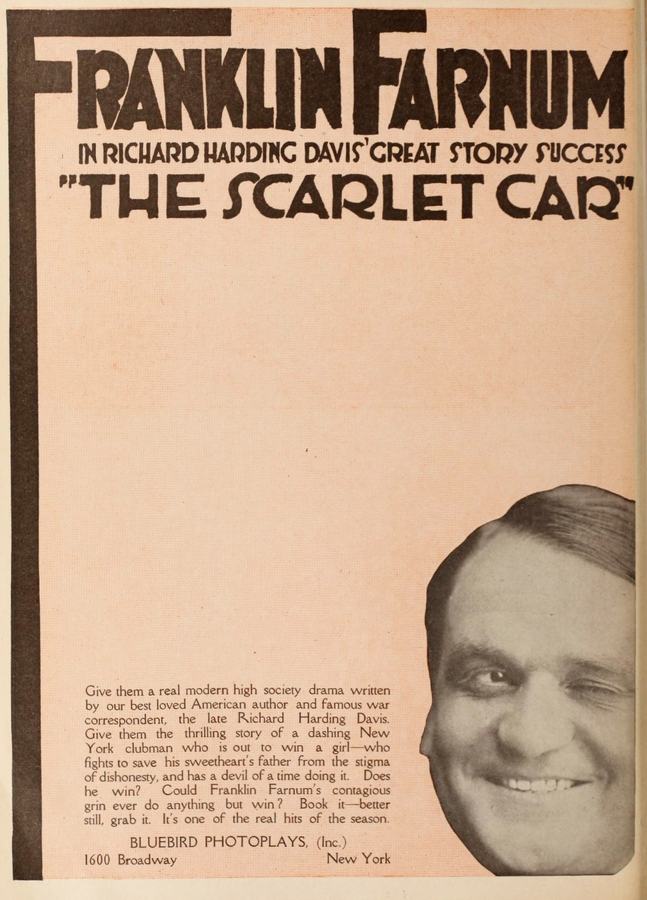
Dir: Joseph De Grasse
After discovering that Cyrus Peabody, the president of the bank, and his son Ernest have embezzled $35,000, their cashier, Paul Revere Forbes, threatens to expose them. In a rage, the two men strike him on the head and, persuaded that the busybody is dead, ask their broker to dump the body off in a deserted place. But the broker has an accident and is killed in the crash. The cashier, who was actually still alive, comes to and, while suffering a loss of memory, wanders off. Still believing their employee dead, the Peabodys accuse their cashier of having stolen the money. But Beatrice Forbes, Paul Revere's daughter, and her boyfriend, idle-turned-responsible Billy Winthrop, are on the alert.
View Details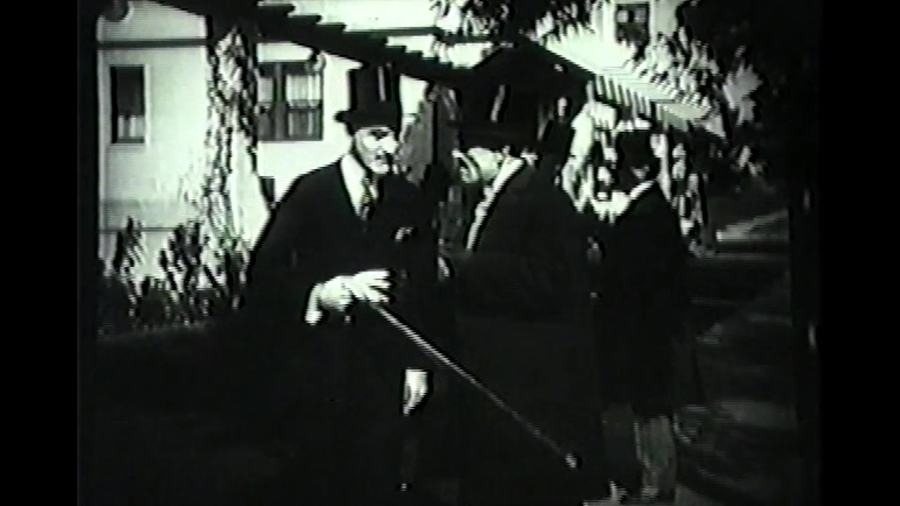
Dir: Joseph De Grasse
Montgomery Seaton, one of the idle rich, makes a hobby of befriending everybody upon whom he can intrude his good offices. Thus occupied, he neglects his wife considerably, and she in turn gives her entire attention to household duties. Vera Lane is a rich widow with whom Ernest Courtney is in love but too bashful to pursue. Mrs. Hammond comes to Seaton in distress with the story that some years earlier, she left home with a married man and lived with him for several months. Upon discovering that she had been deceived, she returned home and later wed John Hammond. Some weeks after her marriage, her husband was called away on a business trip; while he was gone Mrs. Hammond became the mother of a child, the result of her conduct previous to her becoming Mrs. Hammond. She concludes with the statement that the nurse who has always secretly cared for her child has just died and that the child must be provided with a home. Seaton goes to Hammond and relates a story which in substance makes Seaton the child's parents, and induces Hammond to adopt the child; thus Mrs. Hammond receives into her own home the child of her illicit adventure. Later Mrs. Hammond writes to Seaton, telling that the child safely arrived in her home, and further makes clear the unfortunate condition under which the baby was born. By mistake Seaton gives the note to Hammond; upon reading it, Hammond concludes that Seaton played a trick on him and induced him to adopt the issue of an affair between Mrs. Hammond and Seaton. That very night, while attending a reception, Hammond discovers Seaton and Mrs. Hammond in confidential conversation. Hammond shoots, but the bullet strikes Mrs. Hammond, who has thrown herself in front of Seaton to protect him. Coincident with these details, Seaton undertakes to present Ernest Courtney's love affair to Vera Lane, the widow, in convincing fashion. While progressing with this purpose. Mrs. Seaton becomes suspicious of her husband and is doubly mystified when she sees him carrying the child to Mrs. Hammond's home. Since she witnessed Mrs. Hammond's shooting and is a friend of all the concerned parties, the widow attempts to straighten the various entanglements, and succeeds so well that the Seatons reconcile, as do the Hammonds, after Mrs. Hammond has told her husband of her past.
View Details
Dir: Joseph De Grasse
Oliver Curwell disowned his son Roger because he declined to abandon art and go into business, Roger gradually drifted from bad to worse until he was a derelict on the streets of San Francisco. In his art-student days a girl of the name of Olga had shown interest in him, believing he would inherit his father's millions, but when he was cast off the girl abandoned her pretense of affection. One evening Roger wanders into "Sailor's Rest," a saloon and dance hall run by "Hell" Morgan. A work of art hanging behind the bar Roger denounced as a "daub." Morgan resented this remark and was beating Roger when Lola saved his life by her interference. Morgan's daughter continued to befriend Roger and finally prevailed upon her father to give Roger the job of playing the piano in the dance hall. Roger painted Lola's portrait and they fell in love with each other. Sleter, a tough politician, objected, for the reason that he coveted Morgan's daughter. Olga leads a party of friends to "Sailor's Rest" on a slumming tour. She sees Roger at the piano and sends for him, as she reads in the newspapers of the death of Oliver Curwell, who willed his millions to his son. Roger joins Olga's party, and the old days are recalled. He forgets his love for Lola, and makes advances which Olga reciprocates. Lola goes to the party of slummers, and takes physical toll of both Roger and Olga. As a result Roger leaves "Sailor's Rest" and Lola resigns herself to Sleter. But when he attempts to collect his reward, Lola rebels and resists his advances. The tumult in Lola's room attracts "Hell" Morgan. He dashes upstairs, and in an encounter with Sleter is shot and mortally wounded. Lola drives Sleter from her room and escapes, dragging her father down a fire escape. Hardly have they reached the ground when San Francisco's earthquake and fire break loose. "Sailor's Rest" tumbles in a burning heap. Helping her father, Lola reaches the Presidio, where refugees are assembling. Her father is near death and she seeks a doctor in the crowd. Roger has been drawn back to "Sailor's Rest" by his love for Lola, and when he finds the place in ruins he likewise wends his way to the Presidio. Fate brings them together as "Hell" Morgan dies.
View Details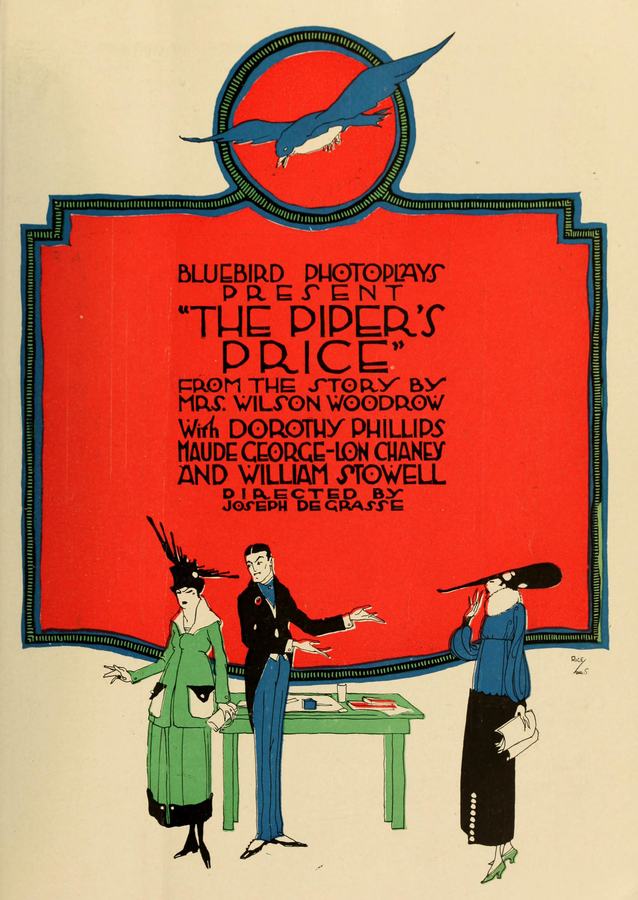
Dir: Joseph De Grasse
After divorcing his first wife and marrying a more gentle natured woman, Ralph Hadley finds himself again attracted to his ex-wife, a shrewd business woman. Trouble begins when he foolishly invites her to lunch, setting gossipy tongues-wagging. The news reaches his devoted wife who has discovered she is pregnant. She confronts the ex-wife who agrees to never see Ralph again and marries another admirer. Devasted, Ralph decides to kill himself ,luckily he is found in time by the doctor with the good news of the birth of his child. Ralph regains his senses and the couple are happily reunited.
View DetailsAnalysis relative to 45 Minutes from Broadway
| Film Title | Atmosphere | Complexity | Similarity |
|---|---|---|---|
| If My Country Should Call | Gritty | Linear | 96% Match |
| The Price of Silence | Gritty | Linear | 87% Match |
| The Place Beyond the Winds | Ethereal | Linear | 95% Match |
| The Winged Mystery | Surreal | Abstract | 96% Match |
| Bobbie of the Ballet | Tense | Dense | 86% Match |
This guide was algorithmically generated using the cinematic metadata of Joseph De Grasse's archive. Last updated: 6/27/2026.
Back to 45 Minutes from Broadway Details →