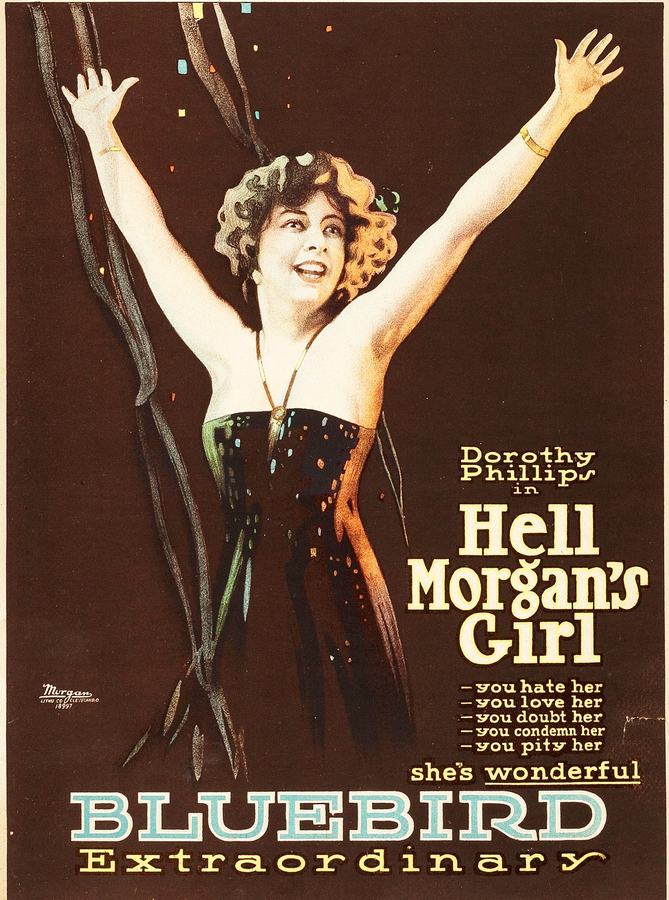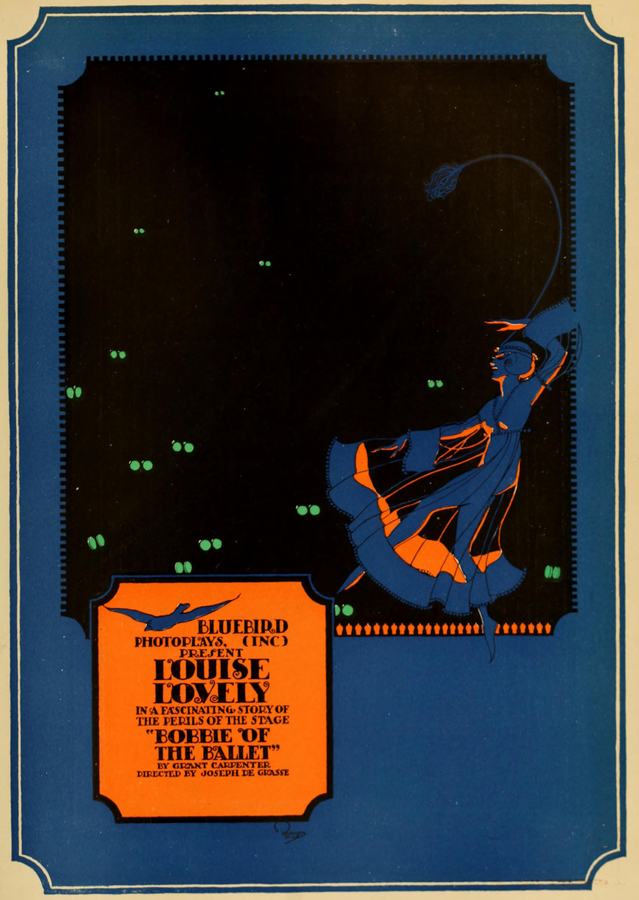
Young ballet dancer Bobbie Brent has lost her parents and must care for herself and her younger brother and sister. To keep the children, she pretends that they are her own children and not her siblings.
Ida May Park, Grant Carpenter
United States
The year 1916 stands as a pivotal juncture in the evolution of the moving picture, a time when the rudimentary grammar of the silent era began to coalesce into sophisticated visual poetry. Among the artifacts of this era, Bobbie of the Ballet remains a fascinating specimen of the 'Bluebird Photoplays' brand—a divisio...
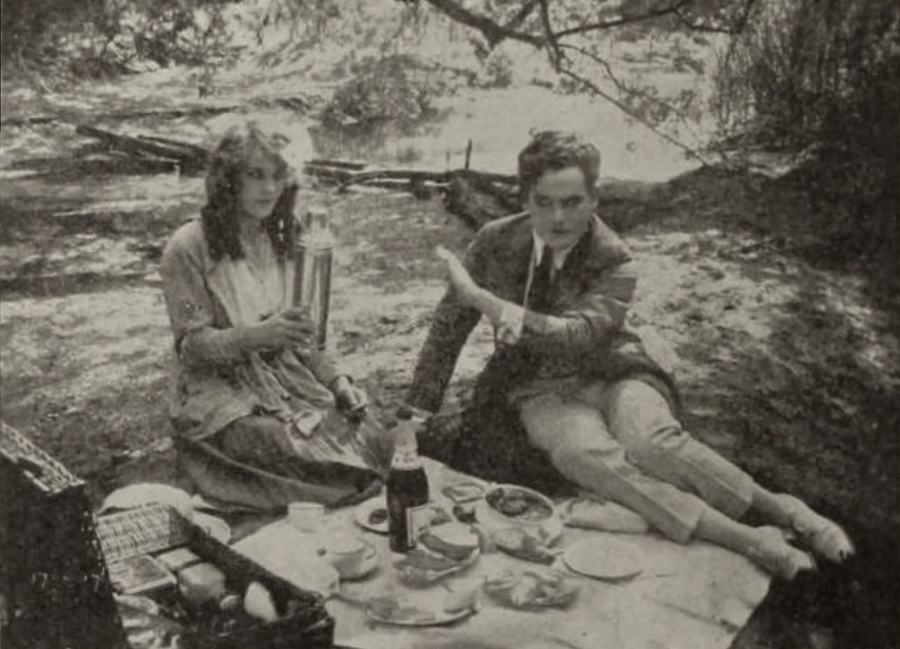
still_frame
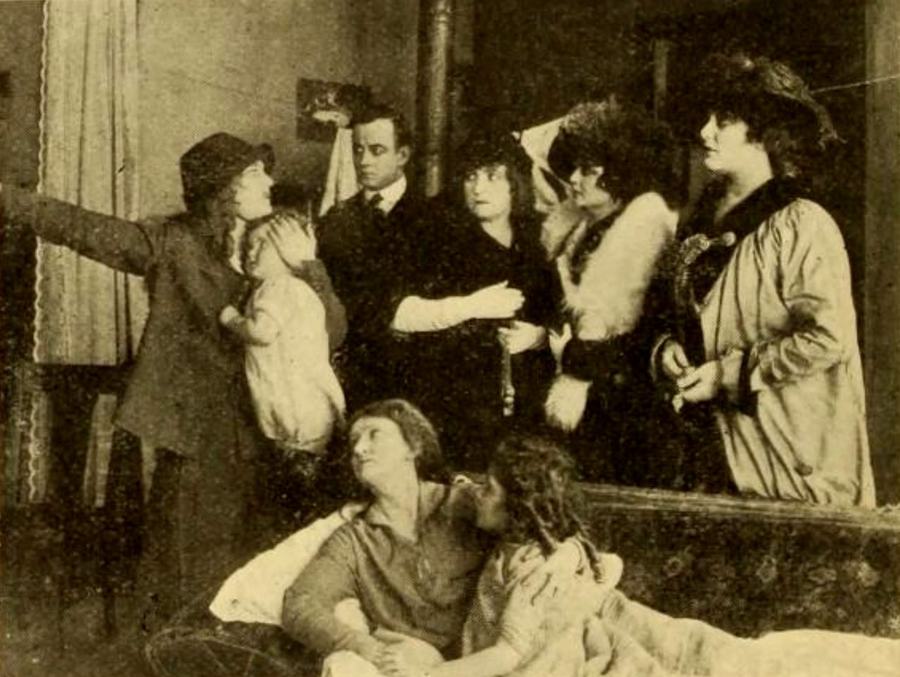
still_frame
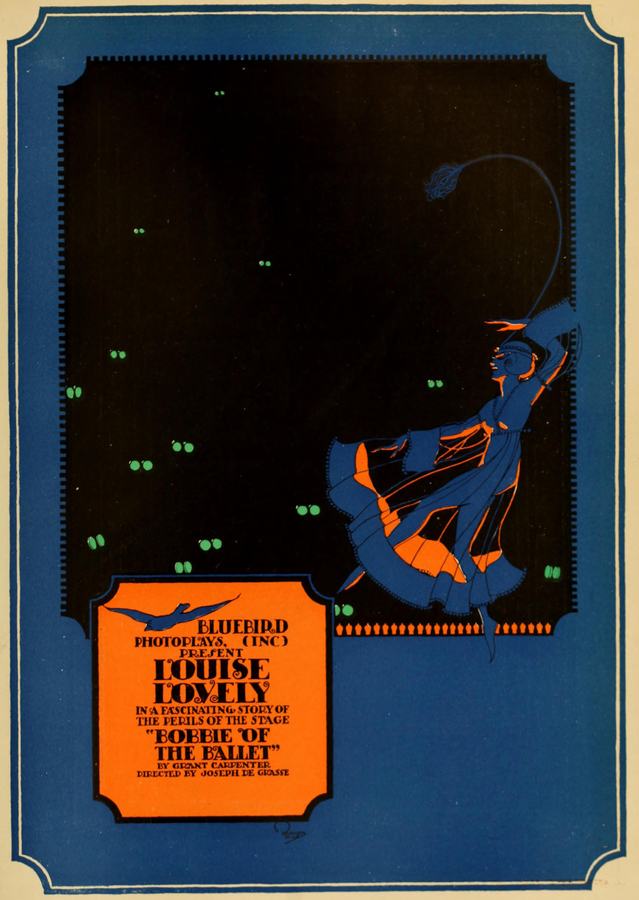
publicity
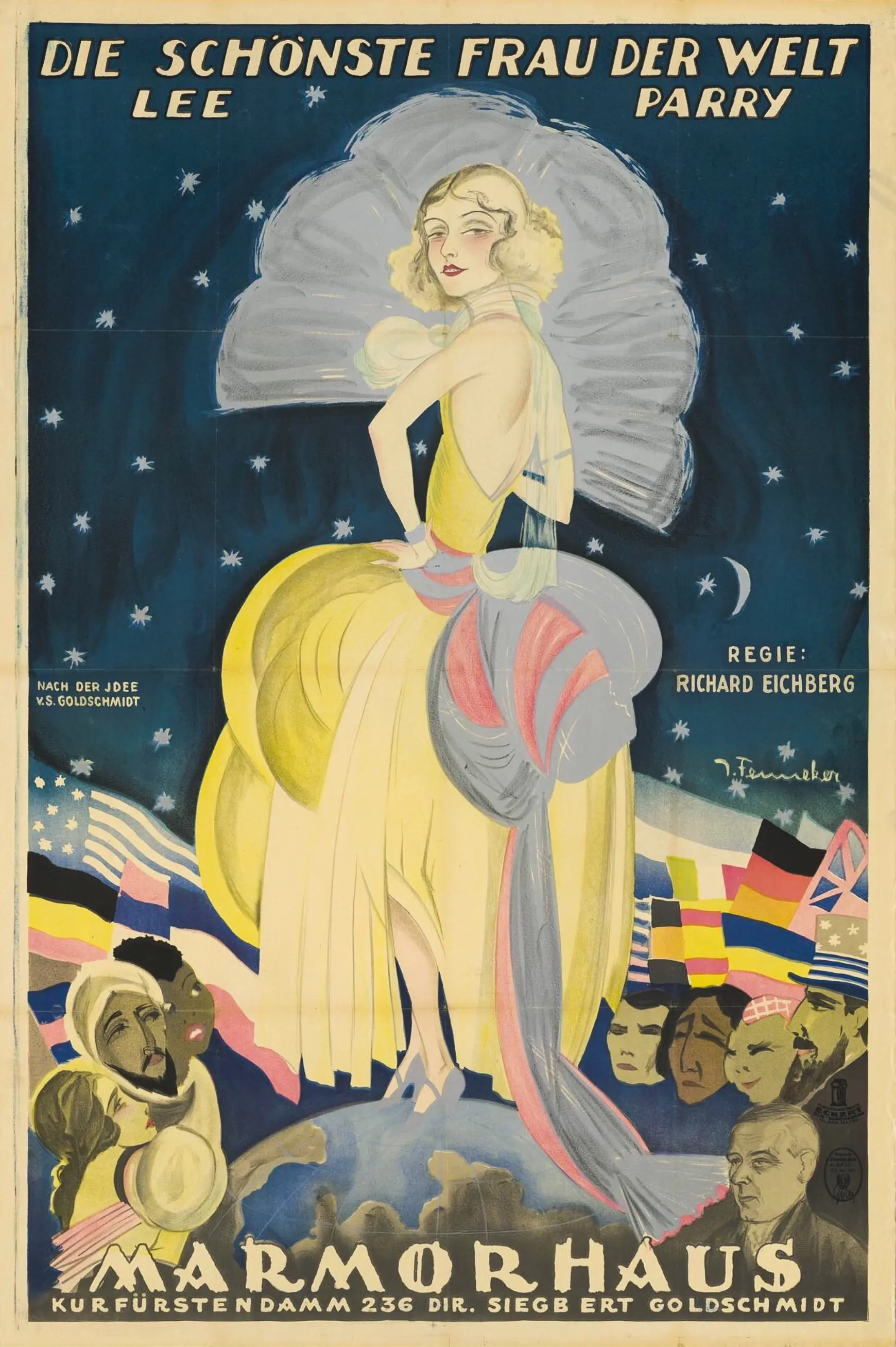
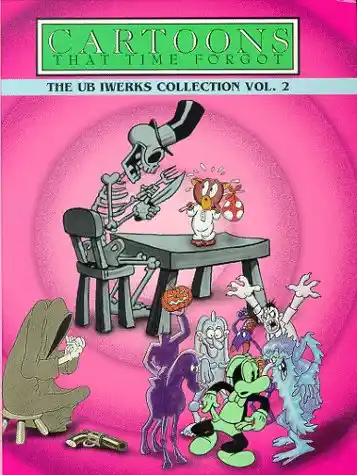
Comparing the cinematic DNA and archive impact of two defining moments in cult history.
Joseph De Grasse

Joseph De Grasse
Community
Log in to comment.
" The year 1916 stands as a pivotal juncture in the evolution of the moving picture, a time when the rudimentary grammar of the silent era began to coalesce into sophisticated visual poetry. Among the artifacts of this era, Bobbie of the Ballet remains a fascinating specimen of the 'Bluebird Photoplays' brand—a division of Universal that prioritized artistic merit and emotional resonance over mere spectacle. Directed by Joe De Grasse and scripted by the formidable Ida May Park, this film serves ..."
Deep dive into the cult classic
Discover similar cinematic experiences
A Directorial Spotlight on Joseph De Grasse