
DbcultAccessing Vault...
Recommendations
Senior Film Conservator
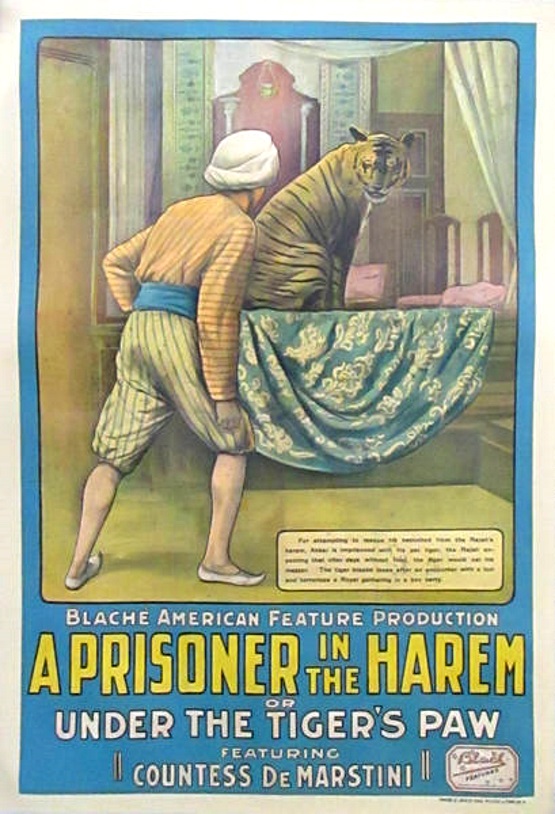
The 1913 release of A Prisoner in the Harem redefined the parameters of cult storytelling, the narrative complexity found here is a rare find in the 1913 landscape. Prepare to discover your next favorite movie in our hand-picked collection.
Historically, A Prisoner in the Harem represents to explore the darker corners of the human condition with stylistic flair.
A woman sold as a bride to the local Rajah is saved by her lover and his loyal tiger.
The influence of Herbert Blaché in A Prisoner in the Harem can be felt in the way modern cult films handle stylistic flair. From the specific lighting choices to the pacing, this 1913 release set a high bar for atmospheric immersion.
Based on the unique stylistic flair of A Prisoner in the Harem, our vault has identified these titles as the most compelling follow-up experiences for fans of cult cinema:
Dir: Herbert Blaché
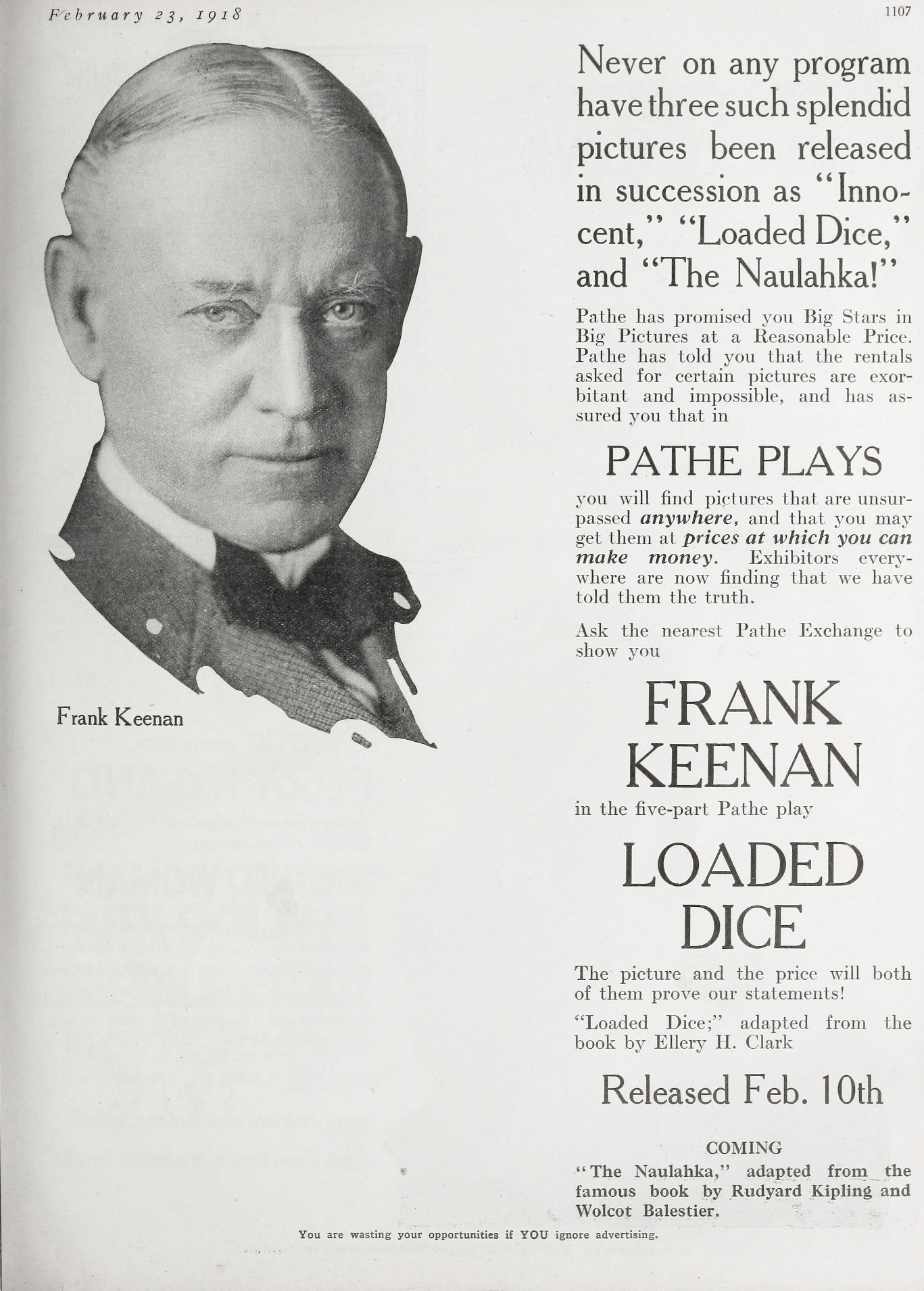
A crooked promoter commits two murders in his efforts to gain wealth and influence. He is shot on the night of his election as governor and repents of his crimes on his deathbed.
View Details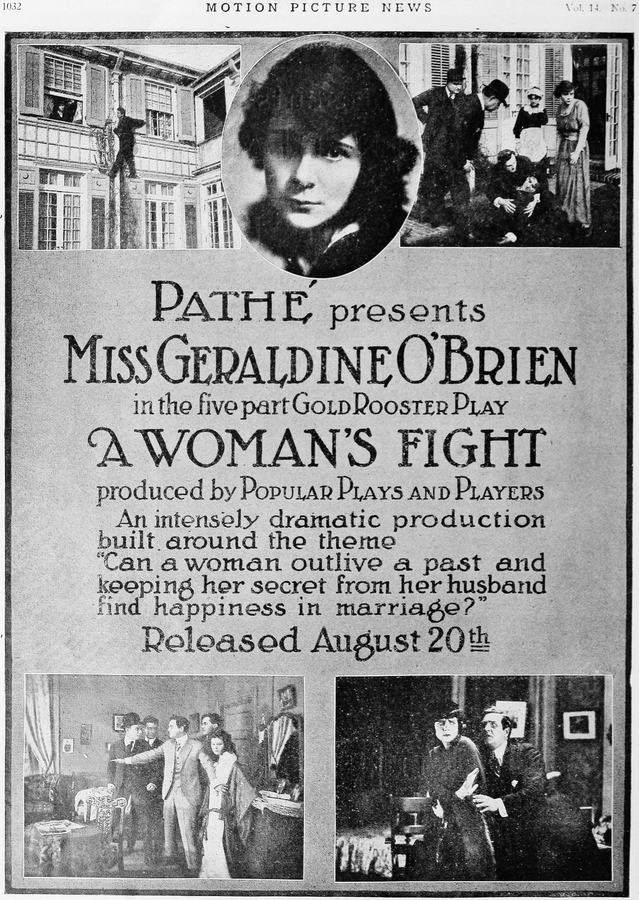
Dir: Herbert Blaché
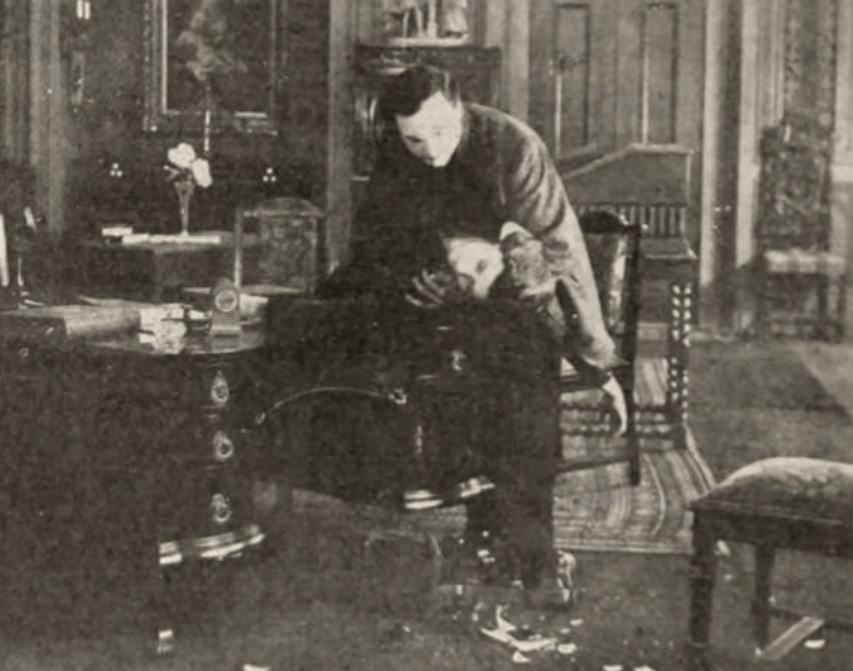
A fascinating piece of cinema that shares thematic elements.
View Details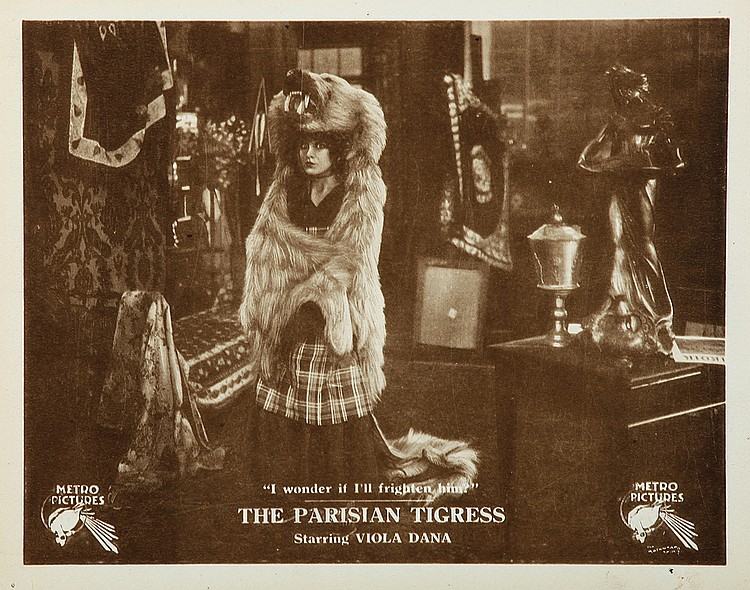
Dir: Herbert Blaché
The invalid Count de Suchet, nearing death, tells his friend, artist Henri Dutray, about the tragic events of his early life. He secretly married a dancer, and after she gave birth to a daughter, his father convinced her that she was ruining her husband's life. She gave the baby to an old couple, and then killed herself. The grieving count now worries about his daughter. Meanwhile, Jeanne, an Apache dancer in Montmartre, refuses to be sold by her brother Jacques to an old rogue. After she escapes and hides in Henri's studio, Henri, because he needs money, plots with Jacques to make the count believe that Jeanne is his daughter. Although Jeanne rebels at first, she moves in with the count and grows to love him. After the count dies happily, Jacques robs the count's safe and finds a photograph of Jeanne's mother. The butler shoots him, but before he dies, he reveals that Jeanne really is the count's daughter. Jeanne then marries a boy from the adjoining estate.
View Details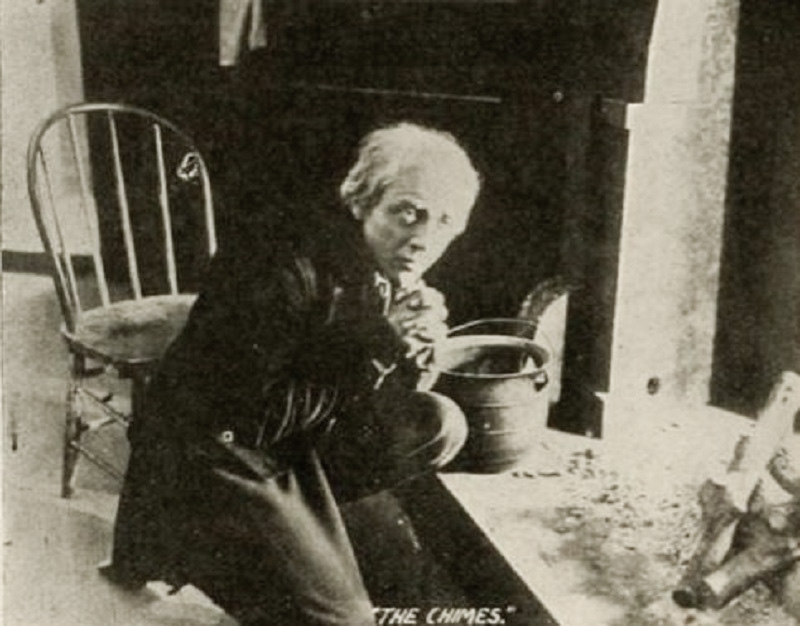
Dir: Herbert Blaché
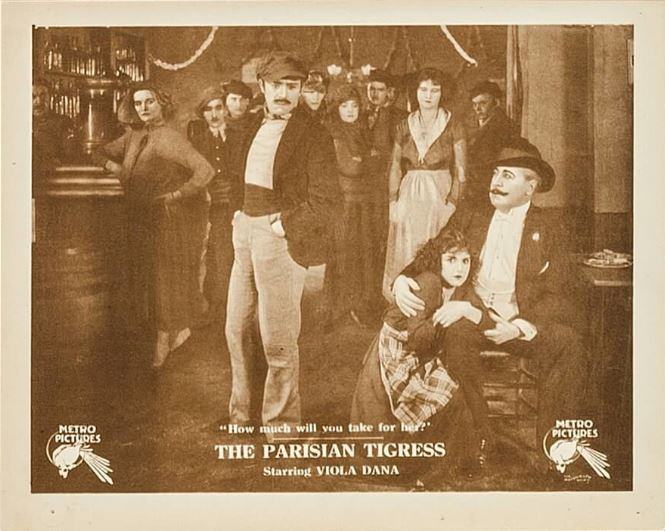
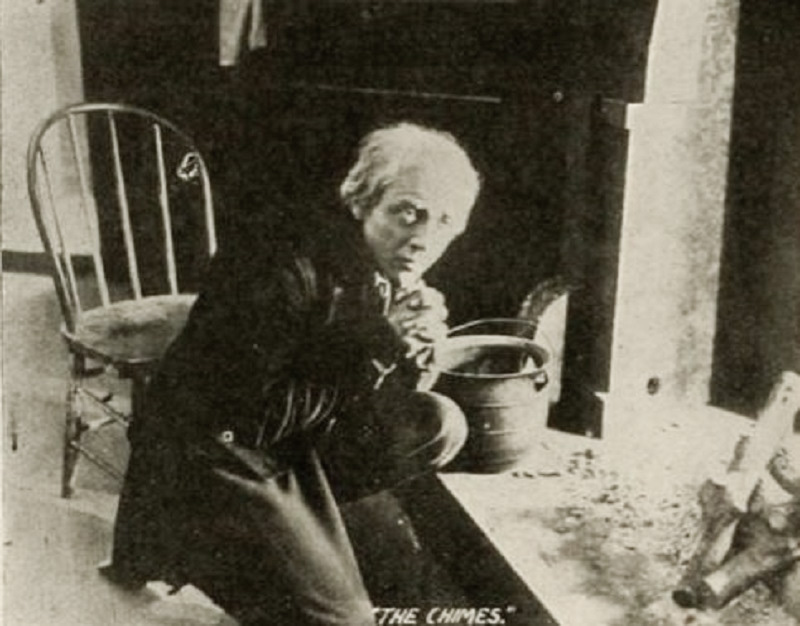
Trotty Veck, the licensed messenger, reconsiders his promise to allow the marriage of his daughter Meg to Richard, after being advised by Alderman Cute that it is a sin for the poor to wed. After his day's labors, he meets William Fern with his infant daughter Lillian seeking shelter from the authorities, who have threatened to hang him. The kind-hearted little man takes them to his humble home for the night. Far after midnight, Trotty, seated by the fireside and soothed by the chimes, falls asleep and dreams. His dream first takes him to the belfry of the old church, where the spirit of the chimes chides him for having done something he should not, and endeavors to show that the consequences might be, by picturing the future. In this vision, Trotty sees his daughter Meg living in poverty and acting as mother to Fern's daughter Lil, now grown to girlhood, Fern, in prison for his demonstration against the rich, and Richard, a drunkard from disappointment. Sir Joseph Bowley visits the little home and offers to adopt Lil, but instead mistreats her so that she is compelled to escape, but finally, upon promise from Sir Joseph to free her father, gives herself up to him, only to be ejected in time from his fine home with an unfortunate infant. She goes back to Meg and dies from the effect of her ill-treatment, leaving the infant to Meg, who in turn is compelled to leave her home due to her poverty. Going to the bridge, Meg attempts to end all for herself and infant. At this point Trotty's dreams come to an end. He now realizes that the poor as well as the rich have a right to marry, and hastens to correct his error. This done, he goes to check Fern, leading one of his meetings. Knowing the influence little Lil has on her father takes her and induces Fern to give up his plans. Trotty and Richard are taken prisoners by Sir Joseph's servants and brought before this despot, who instead of compelling Trotty to submit to his terms, is himself forced to sign a document giving the poor their rights.
View Details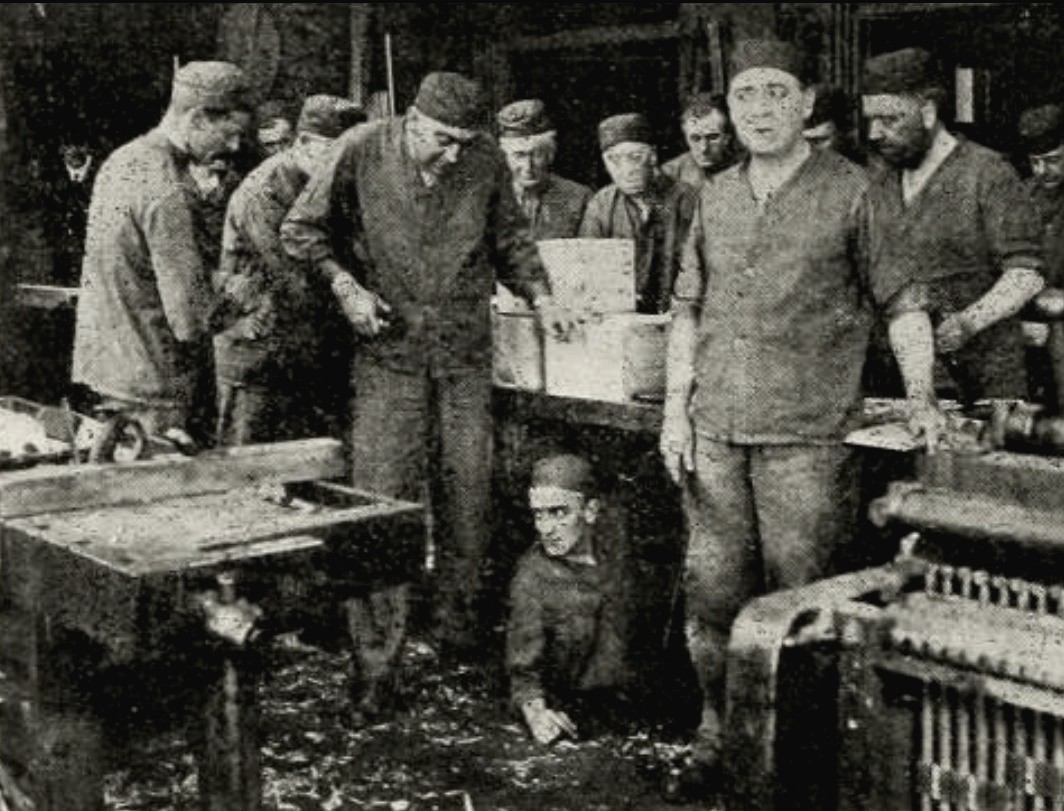

Dir: Herbert Blaché
Famous playwright Paul Worden takes a country bungalow to write a new work and rehearse with Marjorie Sinclair, his leading actress, who is staying nearby. When riding one day, Paul helps his neighbor, Diana Ardway, the spoiled teenage daughter of a steel magnate, when her horse gets the better of her. Diana, at first insulted by Paul's interference, develops a passionate interest in him, leading her to spy on him, provoke a hair-pulling fight with Marjorie, and destroy one of Paul's rooms after he treats her like a child. When Paul wires his brother Tad, known for his successes with women, to relieve him of Diana's attentions, she rejects Tad. Knowing that her father will return soon from Europe, Diana gives the Associated Press an announcement of her engagement to Paul and kidnaps him to make it appear that he compromised her. After her father returns, Paul, thoroughly beaten, realizes his love for her and accepts his fate.
View Details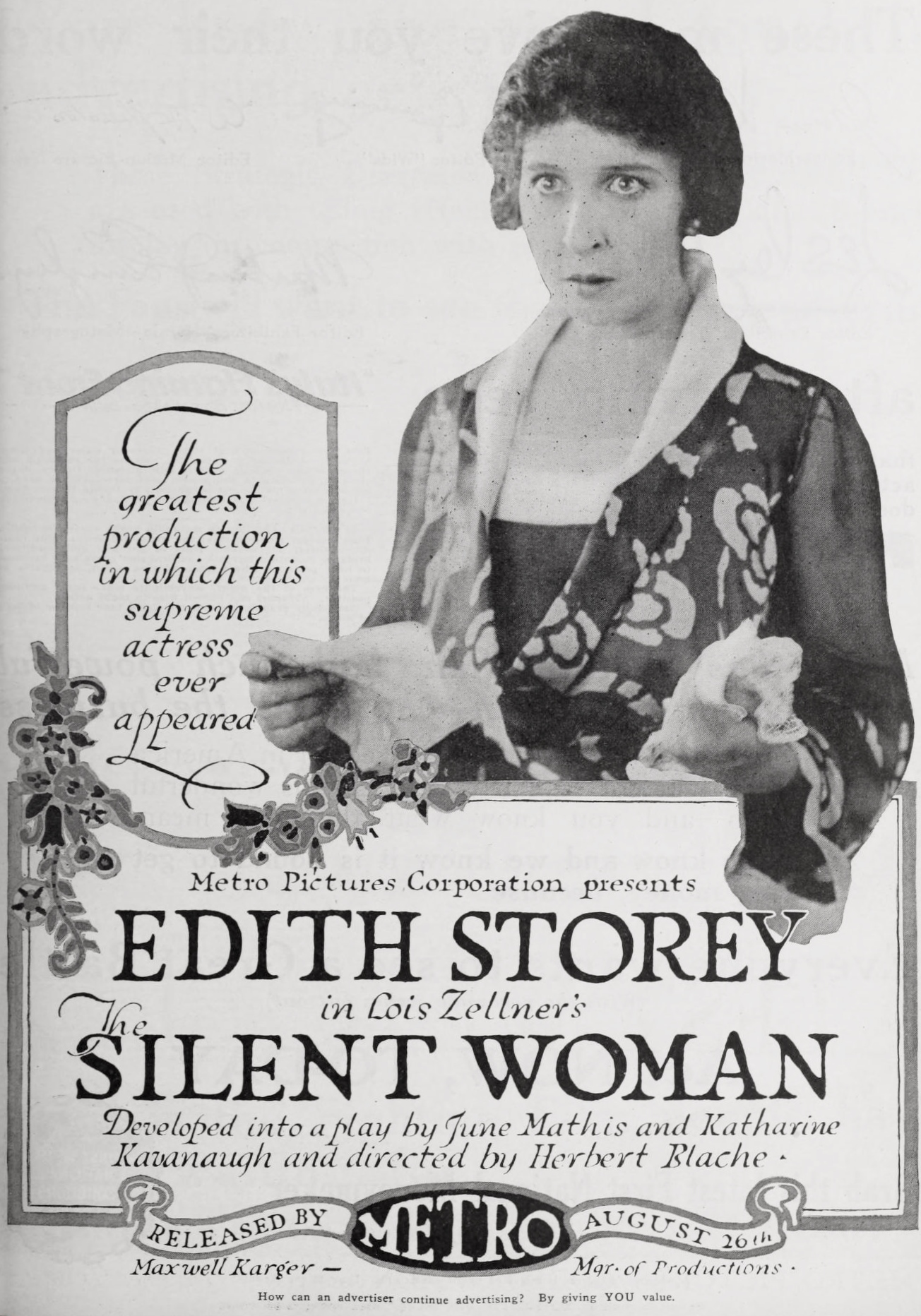
Dir: Herbert Blaché
When John Lowery, his wife Mary and their small son Billy journey to a Northern lumber camp to visit its owner, Clifford Beresford, Mary becomes infatuated with the lumberman and neglects her little boy. A Hudson Bay Company clerk named Nan McDonald, known as the "angel of the lumberjacks," forms such a strong attachment to the child that although he becomes seriously ill, Billy refuses to take his medicine unless Nan dispenses it. Watching over him late one night, Nan sees Mary steal from her room to keep a midnight appointment with Clifford, but when Mary falls down the stairs to her death, Nan maintains her silence for John's sake. Heartbroken, John asks Nan to return with him to the East as Billy's governess, but local gossips misinterpret her presence in John's house and he marries her. Informed that John still loves only his dead wife, the unhappy Nan allows Clifford to flirt with her, whereupon John learns the truth about Mary and opens his heart to the woman who really loves him.
View Details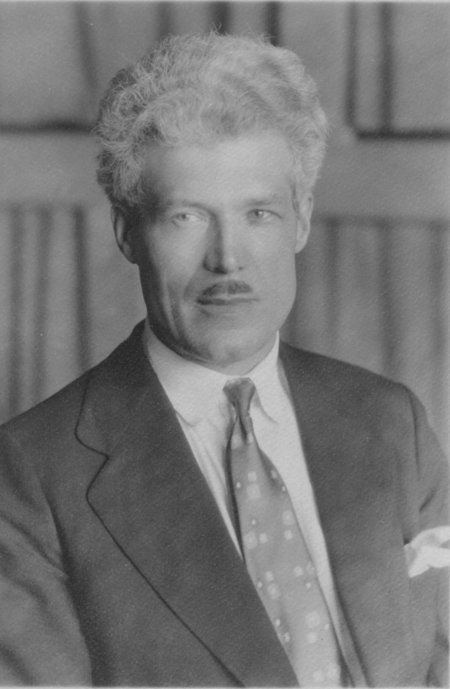
Dir: Herbert Blaché
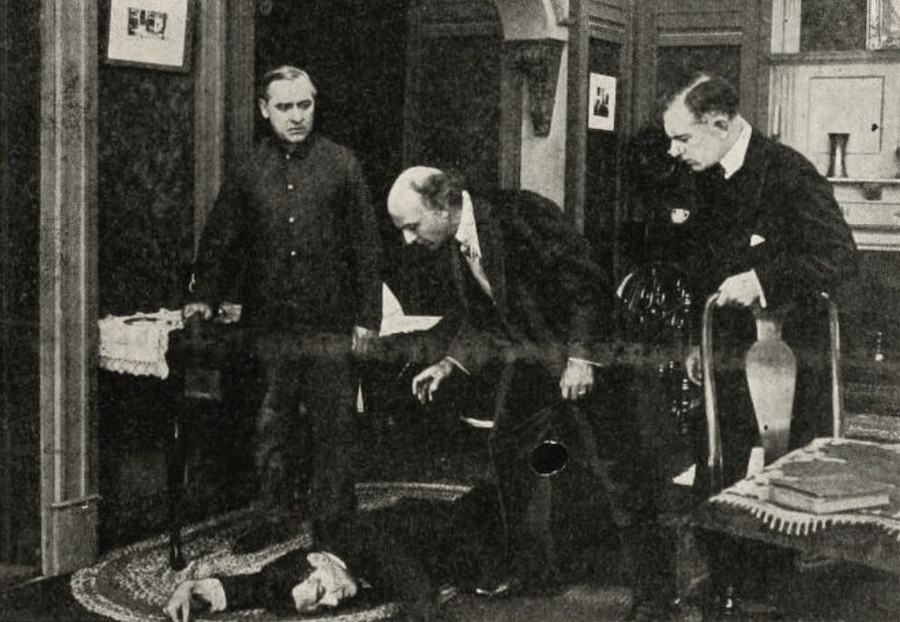
A gentleman burglar is a detective, which acts as a shield to his more shady pastime.
View Details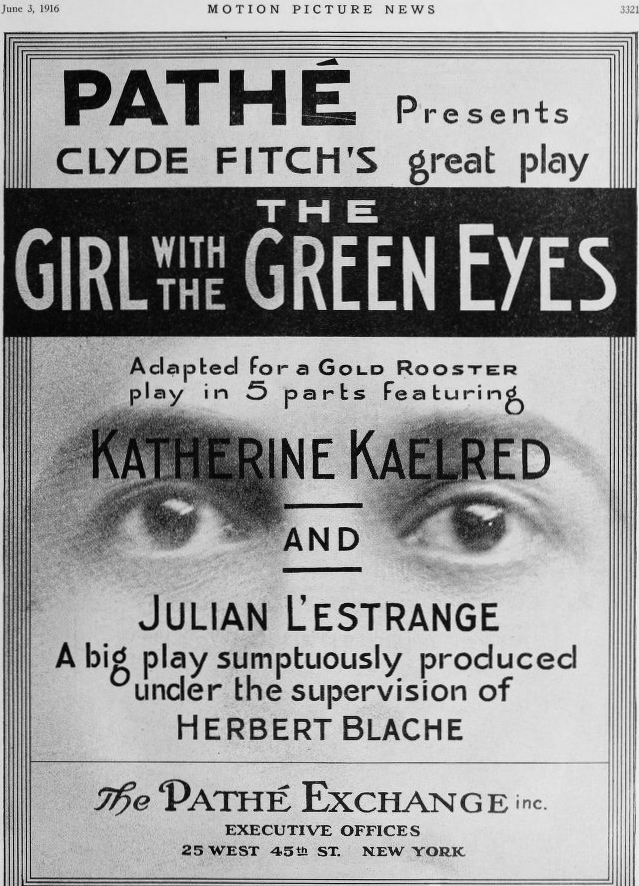
Dir: Herbert Blaché
Strolling through the park one evening, Travers comes upon a woman about to throw herself in the lake. It is his sister. She tells him she was betrayed by a man who is her son's father, and she is about to end it all because she is no longer able to endure her destitution. Travers soothes her and promises to take care of her and her son. He furnishes an apartment for them and makes frequent calls there. On one of them he is seen and recognized by Mansfield, a clubman of his, who is infatuated with Mrs. Travers and uses this suspicious, though unconfirmed, incident to try to persuade her to give him her love. Mrs. Travers, made credulous by her insane jealousy of her husband, slightly encourages Mansfield, who, with the bravado of his sort, boasts at the club of his affair with her. Travers hears of this and is uncontrollable. He sends for his sister to come to his dressing room in the theatre, and Mansfield, hearing of it, brings Mrs. Travers to surprise him. Here is the big scene of the play wherein Travers demands of Mansfield an explanation of his conduct, and Travers' sister recognizes Mansfield as the man who deserted her. Travers attempts to kill Mansfield, who is saved by the police. Then Mrs. Travers, learning the identity of "the other woman," and ridden by remorse for the jealousy that has made her doubt her husband and lose his love, attempts to poison herself. She is saved, however, and reunited to her husband by a love whose constant light outshines the occasional flashes from her "green eyes."
View Details
Analysis relative to A Prisoner in the Harem
| Film Title | Atmosphere | Complexity | Similarity |
|---|---|---|---|
| Loaded Dice | Surreal | Linear | 87% Match |
| A Woman's Fight | Ethereal | High | 98% Match |
| The Parisian Tigress | Gothic | High | 89% Match |
| The Chimes | Tense | Abstract | 93% Match |
| Greater Love Hath No Man | Gritty | Abstract | 86% Match |
This guide was algorithmically generated using the cinematic metadata of Herbert Blaché's archive. Last updated: 6/25/2026.
Back to A Prisoner in the Harem Details →