
DbcultAccessing Vault...
Recommendations
Senior Film Conservator
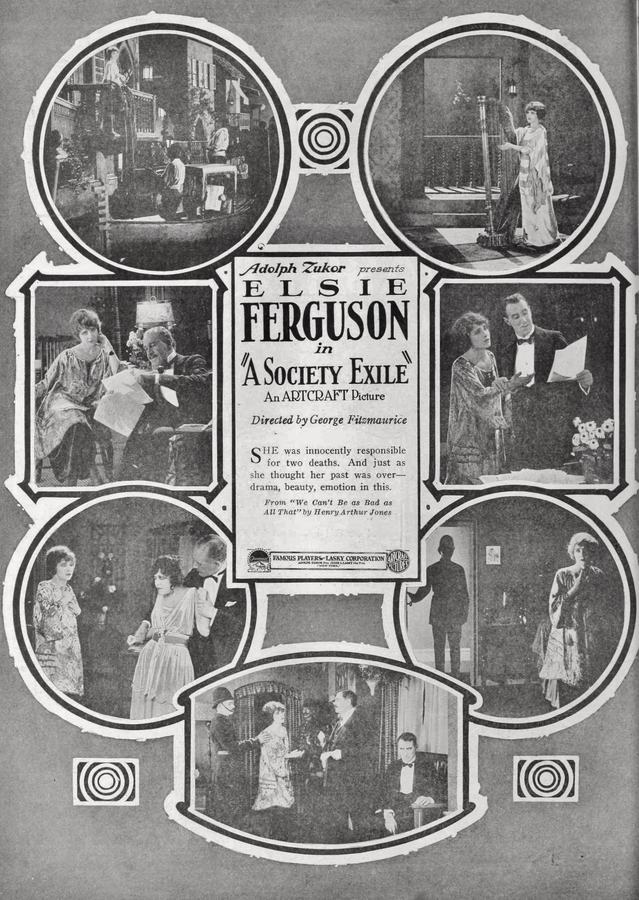
The evocative power of A Society Exile (1919) continues to haunt audiences with its stylistic flair, the artistic provocations of A Society Exile demand a follow-up of equal intensity. Explore the following titles to broaden your appreciation for cult excellence.
The visceral impact of A Society Exile (1919) stems from to transcend the limitations of its 1919 budget and technology.
American heiress Nora Shard is in England working on a dramatization of her novel with playwright Sir Howard Furnival, however, their collaboration is kept a secret from Furnival's jealous wife Lady Doris. While visiting Lady Carnforth, Nora refuses her hostess' worthless brother Lord Bissett, and out of revenge, Bissett convinces Lady Furnival that Nora is her husband's mistress. Lady Furnival kills Sir Howard and then takes her own life. Nora is ostracized and under an assumed name goes to Venice where she meets Sir Ralph Newell, Lady Furnival's brother who is recuperating from a war wound. After Nora and Sir Ralph fall in love, Nora writes him a letter explaining her part in the tragedy, but he never receives it. They wed and return to England where Lord Bissett tells Sir Ralph that he has married the guilty Nora Shard. They separate and Nora flees to Italy where she gives birth to a son. Sir Ralph later forces the truth from Bissett and Nora becomes reunited with her husband.
The influence of George Fitzmaurice in A Society Exile can be felt in the way modern cult films handle stylistic flair. From the specific lighting choices to the pacing, this 1919 release set a high bar for atmospheric immersion.
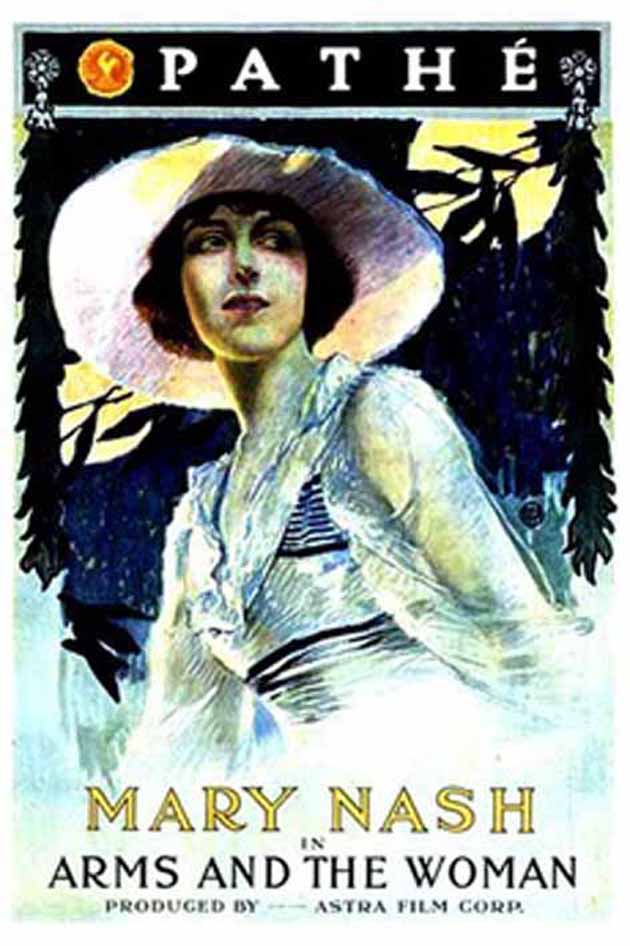
Based on the unique stylistic flair of A Society Exile, our vault has identified these titles as the most compelling follow-up experiences for fans of cult cinema:
Dir: George Fitzmaurice
Rozika is a Hungarian girl who can sing quite nice. She goes to the place known as the United States with her brother whose name happens to be Young Carl. Rozika marries a chap named Trevor and a predicament ensued after the Great War comes knocking at the door.
View Details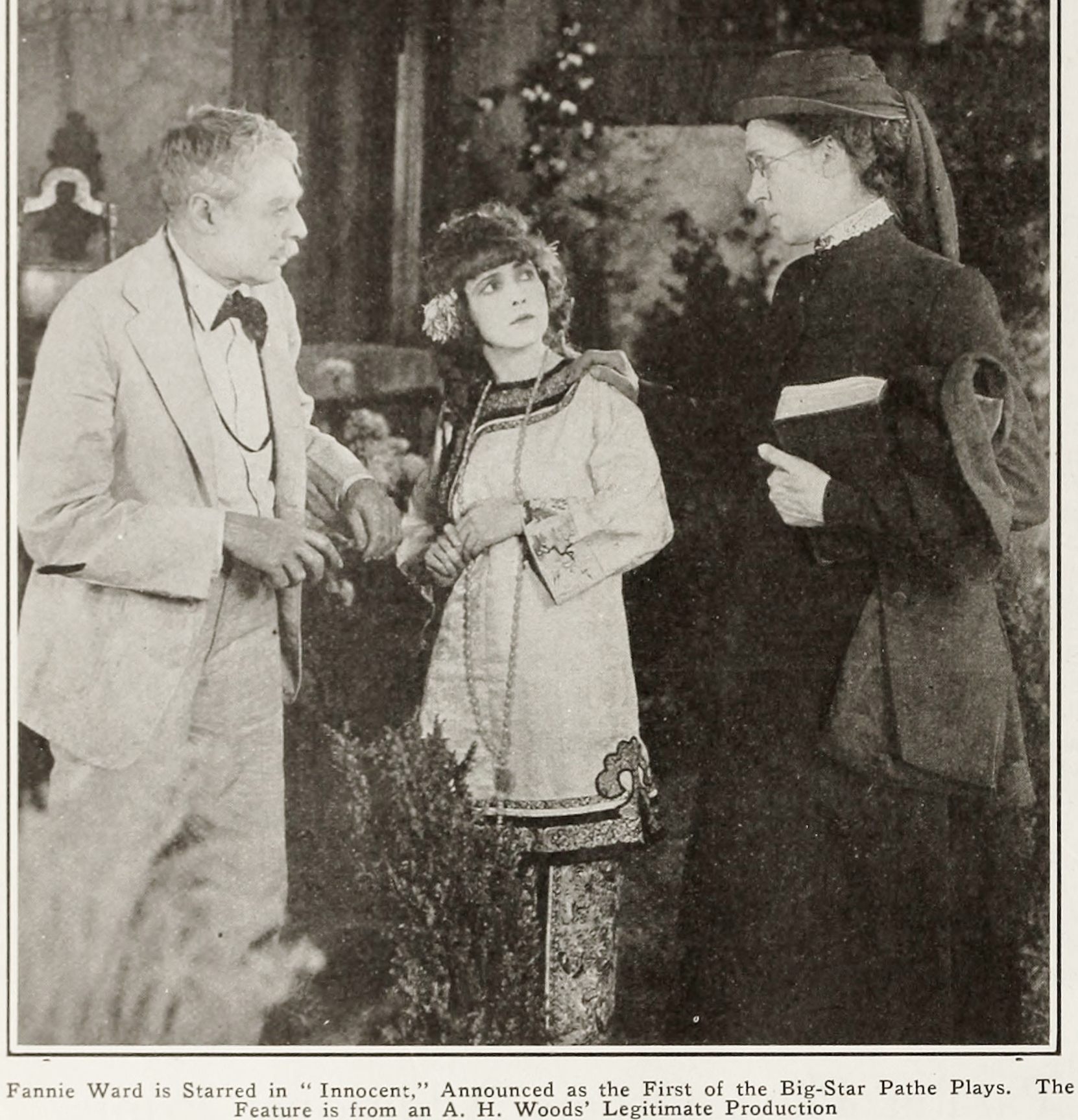
Dir: George Fitzmaurice
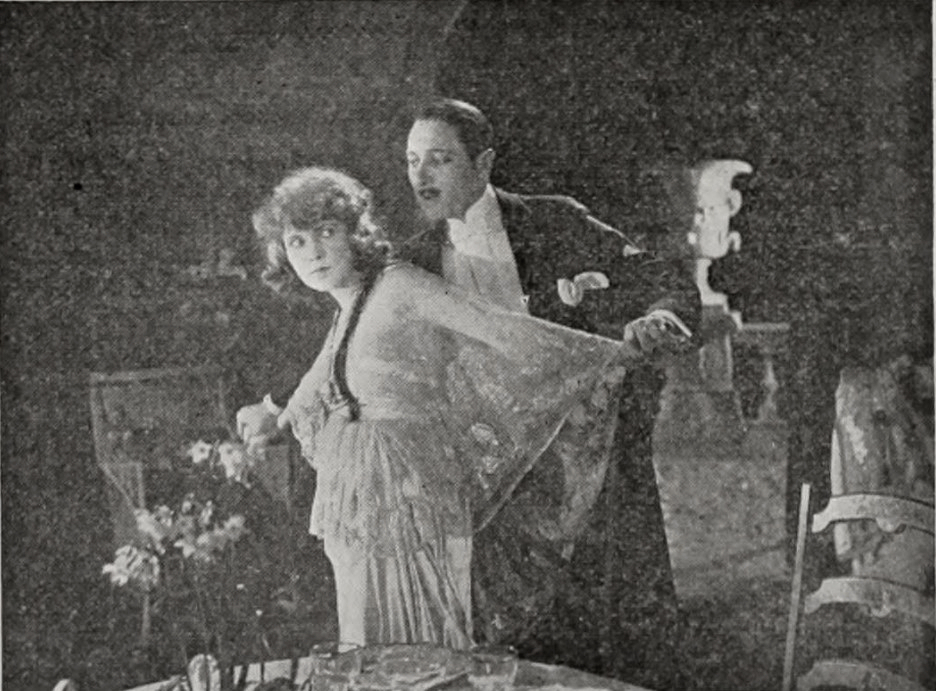
Kept in seclusion by her alcoholic father, Peter McCormack, Innocent knows nothing of life beyond her own house in Mukden, China. Following McCormack's death, Innocent is placed in the care of his close friend, John Wyndham. John promises to protect the girl, but when the two visit France, he resumes his gambling habit, while she, awestruck by the glitter and excitement of the Parisian social scene, soon becomes infatuated with Louis Doucet, the handsome but unscrupulous owner of a gambling establishment. Louis convinces Innocent to run away with him to the Riviera, but John finally locates them in Nice and shoots her lover. Having fallen in love with his ward, John returns to China, alone and heartbroken. He attempts suicide but recovers from his wound, whereupon Innocent, who now realizes her love for John, follows him to Mukden and agrees to marry him.
View Details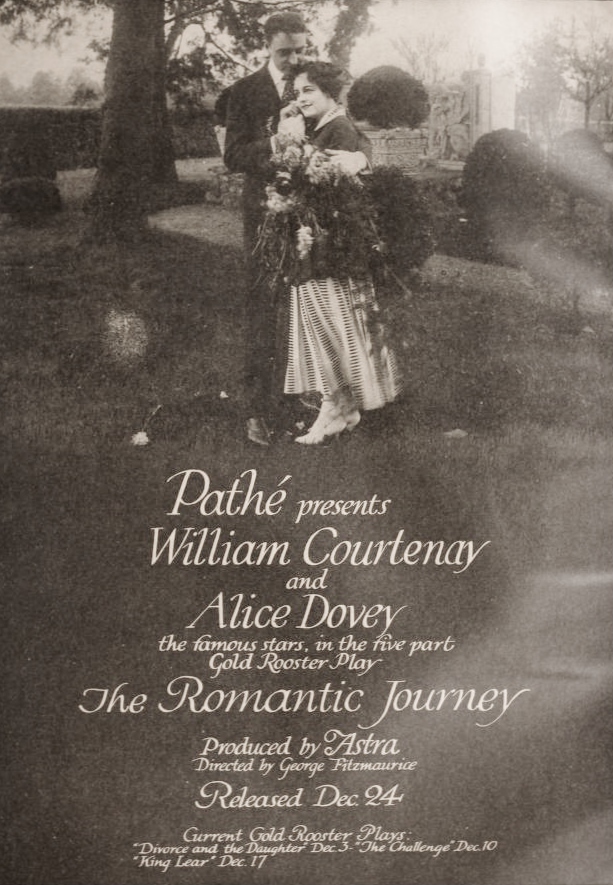
Dir: George Fitzmaurice
Peter, a social lion, suffering from ennui, visits a mysterious antique shop conducted by Ratoor, an east Indian, who has. through hypnotism, enslaved Cynthia, a beautiful young girl. Peter notices something wrong in the shop keeper's conduct and decides to investigate. Broadhurst, a millionaire, is in love with Cynthia through whom Ratoor plots to get his millions. Peter makes a nocturnal visit to the shop and discovering Cynthia imprisoned, tries unsuccessfully to liberate her. Ratoor, dominating Cynthia, compels her to accept Broadhurst's proposal and a weeding day is set. After the ceremony, she warns him against Ratoor and begs him to leave for his own safety. Broadhurst refuses, and keeping Ratoor, who has discovered their abode, under surveillance, arrives too late to save Broadhurst. And he, himself, narrowly escapes from being thrown into the river by Ratoor's henchman. Cynthia, falling by a ruse, to outwit her former master, is again in his clutches. Peter, still dubious, visits the shop of Ratoor, who, suspecting that he is watched, decides to make an end of Cynthia, who has transferred her husband's property to him. Concealed, Peter sees Ratoor and his gang disappear with Cynthia in the direction of the cemetery. The scoundrels, frightened by uncanny noises, forsake the half-swooning Cynthia who is rescued by Peter following in the darkness.
View Details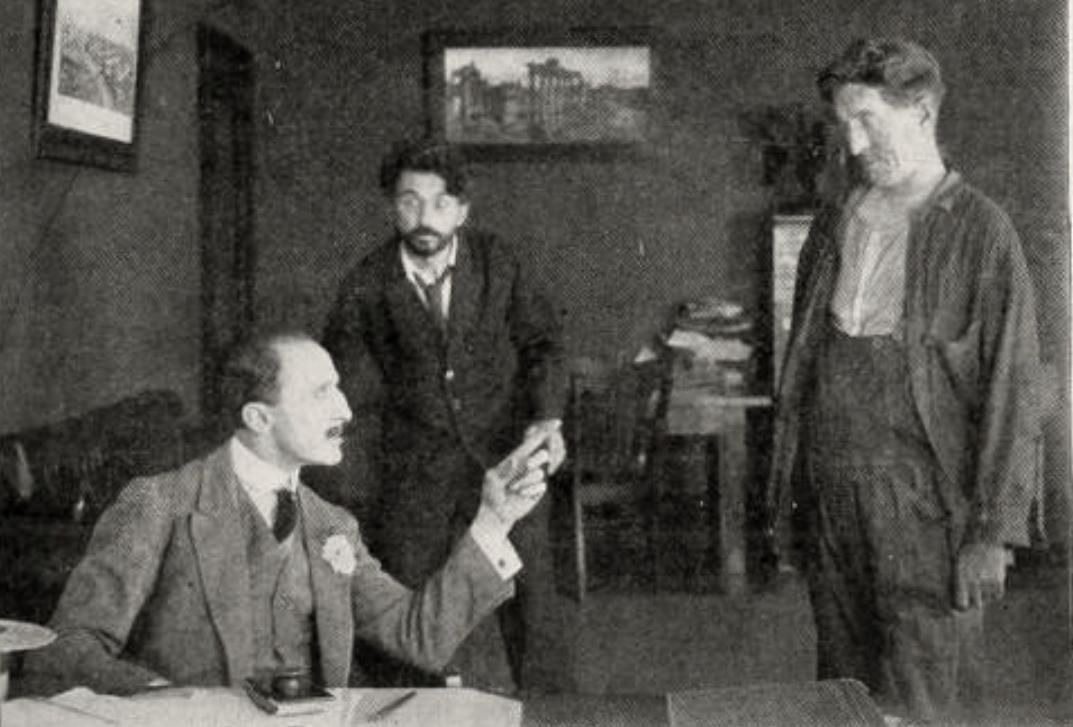
Dir: George Fitzmaurice
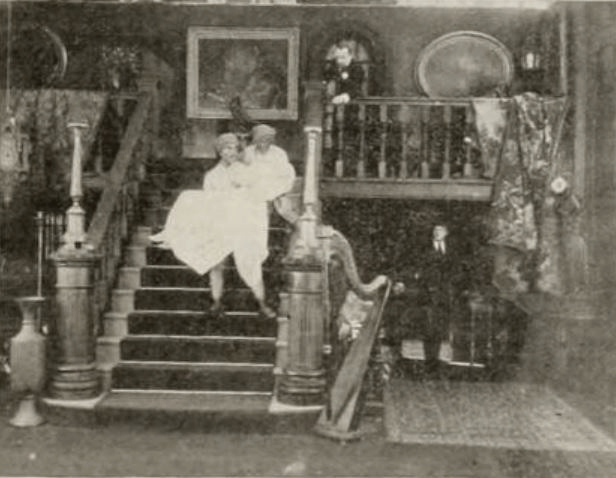
Marsh, a draughtsman in the gun factory of John Durant, is swindled by Edward Pinkney, Durant's general manager, out of the huge royalty to be paid should a gun of Marsh's invention prove a success. Pinkney loves Maisie, but is far outrivaled by Lieut. Somers, U.S.N. Somers also has invented a gun which he gives to be cast by the Durant Iron Works, and which, if successful, will do Pinkney out of his expected graft on the Marsh invention. Pinkney takes good care that the Somers gun is "killed" in the making. He then misrepresents Somers to Maisie and her father, and though Maisie loves the Lieutenant, she feels she must give him up. Accompanied by her mother and Pinkney, she goes in the Durant yacht for a cruise in Turkish waters, formally engaging herself to Pinkney. The Durant yacht hits a mine, and in the rush to leave her, Maisie is trapped in the wireless room. With the water surging up about her shoulders, and every means of escape barred she sends out the S.O.S. signal taught her by Lieut. Somers. The lieutenant, aboard a U.S. cruiser, protecting American interests in Turkey, gets the signal, and arrives at the side of the doomed ship just in time to make a sensational rescue. Here follow a mass of complications as the plot gradually resolves itself to its end.
View Details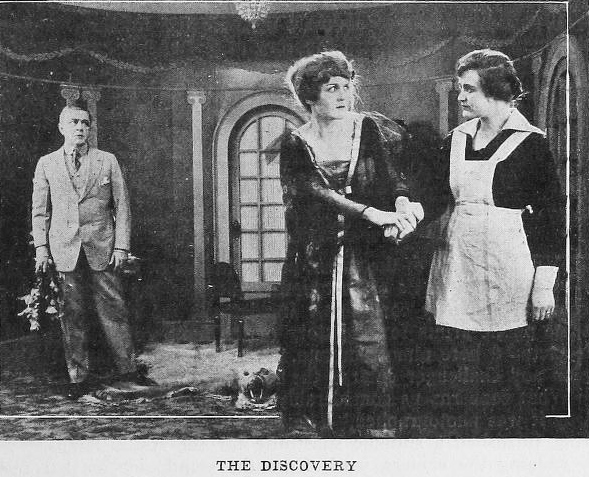
Dir: George Fitzmaurice
Mine owner Big Jim Garrity discovers that Hugh Malone is selling cocaine to his miners. He warns Malone to stop, but Malone refuses. He then decides to destroy the mine in order to get rid of Garyity. A miner is killed and Malone frames Jim for the death. Jim is imprisoned, but escapes and flees the country. He returns years later and, through a twist of fate, runs into his old enemy Malone.
View Details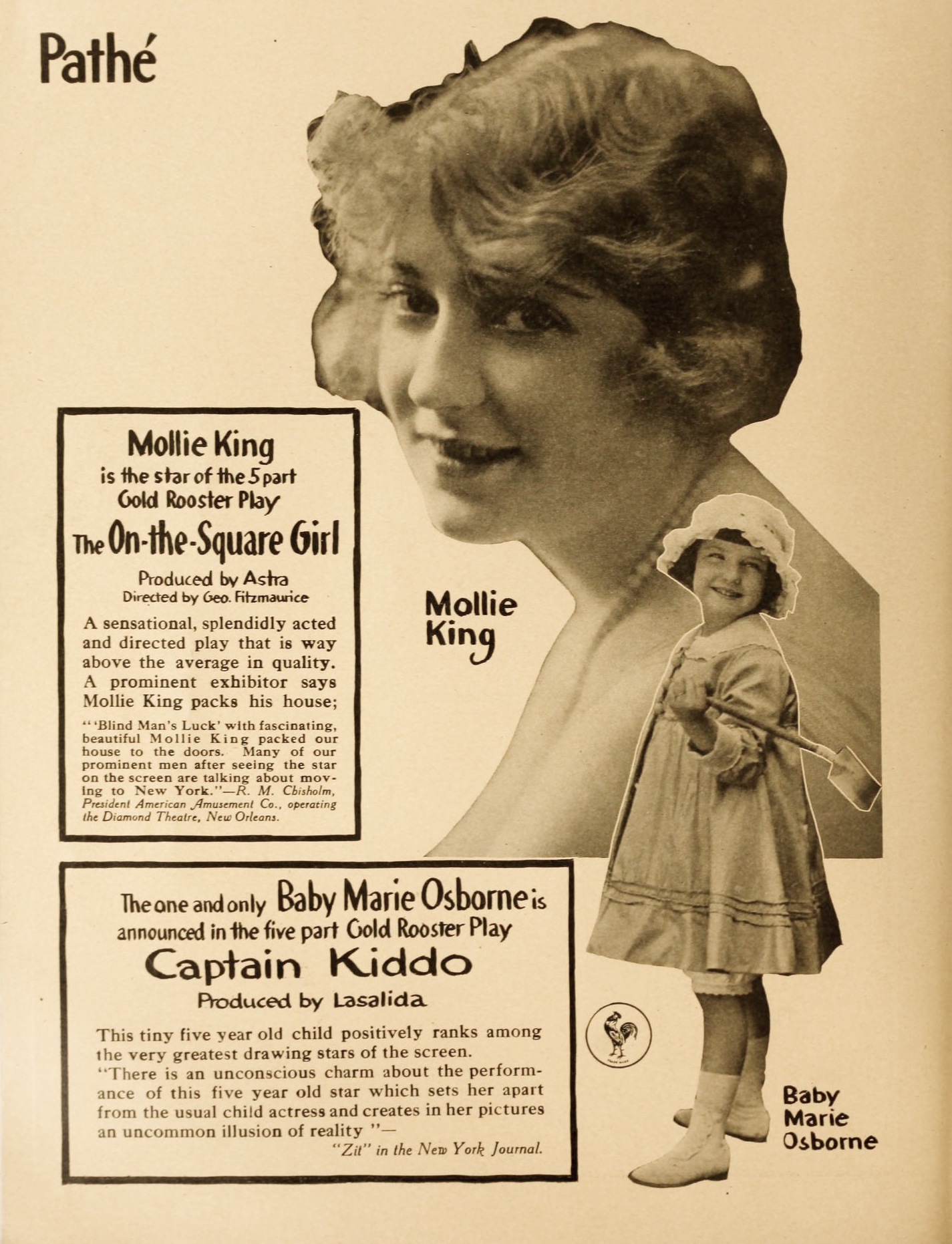
Dir: George Fitzmaurice
In order to send her invalid mother to a sanitarium in the North, Anne Blair, a dressmaker's model, accepts money from the wealthy, lascivious Thomas Brockton. With the aid of the dressmaker, Brockton attempts to seduce Anne, but she resists him with force. During the struggle, Anne stabs Brockton and flees to the North to avoid arrest. Upon her arrival, Anne discovers that her mother has died. Overcome with grief, she wanders blindly into the icy wilderness, but Richard Steel, a portrait painter, rescues her and soon falls in love with her. Through a series of letters, Anne discovers that Brockton is her father, but remains silent to protect her mother's name. After learning of her liaisons with a certain actor, Steel terminates his engagement to Inez Brockton, Brockton's other daughter. When Brockton visits Steel to demand an explanation, he runs into Anne, who tells him that she is his daughter. Ashamed and repentant, Brockton bestows his blessings on the new couple.
View Details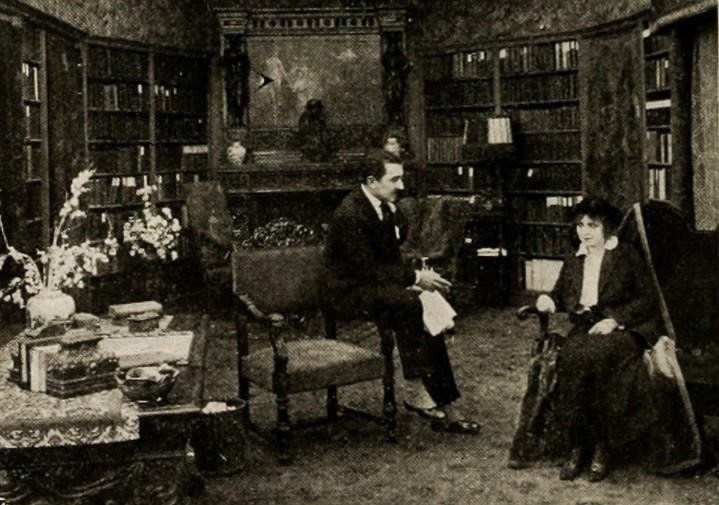
Dir: George Fitzmaurice
Mr. Carr is a kleptomaniac and his two daughters, Madge and Joan, are to be married to Mr. Cluney and Dr. Willoughby, respectively. Pretty Nell Jones, a light-fingered maid, is engaged that afternoon by Mrs. Carr after promising her sweetheart, Jack Doogan, a crook, that she will assist him to do one last job. Peculiar and mysterious things begin to happen in the Carr home with the arrival of the happy bridegrooms-to-be. A ruby suddenly disappears from the library table, into Nell's shoe, but the empty box is discovered by Cluney in his overcoat pocket a few minutes later. The family promptly suspects Nell, and Cluney telephones for a detective. While he is in the act of 'phoning, Nell slips the jewel back into the box where it is discovered by Mr. Carr just as Cluney lays down the 'phone. Cluney is stunned by the discovery and confides in Dr. Willoughby, who unsympathetically informs Cluney that he evidently suffers from unconscious kleptomania. The situation is further complicated by the arrival of Nell's sweetheart, Jack, whom she tells of the expected detective. This dignitary is met by Nell who, after deftly stripping him of star and watch, introduces him to Jack as Mr. Cluney. Jack sends him away on a mysterious mission and Nell then introduces Jack to the family as the detective from central headquarters. Cluney confides to him that he suspects himself of being a kleptomaniac and asks that Jack keep a close eye on him. Complications set in thick and fast. With two kleptomaniacs and two real crooks and a double wedding pending. Mrs. Carr has her hands full. Wedding presents disappear and reappear in the most astonishing way. A burly investor leaves $10,000 in steel stock as security for a loan and when he returns with cash to redeem his collateral, both stock and money disappear into Jack Doogan's pocket. This leads to the visit of a wagon-load of police but before the captain can read his search-warrant, even that vanishes through Doogan's nimble fingers into Mr. Carr's side pocket. Ever cocksure Dr. Willoughby shares the general hysteria and finds himself possessed of the stock securities but unable to replace them without openly branding himself a thief. The return of the detective adds a touch of drama to the evening. With an automobile liberally filled with movable valuables of all kinds ready for departure, Jack draws his gun and under its cover makes his escape, hurrying to the upper rooms of the building with faithful Nell at his heels. Believing him to have jumped through an open window, the police scatter out-of-doors and a second later Dr. Willoughby stops Jack and Nell in a hallway at the point of his revolver. This Jack deftly wrenches from the doctor's hand and again has the company at his mercy. But Nell longs for peace and the good-will of her erstwhile employers and so prevails upon Jack to throw away his gun. Then follow explanations and forgiveness. Jack shows his marriage license and the minister ends an exciting evening with a triple wedding.
View Details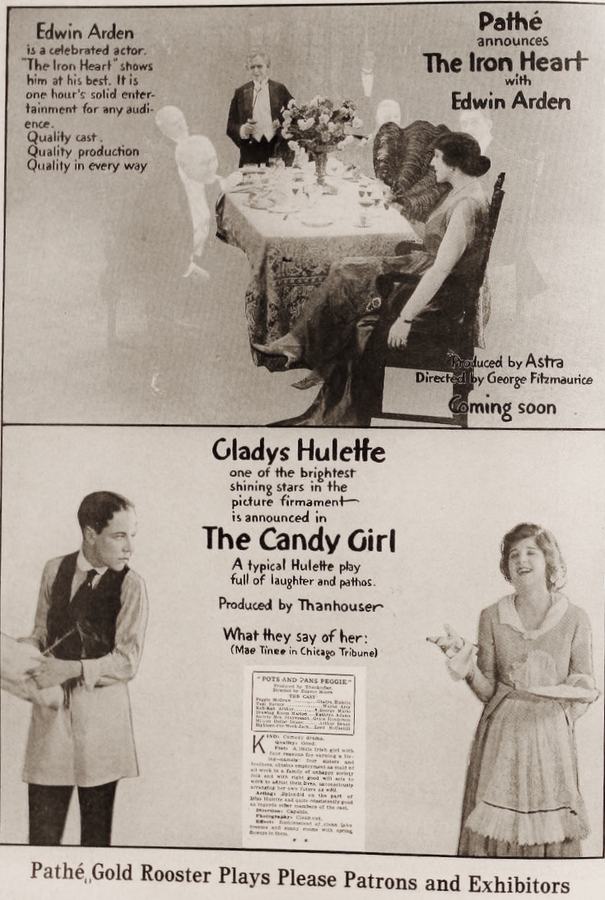
Dir: George Fitzmaurice
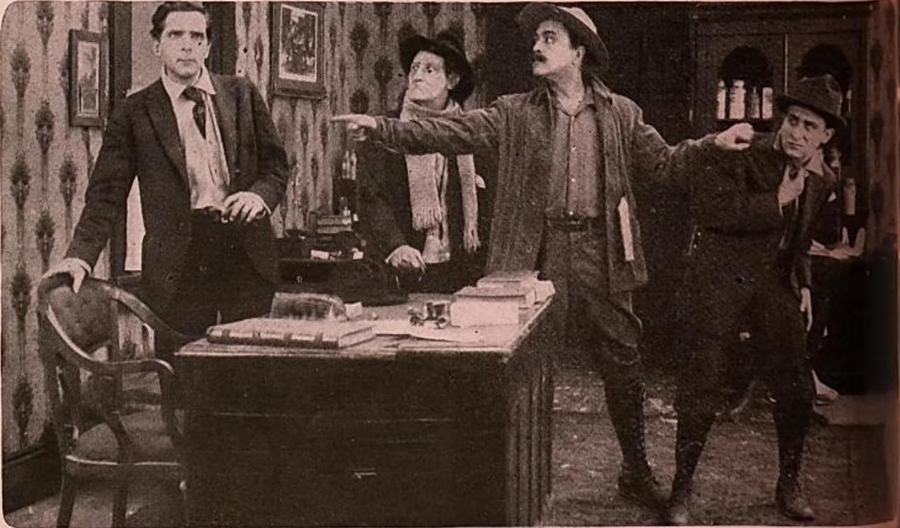
Possessed of an iron heart and a desire for power, Stephen Martin rules his iron works with a hand of steel. Even his son Tom, who marries against his father's wishes, is forced to leave home. At the death of his brother, who owned an even larger manufacturing plant, Martin inherits his brother's property, and Mrs. Martin, unable to improve socially with her husband, is forced out of the house to make way for adventuress Anne Parnell. When the workers in the plant demand more pay, Martin refuses, and a strike is called. Tom tries to pacify the strikers, but to no avail. During the strike, the plant is burned to the ground, and Martin finds himself financially ruined. His heart then softens, and he returns to his wife and begs forgiveness of his son.
View Details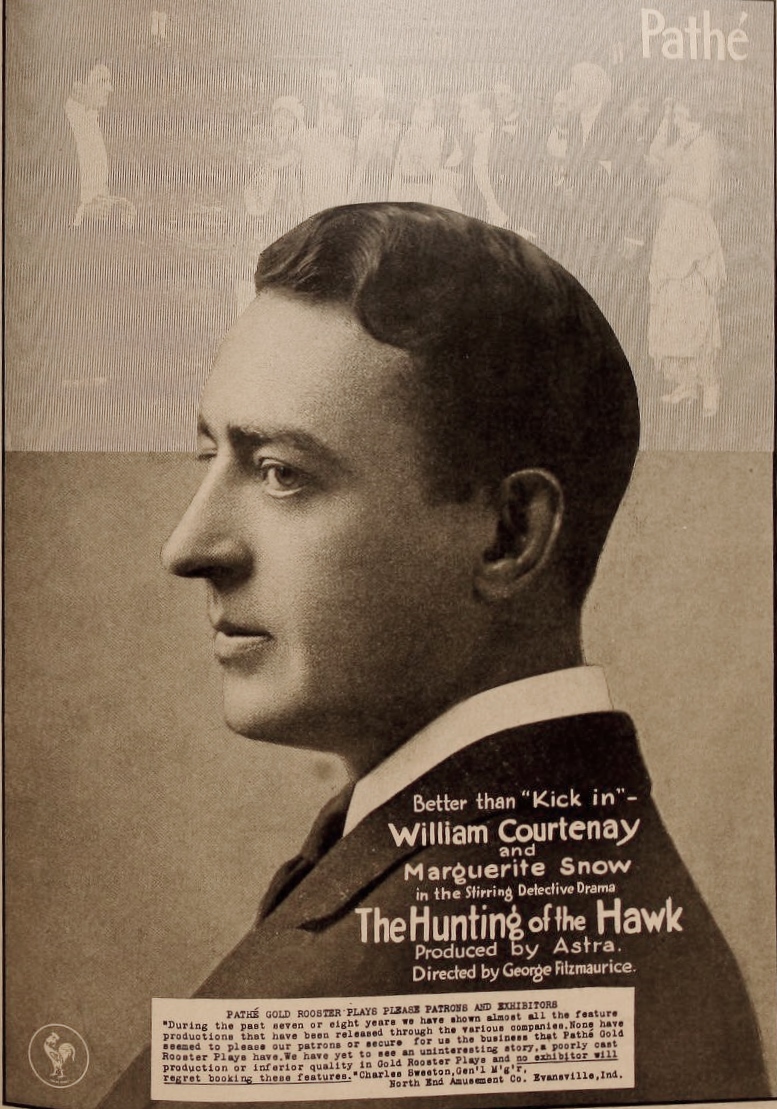
Dir: George Fitzmaurice
Steaming across the Atlantic, loaded with passengers of every description, came one of those mammoth ocean liners headed for New York. On board was supposed to be the Hawk, a notorious international thief. Diana Curran, secretary for a wealthy society woman, received a proposal of marriage from Desselway, an unknown on board. She loved him, but the memory of the past interfered. Diana's father labored unsuccessfully to sell his engravings. His work was not in demand, until one day to him came a stranger who, posing as a member of the Treasury Department, gave him a commission to make duplicate plates of government notes. While her father was working on the plates, Wrenshaw, the supposed treasury man, made love to Diana, and they were married, but on the morning of the marriage the secret service raided the rooms of Pinna's father, and in the ensuing fight her father was killed and she believed that she had killed a man herself. Arriving at the country estate, she found that Wrenshaw, whom she had left the day after her marriage, was employed as secretary to her mistress' husband. Also Desselway was invited for the house party. Then things began to happen around a necklace. Wrenshaw's gang were among the servants. Desselway secured the necklace by force. An escaped counterfeiter, one whom Wrenshaw double crossed years back, in the neighborhood. In the chase Wrenshaw was killed by a shot through the window, Desselway's real character was revealed, and Diana saw the man whom she thought she had killed.
View Details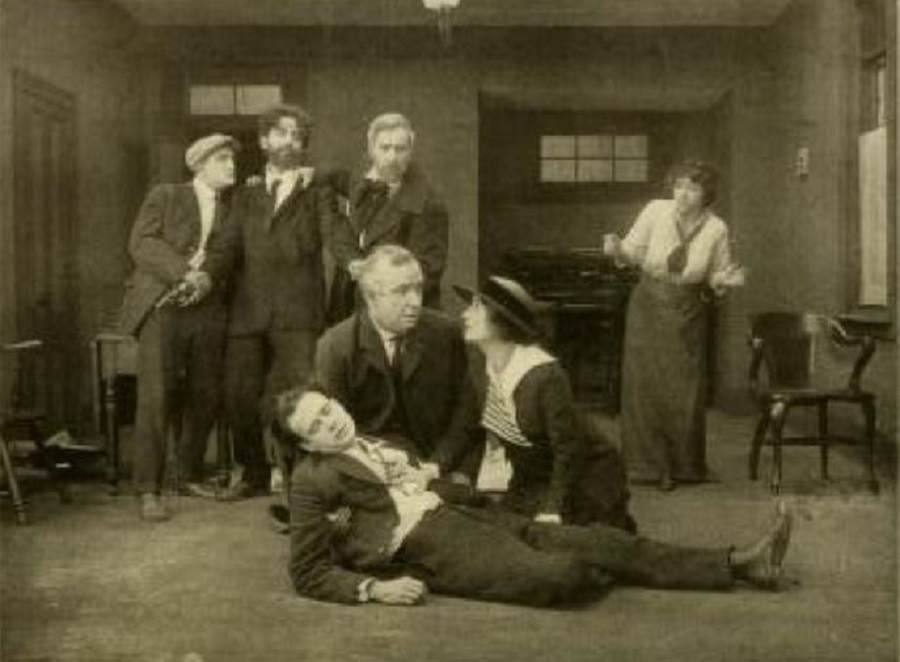
Dir: George Fitzmaurice
Prologue: John J. Haggleton is the oil king of the world. In his first years while fighting bitterly for success his methods are unscrupulous. His wife suffers as a result and learns to hate his dishonesty. One day, finding written proof of a plot to burn up the oil refinery of a competitor, she leaves him, taking her baby boy and the condemning documents. Lawrence, a competitor of Haggleton, shoots himself as a result of Haggleton's manipulations and another, Moran, ruined, falls into misery. Haggleton's wife dies in poverty, leaving her boy, Philip, in the care of a poor old man named Gentle, who brings him up under an assumed name so that the boy shall never know his father's name. Gentle keeps the documents incriminating Haggleton. The story proper opens in Moran's home. Moran, who is now working in a miserable East Side bakery with his daughter, Jenny, a woman of the streets who has been ruined by Lawrence's son, but who has reformed, is in love with Philip Ames, who is really the son of Haggleton. He in turn is in love, not with Jenny, but with Margaret Lawrence, daughter of the man who committed suicide. She is a nurse in a hospital. Haggleton comes to visit the tenement in which the Morans live and there meets his son, who is calling on Moran. Haggleton does not reveal his identity. He discovers through Gentle the identity of his son and of the hatred his son has been taught to bear against the oil king. Haggleton is struck by the boy's speeches and when shown the horrible conditions of the people living in the tenement, he offers to help them with money, but his son refuses the money, saying that a man in order to make charity effective must not merely hand money to poor people but must understand them as well. Haggleton, in an effort to win back his son, decides to try living as a laborer. He sends orders for his yacht to sail, spreading the rumor that he is on board for a long cruise. Then he starts life over in a tenement without a penny. Haggleton starts work as a kneader in Moran's bake-shop and after studying conditions begins to build up an electrical bakeshop, which will later become a real bread trust. As they prosper, the home of Moran becomes happier, but Moran, inflamed by socialistic ideas, spread about by a few bakers who are thrown out of work by the electrical machinery, nurses anarchistic hatred against men such as Haggleton who ruined him. He doesn't know, however, that Jackson is Haggleton. To this argument Haggleton explains to him that his bread trust may be hurting a few bakers, but benefits the whole East Side. Haggleton learns of the engagement of Philip with Margaret Lawrence. He tries to withhold this marriage as he has much greater plans in mind for his son, and in so doing discloses his real identity. Moran, infuriated, tries to shoot Haggleton, but Philip, who has learned to love him in the past months, stands between Moran and his father and receives the shot. He is taken to the Haggleton home on Fifth Avenue and nursed there by Margaret Lawrence. When his health is restored, Margaret announces her intention of leaving the house, for she thinks she can never bear to marry a son of the man who ruined her father. She is stubborn in her pride, but finally yields when Jenny comes to her and tells her that her own destroyer was none other than Margaret's brother. Margaret softens and henceforth Haggleton, Margaret and Philip devote their lives and huge fortune to the development of really useful charity.
View DetailsAnalysis relative to A Society Exile
| Film Title | Atmosphere | Complexity | Similarity |
|---|---|---|---|
| Arms and the Woman | Surreal | Dense | 88% Match |
| Innocent | Ethereal | Abstract | 90% Match |
| The Romantic Journey | Surreal | High | 90% Match |
| Via Wireless | Surreal | Dense | 95% Match |
| Big Jim Garrity | Surreal | Linear | 96% Match |
This guide was algorithmically generated using the cinematic metadata of George Fitzmaurice's archive. Last updated: 6/25/2026.
Back to A Society Exile Details →