
DbcultAccessing Vault...
Recommendations
Senior Film Conservator
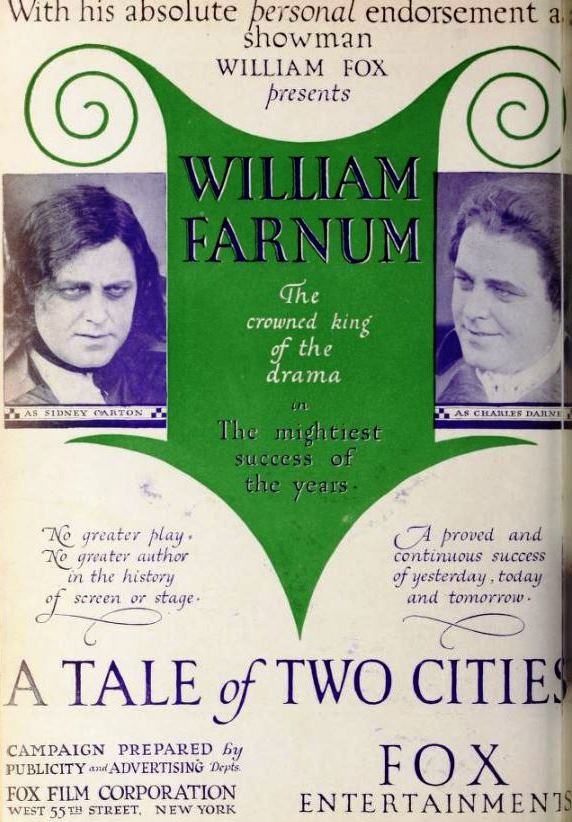
As a cultural touchstone of United States, A Tale of Two Cities resonates with its artistic bravery, audiences who connected with its message often look for similar thematic gravity. We've assembled a sequence of films that complement the tone of A Tale of Two Cities perfectly.
For many, the first encounter with A Tale of Two Cities is to establish Frank Lloyd as a true visionary of the 1917s.
Alcoholic lawyer Sydney Carton travels to Paris during the Reign of Terror to rescue French aristocrat Charles Darnay, husband of the woman he loves.
A Tale of Two Cities was a significant production in United States, bringing a unique perspective to the global stage. It continues to be a top recommendation for anyone studying cult history.
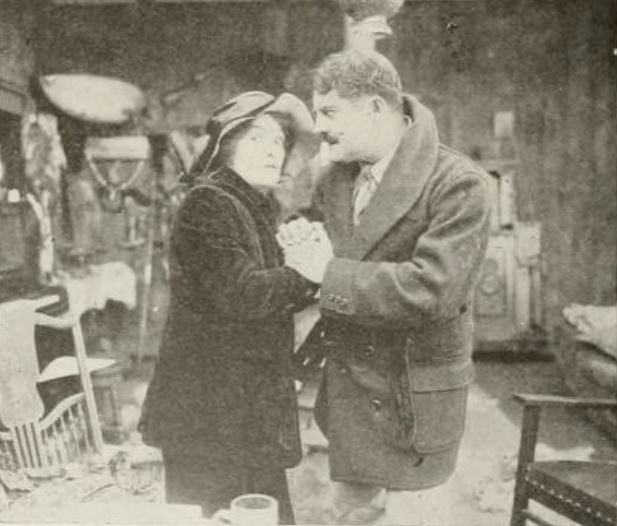
Based on the unique artistic bravery of A Tale of Two Cities, our vault has identified these titles as the most compelling follow-up experiences for fans of cult cinema:
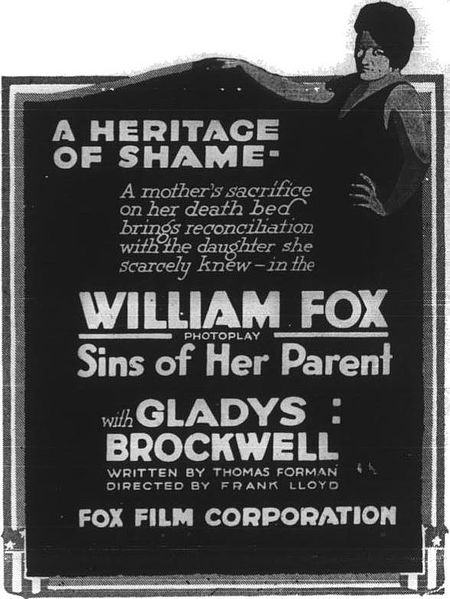
Dir: Frank Lloyd
Unhappy with her shotgun marriage to Southern aristocrat Arthur Heatherway, Valerie Marchmont leaves her new husband and, after giving her infant daughter to a Virginia family, goes to Alaska to work in a dance hall. Years later, the daughter, Adrian Gardiner, wants to marry Richard Carver. Richard's father Robert, refuses them to marry because Adrian cannot provide any information about her parents. Following a hunch, Richard goes to Alaska to find the mother Adrian never knew, but just after locating Valerie, he is shot by saloon owner Jim McNeil. When Adrian and Robert go to Alaska to be with Richard during his recuperation, Robert recognizes Valerie as the wife of his old friend Arthur. As a result, he approves of the marriage, but the celebration accompanying the news is cut short when Valerie and Jim kill each other in a fight.
View Details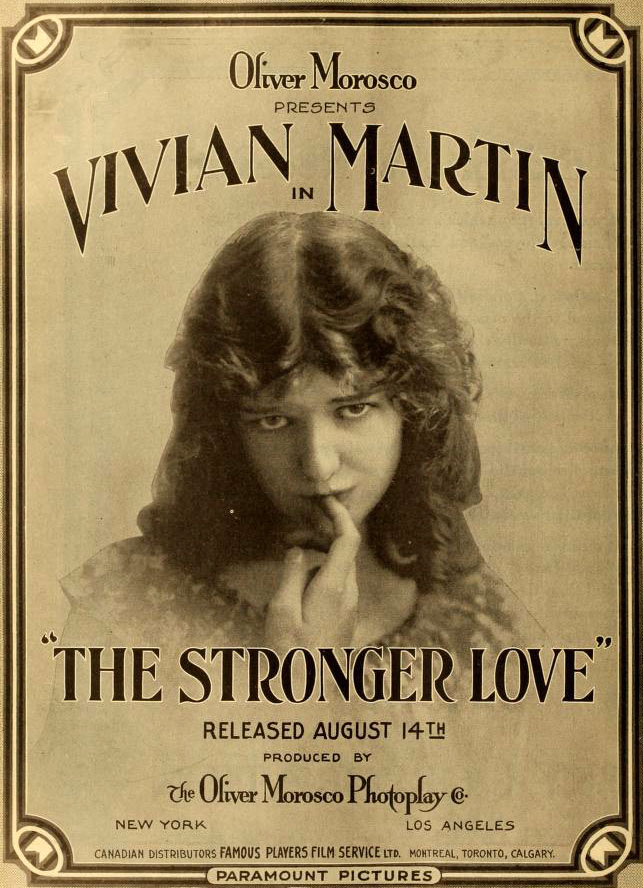
Dir: Frank Lloyd
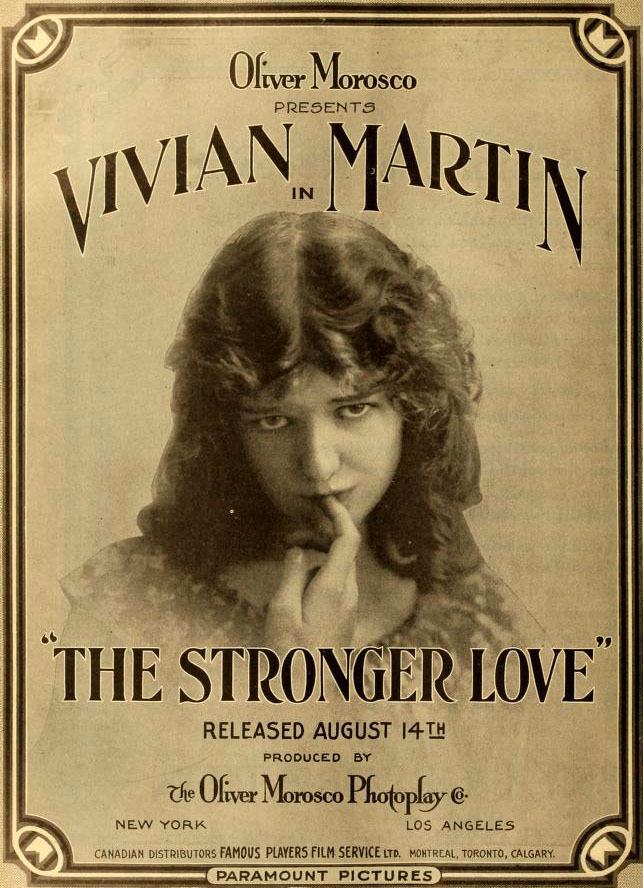
Nell, a beautiful mountain girl, is a member of the Serviss family, rivals of the neighboring Rutherford family. Nell is engaged to Jim Serviss, who is the head of their clan, but when, by accident, she meets a stranger who has come to stay with the Rutherfords, they become infatuated. The stranger spends much of his time examining and chipping away at rocks, causing an intense curiosity among the mountaineers, who suspect that he is a "revenuer." When Nell learns that the stranger is searching for radium, she shows him a deposit rich in ore located near the Serviss still. On the night of a big dance, the Serviss still is burned by revenue officers and the mountain people are convinced that the stranger is to blame. Nell rushes to the Rutherford cabin to warn the stranger who is revealed to be Rolf Rutherford. When Jim arrives, Nell saves Rolf's life by telling Jim that she will marry the stranger. Soon after Jim leaves, however, Nell goes after him and admits that it is only he who she loves and that she lied to save him from committing murder.
View Details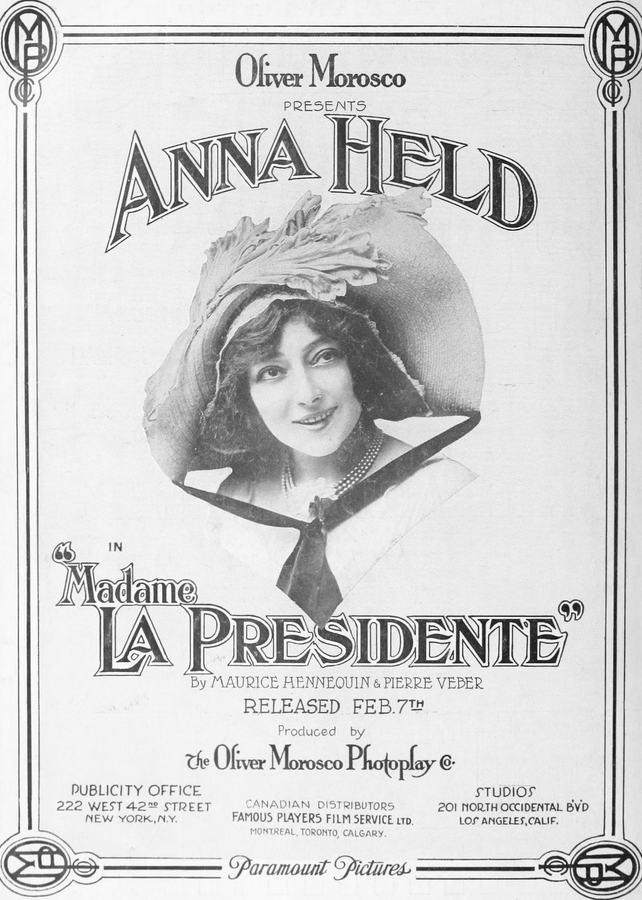
Dir: Frank Lloyd
The story tells of the troubles started by the fondness for gaiety of three mature French judges. With an eye to securing his good graces, they enjoy losing an occasional game of whist to their superior, Judge Galipaux. M. Galipaux's life burden is an ambitious wife. An escapade with the leading lady of a theatrical troupe, Mlle. Gobette, lands the three judges on the carpet for a severe reprimand. The offending actress is evicted from the hotel. Like an inspiration, a way out of their predicament comes to one of the offenders. That night on returning from seeing his wife on her train to Paris, M. Galipaux finds his house occupied by a strange but very beautiful woman, who refuses to leave. Unexpectedly M. Gaudet, the handsome and irreproachable Minister of Justice, arrives. He is fascinated by Gobette whom he believes to be Mme. Galipaux. Still posing as Mme. Galipaux, Gobette comes to Paris to call upon him. Scenting a possible scandal, Marius, the head usher, lays a trap. Mlle. Gobette calls and the trap is sprung. From then on events crowd quickly upon poor Gaudet, but through humorous situations and startling perplexities he remains undaunted to emerge triumphant.
View Details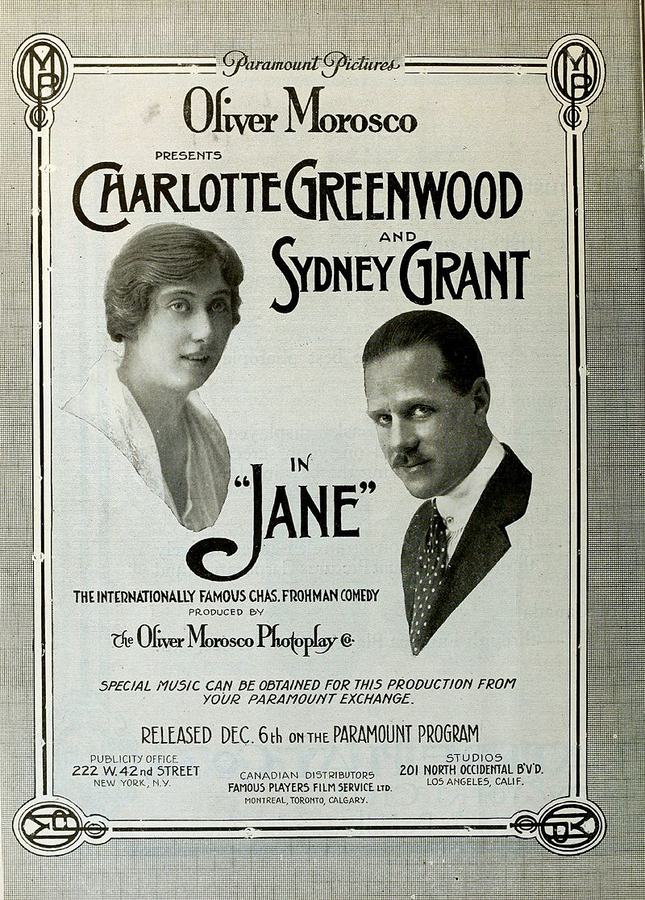
Dir: Frank Lloyd
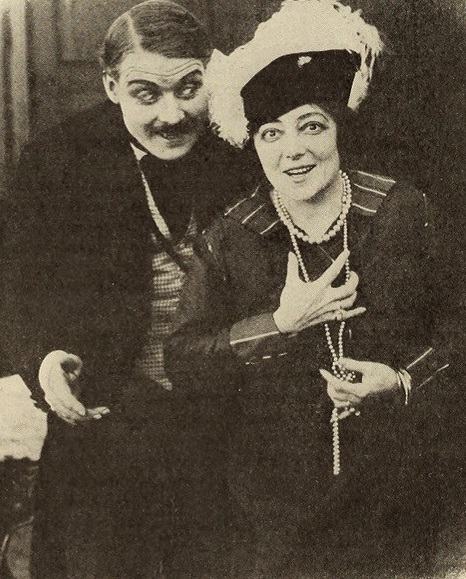
To obtain an increase in his income from his wealthy uncle, Charles Shackleton must stop his wild bachelor ways and marry. Charles proposes to Lucy Norton, but her father refuses his permission. Undaunted, Charles tells his uncle he has married and receives his increased allowance. A year later the uncle announces an upcoming visit, and Charles begins a frantic search for a temporary wife, offering Jane, the maid, five hundred dollars to play the part of Mrs. Shackleton. Secretly married to William, the butler, Jane undertakes the role without her husband's knowledge, causing him much confusion and jealousy. When the uncle demands to see "the baby," Jane snatches one from an unsuspecting washerwoman, who later catches the uncle with her child and calls the police on him. Further complications lead to Charles' pleading proposal to Lucy and then finally to the truth, which leaves everyone satisfied.
View Details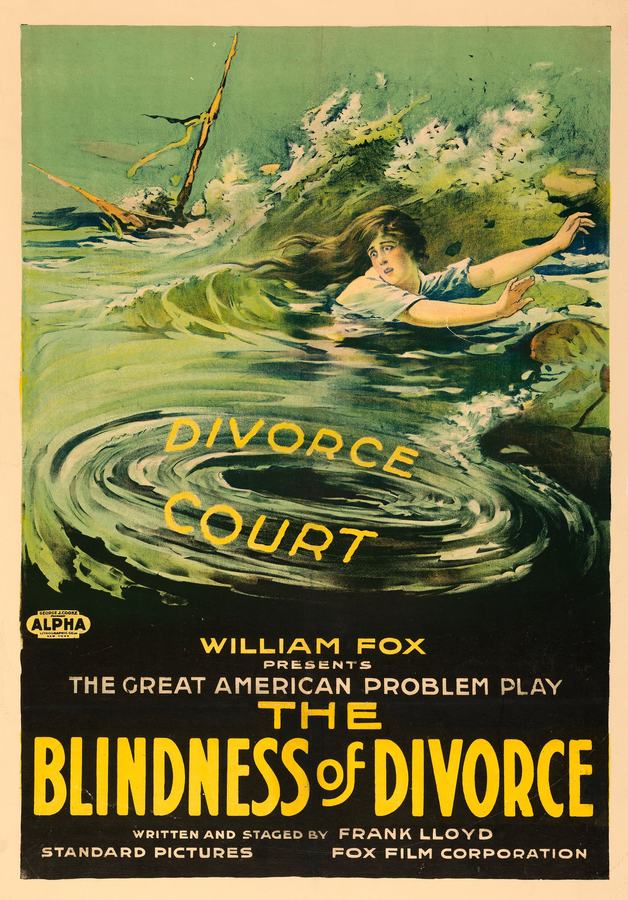
Dir: Frank Lloyd
When John Langdon suspects--wrongly, as it turns out--that his wife Claire is having an affair he divorces her, and gets custody of their daughter Florence. Later Florence marries the city's District Attorney. Meanwhile Claire, in dire financial straits, gets involved with an infamous gambling resort in the city. A political rival of Florence's husband discovers Claire's secret and tries blackmailing Florence by threatening to expose her mother's "secret life".
View Details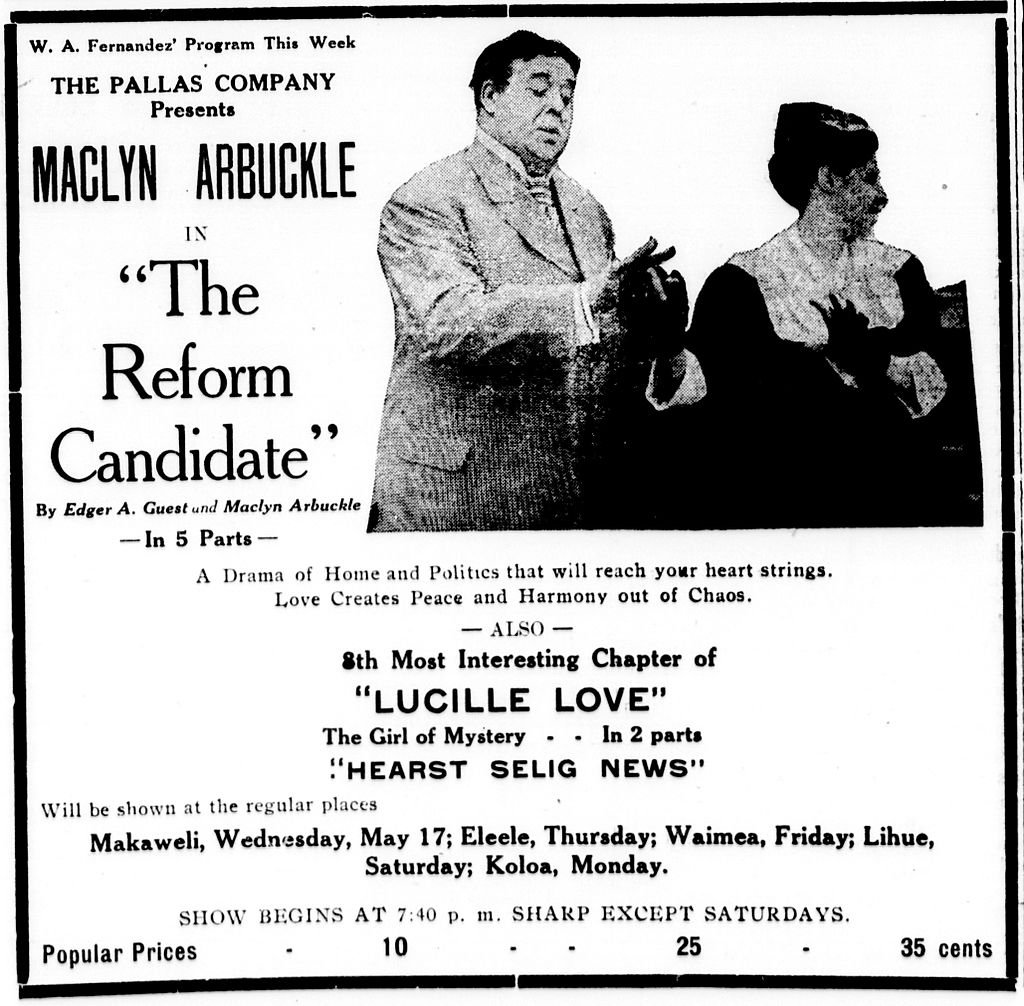
Dir: Frank Lloyd
Realizing that his mayoral campaign is in serious trouble, reform candidate Frank Grandell sends his people out to dig up some dirt on Art Hoke, the boss of the city's political machine. Their investigation leads them to Hoke's flunky, nicknamed "Looney Jim". Jim implies that he has some damaging information about Hoke's daughter, but he dies before he can reveal it. Grandell eventually finds out what the "secret" is, however, and must decide whether to use it in his campaign to defeat Hoke's candidate.
View Details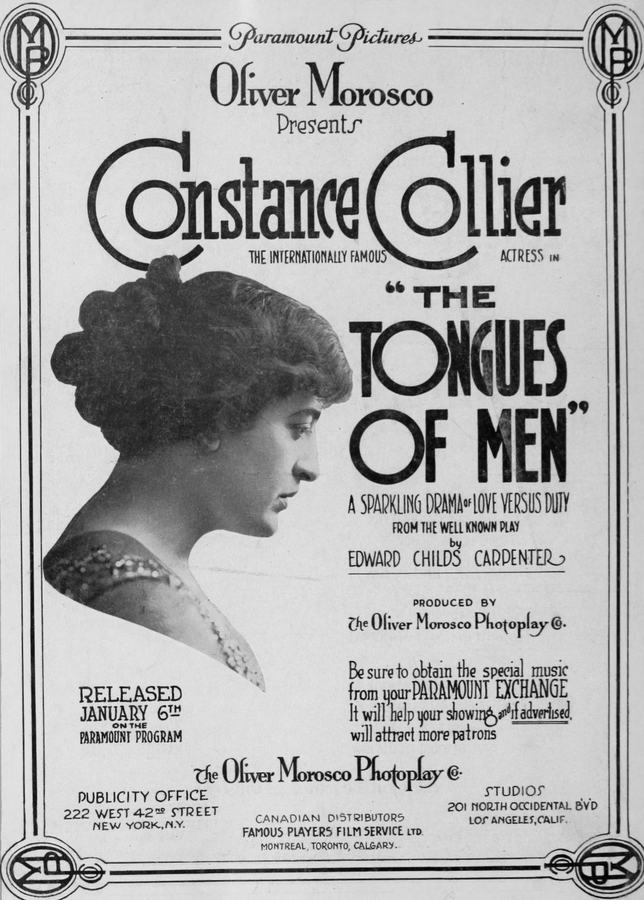
Dir: Frank Lloyd
Rev. Dr. Penfield Sturgis, of fashionable St. Martins-in-the-Lane, finds himself face to face with Jane Bartlett, a grand opera prima donna whose opera he has denounced on grounds of morality, and who comes to his very vestry room to make him "eat his sermon word for word." Out of the encounter a strange acquaintance develops, Jane Bartlett interested through vindictive reasons, the rector through the challenge to his church. She prevails upon him to visit the notorious opera, which but deepens his previous convictions, but meanwhile he discovers a surprising humanity in the woman herself. Just as it is beginning to dawn upon him that maybe he takes himself a shade too seriously, word comes that the Mayor has closed "Zaporah" on the strength of his own condemnatory sermon. Repentant, Sturgis decides to apologize in an open letter to the newspapers, at which his vestry and congregation, already perturbed by the ascendancy of the Bartlett woman, are up in arms. To preserve her dignity the young rector offers to marry her, and she accepts him, thus at last making him "eat his sermon word for word," as she had set out to do. But her vanity appeased, Jane Bartlett proceeds to make peace between her young rector and Georgine Darigal, daughter of the rector emeritus and formerly his fiancée, and the reconciliation assured, Jane Bartlett gracefully withdraws.
View Details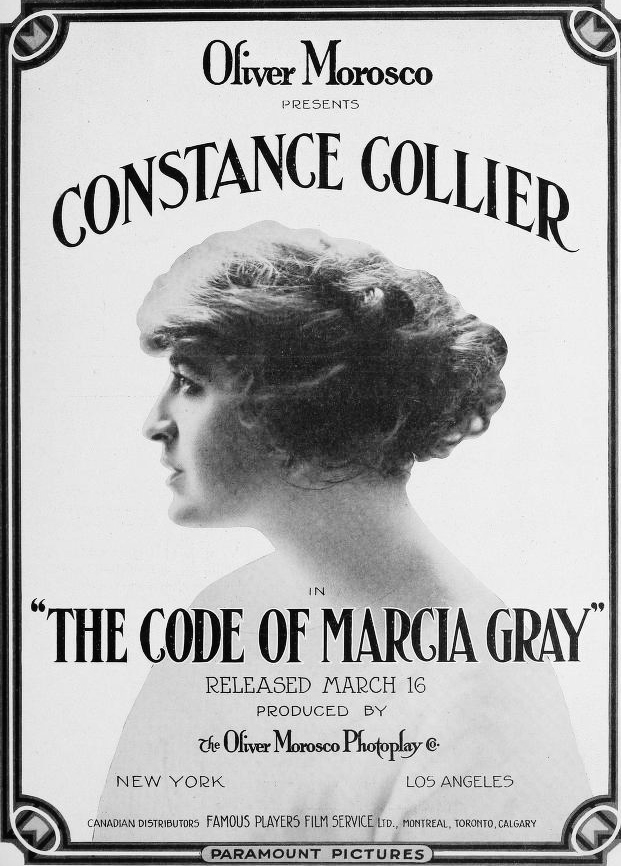
Dir: Frank Lloyd
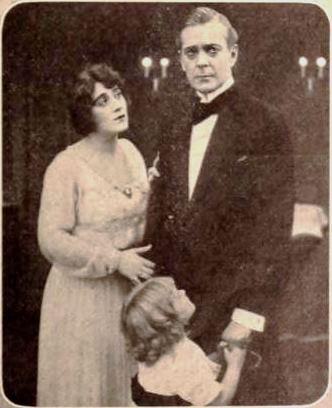
A fascinating piece of cinema that shares thematic elements.
View Details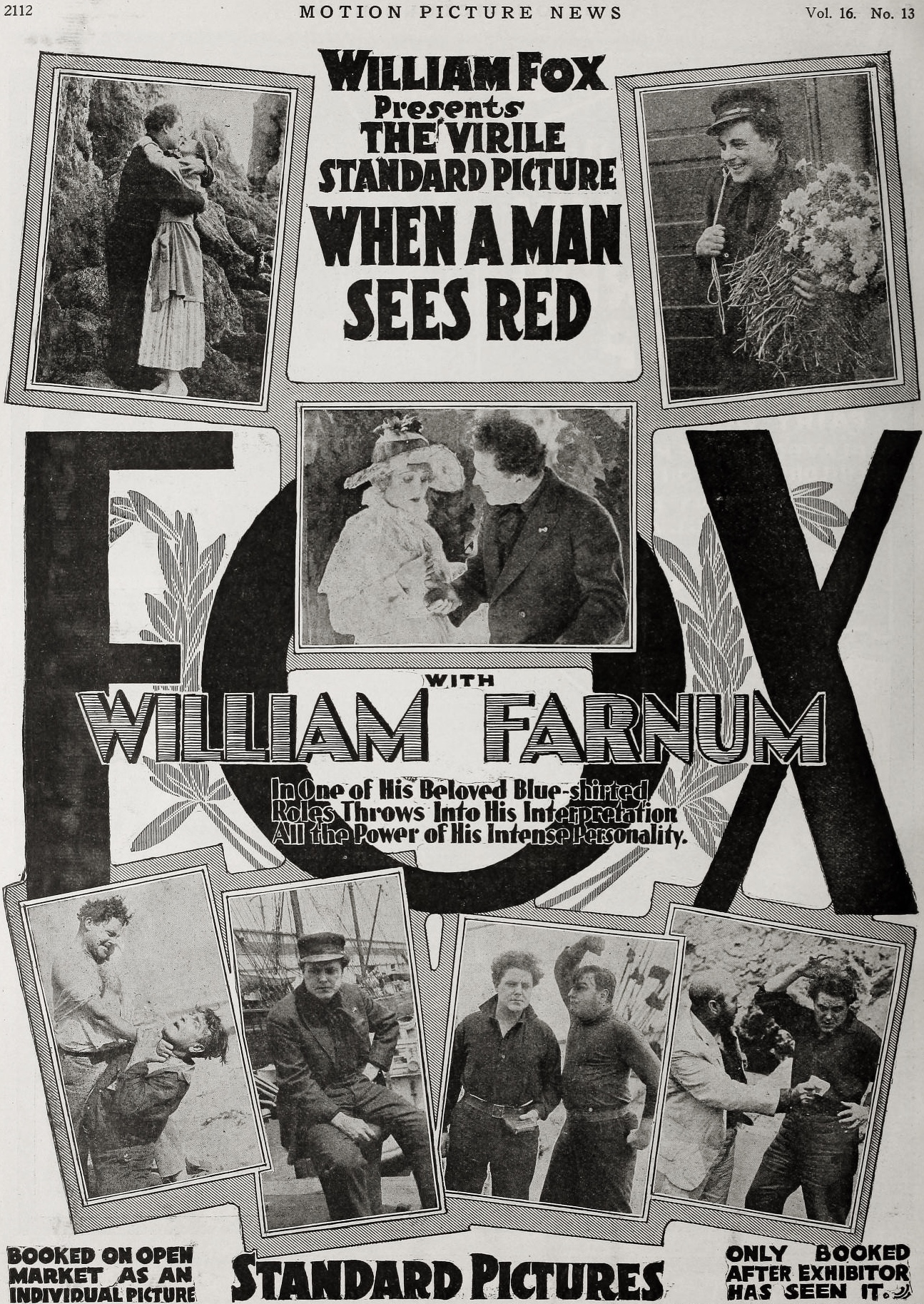
Dir: Frank Lloyd
Returning home to find that his sister has died after being abducted and violated by an unscrupulous man, sailor Larry Smith ships out as mate with Captain Sutton. After an altercation with the captain, Larry leaves the ship at a South Sea port where he meets and falls in love with Violet North, a woman of questionable reputation who is the mistress of millionaire Lewis. Larry proposes, but Violet sails with Lewis anyway. Sutton also sets sail, leaving behind inveterate drunk Logan, who informs Larry that Sutton was the man responsible for his sister's death. Sometime later, Lewis' yacht is wrecked and Violet is cast upon an island. Sutton picks her up and tries to sell her to the natives as punishment for resisting his advances, but Larry rescues her and kills Sutton. His sister thus avenged, Larry marries Violet and settles down.
View Details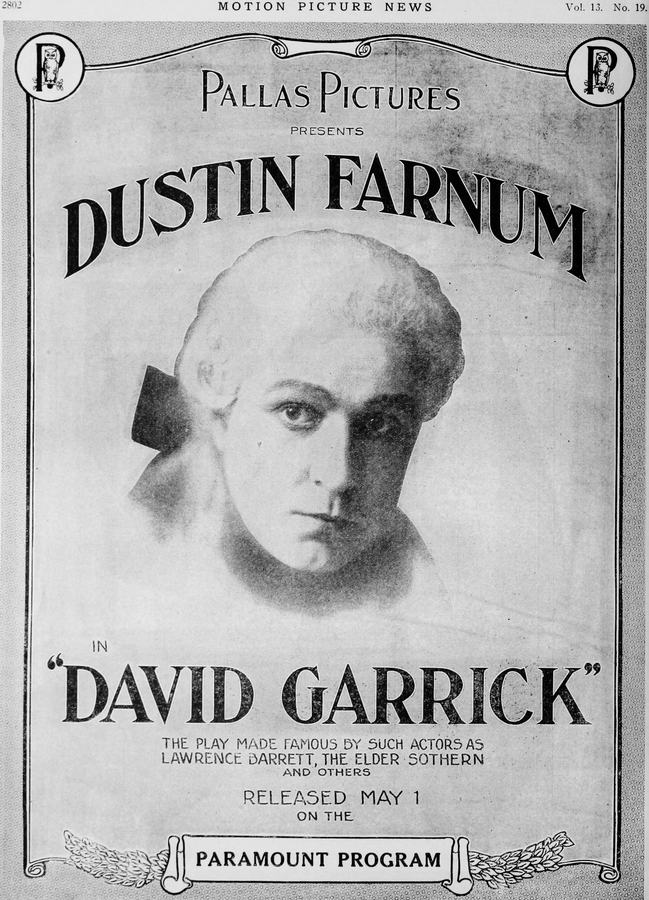
Dir: Frank Lloyd
The true story of the famed British actor David Garrick and his love for Ada Ingot.
View DetailsAnalysis relative to A Tale of Two Cities
| Film Title | Atmosphere | Complexity | Similarity |
|---|---|---|---|
| Sins of Her Parent | Gritty | Dense | 96% Match |
| The Stronger Love | Gritty | High | 93% Match |
| Madame la Presidente | Tense | Linear | 93% Match |
| Jane | Gritty | Dense | 92% Match |
| The Blindness of Divorce | Tense | High | 89% Match |
This guide was algorithmically generated using the cinematic metadata of Frank Lloyd's archive. Last updated: 6/24/2026.
Back to A Tale of Two Cities Details →