Summary
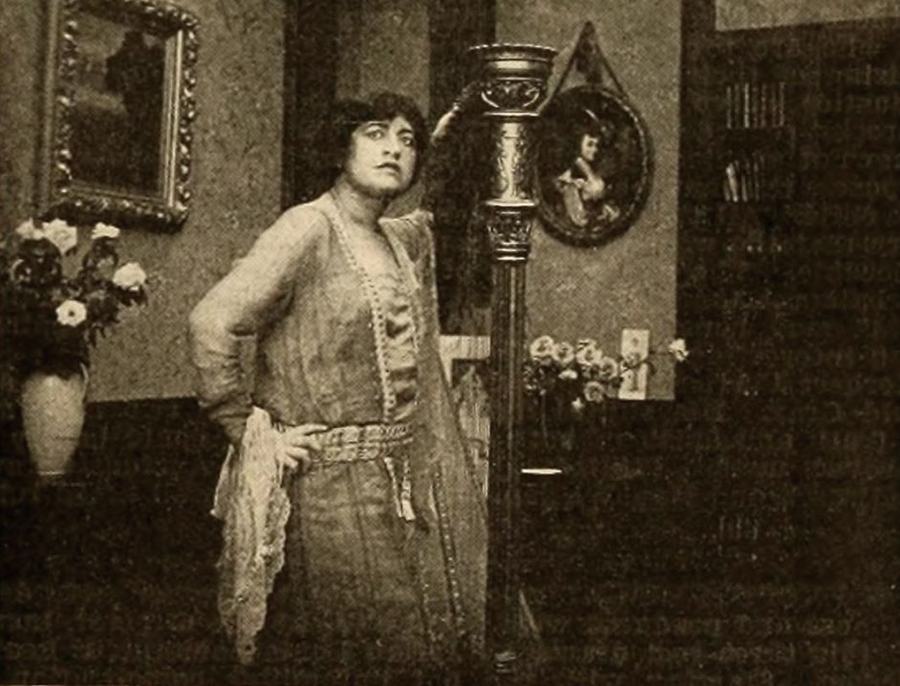
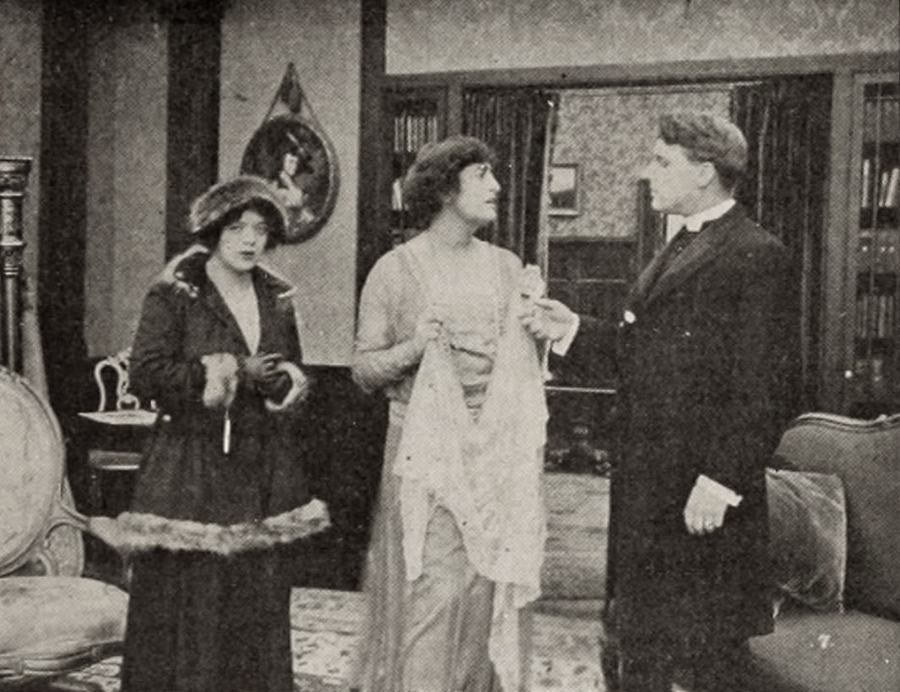
In the hallowed, if somewhat cloistered, chambers of St. Martins-in-the-Lane, the Reverend Dr. Penfield Sturgis, a man of formidable conviction and perhaps an equally formidable ego, finds his meticulously constructed moral universe challenged by an unexpected visitation. Jane Bartlett, a prima donna whose grand opera, 'Zaporah,' he has publicly excoriated as an affront to decency, strides into his very vestry, not for absolution, but for retribution. Her audacious intent: to compel the rigid cleric to rescind, 'word for word,' his damning sermon. What begins as a duel of wills, fueled by Bartlett's vengeful curiosity and Sturgis's defensive piety, evolves into a peculiar intellectual and emotional entanglement. He, drawn by the intellectual challenge to his ecclesiastical authority, concedes to witness the scandalous production, only to find his initial moralistic condemnations reinforced. Yet, amidst the perceived depravity, a more profound revelation dawns: the woman herself, Jane Bartlett, possesses an unexpected and compelling humanity that transcends his preconceived judgments. Just as a flicker of self-doubt concerning his own dogmatism begins to manifest, the reverberations of his zealous sermon manifest in the abrupt closure of 'Zaporah' by the Mayor. Stricken by an unforeseen pang of remorse, Sturgis resolves to issue a public apology, a move that ignites a furious backlash from his scandalized vestry and congregation, already unnerved by the opera singer's growing influence. To salvage Bartlett's dignity and assuage the societal storm, the young rector impulsively proposes marriage. She accepts, thus fulfilling her initial, vindictive prophecy. However, her vanity sated and her point emphatically made, Bartlett, with a surprising grace, engineers a reconciliation between Sturgis and his former fiancée, Georgine Darigal, the rector emeritus's daughter. Her mission complete, she recedes, leaving behind a humbled, perhaps wiser, clergyman and a narrative that deftly unravels the intricate threads of moral absolutism, personal conviction, and the unforeseen avenues of human connection.
Synopsis
Rev. Dr. Penfield Sturgis, of fashionable St. Martins-in-the-Lane, finds himself face to face with Jane Bartlett, a grand opera prima donna whose opera he has denounced on grounds of morality, and who comes to his very vestry room to make him "eat his sermon word for word." Out of the encounter a strange acquaintance develops, Jane Bartlett interested through vindictive reasons, the rector through the challenge to his church. She prevails upon him to visit the notorious opera, which but deepens his previous convictions, but meanwhile he discovers a surprising humanity in the woman herself. Just as it is beginning to dawn upon him that maybe he takes himself a shade too seriously, word comes that the Mayor has closed "Zaporah" on the strength of his own condemnatory sermon. Repentant, Sturgis decides to apologize in an open letter to the newspapers, at which his vestry and congregation, already perturbed by the ascendancy of the Bartlett woman, are up in arms. To preserve her dignity the young rector offers to marry her, and she accepts him, thus at last making him "eat his sermon word for word," as she had set out to do. But her vanity appeased, Jane Bartlett proceeds to make peace between her young rector and Georgine Darigal, daughter of the rector emeritus and formerly his fiancée, and the reconciliation assured, Jane Bartlett gracefully withdraws.
Review Excerpt
"
When Dogma Meets Diva: A Scintillating Clash in 'The Tongues of Men'
Ah, the early 20th century. A time when societal mores were as rigid as a starched collar, and the burgeoning art of cinema often served as a fascinating mirror, reflecting both the anxieties and the evolving consciousness of an era. Into this landscape steps 'The Tongues of Men' (1916), a film that, even a century later, still resonates with a certain piquancy, a delightful dramatic tension born from the clas..."