
DbcultAccessing Vault...
Recommendations
Senior Film Conservator
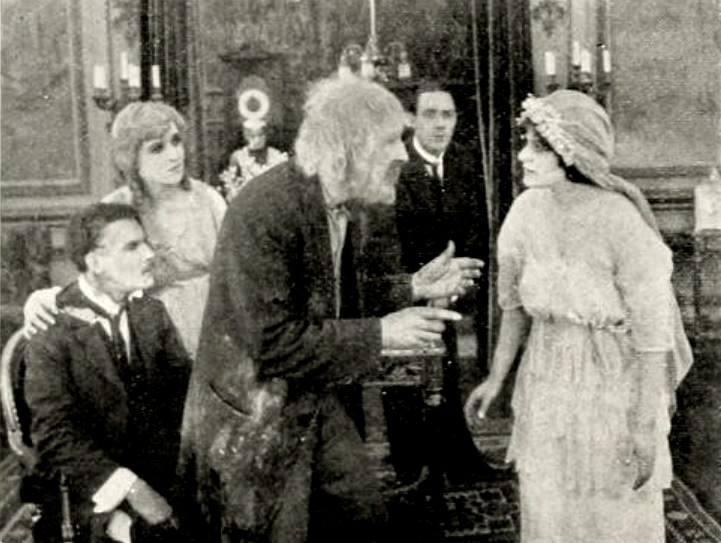
For cinephiles who admire the cinematic excellence within After Dark, its lasting impact ensures that its spirit lives on in modern recommendations. Each of these movies shares a piece of the cinematic excellence that made After Dark so special.
At its core, After Dark is a study in to provoke thought and inspire awe in equal measure.
A baronet's son marries a barmaid in order to qualify under the inheritance terms of a will.
After Dark was a significant production in United States, bringing a unique perspective to the global stage. It continues to be a top recommendation for anyone studying cult history.
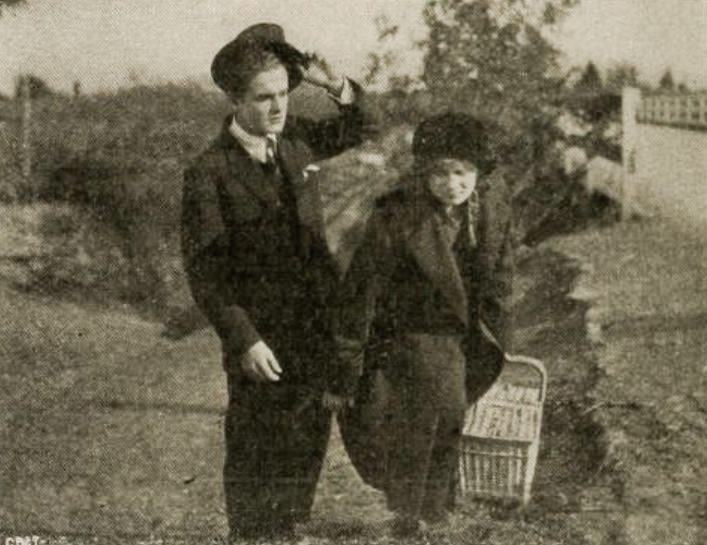
Based on the unique cinematic excellence of After Dark, our vault has identified these titles as the most compelling follow-up experiences for fans of cult cinema:
Dir: Frederick A. Thomson
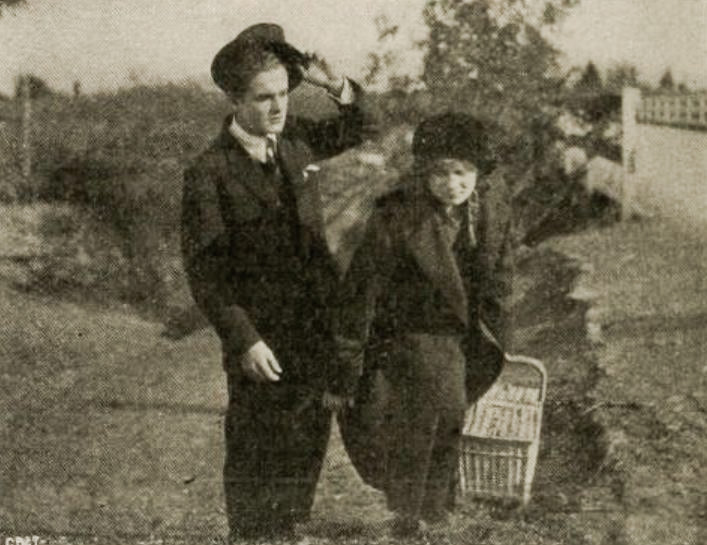
Tom, a young man in a small town, wants to marry his sweetheart Jane, but Jane's father won't allow it until Tom proves he can support her. Tom heads to New York City to make his fortune and prove to Jane's father that he has what it takes, but he meets and falls in love with Amy, a chorus girl who already has a wealthy suitor. Complications ensue.
View Details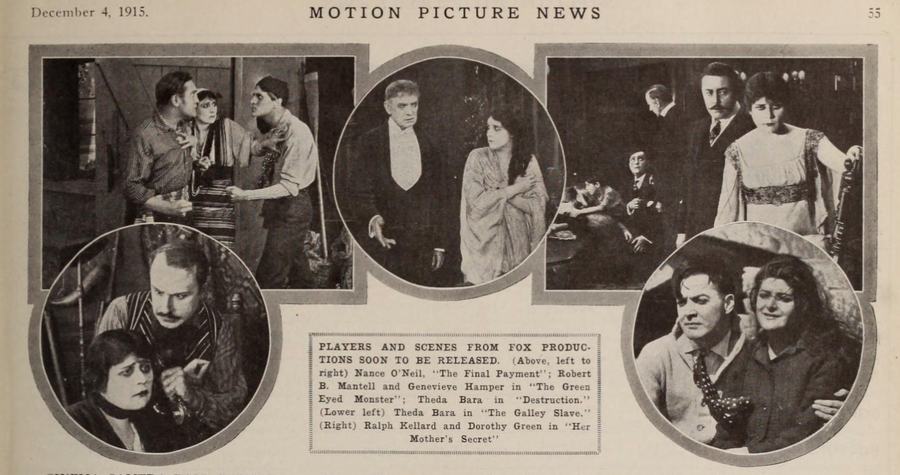
Dir: Frederick A. Thomson
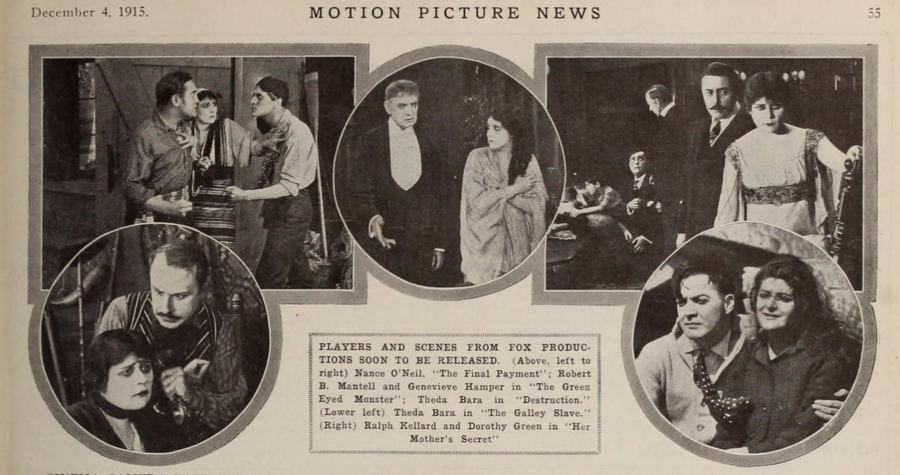
Seth Cartwright abandons his mistress Bernice Archer and their child, Loma, and returns to his wife and son. Bernice, in a daze, leaves Lorna, who is adopted by Cartwrght's wife, who knows full well who the child's father is. Unfortunately, she and her husband are killed in a shipwreck, but it turns out Loma and her real mother are reunited because of the wreck, and settle in a small seaside town. Matters get complicated when Seth Jr. arrives in the town for a vacation and falls in love with Lorna--not knowing that she is his half-sister.
View Details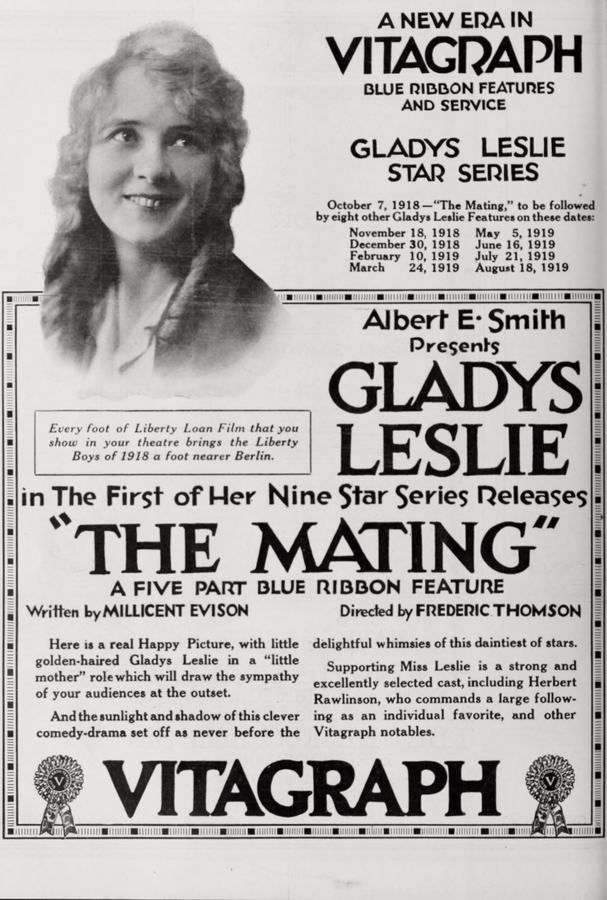
Dir: Frederick A. Thomson
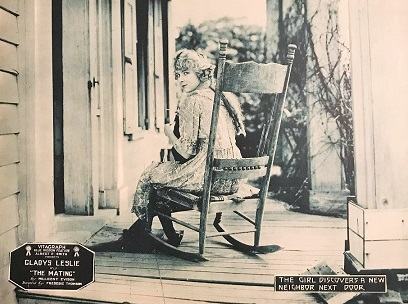
While her eccentric father perfects his latest invention, Nancy Fane wonders how she will clothe her brothers and sisters, and Mammy contemplates stealing the neighbor's chickens for dinner. One day Nancy hears a noise in the abandoned house next door and summons the sheriff, who reveals that the intruder is really Dick Ives, the house's owner. A novelist who hopes to win a prize for his new novel, Dick becomes so convinced of the value of Mr. Fane's invention that when a crooked promoter tries to buy it for a very low sum, Dick spirits it away to his room. Believing him a crook, Nancy shuns Dick's company, even after he contracts pneumonia while rescuing her sister from drowning. When Dick's contact with an engineering firm leads to a large check for her father's invention, however, Nancy enters the sick man's room and rushes his manuscript to the publisher, with the result that Dick wins both the prize and the girl next door.
View Details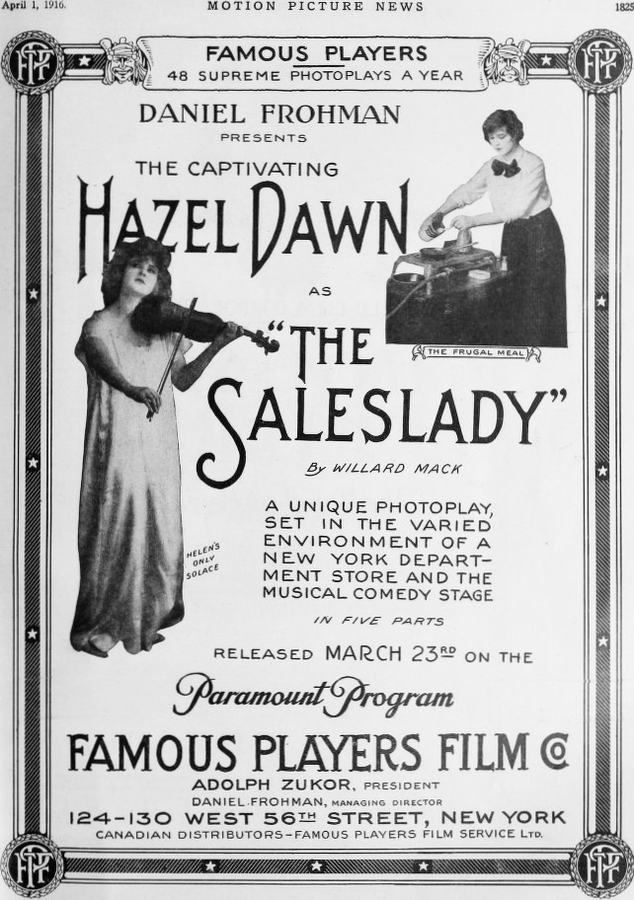
Dir: Frederick A. Thomson
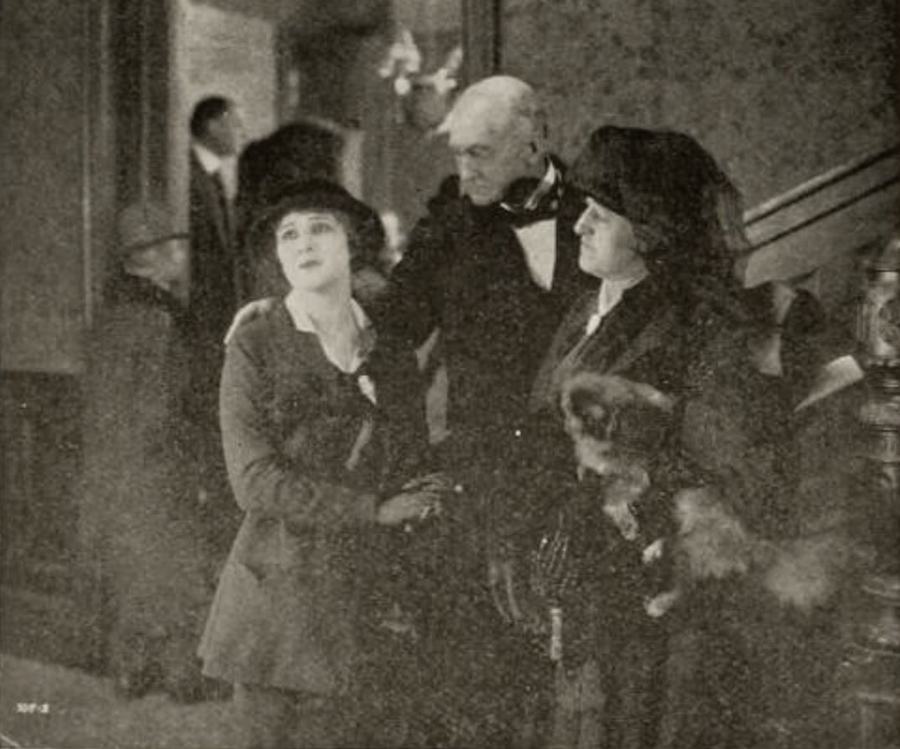
Poverty forces Helen Shirley, a country lass, into New York in search of a living. Shy and unsophisticated, Helen falls an easy victim of the notorious band which preys upon young girls and she is easily induced to go to a boarding house which is in reality the headquarters of the gang. Failing to find employment, she decides to give violin lessons and while practicing, she hears the agonized cough of a girl in the next room. Investigating, she discovered that the girl is in last stages of tuberculosis and that only instant removal to the mountains will save her. Moved by compassion, Helen impulsively sells the beautiful dog which is her only source of amusement and contrives to set the girl on the path to recovery. Practically penniless as the result of her kindness, Helen is ejected from her room but young Bruce Kerwin, a wealthy New Yorker, who has been attracted by her beauty, learns of her plight and induces one of the other girls in the house to "loan" Helen some money. Through the efforts of Burke, a mounted policeman and his sweetheart, the girl obtains employment in a department store where the advances of a floorwalker annoy her. When she repulses him, he contrives to have her discharged, but when she tells her story to the matron, she is taken to the manager and reinstated. The floorwalker, finding that Helen and young Bruce are going together, informs the boy's father that he is interested in a shopgirl. In the row which follows between father and son, Bruce leaves his home and then marries Helen. Soon after he is injured and Helen decides to try her luck on the stage. She is a tremendous success and scores a great hit, captivating, among others, the elder Kerwin, who does not suspect that she is his daughter-in-law. The old gentleman meets Helen; she, of course, is aware of his identity, and the girl adroitly wins his heart before revealing her identity.
View Details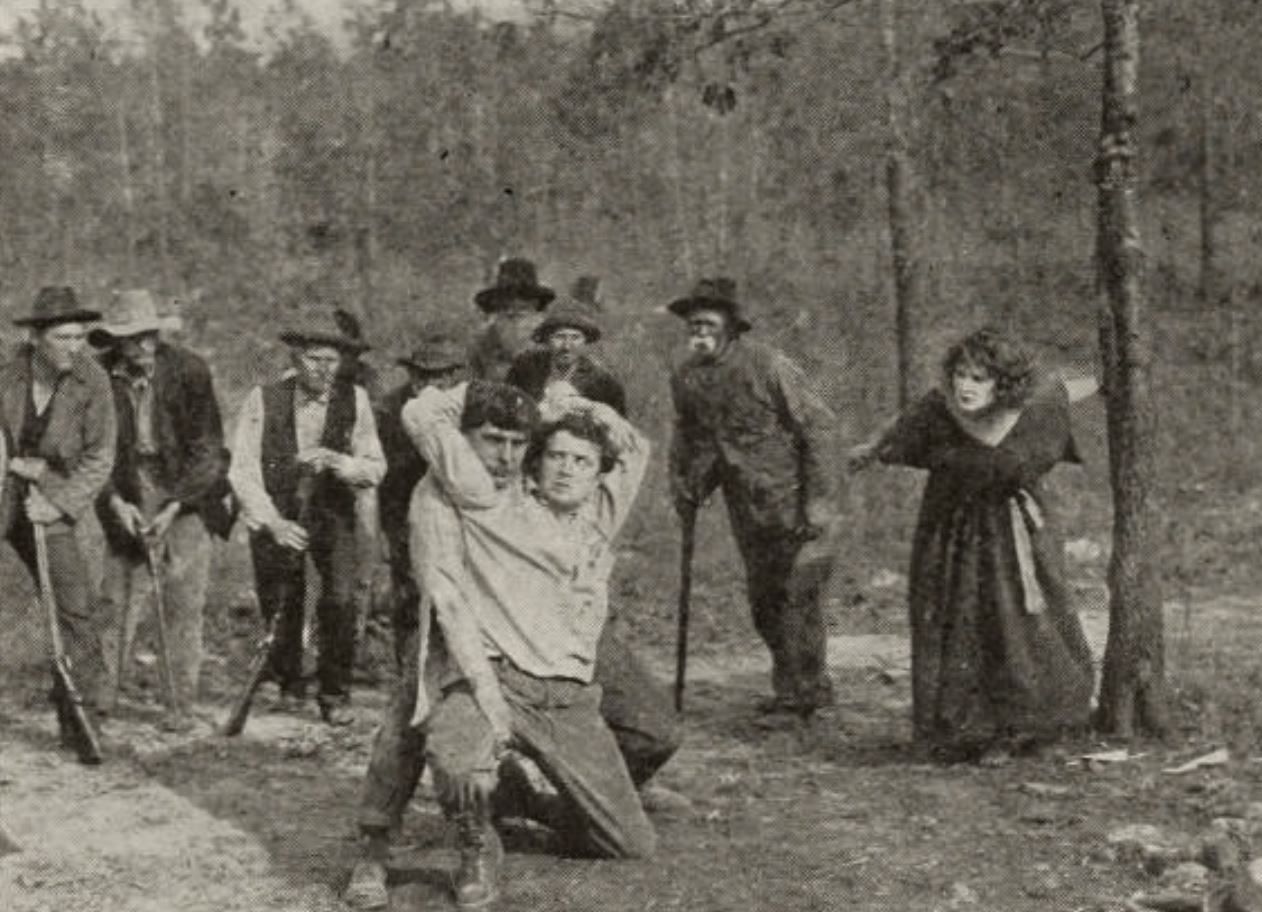
Dir: Frederick A. Thomson
A drama of two feuding clans of rugged mountain folk, and the conflicting love of young couple from opposing sides.
View Details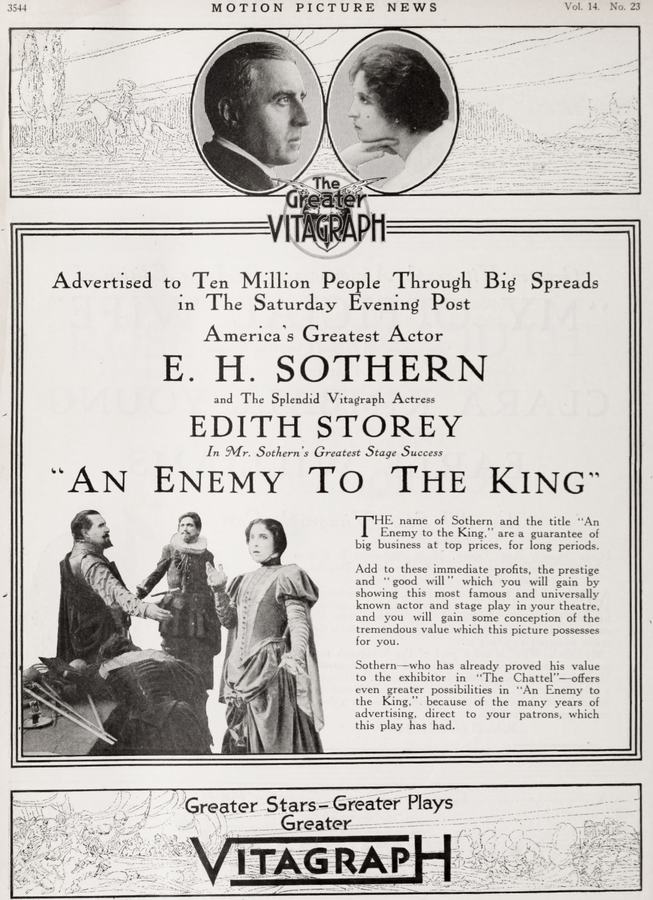
Dir: Frederick A. Thomson
When Julie De Varion's old father is imprisoned for harboring fugitive Huguenots, she goes to the authorities and begs for his freedom, declaring that he only did it out of kindness of heart. They refuse to release her father unless she locates the Catholic's greatest enemy, Ernanton De Launay, who lives in the depths of the forests and who has been vainly sought after for years. Although she knows her father would loathe such methods of release, she accepts the offer and sets off with her lady-in-waiting, Jeanette, to capture the enemy of the king by means of her womanly beauty. While stopping at an inn for the night, she is molested by a man who has been sent after her. A stranger, who is also stopping at the inn, comes to her rescue, however. The stranger offers her his protection for the rest of the journey, a kindness which she gladly accepts. He promises to take her to Ernanton De Launay, believing that she merely wishes to meet him. They continue their journey, and on the spur of the moment Julie dispatches her servant back to the officials with the statement that she has located the enemy and for them to release her father. Ernanton's servant discovers that they are being spied upon, and tells his master, who, now in love with the girl, kills him for daring to cast a reflection on the sweetest flower of womanhood he has ever met. When Julie asks him why he assaulted his servant, he truthfully tells her his reasons. Realizing that she has fallen below his estimation of her, she sends another servant after the bearer of the message in order to prevent it reaching the officials. She will not allow her womanhood to suffer even for her father's freedom. When she returns to the city, Ernanton follows her and is forced to believe that she is the spy his servant had accused her of being. She gains admittance to the officials' room and asks her father's freedom. She is refused, as the understanding was that the enemy was to stand before them, and she has failed in her quest. She will not bring the man who has won her love to them, and frankly states such as the case. Ermanton, who has been standing behind the curtain, now comes forward and tells them that they see the enemy before them, to release the aged father. Julie is distracted at the way things have turned, and becomes inconsolable. The Huguenots, who have been gaining victory after victory, now enter the city and surround the palace, demanding the release of their leader. The officials are forced to surrender, and Ermanton seeks Julie to tell her of his love and ask her to become his wife.
View Details
Dir: Frederick A. Thomson
The famous story of Heidi, a little girl of the Swiss Alps, who is taken from her beloved grandfather to live in anguish in the city below, and how her grandfather sacrifices to bring her home.
View Details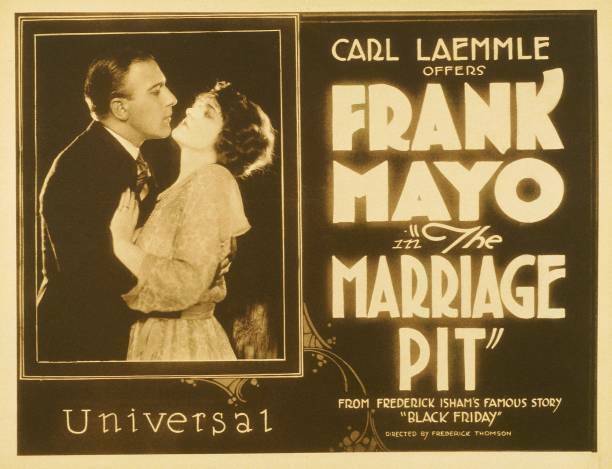
Dir: Frederick A. Thomson
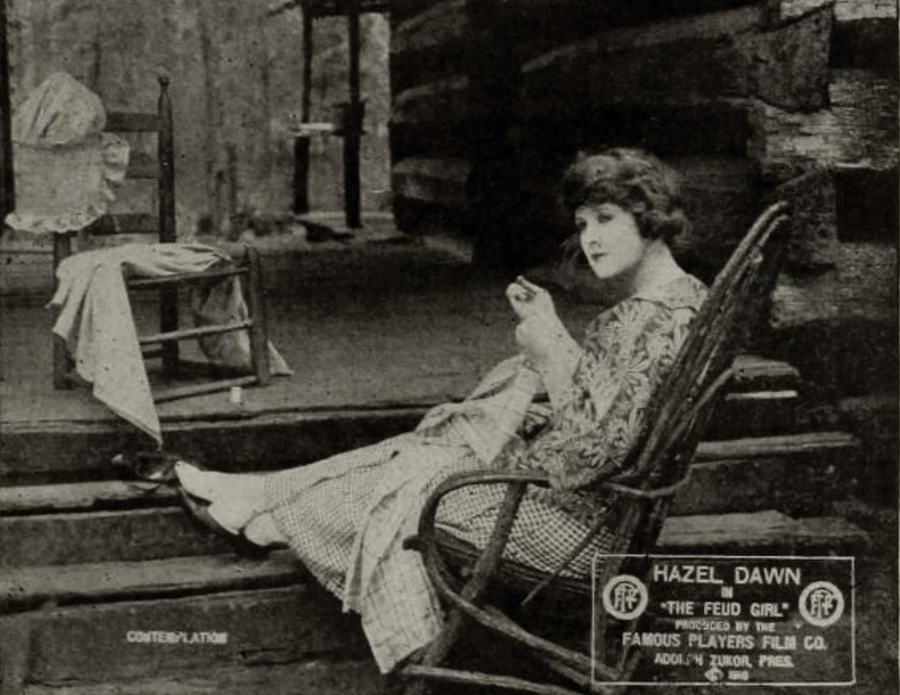
When Wall Street dynamo Richard Strong rescues Edwin Rossiter from financial ruin, Rossiter is so grateful that he persuades his daughter Elinor to marry their benefactor, although she does not love him. Instead, Elinor favors her distant cousin, Charles Dalton, a dissipated member of the aristocracy who weds Zoldene, an actress, on the day of Elinor and Strong's wedding. Soon after, Dalton wearies of Zoldene and renews his attention to Elinor, now estranged from her husband. Meanwhile, Strong and Zoldene's names are linked together in the scandal sheets, alienating Elinor even more from her husband. Dalton enters into a pact with Daniel Brewster to ruin Strong, but Elinor, finally realizing her love for her husband, assists in defeating his enemies. Their problems thus reconciled, Elinor and Strong face a happy future together.
View Details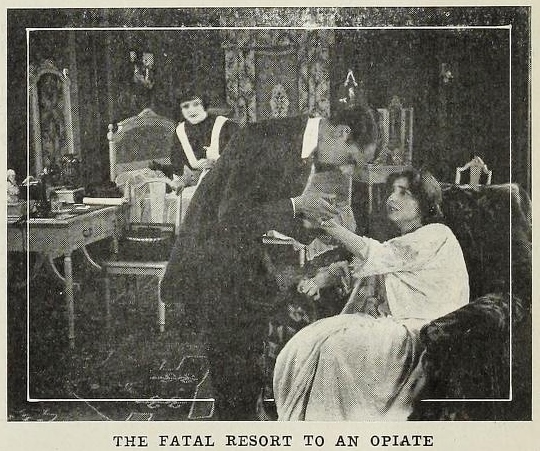
Dir: Frederick A. Thomson
A psychological study of the effects of drug addiction on humanity.
View Details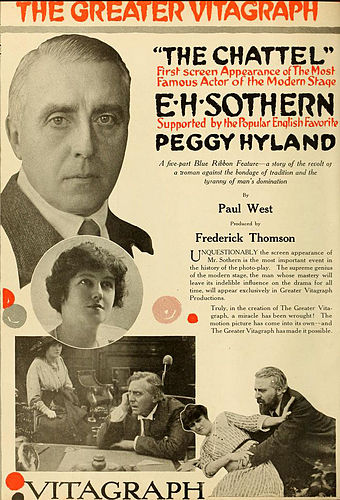
Dir: Frederick A. Thomson
Blake Waring, a financier, whose life code is to have the best of everything at any cost, is surrounded with every conceivable luxury, but he wants a wife to complete his happiness. He is desirous of obtaining a beautiful picture, "The Chattel," owned by Roger Carvin, another financier, who cannot be induced to sell it. Later, Carvin, in stringent circumstances, is forced to part with it at an auction where Waring obtains it. Here he sees Leila Bard, and is attracted to her. At the opera he is presented to her by Mrs. Delavan. Determined to have Leila, he lavishes attentions on her until she is deceived into believing he loves her, and finally consents to marry him. On the eve of the wedding, her father confesses his financial ruin in a letter, explaining his present position was held through dishonesty. He then kills himself. Waring, nonplussed at first, decides to possess Leila in spite of all this and conceals Bard's suicide, making restitution under promise of secrecy. As time passes. Waring begins to grow distant and exacting. Waring, on Leila's birthday, presents her with a lovely necklace, but the sentiment is driven away when she finds that it has been selected by a friend of Waring's. When Leila returns to her home late one afternoon after spending the time at a matinee with Mrs. Delavan, she is reproved by her husband for not being home before him. He is overheard by Harding, Waring's closest friend, who is astonished at Blake's manner. A few days later, Waring, trying to engineer a great financial deal to impress his associates, invites them to dine with him at home. Harding, who is also invited, finds he has a previous engagement which cannot be put off, and stops at Waring's house to tell him. Waring is not at home, but his wife receives Harding's message. As Harding is incidentally telling Leila to overlook her husband's brusqueness, Waring appears and accuses his wife of making love to Harding. Harding goes away crestfallen. Leila and Blake have a dramatic and pathetic scene where Waring tells her that she is "his chattel," and that he cleared her father's name. Leila tells him she will be no man's chattel. The guests arrive, and Waring repents his bitterness toward Leila, for fear she will refuse to see his guests. Leila professes interest in business matters and finds out the inside information concerning the business deal. After the departure of the guests, Waring feels pleased with Leila's generosity and admires her, but won't relent. Leila is disappointed and the next day she departs for town with her jewels where she goes to the president of the Consolidated Trust Company and negotiates a loan of $75,000 on them. With the money she buys the stock under an assumed name. The stock rises higher and higher and finally she sells it to Waring. She takes the money to Waring with the jewels and tells him: "The chattel has come to buy back her freedom." Then she leaves. Leila, knowing she is not legally free, goes to Mrs. Delavan's cottage. When Waring, after an illness, is brought home he destroys the picture "The Chattel." After a month he sends for Mrs. Delavan and questions her as to Leila's whereabouts. She is moved by the change in Waring and confides in him. When strength returns, he hires a little cottage near Leila's and there lives alone. Sammy, a small boy, brings provisions to both Leila and Blake, who is living under the name of Hope. She does not know that her neighbor is her husband. After a short lapse of time, he slips up to her cottage in the night and leaves flowers on her steps. Waring keeps Leila's picture on his table. Sammy notices the resemblance to Leila in the picture and tells her of it. Sammy tells Waring what he has said to "the lady next door," and Waring has Sammy write a note to her asking if he may visit her. As she is answering the letter that night, she accidentally knocks over the lamp. The fire spreads rapidly and Waring rushes to her rescue, and the past is forgotten. They begin life anew.
View DetailsAnalysis relative to After Dark
| Film Title | Atmosphere | Complexity | Similarity |
|---|---|---|---|
| The Country Boy | Gothic | Abstract | 85% Match |
| Her Mother's Secret | Gritty | Linear | 85% Match |
| The Mating | Gritty | Linear | 94% Match |
| The Saleslady | Gritty | High | 90% Match |
| The Feud Girl | Tense | Layered | 87% Match |
This guide was algorithmically generated using the cinematic metadata of Frederick A. Thomson's archive. Last updated: 6/24/2026.
Back to After Dark Details →