
DbcultAccessing Vault...
Recommendations
Senior Film Conservator
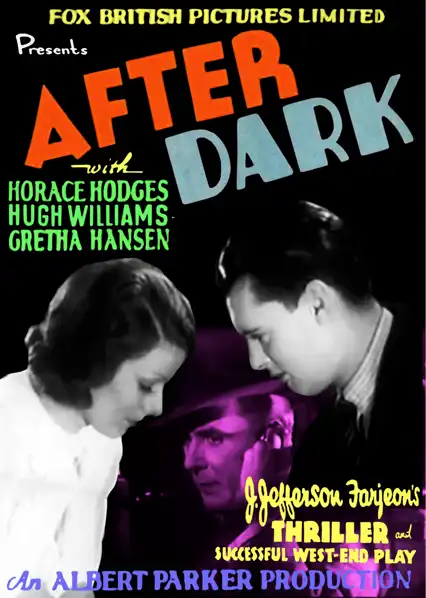
Witnessing the stylistic evolution of Albert Parker through After Dark is profound, audiences who connected with its message often look for similar thematic gravity. Each of these movies shares a piece of the thematic gravity that made After Dark so special.
The synthesis of form and function in After Dark to establish Albert Parker as a true visionary of the 1932s.
Richard Morton brought back valuable emeralds from a trip. He has met on the boat a beautiful girl and her uncle. They all take the train together, and the emeralds disappear. Morton has reasons to suspect the uncle.
After Dark was a significant production in United Kingdom, showcasing the immense talent of Henry B. Longhurst, Lucille Lisle, Hugh Williams. It continues to be a top recommendation for anyone studying Crime history.
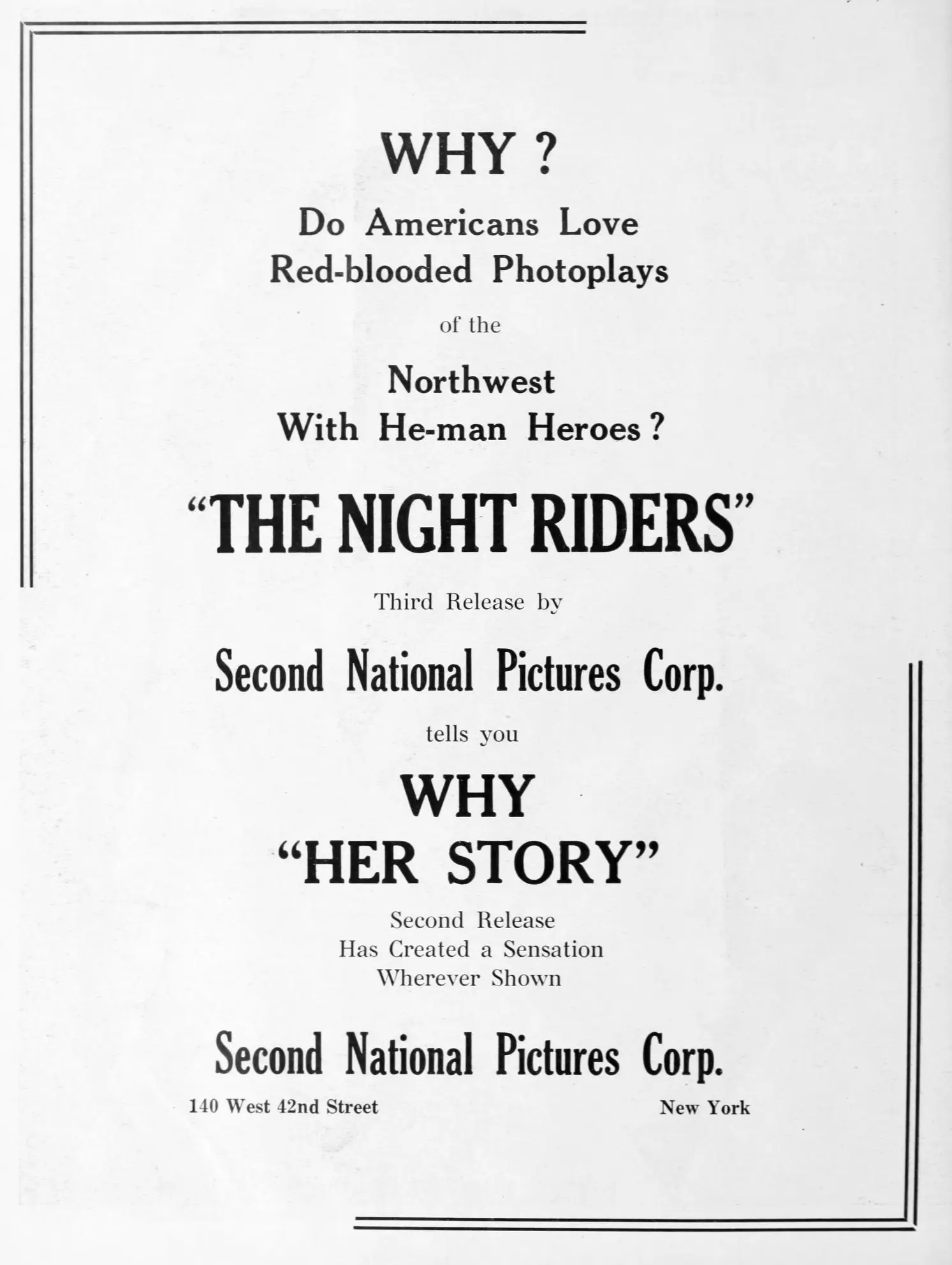
Based on the unique thematic gravity of After Dark, our vault has identified these titles as the most compelling follow-up experiences for fans of Crime cinema:
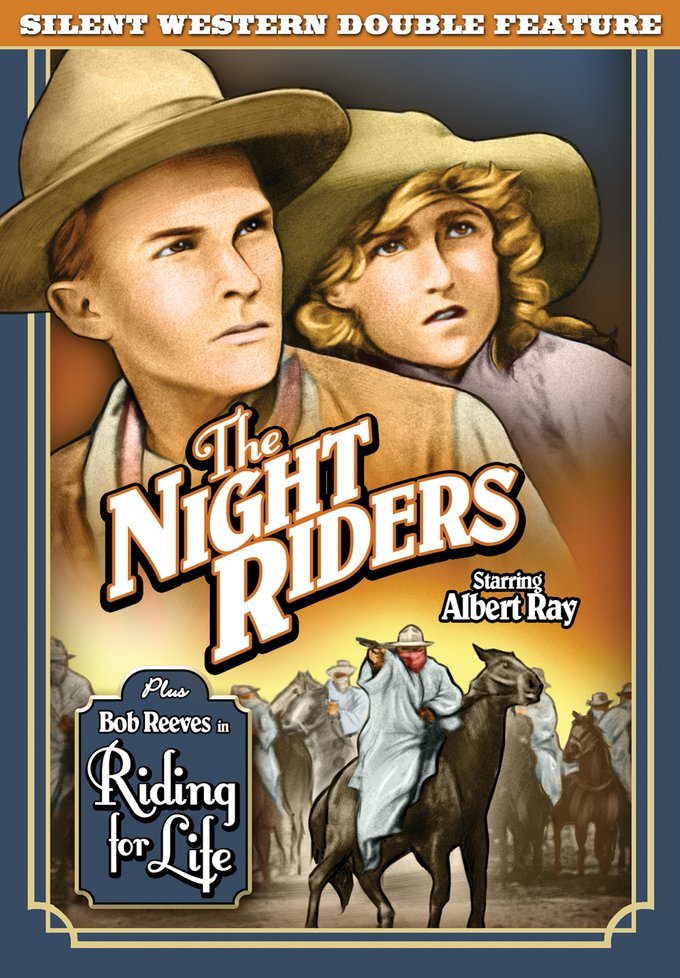
Dir: Alexander Butler
In Alberta, Canada, a Cornish emigrant unmasks a rustler posing as the girl's "blind" father.
View Details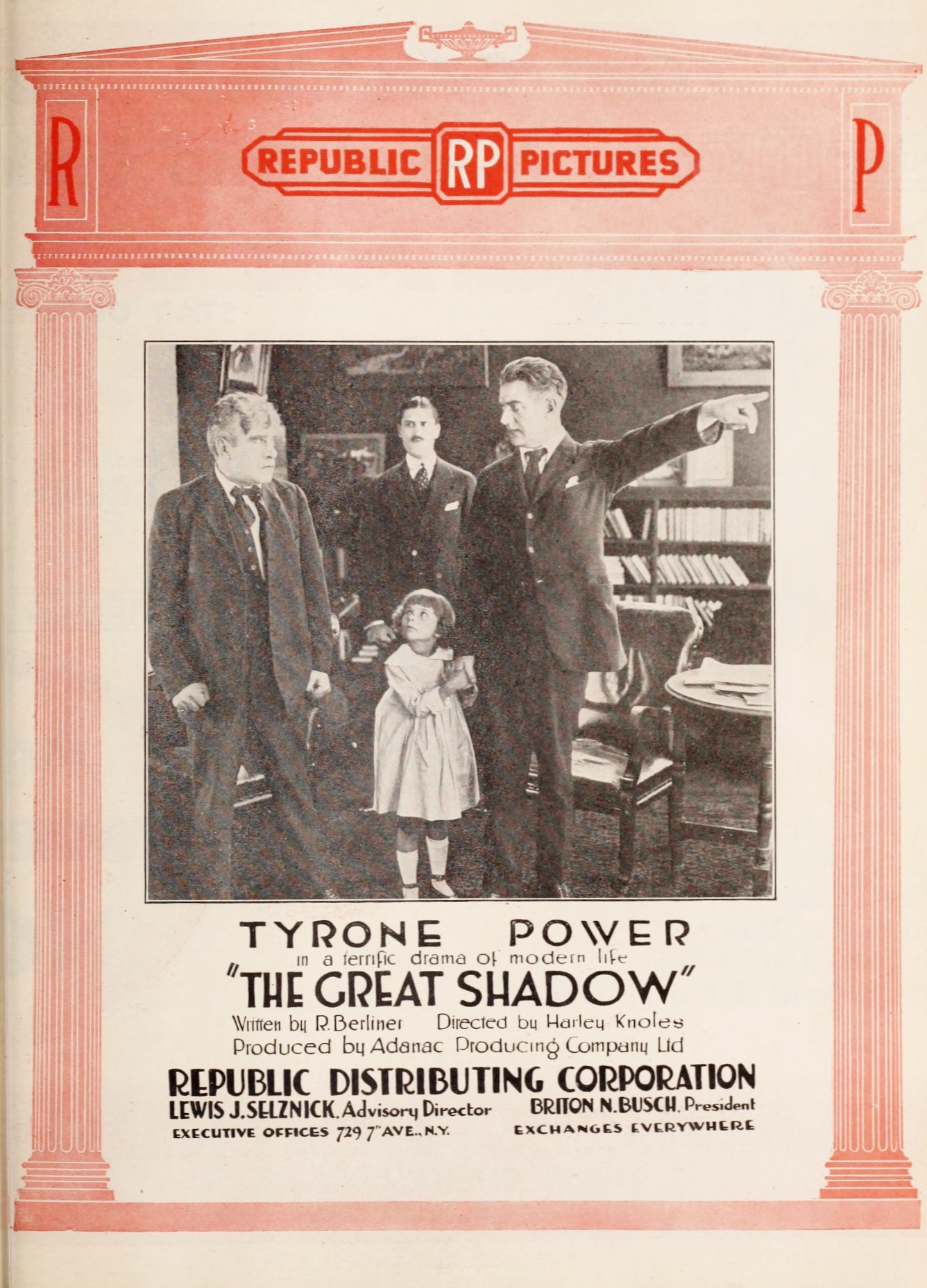
Dir: Harley Knoles
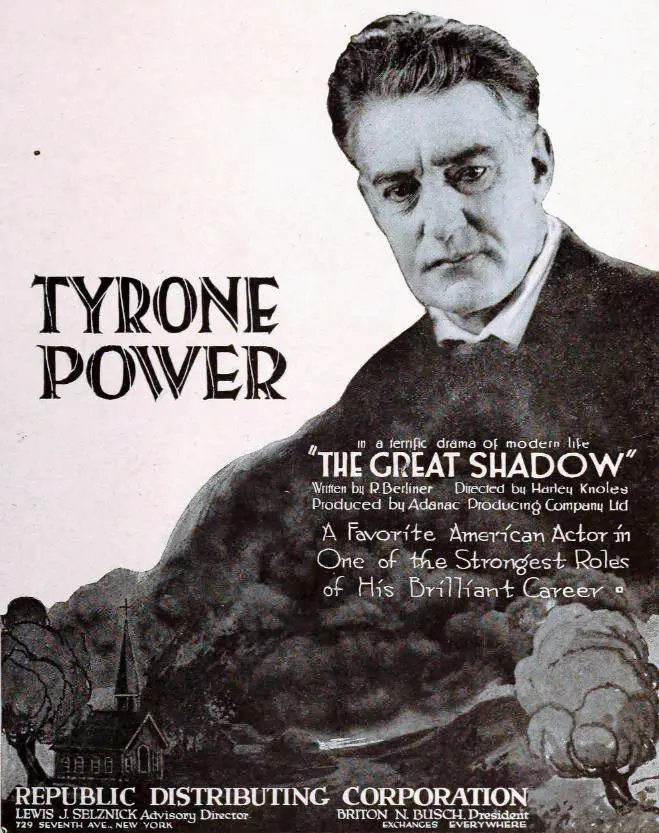
Jim McDonald, the foreman of a shipbuilding plant and head of the labor union, strives to combat the anarchistic propaganda being put forth by Klimoff, the leader of a Bolshevik gang whose goal is to disrupt the country with strikes and anarchy. Despite McDonald's efforts, a strike is called, resulting in chaos. McDonald's child is knocked down by runaway horses abandoned by their striking driver, and dies. Mob scenes take place in America, as well as in Russia. Eventually, the unrest is quelled with an armistice called between Capital and Labor for a year, during which time wages are to be increased to reflect the cost of living, and leaders are to work out a common plan for their mutual advantage. The strikers now realize that they have been pawns of the Bolsheviks and call off the strike, agreeing to the plan.
View Details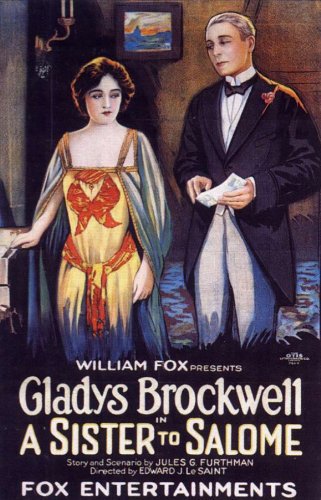
Dir: Edward LeSaint
When famous opera singer Elinore Duane undergoes an operation on her throat, she has a series of ether-induced visions. In one, she is transported to ancient Rome where she appears as a much-admired woman in love with Paul, a young heretic, and at odds with Lutor, the high priest. To save her love, she poisons Lutor with her ring. After several other visions which involve variations on this love triangle, Elinore awakens to discover that Lutor is actually her doctor, Sascha Jaccard, and that Paul is the son of a friend who has come to visit the recovering prima donna.
View Details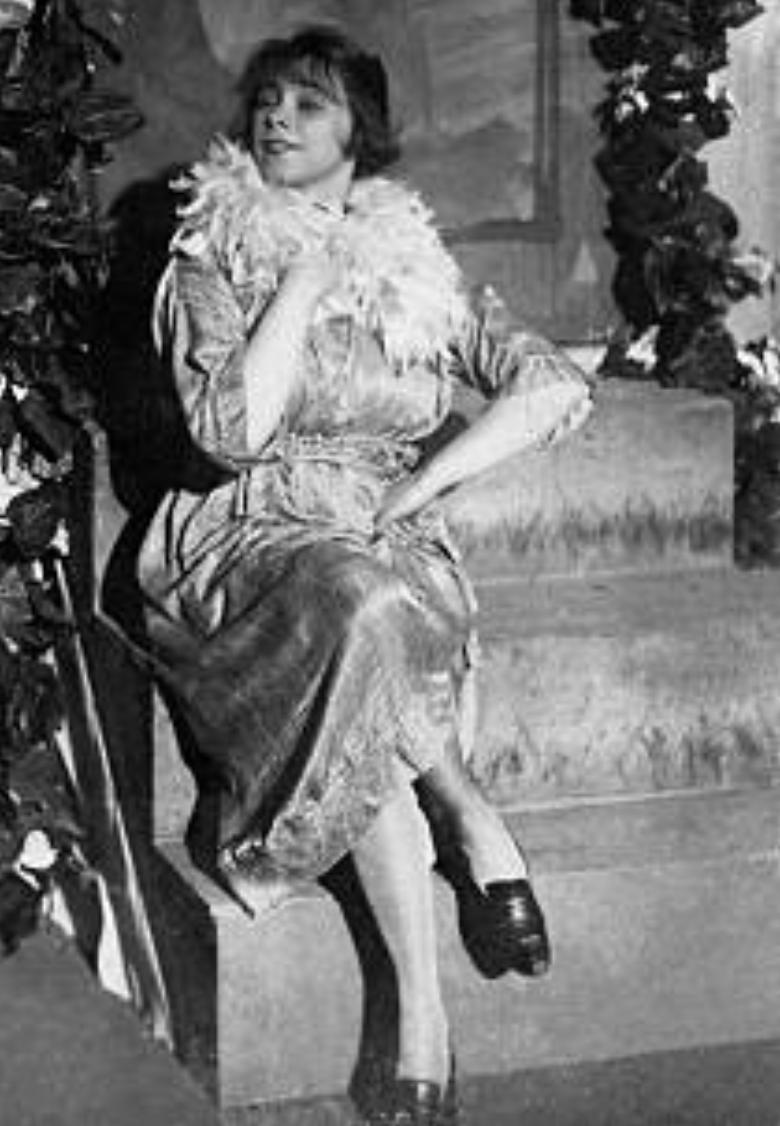
Dir: Bruno Ziener
A fascinating piece of cinema that shares thematic elements.
View Details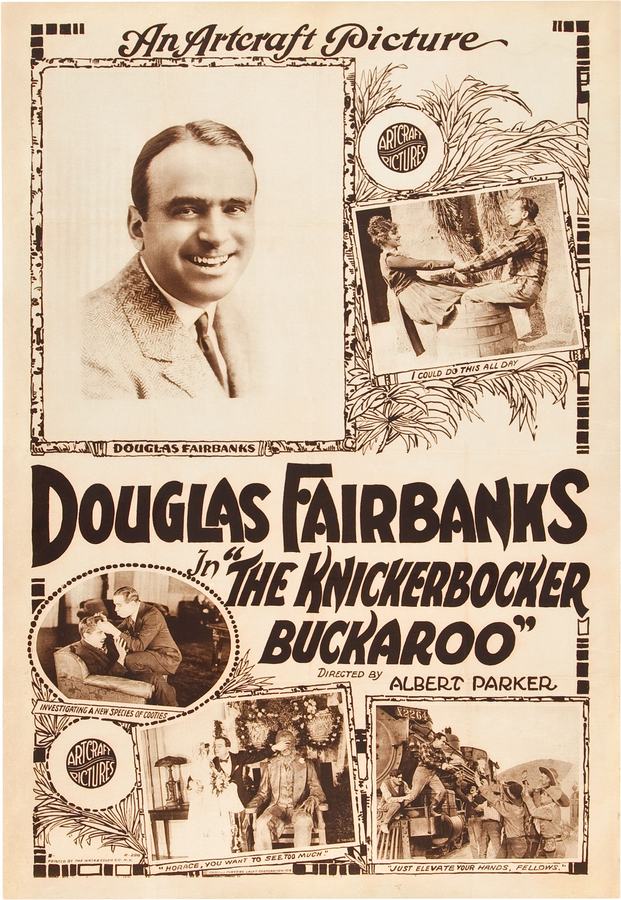
Dir: Albert Parker
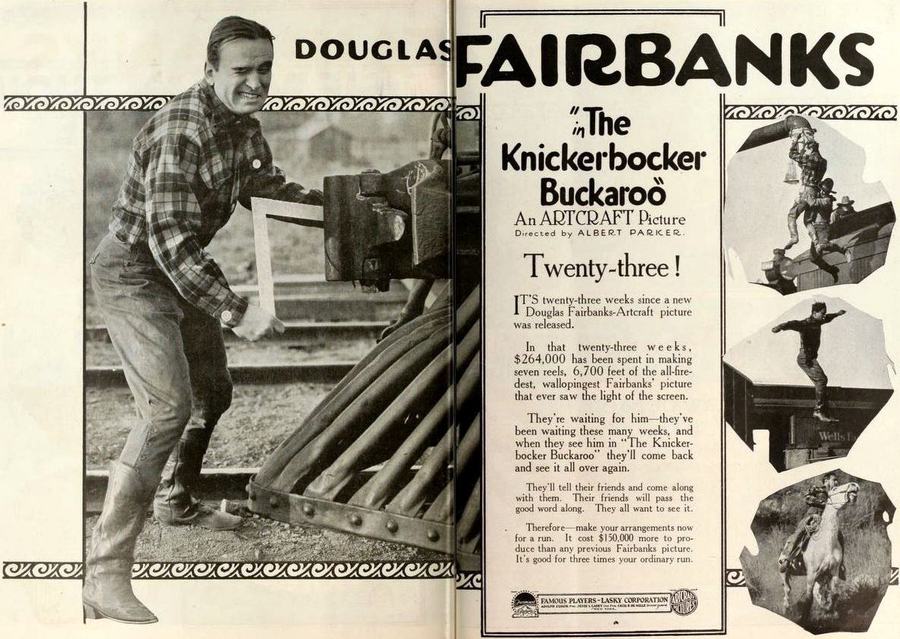
In a prologue, Douglas Fairbanks appears in a chef's outfit mixing a cake with action, mystery, adventure, romance and comedy, seasoned with pep and ginger. The finished cake is The Knickerbocker Buckaroo. The story begins as buoyant Teddy Drake, expelled from his exclusive Fifth Avenue club for playing practical jokes and leaping over furniture, decides to reform his selfish impulses. Anxious to do "something for somebody," he boards a train bound for the Southwest. After helping an old woman off the train, Teddy takes the wrong train and meets Manuel Lopez, a Mexican bandit, going to visit his sick mother. To hide Lopez from a crooked sheriff, and because Teddy left his shirt in the first train, Teddy exchanges clothes with him. At the border town of Sonora, the sheriff chases Teddy along the roofs until, seeing a girl in jail, Teddy lets himself be arrested. Learning that the girl, Rita Allison, has money hidden that the sheriff wants to steal, Teddy escapes. After Lopez saves him from a lynching, Teddy finds the money, holds off the sheriff's gang until a U.S. Marshal arrives, and then returns to New York with Rita, now his fiancée.
View Details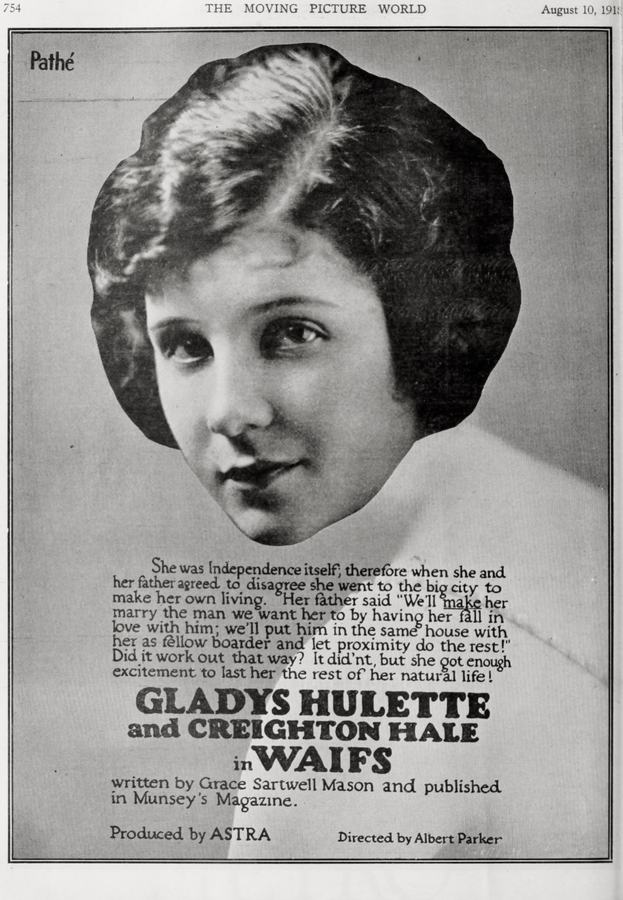
Dir: Albert Parker
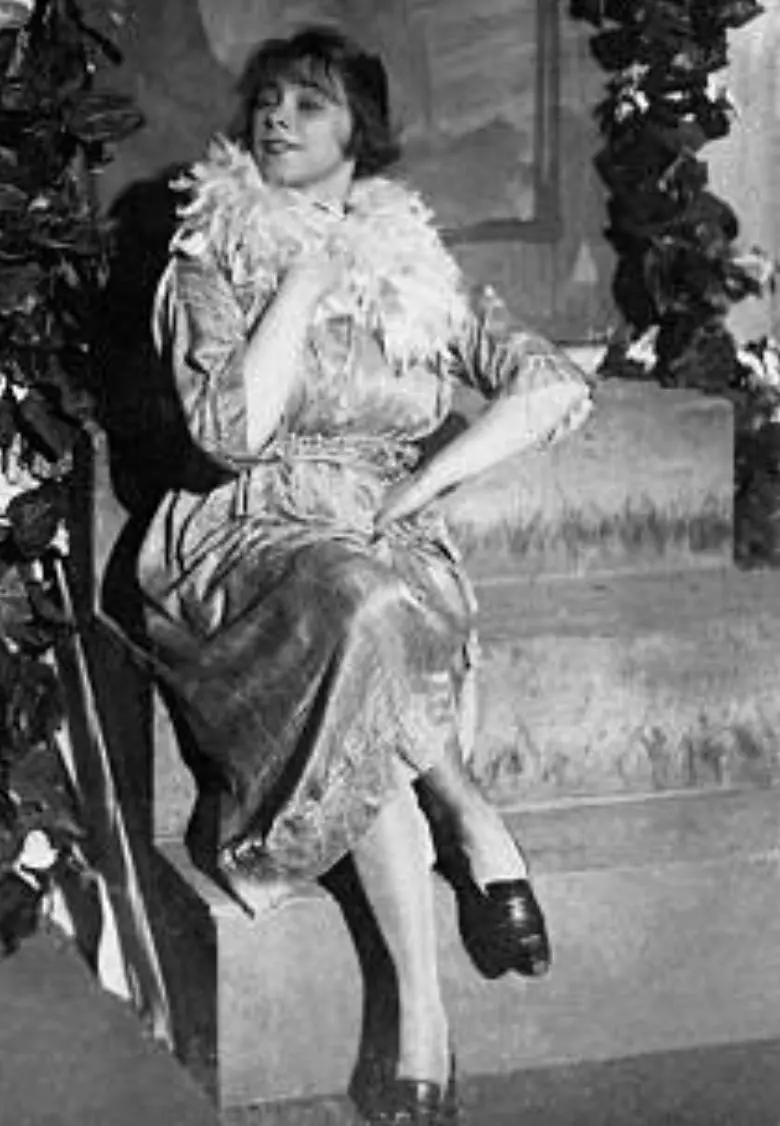
A woman runs away from an arranged marriage. Her father finds her and plans to send the man to the same rooming house so they might fall in love. Plans go awry when a police reporter accidentally assumes his place while on a case.
View Details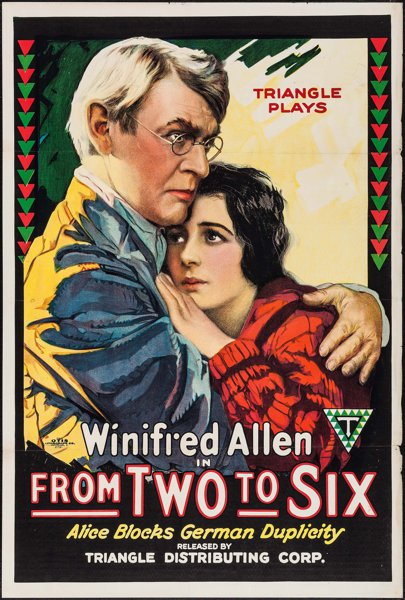
Dir: Albert Parker
During World War I, John Stevens invents an anti-submarine device, but the plans are stolen by two German spies, the Baron von Wiederholtz and Madame Elsa, who flee to a New York hotel. Stevens' daughter Alice pursues the spies hoping to retrieve the plans. Also lodging at the hotel are Howard Skeele and Margaret Worth, childhood friends whose parents are forcing them to marry with threats of disinheritance. In attempting to escape, Howard finds himself in the baron's suite just in time to spy the German in the act of hiding the plans. Howard directs Alice to the plans, and then, because he must be wed before six o'clock that evening or lose his inheritance, he proposes to her. They marry with Margaret's blessing, the spies are arrested, and Alice returns home with the plans and a husband.
View Details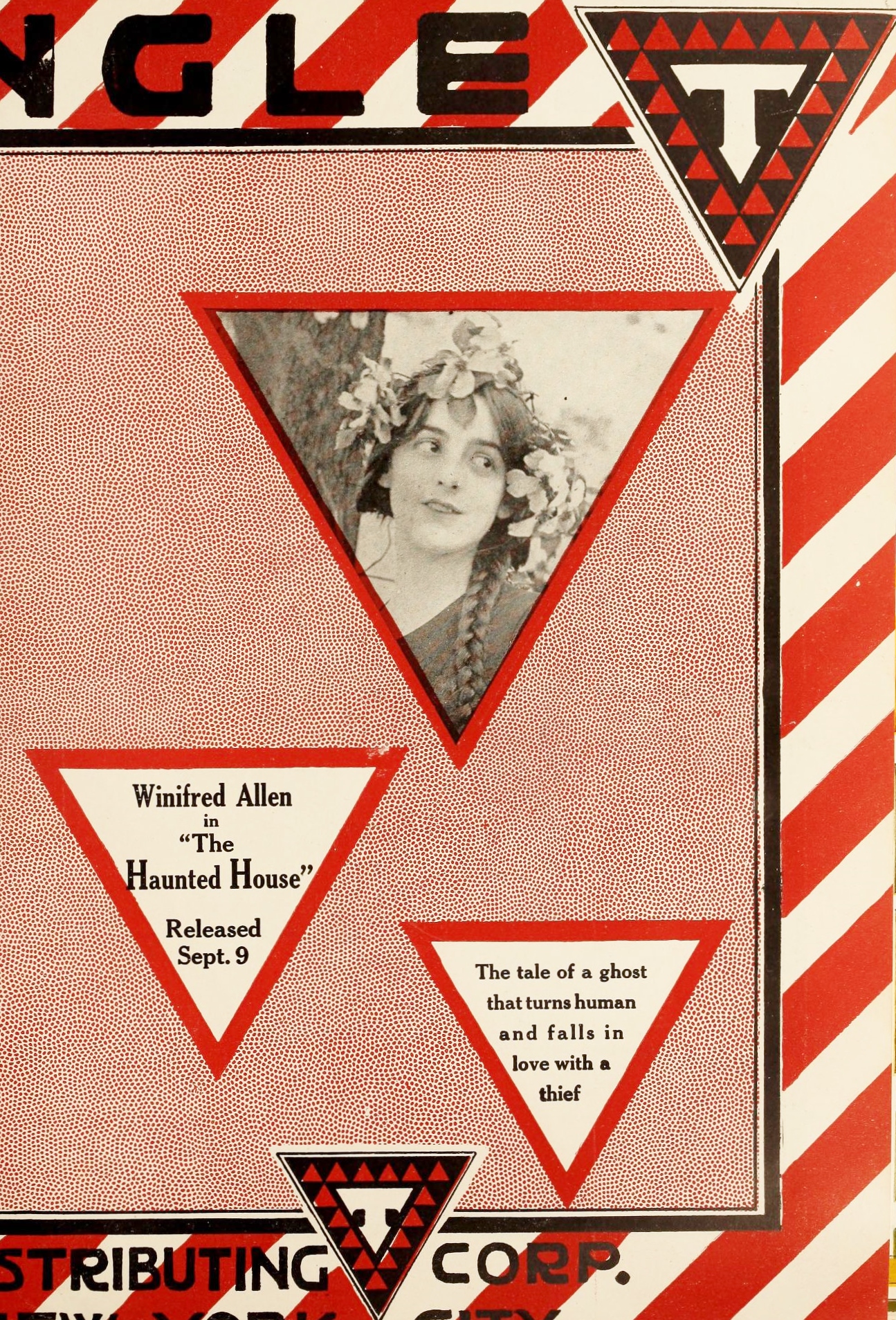
Dir: Albert Parker
Young Anne (Winifred Allen) who lives with her stern uncle, is considered strange by the gossips of her village because she spends much of her time in the woods, where she has imaginary conversations with her deceased mother. When Jimmy (Dick Rosson), a crook is wounded after a robbery, he eludes the sheriff by hiding in a deserted mansion, unaware that the mansion is said to be haunted. The spirit haunting the mansion is Anne, who befriends Jimmy and frightens away his pursuers by pretending to be a ghost. Soon, the young couple begin a romance, safe within the walls of the haunted house.
View Details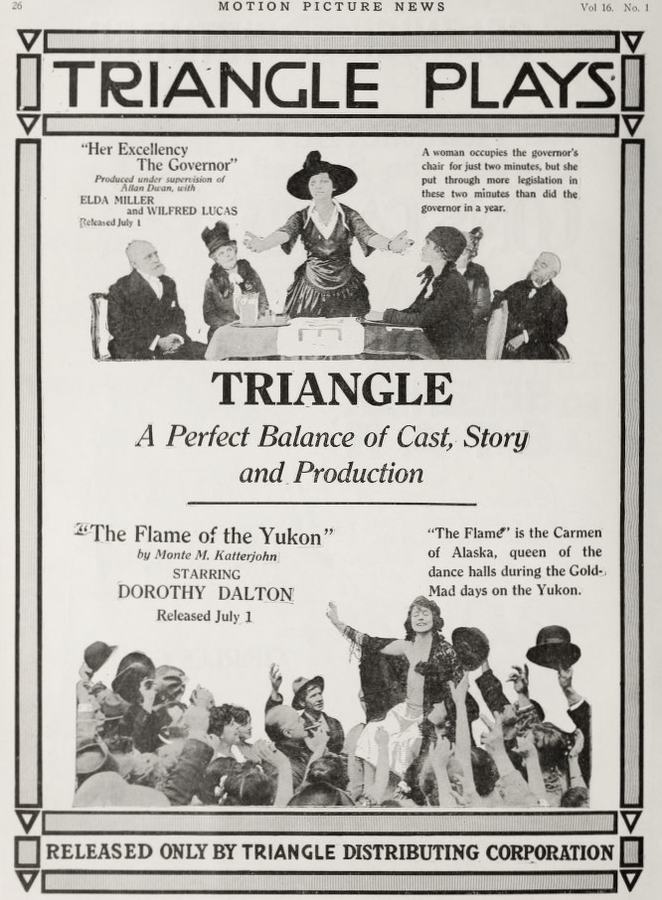
Dir: Albert Parker
James Barclay is elected to the office of governor on the machine ticket. Sylvia Marlowe, a lawyer whom Barclay has loved for years, refuses to marry him because she fears that Barclay's ambition is causing him to disregard ethics and justice. When he is persuaded by the political boss to veto a child labor measure, Sylvia determines to run for the office of lieutenant governor and is elected. After war is declared, the political boss is bought by a German agent to kill an army appropriation bill, even though the money is urgently needed. Barclay lacks the courage to defy the boss, so Sylvia arranges to have him leave the state, and during his absence, she signs the bill. At first Barclay is angered, but soon he is reconciled, and his next proposal to Sylvia is accepted.
View Details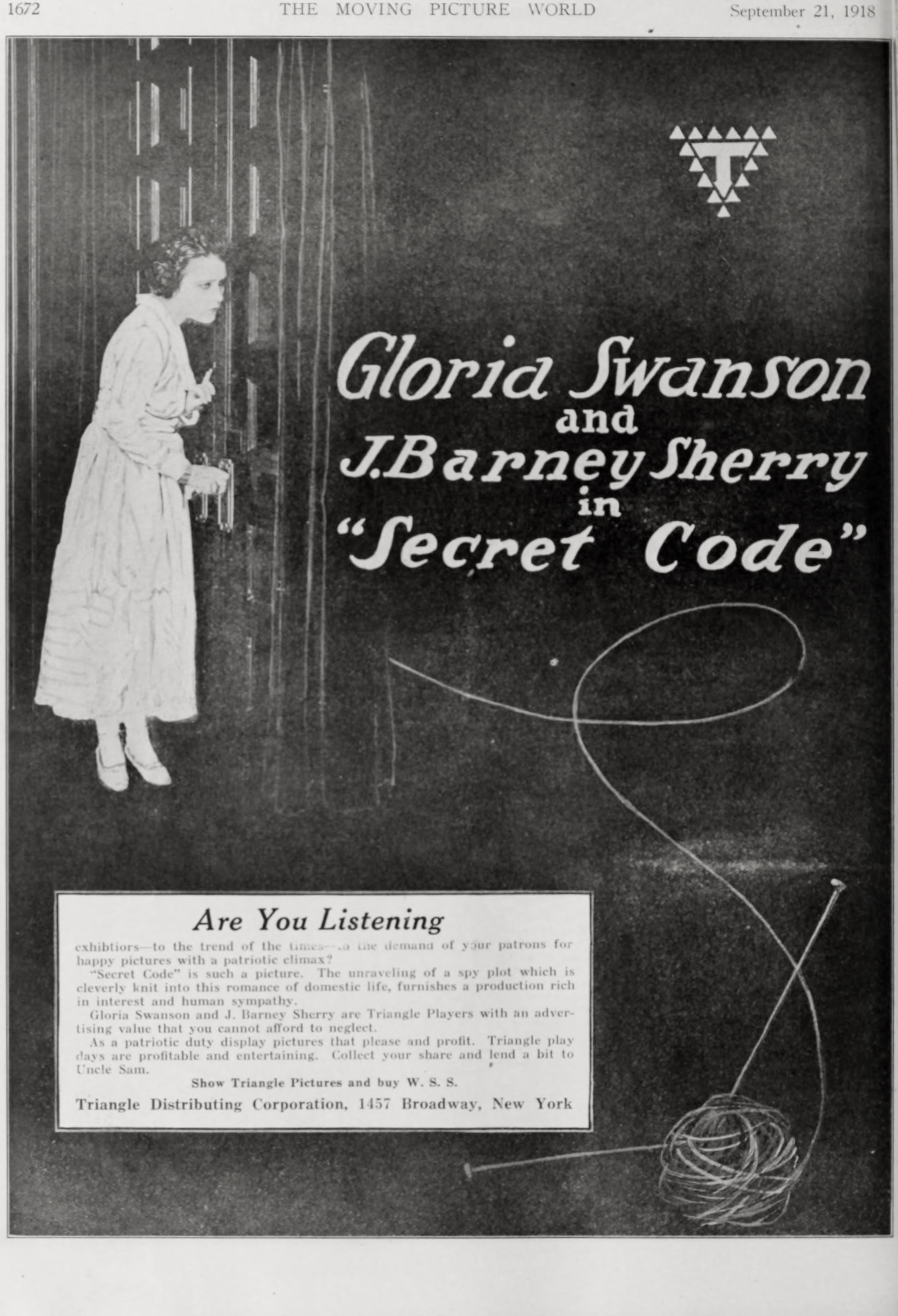
Dir: Albert Parker
Sally Carter Rand, married to an elderly senator, is accused of espionage, but she is able to clear herself by proving that her mysterious knitting is actually a baby sweater.
View DetailsAnalysis relative to After Dark
| Film Title | Atmosphere | Complexity | Similarity |
|---|---|---|---|
| The Night Riders | Ethereal | High | 96% Match |
| The Great Shadow | Gothic | High | 94% Match |
| A Sister to Salome | Gothic | High | 88% Match |
| Eva, wo bist du? | Gothic | Dense | 86% Match |
| The Knickerbocker Buckaroo | Gothic | High | 94% Match |
This guide was algorithmically generated using the cinematic metadata of Albert Parker's archive. Last updated: 8/16/2026.
Back to After Dark Details →