
DbcultAccessing Vault...
Recommendations
Senior Film Conservator
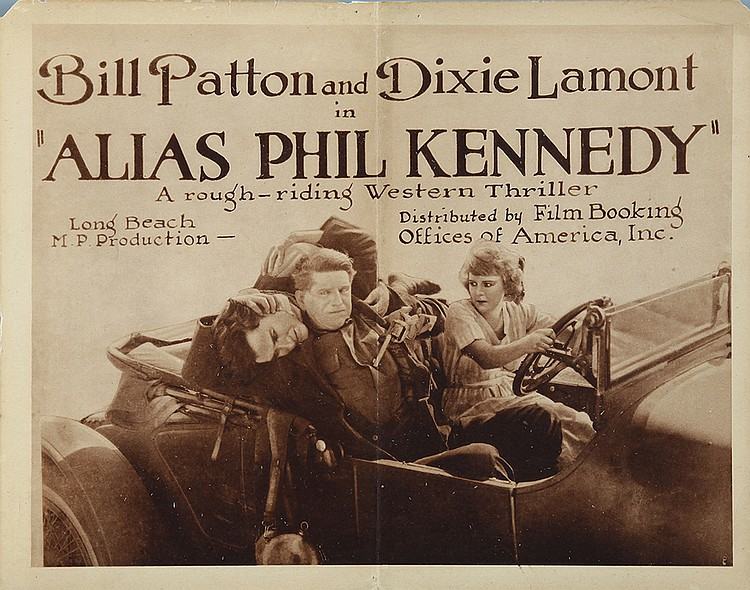
For cinephiles who admire the thematic gravity within Alias Phil Kennedy, the specific thematic gravity of this work is a gateway to a broader Western world. We've prioritized films that capture the 1922 aesthetic with similar precision.
At its core, Alias Phil Kennedy is a study in to create a dialogue between the viewer and the thematic gravity.
Secret service man, posing as crook in order to capture counterfeiter, rescues girl from death in stream, but grandfather, recognizing the man as one whom he believes a crook, orders him not to try to see girl again. Crooks steal gold from mine of grandfather and are aided, apparently, by secret service man who desires to learn their secrets. Secret service man finally brings about capture of crooks, making a thrilling jump from cliff into automobile, driven by girl he loves, who is threatened by crook in car with her, in capturing the last of the crooks and recovering the grand- father's gold.
Based on the unique thematic gravity of Alias Phil Kennedy, our vault has identified these titles as the most compelling follow-up experiences for fans of Western cinema:
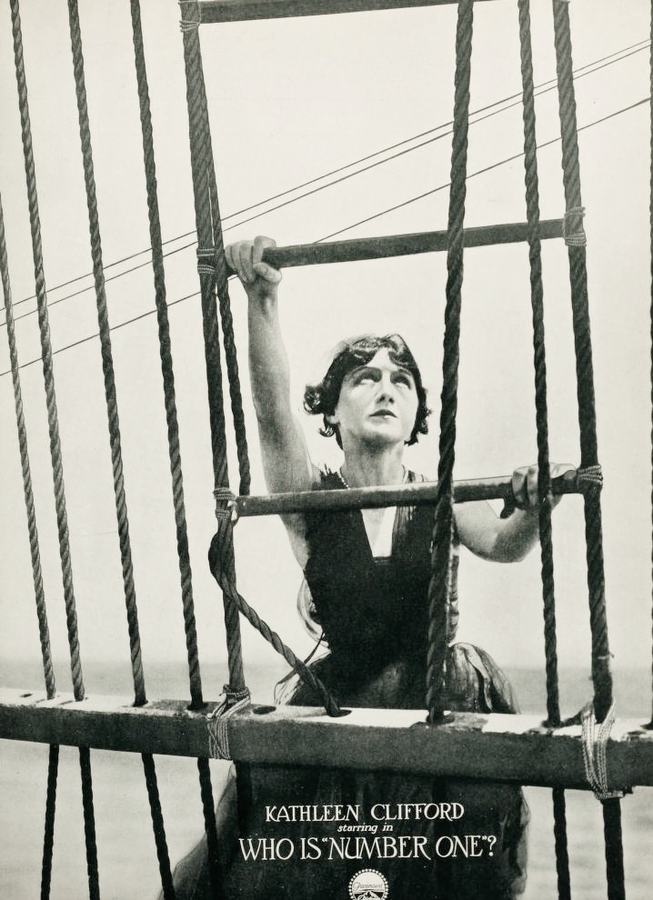
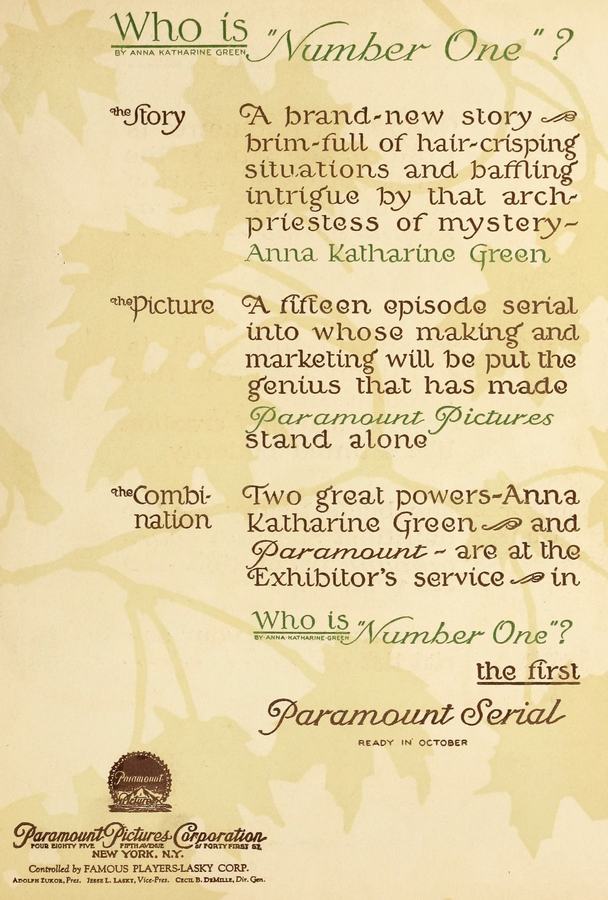
Dir: William Bertram
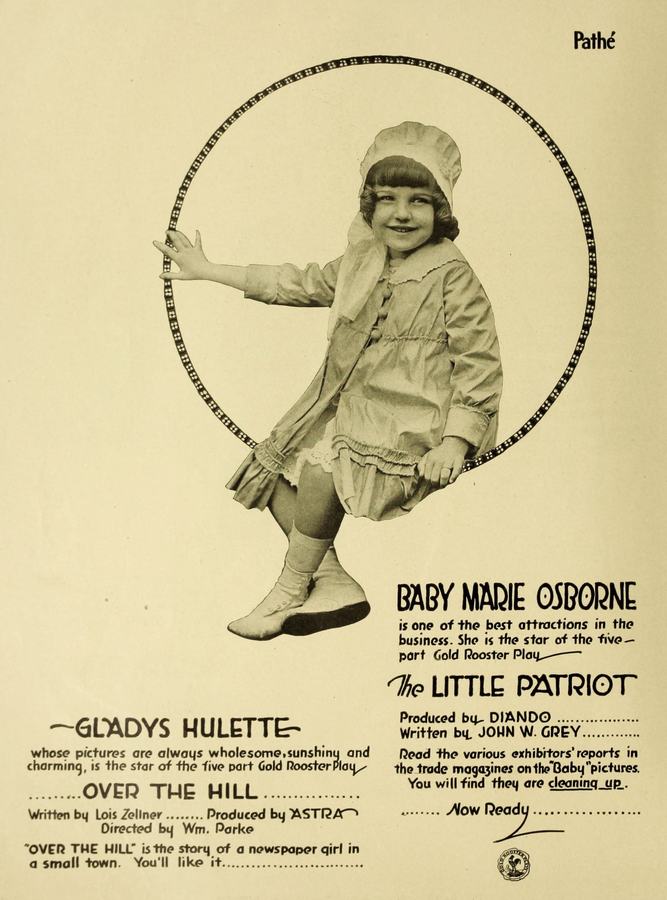
Instilled with the spirit of patriotism after her teacher reads to her the story of Joan of Arc, Marie Yarbell goes home, persuades her father to enlist and then organizes a "military company" comprised of her playmates. Wealthy old Nathan Mulhouser, who is financing the development of a torpedo, is so touched by the children's patriotism that he buys them a flag. Marie's mother rents out a vacant room to Hertz, a stranger, who instructs her to see that no one enters his room because he is working on an important invention for the government. Curious, Marie follows Hertz as he leaves the house carrying a suitcase. He goes to a building that houses Mulhouser's laboratory, tosses in a bomb and runs away. Marie disposes of the bomb in time, but is stunned by the explosion. Mulhouser finds Marie in a state of shock and takes her to his home. Meanwhile, Mr. Yarbell has returned home at his wife's alarm and finds Marie's soldiers holding the spies prisoner. Mulhouser finally ascertains Marie's identity, discovering that she is his granddaughter, and all ends happily.
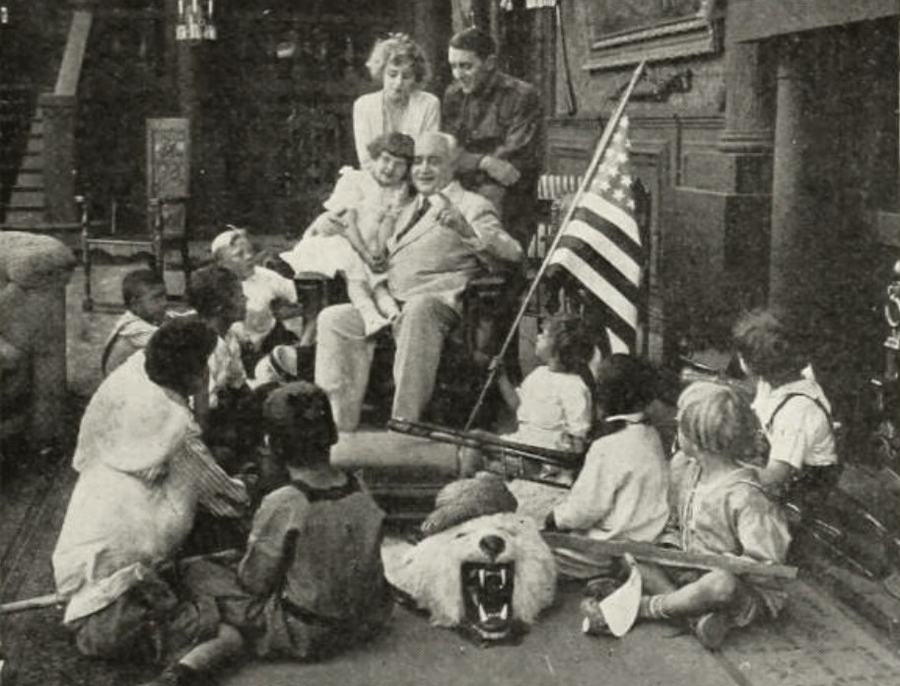

Dir: William Bertram
When Charles Lind is stricken blind, his brother John takes charge of his business affairs, while his little niece Marie reads his mail to him each day so that he may recite his replies into a Dictaphone. After John confesses that he has lost a great deal of Charles' money on the stock market, the two quarrel, and John nearly strangles his brother. Later, a shot rings out, and John is seen crouching by Charles' lifeless body. Following John's arrest, the detectives guarding Marie's house recognize Briggs, the butler, as a wanted criminal, and when he attempts to escape, they shoot him. Marie, in playing with her uncle's Dictaphone, discovers that his murderer's voice was captured on the recording. Played at the dying butler's bedside, the recording leads to Briggs's confession and John's release from prison.
View Details
Dir: William Bertram
Little Marie, terrified after her drunken father beats her mother, flees from the house. Finding herself alone after her father is arrested for the assault and her mother rushed to the hospital, Marie becomes attached to a little dog that she finds in the park. The maid who is walking the dog is unable to part the two, and so she brings the little girl home to the Greer mansion where Mr. Greer, desperate for the child that his socialite wife is too busy to give him, insists upon adopting Marie. After Marie's mother recovers, she is reluctant to deprive her daughter of the riches she may inherit, and so obtains the position of governess in the Greer household in order to be near her own child. Gradually, a deep attachment develops between Mr. Greer and Marie's mother. After Marie's father is killed during a jailbreak, and Mrs. Greer, suffering from her superficial existence, commits suicide, Greer marries Marie's mother and the reconstituted family begins a new life.
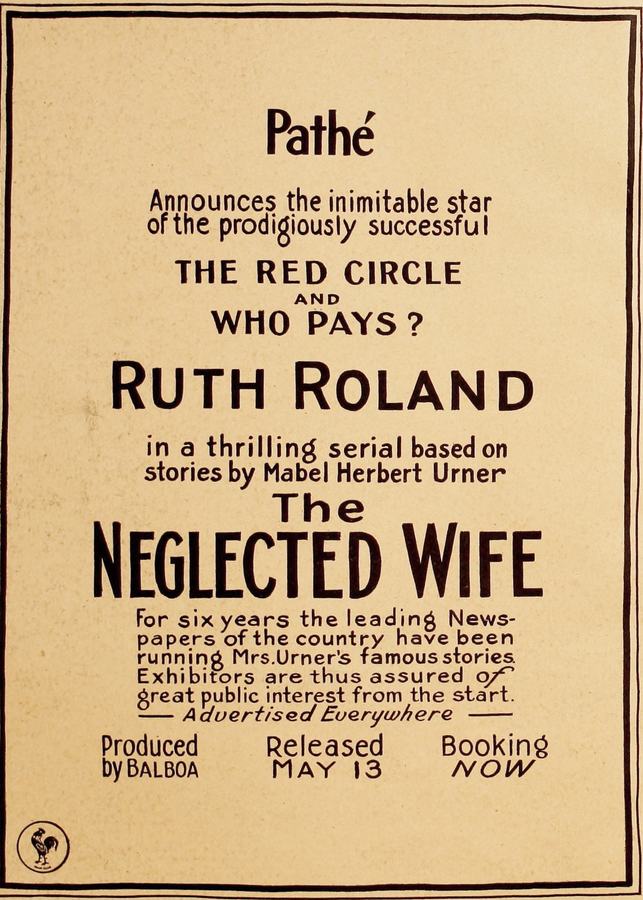
Dir: William Bertram
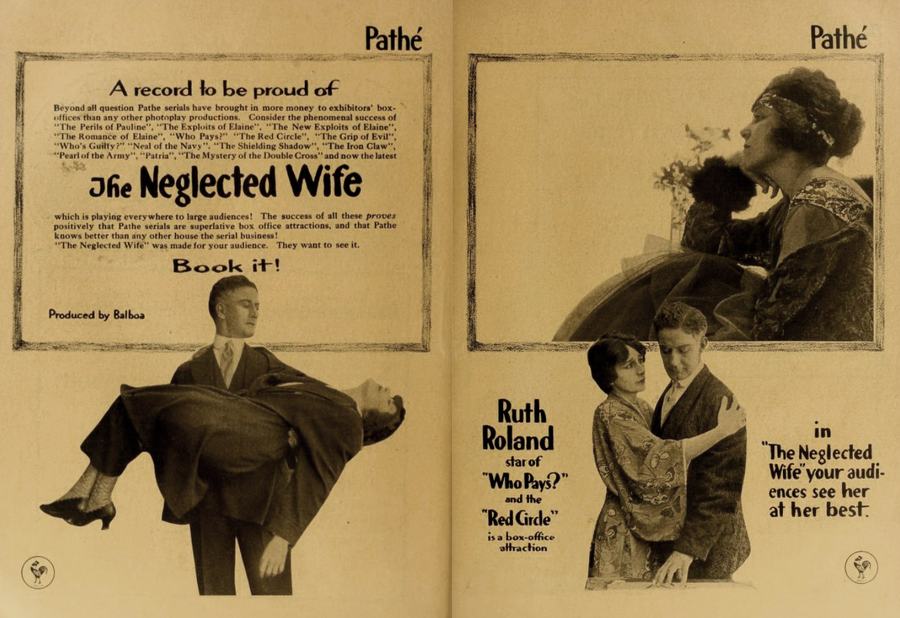
Episode 1: "The Woman Alone" Horace Kennedy, a successful lawyer, is drifting from his attentive and loyal wife, Mary, for no apparent reason, save that she is fading and he is losing interest in her. On the charge made by Margaret Warner, a struggling magazine writer, Kennedy disbars Attorney Doyle, contending that as a man must protect the honor of his wife and home, so must we guard our courts from prowling jackals. Because of his masterly handling of the disbarment case, a magazine requests Kennedy to write twelve articles dealing with the subject. Mary, his wife, persuades him against his wishes, to write these articles, suggesting that she will take his dictation on the typewriter. She proves an inefficient helper and the first night on which they work she falls and sprains her wrist, making it necessary for Kennedy to look elsewhere for assistance. Margaret, living in a cheap boarding-house is poor, as her short story manuscripts are returned day after day by the magazines. Desiring to help her Kennedy engages her for the work. Doyle, forced out of his profession, continues his work in the field of crooked-stock jobbing, taking the hard-earned savings of the poor for bogus mining stock. The last night of their joint work, Kennedy accompanies Margaret home, but on their way they are caught in an accident. Kennedy escapes injury, but Margaret faints. Calling to her to speak to him, Kennedy, with Margaret in his arms, rushes to a physician. Is the girl he is beginning to love to be thus taken from him?
View Details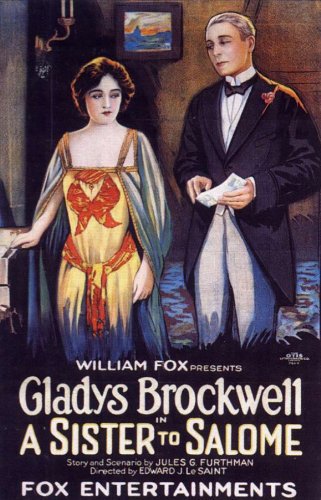
Dir: Edward LeSaint
When famous opera singer Elinore Duane undergoes an operation on her throat, she has a series of ether-induced visions. In one, she is transported to ancient Rome where she appears as a much-admired woman in love with Paul, a young heretic, and at odds with Lutor, the high priest. To save her love, she poisons Lutor with her ring. After several other visions which involve variations on this love triangle, Elinore awakens to discover that Lutor is actually her doctor, Sascha Jaccard, and that Paul is the son of a friend who has come to visit the recovering prima donna.
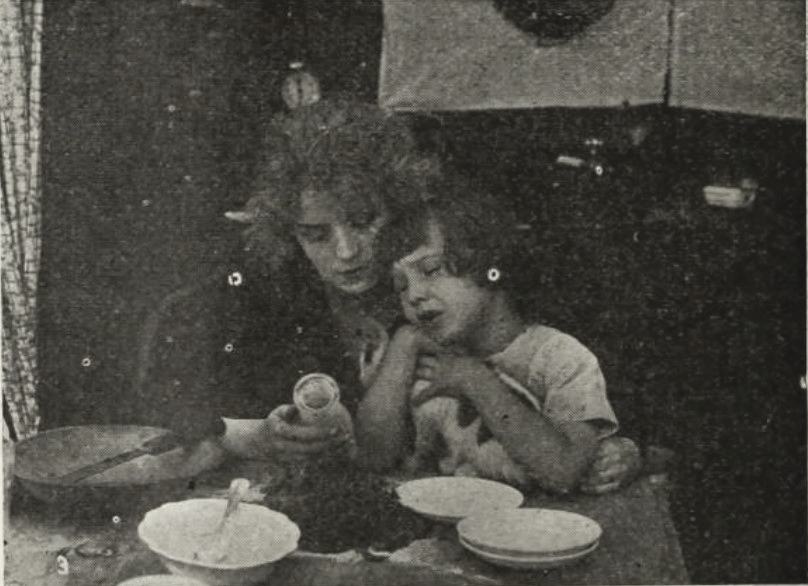
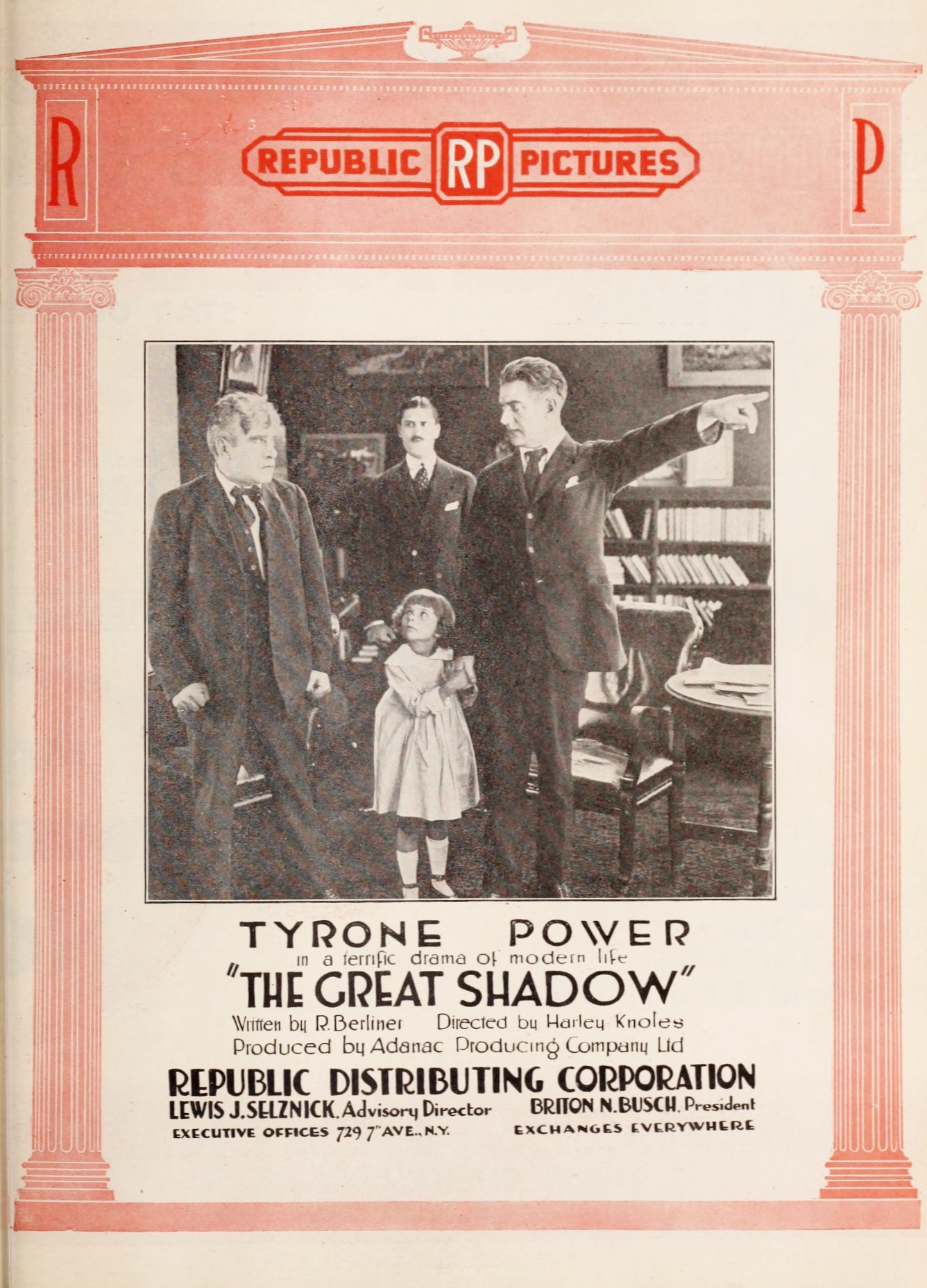
Dir: Harley Knoles
Jim McDonald, the foreman of a shipbuilding plant and head of the labor union, strives to combat the anarchistic propaganda being put forth by Klimoff, the leader of a Bolshevik gang whose goal is to disrupt the country with strikes and anarchy. Despite McDonald's efforts, a strike is called, resulting in chaos. McDonald's child is knocked down by runaway horses abandoned by their striking driver, and dies. Mob scenes take place in America, as well as in Russia. Eventually, the unrest is quelled with an armistice called between Capital and Labor for a year, during which time wages are to be increased to reflect the cost of living, and leaders are to work out a common plan for their mutual advantage. The strikers now realize that they have been pawns of the Bolsheviks and call off the strike, agreeing to the plan.
View Details
Dir: Alexander Butler
In Alberta, Canada, a Cornish emigrant unmasks a rustler posing as the girl's "blind" father.
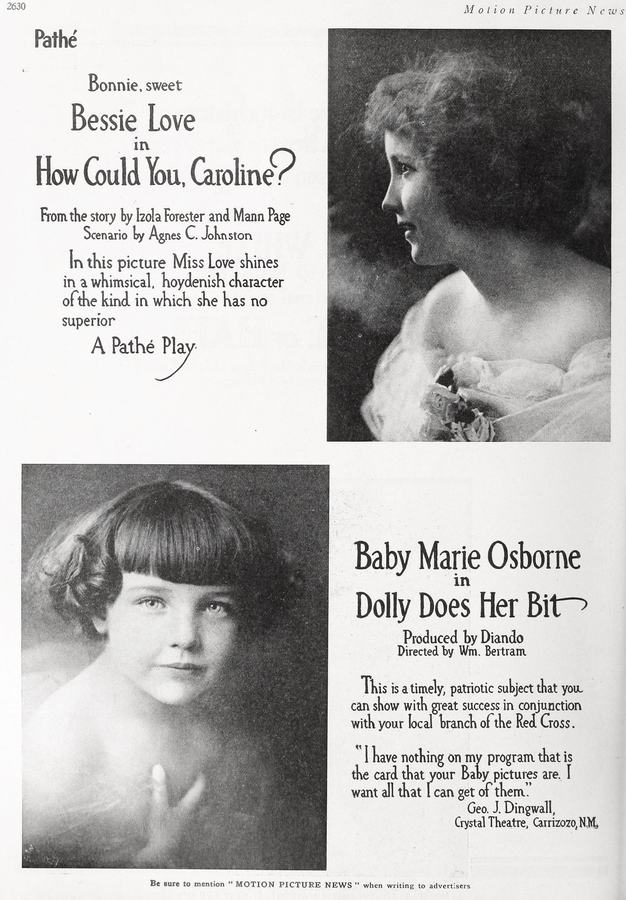
Dir: William Bertram
Dolly lives with her aunt, who is a seamstress. The child is sent home from school because she has been naughty, and finds her aunt in the act of making a Red Cross costume for a huge mechanical doll. The doll can walk and talk and excites Dolly's interest intensely. Some of her playmates come and run away with the doll, which is later smashed by a runaway horse. Dolly then dresses in the Red Cross costume, hides in the big box, and is taken to the rich woman's home. She reveals her secret to the daughter, a little girl who is sick. The fairy story touches thrown in here are very fine and will appeal to the imagination of small observers. Dolly carries out her deception successfully at the Red Cross bazaar, but later is kidnapped by a gang who have been raiding the house of the wealthy woman. Dolly assists in rounding up the gang.
View Details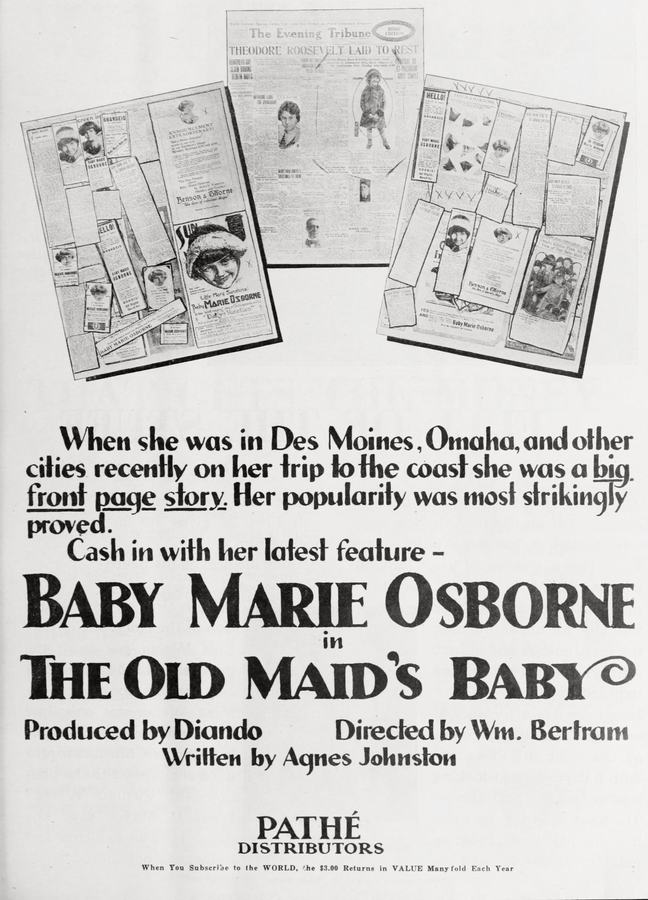
Dir: William Bertram
Christine, known as Tiny, whose mother eloped with a circus clown and became a parachutist, spends most of her time with her lame dog and an elephant. When the circus passes through her home town, Tiny's mother is rejected by her sister Sylvia, thought to be an old maid because of her all-consuming interest in mathematics. Seeing her mother depressed, Tiny convinces her father to join her for her nightly stunt of parachuting from a balloon. While Tiny plays with a precocious black child, her parents' chute fails to open and they die. Thinking herself friendless, Tiny attempts to drown herself, but her dog brings Sylvia and Frank Dodge, who loves her. Sylvia lets her other suitor, Professor Caldwell, who wants her fortune, direct Tiny's upbringing "scientifically," but after Tiny and Frank expose the professor's plot to destroy Sylvia's book on the fourth dimension, because it is better than his own book, Sylvia, who now loves Tiny, accepts Frank's proposal.
View DetailsAnalysis relative to Alias Phil Kennedy
| Film Title | Atmosphere | Complexity | Similarity |
|---|---|---|---|
| Who Is Number One? | Ethereal | Abstract | 94% Match |
| The Little Patriot | Surreal | Linear | 96% Match |
| The Voice of Destiny | Gritty | Linear | 93% Match |
| Tears and Smiles | Ethereal | High | 87% Match |
| The Neglected Wife | Gothic | Linear | 93% Match |
This guide was algorithmically generated using the cinematic metadata of William Bertram's archive. Last updated: 6/27/2026.
Back to Alias Phil Kennedy Details →