
DbcultAccessing Vault...
Recommendations
Senior Film Conservator
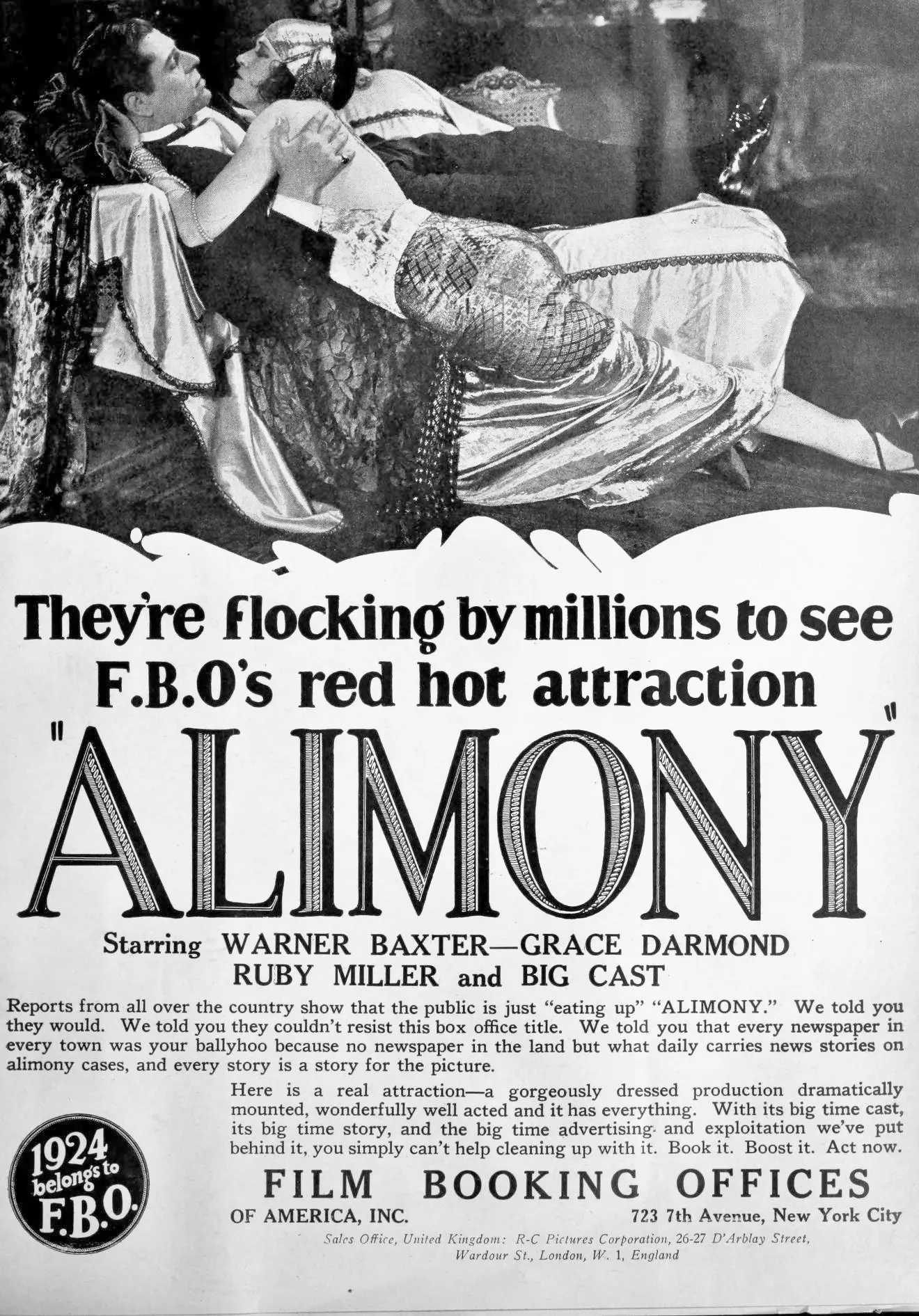
The 1924 release of Alimony redefined the parameters of Drama storytelling, the narrative complexity found here is a rare find in the 1924 landscape. Prepare to discover your next favorite movie in our hand-picked collection.
Historically, Alimony represents to explore the darker corners of the human condition with emotional resonance.
Having helped her husband from their days of poverty to a period of unexpected wealth, Marion Mason sees other women entering his life. Misunderstanding leads to divorce, but she insists on a large alimony, which she uses to save him after the other woman has wrecked his fortune. He asks her forgiveness, and they are remarried.
The influence of James W. Horne in Alimony can be felt in the way modern Drama films handle emotional resonance. From the specific lighting choices to the pacing, this 1924 release set a high bar for atmospheric immersion.
Based on the unique emotional resonance of Alimony, our vault has identified these titles as the most compelling follow-up experiences for fans of Drama cinema:
Dir: Wilfred Lucas
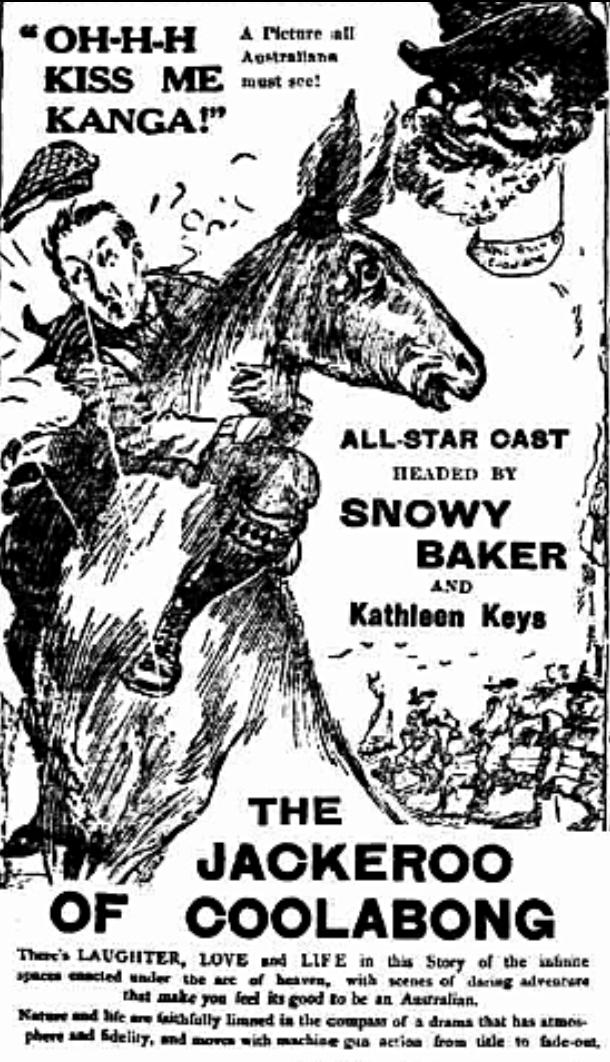
Brian O'Farrell (Snowy Baker), is an English 'new chum' who takes a job at an Australian cattle station. He is teased by station hands because of his appearance (including spats and a monocle) but he soon impresses them with his skills at riding and boxing. The station manager, John MacDonald (Wilfred Lucas), takes O'Farrell to Sydney to meet his daughter Edith (Kathleen Key) who is working in the slums. Edith is kidnapped by criminals after witnessing a crime but O'Farrell rescues her. It is later revealed he is the owner of the station.
View Details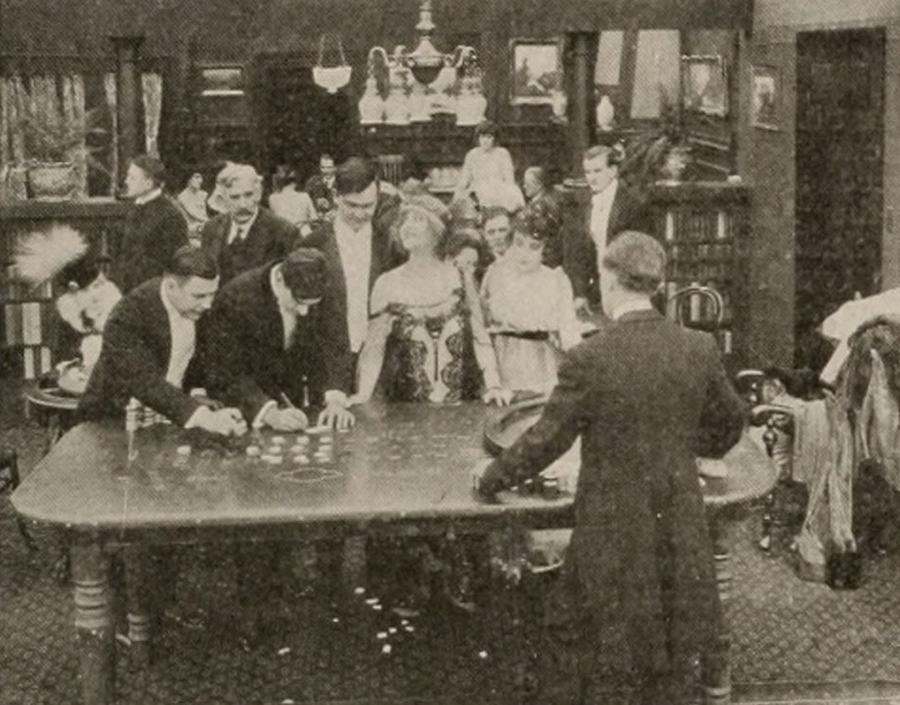
Dir: James W. Horne
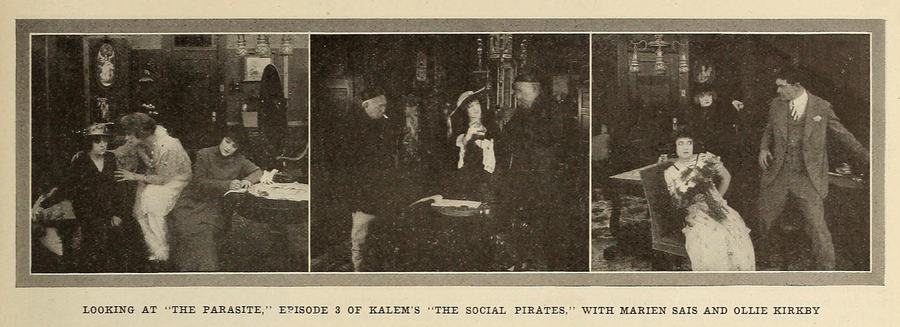
Two women finally tire of being taken advantage of by men, and vow that they will stop these cads from preying on helpless young girls.
View Details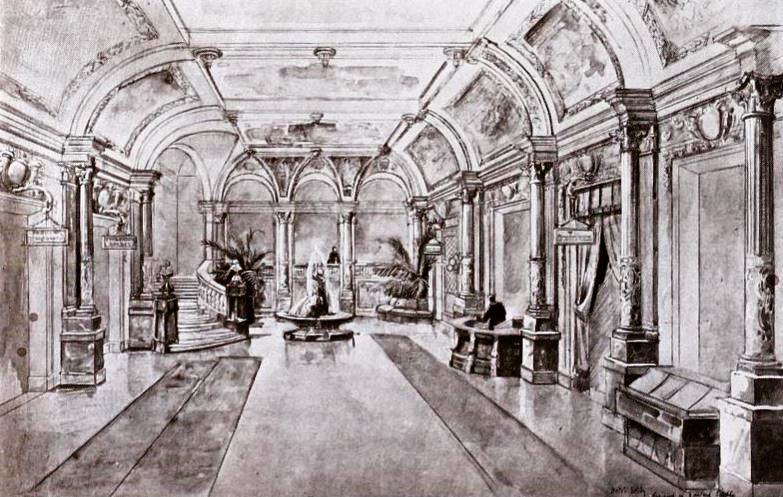
Dir: James W. Horne
A series of 12 2-reel mystery thrillers, each story complete in itself. Episode titles: #1: The Strangler's Cord (1915); #2: The Disappearing Necklace (1915); #3: The Secret Code (1915); #4: The Riddle of the Rings (1915); #5: The Substituted Jewel (1915); #6: A Double Identity (1915); #7: The False Clue (1915); #8: When Thieves Fall Out (1915); #9: Under Oath (1915); #10: _The Wolf's Prey (1915)_; #11: The Man on Watch (1915); #12: The Man in Irons (1915).
View Details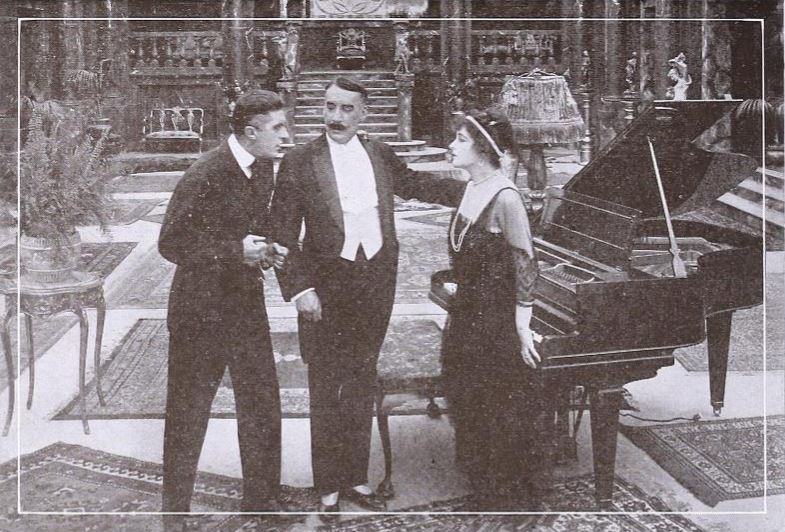
Dir: James W. Horne
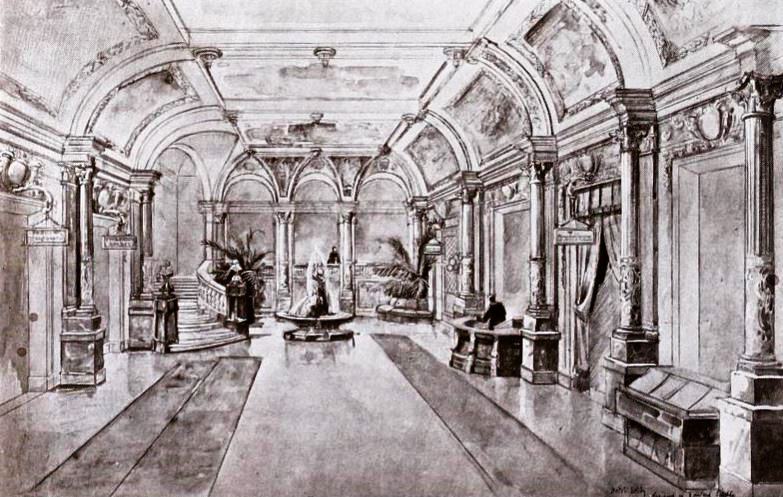
Although she loves Clive, a young lawyer, Margaret weds Deering to save her father from financial ruin, while passing years bring fame to Clive and result in his being elected district attorney, the man cannot forget Margaret. Deering conducts a magnificent gambling establishment in his mansion. His conduct toward Margaret causes her to hate him. In the meantime, having promised to break up the ring, headed by Garvin, which is protecting the gamblers, Clive arranges a raid upon the Deering establishment. Due to a leak, however, this raid comes to naught. While in the mansion, Clive comes face to face with Margaret. Deering watching the two, sees their old love well up anew. It causes the man to become more brutal than ever to his wife. The district attorney discovers his secretary to be the source of the leak which had frustrated the raid. A second raid proves successful. Before this takes place, Clive dispatches a note to Margaret urging her to leave before his men arrive. Deering, believing his wife had known of this raid all along, is wild with rage and attempts to kill her. This is frustrated and the gambler is arrested. He later makes a sensational escape and returns to his mansion in time to see Ramon, his partner, rifling the secret safe containing their funds. After mortally wounding the man, Deering attempts to kill Margaret. Dying, Ramon summons Clive and the police. The latter come just in time to save the woman. Again Deering tries to escape, but this time he meets his death in leaping from a balcony.
View Details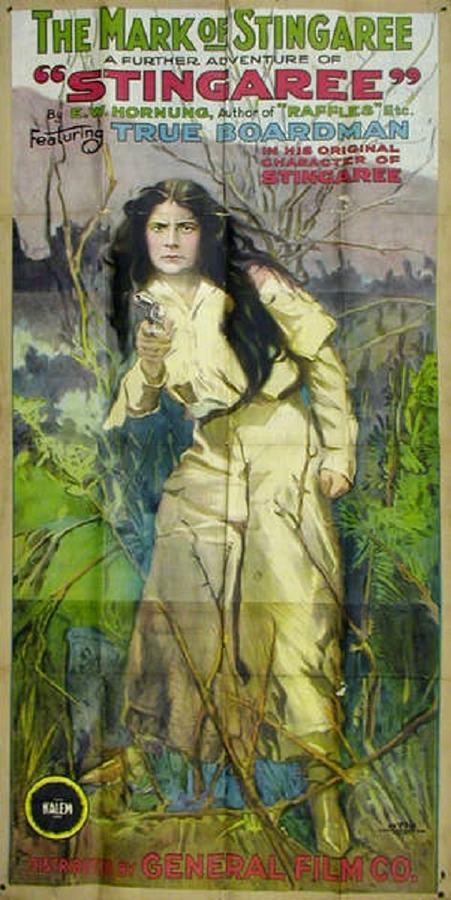
Dir: James W. Horne
In the Australian outback, a young woman falls for a dashing bandit known as Stingaree, who is actually a wealthy Englishman cheated out of his fortune by his greedy brother.
View Details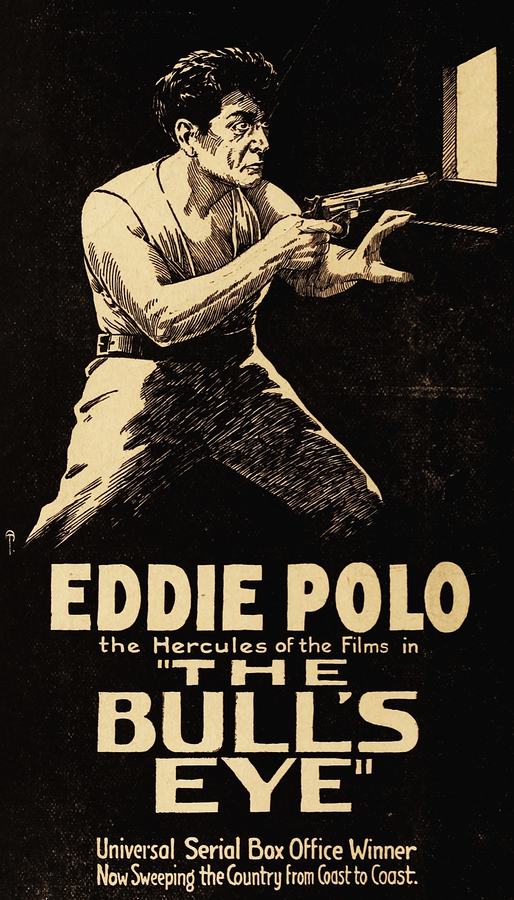
Dir: James W. Horne
A fascinating piece of cinema that shares thematic elements.
View Details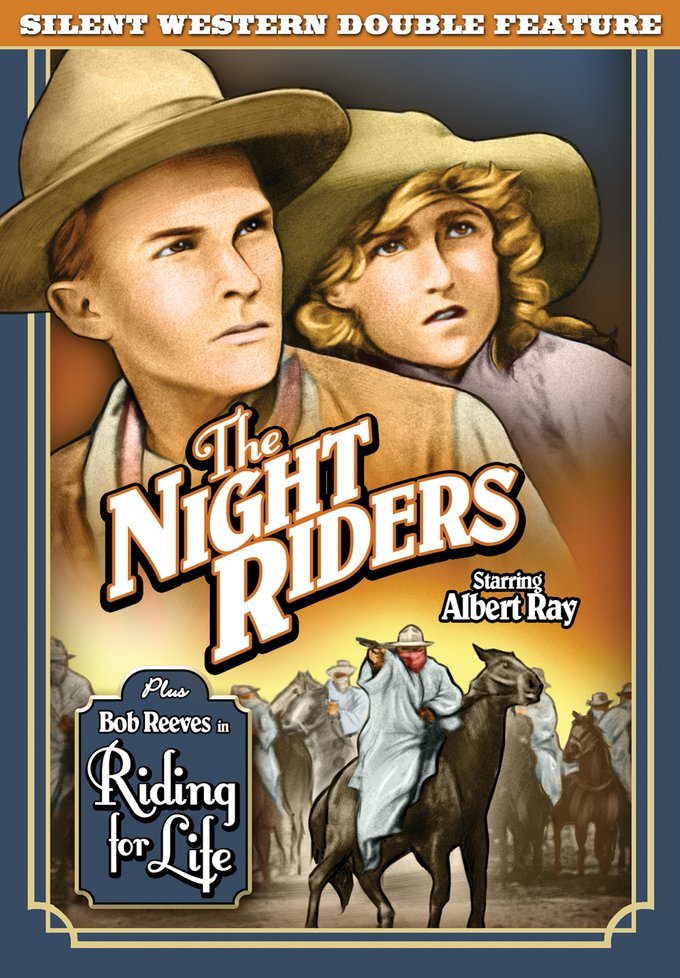
Dir: Alexander Butler
In Alberta, Canada, a Cornish emigrant unmasks a rustler posing as the girl's "blind" father.
View Details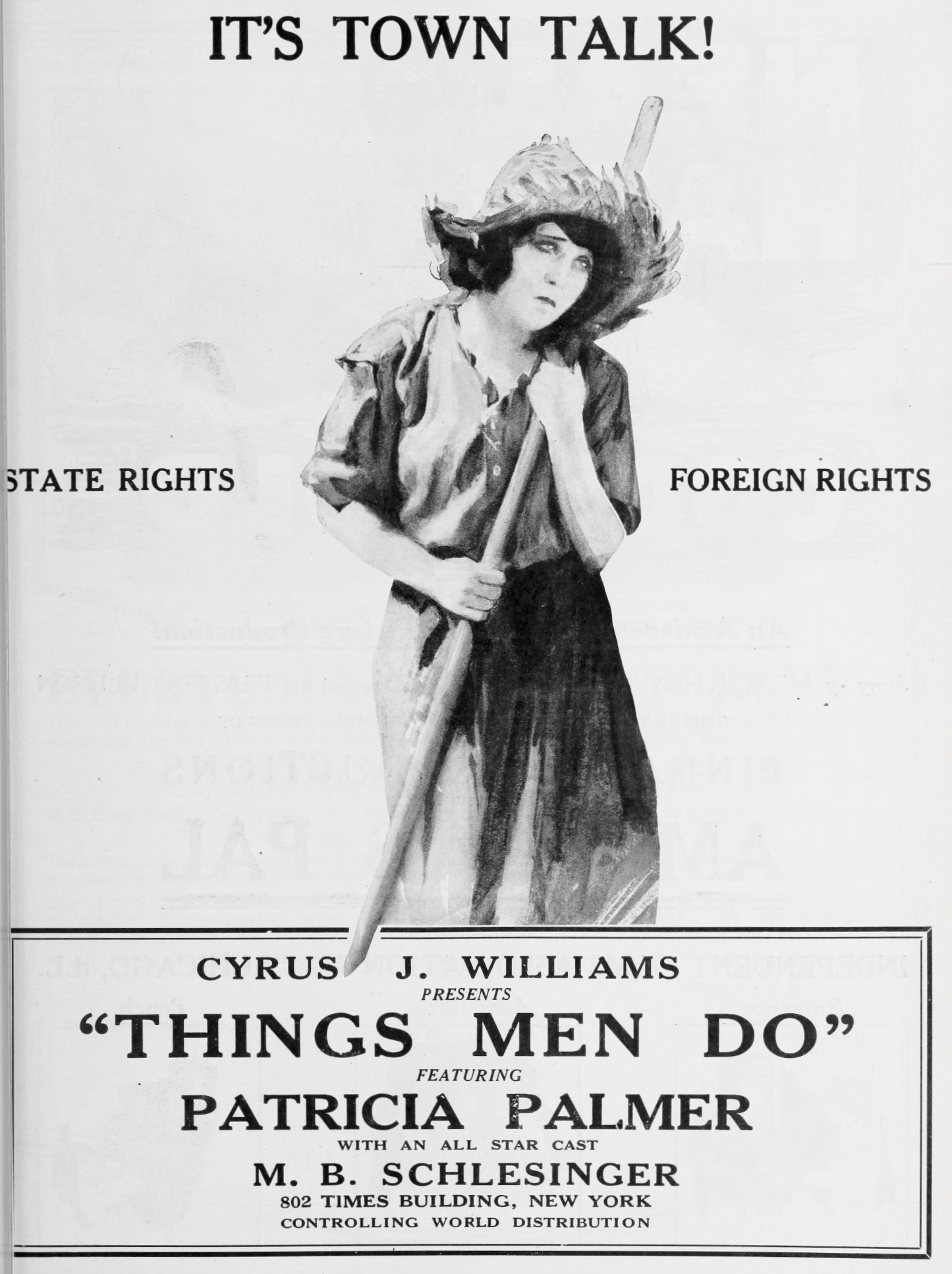
Dir: Robert N. Bradbury
A simple country girl, brutally mistreated by her stepfather, awakens first the sympathy, then the love, of The Boy. The Spider, who lusts after The Girl, makes a bargain with the stepfather and takes her to the city where, kept prisoner, she is soon broken in health and spirit. Cast out and near death, she is taken in by The Boy. Following the demise of The Spider, The Boy takes her to church, where he prays, and after many hours she is restored to health.
View Details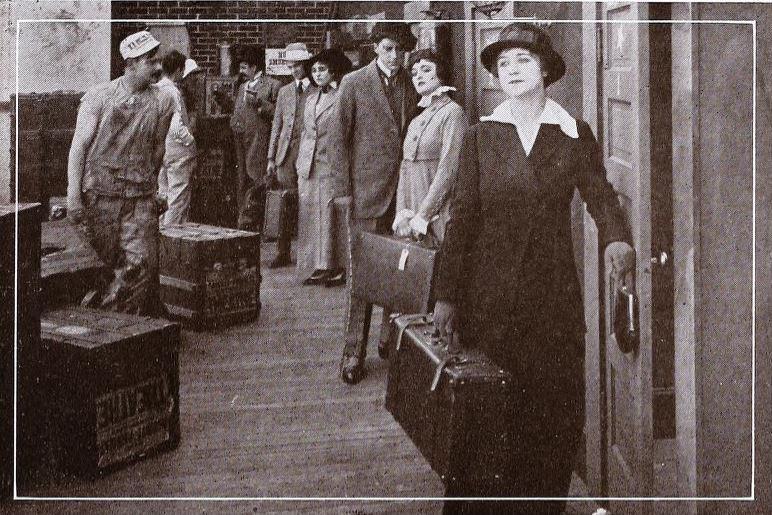
Dir: James W. Horne
Adam, the proprietor of a country hotel, loses his heart to Nell, a soubrette. Unknown to the old man, the girl and his son Jack were formerly sweethearts, but had quarreled because of her refusal to leave the stage. Knowing of Adam's love for Nell, Mason, the leading man, and Eppstein, the manager, induce him to finance the show. This is on its last legs. The members of the company stop at Adam's hotel while in Preston and thus Nell meets Jack again. Upon her refusal to give up the stage, Jack angrily leaves her. When the show departs early next morning, Adam goes with it. Nell is fascinated by Mason and the latter plays her against Clara, who also fancies she loves him. Nell does not know that it is Adam's money which is backing the show. When she does discover the manner in which the old man is being fleeced, she promptly declares her intention of quitting the company. The conspirators vainly plead with the girl. Desperate, Mason and Eppstein kidnap Adam and wire Jack in the old man's name asking him to telegraph $600. His suspicions aroused, Jack determines to investigate. In the meantime, Nell has discovered Adam's predicament. Securing assistance, she rescues him just as Jack arrives. In gratitude, Adam advances enough money to send all the members, with the exception of the plotters, home. Nell, sick of the stage, returns to Preston with Jack and his father. The latter learns of their love affair, and concealing his own love, gives them his blessing.
View Details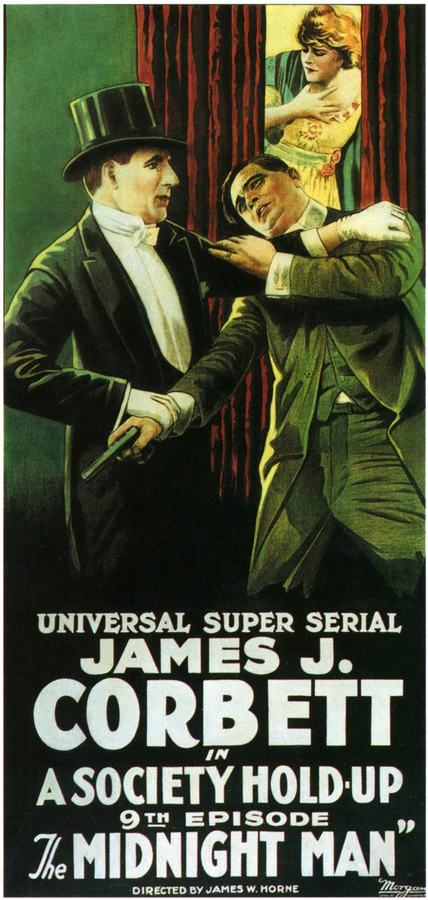
Dir: James W. Horne
Young clubman Bob Gilmore is called by telephone to his home, where his parents are giving him a birthday party. He overhears one of the male guests make a slurring remark about his mother's appearance, and punishes him right there, throwing the entire gathering into an uproar. Later in the evening he assumes guilt for a check which had actually forged by his foster father, in order to save the mother's feelings, but obtains a written confession from the guilty man for future use if necessary. Learning that he had been adopted from a foundling asylum in infancy, Bob decides to go to New York to see if he cannot learn his real name, which he understands begins with "Mor." He disguises himself and enters many homes, attired in evening clothes, and is soon known to the police as "The Midnight Man." In the meantime he has come into contact with members of the White Circle gang, and has many close physical encounters with them.
View DetailsAnalysis relative to Alimony
| Film Title | Atmosphere | Complexity | Similarity |
|---|---|---|---|
| The Jackeroo of Coolabong | Ethereal | High | 85% Match |
| The Social Pirates | Gritty | Linear | 96% Match |
| Mysteries of the Grand Hotel | Tense | High | 93% Match |
| The Pitfall | Gothic | High | 96% Match |
| Stingaree | Gothic | High | 90% Match |
This guide was algorithmically generated using the cinematic metadata of James W. Horne's archive. Last updated: 6/20/2026.
Back to Alimony Details →