
DbcultAccessing Vault...
Recommendations
Senior Film Conservator
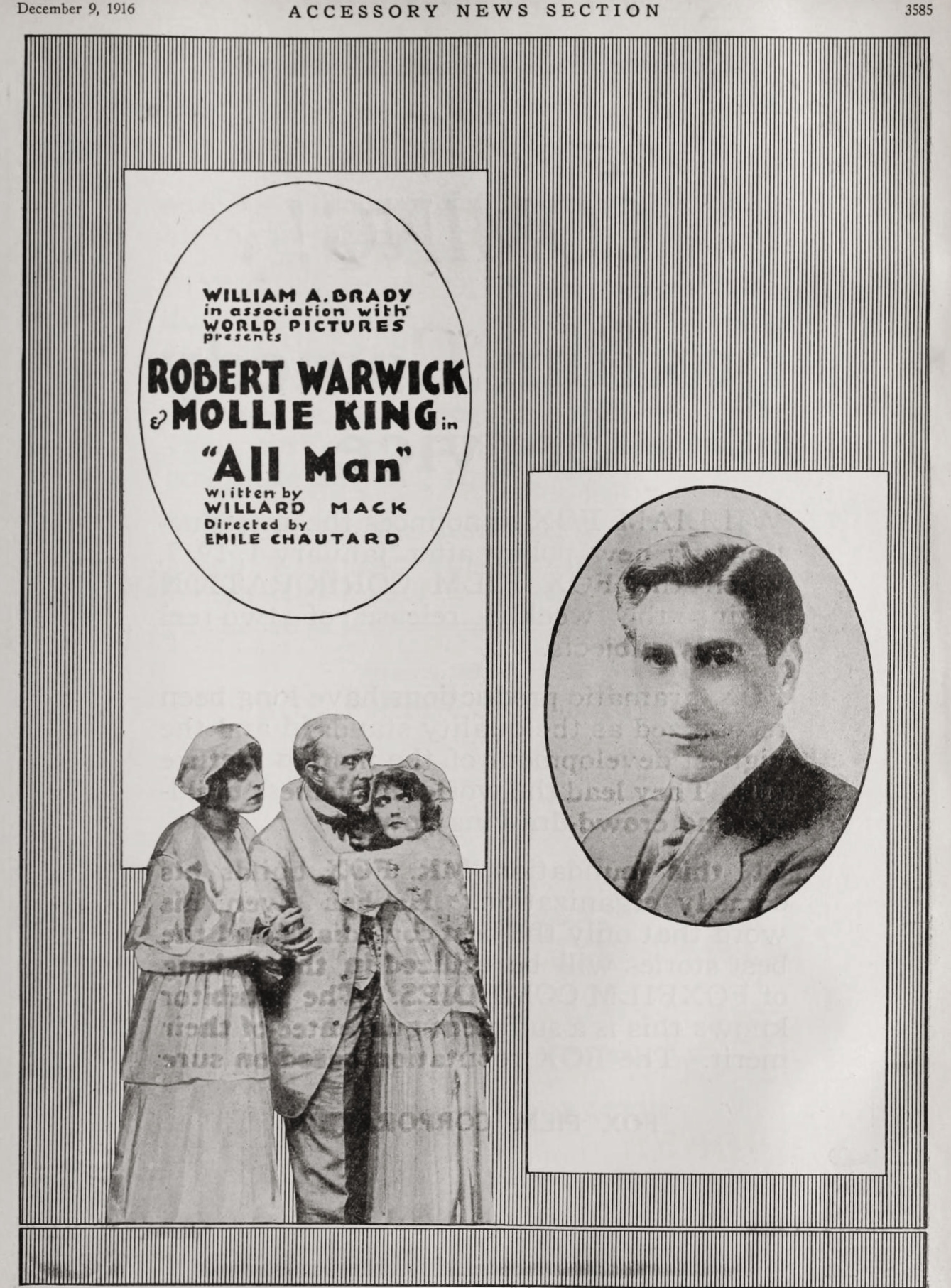
Ever since All Man hit screens in 1916, fans have sought that same unique vision, the search for similar titles reveals the deep impact of Emile Chautard's direction. These recommendations provide a deep dive into the same stylistic territory occupied by All Man.
Whether it's the unique vision or the thematic depth, this film to capture the existential zeitgeist of 1916.
Jim Blake, the playboy son of a New York millionaire, heads west to prove himself a man. He goes to work on his father's ranch in Wyoming, and eventually wins over the locals by turning the tables on a town bully and trying to collect damages from a railroad magnate, whose trains have killed many of the Blake ranch's cattle. When the railroad refuses to pay, Jim comes up with a plan that will make them pay far more than they originally had to. Problems arise when he falls in love with Alice, the railroad magnate's daughter.
The influence of Emile Chautard in All Man can be felt in the way modern cult films handle unique vision. From the specific lighting choices to the pacing, this 1916 release set a high bar for atmospheric immersion.
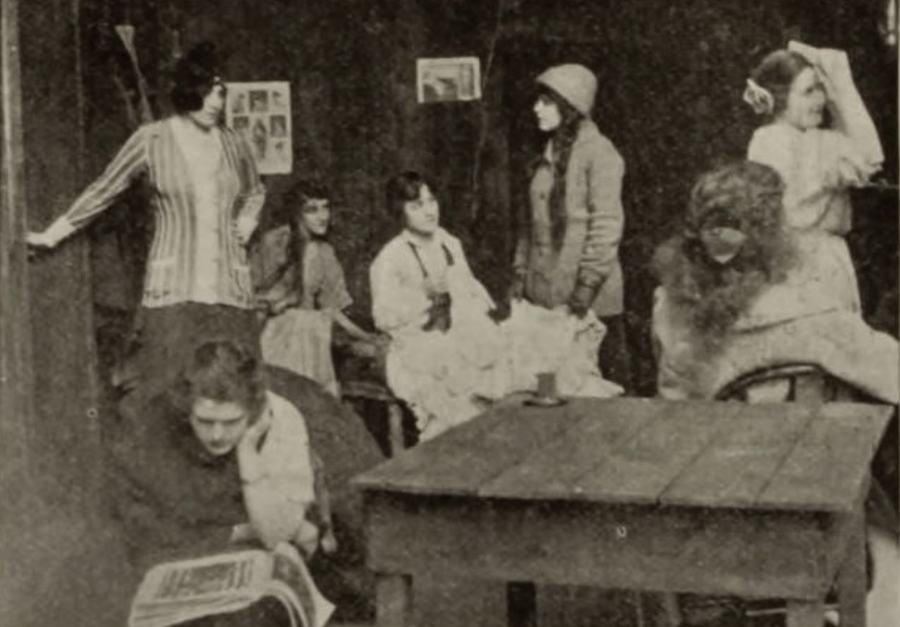
Based on the unique unique vision of All Man, our vault has identified these titles as the most compelling follow-up experiences for fans of cult cinema:
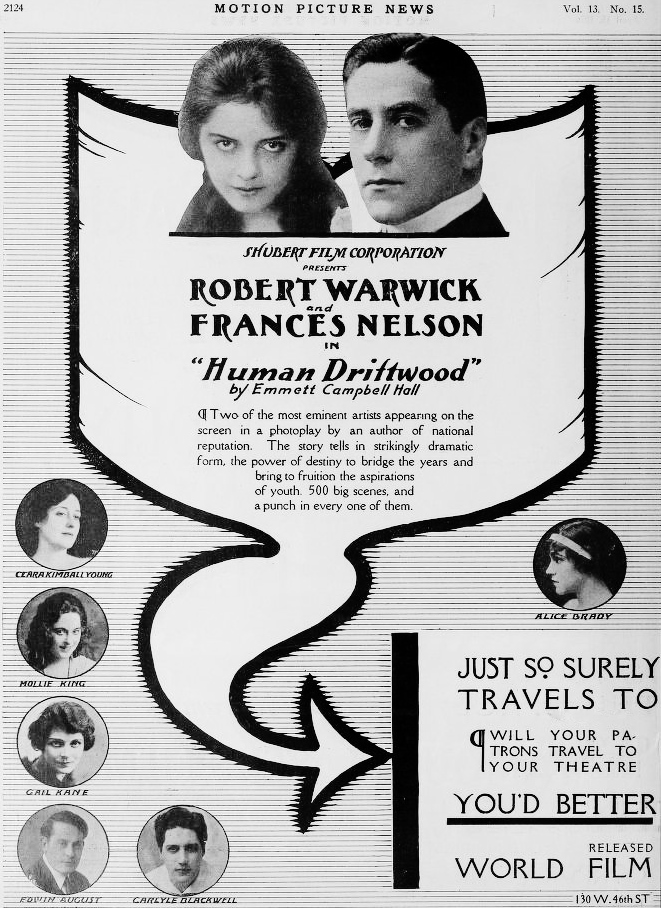
Dir: Emile Chautard
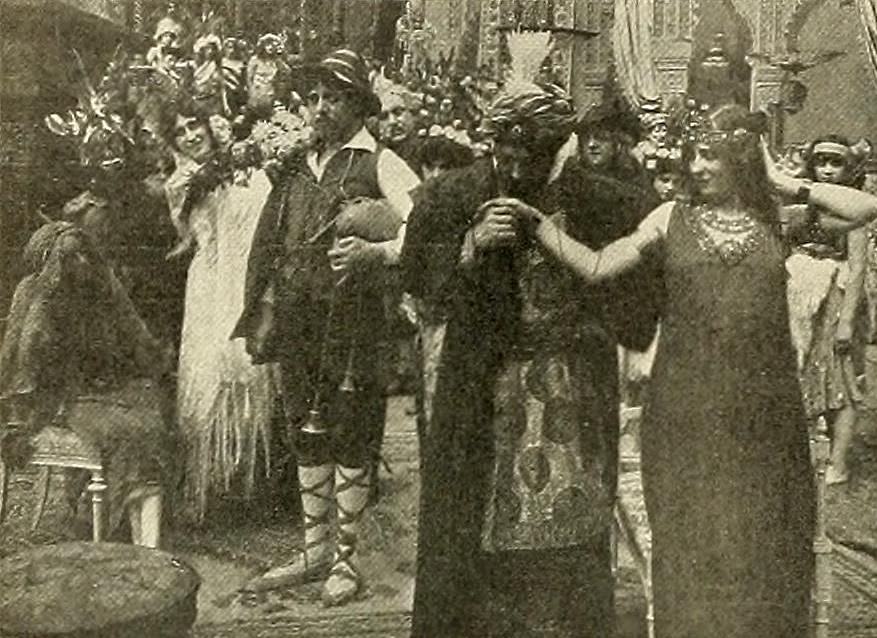
Robert Hendricks, who is a rich young bachelor, becomes infatuated with Myra, a beautiful, but evil, dancer of a New York dancing resort. He invites her to his apartment, where his attorney calls unexpectedly. Hendricks sends Myra in an adjoining room and receives the lawyer, who comes to tell him that he is leaving for Europe and wishes to turn over $20,000 in unregistered securities, as the balance of the estate of Hendricks' father, of which he was trustee. Myra pricked her ears at this, and peeking through the portieres, saw Hendricks place the securities in a concealed wall-safe. After the departure of the lawyer, Myra comes out of seclusion and Hendricks tells her to remain in his rooms until his return, as he wishes to speak to his broker at once regarding the bonds. The moment Hendricks leaves the apartment, Myra phoned to her pals a band of crooks, telling them to hurry there for a rich haul. They were just taking the bonds out of the safe as Hendricks returned. In the fight that ensued, one of the crooks, Myra's lover, was accidentally killed by Myra's own hand. When Hendricks realized the full significance of the situation, rather than turn the girl over to the police, magnanimously allows the girl to escape. The years pass and Hendricks becomes a serious reformer, forceful and effective. He is sent for as the head of his society to clean up the fearfully immoral conditions prevailing in an Alaskan mining camp. Unknown to Hendricks, Myra is the sinister influence of the camp, where she conducts a dance hall. The mystery of the place is the presence there of a beautiful unsullied young girl known as Velma. She is supposed to be Myra's niece. Despite the vicious conditions surrounding her, Velma is innocent of evil, with the pure heart of a young girl. Hendricks falls in love with her, but Myra has already promised the girl to the bully of the camp, a huge, uncouth ruffian, who has "struck it rich" and who can pay Myra's price for Velma. Father Harrigan comes to the assistance of the good little girl and is pleased to learn of her true love for Hendricks. However, to prevent Hendricks marrying the girl, Myra reveals her identity to him, who hitherto had not suspected it, and declares that Velma is his own daughter, the offspring of their illicit relationship years before. Driven half mad by the hideous lie, Hendricks sets out in pursuit of the bully who has carried off Velma after a desperate fight in Myra's dance hall in which the woman is fatally wounded. Eventually he comes to grips with the ruffian. The bully goes to a fearful death, while fate unravels Hendricks' tangled love and he gathers Velma in his arms after her true identity was revealed by the dying Myra.
View Details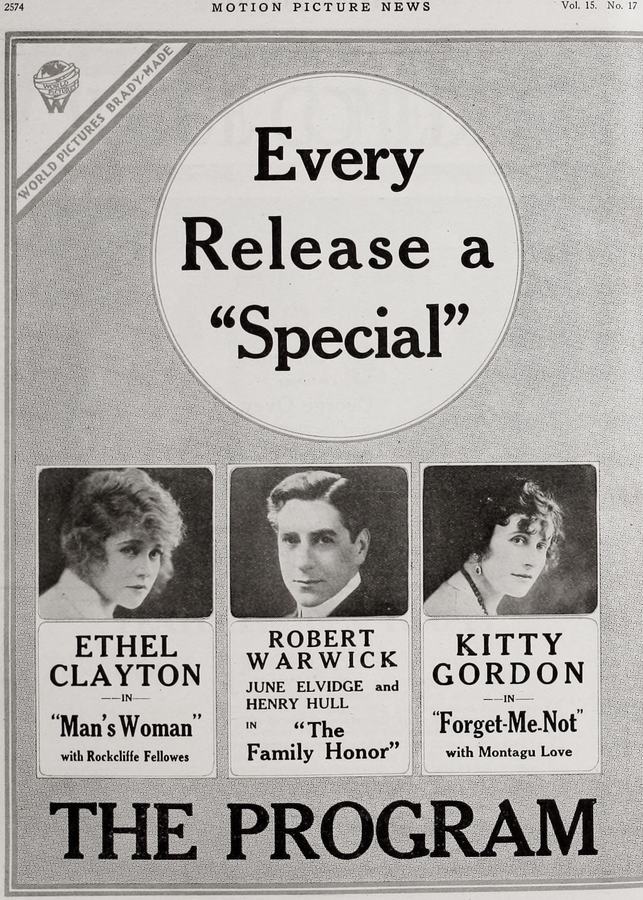
Dir: Emile Chautard
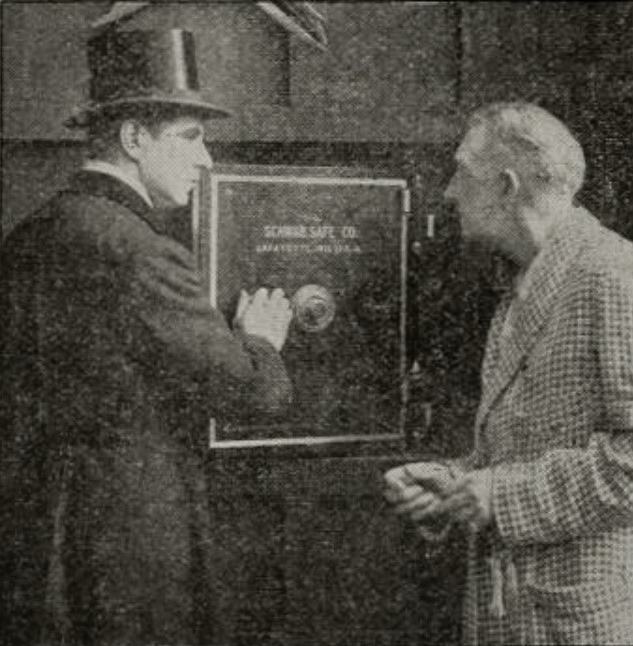
General Wayne, a proud old American patriot, and his two sons: Captain Stephen Wayne, an army officer, and Anthony Wayne, a successful young portrait painter, valiantly maintain the tradition of the Wayne family honor. Anthony is engaged to Doris Leighton, a girl of refinement, but he becomes infatuated with Marcia Quesnay, emotional actress and enchantress. He disgraces his family by his devotion to her, and, lured on by her demands, abandons his promising career. Stephen Wayne, meeting her in an endeavor to compel her to release Anthony from his unfortunate entanglement, falls sincerely in love with her and she with him. Later, with the dawning of this first real love of her life. Marcia renounces her butterfly life and becomes a tender and self-sacrificing woman. She returns all of Anthony's gifts, giving them to Stephen for safe keeping. In order to disillusion Anthony she causes him to believe she is only a common woman and he turns from her in disgust. Led on by Eric Mainwaring, an actor in love with Marcia, who tells Anthony that Marcia is a woman to be bought and not loved, Anthony is persuaded to steal from his father's safe government funds placed there by Stephen, and is cheated of the money at cards by Eric. Stephen, discovering the theft, goes to Marcia's apartment to confront her with the result of her influence over Anthony, and is there in time to rescue her from Eric, who comes with the money he has cheated from Anthony, to persuade Marcia to go abroad with him. Stephen forces Eric to disgorge the stolen funds and to leave in fear o£ the authorities. The following morning Anthony, penniless, an outcast and a thief, is saved from committing suicide by Doris. His father discovering the theft and accusing Anthony, urges him on to suicide, telling his son that honorable death is better than a life of dishonor. Stephen arrives with Marcia in time to avert the tragedy, telling a lie to save Anthony in the eyes of his father and Doris, that it was he (Stephen) who took the money from the safe, at the same time producing the bills to substantiate his claim. A general reconciliation follows. When his father sees Marcia standing beside Stephen he fears that this other son has been ensnared, but Stephen tells them that they have all misjudged her, and that she is going to enhance the family honor by becoming his wife.
View Details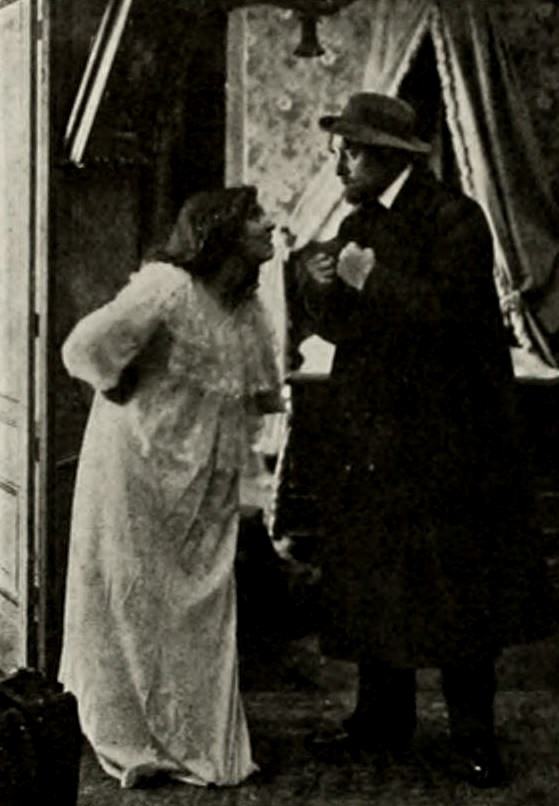
Dir: Emile Chautard
During an entertainment given by Engineer Dechelette, the former model Fanny Legrand comes across Jean Gaussin D'Armondy, who is studying law in Paris. On the eve of breaking away from her, he happens to hear that she is no other than the celebrated Sapho, Sapho called on Jean from time to time at his student's quarters and after nursing him through a long illness, she succeeds in deciding him to keep her with him. Sapho is happy in finding a small apartment where they shelter their love. One day the sculptor, Goudal, lifted a corner of the veil that hid Sapho's past. This made Jean jealous and Sapho appeased him by the surrender of her old letters. The sudden blaze of those innumerable papers caused the chimney of the house to catch fire. Neighbors rushed in and among the rescuers, Sapho recognized her father, the old driver. Ashamed, she dreaded that Jean's refined nature would take umbrage at the new stain. The initial frail link has been turned into a solid chain that nothing can break. At times Jean is indignant and revolts, but Sapho always gets the better of him. After some high words with Sapho, and on the invitation of his uncle Cesaire, Jean takes a trip to his home. As soon as he returns, Sapho regains her hold on him. Rosario Sanchez, a former friend of Sapho, whom she has made stewardess of her mansion, invites Jean and his mistress to luncheon. On that occasion, Rosario introduces Jean to DePotter, the celebrated musician. Sapho's friends make fun of her disinterested love. Disgusted at his bondage, DePotter tells Jean, as an example of what he is to expect of the hard life he leads with Rosario. A few days later, it is decided to leave the mansion and go to live at Chaville, close to the Hetteman's. At the pressing request of Sapho, Jean adopts a child, in total ignorance that the child is the son of Flamant, condemned for forgery. That day, in celebration of their installation at Chaville, they all have a picnic in the woods. It is there that they meet Irene Bouchereau, niece of the family doctor. This causes a terrible quarrel, which is only stopped by the sound of Hetteman's horn. One day Dr. Bouchereau meets Jean in a train and invites him to his house. The young people are pleased with each other. Then comes Jean on the eve of marrying the doctor's niece. Sapho compels him to give up all thoughts of marriage. Recognizing that his life is irretrievably bound with that of Sapho, Jean announces to his family that he is going abroad with his friend. His family reproaches and even curses him, especially his father. However, he learns that his mistress has received a visit from her former lover, the father of the child, and maddened by jealousy he insists that Sapho go with him to America. Fortunately for him, it is she who leaves him.
View Details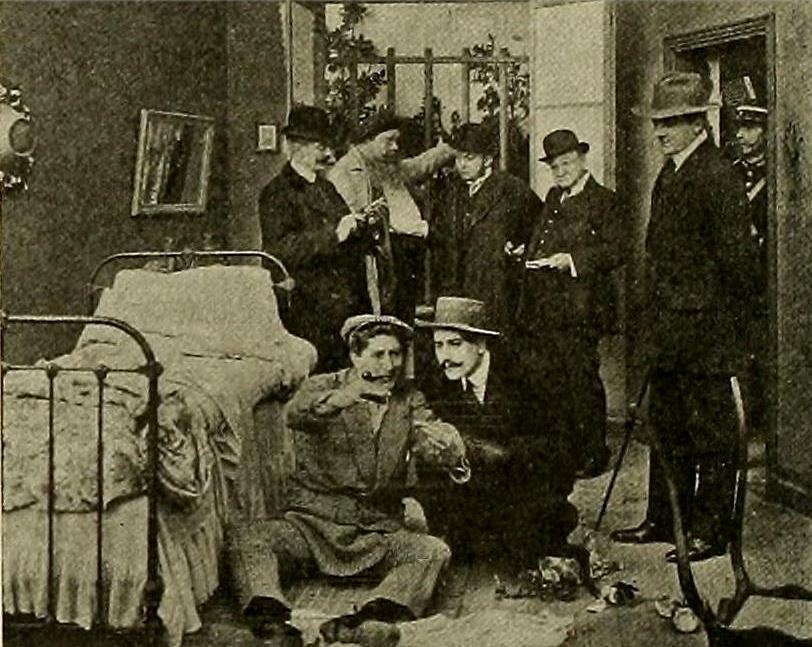
Dir: Emile Chautard
A reminiscence of her act ten years ago, recalling how she had secretly married Jean Roussel, flashes through the mind of Mathilda, daughter of Professor Stangerson, when her father asks her to become the wife of Robert Darzac, and how their wedding certificate could not be filed as her husband was imprisoned for passing counterfeit money. But she soon dismisses the horror upon the thought that Roussel must have been dead (she never having heard from or of him) and at last consents to the announcement of her betrothal to Darzac. Roussel, however, was still alive and soon learns of the engagement of Mathilda. By a subterfuge he manages to get a note to her telling her that he still loves her and begging her to flee with him to America. Mathilda was too frightened to answer, so Roussel in a jealous rage goes to the residence of Mathilda and hides in the yellow room occupied by her. Mathilda, who had been out walking with her father and fiancé, returned and feeling tired goes direct to her room, where she comes face to face with Roussel, who cautions her not to utter a word of alarm. But Mathilda was very much afraid and screams. In order to stop her, Roussel chokes her into unconsciousness and leaves her for dead. That evening as she joins her father he notices that she is unusually pale and advises her to retire early. She does and no sooner had the household retired when a shot comes from the room of Mathilda. Upon investigation the father finds that his daughter is lying unconscious upon the floor with a deep gash in her head, but no trace of her assailant could be found for the doors and windows were all locked from the inside. Professor Stangerson places the solving of the mystery in the hands of Rouletabille, a noted detective, and inspector Larson, They are given adjoining rooms in the Stangerson castle, and in his work of unraveling the enigma, Rouletabille finds under the bed of Mathilda a hair and a bloody handkerchief. Then Mathilda receives another letter from Roussel, which makes her change her room. At midnight the detective hears sounds coming from the yellow room, and stations Larson and the professor at both ends of the gallery, but no one is found. Previously the detective had caught a glimpse of a bearded man and has come to the conclusion that he must be in the house. He is also surprised to learn that Larson's hair is the color of that which he had found in Mathilda's boudoir. Larson, who was none other than Roussel, sends Mathilda another note and fearing the surveillance of Rouletabille, he invites the detective to supper in his room. He drugs the wine which is drunk by the detective, and as the latter is examining Larson's hair he notices a bad wound in the inspector's hand and then falls unconscious. Rouletabille's assistant brings him around, and after forcing from Larson the marriage certificate deliberately gives him a chance to escape. Then the detective gives Mathilda the unrecorded marriage document, the destruction of which means her freedom to marry Darzac. The mystery of the yellow room was cleared by the detective's remarkable deduction which shows that the deep gash in the head of Mathilda had been caused by a vision of her assailant and she, in a subconscious state, had discharged the revolver in self-defense and in falling had landed against a table, and the ugly wound in Larson's hand had been done when she had her encounter with him in the yellow room.
View Details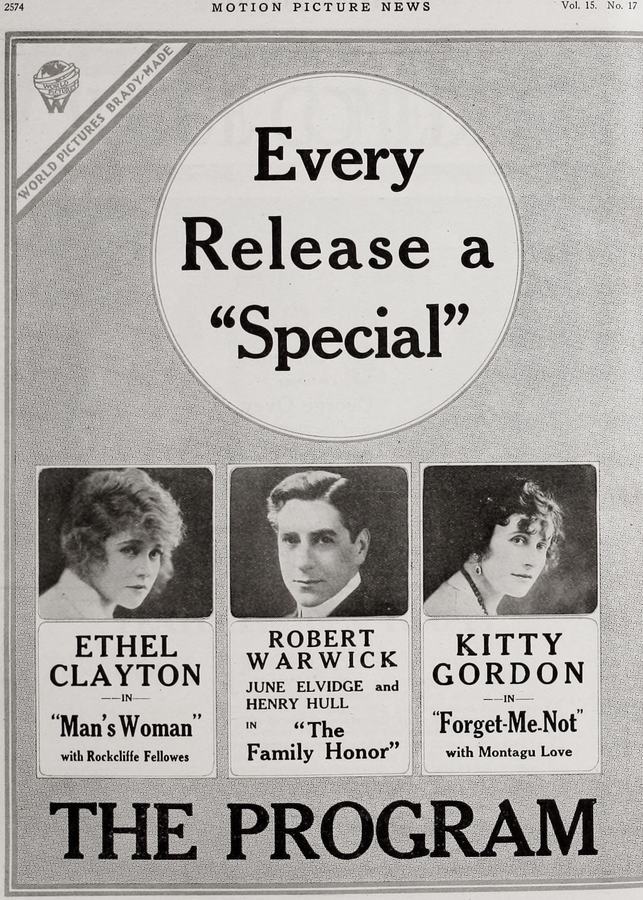
Dir: Emile Chautard
Adventuress Stefanie Paoli forsakes her lover, humble fisherman Gabriel Barrato, for the arms of a nobleman, the Marquis de Mohrivart. Upon learning that Stefanie has wed another, Gabriel kills himself and his brother Benedetto swears revenge. Stefanie goes to France with the Marquis where they run an exclusive gambling club. Years pass and they have a son, Charles, who is sent to England for his education. Charles, ignorant of his parent's method of living, marries Rose Verney, the daughter of an upper class British family. Meanwhile, Benedetto has acquired wealth and visits the Mohrivart tables in Paris. Although enthralled with Stefanie's beauty, he attacks the woman on whom he has sworn revenge. In attempting to save his wife, the Marquis is killed. Benedetto is sentenced to life in prison, and soon after, Stefanie, learning that her son is dying, visits his family in England. After Charles death, she refuses to leave, threatening to invoke an old French law which would declare her granddaughter's birth illegitimate unless the Verney family supports her. Stefanie is prevented from victimizing her son's family when Sir Horace Welby, a former lover, falsely informs her that Benedetto has been freed and is seeking her life. Terrified, Stefanie disappears and leaves the Verneys in peace.
View Details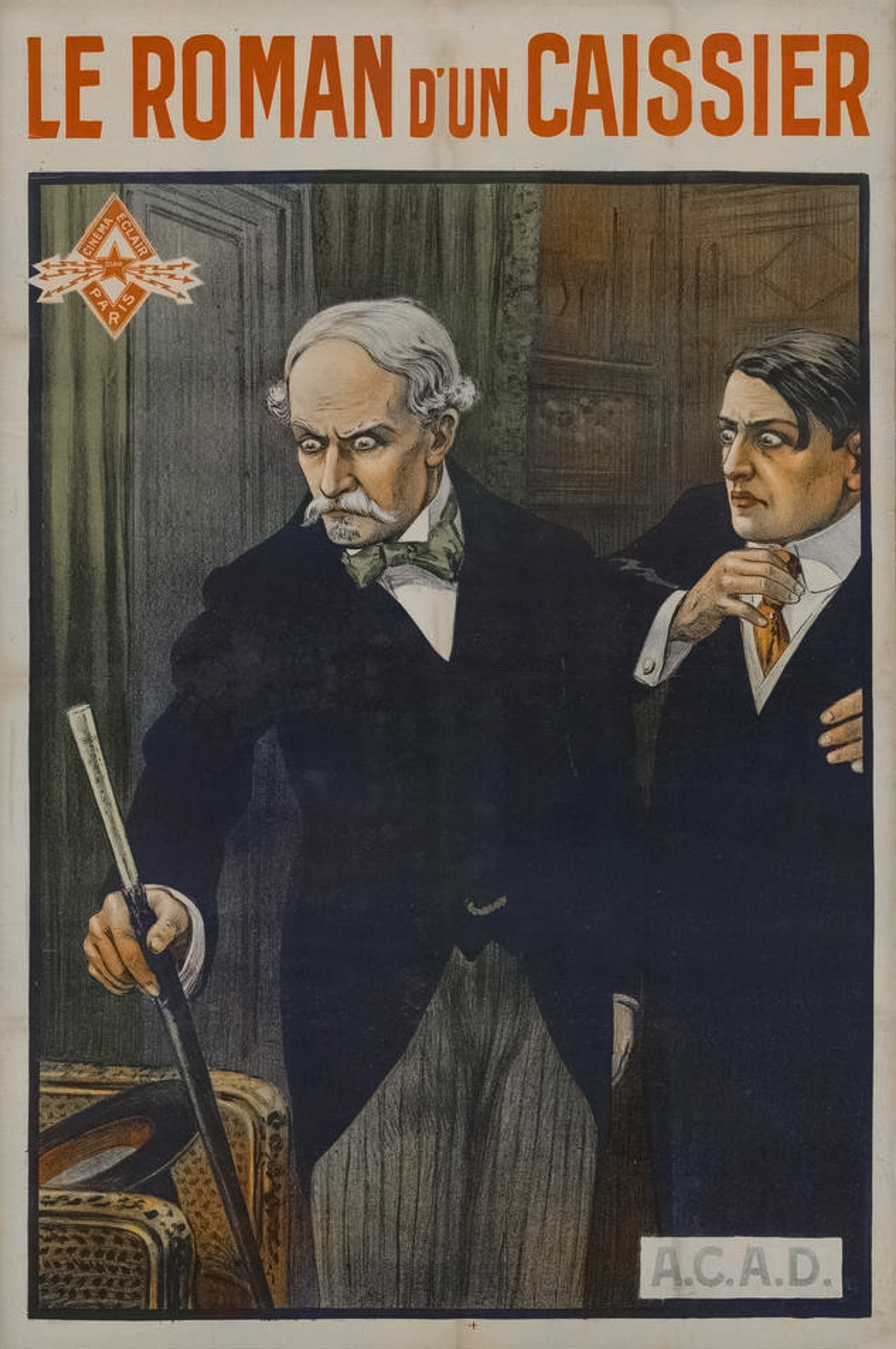
Dir: Emile Chautard
A fascinating piece of cinema that shares thematic elements.
View Details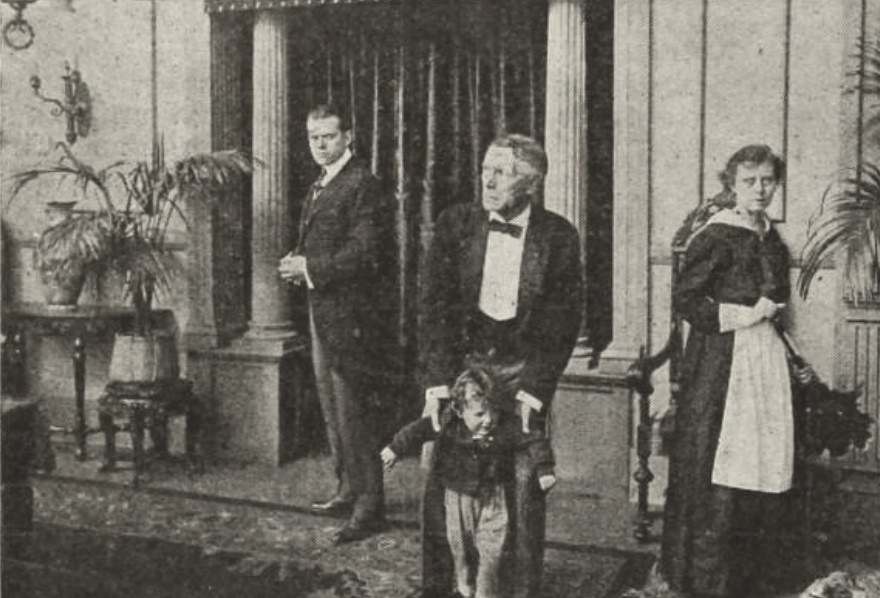
Dir: Emile Chautard
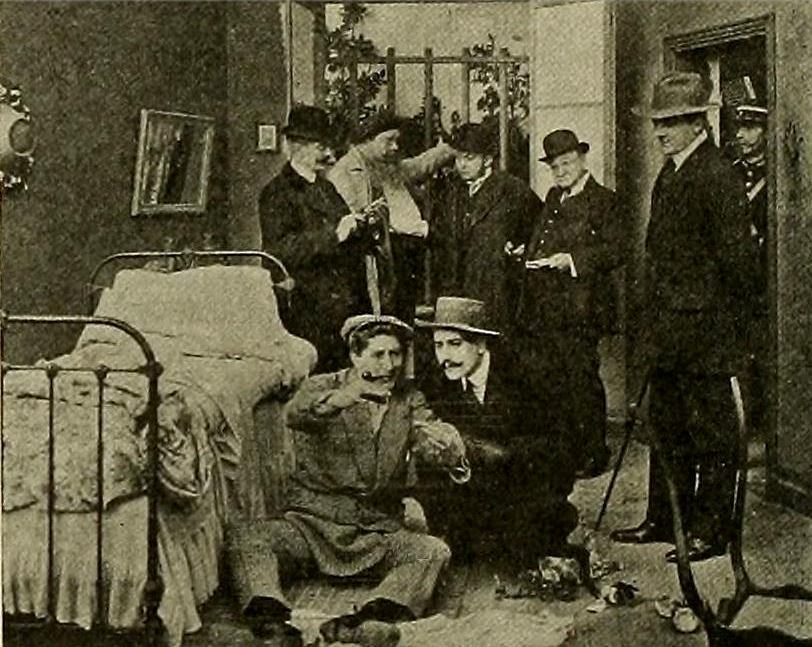
Kind old butler Ezra Greer has scrimped and saved to send his daughter Mary to college. While at school, Mary meets and falls in love with wealthy student John Denbeigh, who proposes to her. Before marrying, however, John must win his guardian's consent; his guardian refuses, so John forsakes Mary, who is now pregnant. Ashamed to return to her father, Mary supports herself by sewing. Meanwhile, Ezra leaves his employer to look for his daughter; in his wandering he takes a job as John's butler, unaware that John is Mary's betrayer and the father of his grandchild. After the baby is born, Mary reads that John is involved with vamp Amy Le Vere and deposits the infant on his father's doorstep. Ezra cares for the child, and instills in John a sense of responsibility to find the infant's mother. Gradually, John reforms, forsakes the vamp, and discovers that the foundling is his own child. When John proposes to Mary, the family is happily reunited with the addition of Grandpa Ezra.
View Details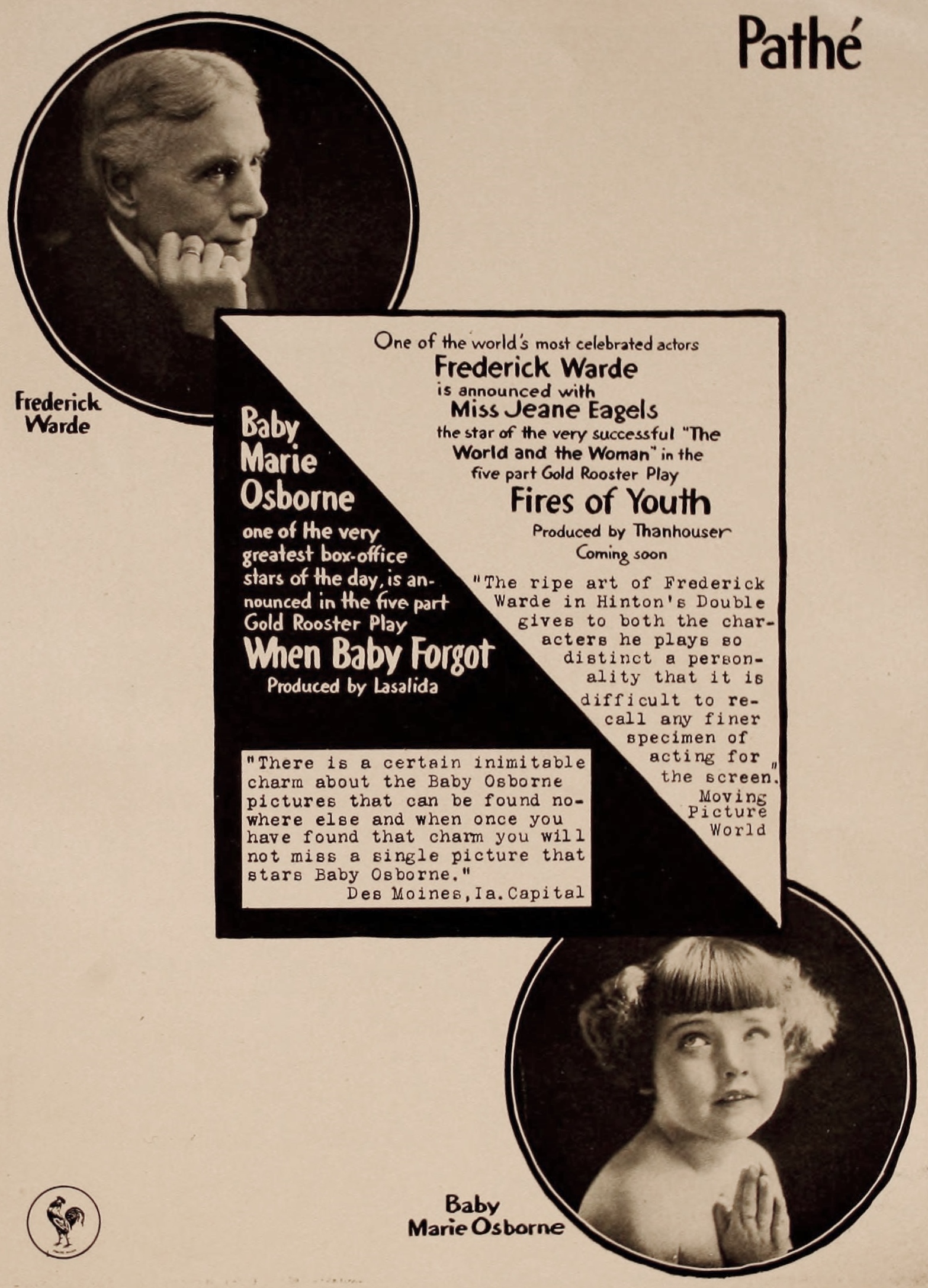
Dir: Emile Chautard
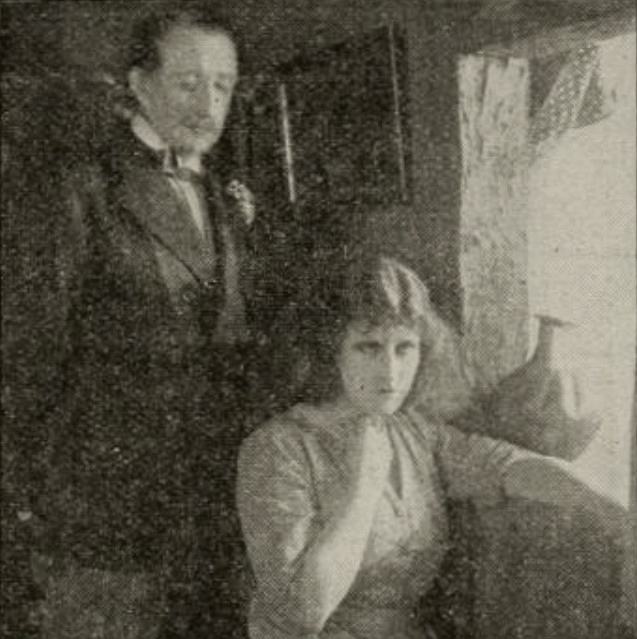
The productions from Thanhouser's mature period, 1915-1917, clearly show the advancements that set the stage for the first cinematic golden age, the 1920s. Such advances are evident in this surviving shortened version of "Fires of Youth": detailed character development by veteran actor Frederick Warde (and in a smaller role, at least in the shortened version, by Jeanne Eagels), mature editing techniques, special lighting effects, intelligent story development, realistic use of locations, fluid dialogue inter-titles, complex staging and access to better cameras with the defeat of the Patents Trust. Acclaimed French stage and film director Emile Chautard was brought from Éclair studio in France to direct.
View Details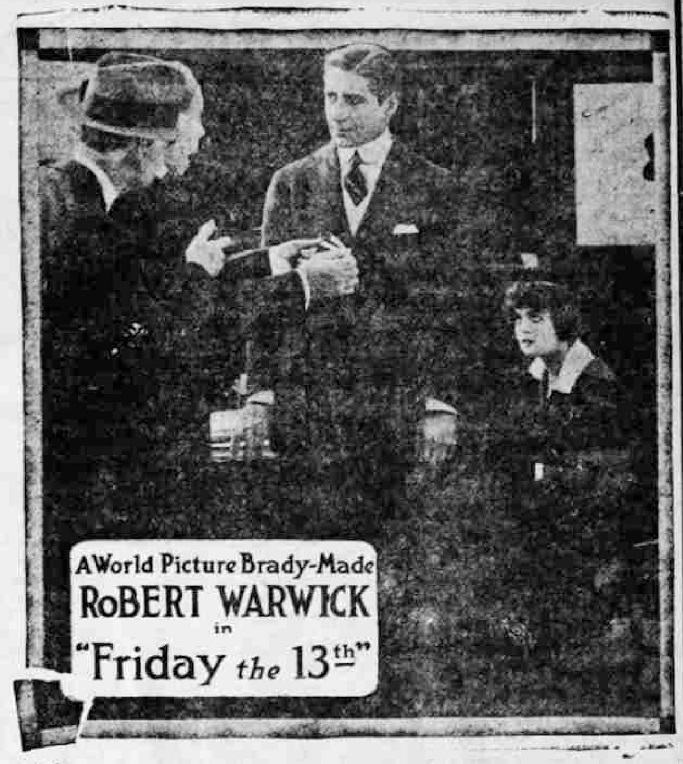
Dir: Emile Chautard
When a judge is financially ruined by Peter Brownley, a Wall Street millionaire, his daughter seeks revenge by getting a job in the tycoon's office. She manages to discover information that she believes her father can use to recover his swindled money and do to Peter what he did to her father. However, she meets and falls in love with Robert, the son of the man who ruined her father. Complications ensue.
View Details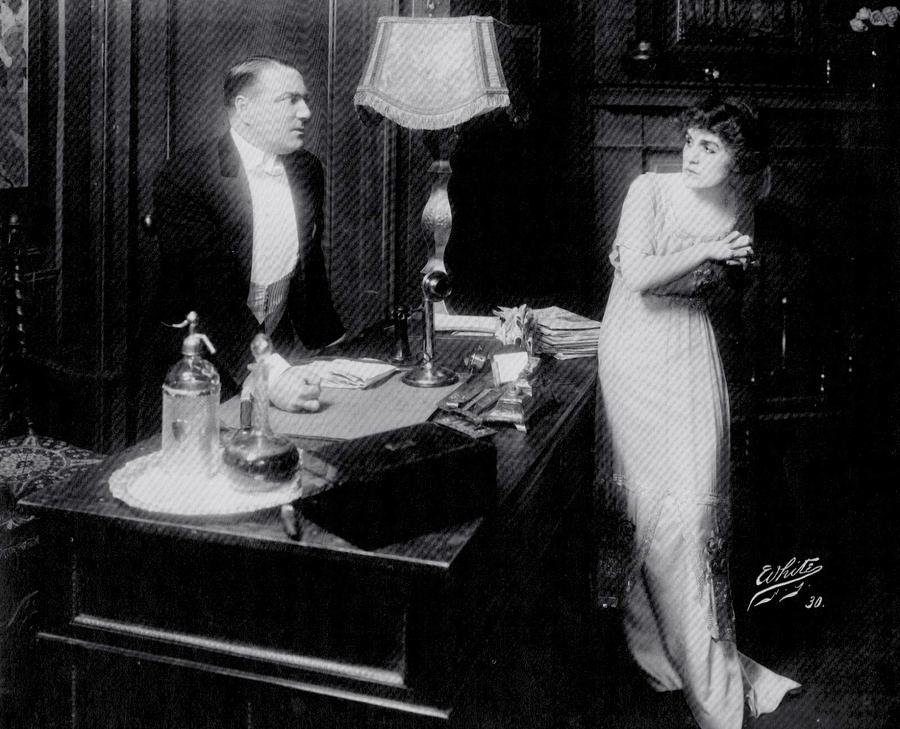
Dir: Emile Chautard
With the $1,000 prize money that wharf rat Michael Regan wins boxing, he is able to purchase a saloon and a freight-handling concern and begin his rise to success. By persuading his men to work for half the standard rate, Regan gains control of grain-shipping contracts held by his rival, the once wealthy James Griswold, now on the verge of bankruptcy because of Regan. When Regan meets and falls in love with Emily Griswold, he offers to merge with Griswold for permission to court Emily. She marries Regan, but remains a wife in name only. When Griswold's son provokes a strike, Regan's friend, Porkey McCoy, hits the young Griswold with a brick as he makes a speech. Regan is arrested as an instigator, but McCoy's wife insists that her husband confess. In prison, Regan turns over his property to Emily and releases her from their marriage, but she has grown to love him and refuses. When he is released, they resume their marriage and become the godparents to McCoy's son.
View DetailsAnalysis relative to All Man
| Film Title | Atmosphere | Complexity | Similarity |
|---|---|---|---|
| Human Driftwood | Gothic | Linear | 96% Match |
| The Family Honor | Surreal | High | 95% Match |
| Sapho | Tense | Dense | 97% Match |
| The Mystery of the Yellow Room | Surreal | Abstract | 86% Match |
| Forget-Me-Not | Ethereal | Abstract | 98% Match |
This guide was algorithmically generated using the cinematic metadata of Emile Chautard's archive. Last updated: 8/16/2026.
Back to All Man Details →