
DbcultAccessing Vault...
Recommendations
Senior Film Conservator
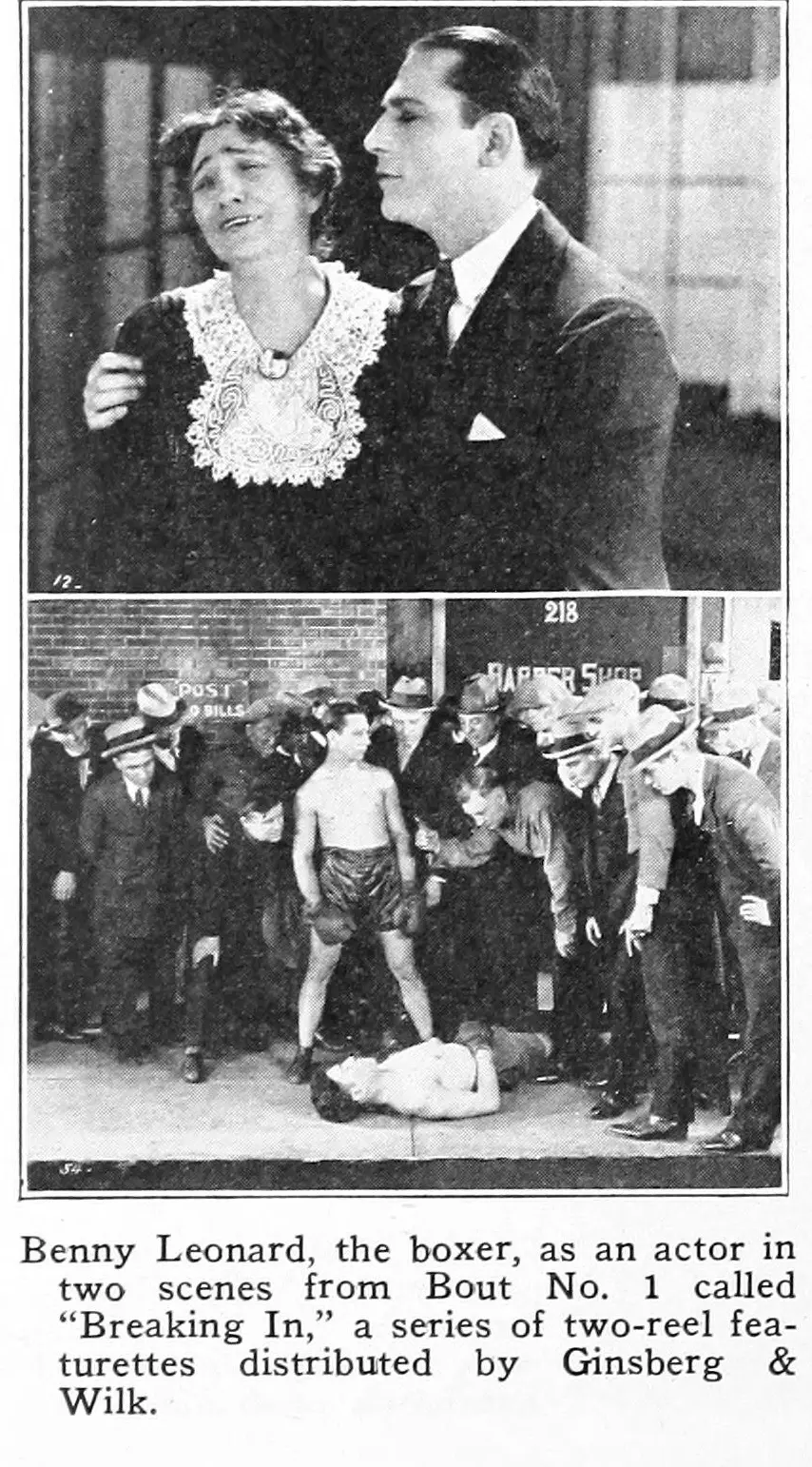
Looking back at the 1925 milestone that is Breaking In, the cinematic shorthand used by Lawrence C. Windom is both ancient and revolutionary. Dive into this collection and find the spiritual successors to Lawrence C. Windom's vision.
As Lawrence C. Windom's most celebrated work, it defines to articulate the unspoken anxieties of United States's 1925 era.
The first of a series of two-reel short based on "Flying Fists" in the "Saturday Evening Post" stories written by Sam Hellman on the Flyweight Boxing Champion of the world, Benny Leonard. Leonard, at various times in his career, held other world-champion titles at various weights.
Based on the unique unique vision of Breaking In, our vault has identified these titles as the most compelling follow-up experiences for fans of Short cinema:
Dir: Lawrence C. Windom
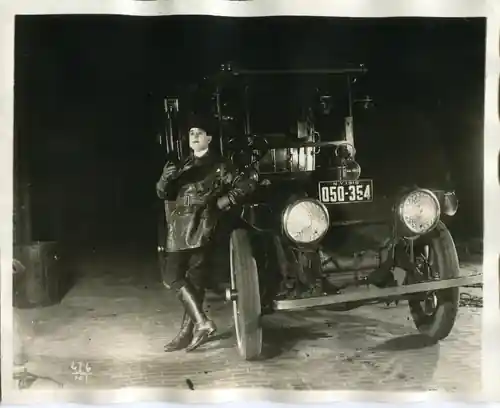
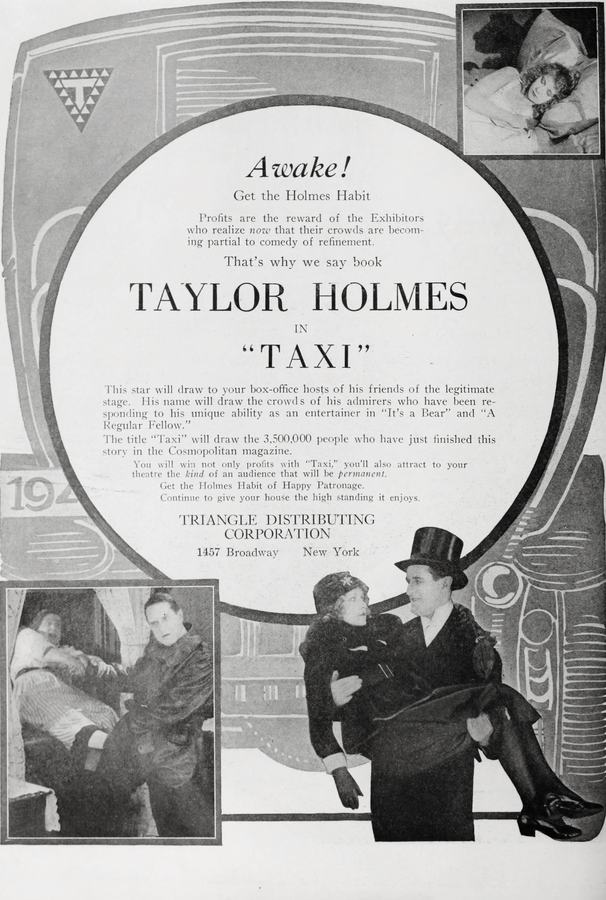
Robert Hervey Randolph receives $10,000 a year because of the inability to locate the rightful heir of a will, who would receive the money if she could be found. Madge Van Tillier jilts Robert because he does not have enough money. While riding in a taxi, Robert rescues chorus girl Imogene Pamela Thorton from her companion Duke Beamer, and takes her home. Pam turns out to be the missing heir, and Robert loses his inheritance. He then gets a job as a taxi driver. Pam receives a large portion of her inheritance from the Ajax Taxi Company. Beamer tries to ruin Ajax, but Robert foils him, becomes vice-president of the company, and wins Pam's love.
View Details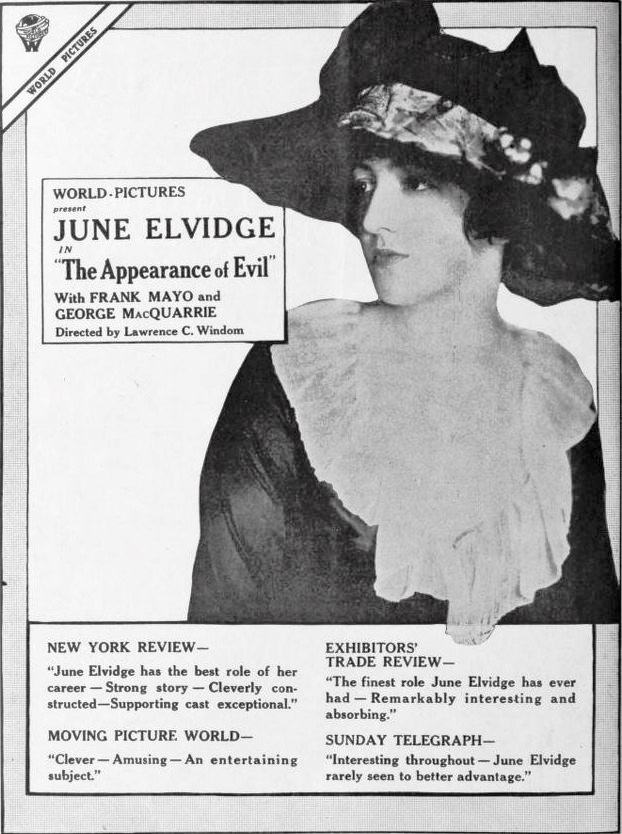
Dir: Lawrence C. Windom
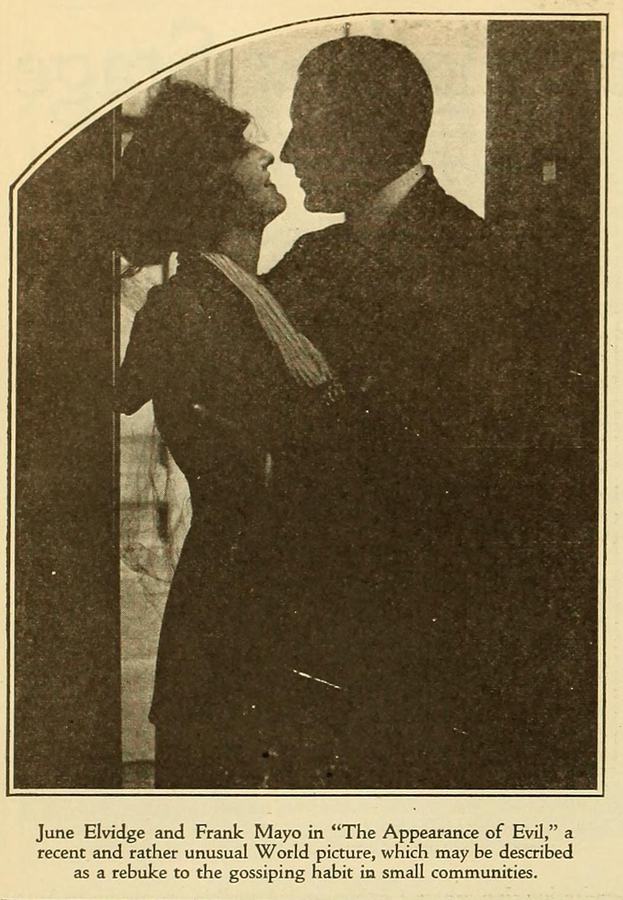
Maida Brown, a rich widow, is being visited by wealthy aircraft manufacturer Louis Letchworth at the Brown family estate in Bayport. The family maid notices the pair's affectionate behavior toward each other and, aghast, reports the incident to Maida's father, the head of the local Purity League. The local citizenry is so outraged by this scandalous behavior that they force Maida to leave town. Meanwhile, Harold Brown, her late husband's brother, is aware that the family estate will revert to him if Maida remarries, so he spies on her in order to prove that she and Louis are married, so Harold can get the family fortune for himself.
Dir: Lawrence C. Windom
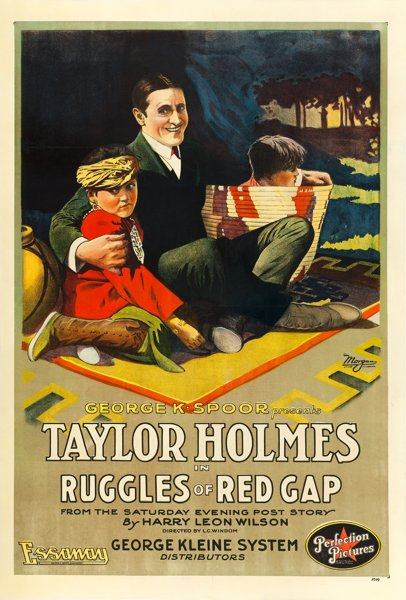
Harry Leon Wilson has written nothing more diverting than this story of the irreproachable English valet who is lost in a poker game to a rough-and-ready westerner and taken to Red Gap ultimately to become its social mentor and chief caterer, and there is sheer delight in the story of how the Earl, brought over to save his younger brother from the vampirish clutches of Klondike Kate, makes the lady his Countess and once more stands Red Gap upon its somewhat dizzy head.
View Details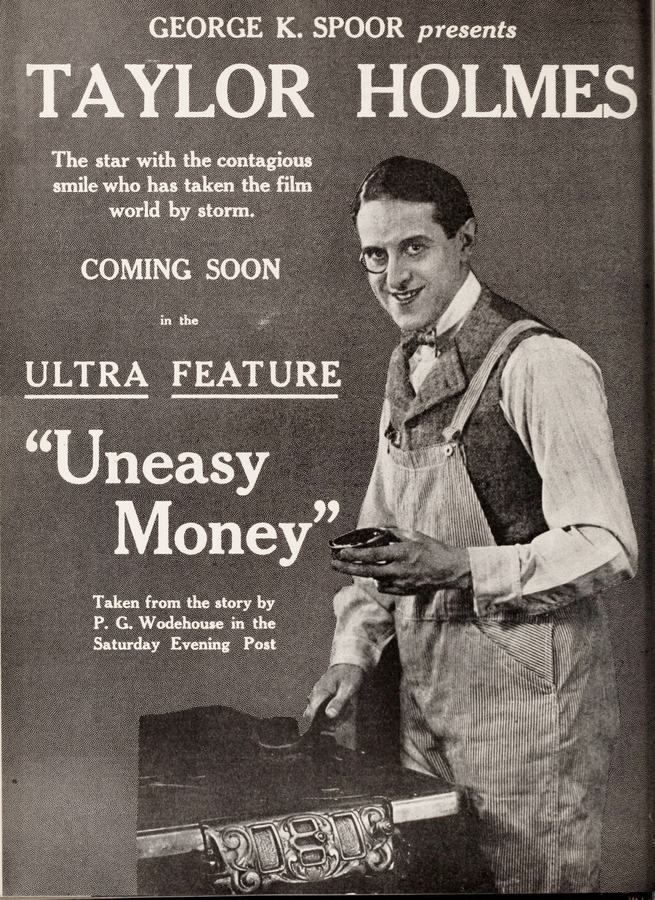
Dir: Lawrence C. Windom
Lord Dawlish is made the heir of an eccentric English millionaire, who cuts off a nephew and niece, living in America. Dawlish is engaged to Claire Edmont, an actress. Dawlish offers half his inheritance to the niece, and when she refuses to accept he goes to America to persuade her. Claire follows, but not having received the letter regarding the inheritance she marries a man she meets on the boat. Dawlish meets Elizabeth as Bill Chalmers, his family name, and as Bill she learns to love him, but she discovers his identity, and things work to a rapid conclusion.
Dir: Lawrence C. Windom
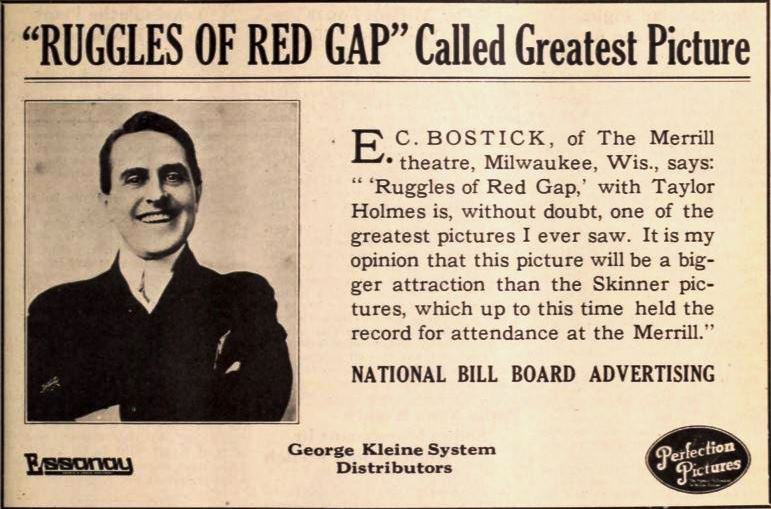
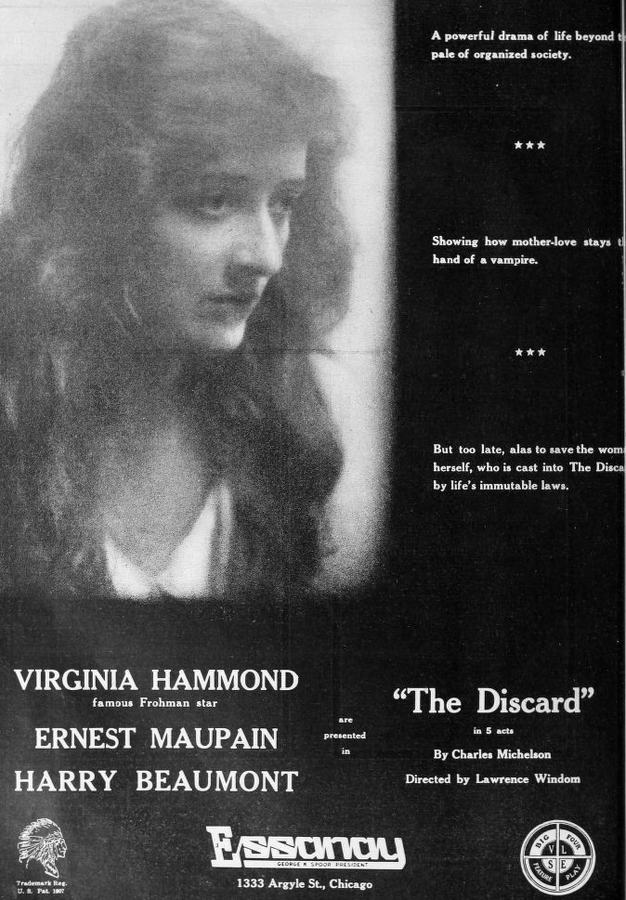
Doris Wynne, at boarding school in France, is hardly acquainted with her mother, most of the dealings between them handled by a firm of lawyers. So when she falls in love with the brother of a schoolmate, she obtains her mother's consent through the attorneys. Alys Wynne's reasons for seeing so little of her daughter are that she is the companion in crime of "Python" Grant, international swindler. Having ruined a young nobleman and causing him to commit suicide, the pair escape to America. Doris, the daughter, in the meantime, is happily married to Keith Bourne, a young American. An uncle leaves him a million dollars and they decide to return to the United States. Grant and Alys discover Keith and cultivate him. That he is the husband of Doris is unknown to the mother, who is still young and beautiful herself. Grant pretends to abuse his wife and Keith comforts her. A suit for alienation of affection is the result. Bourne settles for $40,000 rather than have his young wife misunderstand him. But the swindlers try the "Follow-up" and when Keith refuses to be led further they telephone his wife and tell her the story. Through the attorneys she asks her mother to come to her. Alys goes and hears the story. She is thunderstruck to learn that her victim is the husband of her daughter. She advises the younger woman to believe in her husband and disappears. She tells the police where to find Python" Grant and next day the happy couple read in the paper that the woman accomplice of the swindler was found dead. It means nothing to them.
View Details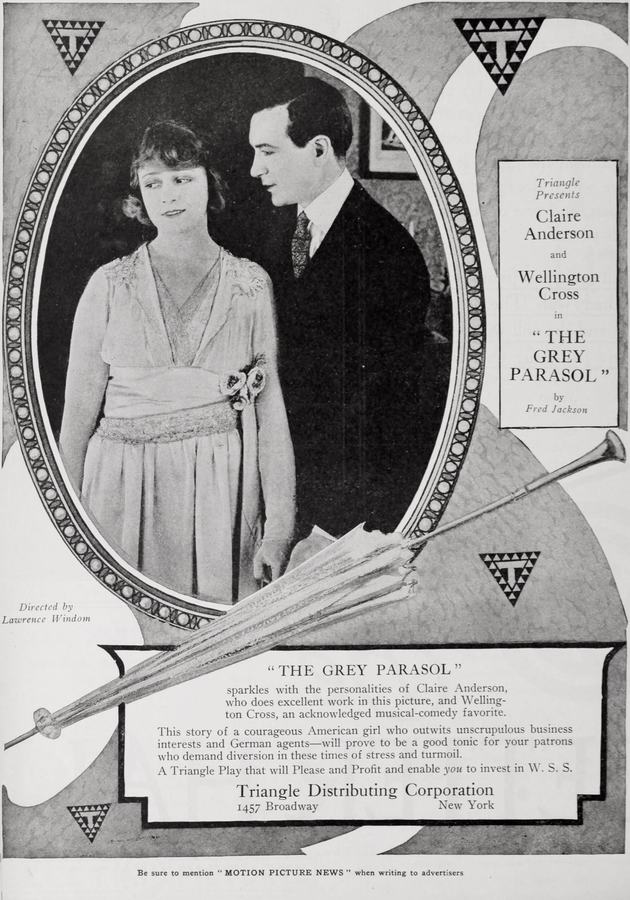
Dir: Lawrence C. Windom
Hamilton Hill meets Estelle Redding in an umbrella repair shop and rescues her from two thugs soon afterwards. Estelle has hidden in the handle of her grey parasol the formula for "Coalex," an inexpensive substitute for coal which the coal trust is trying to prevent from reaching the market. Edward Burnham, one of the thugs, tells Hamilton that Estelle is a German agent, but the infatuated young bachelor fails to believe the story. Estelle entrusts Hamilton with the parasol, but when Burnham, who is revealed as Estelle's brother, finally snatches it away from him, they discover that the formula has been removed and that she has outwitted them all. Two German agents, posing as representatives of the United States government, nearly obtain the formula from her, but Hamilton, accompanied by Burnham, who has experienced a change of heart, rescue her in time. With the formula safely delivered to U.S. government officials, Hamilton and Estelle turn to more romantic pursuits.
Dir: Lawrence C. Windom
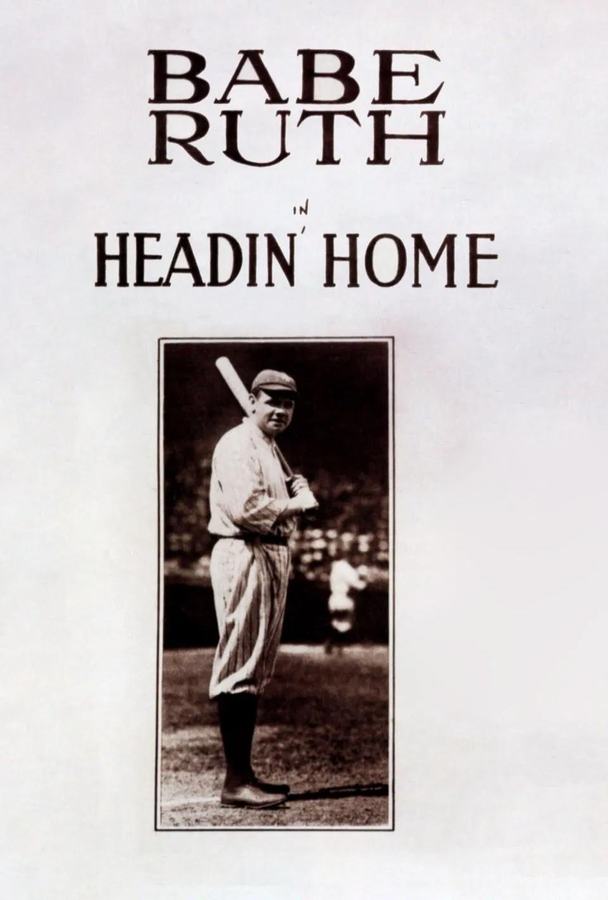
The "true story" of baseball great Babe Ruth; Ruth plays himself.
View Details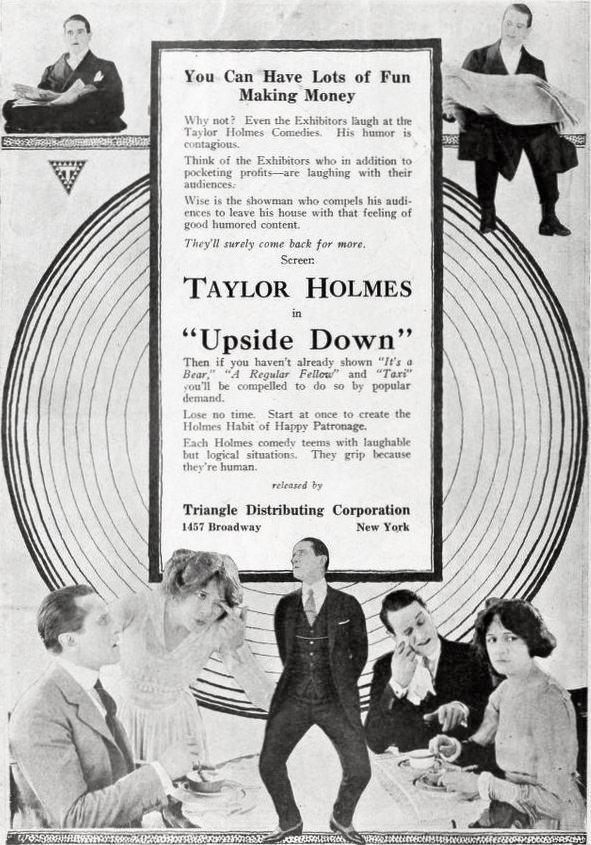
Dir: Lawrence C. Windom
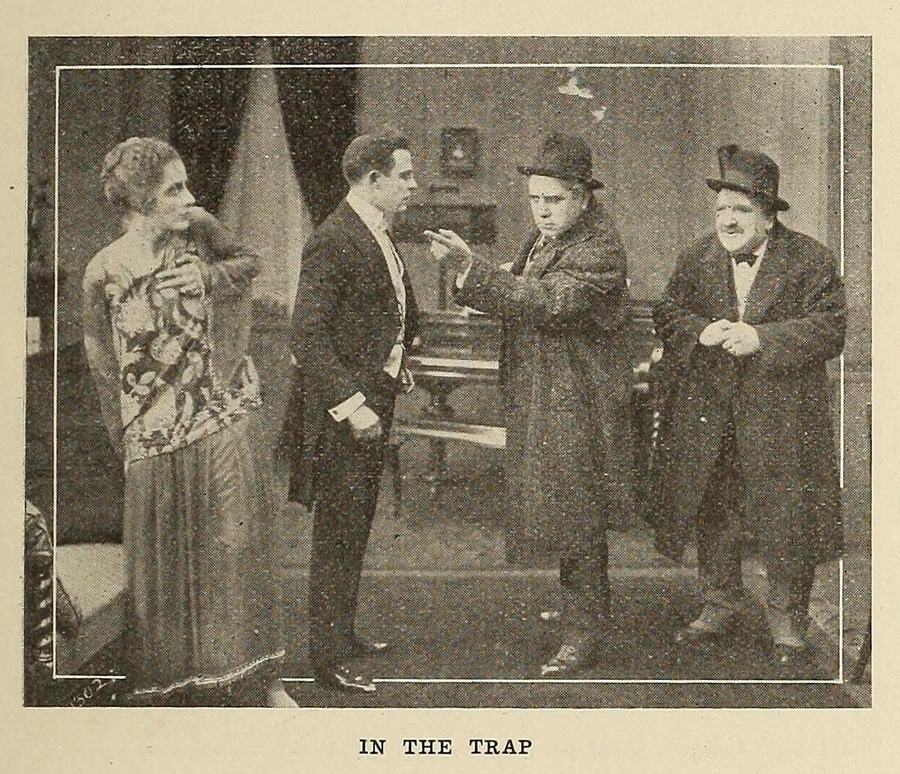
When Juliet Pim, bored with her husband Archibald's habitual ardent attentions, goes to a Swami, his advice that her "individualism" is being crushed leads her to request that Pim furnish her with a "reason" for a divorce suit. Shocked but compliant, Pim rents a hotel room. Later, he finds his college friend and rival stockbroker, wealthy James Wortley Tammers, at a restaurant with his wife, who also felt neglected and went to the Swami. Pim joins them and then goes with Mrs. Tammers to a roadhouse. After Tammers locates them, and his wife returns, the two husbands engage in an all-night wine party with cabaret dancers. The next day, while Tammers sleeps, Pim manipulates the market to control Tammers' wealth. The newspaper reports of Pim's elopement with Mrs. Tammers leave Juliet valuing her husband more than her freedom. After Pim reveals he was saving Tammers from a scheme to ruin him, he sells back most of the stocks and the couples are reunited.
Dir: Lawrence C. Windom
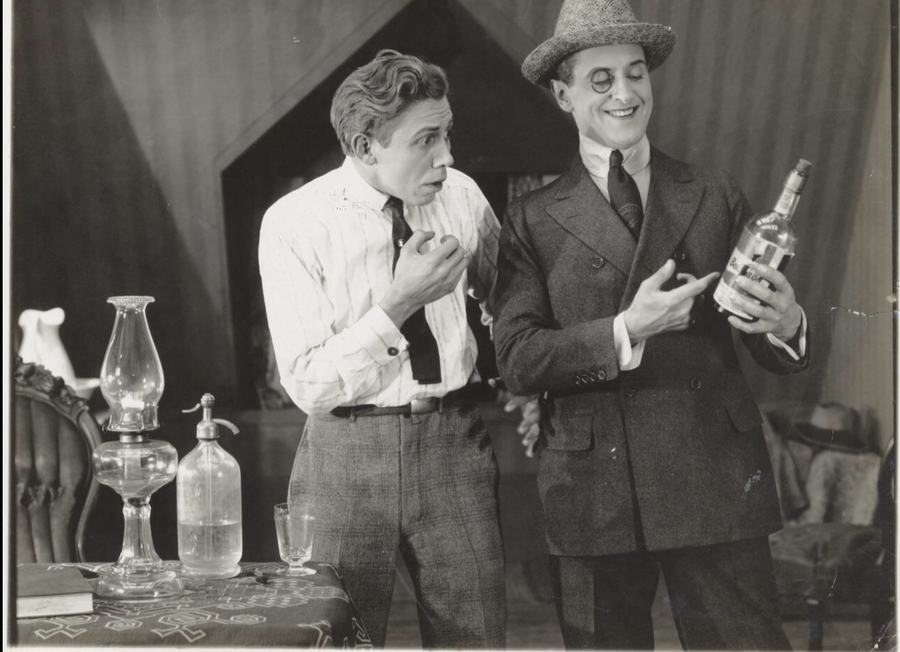
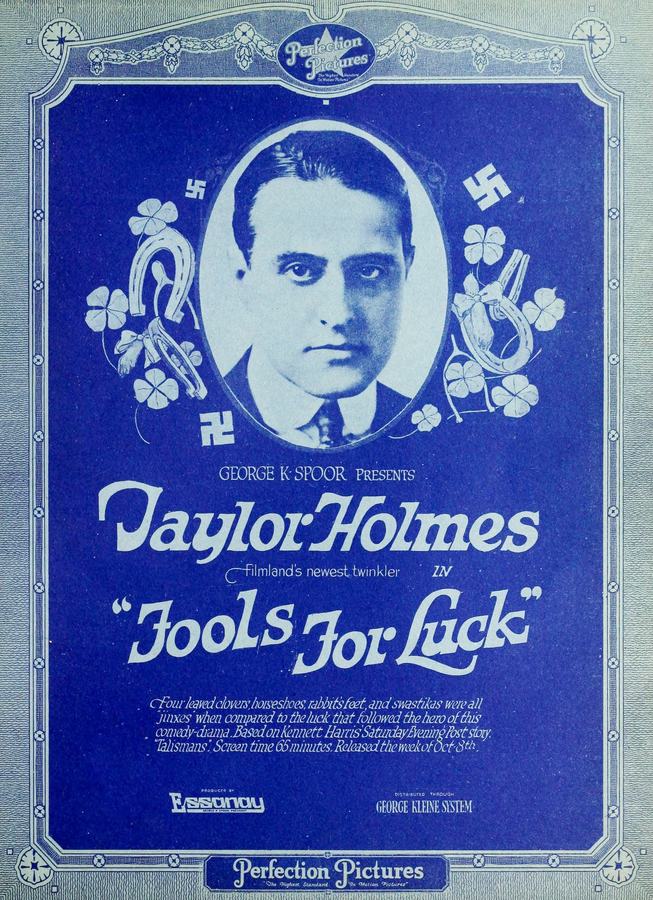
As an accountant Philander Jepson was a corking good gambler. He knew Dame Fortune has cast her optics on him at the start of his career and played his hands with corresponding confidence. After plucking a select bunch of cronies for a considerable wad he caressed his rabbit's foot and started on the annual two weeks' tour of the summer resorts. Enter Brunhilda, a young lady of quite some appearance, whose parents regard her as the family jewel and stood watch accordingly. In the eyes of Philander this surveillance was nothing more nor less than a dare. The result was romance. Unfortunately, at just this time Madame Fortune took a much-needed rest and trouble suddenly planted itself squarely in young Jepson's path. Brunhilda's pater discovered all there was to know about his gambling proclivities, and the gamblers suddenly proved that a bartender's foot on a victim's chair out-jinxes the strongest combination of horseshoes and four leaf clovers. When Philander realized what he was up against he determined to make a fresh start. Rather, he commenced to start for, after leaving his former job by request, the best he could land was fifty dollars a week work for ten per. He cast tokens, signs and omens to the winds, and strange to relate, found things were actually breaking right for him. And then, when he took the annual outing and discovered Brunhilda knew all about his changed circumstances, had been watching him all the time from a distance and thought more of him than ever; well, he could only feel thankful that good sense came to him as soon as it did.
View Details
Dir: Eduardo Notari
A crime drama in the Gennariello-series. The police detective in Naples that is confronted with modern gangsters and crime events.
View DetailsAnalysis relative to Breaking In
| Film Title | Atmosphere | Complexity | Similarity |
|---|---|---|---|
| Taxi | Gothic | Layered | 86% Match |
| Appearance of Evil | Ethereal | Layered | 93% Match |
| Ruggles of Red Gap | Surreal | Linear | 98% Match |
| Uneasy Money | Gothic | Abstract | 98% Match |
| The Discard | Surreal | Abstract | 92% Match |
This guide was algorithmically generated using the cinematic metadata of Lawrence C. Windom's archive. Last updated: 8/16/2026.
Back to Breaking In Details →