Summary
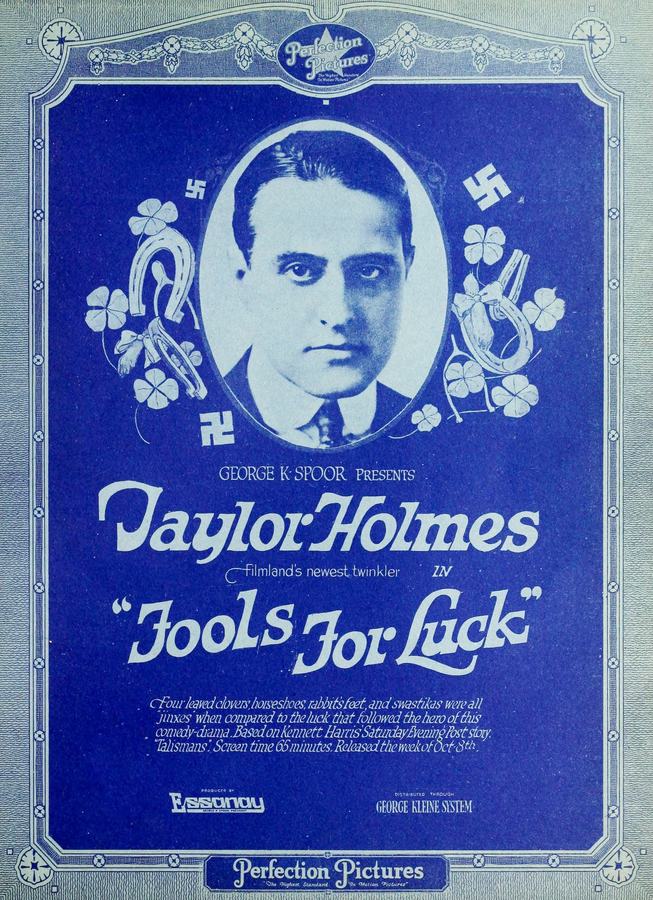
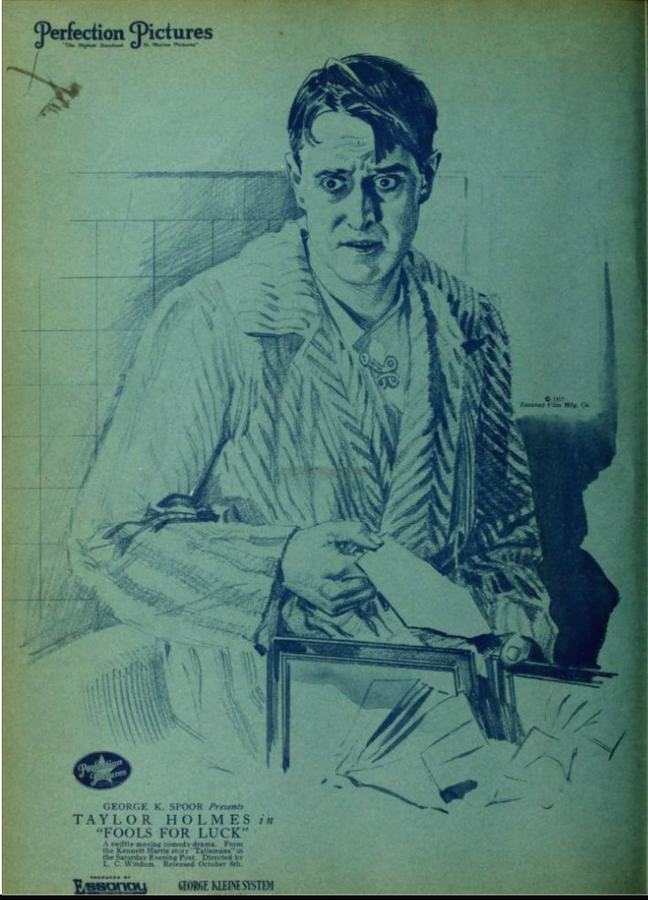
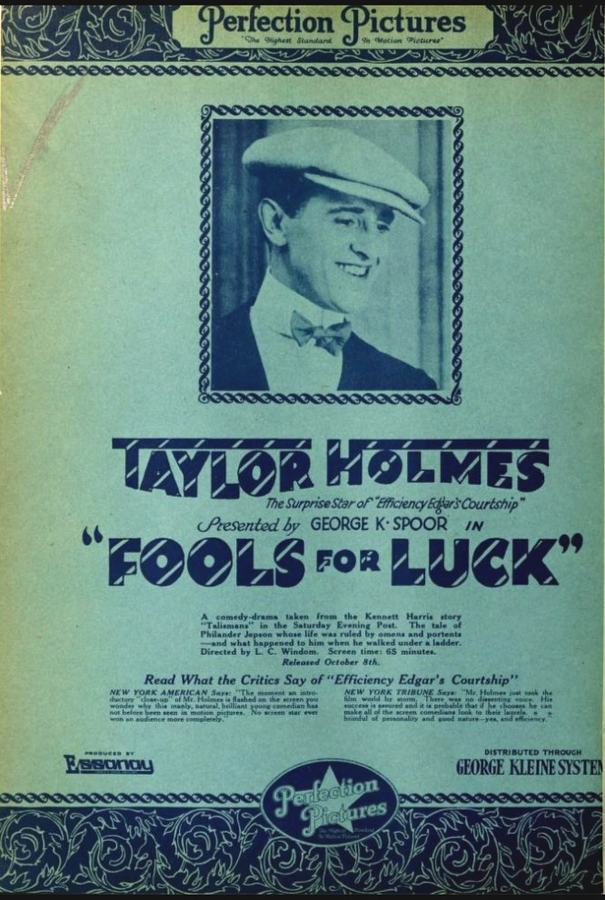
Philander Jepson, an accountant whose ledger-savvy mind paradoxically found its most vibrant expression at the card table, commenced his professional life under what he perceived as Dame Fortune's auspicious gaze. Bestowed with an almost preternatural knack for reading the capricious whims of chance, he effortlessly divested a chosen circle of acquaintances of their considerable stakes before embarking on his annual fortnight's sojourn to the fashionable summer resorts. It was amidst this leisurely opulence that he encountered Brunhilda, a young woman of striking allure, whose familial guardians, staunch protectors of their 'jewel,' maintained a vigilant, almost impenetrable cordon. For Jepson, this formidable parental surveillance merely crystallized into an irresistible challenge, an unspoken dare that swiftly blossomed into a fervent romance. However, precisely as their affections deepened, the fickle goddess of luck, as if on cue, withdrew her favor, plunging Jepson into an unexpected maelstrom of misfortune. Brunhilda's pater, with disquieting thoroughness, unearthed the full extent of Philander's gambling proclivities, while the very cronies who had once fallen prey to his skill now, with a cruel twist of fate, reasserted their dominance, proving that the cold reality of a bartender's heavy foot on a victim's chair could utterly nullify the strongest talisman of luck. Confronted with this stark reversal, Philander resolved upon a radical recalibration of his life's trajectory. Dispatched from his former employment, he found his prospects drastically diminished, securing a meager fifty-dollar-a-week position that paid a paltry ten percent of his previous earnings. Yet, in this crucible of humility, he consciously jettisoned all reliance on tokens, signs, and omens, embracing a pragmatic, unvarnished existence. Astoundingly, this unburdening coincided with an unexpected resurgence of favorable circumstances. The true apotheosis of his transformation arrived during his subsequent annual outing, where he discovered Brunhilda, far from being disillusioned, had, in fact, silently observed his metamorphosis from a distance, her esteem for him deepened rather than diminished. In that moment of profound realization, he could only offer a silent, heartfelt thanks for the timely advent of good sense.
Synopsis
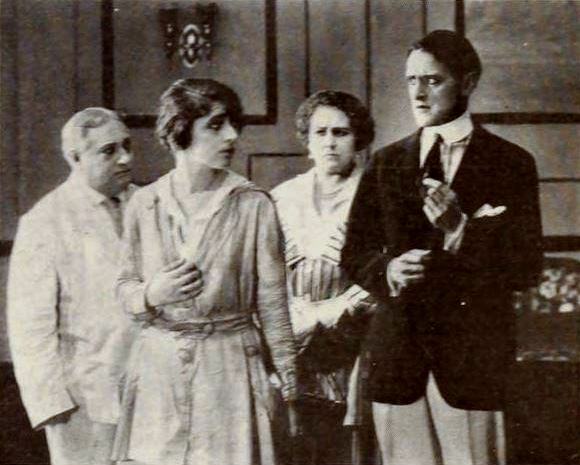
As an accountant Philander Jepson was a corking good gambler. He knew Dame Fortune has cast her optics on him at the start of his career and played his hands with corresponding confidence. After plucking a select bunch of cronies for a considerable wad he caressed his rabbit's foot and started on the annual two weeks' tour of the summer resorts. Enter Brunhilda, a young lady of quite some appearance, whose parents regard her as the family jewel and stood watch accordingly. In the eyes of Philander this surveillance was nothing more nor less than a dare. The result was romance. Unfortunately, at just this time Madame Fortune took a much-needed rest and trouble suddenly planted itself squarely in young Jepson's path. Brunhilda's pater discovered all there was to know about his gambling proclivities, and the gamblers suddenly proved that a bartender's foot on a victim's chair out-jinxes the strongest combination of horseshoes and four leaf clovers. When Philander realized what he was up against he determined to make a fresh start. Rather, he commenced to start for, after leaving his former job by request, the best he could land was fifty dollars a week work for ten per. He cast tokens, signs and omens to the winds, and strange to relate, found things were actually breaking right for him. And then, when he took the annual outing and discovered Brunhilda knew all about his changed circumstances, had been watching him all the time from a distance and thought more of him than ever; well, he could only feel thankful that good sense came to him as soon as it did.
Review Excerpt
"
The flickering luminescence of early cinema often captured the grand narratives of human folly and redemption with an eloquence that transcended the spoken word. Among these cinematic artifacts, Fools for Luck emerges as a compelling testament to the era's storytelling prowess, a narrative woven with threads of chance, romance, and the profound recalibration of a man's moral compass. Directed with a keen eye for human foible and societal expectation, this silent film, featuring the charisma..."