
DbcultAccessing Vault...
Recommendations
Senior Film Conservator
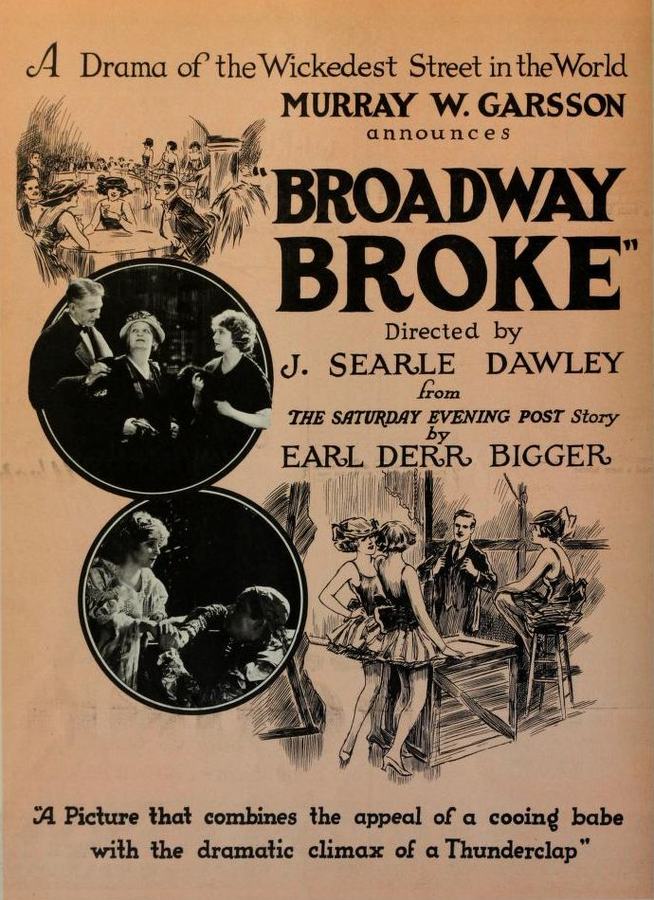
As a cultural touchstone of United States, Broadway Broke resonates with its nuanced performance, its lasting impact ensures that its spirit lives on in modern recommendations. Our archive is rich with titles that mirror the nuanced performance of J. Searle Dawley.
For many, the first encounter with Broadway Broke is to provoke thought and inspire awe in equal measure.
Nellie Wayne, a retired Broadway actress, has a small dog named "Chum", who is part of a vaudeville act and is the sole support of the family. Looking for ways to make more money, she begins to write plays and sells them to a Hollywood producer, who expresses interest not only in her plays but possibly in re-starting her career.
Based on the unique nuanced performance of Broadway Broke, our vault has identified these titles as the most compelling follow-up experiences for fans of Drama cinema:
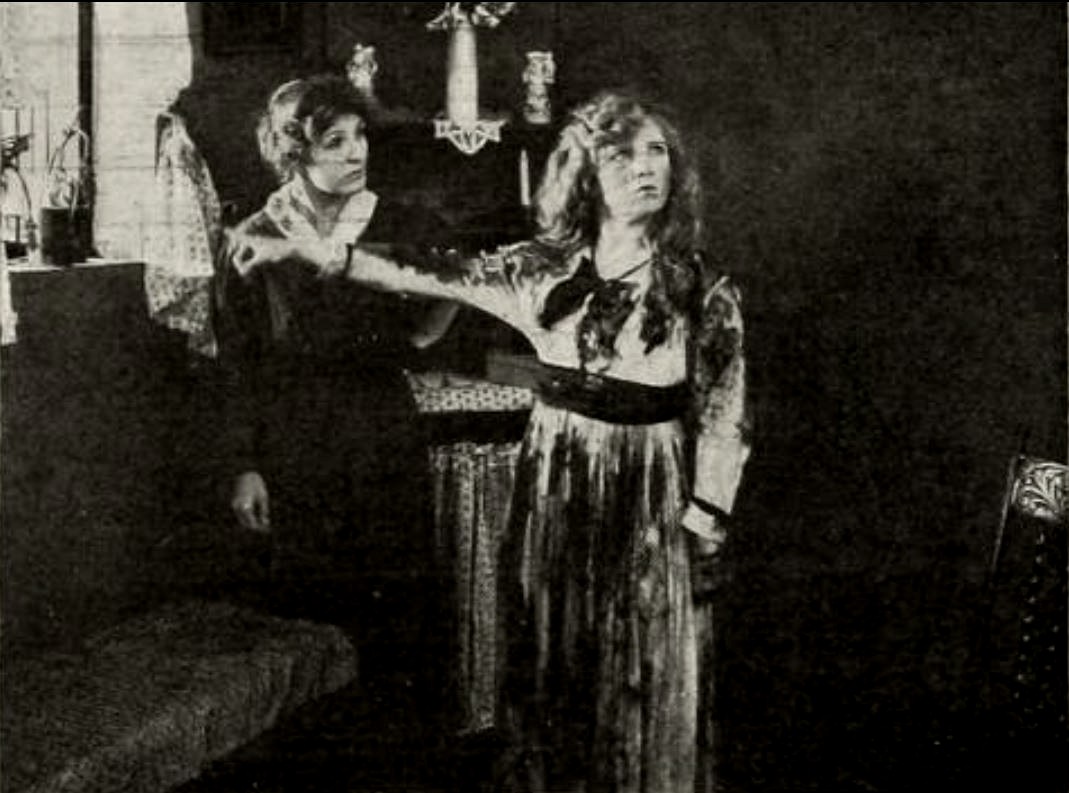

Dir: J. Searle Dawley
Four-year-old Dorothy, the daughter of rich lawyer Winfred North, is inconsolable over her mother's recent death. Her father, too absorbed with business to pay attention to his daughter and her problems, marries Helen Stillwell, a widow with her own two children. Helen ignores Dorothy while taking care of her own children, treating Dorothy as if she's always "in the way". Finally Dorothy can take no more and runs away. She is found by the Goodwins, a married missionary couple, but when they bring her home, Helen Stillwell denies knowing Dorothy at all, seeing a chance for her own children to inherit Winfred's wealth and cut Dorothy out of the picture altogether. The Goodwins take Dorothy to Africa with them to bring Christianity to the natives, but matters don't work out quite as well as they expected.
View Details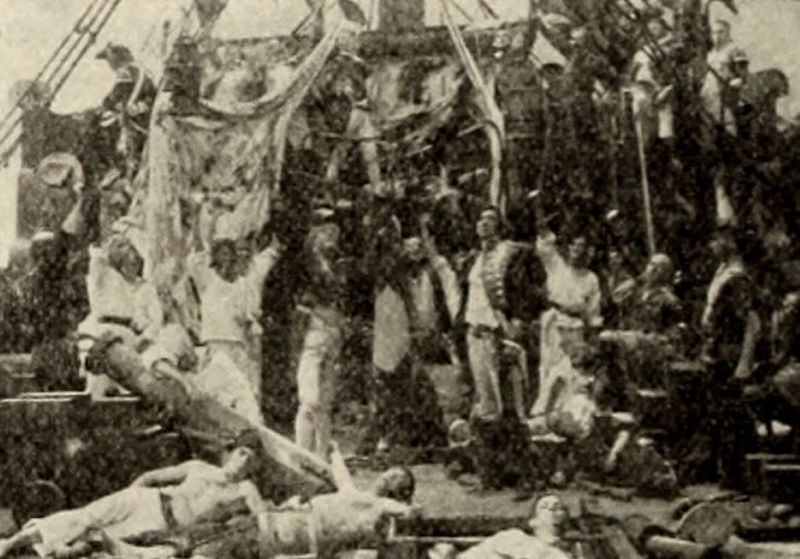
Dir: J. Searle Dawley
We show Lord Nelson leaving the admiralty room where he makes his famous speech and then introduce him with his captains giving the details of that wonderful plan of attack which was carried out to the letter at Trafalgar, the inspirations of the captains and their enthusiastic toast. We are then carried along to the day before the battle when the men are writing their last letters home. Here a beautiful scenic and photographic effect is introduced as the vision of the sweetheart of one of the lieutenants fades into view. This gives an opportunity to introduce that famous episode of the letter in which Lord Nelson called back the mail ship for a single message and which is endeared to the hearts of all those who sail the sea. We are then carried along to the morning of October twenty-first, Eighteen Hundred and Five, when the fleet of the enemy is sighted. The decks are cleared for action and the hoisting of the colors is portrayed with all the solemnity of the occasion before entering the battle. The correct incident of the hoisting of the famous signal "England expects every man to do his duty" is splendidly portrayed and carried out in every detail, and we note the pathetic touch in Nelson's life in bidding farewell to his captains having at the time a presentiment of his own death. We now get to the little human touch in his life and learn the true character of the man, for, in his last entry in his diary before the battle, he makes peace with his maker. And now we come to that wonderful spectacular picture of the real battle of Trafalgar. We see the ships in action, the firing of the guns, the ships caught on fire and then the camera switches to a close view of the deck of the Victory where human life is sacrificed by the hundreds, the fighting top of the Redoubtable, the fatal shot and Nelson's fall. We then see that wonderful character in his death, the solemnity, the beauty and the pathos of it all being carried out by the Edison players in all its grandeur; his farewell to Captain Hardy, the last kiss, the news of the victory and finally his death.
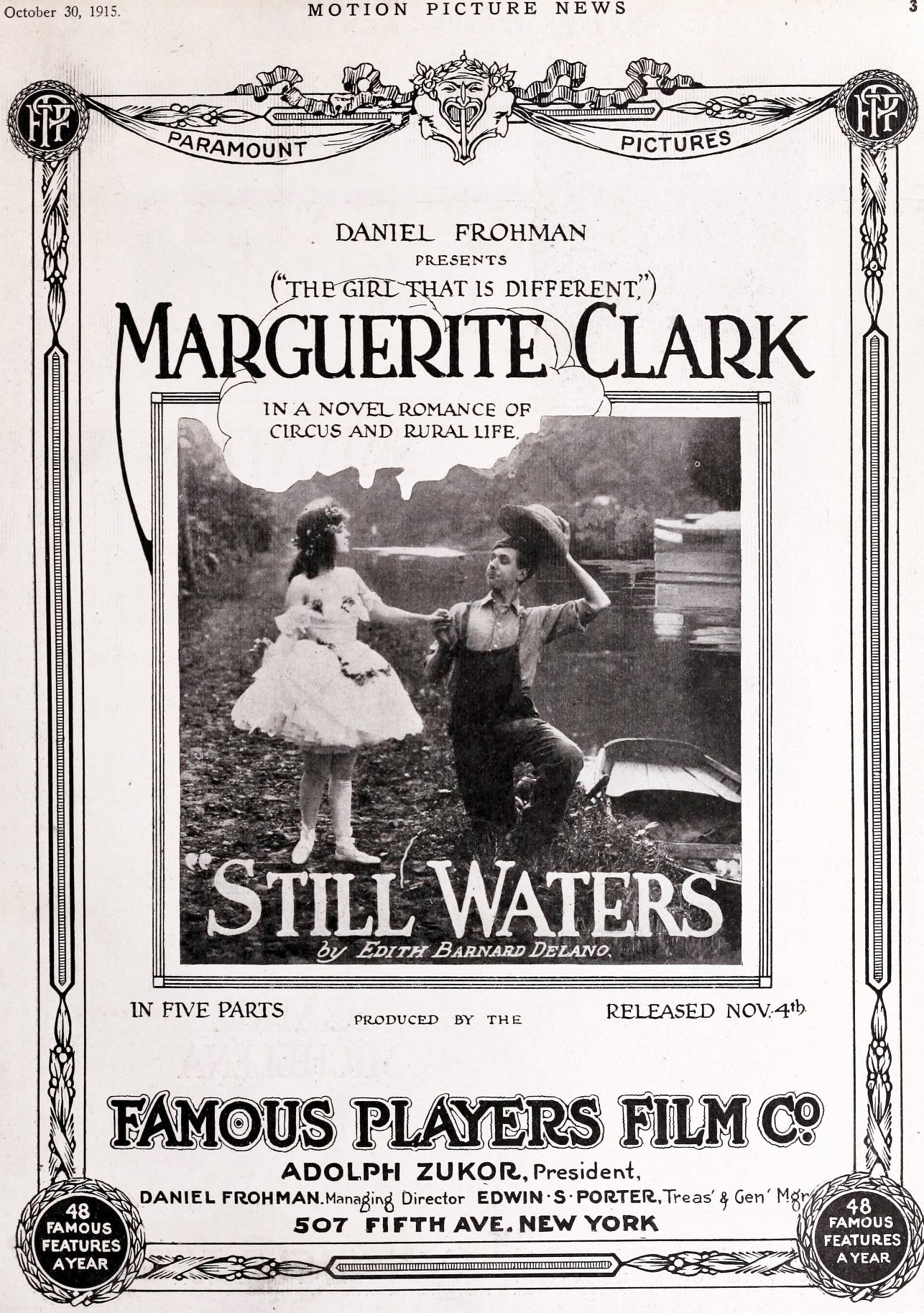
Dir: J. Searle Dawley
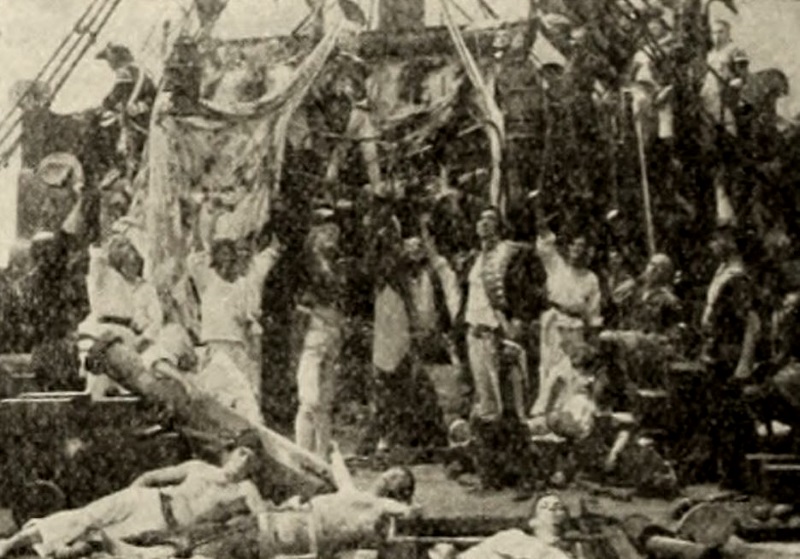
A canal boat captain disowns his daughter when she marries a circus performer. Years later he is reunited with the granddaughter he never knew.
View Details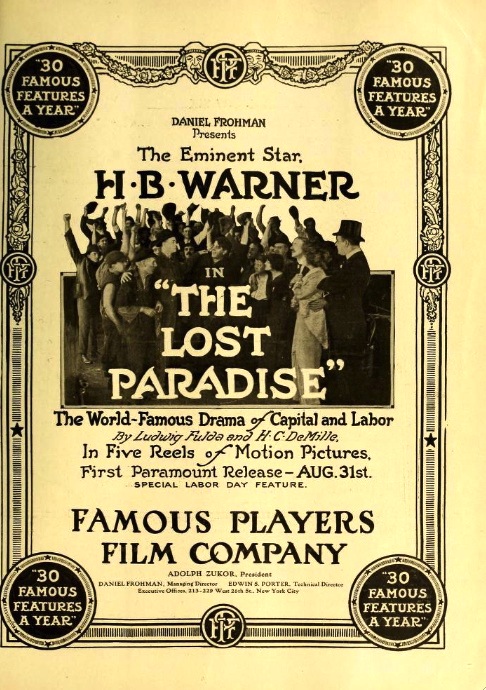
Dir: J. Searle Dawley
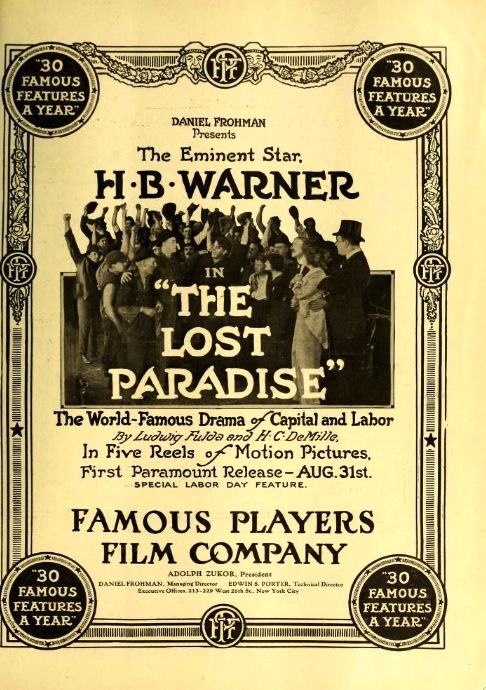
The superintendent of the Knowlton Iron Works is in love with his employer's daughter, who has been reared in luxury, and is the idol of her father. To save this woman from the knowledge that her father is a thief, the loyal superintendent takes upon his own shoulders the guilt of her father's crime. After all the stress which the story develops, his sacrifice is learned and rewarded by the woman he loves, who decides to stand with him on the side of the oppressed workmen, to whose cause the superintendent has devoted his life's labor.
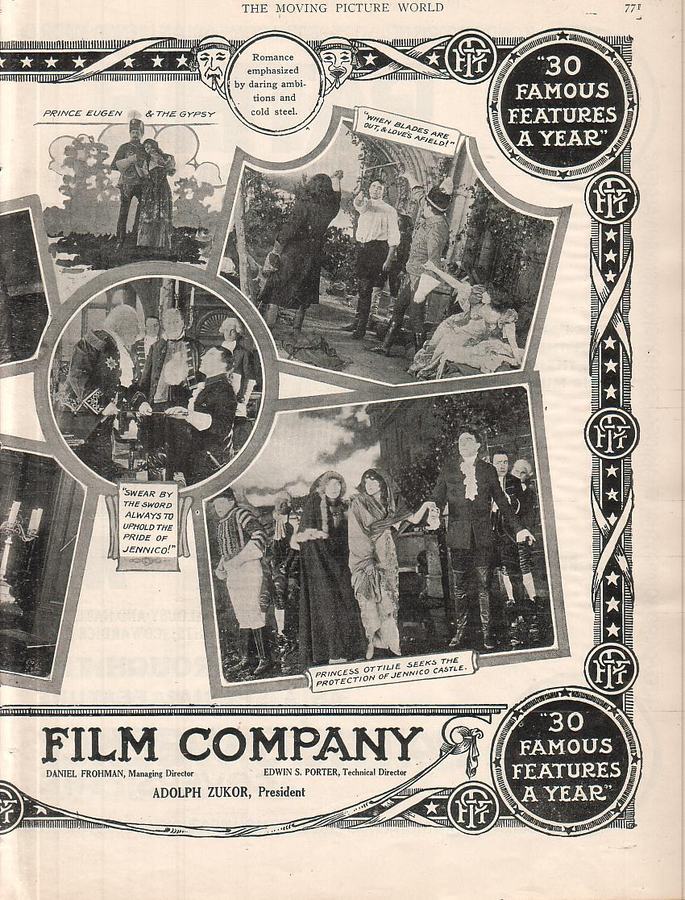
Dir: J. Searle Dawley
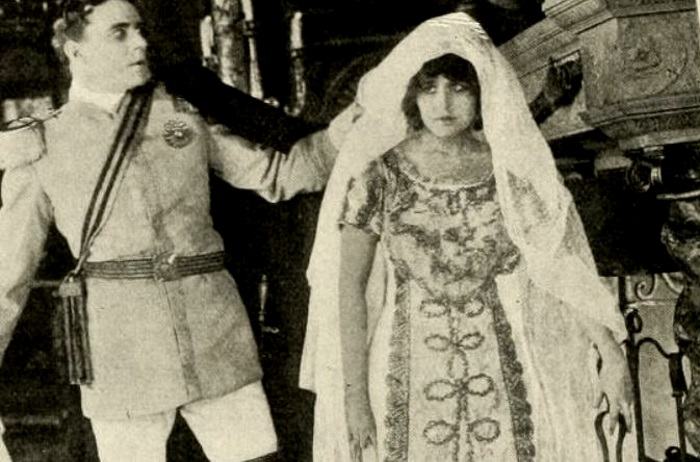
In the days of romance when fortune and glory were carved by the sword, Basil Jennico, the descendant of a proud and haughty house, walking among the old ancestral chambers, dreams of his gallant forebears and their daring deeds performed for the smile of a lady fair. Inspired by his lofty heritage and the atmosphere of nobility and bravery in which he has been reared, Basil longs for love and adventure. At this romantic period of Basil's life, his aged uncle, the lineal head of his house, dies, and makes Basil swear by the sword that he will always uphold the pride of Jennico. Basil becomes Lord of Tollendhall and master of the broad acres of the Duchy of Lausitz, but titles, estates and splendor do not compensate for the absence of love. Princess Ottilie, a beautiful, whimsical maiden, is urged by her guardian, the Earl of Dornheim, to marry Prince Eugen, a worthless rogue, whom Ottilie fears and loathes. To avoid marrying Eugen, the Princess affects her escape from the castle in the guise of her maid, Marie, who follows after her mistress. The two are overtaken by a storm and seek the shelter of Jennico Castle. Marie is introduced to Jennico as the Princess, but Jennico falls madly in love with Ottilie, whom he believes to be the maid. Love and pride struggle for supremacy. Jennico is heart-broken, because his sworn duty to maintain the dignity of his house prohibits his marriage to the maid. The willful, fascinating maid intimates to Jennico that the Princess admires him, and, repressing love for duty, he courts the "princess." The marriage is arranged. Princess Ottilie and her maid confer and arrange to change places at the altar. Jennico greets his bride, heavily veiled, but when at last he looks upon her face he sees the piquant, mocking Ottilie and thinks he has married the maid. Love bids him accept his happiness, but his pride asserts itself and he resents the supposed deception. Ottilie, noticing his anger and piqued because he is not content with her, regardless of her apparent low rank, leaves him. Desperate for the love of the absent and tantalizing beauty, he seeks the supposed maid, encounters the bitter enmity and jealousy of the defeated Prince Eugen and his trusted force; but, despite all opposition and against all odds, he wins his way to Ottilie's heart at his sword's point, to find that valor has not only won him a heart of gold, but a title that adds luster to the pride of Jennico.
View Details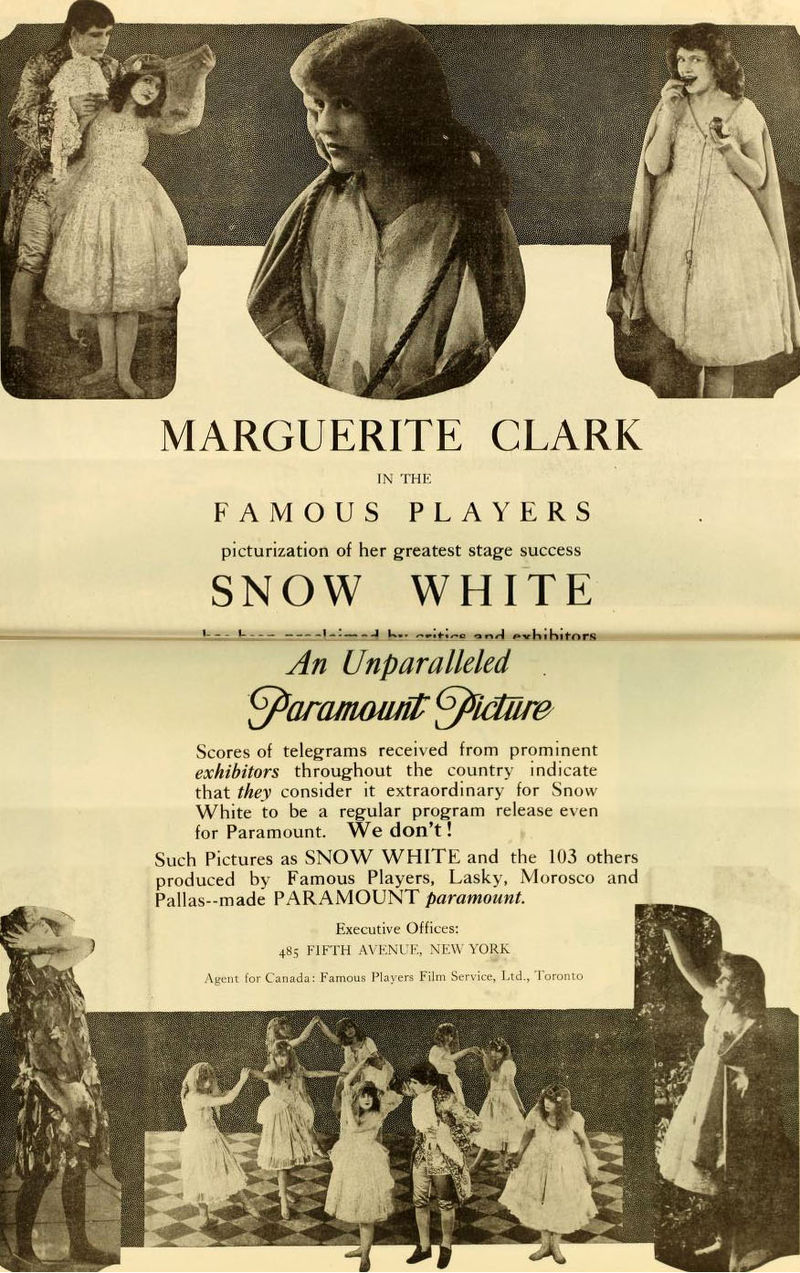
Dir: J. Searle Dawley
Snow White, a beautiful girl, is despised by a wicked queen who tries to destroy her. With the aid of dwarves in the woods, Snow White overcomes the queen.

Dir: J. Searle Dawley
Detective Kate Kirby discovers that a ship captain has been sent on a doomed voyage by his rival for the affections of the shipowner's daughter.
View Details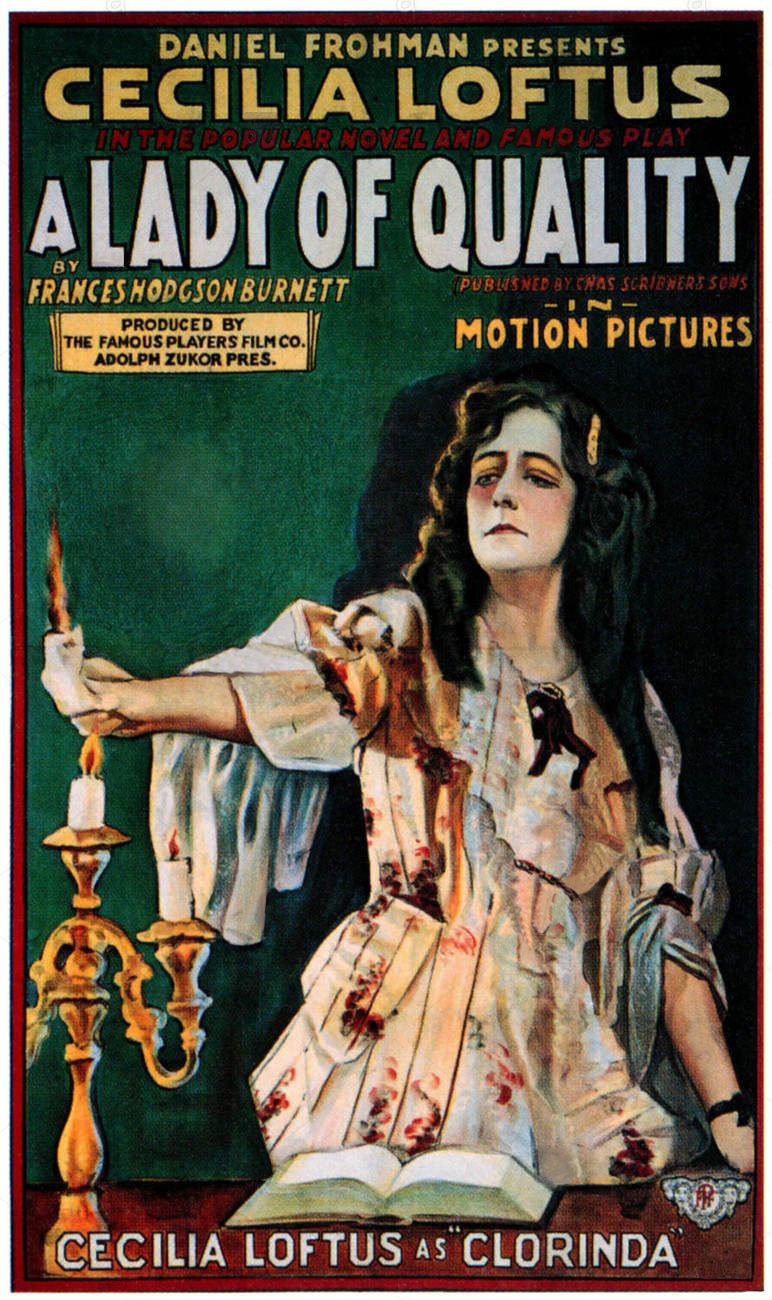
Dir: J. Searle Dawley
News is received by Sir Jeoffrey, a dissolute roué, whose contempt for the other sex extends even to his own daughters, of the arrival of another female child in the family. The mother dies shortly after, and the child, Clorinda, is brought up among the servants without a guiding hand. True to his vow to ignore his offspring, Sir Jeoffrey does not come in contact with Clo, until her sixth year, when he finds her playing with his powder horn in the great hall of his castle, Wildair, and sternly upbraids her. The child, who has inherited her father's courage and strength of will, shows no fear, and grasping a riding crop beats Sir Jeoffrey with all the fury of her tiny wrath. Her spirit and daring attract Sir Jeoffrey's attention, and he is delighted to find the child his own. From that moment, he keeps her in his own company, dressed in boy's clothing to obscure her sex, a member of his wanton circle. She grows up in this atmosphere of debauchery, and learns to swear, smoke and drink. Years later, at a hunting lodge, she meets the Duke of Osmonde and other great gentlemen, who are shocked at her male attire and masculine manners. In a spirit of pious benevolence, Lord Twenlow sends his chaplain to Wildair Hall to censure Sir Jeoffrey for permitting his daughter to grow up in this wild style. Clo overhears the Chaplain's remonstrances and realizes the true significance of her reckless habits. Meantime, her notoriety has reached London, and Sir John Oxon, the beau ideal of the town, lays a wager that he will win the heart of Clo, not as a hoyden, but as a woman. He arrives at Wildair Hall on Clo's birthday-night, and banters her on her claims to masculine prowess. Stung by his derision to prove she has all the attributes of a man, she challenges him to a duel, in which Sir John Oxon is badly worsted. However, his sarcasm has had definite effect and at the striking of the midnight hour, she gives the toast to the assembled noblemen: "Behold me for the last time clad in trousers." Later she appears in the Hall dressed in all the finery of a lady of quality, and from that moment bends every effort to attain that title legitimately. Sir John Oxon piles all his wiles to win her untutored heart, and she finally falls a victim to his flattery. Secretly she meets him in the rose garden, but publicly she slights him in the great halls. Nevertheless, Oxon wins her confidence, and she bestows her first kiss upon his lips, but not without a price, for at that moment he steals one of her raven curls, the proof of his wager. He hastens back to London to boast of his conquest, but in an intoxicated moment he hides the curl for safe-keeping, forgetting where. Clo waits for his return and is shocked when she receives news from London that he is to wed a wealthy lady of title. At this critical moment in her life the old Earl of Dunstanwolde asks her hand in marriage, and piqued at having thrown her affections so idly away, she accepts. A half hour later, she meets the Duke of Osmonde, and recognizes in him the man she loves. Faithful to her promise, she marries the Earl of Dunstanwolde, and becomes his devoted wife until he dies two years later. Sir John Oxon, having failed to make his match, and aware that Clo now possesses wealth, influence and position, tries to win back the heart he had so ruthlessly cast aside. But Osmonde has triumphed over her affections, causing jealousy and hatred to creep into the heart of Oxon. Chance places again in his hand the lost curl, which he holds over her head as a silken sword. Stunned by the fear that she will lose the love of Osmonde through the accusing evidence of the curl in an intensely dramatic scene in which Oxon attempts to force his embraces upon her, she strikes him across the temple with her riding crop. He falls to the floor. She lashes him, the pale still body lies there, dead. At that moment guests arrive, she conceals the body under the couch, and in the dead of night she drags it down into the deep cellar. For years afterwards, she atones for her sin by paying Oxon's debts, consoling the women had he wronged, and in other ways undoing the evil he had wrought.
Dir: J. Searle Dawley
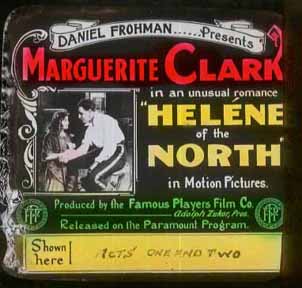
While waiting for the detained Lord Traverse, the guest of honor at an English society party, the guests play a game wherein each must tell a complete story before a cigarette burns out. Heléne Dearing relates that her proud father John left England after being exposed as a card cheat and became a whiskey runner near a Canadian lumber camp. John and his partner Pierre escape jail, and with Heléne, are pursued by Ralph Connell, a young Canadian Mounted Policeman, whom Heléne loves. John, wounded before they can reach the border, gives Pierre permission to marry Heléne, but a sympathetic curate reads the ceremony in Latin and has Ralph, as the witness, take the groom's marriage vows. After Pierre is captured and Heléne learns the truth about the marriage, Ralph leaves on a secret government mission. Heléne, who has since inherited a fortune, confides to the guests that she never saw Ralph again. After Lord Traverse arrives and turns out to be Ralph, he and Heléne leave the party to begin their belated honeymoon.
View Details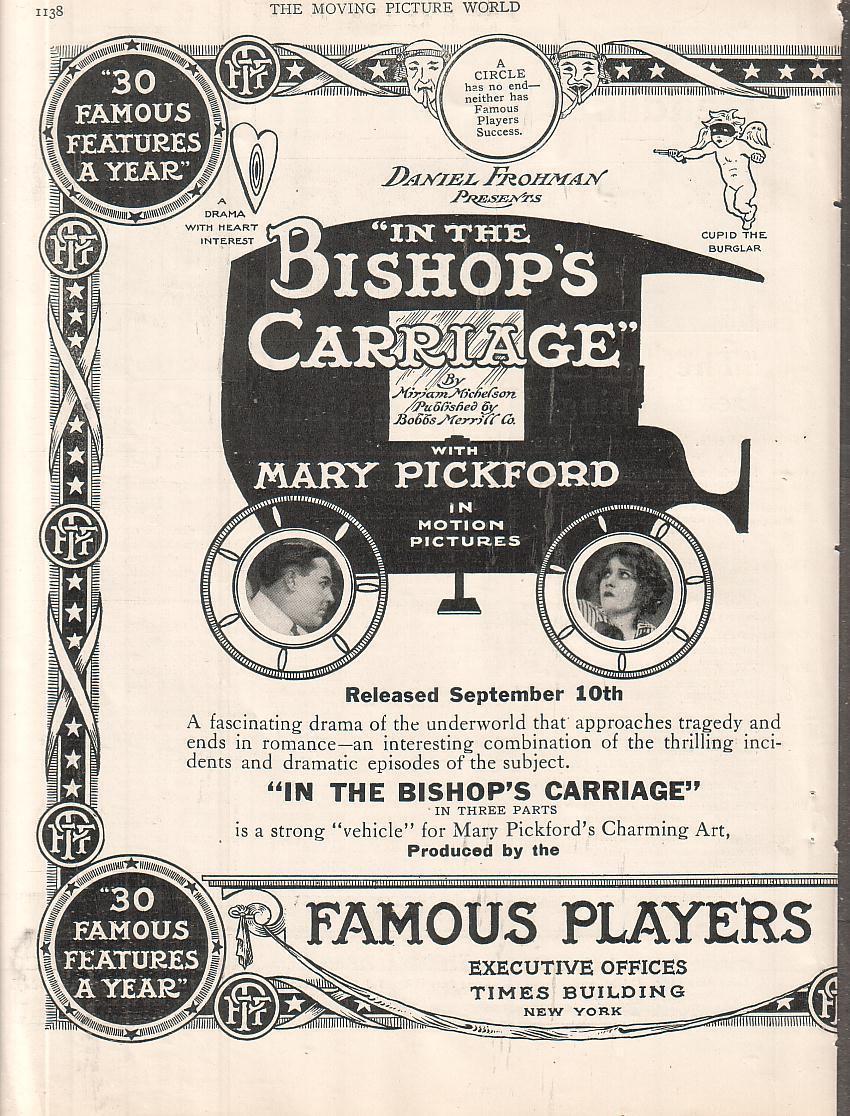
Dir: J. Searle Dawley
A successful stage actress with a hidden past as a criminal is kept on the path of righteousness by a benefactor.
View DetailsAnalysis relative to Broadway Broke
| Film Title | Atmosphere | Complexity | Similarity |
|---|---|---|---|
| Always in the Way | Gritty | Dense | 91% Match |
| The Battle of Trafalgar | Gothic | Dense | 95% Match |
| Still Waters | Gritty | High | 87% Match |
| The Lost Paradise | Gothic | Abstract | 94% Match |
| The Pride of Jennico | Ethereal | Dense | 87% Match |
This guide was algorithmically generated using the cinematic metadata of J. Searle Dawley's archive. Last updated: 8/16/2026.
Back to Broadway Broke Details →