
DbcultAccessing Vault...
Recommendations
Senior Film Conservator
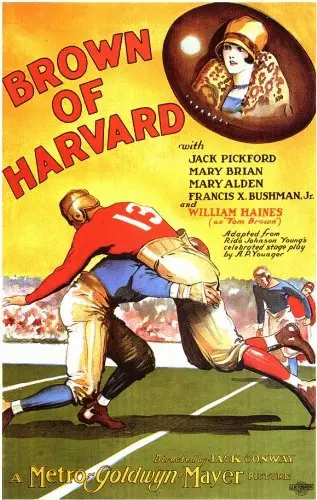
The evocative power of Brown of Harvard (1926) continues to haunt audiences with its emotional resonance, the artistic provocations of Brown of Harvard demand a follow-up of equal intensity. Explore the following titles to broaden your appreciation for Romance excellence.
The visceral impact of Brown of Harvard (1926) stems from to transcend the limitations of its 1926 budget and technology.
Tom Brown shows up at Harvard, confident and a bit arrogant. He becomes a rival of Bob McAndrew, not only in football and rowing crew, but also for the affections of Mary Abbott, a professor's daughter.
The influence of Jack Conway in Brown of Harvard can be felt in the way modern Romance films handle emotional resonance. From the specific lighting choices to the pacing, this 1926 release set a high bar for atmospheric immersion.
Based on the unique emotional resonance of Brown of Harvard, our vault has identified these titles as the most compelling follow-up experiences for fans of Romance cinema:
Dir: Bruno Ziener
A fascinating piece of cinema that shares thematic elements.
View Details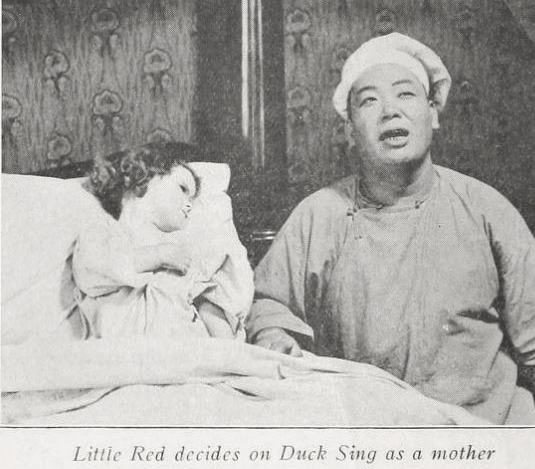
Dir: Jack Conway
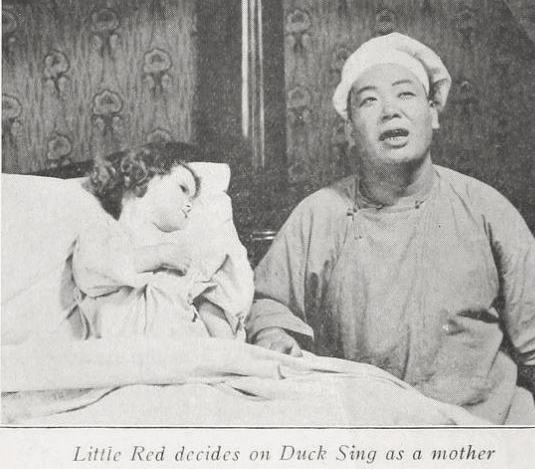
Upon learning that the parents of "Little Red" have died, the cowboys of Colonel Ferdinand Aliso's ranch adopt the boy. Parson Jones and his church committee protest that the child should be brought up in more refined surroundings, but the cowboys, particularly Duck Sing, Aliso's Chinese cook, are so enamored of Little Red that they donate their poker money to the church in order to placate the congregation. After Little Red catches pneumonia and nearly dies, however, Dr. Kirk insists that the boy either live with the minister or acquire a mother through the marriage of one of the cowboys. While Little Red is recuperating at the parson's home, ranch hand Tom Gilroy courts the only marriageable women in town -- a widow and two spinsters -- but much to his relief, they all turn him down. In the end, Duck Sing, whom the child much prefers to the parson, kidnaps Little Red, after which the colonel legally adopts him.
View Details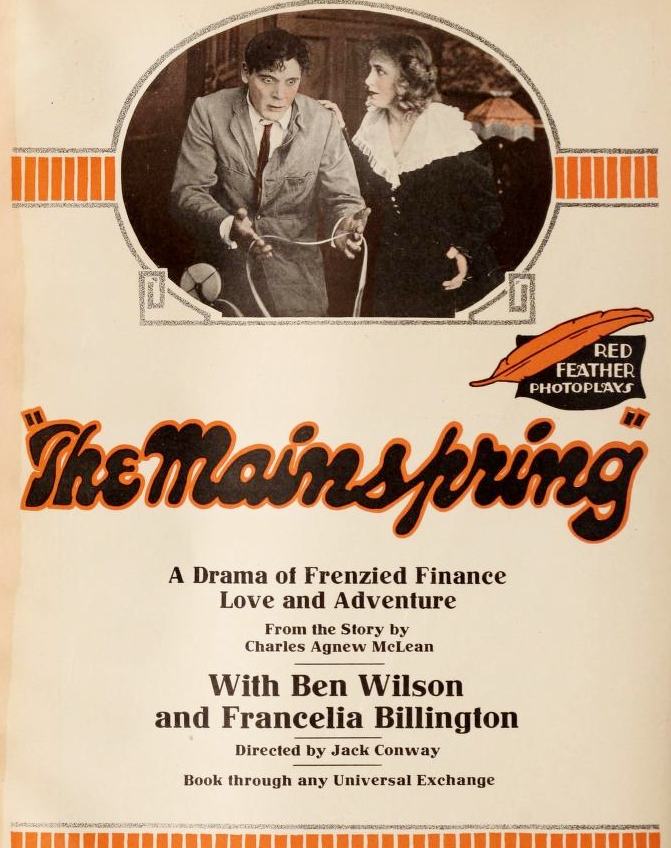
Dir: Jack Conway
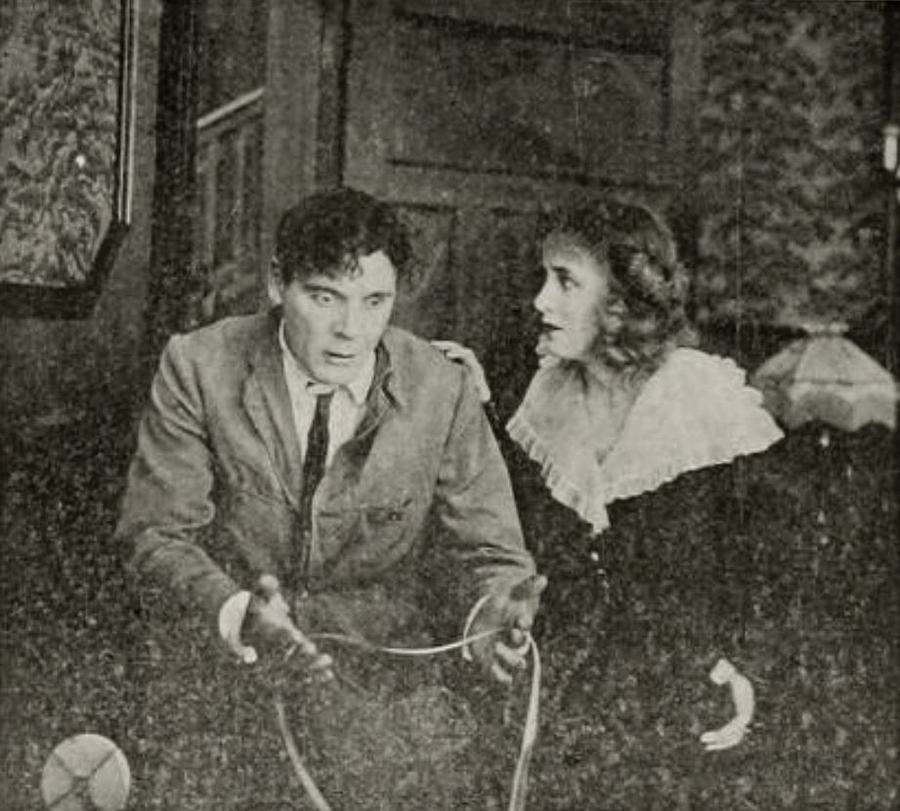
Great financier Jesse Craven is ill, but so closely guarded that the public can obtain no details. Lawrence Ashmore, a young reporter, is detailed by his paper to obtain an interview. Larry Craven, Jesse's son, is expected one morning, and the chauffeur mistakes Ashmore for him. But when Jesse's niece Edith and friend Richard Creelman see Ashmore, they realize that he is not Larry and take him prisoner, fearing that he's a reporter. Larry has been kidnapped by the orders of Shackleton, who is the confidential man, also the former secretary to Craven, to Farnum and Sharp, two brokers who are bent upon the ruin of Craven and the thousands of stockholders who have entrusted their investments to him. Creelman and Ramsdale, Craven's broker, offer Ashmore a large sum of money if he will pose as Larry, and he agrees. He and Edith become friends. Farnum and Sharp, thinking they have Larry safe, manipulate the stock market, and things are looking rather serious for the Craven interests. In order to carry out their bluff further, it is planned that it shall be reported that Larry, in reality Ashmore, and a party will take a yachting cruise. Ashmore and the party leave on the trip, and Shackleton, who has secured the services of a chauffeur of the Craven's, kidnaps Ashmore, having enticed him from his own yacht by a ruse, and takes them on board their vessel. A storm comes up and the boat springs a leak. All are forced to jump overboard. Ashmore reaches the shore more dead than alive; Edith and the others think that Ashmore has deserted them at the crisis. Ramsdale and Creelman decide to give their entire fortunes to trying to save Craven interests. Craven is better, but Larry has control of his account, and he is helpless. Ashmore hails a passing car to take him back to the Craven place. He rushes to the Stock Exchange and turns the tide against the conspirators. The Craven fortune is saved. Farnum threatens to have Ashmore arrested for impersonating a member of the Stock Exchange. Ashmore defies him and tells him that he is the son of the man whom Farnum ruined, and that he possesses evidence which will send his enemy to jail. Farnum sees himself defeated at every turn. In the meantime Larry has caught Bernice trying to drug him and has managed to escape from her apartment. He hurries to the Cravens and is recognized at once as the real Larry Craven. He arrives just in time to prevent the shooting of Ashmore by Farnum. Ashmore is presented to Larry as the man who saved the Craven fortune. Larry sees that Edith and he are in love and offers him the position of manager of the Craven interests, which Ashmore accepts. Soon after, Edith accepts him as her life partner.
View Details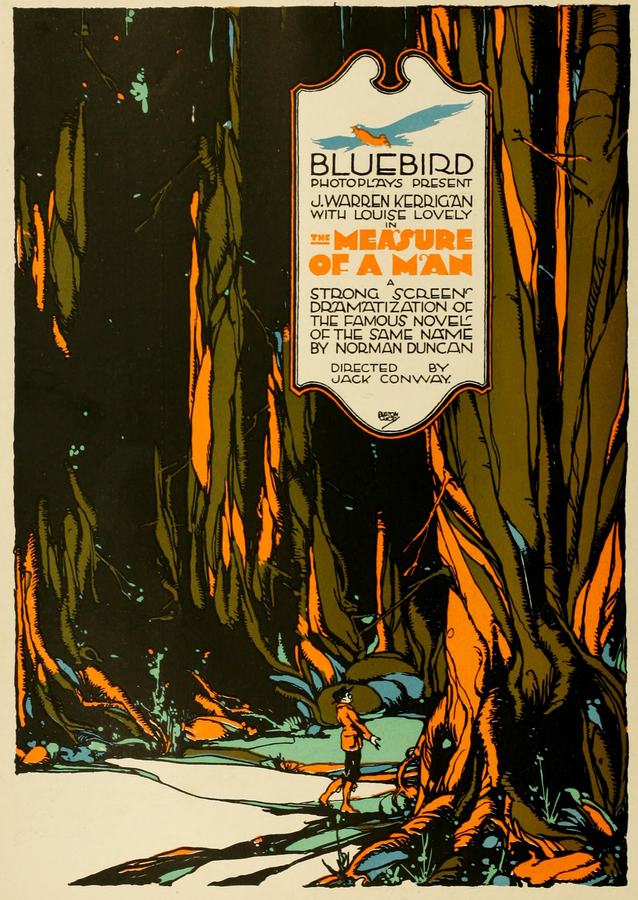
Dir: Jack Conway
John Fairmeadow has been expelled from a theological seminary because of his evident unfitness for the ministry. He goes West and finally winds up in a lumber camp. Pattie, the pet of the woodsmen, is praying for a parson to come perform her father's burial service--he was killed by a falling tree. Fairmeadow's clerical appearance makes his arrival seemingly providential, for Pattie declares when she beholds him that her prayers have been answered, so Fairmeadow is compelled to conduct the burial service and thereafter pose as a parson. Having gone to the woods to fight out his own battles, Fairmeadow gains help for himself in helping others. The "parson's" reputation as an exhorter has traveled to a nearby camp and he is urged to go there and conduct revival services. Jack Flack, the "boss" of the neighboring camp, objects to Fairmeadow's activities and undertakes to physically expel him from the community. In this encounter Flack comes off second best, and Fairmeadow's record is enhanced. Flack is living with a girl he has enticed from the camp where Fairmeadow makes his headquarters. This girl is moved by Fairmeadow's sermons to leave her environments and return home. She leaves her baby where Fairmeadow will come upon it in the woods, and when the "parson" takes it in his arms and carries it to his home camp, she follows. Going directly to Pattie's home, Fairmeadow is arranging for the care of the child when its mother is discovered by Pattie looking in at the window. Thus mother and child are reunited and Fairmeadow and Pattie go with her to her father's home, where a reconciliation is effected. Flack comes to the camp to find the girl and have vengeance upon the "parson." One of the converts Fairmeadow has made kills Flack in a fight, and the "parson'" witnesses that the deed was committed in self-defense. While Fairmeadow has been at the neighboring camp, his congregation has built him a church and cabin to live in, and soon after his return the "parson" is called upon to perform a marriage. Then it is that he makes clear his standing; that he has studied for the ministry but has never been ordained. When one of the lumbermen leaves the woods to visit his mother, he goes to Fairmeadow's father, who is a Bishop, and explains how matters stand with his son. The Bishop hastens to the lumber camp, ordains his son and performs two marriages, one of which unites Fairmeadow and Pattie.
View Details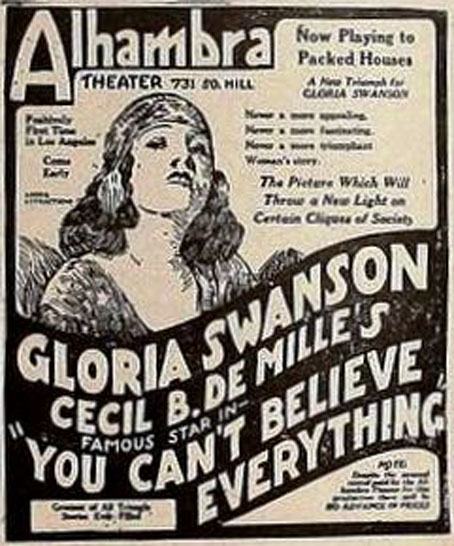
Dir: Jack Conway
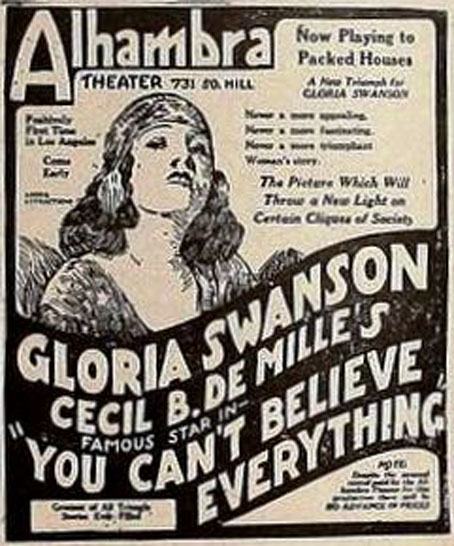
Patricia Reynolds, the belle of the summer resort she is visiting with her friend, Amy Powellson, attracts the attention of Arthur Kirby, whom Amy loves. On an evening drive, Arthur tries to kiss Patricia , whereupon she leaps from the car and walks home. While Amy, disguised in Patricia 's clothing, accompanies Arthur to a roadhouse, Patricia , walking near the beach, sees her invalid friend, Jim Wheeler, jump into the ocean intending to kill himself. After rescuing him, Patricia persuades Jim to visit a specialist, but when she later is accused of spending the night with Arthur, she refuses to defend herself in order to conceal Jim's attempted suicide. Hastings Carson tries to save her reputation, but he subsequently attacks her, and she is forced to swim from his yacht to shore. Cured, Jim returns to remove Patricia from this social quagmire by marrying her.
View Details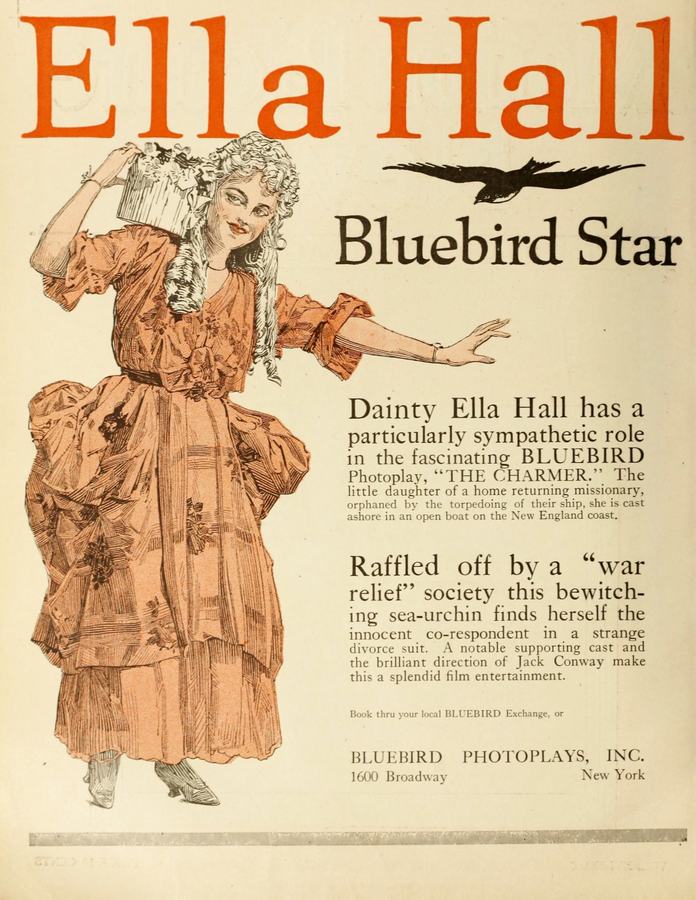
Dir: Jack Conway
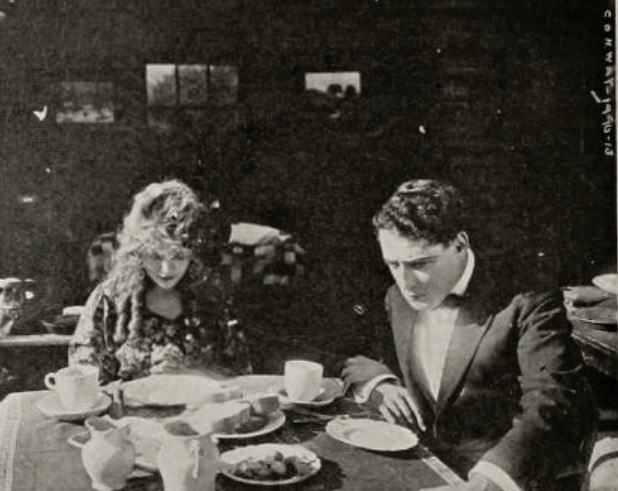
Genuinely sweet natured, Ambrosia Lee loves to help everyone, soothing their sorrows with her cheerful spirit. Her charms are put to the test, when she tries to save her own Aunt Charlotte's marriage. Happily, all ends well, when her Aunt and Uncle are happily reunited.
View Details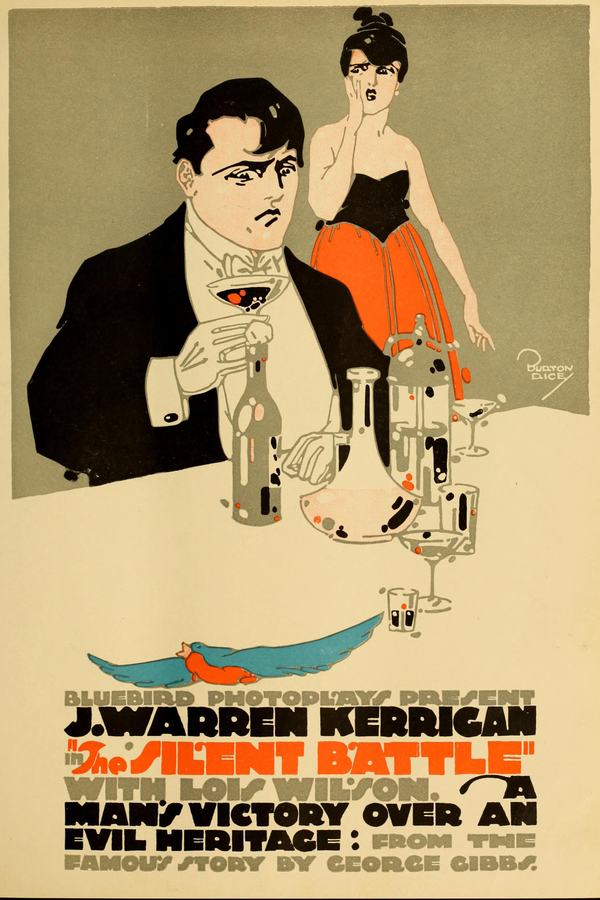
Dir: Jack Conway
Inheriting his father's alcoholism, Lawyer Tom Gallatin goes into the woods to rehabilitate himself. Once there, he loses his way and then meets Jane Loring, who is also lost. They are attracted to each other, but when Jane offers him a drink from a flask, Tom takes more than just a few sips, and then tries to rape her. A search party rescues Jane, after which, sobered by the seriousness of his attempted crime, Tom cures himself of his drinking problem. Later, in the city, Jane and Tom meet again and she forgives him. However, Coleman Van Duyn, who loves Jane, and Nina Jaffray, who wants to marry Tom, decide to make sure that no romance develops. They convince Jane that Tom is already engaged to Nina, but then, guilt-ridden, the alleged fiancee confesses everything to Jane, who quickly goes to Tom and tells him that she loves him.
View Details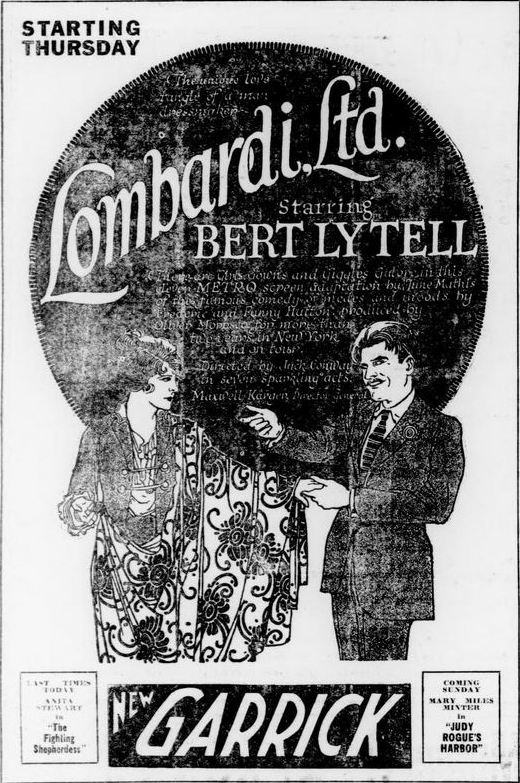
Dir: Jack Conway
Tito Lombardi a Fifth Avenue dress designer, causes his business to suffer by his generous dispensation of credit to clients, one of whom, Max Strohm, the manager of a musical review, has promised payment for his girls' lavish costumes as soon as the show makes money. To the dismay of Norah Blake, Lombardi's faithful assistant, who loves him, Lombardi proposes to Phyllis Manning, one of the showgirls, and presents her with his finest creations, while not even attempting to kiss her, as she puts off setting a wedding date and also accepts the attentions of wealthy bachelor Bob Tarrant. After Strohm's show fails and Phyllis leaves with Tarrant for California, Lombardi's establishment nears bankruptcy. Daisy, one of Lombardi's models, accepts the proposal from Lombardi's friend, Rickey, a chauffeur. When she discovers he is the son of "Riccardo the vermicelli king" and quite rich, she convinces Rickey to help Lombardi. Under Norah's direction, the business is revitalized. Lombardi finally sees Norah's value, and they marry.
View Details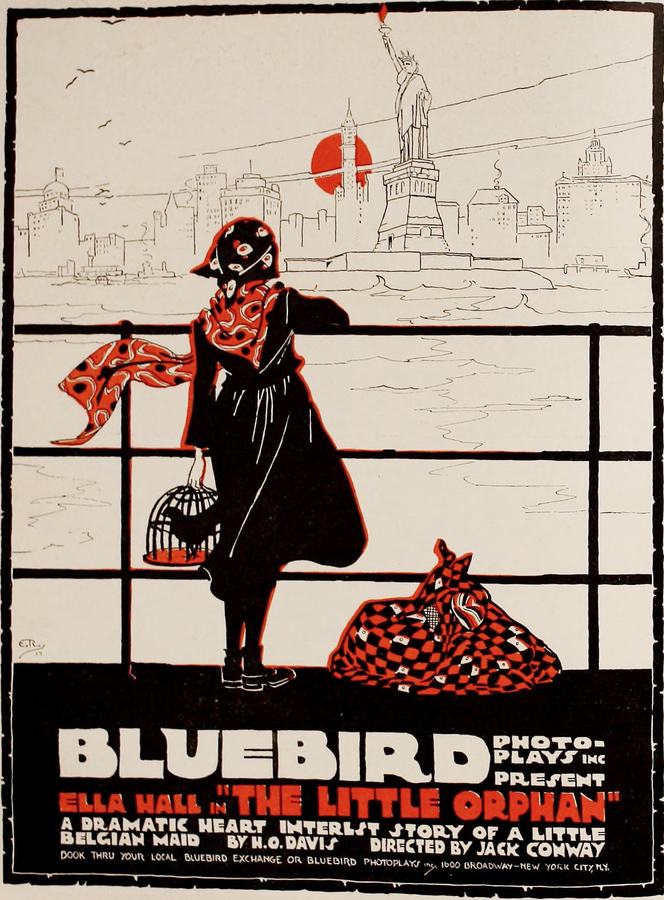
Dir: Jack Conway
When bachelor friends David Clark, Dick Porter and Jerry Mathers agree to adopt Belgian war orphans, David unexpectedly finds himself the guardian of a little girl, Rene Lescere. After David is pursued by Mrs. Hardwick, a divorcee, Rene is determined to find him a more suitable wife and introduces him to Emmeline Warren. David and Emmeline are engaged, but the engagement is broken after Emmeline meets Jerry, her old beau, and their romance is rekindled. David, sad but resigned, sends Rene to boarding school and retires to his hunting lodge with Dick Porter. Later, Emmeline and Jerry, now married, visit the lodge and suggest that Rene accompany them on a trip abroad. At the moment of parting between Rene and her guardian, both realize that they love each other and Rene becomes David's wife.
View Details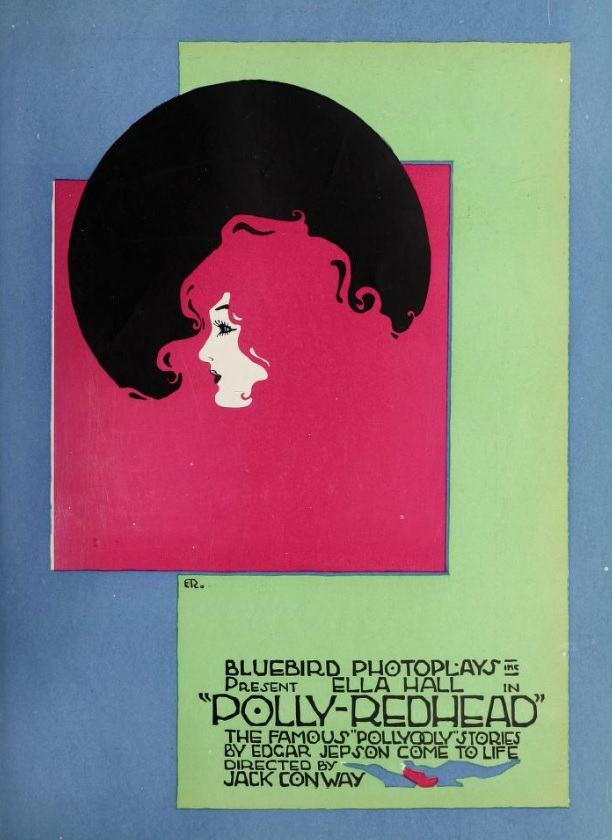
Dir: Jack Conway
Aside from the fact that Polly had red hair in abundance, she was not otherwise an exceptional child, save for one thing. She was willing to work and slave, if need be, to keep her baby brother, affectionately termed "The Lump," from being sent to the poor house. So she did housework and prepared breakfasts for John Ruffin, an attorney, and Hon. Gedge-Tompkins. John Ruffin's sister, Lady Osterly, has separated from her husband, and he holds their child. When Lady Osterly calls on Ruffin she is struck with the remarkable resemblance Polly bears to her own child. Ruffin and Lady Osterly formulate a plan to come into possession of her daughter, by using Polly as a substitute. When they offer Polly twenty sovereigns to go to the Duke of Osterly's home and impersonate the other child, the amount of money fairly staggers Polly and she accepts. By changing the children when the child of the Osterly's is out riding with her nurse. Polly gains access to the Duke's home and the Osterly child comes to John Ruffin's apartments to stay until her mother can get her ticketed to the continent and travel away with her. Polly does the best she can under strange conditions, but despite her resemblance to the Osterly child, the servants are suspicious and the Duke falls to wondering what has happened. Young Lord Ronald, visiting the Duke, is above all suspicious of Polly. The Osterly girl is under similar suspicion at Ruffin's home. "The Lump" positively declines to have anything to do with her. There is a blunder in the preparations Lady Osterly and John Ruffin make for the European trip. Polly disregards positive instructions and leaves the Osterly mansion before plans can be worked out. The Duke follows Polly in his automobile, searching for her in a nearby park where she has liked to go with young Lord Ronald to play. Finding Polly where he thought he would the Duke carries her back to his home. Here John Ruffin directly arrives, to tell the Duke that his wife and child must, by that time, be well on their way across the Channel. Lady Osterly, through miscalculation, has become worried because Ruffin does not arrive with the tickets and telephones him at the Duke's (her husband's) home. The servants call the Duke in answer to the summons and thus husband and wife find themselves talking to each other, much to their mutual surprise, as well as secret delight. As a result of this accidental 'phone call, a reconciliation is effected and everything ends happily for everybody, including Polly Redhead, who has made a great conquest of young Lord Ronald's heart.
View DetailsAnalysis relative to Brown of Harvard
| Film Title | Atmosphere | Complexity | Similarity |
|---|---|---|---|
| Eva, wo bist du? | Gothic | Dense | 86% Match |
| Little Red Decides | Surreal | Abstract | 98% Match |
| The Mainspring | Gothic | High | 98% Match |
| The Measure of a Man | Gritty | High | 95% Match |
| You Can't Believe Everything | Surreal | Abstract | 95% Match |
This guide was algorithmically generated using the cinematic metadata of Jack Conway's archive. Last updated: 6/24/2026.
Back to Brown of Harvard Details →