
DbcultAccessing Vault...
Recommendations
Senior Film Conservator
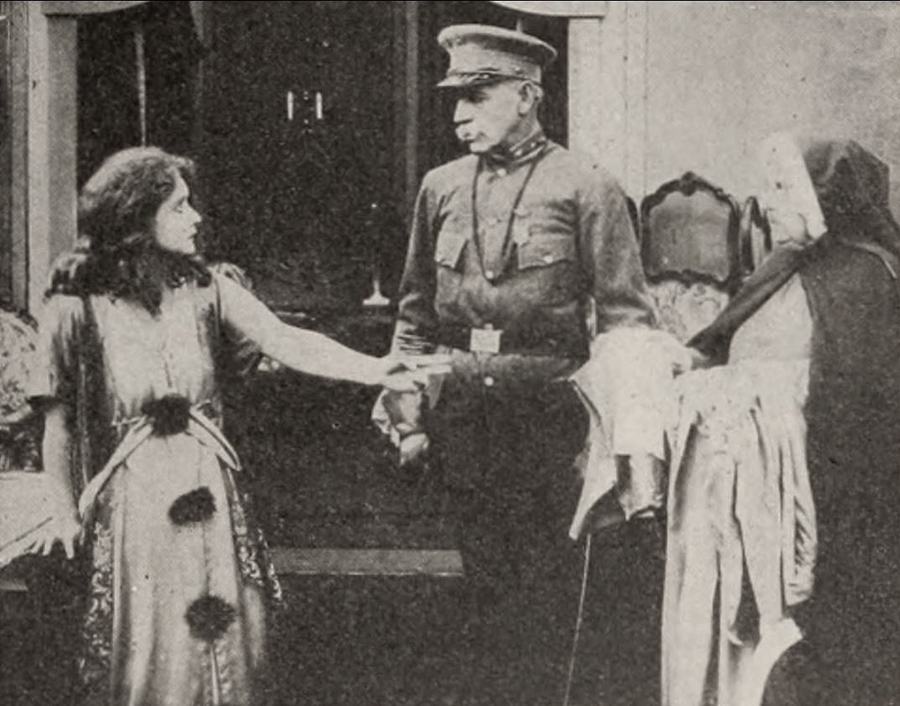
For cinephiles who admire the cult status within Bullets and Brown Eyes, the specific cult status of this work is a gateway to a broader cult world. We've prioritized films that capture the 1916 aesthetic with similar precision.
At its core, Bullets and Brown Eyes is a study in to create a dialogue between the viewer and the cult status.
Countess Olga and Prince Carl, although from two European countries that have been longtime enemies, are madly in love with each other. Olga's brother, Count Michael, convinces Olga to get Carl to come to their country, planning to imprison him. His plan succeeds, but it has unintended consequences.
Bullets and Brown Eyes was a significant production in United States, bringing a unique perspective to the global stage. It continues to be a top recommendation for anyone studying cult history.
Based on the unique cult status of Bullets and Brown Eyes, our vault has identified these titles as the most compelling follow-up experiences for fans of cult cinema:
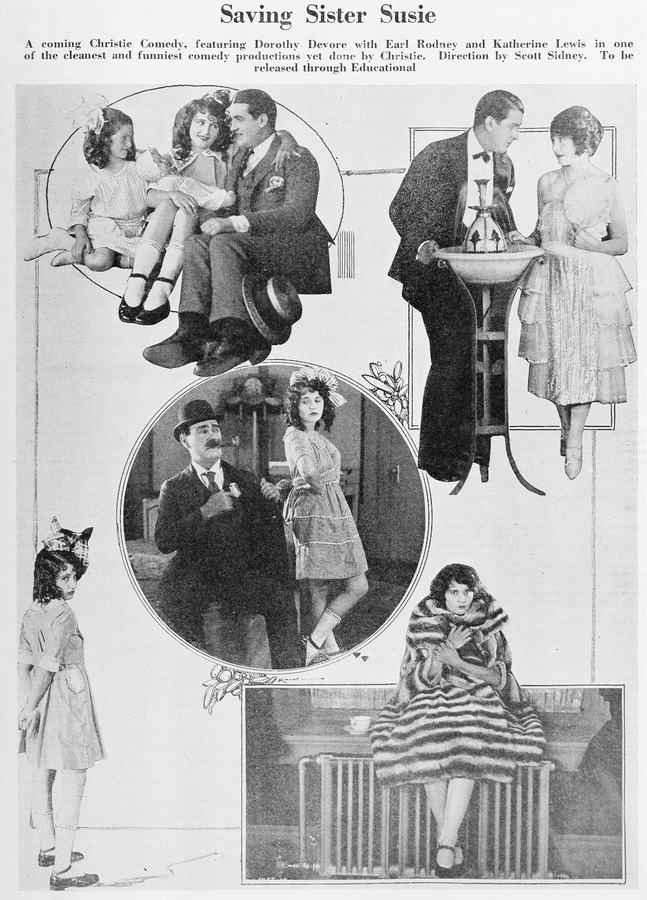
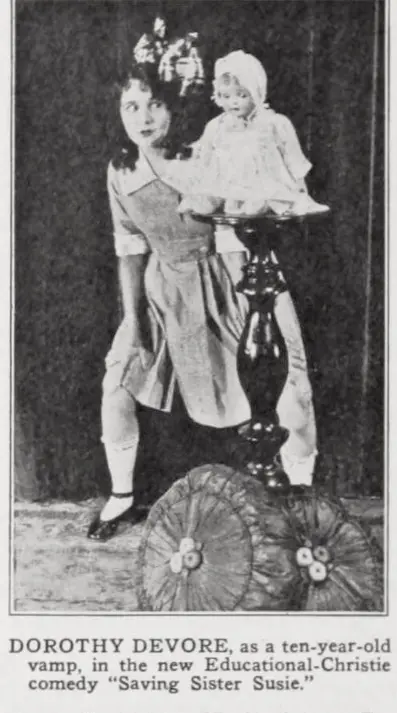
Dir: Scott Sidney
The younger of two sisters is sufficiently attractive to steal the other's admirers. To stop this pirating, mother and elder sister conceive the idea of putting the baby vamp into rompers, leaving her a baby, but no longer a vamp. The scheme works well, but the girl is as attractive as a child as she was as a young lady, and the young man in the case is willing to play with dolls in order to be near her. Her real age is finally discovered, but when the couple try the elopement act, the minister orders the child sent back to her mother.
View Details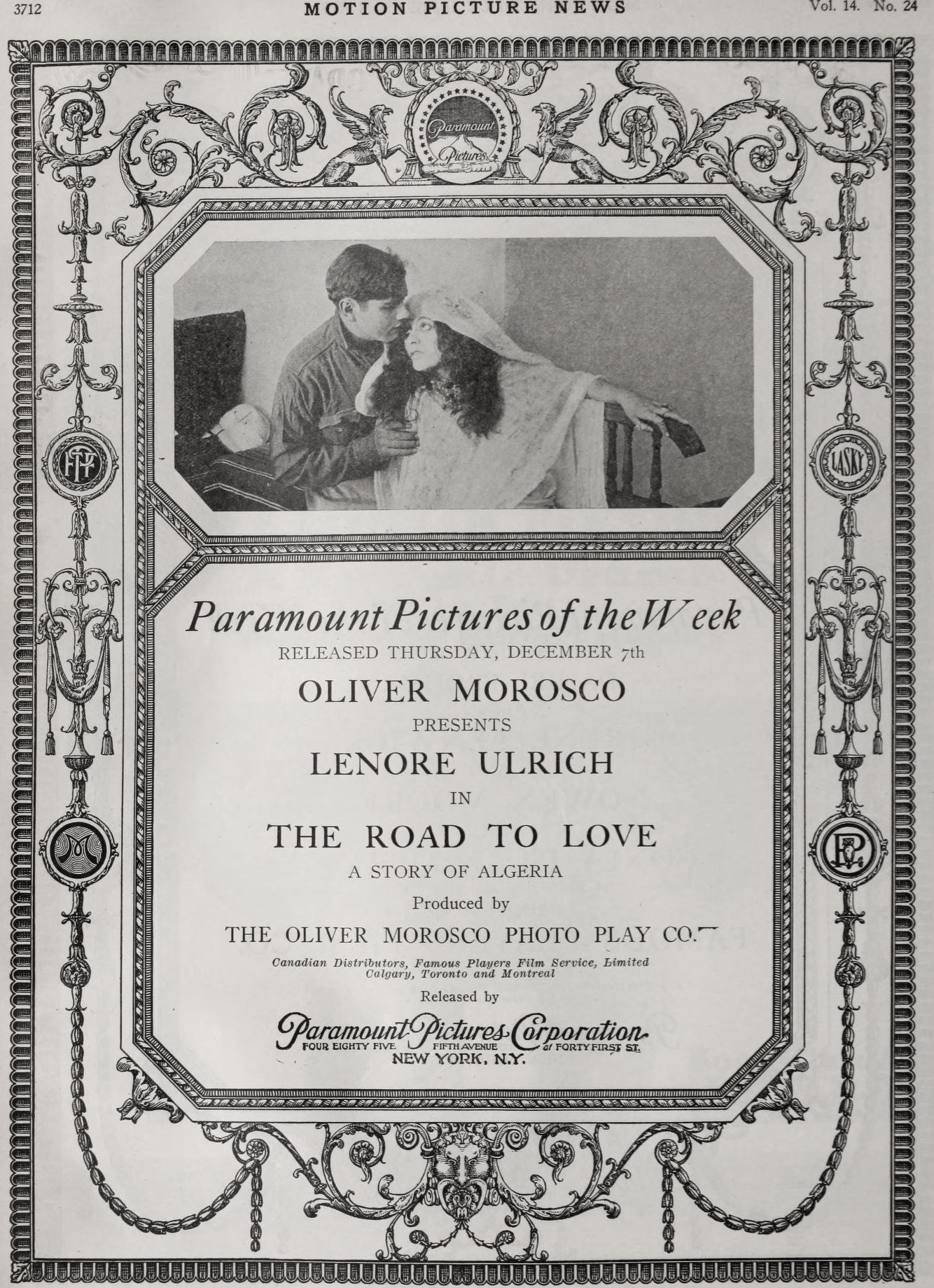
Dir: Scott Sidney
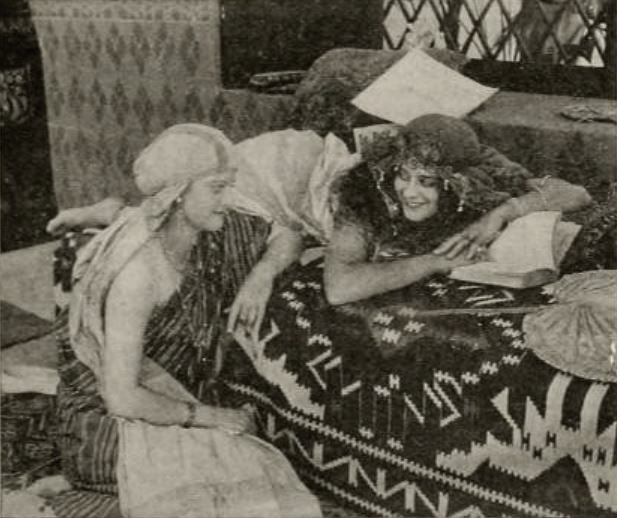
The action takes place in Algeria where Hafsa, the daughter of wealthy old Sidi Malik, has aroused the avidity of Leila Sadiya, the "mother" of the dancing girls. She gives orders to have the girl kidnapped and brought to her. Meanwhile Gordon Roberts, a young American who is traveling in the Orient, saves the life of Karan, a Bedouin chief, and earns the undying gratitude of the Arab. Gordon meets Hafsa while she is shopping in defiance of her father's commands and wins her regard by sheltering her from the old man. He is infatuated with her and disguises himself as a peddler in order to meet her again. He is discovered by Nakhla, a spy of her father's, who promptly has Gordon beaten by his retainers. Gordon and the girl elope, but are captured and the American is turned over to one Abdallah with instructions to sell him as a slave. Hafsa bribes Abdallah to let her go in the caravan in which Gordon is kept drugged. Karan learns of the predicament of Gordon and worms his way into the friendship of Abdallah until he can drug the guards. But when Gordon is about to escape, he recognizes Hafsa and demands that she go in his place. Karan finally yields to the girl and takes Gordon away. Hafsa is delivered to Leila and is not seen again by Gordon until she dances at a great fete. She is offered for sale and Gordon makes a desperate effort to outbid an old sheik, but fails. On the wedding day, Hafsa substitutes her maid for herself and escapes with Gordon, but the deception is quickly discovered and a pursuit is begun. As the fugitives reach the garden gate, Malik arrives and cuts off their escape. The pursuing Leila comes up and stares in wonder at Malik, who proves to be her husband. She is the mother of the girl whom she has been attempting to hand over to the sheik. Just at this moment the old man himself and his retinue are heard approaching and Leila implores Malik to permit his daughter to go her way with Gordon, Snatching the girl's scarf, Leila throws it upon the edge of the garden well, as the lovers make their escape. When the sheik arrives upon the scene, he is shown the scarf and told that Hafsa has chosen her own fate, rather than marry him. Under the chaperonage of the faithful Karan the lovers depart across the desert on the road to love.
View Details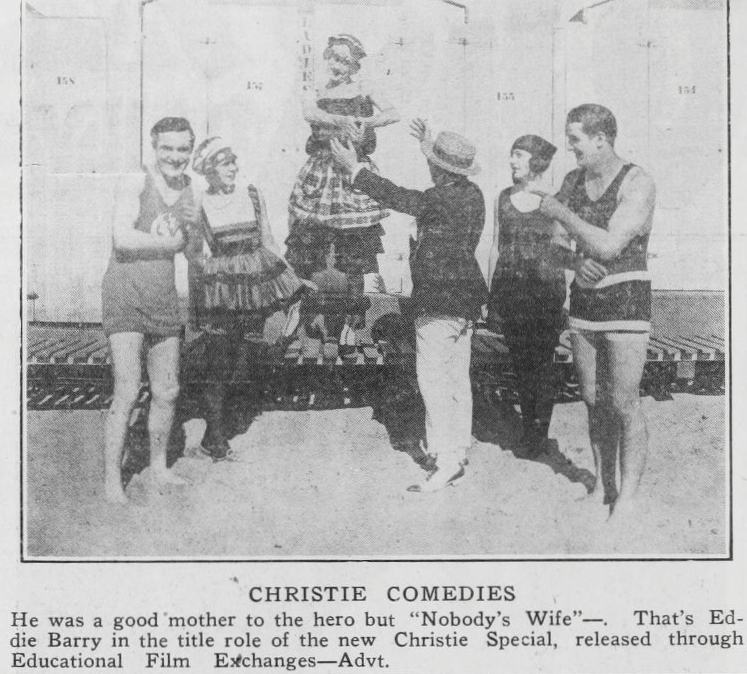
Dir: Scott Sidney
A fascinating piece of cinema that shares thematic elements.
View Details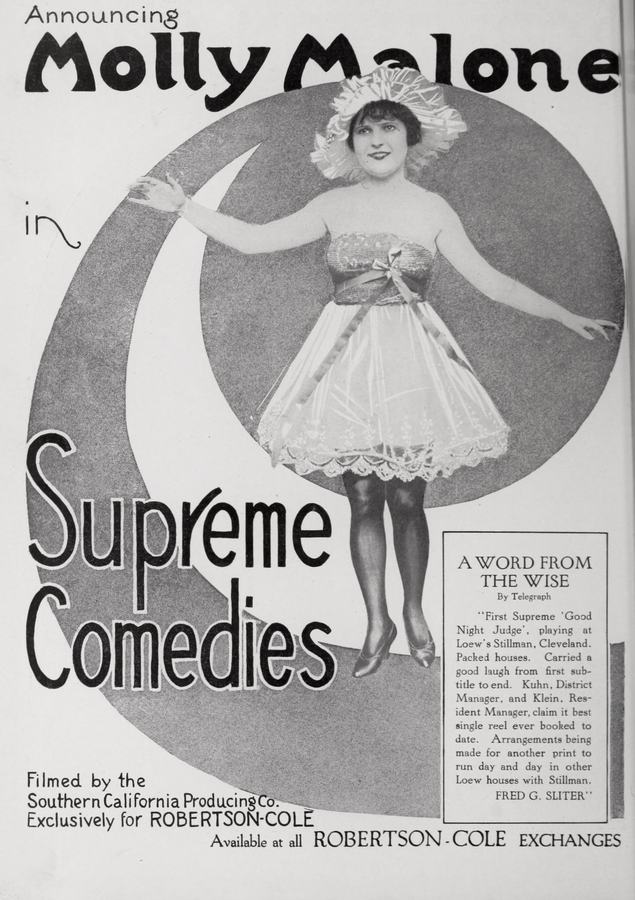
Dir: Scott Sidney
A fascinating piece of cinema that shares thematic elements.
View Details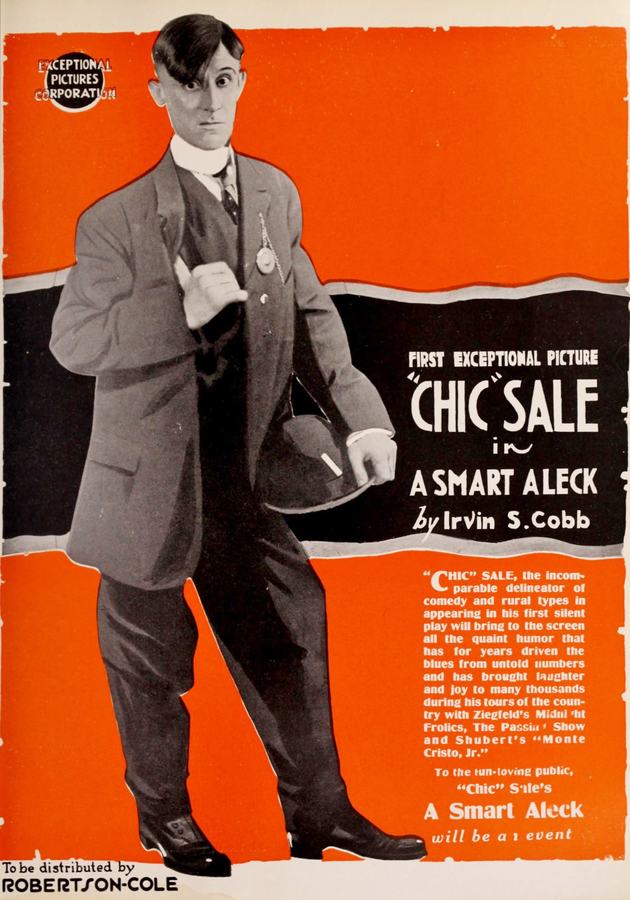
Dir: Scott Sidney
A fascinating piece of cinema that shares thematic elements.
View Details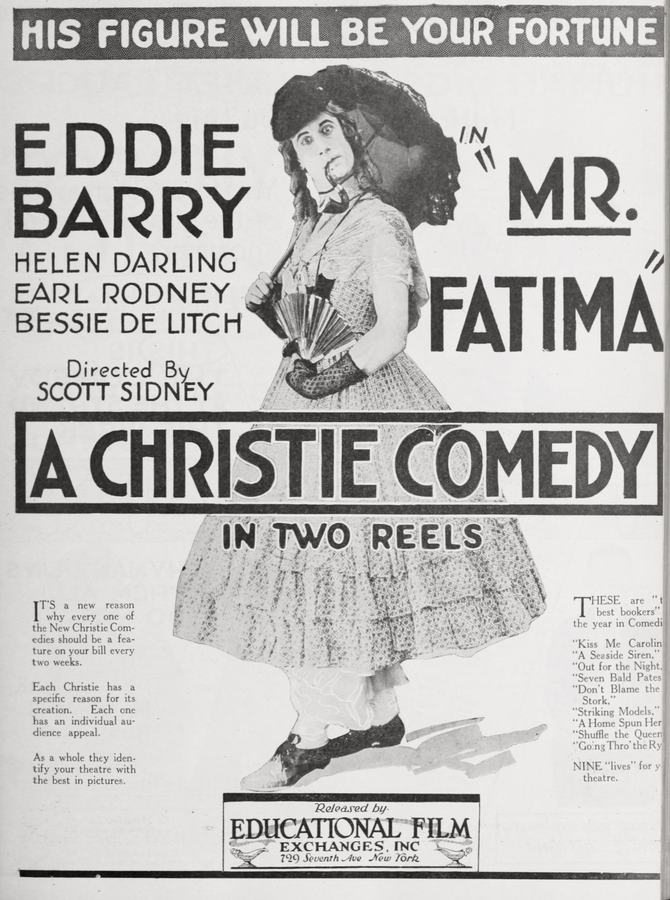
Dir: Scott Sidney
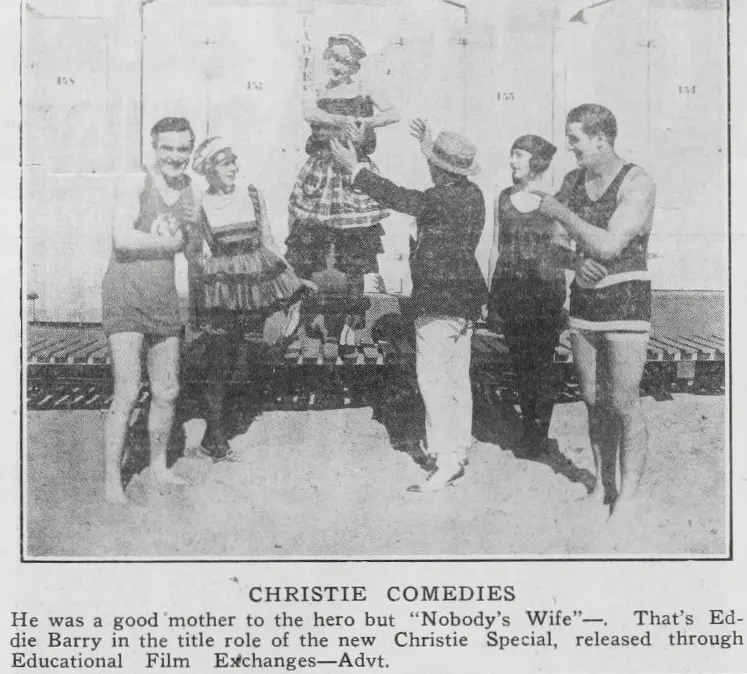
Eddie plays the role of an Oriental dancer, a vampire, and the hit of the boardwalk of a California beach. He assumes the role to earn money to get home to his sweetheart, the coin having been refused him by a father whose patience and generosity have been exhausted. A pal in the same boat, financially and sentimentally, aids in the deception.
View Details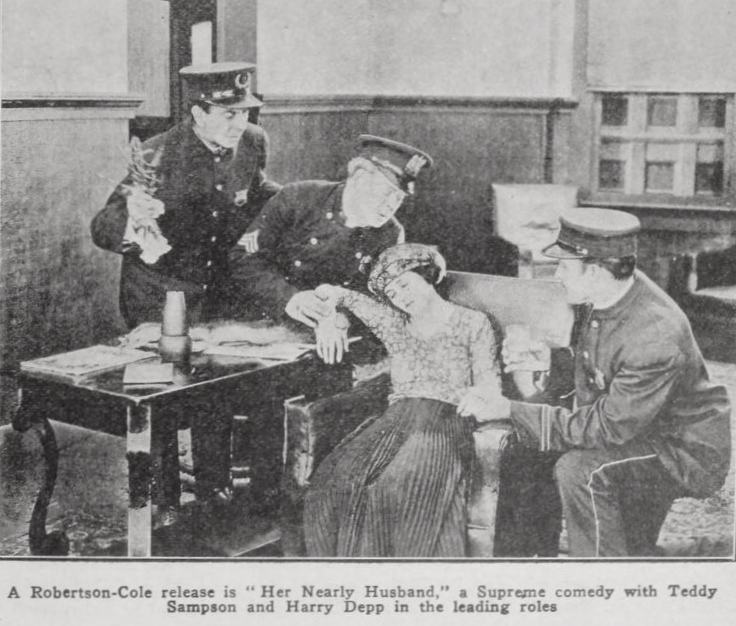
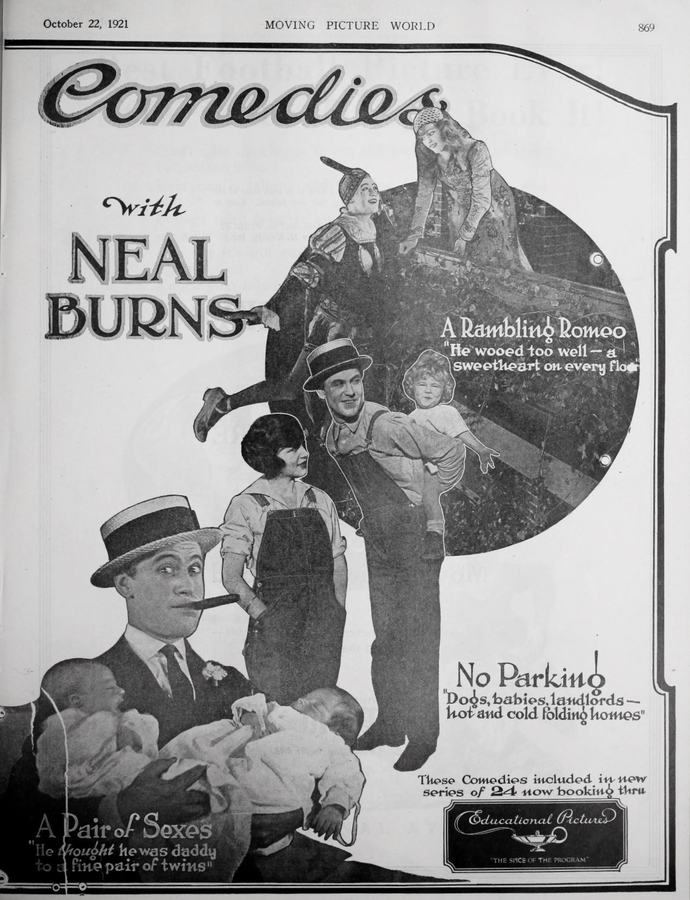
Dir: Scott Sidney
Husband, wife, baby, and dog arrive in California in a flivver. As they have great difficulty in finding a hotel that will allow babies and dogs, they buy a lot and a portable bungalow. After putting it up they discover that they built the house over the baby, so they tear it all down and set it up again. But just before they move in, a real-estate agent arrives to tell them that they built upon the wrong lot. They put the house on wheels and tow it through the town, but the rope breaks and the house runs wild. After they place it on the proper lot, the inspectors inform them that a building permit is required, and once more the house is knocked down. But during this time the baby was making mud pies out of what turned to be an oil well.
View Details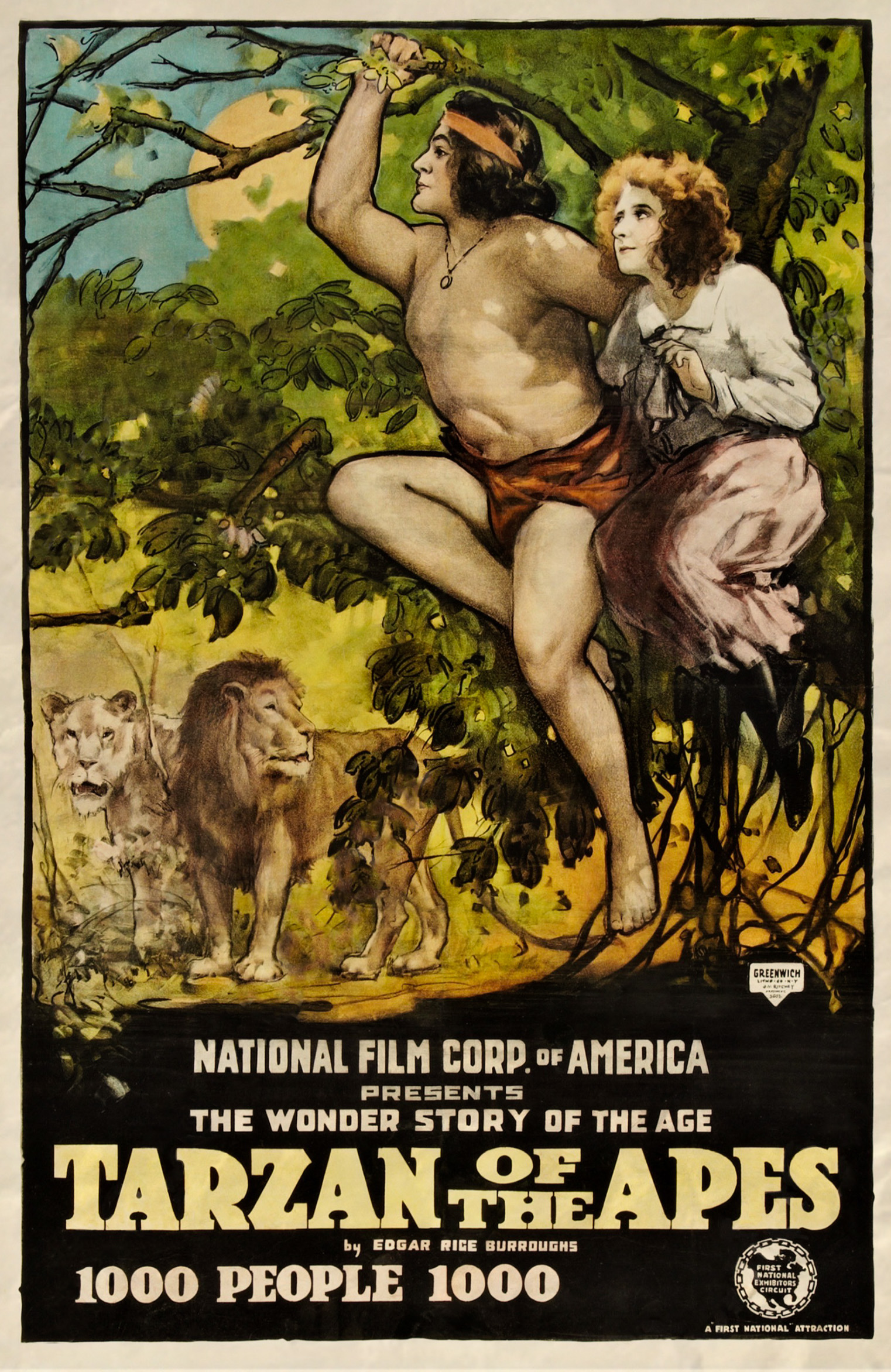
Dir: Scott Sidney
Reared by a childless ape, the orphaned heir of the Greystokes becomes one of the apes. Then Dr Porter organises a rescue expedition, and his beautiful daughter Jane catches his attention. Has Tarzan of the Apes found the perfect mate?
View Details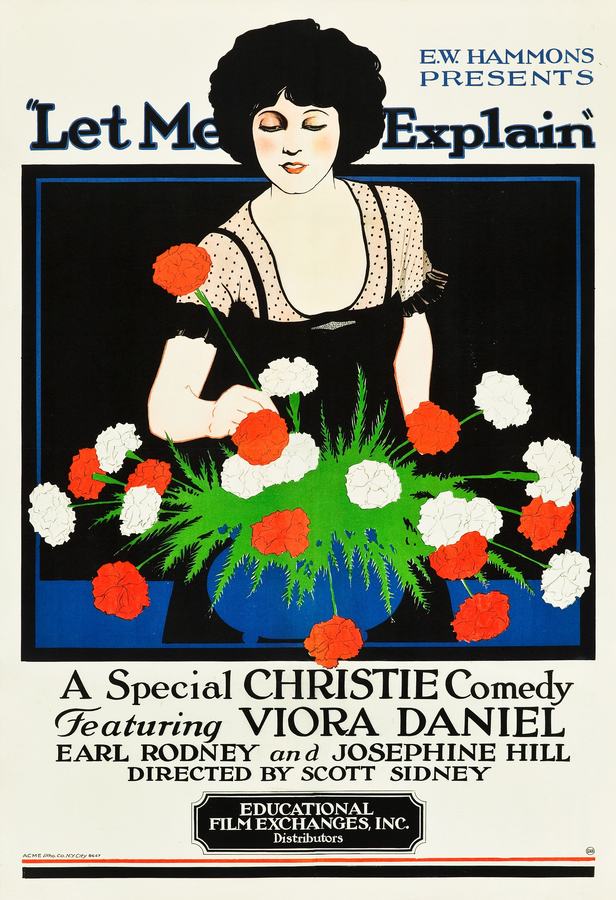
Dir: Scott Sidney
Against the wishes of his woman-hating uncle, Jack married. While on his honeymoon they meet Uncle, and when they're forced to take him home, Jack explains that his bride is only a servant. Uncle, noticing that this "servant" is a very pretty young woman, asks her hand in marriage but is told she is already taken. To carry on the affair, another young man is introduced as her husband, which complicates affairs because this young man has a very jealous wife. A series of alternate lovemaking follows until Uncle discovers the plot and the young married couple confesses their guilt.
View DetailsAnalysis relative to Bullets and Brown Eyes
| Film Title | Atmosphere | Complexity | Similarity |
|---|---|---|---|
| Saving Sister Susie | Gritty | Abstract | 89% Match |
| The Road to Love | Gothic | High | 93% Match |
| Nobody's Wife | Surreal | Dense | 98% Match |
| Molly's Millions | Gothic | Layered | 90% Match |
| The Smart Aleck | Ethereal | Abstract | 86% Match |
This guide was algorithmically generated using the cinematic metadata of Scott Sidney's archive. Last updated: 8/17/2026.
Back to Bullets and Brown Eyes Details →