
DbcultAccessing Vault...
Recommendations
Senior Film Conservator
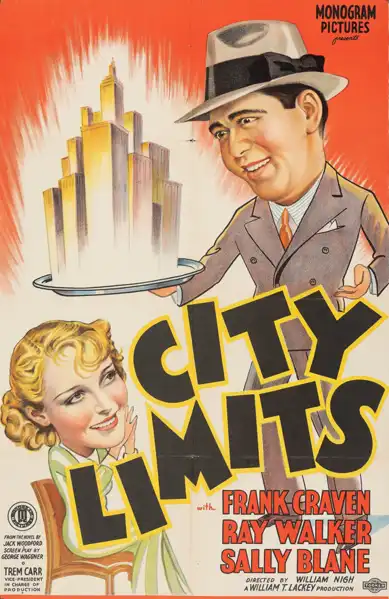
Navigating the complex narrative architecture of City Limits is a cinematic excellence experience, the emotional payoff of the 1934 classic is what fans crave in similar titles. The following gems are essential viewing for anyone captivated by City Limits.
The artistic audacity of City Limits ensures it to define the very concept of cinematic excellence in modern film.
The wealthy president of a big railroad, who's beginning to crumble under the combined pressure of business, personal and physical problems, meets up with a pair of hoboes from whom he starts to learn how to really enjoy life in ways he never knew were possible.
The influence of William Nigh in City Limits can be felt in the way modern Romance films handle cinematic excellence. From the specific lighting choices to the pacing, this 1934 release set a high bar for atmospheric immersion.
Based on the unique cinematic excellence of City Limits, our vault has identified these titles as the most compelling follow-up experiences for fans of Romance cinema:
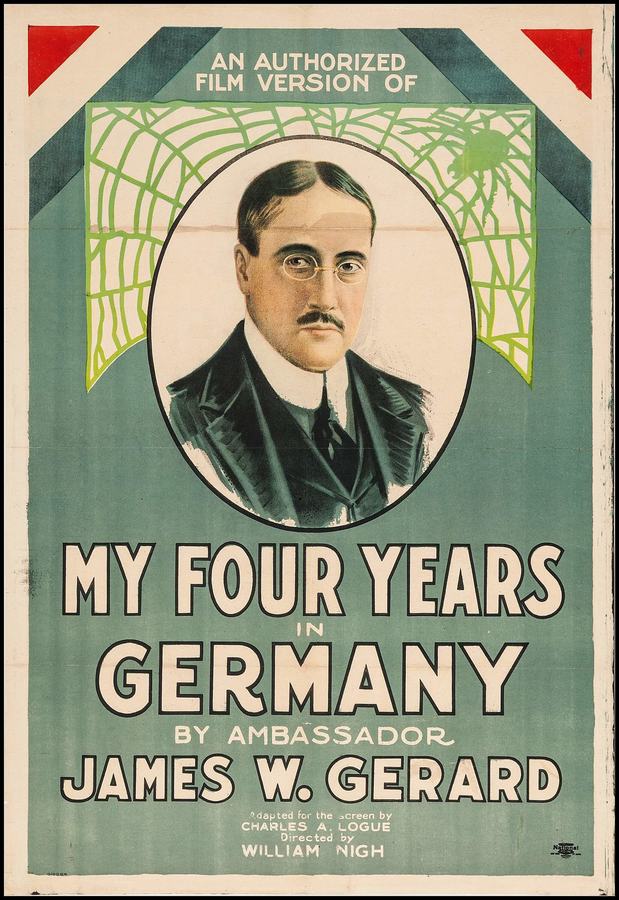
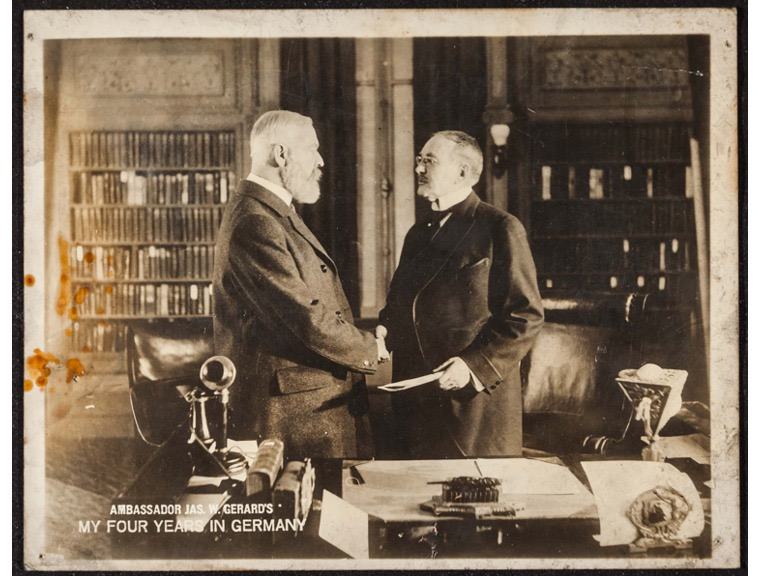
Dir: William Nigh
The experiences of the American ambassador to Germany, James Gerard, are recounted in this semi-documentary.
View Details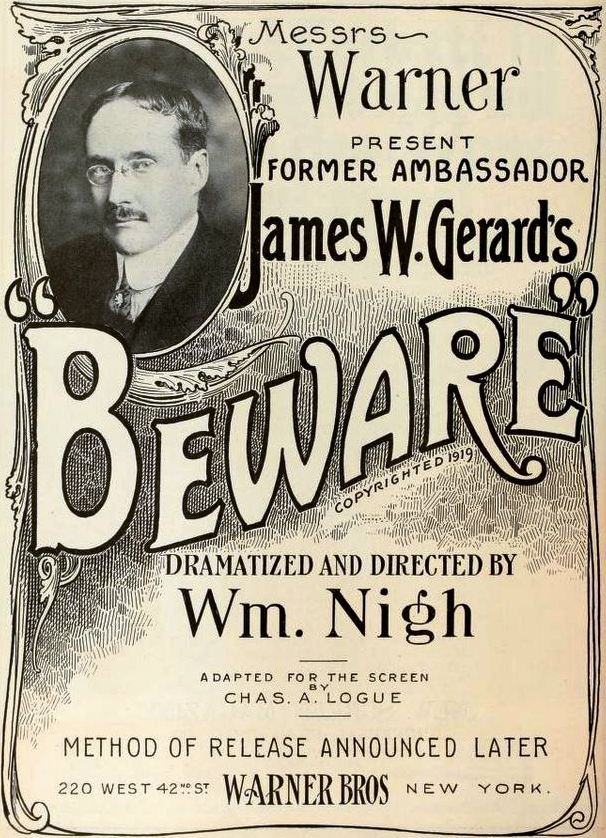
Dir: William Nigh
American ambassador to Germany James W. Gerard warns that Germany will rise again to power and an attempt at world domination unless safeguards are taken, in this documentary-style propaganda drama.
View Details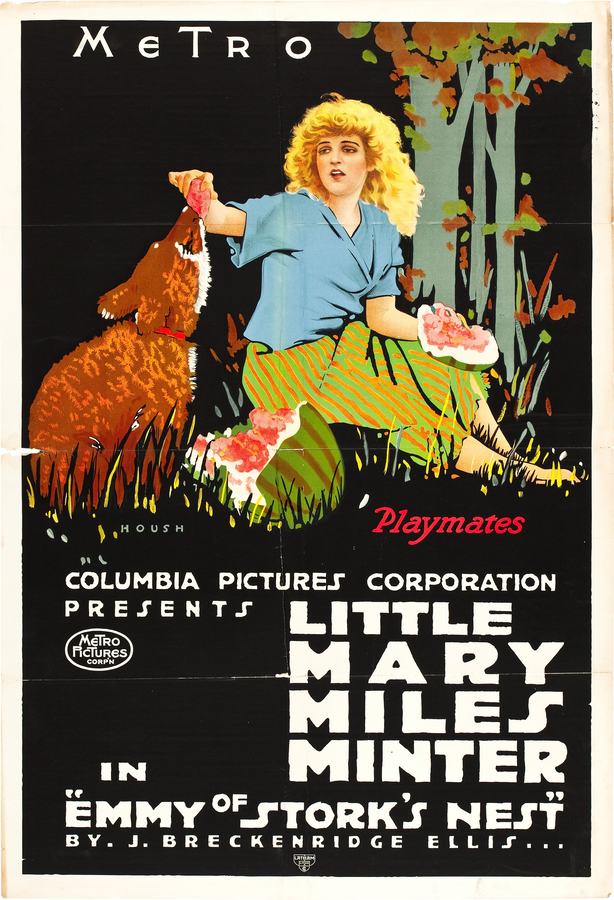
Dir: William Nigh
Through the death of his father, Benton Cabot is left with nothing but a small mountain cabin which he has never seen. He goes to take up his property and in the mountains meets Emmy Garrett, an untutored but attractive girl, just budding into womanhood. Emmy is a child of the woods and Benton's city dress and ways amuse, her greatly. His cabin is uninhabitable so Benton goes to work for Bije Stork and lives with Bije, his brother, Si Stork, and Si's wife, Crishy, a poor creature, crushed by years of servitude. Benton takes an instinctive dislike to Bije and senses that there is something wrong with the Stork establishment. He and Emmy feel attracted to each other, despite the lack of respect Emmy feels for Benton. Emmy sends Benton a note by Jim Whitlicks, a half-witted boy, but Bije intercepts. Instead of telling Benton he goes to see Emmy and tells her that Benton is too busy to see her. Emmy sneaks away and sees Benton chatting with a party of autoists from the city. She goes back and, at her grandfather's solicitation, promises to marry Bije. Jim Whitlicks tells Benton of the intercepted note and he goes to see Emmy. She will have nothing to do with him and drives him out of the house into a furious storm. Benton finds the ford swollen by the storm and is nearly drowned. But he is saved by Emmy, whose change of heart led her to follow him. Then she realizes she loves Benton but thinks he does not care for her. Emmy wants to get all dressed up. So she and Crishy Stork send Jim to town for cloth. The money Jim tenders Hicky Price, the storekeeper, is found to be counterfeit. Hicky calls in the sheriff and they decide to hunt Bije Stork down. They find he is a counterfeiter and conceals the counterfeit money in Benton's abandoned shack. The Storks realize that the jig is up. Si gets Emmy in his team and goes for the counterfeit money. At the shack he meets Benton, who rescues Emmy after a hand-to-hand fight. Benton rides off with Emmy, pursued by the Storks in their wagon, when they meet the sheriff's posse. The Storks turn and flee. Pursued hotly they perish when the wagon goes over a cliff. Thus freed Emmy makes clear her love for Benton and the young folks are left happy.
View Details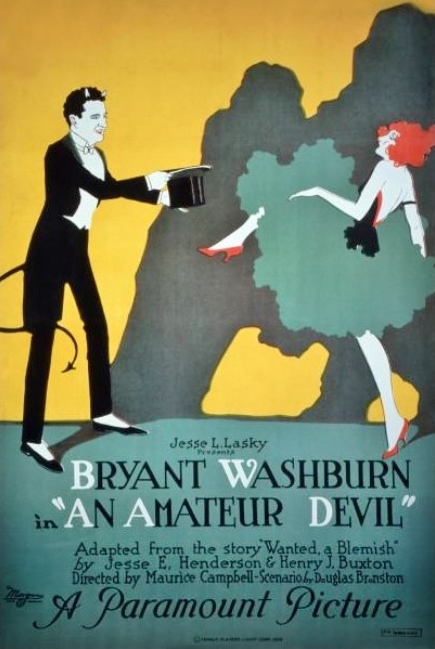
Dir: Maurice Campbell
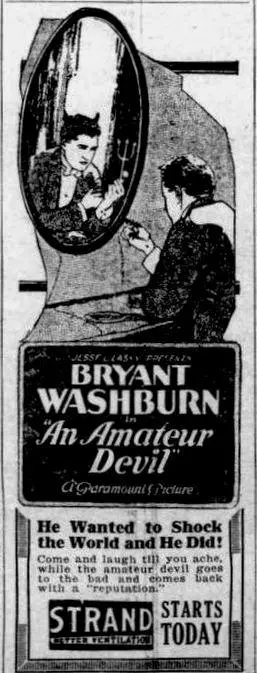
Carver Endicott, a young sophisticate, is rejected by his fiancée for being too foppish and dull. When she feigns an interest in his father, Carver attempts to disgrace his family name by working as a farmhand and later as a busboy in a hotel. However, the newspapers only praise him for his self-sacrificing principles; and finding that he cannot bring shame to the family through menial labor, he takes up with a notorious actress. But when this maneuver also fails, he returns to his former fiancée, who has no further complaint about his being an inexperienced dullard.
View Details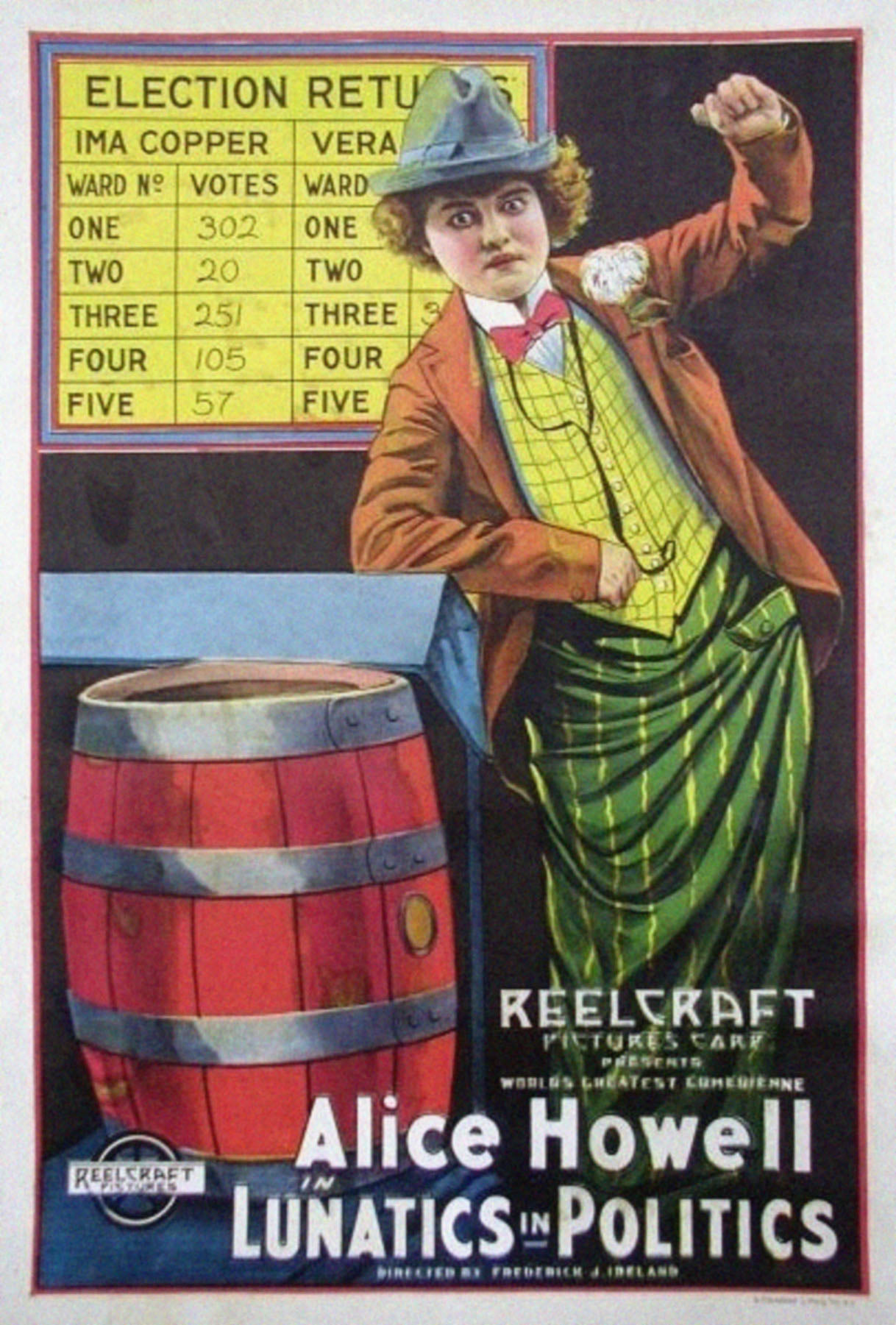
Dir: Richard Smith
Two female candidates for Chief of Police live across the hall from each other, and their political rivalry follows them home, leading to plenty of hi-jinks.
View Details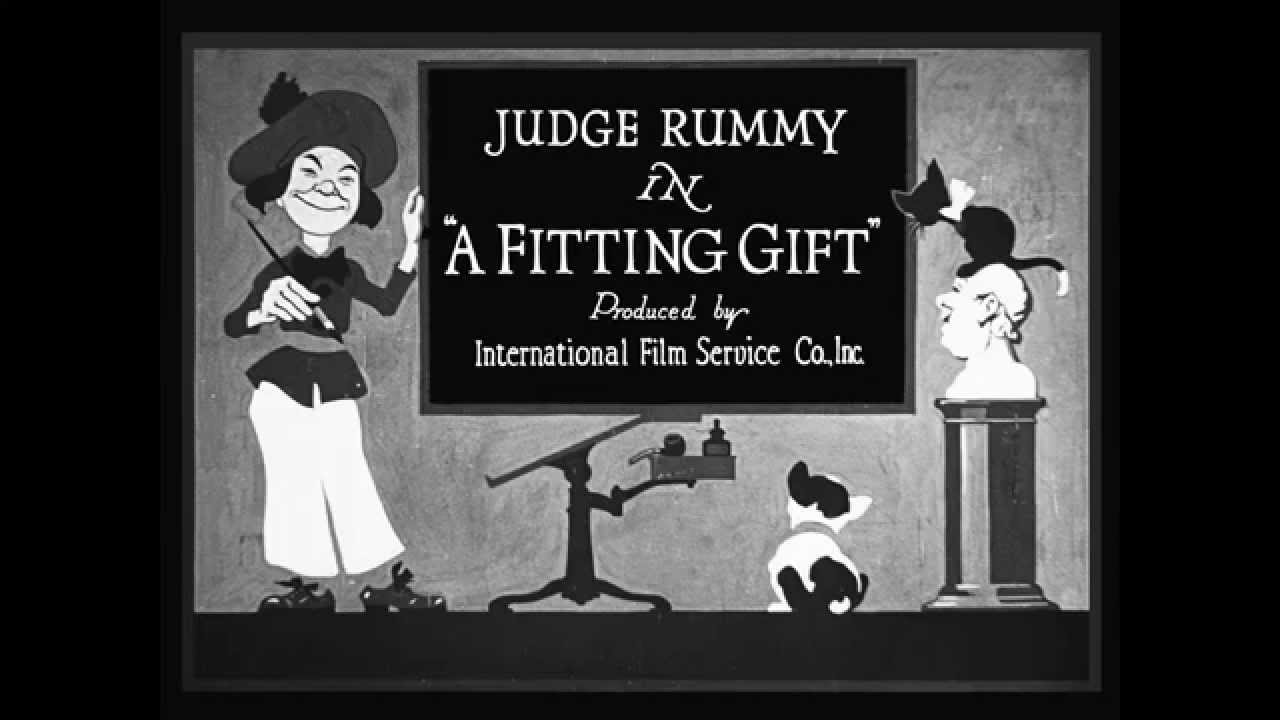
Dir: Unknown Director
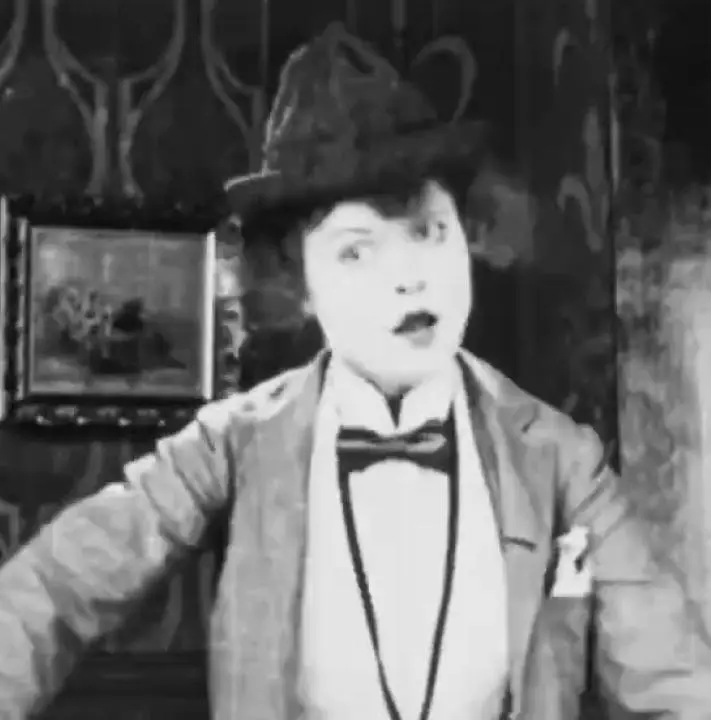
The Judge needs a present for his wife's birthday, so Harry suggests a new corset. They go to the shop, but he's so embarrassed to ask the saleslady he hides in a phone booth.Harry goes in, but finds a GUY wearing one, and runs out.They both dress as women to get back in, but Mrs. Rummy gets there and chases him out.
View Details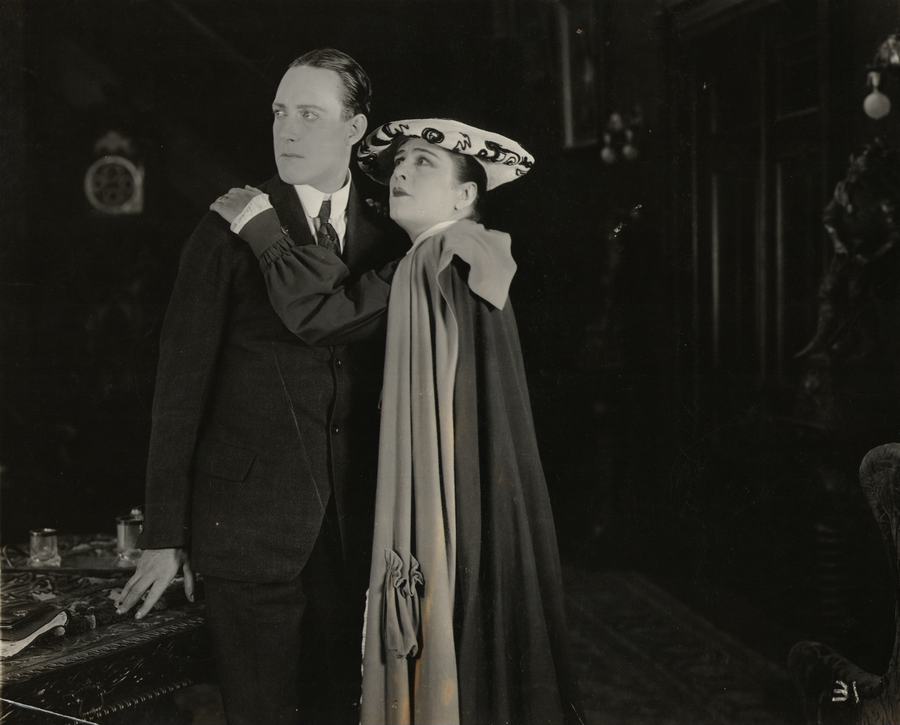
Dir: William Nigh
Bored by her country life and misunderstood by her parents, Emma Rolfe marries Dr. Charles Bovar, an older man whose dedication to his medical practice results in wifely neglect. To alleviate her growing loneliness, Emma enjoys the company of many of the young men from the village and eventually begins an affair with Rudolph Bulwer. Despite his proclaimed love for her, Rudolph deserts Emma on the night of their arranged elopement, and in her despair she steals some acid from her husband's medicine cabinet and goes to the river to commit suicide. While standing by the water, Emma changes her mind and resolves to confess to Charles and beg his forgiveness, but the river bank gives way under her feet and she drowns in the swift current. Although he has discovered Emma's love letters from Rudolph, Charles stoutly defends her honor in front of the townspeople and forgives her in his heart.
View Details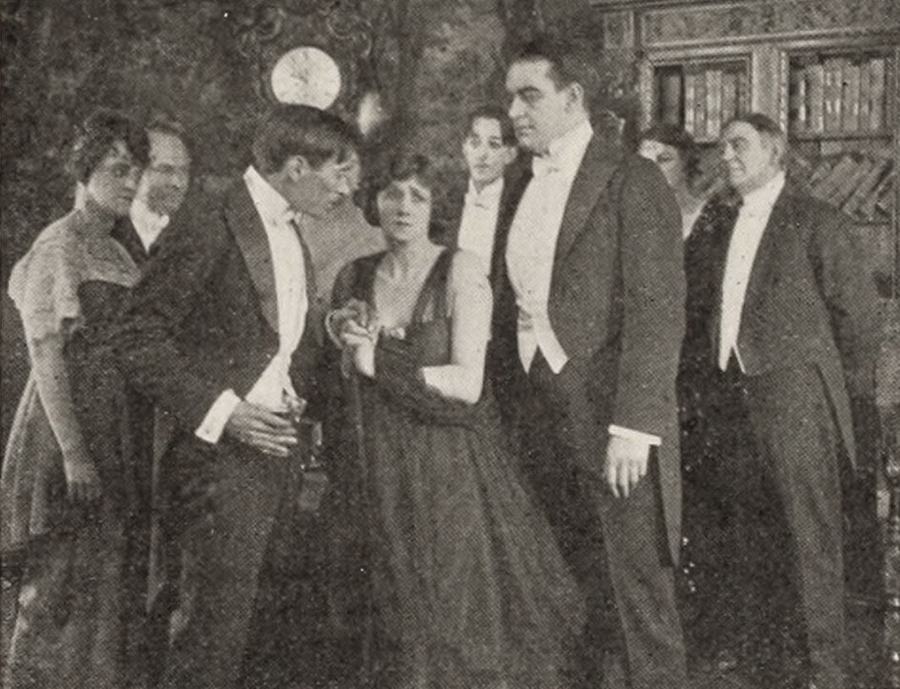
Dir: William Nigh
Marian Delmar's architect father has died without an estate, though she thinks he has left her a settlement of some sort. From the time of his death, a member of his profession, Varcoe, has sent her a monthly remittance with enables her to live decently and study painting. Then Varcoe dies, leaving no instructions regarding the remittance and no reason why his son Olin should continue it. John Hartfield, whose father has been a lawyer of doubtful integrity but unquestionable shrewdness, is now the one Marian turns to when her remittance fails to arrive. He subsequently informs her that the remittance seems to have been a matter of charity on the late Varcoe's part; incidentally, his son Olin is dying from his wild dissipation and morbid excesses. Marian's independent nature revolts at having been an object of charity, and against John's pleading she decides to pay the debt by nursing Olin back to health. She offers her services as nurse, and Olin exhibits a wicked joy at engaging her. All repair to the old Varcoe home on the St. Lawrence, where lives Mrs. Varcoe, whom her supposed son has never seen; she has been an invalid for 40 years, faithfully attended by the old family physician in a house with Indian servants, and strange furnishings that must have been the expression of a morbid brain. When Olin meets Mrs. Varcoe, whose son he is supposed to be, he seems to inspire her with fear and misgiving. She is immediately impressed with Marian, whose attentions are now directed to the old lady's health. The aged doctor's jealousy of Marian in her efforts to relieve Mrs. Varcoe creates frequent friction. Through the finding of certain plans in a secret compartment, John finds that Marian's father was the real brains behind the elder Varcoe's success; hence, the remittance by agreement. Olin's morbid nature drives him to take advantage of an Indian girl in his household, and the consequence is the exposure of the secret that he himself is the offspring of such an affair on his father's part. Meanwhile, John constantly tries to dissuade Marian from continuing in this atmosphere, but a strong affection has developed between Marian and the kind old lady that furnishes the incentive for her to remain. Olin is determined to have one more big fling before he passes away, and invites a number of his dissipated city friends to spend the weekend. Olin traps Marian in a secret passage, but another Indian and John rescue her and wound Olin. Olin crawls to the Indian huts on the estate where the remainder of his mother's tribe dwelt, and dies in the arms of his Indian grandfather. Marian and John determine to travel the road of life together, while the old doctor gives evidence that his devotion to his equally-venerable patient was not purely professional interest.
View Details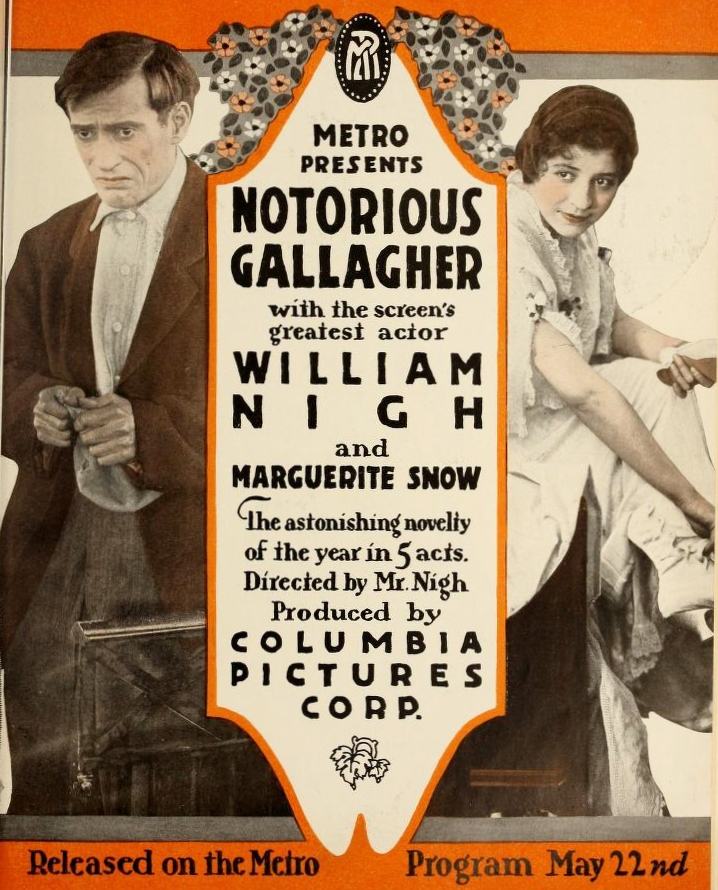
Dir: William Nigh
"Buttsy" Gallagher is a harmless young product of the slums. In all his life he has never been of the slightest importance. His spirit is so submerged that he has almost forgotten how to get angry. One night the gaiety going on in Judge Winters' home attracts him, and he crouches on the fire-escape to watch it. He becomes interested in the Judge, in his pretty daughter Peggy, in her cousin Flo, in Flo's admirer, the Count, and in Bob Ewing, a struggling young lawyer. Then he falls asleep on the fire-escape. Peggy is fascinated with the Count and decides to cut Flo out, if she can. She consents to meet him in the drawing-room after the household is asleep. Scarcely are they concealed in the window niche when the house is burglarized. "Frank the Mex" and "Lefty Jake," securing their booty, pass through Flo's room when Flo awakens and screams. A servant who runs to see what is wrong is killed, and the crooks escape through the window, where "Buttsy" is lying asleep. They roll him over into the room. "Buttsy" is arrested as the murderer. "Buttsy" finds himself suddenly famous. Women send him flowers. Great men argue about his case. The people in his home alley decide that he has more in him than they thought. Peggy, who was hidden in the other window and who knows that he is not the murderer, does not dare speak for fear of injuring her reputation. Bob Ewing takes up the case. He is sure "Buttsy" is not guilty, and finally makes Peggy tell what she knows. Her father, Judge Winters, makes her marry the Count. "Buttsy" is given a new trial and is released under a five-year probationary sentence for having committed perjury. He has "confessed" to the murder, delighted at having so much attention. Brought into prominence by "Buttsy's" trial, Bob is engaged by a firm of unprincipled men to condemn and take over for a reservoir some land belonging to Judge Winters and some farmers in his old home town. The two crooks, "The Mex" and "Lefty," are hired, and bind and gag the Judge when he tries to fight the matter in the town council. Peggy and the Count, who follow, are about to meet the same fate, when "Buttsy" intervenes. He has left the city because it is not interested in him except as a criminal. The Judge accuses him of being mixed up in the conspiracy and his long-buried spark of anger flames forth. He puts up the fight of his life. He and the Count turn on the hobos, and "The Mex," the slayer of the servant, is mortally wounded, confessing just before he dies. Flo gives Bob a piece of her mind. She tells him exactly what she thinks of him for having turned traitor to her uncle's interests in such a cowardly fashion. She rouses the sleeping manhood within him. He goes to the council meeting and argues, not against the Judge, but for him, winning the case. Flo forgives him, and they are married. Peggy cannot help admiring the Count's valor when she sees him fighting the crooks, and thereafter the marriage is a real one, as for "Buttsy" he sees again the girl known in his tenement home as "The Pest." Now she is a lovely young woman. She has become a trained nurse and he asks her to be his own private nurse as long as he lives.
View Details
Dir: William Nigh
Mary Bruce is wooed by Lord Haverford but loves Roger Benton, her father's secretary. To finalize his marriage proposal, Lord Haverford offers her father a large sum of money and, being low on funds, Mr. Bruce accepts it, then places it in a safe. Horrified by her father's actions, Mary steals the cash from the safe that night, but on her way out is overcome by another thief whose wrist she bites in the ensuing tussle. When the theft is discovered, Mary, Benton and Mr. Bruce are suspected, but Dr. Steele, a detective, convinces Mary that Haverford, or the man who calls himself Haverford, is the actual thief. Steele tells how the phony Haverford attempted to kill the real one, stole his money, assumed his identity and is now extorting cash from Bruce. With the bitten wrist as proof, Steele exposes the impostor, then reveals himself to be the real Lord Haverford, whose sweetheart has been posing as the Bruces' maid. The mystery resolved, Mary and Benton happily reunite.
View DetailsAnalysis relative to City Limits
| Film Title | Atmosphere | Complexity | Similarity |
|---|---|---|---|
| My Four Years in Germany | Ethereal | Linear | 88% Match |
| Beware! | Tense | Abstract | 92% Match |
| Emmy of Stork's Nest | Surreal | Abstract | 94% Match |
| An Amateur Devil | Tense | Linear | 98% Match |
| Lunatics in Politics | Ethereal | Dense | 97% Match |
This guide was algorithmically generated using the cinematic metadata of William Nigh's archive. Last updated: 6/21/2026.
Back to City Limits Details →