
DbcultAccessing Vault...
Recommendations
Senior Film Conservator
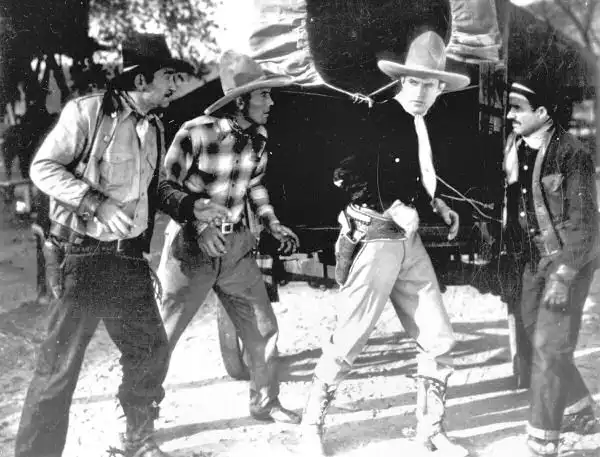
The artistic legacy of J.P. McGowan was forever changed by Code of the West, this Western landmark continues to dictate the rules of its category. We've assembled a sequence of films that complement the tone of Code of the West perfectly.
The vintage appeal of Code of the West to maintain its cult relevance across several decades.
Leary is using the Express Agent's liking for alcohol to enable his men to steal insured packages. Then he claims the insurance. Railroad Agent Hartley is sent to investigate and suspecting Leary, he and the Sheriff plan to trap them the next time they try their scheme.
Based on the unique character-driven intensity of Code of the West, our vault has identified these titles as the most compelling follow-up experiences for fans of Western cinema:
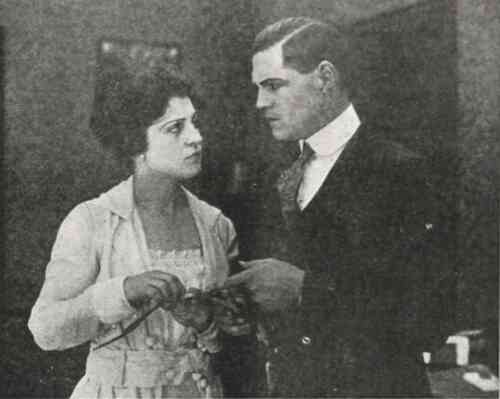

Dir: J.P. McGowan
A train that is carrying the formula for a valuable form of granulated gasoline disappears before it reaches its destination. Railroad investigators and the authorities try to determine where it is and who took it.
View Details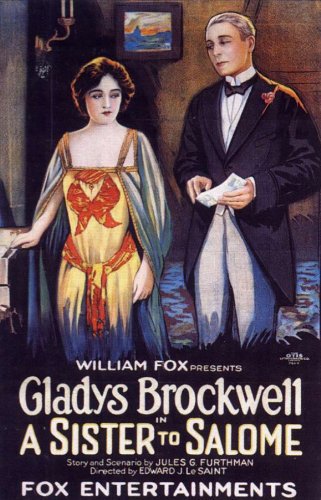
Dir: Edward LeSaint
When famous opera singer Elinore Duane undergoes an operation on her throat, she has a series of ether-induced visions. In one, she is transported to ancient Rome where she appears as a much-admired woman in love with Paul, a young heretic, and at odds with Lutor, the high priest. To save her love, she poisons Lutor with her ring. After several other visions which involve variations on this love triangle, Elinore awakens to discover that Lutor is actually her doctor, Sascha Jaccard, and that Paul is the son of a friend who has come to visit the recovering prima donna.
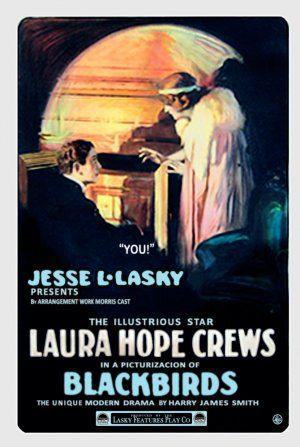
Dir: J.P. McGowan
Hawke, Jr., son of a famous New York detective, is challenged by his father to capture "The Blackbirds," a gang of smugglers, finds himself stranded in Algiers. Aware of Hawke's presence, Bechel, the Blackbirds' leader, instructs his accomplice, Leonie Sobatsky, to become friendly with the Crockers, a nouveau riche couple, and later in America, exchange a fake Oriental rug for a $10,000 genuine one which they recently purchased from one of Bechel's contacts. On the steamer returning to the United States, Leonie meets Nevil Trask, an English jewel thief posing as a nobleman. After Hawke secures a position in the Crocker home in New York as a guard for their jewels, Leonie, who now loves Trask without knowing that he is a thief, decides not to switch the rugs, but Hawke, eager to capture Bechel, tricks Leonie into taking the antique. When she sees Trask stealing the Crockers' jewels, they both confess their crimes and plan to reform. Hawke overhears, and follows them to Bechel's headquarters, where he captures the leader. After Trask and Leonie promise to marry, Hawke sets them free.
View Details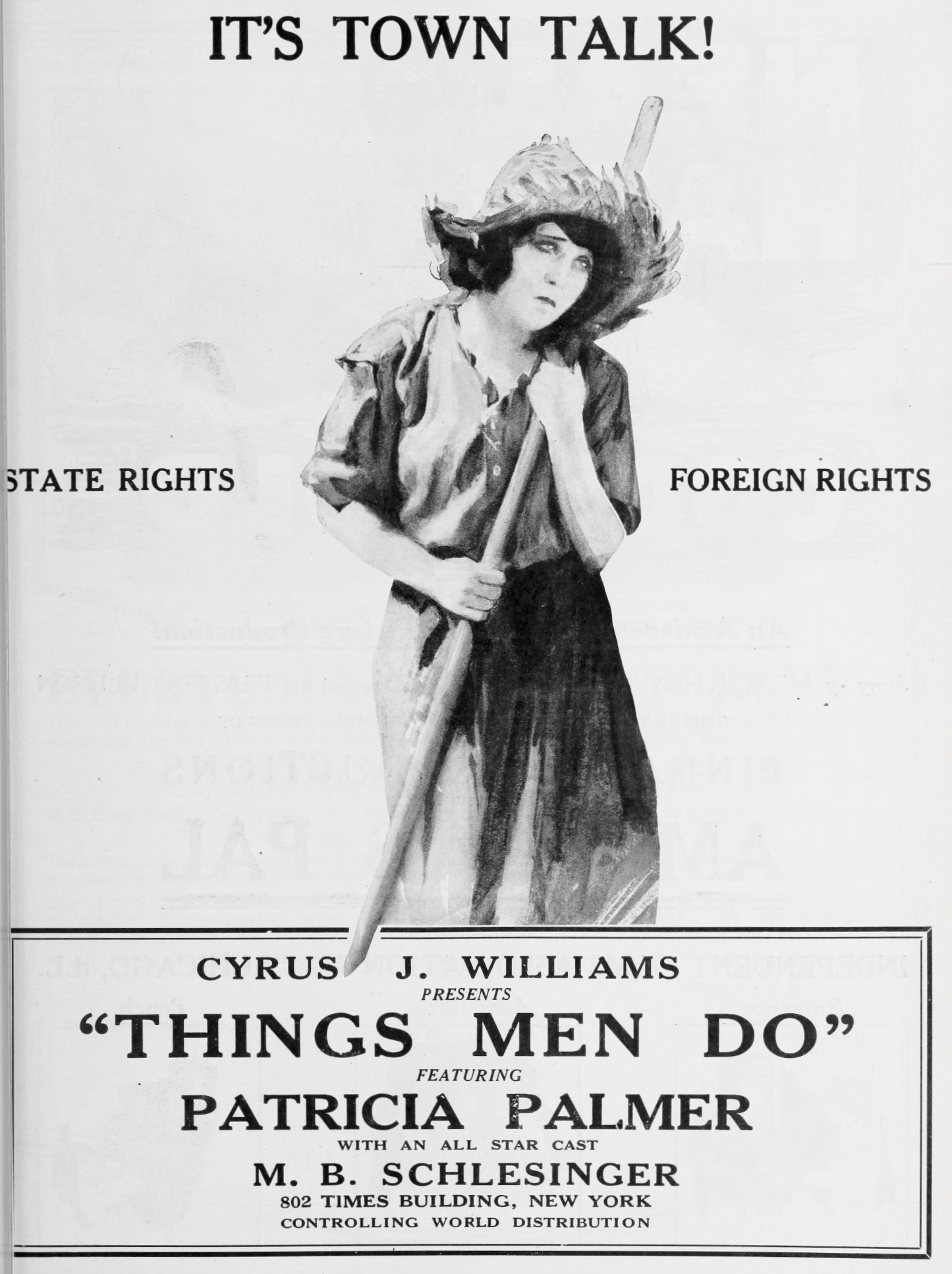
Dir: Robert N. Bradbury
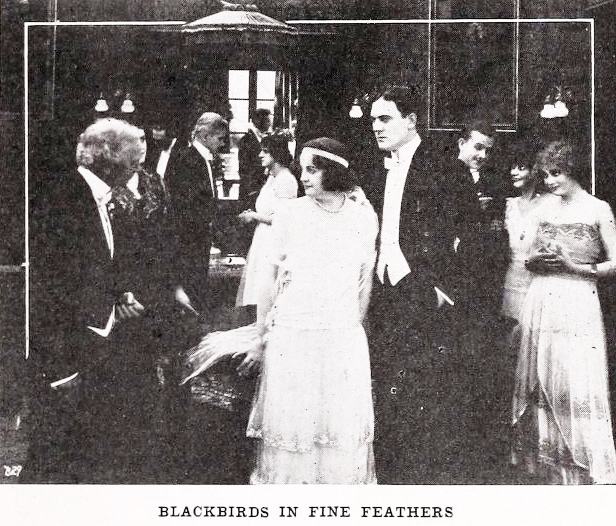
A simple country girl, brutally mistreated by her stepfather, awakens first the sympathy, then the love, of The Boy. The Spider, who lusts after The Girl, makes a bargain with the stepfather and takes her to the city where, kept prisoner, she is soon broken in health and spirit. Cast out and near death, she is taken in by The Boy. Following the demise of The Spider, The Boy takes her to church, where he prays, and after many hours she is restored to health.
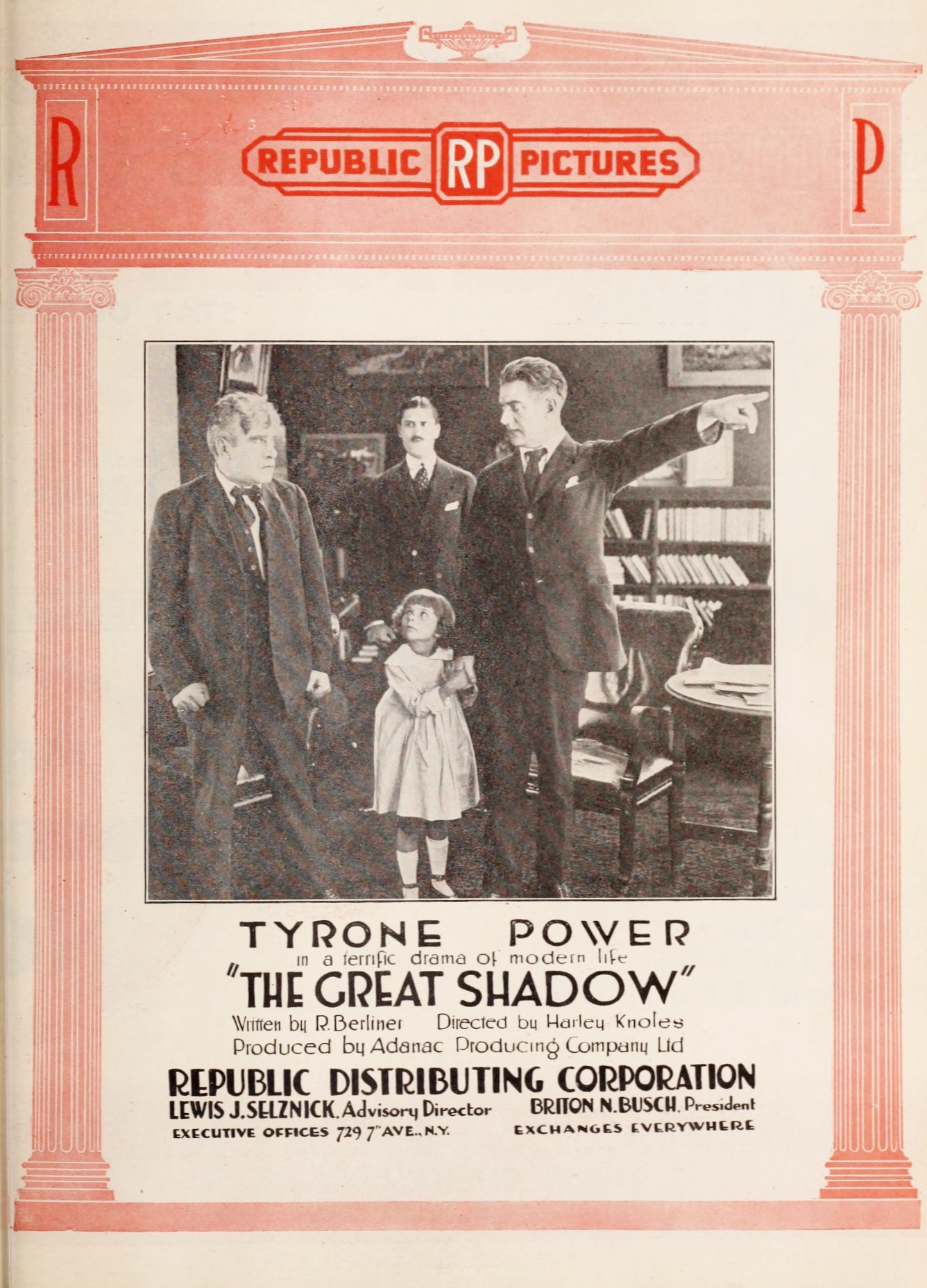
Dir: Harley Knoles
Jim McDonald, the foreman of a shipbuilding plant and head of the labor union, strives to combat the anarchistic propaganda being put forth by Klimoff, the leader of a Bolshevik gang whose goal is to disrupt the country with strikes and anarchy. Despite McDonald's efforts, a strike is called, resulting in chaos. McDonald's child is knocked down by runaway horses abandoned by their striking driver, and dies. Mob scenes take place in America, as well as in Russia. Eventually, the unrest is quelled with an armistice called between Capital and Labor for a year, during which time wages are to be increased to reflect the cost of living, and leaders are to work out a common plan for their mutual advantage. The strikers now realize that they have been pawns of the Bolsheviks and call off the strike, agreeing to the plan.
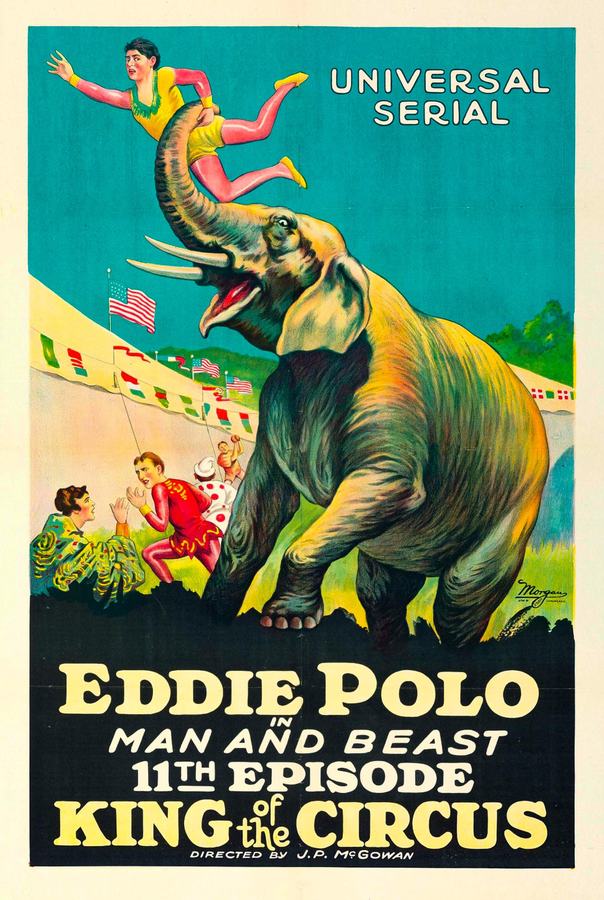
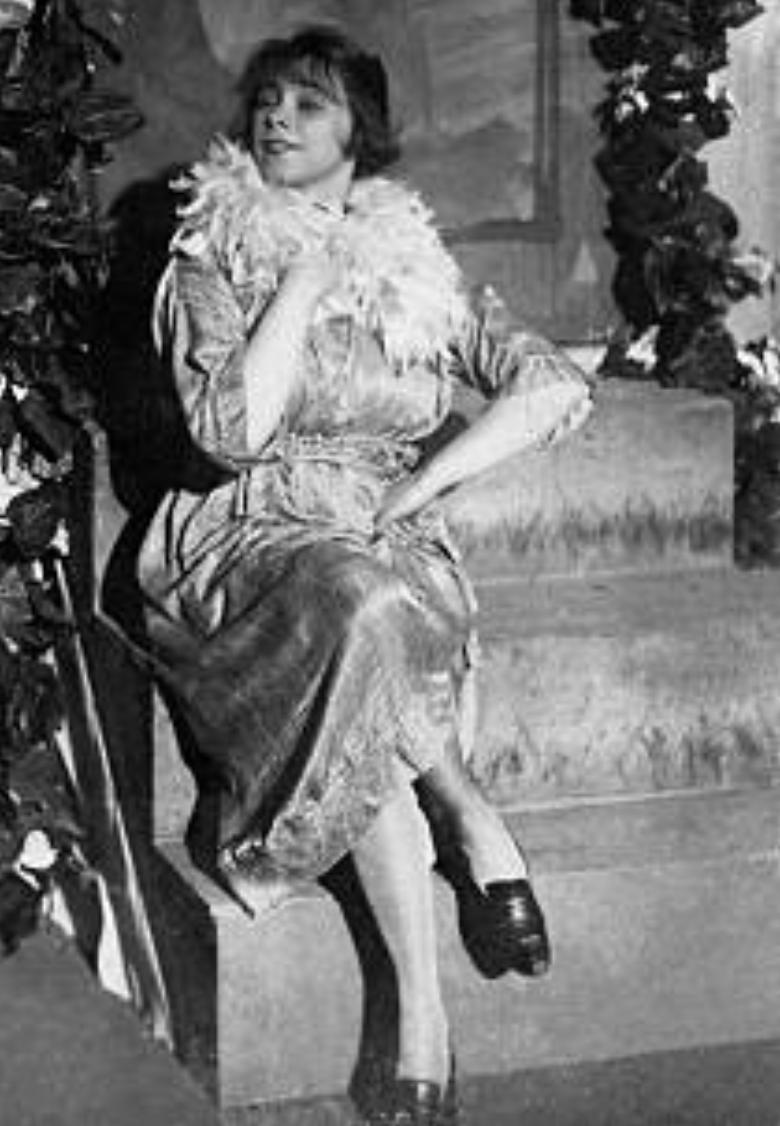
Dir: Bruno Ziener
A fascinating piece of cinema that shares thematic elements.
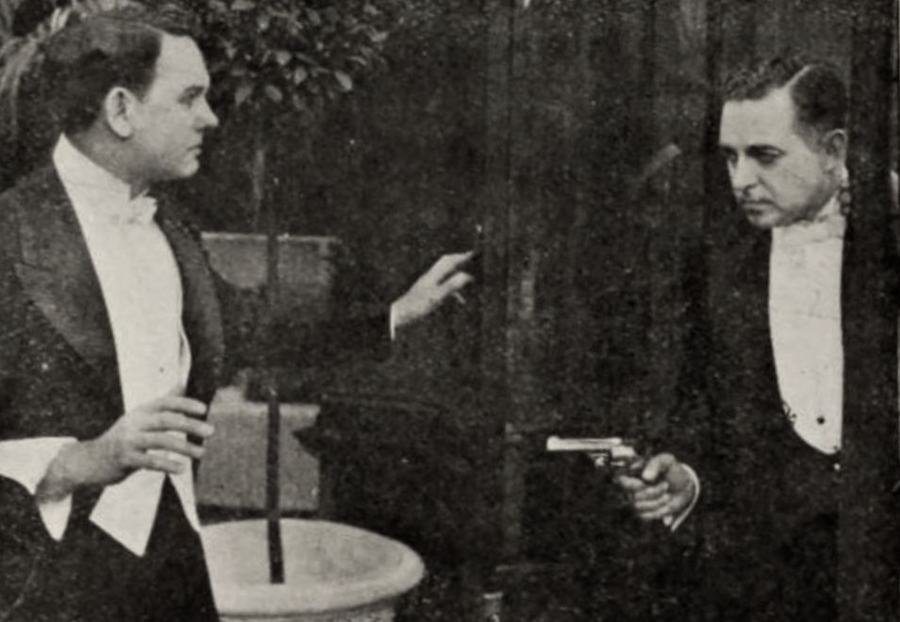
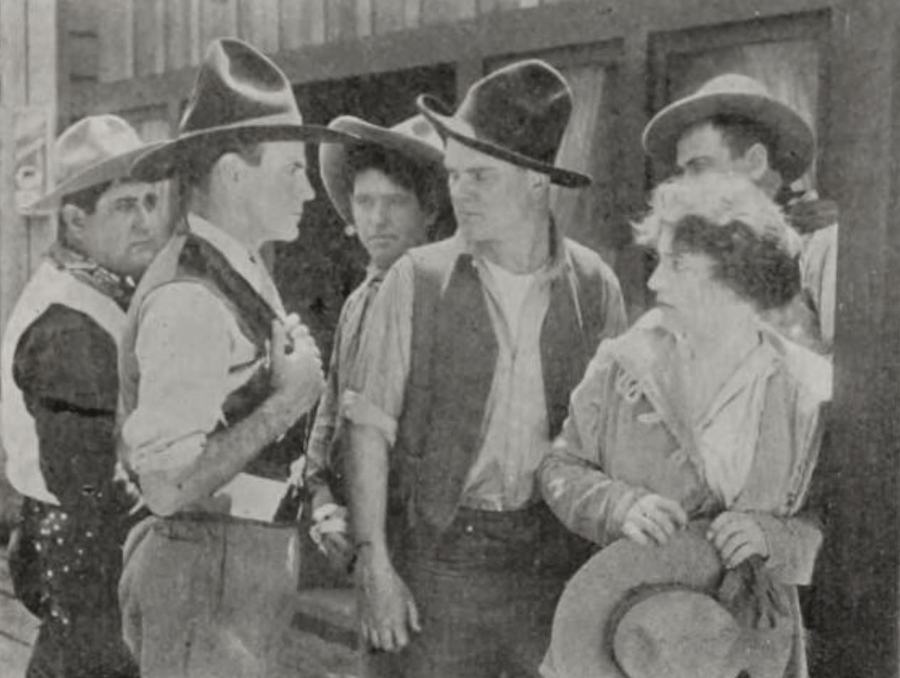
Dir: J.P. McGowan
Whispering Smith is a virile, fearless type of the true American whose theory of life is to give every man a chance to show what is in him. There is nothing of the bully or braggart about him. He is just a man who knows instinctively what is right and never falters in his steps to see that justice is given where it is deserved and crime punished on the same basis. Whispering Smith loved Marion, a carefree, beautiful Western girl. His love was that of the strong, clean-living man, who knows no physical danger, but is reticent and bashful in his love affairs. Lacking as a suitor the characteristics that made him esteemed and feared among his fellow-men, he was beaten out for her hand by Sinclair, a dashing devil-may-care sort of fellow among the women, but an unscrupulous and vindictive man at heart. Marion's life with Sinclair was not all joy and happiness. Slowly he was killing her love for him, but in the manner of his kind he believed that harshness was the way to rule women. When the story opens, Sinclair, who is foreman of a wrecking crew on a mountain section of a transcontinental railroad, is living in one of the company's cabins in the small division terminal, "Medicine Bend," a typical Western railroad and mining town. This town was located at the foot of a steep declivity, noted for the frequency of the wrecks occurring there, particularly among freight trains. The officials of the road were worried at the great number of the wrecks, but were more concerned with the robberies that took place after each collision. No trace of the thieves could be found. The railroad detectives had about given up in despair when Whispering Smith was sent to "Medicine Bend" to put an end to the robberies. Sinclair was never suspected. Smith, however, discovers soon after his arrival that Sinclair is the brains of the gang engaged in looting the freight cars. Smith, to save Marion the disgrace of having her husband branded as a thief, does not expose him, but causes the division superintendent, McCloud, to discharge him. Life for Marion soon becomes unbearable and she leaves him. This arouses to frenzy the desperate man, who plans to get revenge on the railroad by burning the "Smoky Creek" trestle. Assisted by several of the band who had been engaged in looting the cars, Sinclair sets fire to the trestle, causing a disastrous wreck. Smith, determined to capture the men responsible, discovers that Sinclair is at the bottom of the plot. Again his love for Marion induces him not to expose her husband until he talks with her. He effects a reconciliation between Sinclair and Marion and upon the former's promise to lead a better life and to leave "Medicine Bend," Whispering Smith lets him go with his wife, and the girl he still loves.
View DetailsAnalysis relative to Code of the West
| Film Title | Atmosphere | Complexity | Similarity |
|---|---|---|---|
| The Lost Express | Tense | Linear | 85% Match |
| A Sister to Salome | Gothic | High | 88% Match |
| Blackbirds | Surreal | Linear | 95% Match |
| Into the Light | Gothic | Abstract | 89% Match |
| The Missing Bullet | Gothic | High | 85% Match |
This guide was algorithmically generated using the cinematic metadata of J.P. McGowan's archive. Last updated: 8/17/2026.
Back to Code of the West Details →