
DbcultAccessing Vault...
Recommendations
Senior Film Conservator
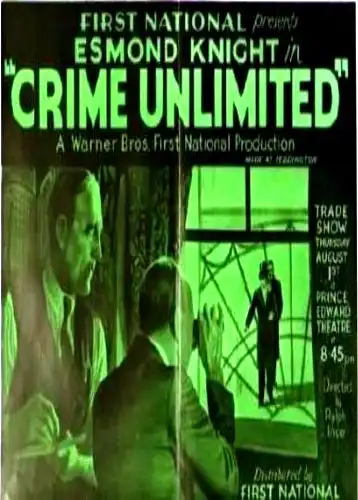
Delving into the atmospheric depths of Crime Unlimited reveals a master at work, the artistic provocations of Crime Unlimited demand a follow-up of equal intensity. These hand-selected movies are designed to satiate your craving for Crime quality.
The enduring power of Crime Unlimited lies in to transcend the limitations of its 1935 budget and technology.
An undercover policeman infiltrates a notorious ring of jewel thieves headed by a man no one has ever seen.
The influence of Ralph Ince in Crime Unlimited can be felt in the way modern Crime films handle character-driven intensity. From the specific lighting choices to the pacing, this 1935 release set a high bar for atmospheric immersion.
Based on the unique character-driven intensity of Crime Unlimited, our vault has identified these titles as the most compelling follow-up experiences for fans of Crime cinema:
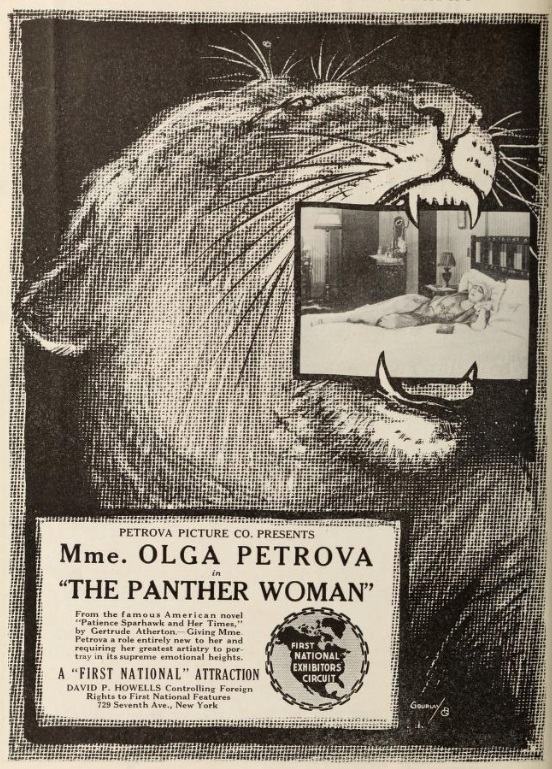
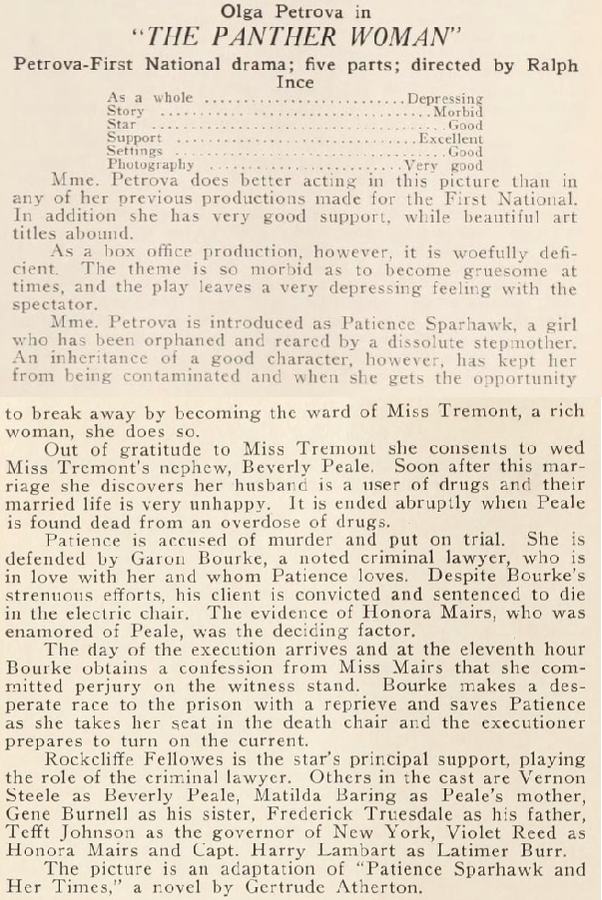
Dir: Ralph Ince
Following his wife's death, John Sparhawk takes his daughter Patience out West to a small mining town, where he meets and marries a dance hall girl. Patience's stepmother attempts to force the beautiful young woman to work in the dance hall, but on the advice of visiting criminal lawyer Garon Bourke, Patience refuses and returns to the East. Eventually she marries Beverly Peale, and when he is found poisoned, Patience is arrested for murder and sentenced to die. Through Garon's efforts, however, Patience ultimately escapes the electric chair.
View Details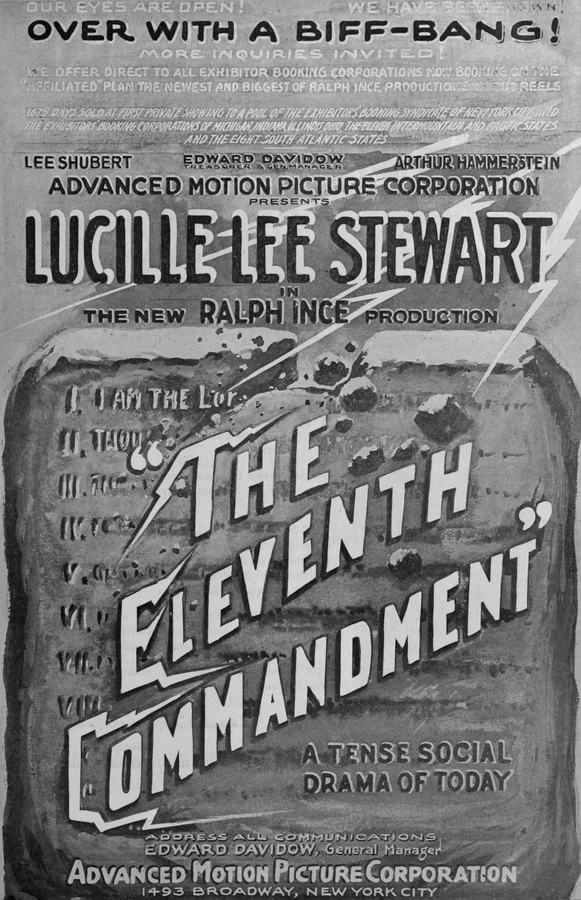
Dir: Ralph Ince
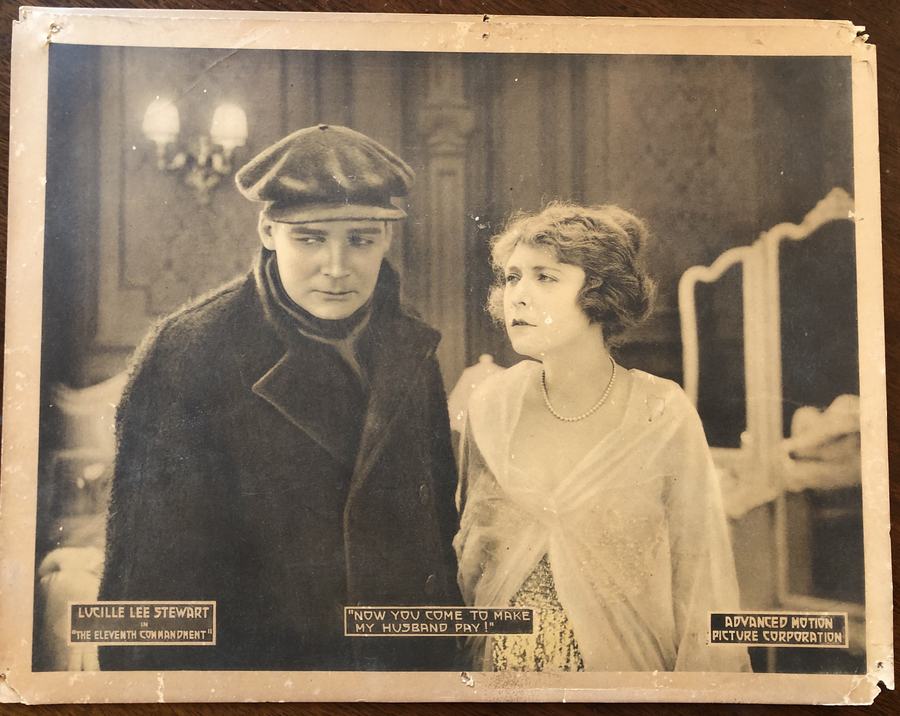
Dora Chester violates the Eleventh Commandment -- "Thou Shalt Marry None but the Man Thou Lovest" -- when she rejects her sweetheart, Robert Stanton, and becomes engaged to the wealthy Kenneth Royce. Royce is actually a stock gambler, and after he goes broke, he forces Dora to give him a sum of money that has been placed in her charge by her employer. Royce loses the money and runs away, but Dora refuses to implicate him in the crime and is sent to prison for a year. After her release, Dora meets and marries Robert, who knows nothing of the affair, but when Royce appears and threatens to blackmail her, she confesses everything. A policeman arrives and shoots Royce, who exonerates Dora just before his death.
View Details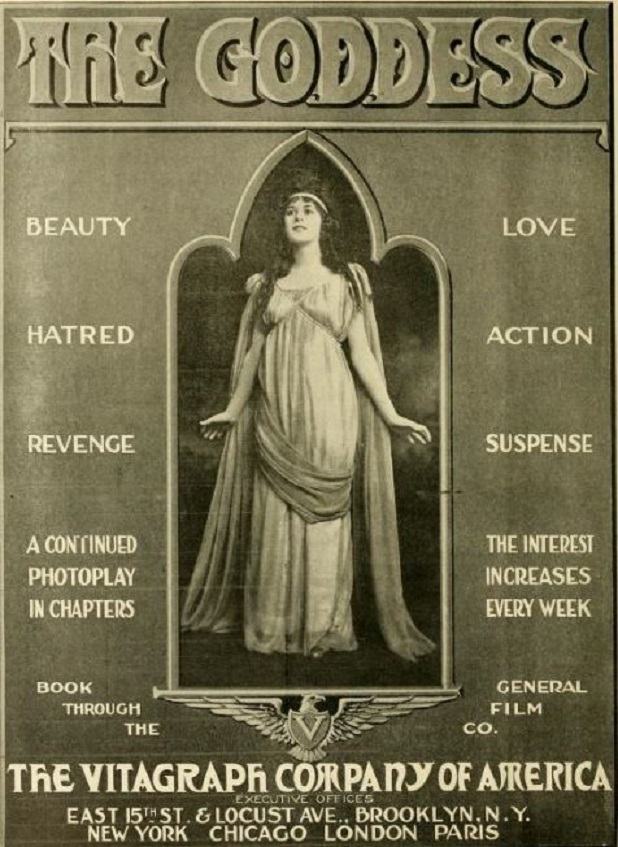
Dir: Ralph Ince
A young girl is reared on a desert island by natives and led to believe that she is a goddess. One day an outsider comes to the island, and persuades her to accompany him to preach about the kindness and love she has experienced. She agrees, but she's soon confronted by the problems and travails of the "outside" world.
View Details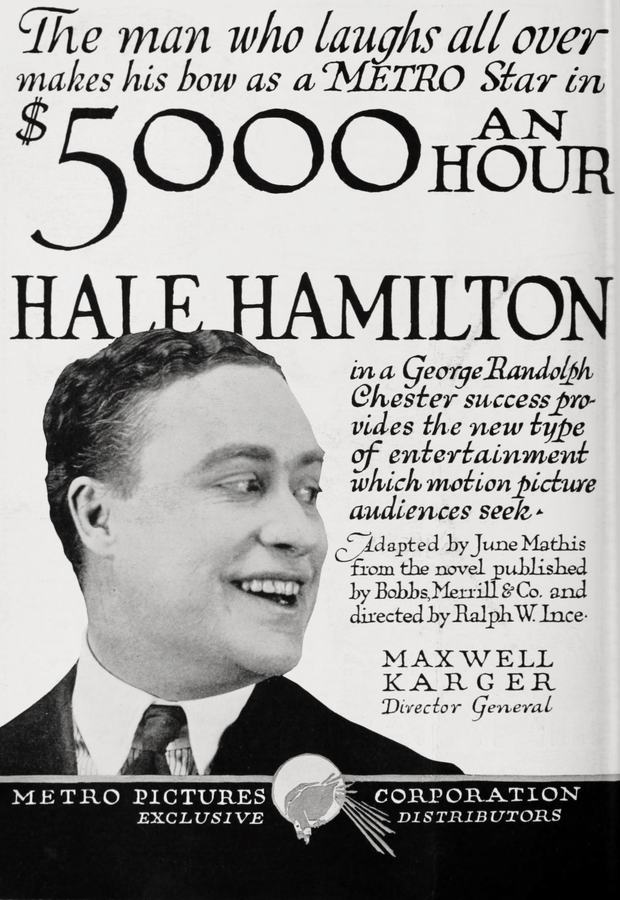
Dir: Ralph Ince
After his business partner, Paul Gresham, absconds with the company funds and books, Johnny Gamble's irrigation company folds, leaving him to pay his stockholders their claims. After parting with his last dollar, Johnny wins $15,000 on a long shot at the racetrack and meets the beautiful Constance Joy. When Johnny learns that Constance will inherit one million dollars if she weds Gresham at the end of six weeks, he decides to earn the same amount -- $5,000 an hour -- by that date and marry her himself. Despite Gresham's efforts to double-cross him, Johnny succeeds in earning all but $15,000 of the required million by the appointed time. With fifteen minutes left him, Johnny purchases a kiss from Constance for $15,000, thereby defeating Gresham and winning the girl he loves.
View Details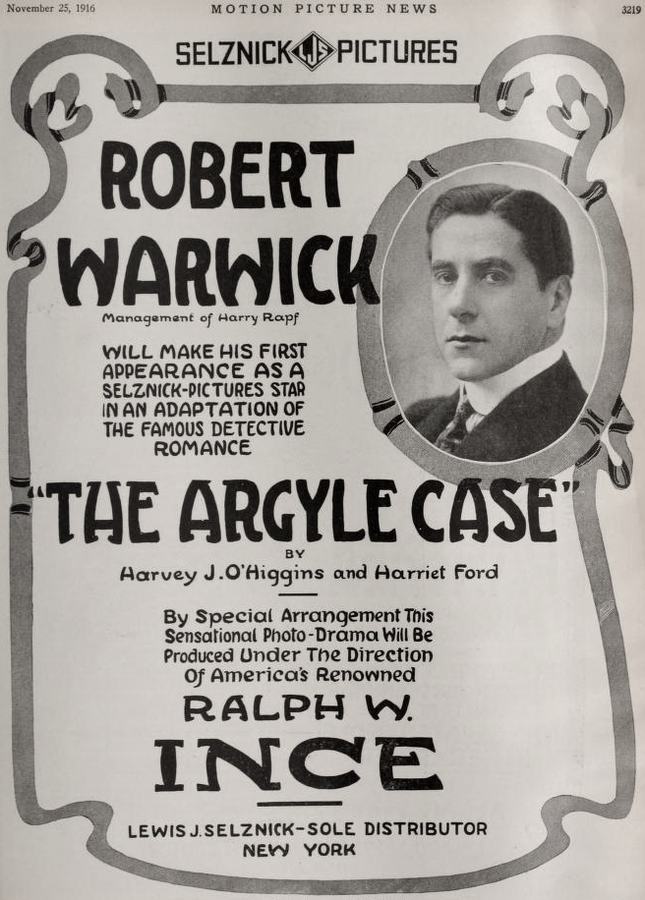
Dir: Ralph Ince
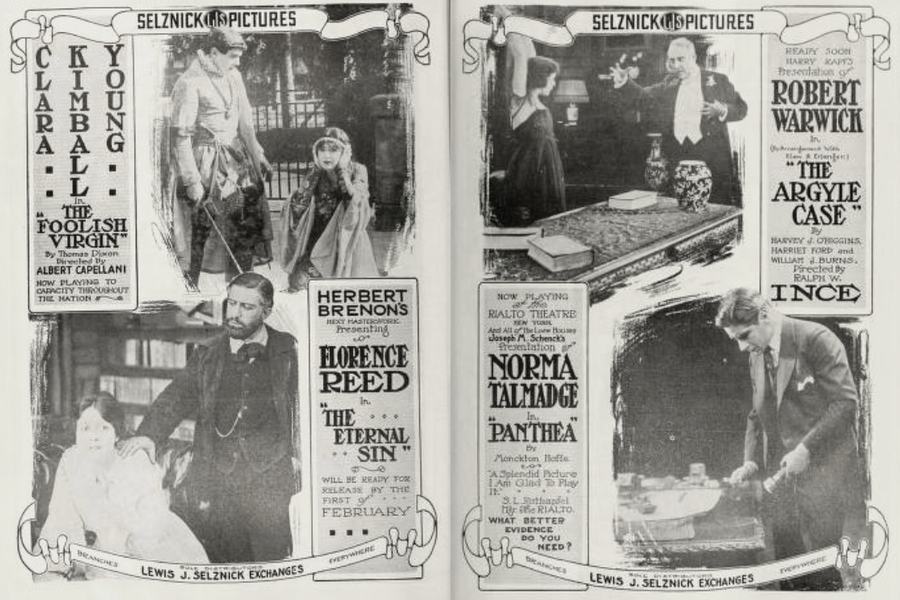
The story is that of the mysterious murder of John Argyle, a multi-millionaire, in the library of his home. Circumstances point toward Argyle's adopted daughter Mary, who is the beneficiary under his will, Argyle having quarreled with his son Bruce. Just as the case begins to look black for Mary, Asche Kayton, a great private detective, is called in by Bruce and takes hold of the investigation. His methods are scientific and swift and the trail leads to a den of counterfeiters, where, by use of the dictograph and other modern devices, the real murderer is run to his lair. Kayton falls in love with Mary, who is finally vindicated. Kayton's reward is the girl.
View Details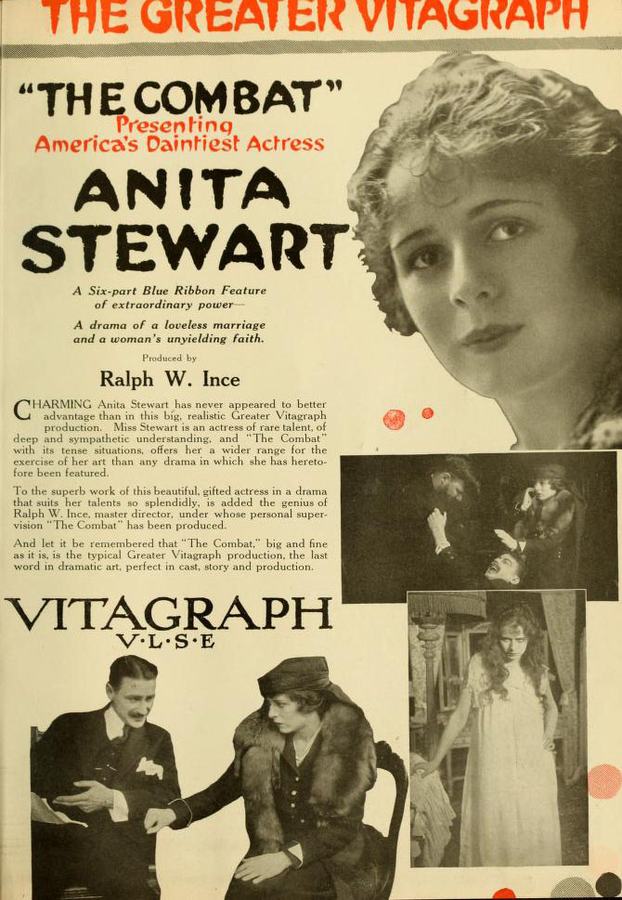
Dir: Ralph Ince
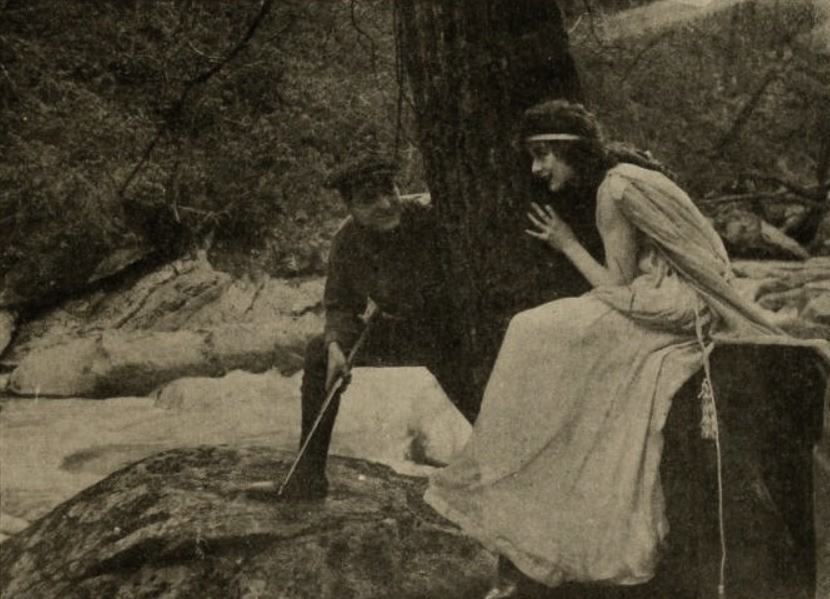
Mrs. Fleming, in secret financial distress, counts upon a brilliant match for her daughter as a way out of her difficulty. Muriel, however, in ignorance of her mother's plight, is attached to Grayson Burton, but when they tell Mrs. Fleming of their love she becomes infuriated and refuses her consent on account of his poverty. Nevertheless, Burton and Muriel secretly marry and he leaves to seek his fortune in the gold fields of the Northwest. He has two partners, Slade, a renegade lawyer from New York, and Rollins, an Englishman. The men strike it rich and Graydon writes Muriel that he is coming to claim her. Slade attempts to rob his partners during the night and is surprised by Rollins, whom Slade kills with Burton's gun. Slade escapes, but returns with police, who arrest Burton on Slade's charge. Seeing that everything is against him in court, Burton escapes and seeks refuge in the wilderness of the mountains, where he becomes a hunted outlaw. Meanwhile the train on which Graydon was supposed to leave is wrecked, and Graydon is reported to be among the dead. Muriel is grief-stricken and decides to keep her secret. Later Philip Lewis, a wealthy lawyer, becomes infatuated with her, and her mother practically coerces the girl into marrying him because of his wealth, finally telling her of their predicament. Soon after her marriage her mother dies. Graydon meanwhile grows desperate and eventually escapes. He starts for New York to claim his wife. Muriel's husband has been appointed district attorney. While Muriel is attending an opera her spying maid steals her secret marriage certificate and sells it to Slade, who has returned to New York and resumed his blackmailing law practice. He writes Muriel a threatening letter and asks her to come to his home to see him that evening. Graydon arrives in New York and sees Slade. He plans to go to his home the same evening and force him to confess to the crime of which he is believed guilty. As he stands outside the French window he is amazed to see his wife there and Slade threatening her. Stepping into the room suddenly, he surprises both, and Slade confesses his guilt. While Muriel talks to Graydon, telling him of her life, Slade seizes a gun. In a fight that follows Muriel kills Slade, fearing her husband's life is in danger and intending only to frighten him by the shot. She escapes and Graydon assumes the blame. Lewis, her husband, prosecutes the case and determines to get a trace of the mysterious veiled woman who ran from the house the night of the murder. He gets a clue to his own wife and grills her until she confesses. Angered and jealous, he prosecutes Graydon knowing he is innocent. Muriel, conscious-stricken, starts for the courtroom to confess, but arrives there after he has been convicted. Lewis promises to pardon the man when made Governor if she will keep her silence. He is elected but refuses to keep his promise. At the last moment when Muriel is determined to kill herself, he weakens and issues the pardon. She then rejoins her true husband.
View Details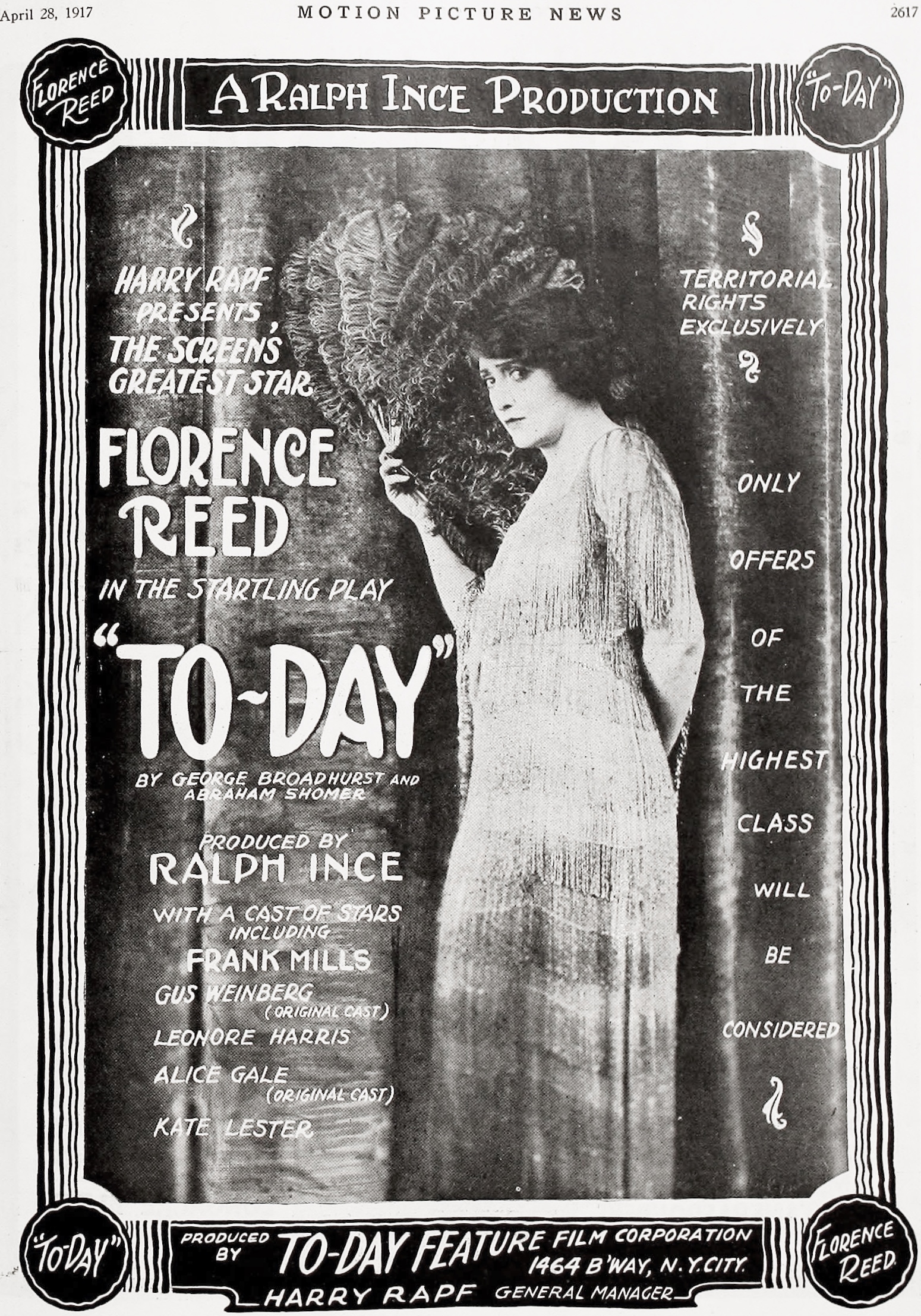
Dir: Ralph Ince
When her husband Fred goes bankrupt, Lily Morton is forced to give up the trappings of wealth and move into a humble home while Fred attempts to fight his way back to prosperity. Resentful of her modest circumstances, Lily accepts her friend Marion Garland's offer to introduce her to Mrs. Farington, a woman who will pay handsomely for Lily's escort services. Lily goes to work for Mrs. Farington while her unsuspecting husband struggles to regain his former wealth. While managing an apartment house for one of his wealthy clients, Fred visits Mrs. Farington, a tenant, and, noticing a framed picture of Lily, asks to be introduced to the girl. Mrs. Farington arranges the rendezvous, and when Lily arrives, she is confronted by her enraged husband who chokes her to death. At this moment, Lily awakens from her nightmare, and chastened for her superficiality, begs Fred for forgiveness.
View Details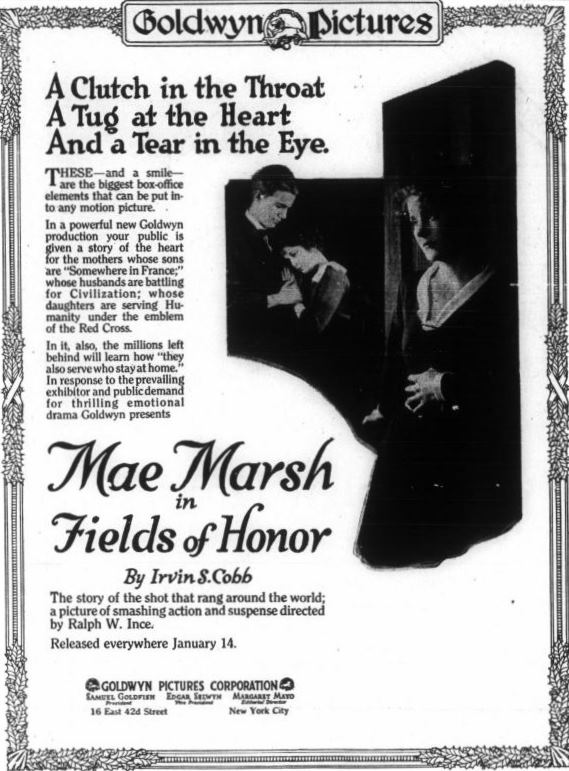
Dir: Ralph Ince
Marie Messereau, with her sister Helene and brother Paul, emigrates from France to America, the land of promise, accompanied by Helene's German fiancé, Hans Grossman. The four find employment, and all goes well until Paul and Hans are called back to Europe to fight in World War I. Robert Vorhis falls in love with Marie, but because a rejected suitor tells him that Marie's reputation is stained, he accompanies his parents to California to forget her. Helene contracts tuberculosis, and when Marie, in seeking the location of a hospital for consumptives, asks several men their address, she is arrested for street walking. Robert's father, Judge Vorhis, acquits her, but upon returning home, she discovers that Paul and Hans have been killed in battle and that her sister has committed suicide. Broken, Marie decides to return to France and is about to sail when Robert, who has been unable to forget her, rushes up the gangplank and takes her in his arms.
View Details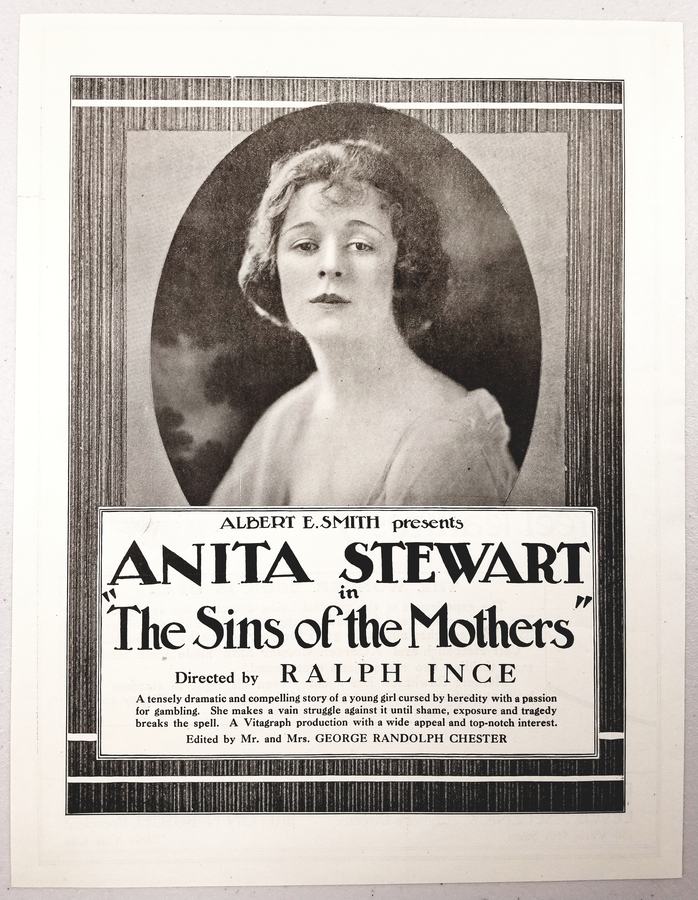
Dir: Ralph Ince
At an early age, Trix, the daughter of Mrs. Raymond, the proprietress of a gambling resort, shows an inherited tendency to gambling. Mrs. Raymond sends her to a convent school, and. learning that Trix desires to become a nun, her mother gives her consent, provided she still cares for that life after spending a year in the social world. The girl is taken into the gay social set and learns the evil ways of the world. With a beginner's luck, she wins at the gaming table, until her mother, frightened, begs her to play no more. It is too late, the girl cannot stop, and when the inevitable turn of luck comes, she is plunged into debt. She calls upon Norris, an old sweetheart, for help, and after paying her debts, he begs her to marry him. She consents, but soon after the wedding breaks her promise by betting on a horse race. She continues gambling surreptitiously and loses money borrowed from Dovey, the old servant. Finally, she pawns a necklace given her by Norris. Dovey is accused of theft and lies to save her young mistress. She is arrested. Norris finds the pawn ticket, forces a confession from his almost insane wife and secures Dovey's release. Her mother sells her business to Henri De Voie, a gambler, and takes Trix away for a trip. Norris is later elected District Attorney, and resolves to stamp out gambling. Trix again finds herself in the terrible clutches of the gambling fever and, unknown to her husband, plays at De Voie's gambling house. Her mother finds her there one night and it so happens that Norris has decided to raid the place on the same evening. When he and his men burst into the place, they find both Trix and her mother. The proprietor tells Norris the truth, and in a quarrel, De Voie draws a revolver with the intention of shooting Norris. This is forestalled by Trix's mother, who, with one loving look at her daughter, atones for her sins by throwing herself between the two men and receiving the bullet in her own heart. Norris leads his sobbing wife away and she turns her back on the gaming table forever.
View Details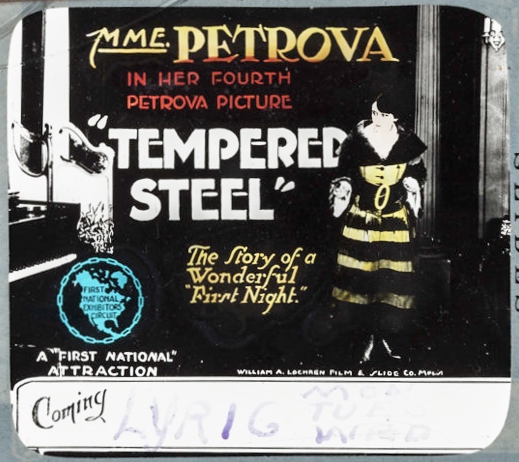
Dir: Ralph Ince
Lucille Caruthers travels from her home in the South to New York, hoping for a career on the stage. She is aided in her dream by the theatre star Serge Ratakin, and she becomes a star in her own right. But Ratakin is jealous and possessive and attempts to sabotage her. After a violent conflict with Ratakin, Lucille believes she has killed him. But has she?
View DetailsAnalysis relative to Crime Unlimited
| Film Title | Atmosphere | Complexity | Similarity |
|---|---|---|---|
| The Panther Woman | Gritty | Abstract | 89% Match |
| The Eleventh Commandment | Ethereal | Linear | 97% Match |
| The Goddess | Ethereal | Linear | 93% Match |
| Five Thousand an Hour | Gothic | Abstract | 88% Match |
| The Argyle Case | Surreal | High | 97% Match |
This guide was algorithmically generated using the cinematic metadata of Ralph Ince's archive. Last updated: 6/20/2026.
Back to Crime Unlimited Details →