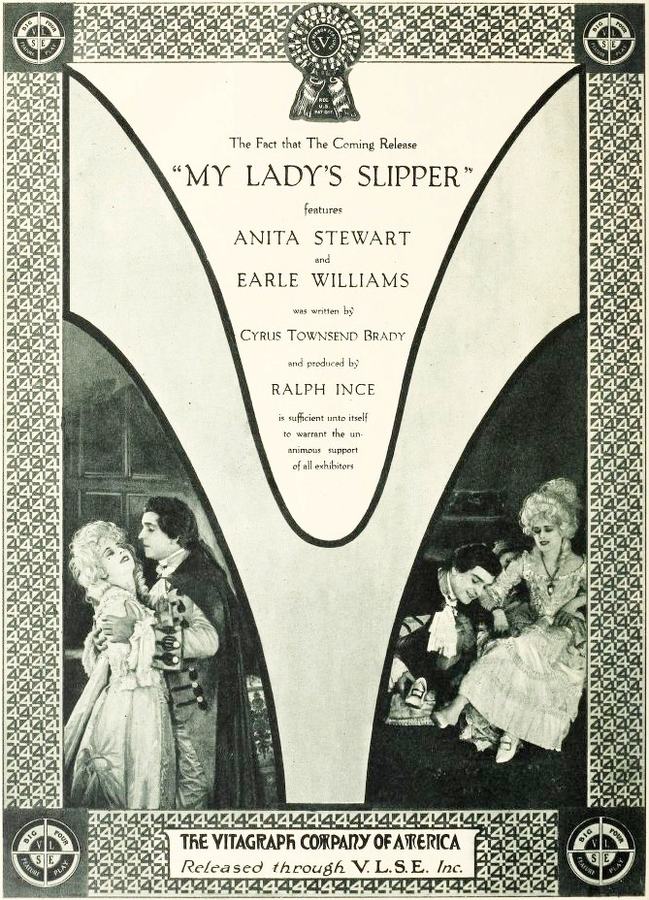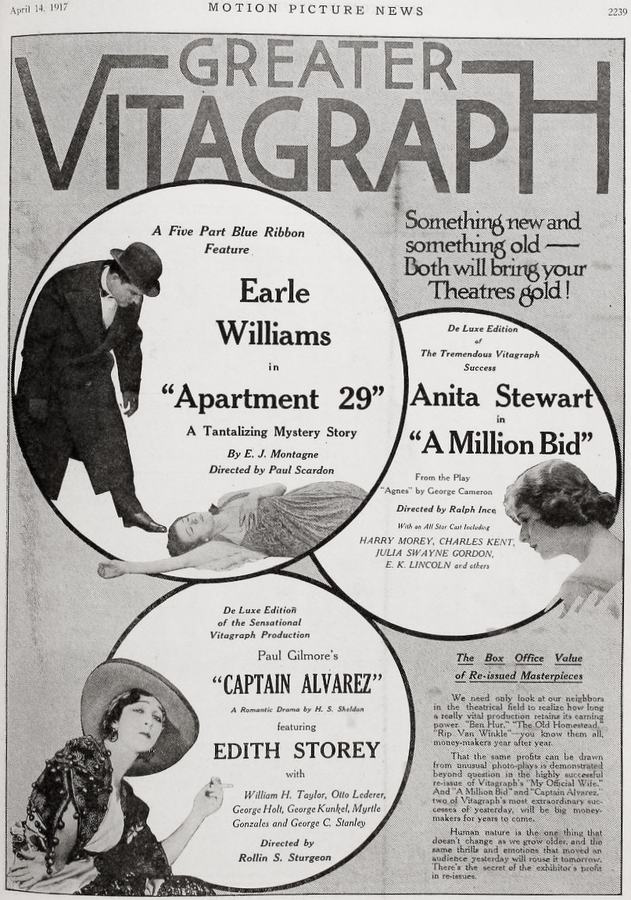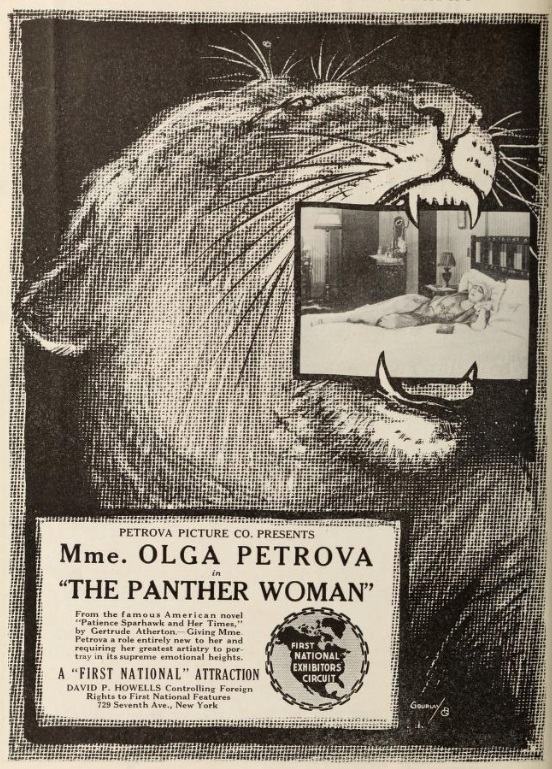
Following his wife's death, John Sparhawk takes his daughter Patience out West to a small mining town, where he meets and marries a dance hall girl. Patience's stepmother attempts to force the beautiful young woman to work in the dance hall, but on the advice of visiting criminal lawyer Garon Bourke, Patience refuses and returns to the East.
Mary Murillo, Gertrude Atherton
United States
In the pantheon of silent-era luminaries, few figures commanded the screen with the serpentine elegance and intellectual gravitas of Olga Petrova. Her 1918 vehicle, The Panther Woman, directed by Harry Lambart, remains a fascinating artifact of a time when cinema was bifurcated between the raw, lawless energy of the fr...
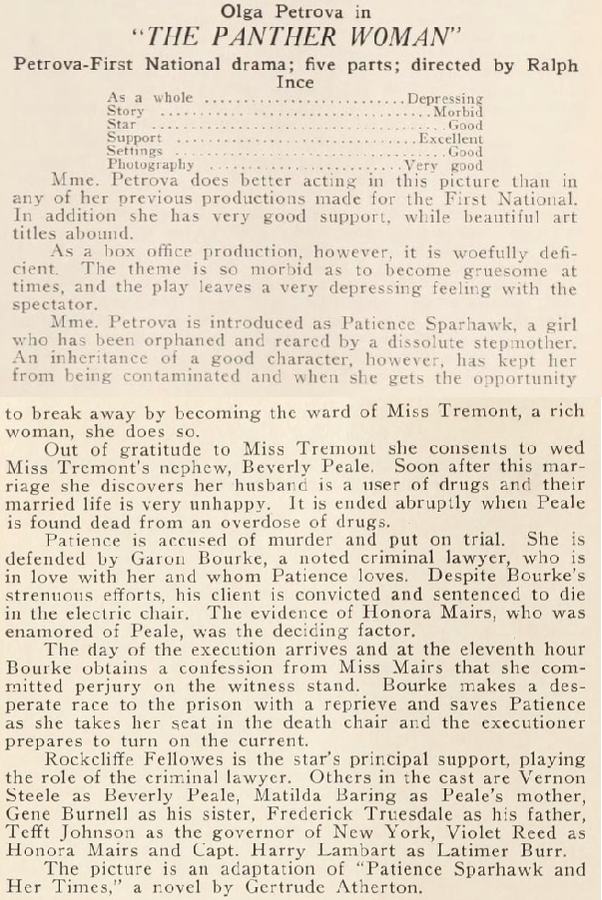
still_frame
Comparing the cinematic DNA and archive impact of two defining moments in cult history.
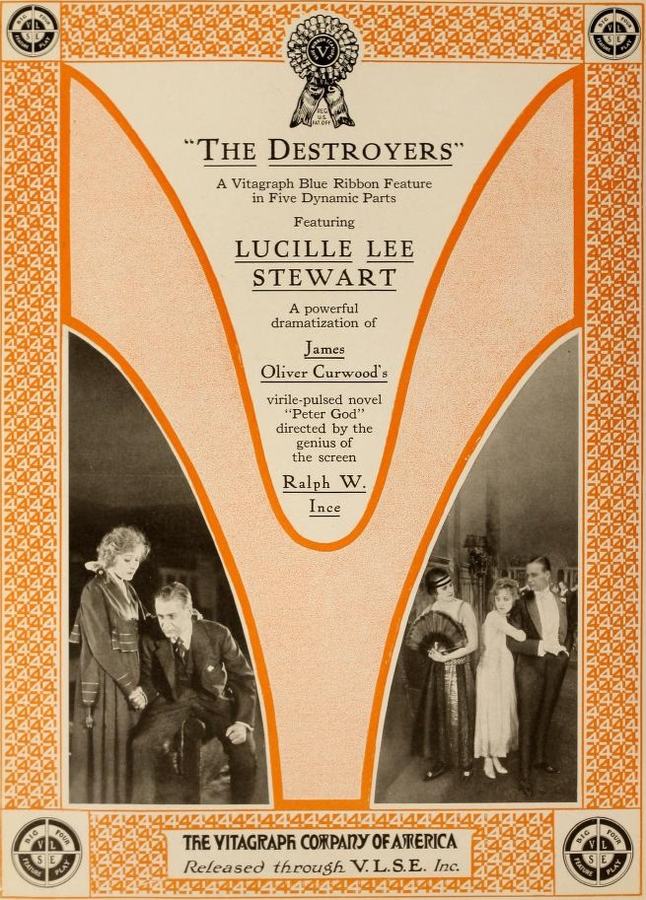
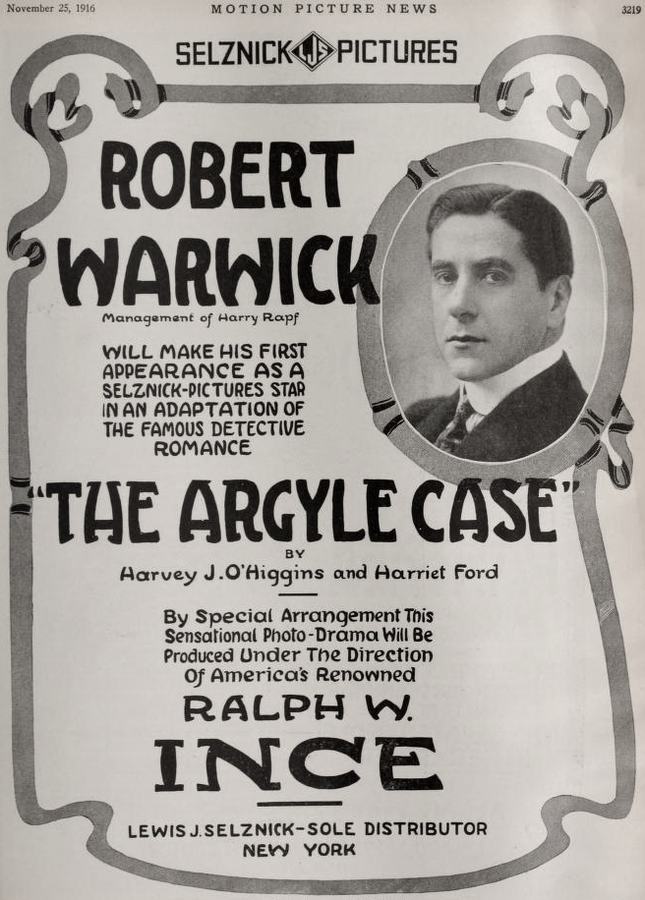
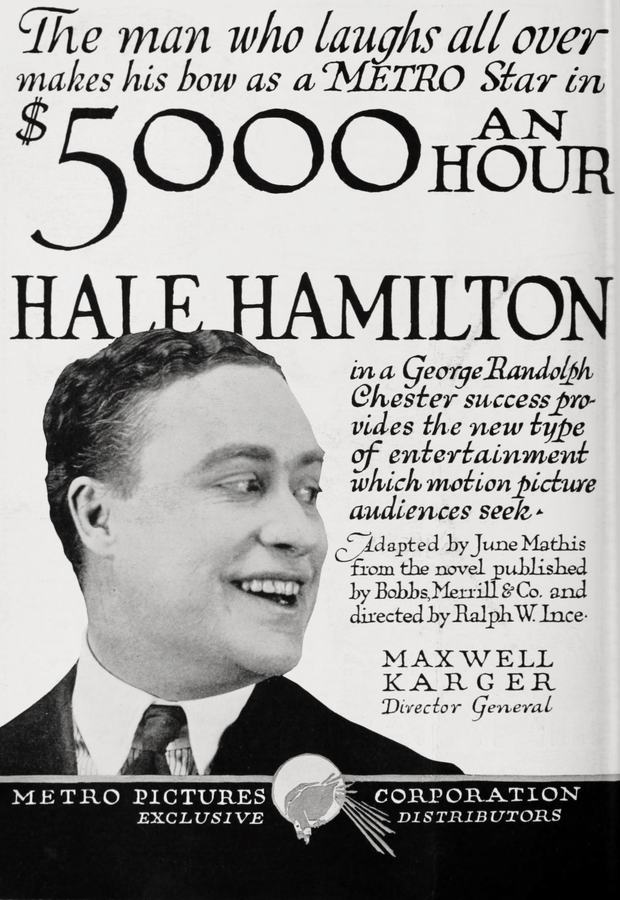
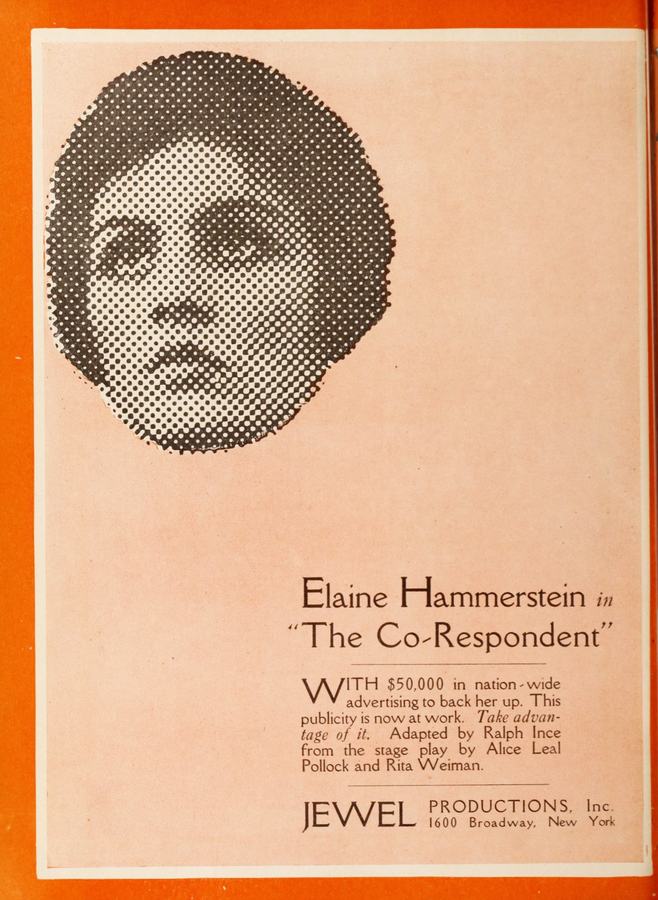
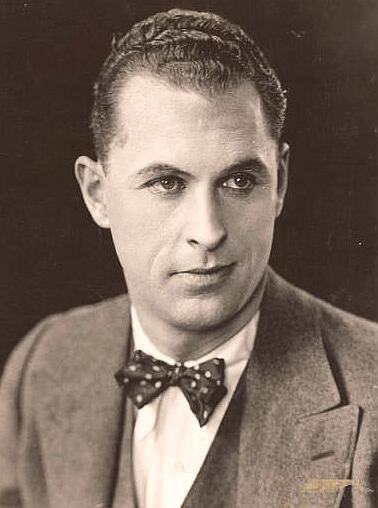
Ralph Ince
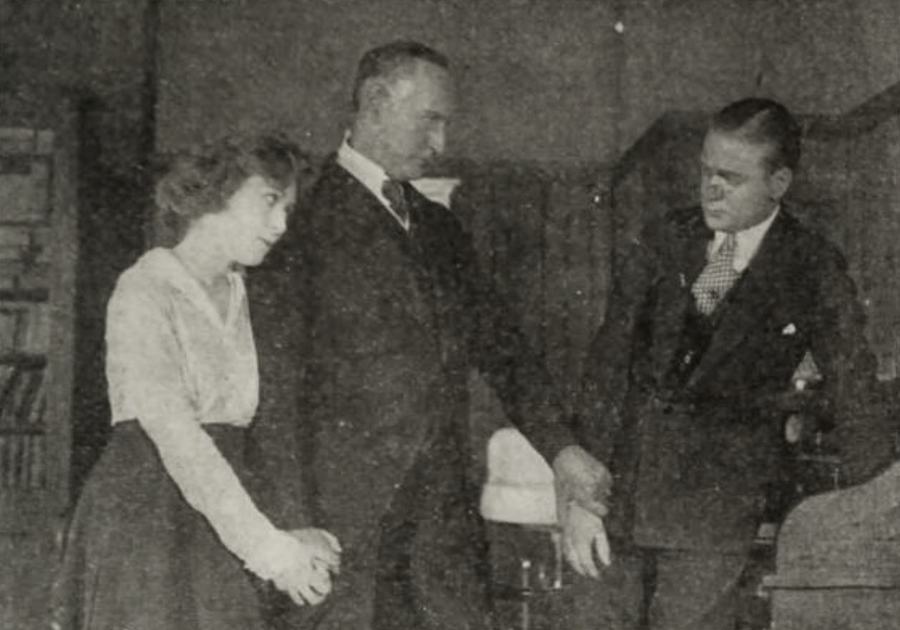
Ralph Ince
Community
Log in to comment.
"In the pantheon of silent-era luminaries, few figures commanded the screen with the serpentine elegance and intellectual gravitas of Olga Petrova. Her 1918 vehicle, The Panther Woman, directed by Harry Lambart, remains a fascinating artifact of a time when cinema was bifurcated between the raw, lawless energy of the frontier and the stifling, often hypocritical morality of the urban East. This film is not merely a melodrama; it is a scathing indictment of the limited agency afforded to women dur..."
Deep dive into the cult classic
Discover similar cinematic experiences
A Directorial Spotlight on Ralph Ince