
DbcultAccessing Vault...
Recommendations
Senior Film Conservator
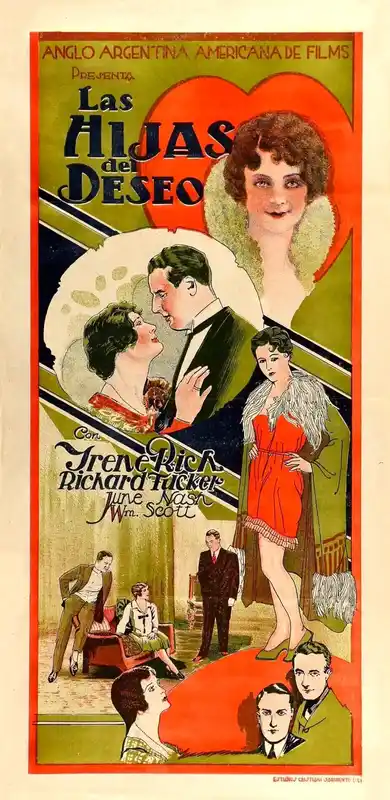
The 1929 release of Daughters of Desire redefined the parameters of Drama storytelling, the narrative complexity found here is a rare find in the 1929 landscape. Prepare to discover your next favorite movie in our hand-picked collection.
Historically, Daughters of Desire represents to explore the darker corners of the human condition with nuanced performance.
The influence of Burton L. King in Daughters of Desire can be felt in the way modern Drama films handle nuanced performance. From the specific lighting choices to the pacing, this 1929 release set a high bar for atmospheric immersion.
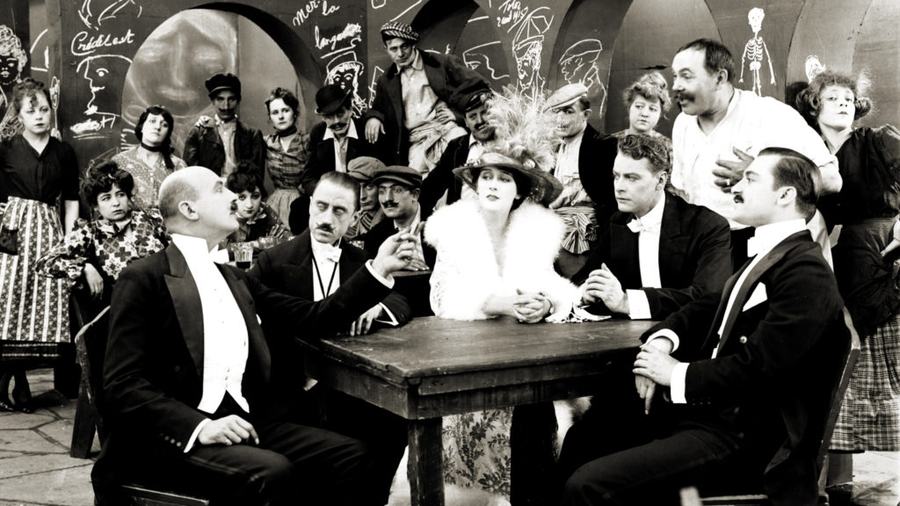
Based on the unique nuanced performance of Daughters of Desire, our vault has identified these titles as the most compelling follow-up experiences for fans of Drama cinema:
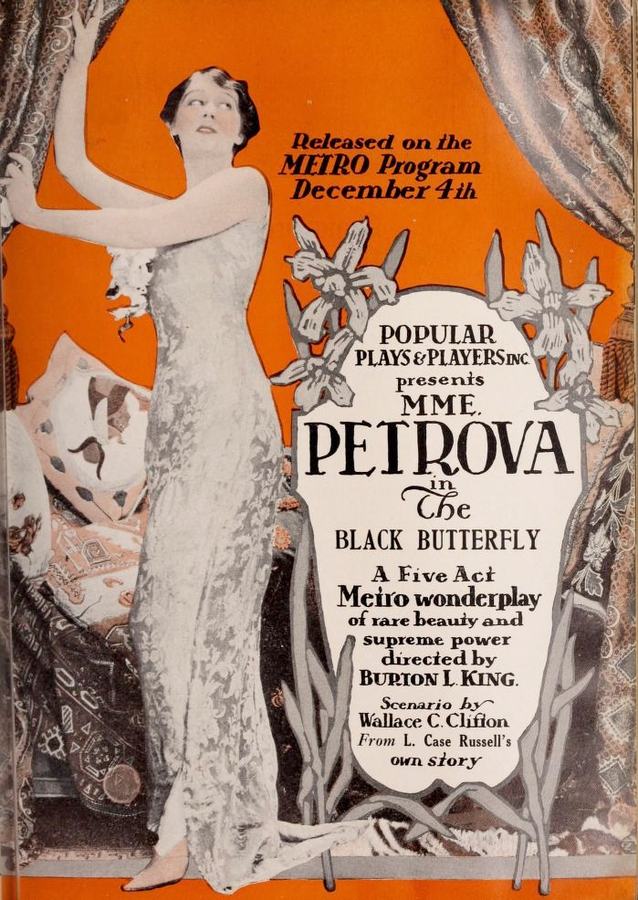
Dir: Burton L. King
Sonia Smirnov, a Paris opera singer known as "The Black Butterfly", starts an affair with young Alan Hall. Hall, however, is still pining over his previous lover, a young peasant girl. Sonia--a former poor peasant girl herself--discovers a secret involving Hall and his former lover that neither knows about, but that involves an incident in Sonia's youth that could affect all of them.
View Details
Dir: Burton L. King
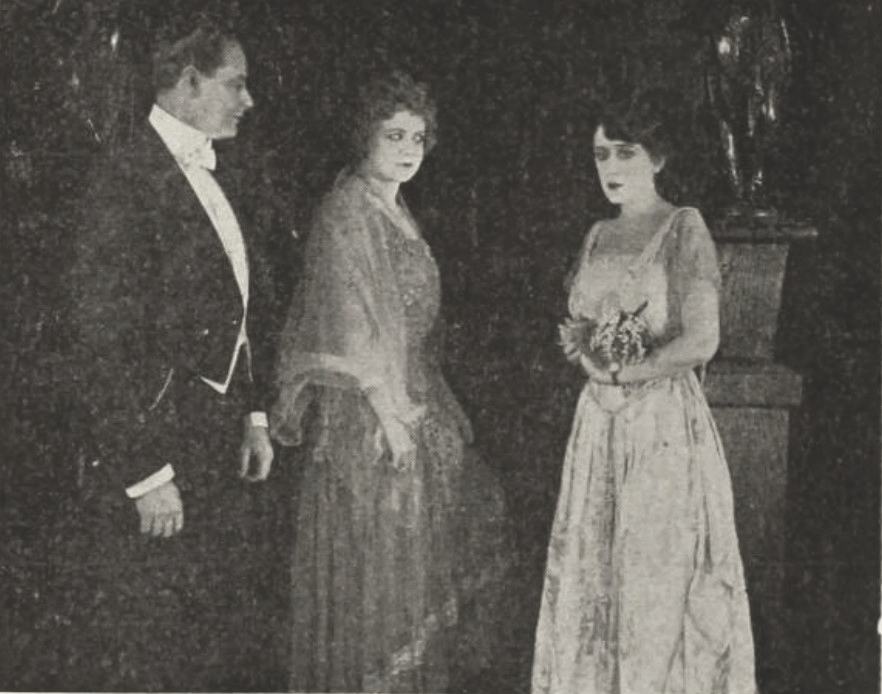
Laura Sutphen breaks off her engagement with Donald Loring because he drinks excessively and she refuses to see him socially. When her automobile breaks down in front of a friend's empty estate during a storm, Laura is forced to spend the night with Von Kolnitz, a rich foreigner also stranded by the weather. After ignoring Donald's advice to get out, Laura receives a threatening phone call from the editor of the Tattle Tale . To keep her name out of the gossip newspaper, Laura agrees to invite Sue Schuyler, her best friend and an incurable flirt, and Von Kolnitz to a party and to allow Donald to attend as an employee of the Tattle Tale . At the party, Sue and Von Kolnitz arrange a compromising midnight rendezvous at which Donald appears with a camera. After a series of misunderstandings with Laura, Donald reveals himself to be a secret service agent and exposes Von Kolnitz as a social blackmailer. Her faith restored, Laura is reconciled with Donald.
View Details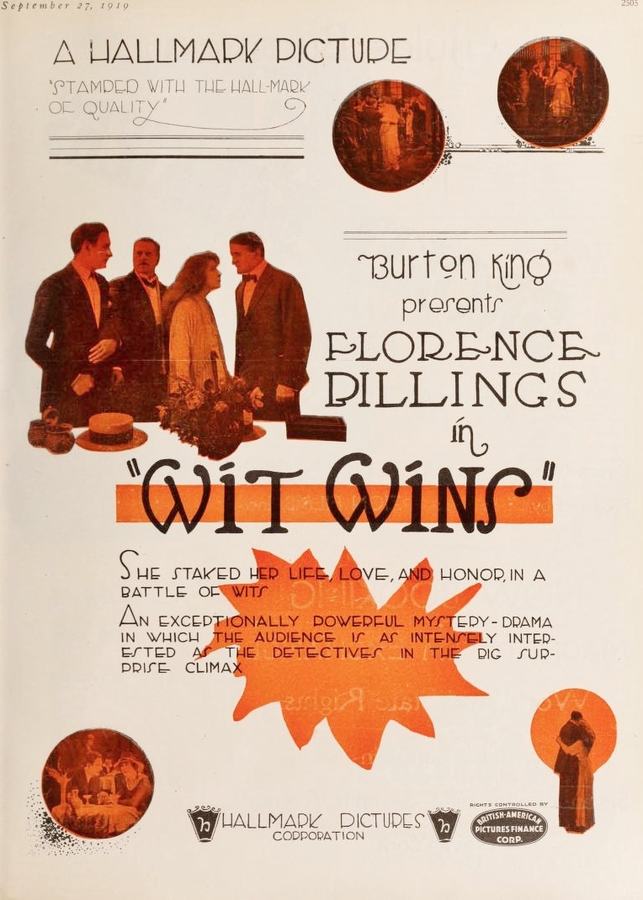
Dir: Burton L. King
When the dominating financier takes the girl as his private secretary he secures not only an efficient girl but a beautiful one. It is then that his son decides to take an interest in business. His father suspects that his son has suddenly become imbued with business affairs because of the striking young woman secretary he has engaged and tells him that if he intends to go into business he can do so but he does not want him about the office. The son is unsuccessful in many deals and when some bonds are missing the guilty parties manage to successfully charge him with stealing them. In the meantime he had been visiting the charming young secretary of his father and often met his father's cashier coming out of the apartment. He had become furiously jealous and the climax came when he discovered his sweetheart in the arms of the cashier. It is when he is accused of stealing the bonds that he begins to realize that his father's cashier and the pretty secretary are in a plot to ruin his father. And right here is where the story becomes intensely interesting and the suspense is finally lifted. Of course the business rivals become staunch friends again as of yore. But the lovers have come over a rough road in their romance and a pleasant future is also assured for them.
View Details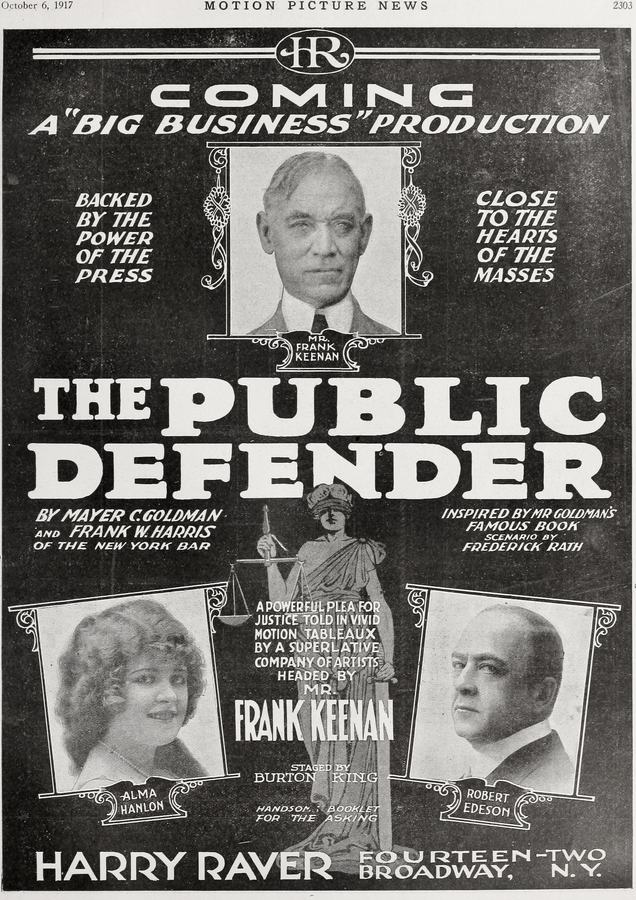
Dir: Burton L. King
When bank president Leslie Morrison dips into the till, he seeks to place the blame on bank clerk David Moulton by altering the figures in Moulton's books. He lays his plan carefully, but upon leaving the building late one night, Morrison falls into an elevator shaft and is killed. Moulton, the one man known to have been there, is charged with murder and tried by district attorney Robert Murdock. Unable to afford a competent defense, Moulton is convicted and sentenced to die in an electric chair. However, Mary Reed, a stenographer who loves Moulton, appeals as a last resort to the newly elected public defender, Arthur Nelson. Nelson investigates the case and discovers evidence on the very eve of the execution, evidence that will warrant a stay. Rescued from death in the nick of time, Moulton is granted a new trial under the supervision of the public defender and is found innocent.
View Details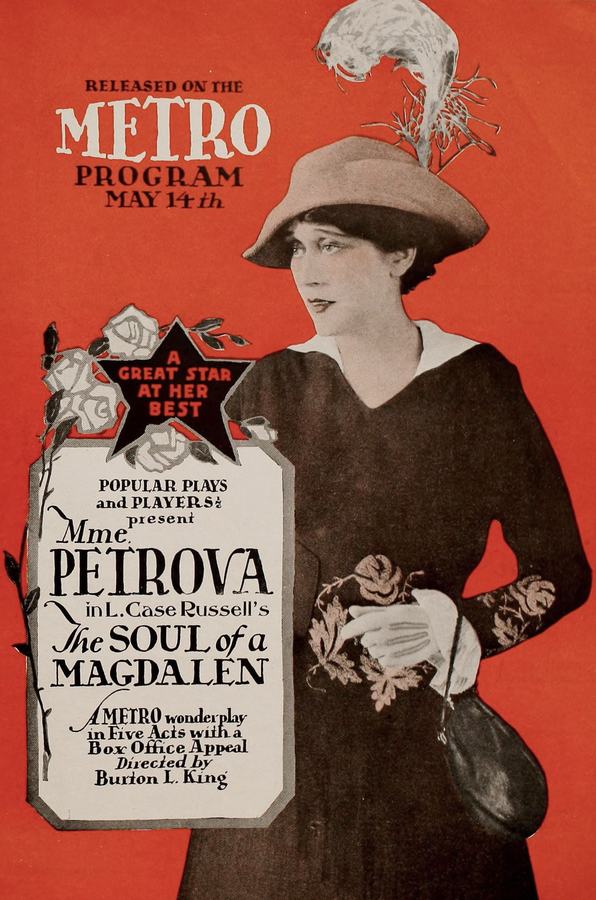
Dir: Burton L. King
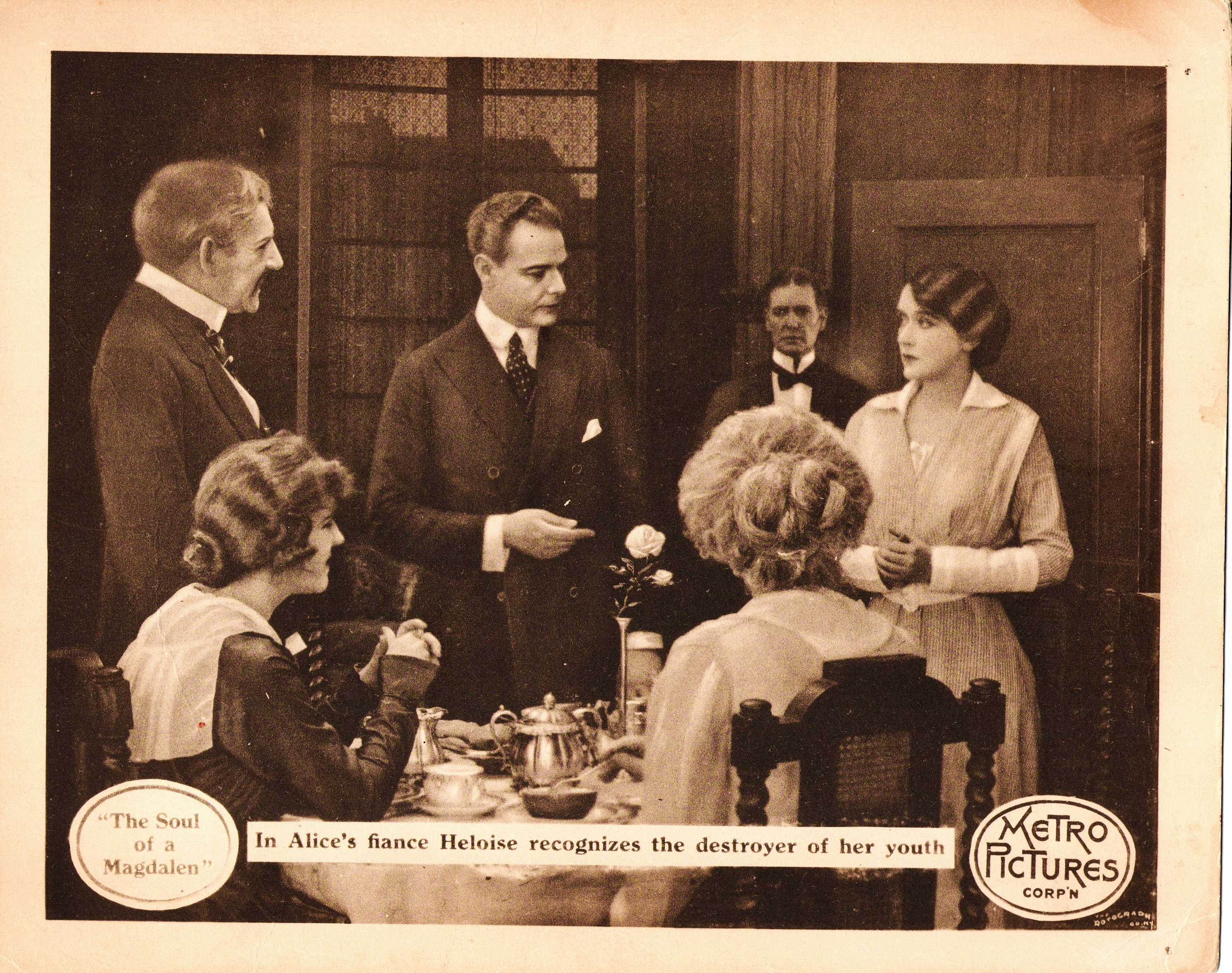
The sole support of her invalid mother and young crippled brother, Heloise Broulette is forced to become the mistress of Leland Norton in order to secure the money for an operation to save her mother's life. Mrs. Broulette recovers, but when she discovers the real source of her daughter's income, the news kills her. After her mother's death, Heloise leaves her career behind and goes to the country where she takes a job as a secretary to author Carter Vail, who falls in love with her. Ruth finds herself in a dilemma when Vail's sister Alice visits friends in the city and falls in love with Norton. Honor bound, Ruth sacrifices her own happiness to save Alice from Norton. In revenge, Norton informs Vail of Heloise's past, but Vail responds that she has the soul of a Magdalene despite the life that she had been forced to endure.
View Details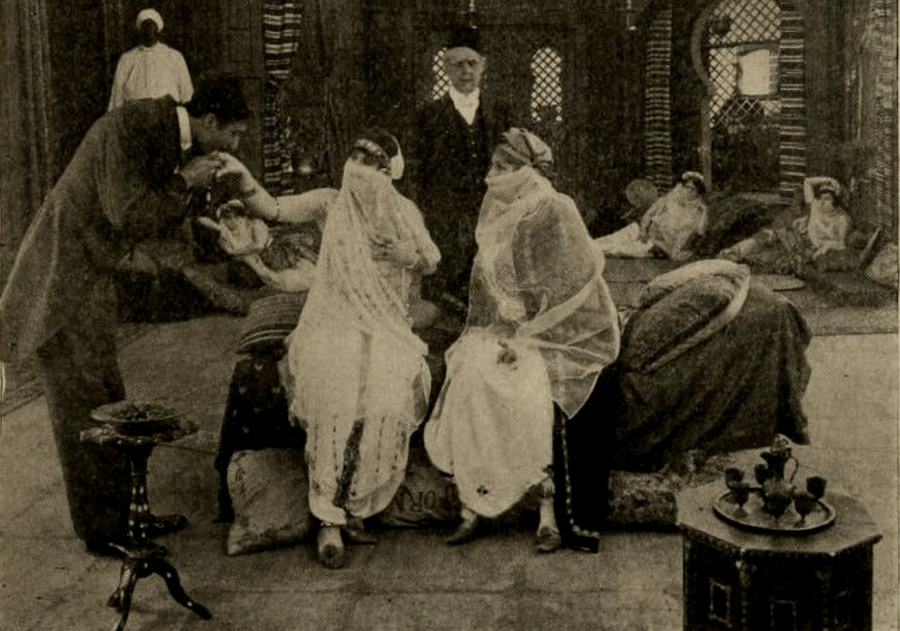
Dir: Burton L. King
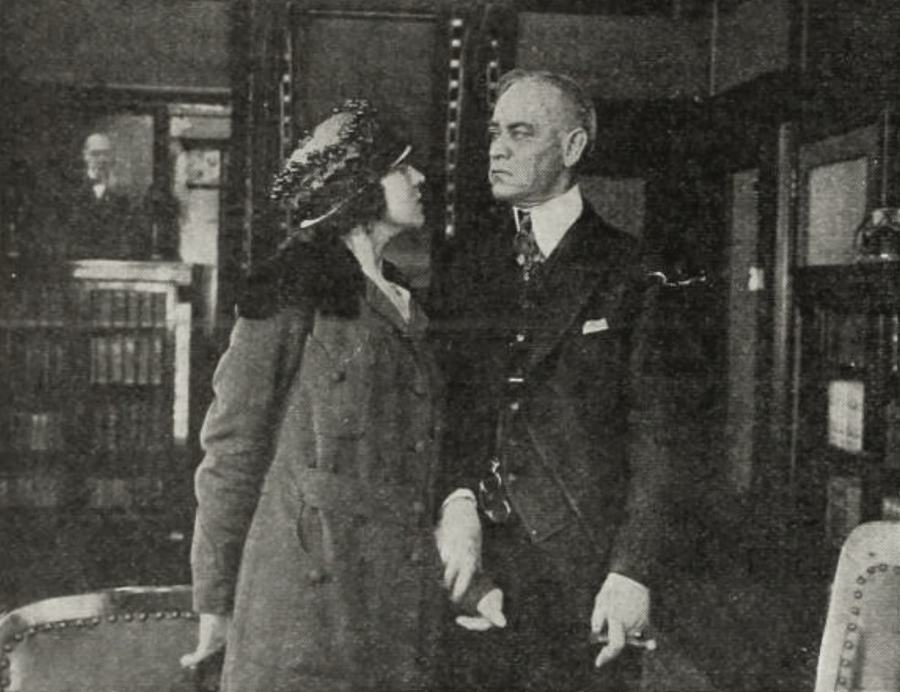
A series of six episodes involving the adventures of an American actress in Old Egypt: #1: The Purple Iris; #2: The Cage of the Golden Bars; #3: In the Shadow of the Pyramids; #4: For the Honor of a Woman; #5: In the Name of the King; #6: The Crown of Death.
View Details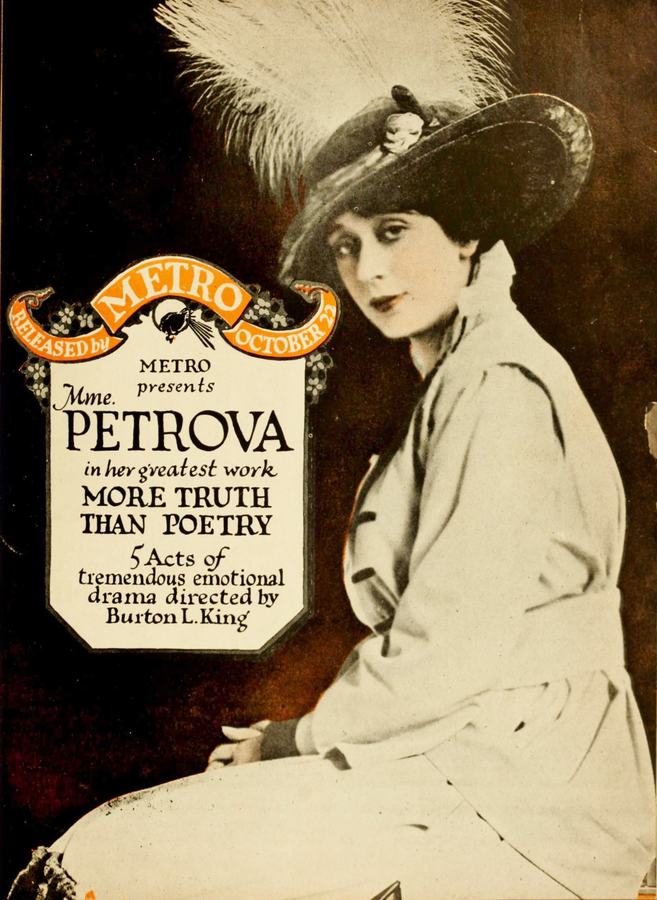
Dir: Burton L. King
When Vera, the daughter of steel king Daniel Maitland, marries Blair, a young lawyer, her father cuts her off with only a small allowance. A few months later, Blair becomes famous by securing the acquittal of one of his friends who had killed his wife's lover, basing his plea on "the unwritten law." He then succumbs to the fascination of another woman. Vera discovers them in a compromising situation and shoots Blair. At her trial, her lawyer is pleading for mercy when Vera explains that she does not want mercy, but justice. She asks if there is one law for a woman and another for a man and explains that she shot her husband because he betrayed her trust. At that moment, it is revealed that the whole episode is being composed by novelist Elaine Esmond, who interrupts her story to go to the opera with her sweetheart.
View Details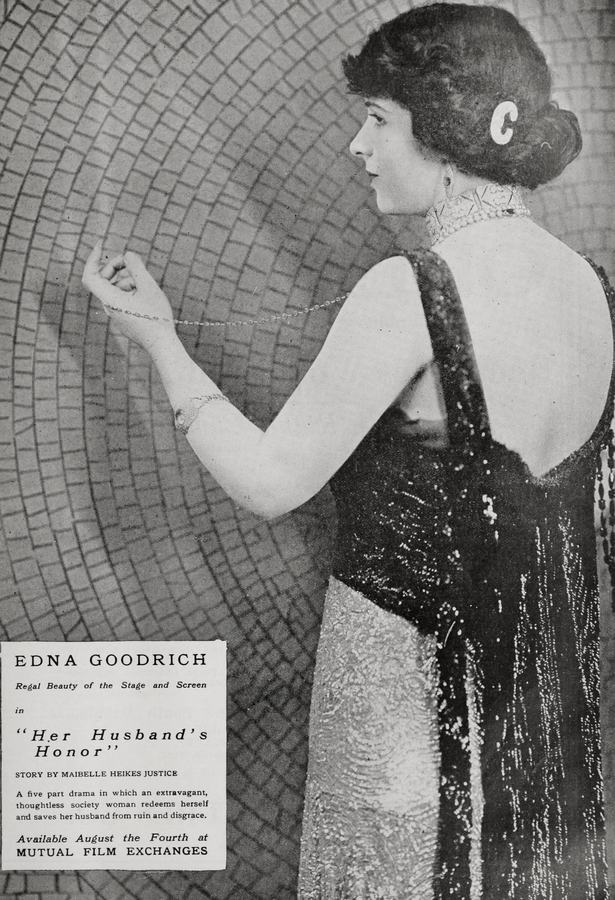
Dir: Burton L. King
Nancy Page is a frivolous socialite until her husband Richard becomes entangled in his employer David Davenport's shady business dealings. Davenport, a building contractor, had secured Richard's signature on several papers that promised payment of over a million dollars, even though the firm was insolvent. At a party held in honor of wealthy Japanese agent Tato Usaki, Richard tries to convince Davenport's wife Lila, who is in love with him, to obtain the vouchers, and Nancy attempts to charm Usaki into signing a building contract that will save the firm. Usaki and Nancy arrange to meet at the vacant house next door, where he signs the contract but then locks the door and attacks her. Nancy escapes through a window and returns to the party with the contract, while Davenport, having discovered that his wife has destroyed the incriminating vouchers, shoots himself.
View Details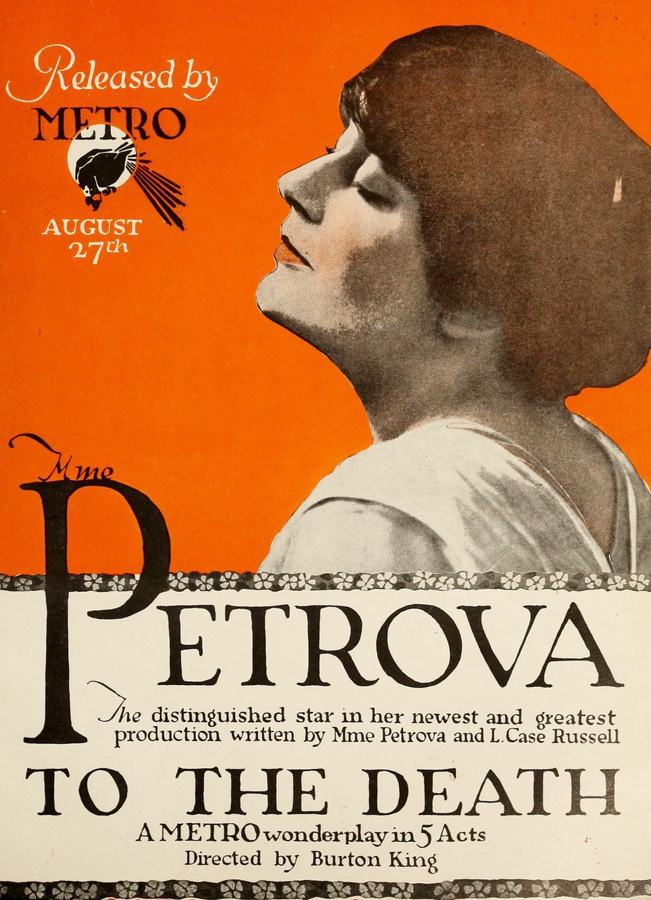
Dir: Burton L. King
Bianca, a Corsican, supports her frivolous sister, Rosa, by making laces. The sculptor, Manatelli, visits her cottage to buy laces, and sees her modeling in clay. Impressed by her talent, he offers her free instruction if she wishes to come to Paris. Bianca accepts and promises to send for Rose as soon as possible. In Paris she meets Etienne Du Inette, head of the Internationale, a powerful secret service organization. He and Bianca are instantly attracted to each other. Jules Lavinne, also in the service of the Internationale, goes to Corsica on a secret mission. He sees and desires Rosa. One day a mysterious veiled woman slips a note under Etienne's door, warning him to go to Corsica and watch Lavinne, who is a traitor. He soon has occasion to protect Rosa from Lavinne. Lavinne learns the assumed name Etienne is using on the island and signs it to a note asking Rosa to meet him. In Paris, Bianca finishes and exhibits her first piece of work, and it is purchased by a wealthy patron. She sends for Rosa, but a letter from old Maria tells of the girl's disgrace and attempted suicide. Bianca rushes to her sister, who is dying. She finds the note which lured her sister to her destruction. It is signed, "Pierre Renard." Bianca vows to follow Pierre Renard "To the Death." She meets Jules Lavinne, and instinctively dislikes him, but when she learns that he belongs to the Internationale she forces herself to be gracious to him, hoping that he will aid her in finding "Pierre Renard." Lavinne, determined to win her, avoids meeting Etienne. Bianca asks Lavinne's aid, and he promises to find the man for her if she will marry him. Having vowed to avenge her sister at any cost, she promises. That night Lavinne telephones that he has a photograph of Pierre Renard. Bianca asks him to bring it to her at once. Before he comes he writes a note which he instructs his man to deliver to Etienne. It reads, "Bianca is in great danger. Go to her at once." Lavinne engages tickets on the midnight train, and tells his valet to take his portmanteau to a prominent hotel, where he arranges to have a priest ready to perform the ceremony. He shows Bianca the photograph. She is speechless with horror when she sees that it is a picture of Etienne. Lavinne instructs her to ask him whether he was not known in Corsica as "Pierre Renard." When he arrives she does so, and he admits it, also admitting that he knew Rosa there. She plunges a dagger in his breast, and he falls to the floor. Unwilling to keep her bargain with Lavinne, she attempts to take her own life. Lavinne prevents her, and forces her to accompany him to the hotel where the priest is in waiting. No sooner is the ceremony performed than Lavinne boasts of having won her by trickery, saying that it was he himself who lured Rosa to her death by the use of the name "Pierre Renard." Just then the valet knocks at the door, and Lavinne admits him. Behind him follow the woman of mystery and two gendarmes. The woman is Lavinne's wife, and he is arrested as a bigamist and a traitor. He returns to Bianca the dagger with which she struck down her lover. She rushes back to her own apartment, to kill herself beside his body, but she is amazed to find him gone. Her old nurse leads her into the room where he is lying asleep. The medallion of herself worn over his heart has saved his life.
View Details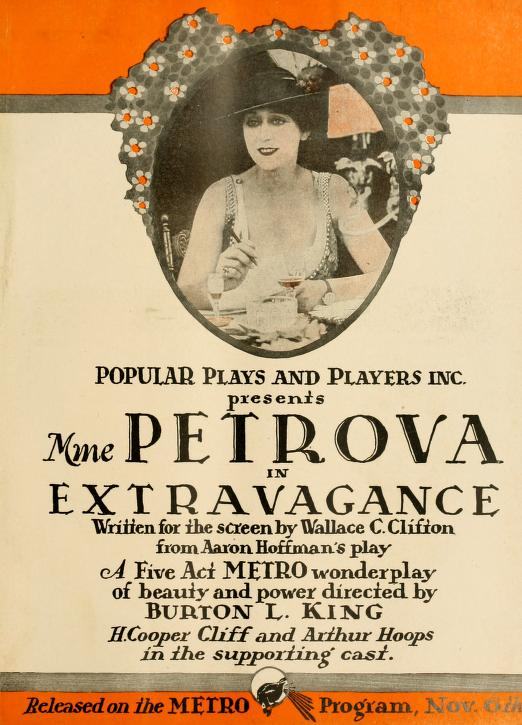
Dir: Burton L. King
Extravagance has always marked the lives of Norma Russell and her father, Courtland Russell. As a consequence, debt overtakes them, and Russell is forced to borrow a large sum of money from Howard Dundore, the banker. Even this hint of coming trouble does not cause them to economize, and soon Russell has to ask Dundore for an extension of his note. This the banker refuses to do unless the note is accompanied by the signature of a depositor of the bank. Russell forges the name of Robert Mackay, one of the bank's wealthiest depositors. Dundore knows the name is forged, but instructs his confidential man, Horace Scott, to pay the note and subtract it from his private account. He then accuses Russell, and to save her father from the consequences of his forgery Norma is obliged to consent to marry Dundore. She cables her lover, Franklin Hall, a businessman, who has gone to South America to look after a rubber investment, that she cannot marry him. Hall returns at once, pays back the amount of the note, thereby beggaring himself, and marries Norma. Dundore pretends to be friendly to the young couple, tells Hall he knows his investment has gone badly, and offers him a position in the bank, which Hall accepts. Dundore then seizes the opportunity to have Hall's accounts falsified in order to make it appear that he has stolen large sums of money. He continues to call at the Hall's home, and on one occasion makes love to Norma. Hall comes in unexpectedly, the men come to blows, and Dundore accuses Hall of having taken money from the bank. He is arrested, brought to trial and sentenced to five years' imprisonment. The only man who could have testified in his behalf, Horace Scott, has been given money by Dundore, with orders to leave the city. Norma feels that her husband's trouble is a judgment upon herself for her extravagance, since he has always gratified her every wish. Left without means by his imprisonment she turns her talents to scenario writing, at which she is immensely successful. Her father, who has been ousted from his clubs for non-payment of dues, and who lives in a little apartment with his daughter, secures work as a motion picture actor. One evening when they are returning from the studio in the motor car of the director, they see an old man run down by another car. Norma takes the injured man home. When he regains consciousness days later his mind is a blank. During his ravings Norma gleans enough to suspect that he has knowledge of her husband's supposed crime, and tries in every way to bring back his memory. All efforts fail. She takes him to the prison to see her husband, and Hall recognizes him as Scott, but he does not recognize the husband. Norma decides upon an idea, and with the aid of her director carries it out. She writes a scenario embodying the facts in the case of her husband's false accusation, and has it acted for the screen. Then she invites Dundore to see her latest picture at a special showing, and has Scott present. The picture is called "The Banker." As its action progresses there is a shout from the auditorium. Scott jumps to his feet wildly exclaiming: "That's the way he did it; Hall was not to blame. Dundore made me do it." In the ensuing excitement Dundore escapes. He hurries to the railroad station, engages a special and leaves the city, but fate follows him, and he is killed when his engine crashes into a line of "dead" freight cars. Hall is released on the testimony of Scott, whose memory has been brought back by Norma's plan, and Norma and her husband begin life happily once more, both she and her lather having learned a bitter lesson on the folly of extravagance.
View DetailsAnalysis relative to Daughters of Desire
| Film Title | Atmosphere | Complexity | Similarity |
|---|---|---|---|
| The Black Butterfly | Surreal | Layered | 87% Match |
| The Silence Sellers | Gothic | Linear | 88% Match |
| Wit Wins | Gritty | Abstract | 92% Match |
| Public Defender | Ethereal | Dense | 97% Match |
| The Soul of a Magdalen | Tense | Linear | 97% Match |
This guide was algorithmically generated using the cinematic metadata of Burton L. King's archive. Last updated: 8/16/2026.
Back to Daughters of Desire Details →