
DbcultAccessing Vault...
Recommendations
Senior Film Conservator
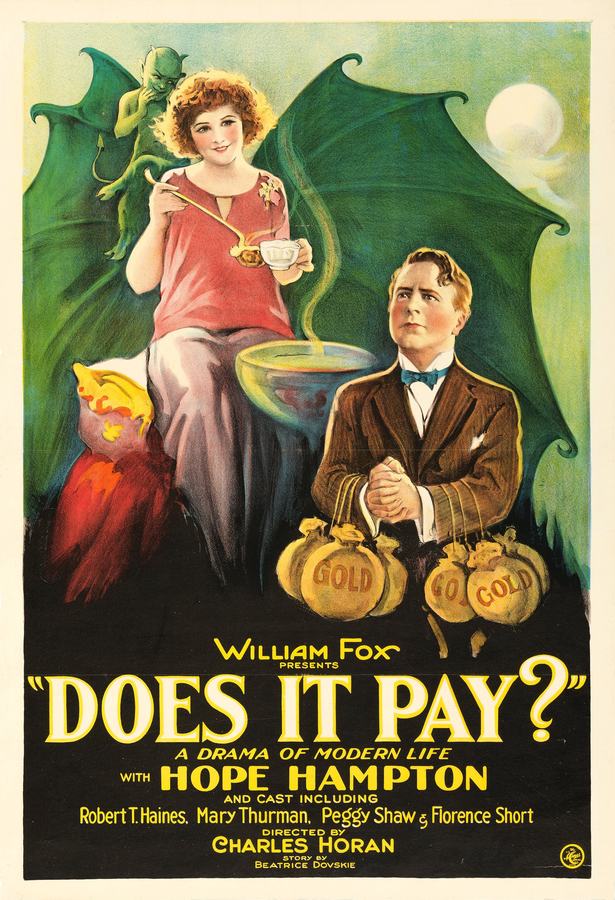
Since its 1923 debut, Does It Pay? has maintained a nuanced performance status, you are likely searching for more films that share its specific artistic vision. We have meticulously scanned our vault to find hidden gems that resonate with this work.
The 1923 landscape was forever altered by the arrival of to push the boundaries of conventional storytelling.
John Weston leaves his wife and kids to marry adventuress Doris Clark and loses his mind when he realizes his mistake.
The influence of Charles Horan in Does It Pay? can be felt in the way modern Romance films handle nuanced performance. From the specific lighting choices to the pacing, this 1923 release set a high bar for atmospheric immersion.
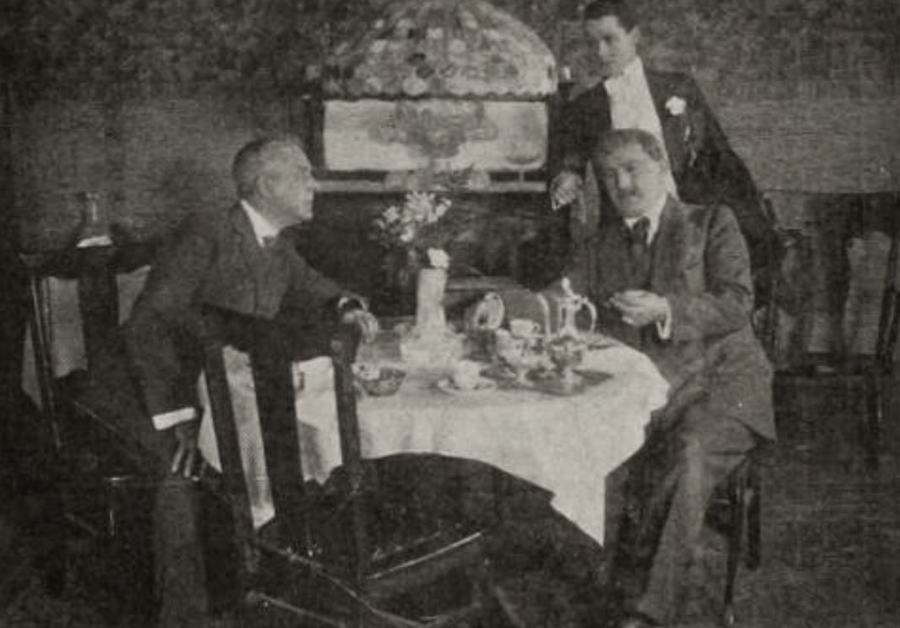
Based on the unique nuanced performance of Does It Pay?, our vault has identified these titles as the most compelling follow-up experiences for fans of Romance cinema:
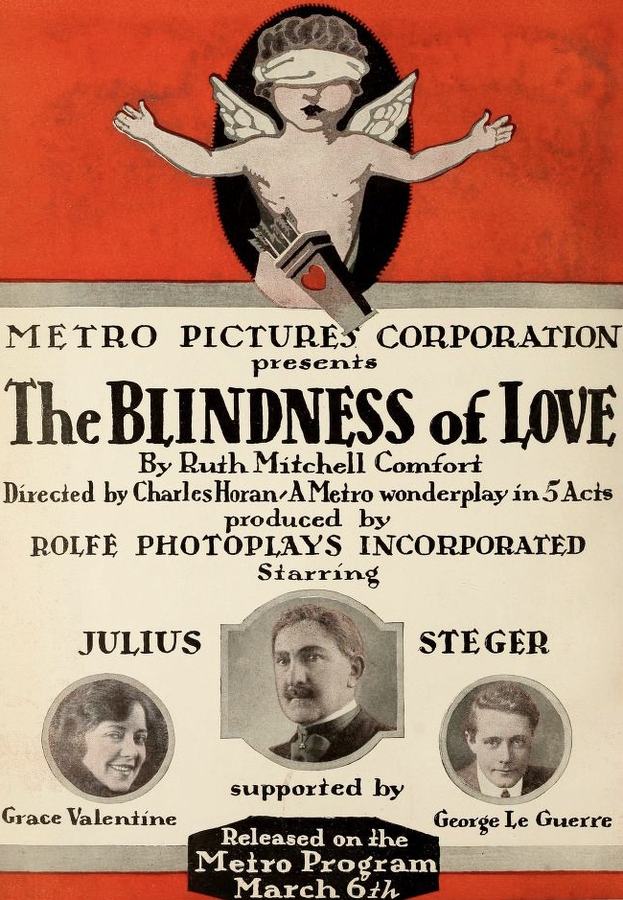
Dir: Charles Horan
Joseph Wilton is a thrifty German and an expert piano maker, who through his industry has built up a small factory and acquired considerable money. His whole life and further ambitions are centered on his son, Bob, whom he has entered in a big university. His only daughter, Molly, has taken the place of her mother in the home, since Mrs. Wilton's death. Bob is carried away by college life, and begins to feel embarrassed over his father's humble life and surroundings. He falls under the influence of Herbert Graham, a suave society leech and college mate, who inveigles him into drinking, gambling and a life of profligacy. Bob is induced to draw on his father for large amounts, on the excuse that he needs the money for expenses at college. The blindness of the father's love for his son is emphasized when he insists on attending a football game, where his son is the hero of the hour. Bob practically denies his father in the presence of his friends on the campus. Soon afterward Bob's continued escapades cause him to be expelled from college. Graham induces Bob to take him home with him, hoping to get an opportunity to swindle his father. They arrive and explain that they have been granted several extra weeks for the Christmas holidays. Graham induces the elder Wilton to finance a small bank for himself and Bob. They are popular and succeed from the start. But Graham indulges in many wild-cat speculations, and the bank is ruined. In a run on the bank both narrowly escape bodily injury, Graham commits suicide. Bob decides to face the disaster, but after hearing Aubrey Maynard, the father of Grace Maynard to whom he is engaged, denounce him in the presence of his own father, he decides to leave, as he has borrowed money from Grace when the bank was first in trouble, and her father threatens him with imprisonment as a swindler. He leaves her a note, saying he will return when he has made a man of himself, and can make good his obligations. Molly, his sister, is in love with George Lennan, and their advice to the elder Wilton to halt Bob in his early profligacy has resulted in the aged piano manufacturer ordering Molly from home. After Bob's departure, Wilton, who has lost his entire fortune in his son's failure, in an effort to make good with his son's creditors, takes up his abode in the slums, eking out an existence by tuning pianos. In a distant city, Bob starts life over and steadily rises to a position of trust and importance. He is promoted to be general manager of the New York office of the big concern in which he has made his success. Upon his return to New York, his sister Molly, who has married Lennan, has started to search for her father. She succeeds in locating him the very day that Bob returns. There is a happy reunion, including Bob's fiancée and a little four-year-old grandson, the child of Molly, whom the older Wilton sees for the first time.
View Details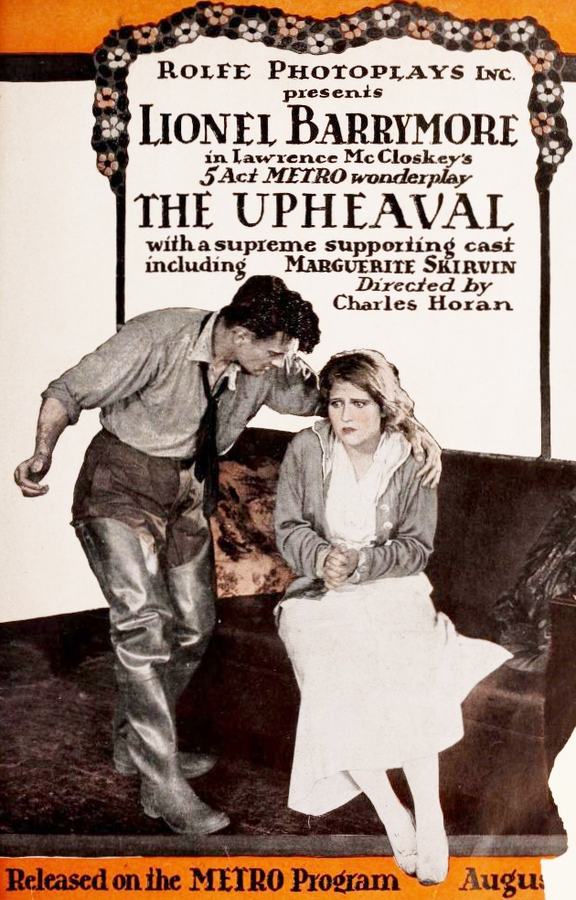
Dir: Charles Horan
On Jim Gordon falls the political mantle of his father, "Big Jim" Gordon. The father has been the leader of a corrupt ring, but the son determines to be true to the teaching of his dead mother, and use his position for good purposes. However, he is not given credit for altruism. It is taken for granted both by the general public and by the politicians whose leadership he has inherited that he is a grafter, as his father has been. He succeeds in getting the Utilities Bill passed. The New American, a newspaper under reform management, warns the public against what it calls his hypocrisy. When he gets the Water Rate Bill passed they still accuse him of having some nefarious scheme "up his sleeve" to defraud the public. Gordon's only mistake is in making Sidney Benson Director of Public Safety. Benson is a fraud, who is posing as a reformer to further his own ends. He is engaged to Joan Madison, who is interested in the passing of the Sanitary Bill to provide for better conditions among the tenement dwellers. She goes to Benson for aid in the matter, but he gives an evasive answer. She then goes to Benjamin Waters, the editor of the New American, and he asks her to write a series of articles exposing local conditions. She consents, but goes to a mountain resort for quiet in order to write. Through an accident she meets Gordon, who has also gone to the same county for a rest, and they fall in love. On her return to the city she decides to plead with Gordon himself to have the Sanitary Bill passed, and is surprised to meet her friend of the mountains. He tells her that her own father is the owner of the houses in the debated district and that the destruction of these buildings will mean penury for her. Principle triumphs over selfishness and she tells him to go ahead and have the bill passed. He does so, and her father is left without means. Gordon tells him that all his money difficulties will be solved if he will influence Joan to become his wife. Joan's instinctive fondness for Gordon is clouded by what she thinks is his contemptible bargaining, but she consents. They are married, but she still believes that her husband is a grafter. A new traction company comes into the field to fight the methods of the old one. The original company accuses Gordon of no longer looking after its interests. His answer, which is an offer to buy the concern, is gladly accepted. Joan learns of the transaction and tells Benson, thinking her husband intends to defraud the public. An accusation of Gordon is made on the front page of the New American on the morning the franchise bill is to come up before the city council. A great crowd congregates, determined to fight Jim Gordon and any measure he may advocate. He demands a hearing. Briefly outlining the benefits he has conferred on the city, he tells them he has bought the company in order to make a present of it to the city in honor of his dead mother and to atone for the wrongs his father has done the community. Gordon and Joan are left penniless, but they begin a new life together.
View Details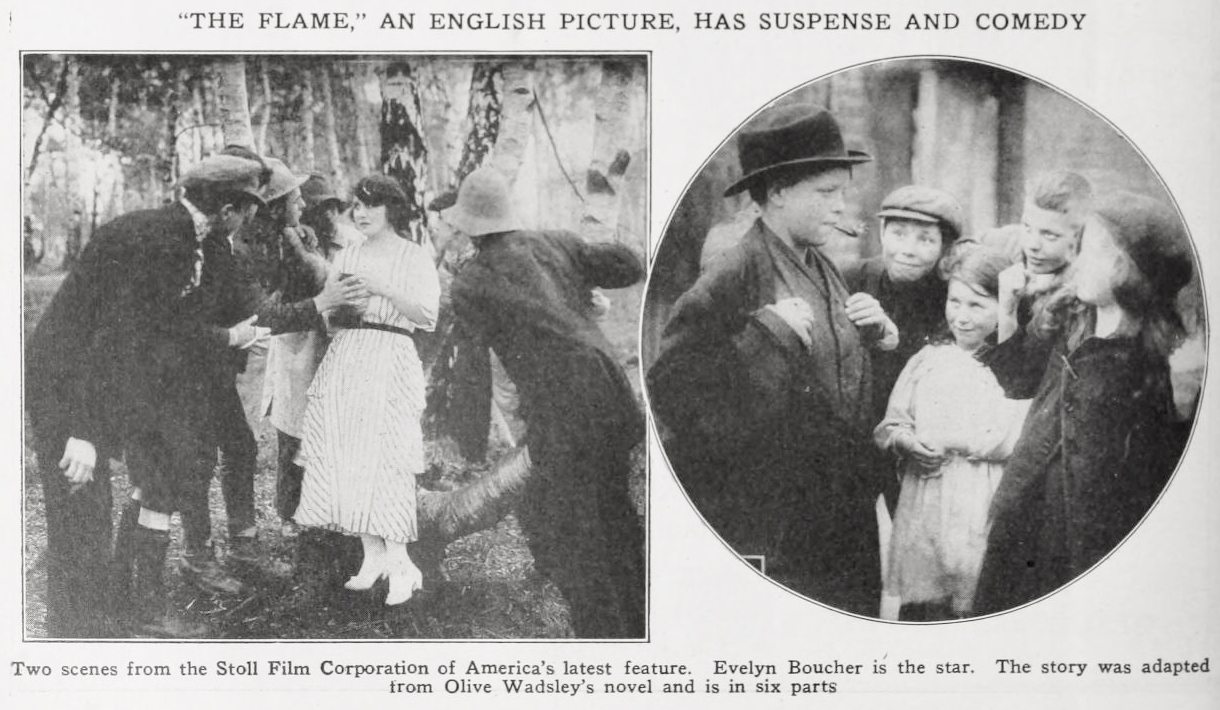
Dir: F. Martin Thornton
In Paris an orphan cartoonist loves a man with a mad wife, who dies in time to prevent her marriage to a jilted Comte.
View Details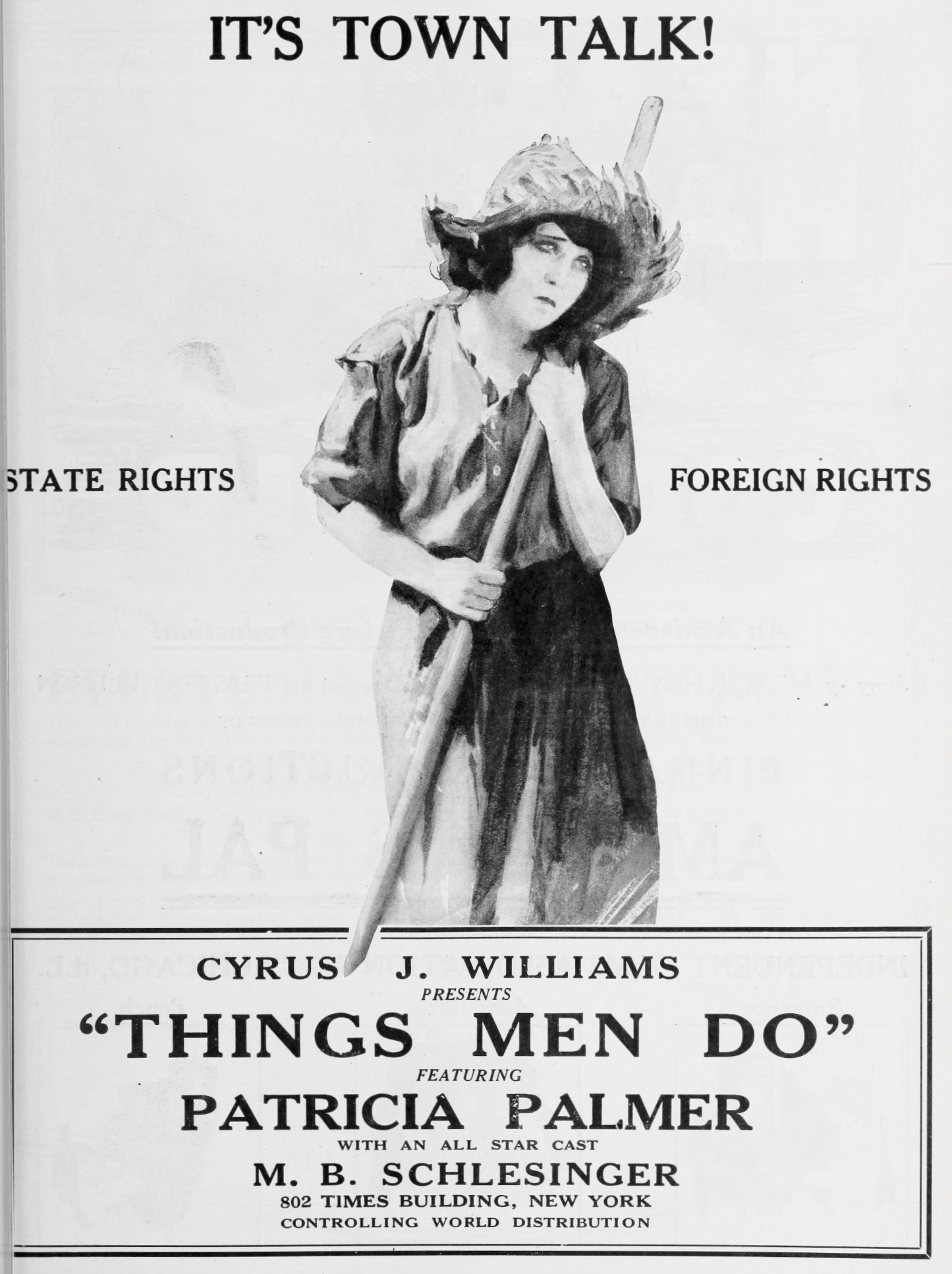
Dir: Robert N. Bradbury
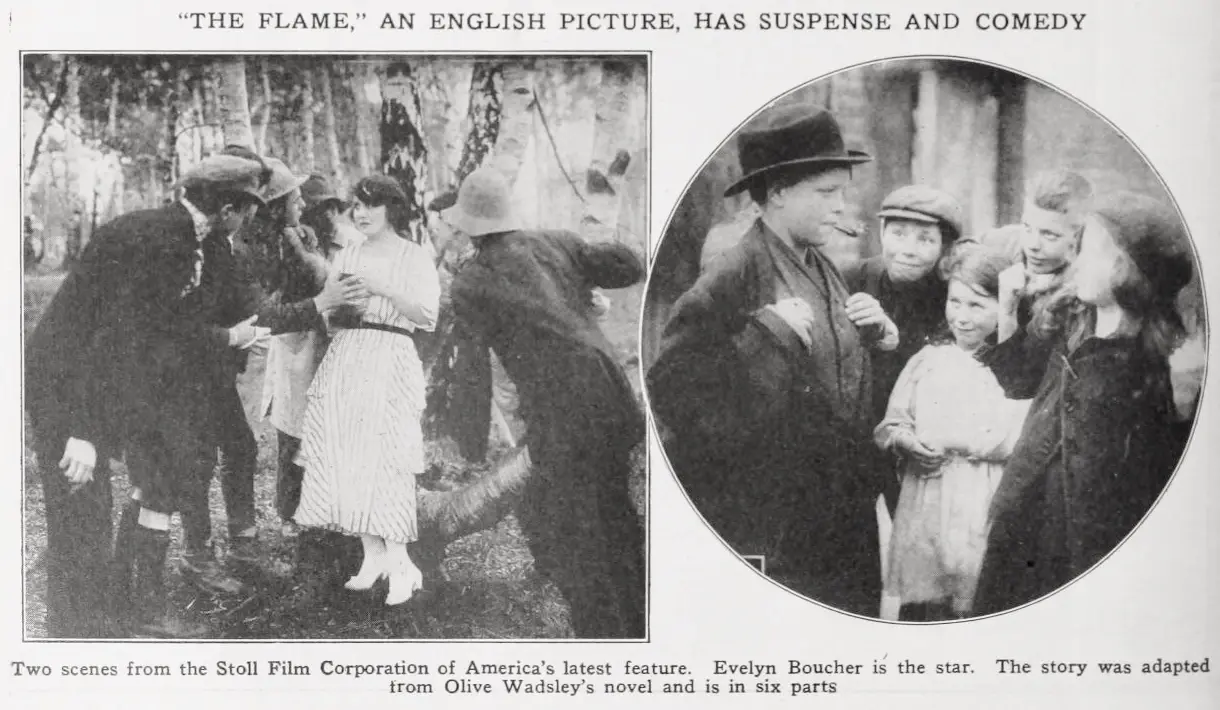
A simple country girl, brutally mistreated by her stepfather, awakens first the sympathy, then the love, of The Boy. The Spider, who lusts after The Girl, makes a bargain with the stepfather and takes her to the city where, kept prisoner, she is soon broken in health and spirit. Cast out and near death, she is taken in by The Boy. Following the demise of The Spider, The Boy takes her to church, where he prays, and after many hours she is restored to health.
View Details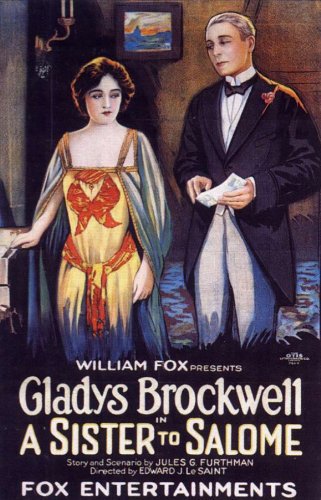
Dir: Edward LeSaint
When famous opera singer Elinore Duane undergoes an operation on her throat, she has a series of ether-induced visions. In one, she is transported to ancient Rome where she appears as a much-admired woman in love with Paul, a young heretic, and at odds with Lutor, the high priest. To save her love, she poisons Lutor with her ring. After several other visions which involve variations on this love triangle, Elinore awakens to discover that Lutor is actually her doctor, Sascha Jaccard, and that Paul is the son of a friend who has come to visit the recovering prima donna.
View Details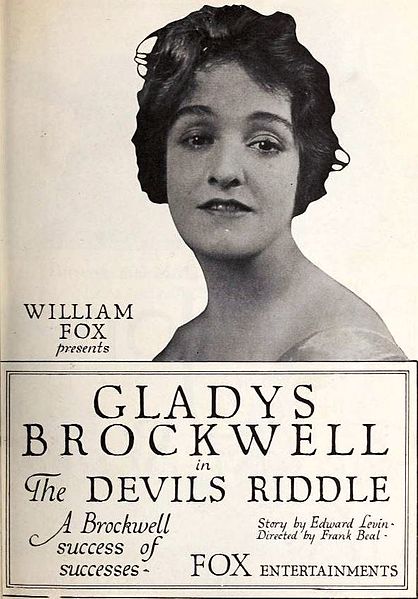
Dir: Frank Beal
During a raging Montana snowstorm, Doctor Jim Barnes collapses at Esther Anderson's cabin door. Esther offers Jim refuge, but when he discovers that their food supplies are running dangerously low, he braves the journey into town in order to replenish them. On the way, he is overcome with exhaustion and fails to return. Esther, unaware of Jim's condition and abused by her stepfather, joins a theatrical troop and leaves home. Time passes and Jim finally finds Esther, but a vindictive member of her troupe accuses her of having an affair with the manager and Jim believes the accusation. He leaves and Esther goes to New York City where she becomes engaged to a jealous artist, although she still loves Jim. Sam Tuttle, a long time friend, is aware of Esther's continuing love, and so brings Jim to New York City in time to save Esther from an unhappy marriage.
View Details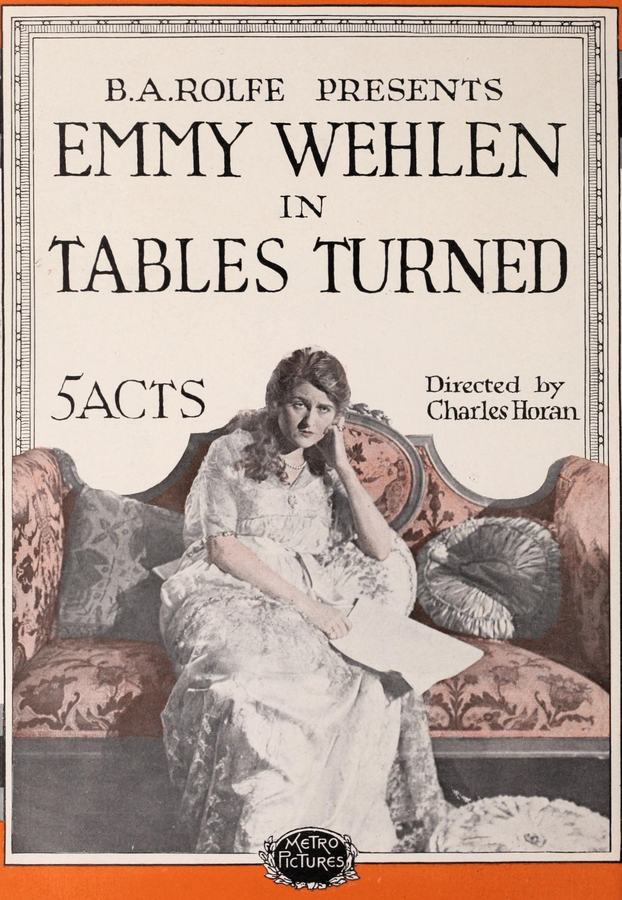
Dir: Charles Horan
Howard Sherbrooke, a wealthy senior at a law university, is infatuated with Ethel Stratton, a girl who is a favorite with the students. Dick Leslie, his chum, is also in love with her. Dick is from the west, working his way through college, and Howard has assisted him financially. Howard does not know of Dick's love for Ethel. After graduation, Howard, whose interest in Ethel has ripened into love, realizes that his family and social friends will not tolerate her as his wife. He plans a mock marriage, intending to take her to New York with him. He tells Dick of this proposed arrangement, and asks him to get someone to impersonate a minister for the ceremony. Dick veils his indignation, but agrees to carry out the plan. Instead, he engages a real minister, who marries Ethel and Howard. Dick goes west. The couple live happily in a Brooklyn flat for several months when Howard receives a letter from his father, stating that he is planning for his son to marry Beatrice Ford, daughter of his friend, Randolph Ford, a multi-millionaire. He adds that Mr. Ford intends making Howard head of the law department in his firm. Howard realizes he must break off his affair with Ethel. He tells her that he is not married to her, and that he must leave to marry a girl of his own caste. Broken hearted, Ethel informs him she is soon to become a mother. Howard blames the mock marriage on Dick, and leaves. Ethel writes a scathing letter to Dick. Dick hurries east and finds the minister who performed the ceremony. It is the morning of the Sherbrooke-Ford wedding. Ethel goes to the church, and as she starts to denounce her husband during the ceremony, falls in a swoon and is carried into the vestry. Dick and the minister arrive at the church, but the guests are leaving. Ethel comes out of the church alone and meets Dick, who tells her she is really married to Howard. Accompanied by the minister they hurry to the Ford home, where they convince Mr. Ford his son is a bigamist. Mr. Ford, in a rage, declares he will send his son to prison. Horrified at the prospect of a prison term and the attending disgrace, Howard goes into the library where a flash from a pistol shot records his unhappy end. A few months later Ethel and Dick are married.
View Details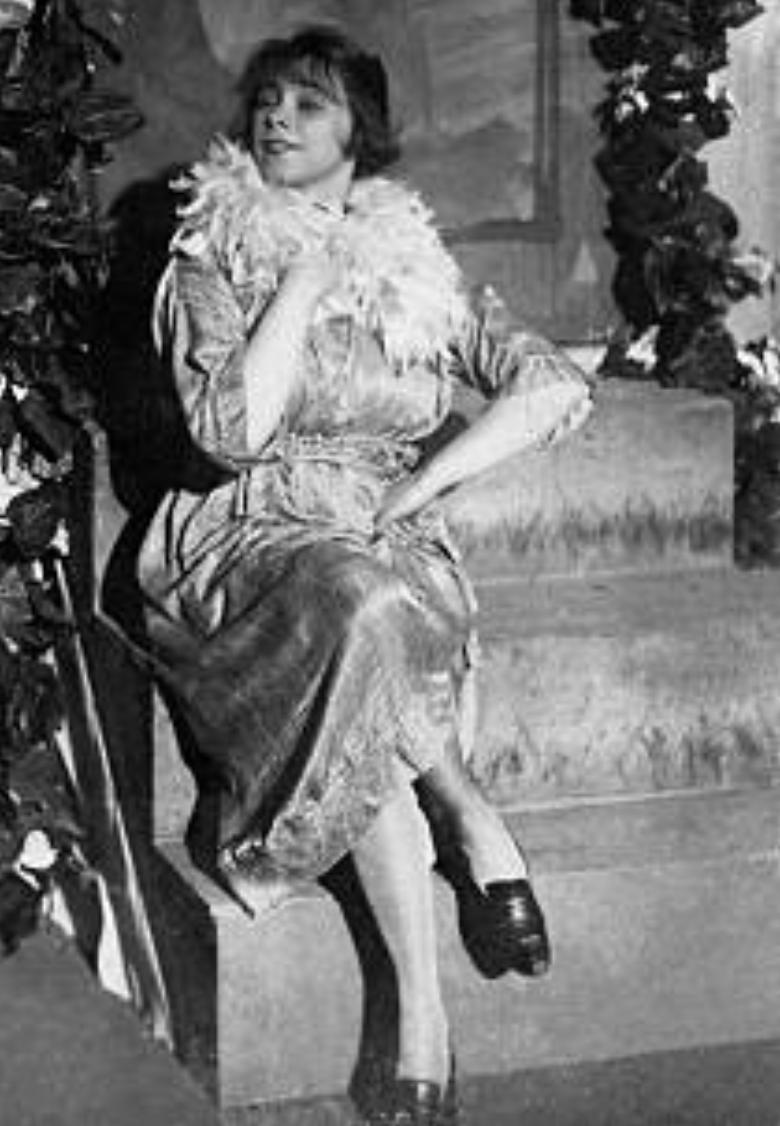
Dir: Bruno Ziener
A fascinating piece of cinema that shares thematic elements.
View Details
Dir: Dallas M. Fitzgerald
Confidence artist Flossie Golden attempts to fleece foolish but wealthy James Venable with a breach-of-promise suit. Venable's shrewd attorney, Richard Harding, outwits Flossie by proposing that she marry Venable and live on an allowance of $3,000 per year. Flossie is determined to get even with Harding for ruining her plans. In an attempt to con him, she poses as Innocence Page, but falls in love and marries him instead. Larry, Flossie's former accomplice, endeavors to blackmail her with her errant past, but Harding is already cognizant of the facts and Larry fails.
View Details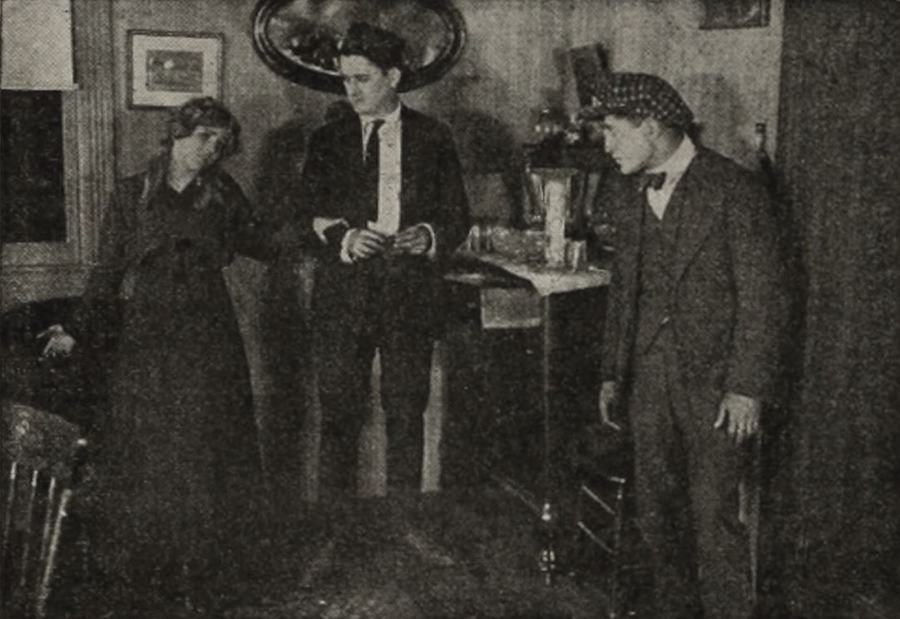
Dir: Charles Horan
When Tom Drogan drunken, wild ways, cause his mother's death, his sister Nell swears to protect and reform him. On the pretext of paying back a gambling debt, Tom brings "Kid" Hogan to the house, but ends up shooting him in the forearm. Dan Hogan, Kid's brother who is a policeman, rushes to the scene and catches Tom running away. To avoid arrest, Tom tells Dan that he fired at Kid for molesting Nell, and in the face of scandal, Dan and Kid back down. As revenge, Kid enlists Mamie, his girlfriend, to force Nell into a compromising situation with a man on a street corner. Conveniently placed, Dan arrests Nell for solicitation, but Frank Roberts, her boyfriend, arrives and extricates her. When Tom hears of the plot, he confronts Kid in a dance hall and soon a raging gun battle breaks out in which Kid is killed. Badly wounded, Tom seeks refuge with Nell, who prepares to protect him with his gun. As the police break down her door, Tom dies.
View DetailsAnalysis relative to Does It Pay?
| Film Title | Atmosphere | Complexity | Similarity |
|---|---|---|---|
| The Blindness of Love | Surreal | Abstract | 97% Match |
| The Upheaval | Ethereal | Layered | 90% Match |
| The Flame | Surreal | High | 97% Match |
| Into the Light | Gothic | Abstract | 89% Match |
| A Sister to Salome | Gothic | High | 88% Match |
This guide was algorithmically generated using the cinematic metadata of Charles Horan's archive. Last updated: 6/24/2026.
Back to Does It Pay? Details →