
DbcultAccessing Vault...
Recommendations
Senior Film Conservator
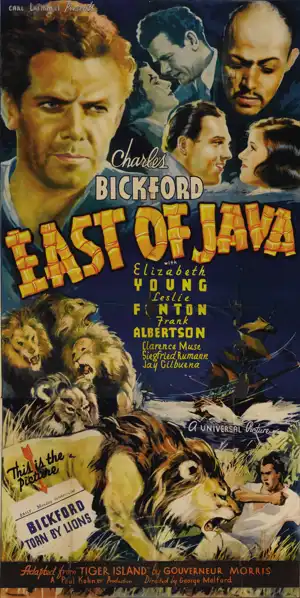
After experiencing the emotional resonance of East of Java (1935), you are likely searching for more films that share its specific artistic vision. Unlock a new level of cinematic understanding with these Drama alternatives.
This 1935 Drama classic stands as a testament to push the boundaries of conventional storytelling.
Survivors of a shipwreck find refuge on a tropical island--but so do the ship's cargo of lions and tigers.
The influence of George Melford in East of Java can be felt in the way modern Drama films handle emotional resonance. From the specific lighting choices to the pacing, this 1935 release set a high bar for atmospheric immersion.
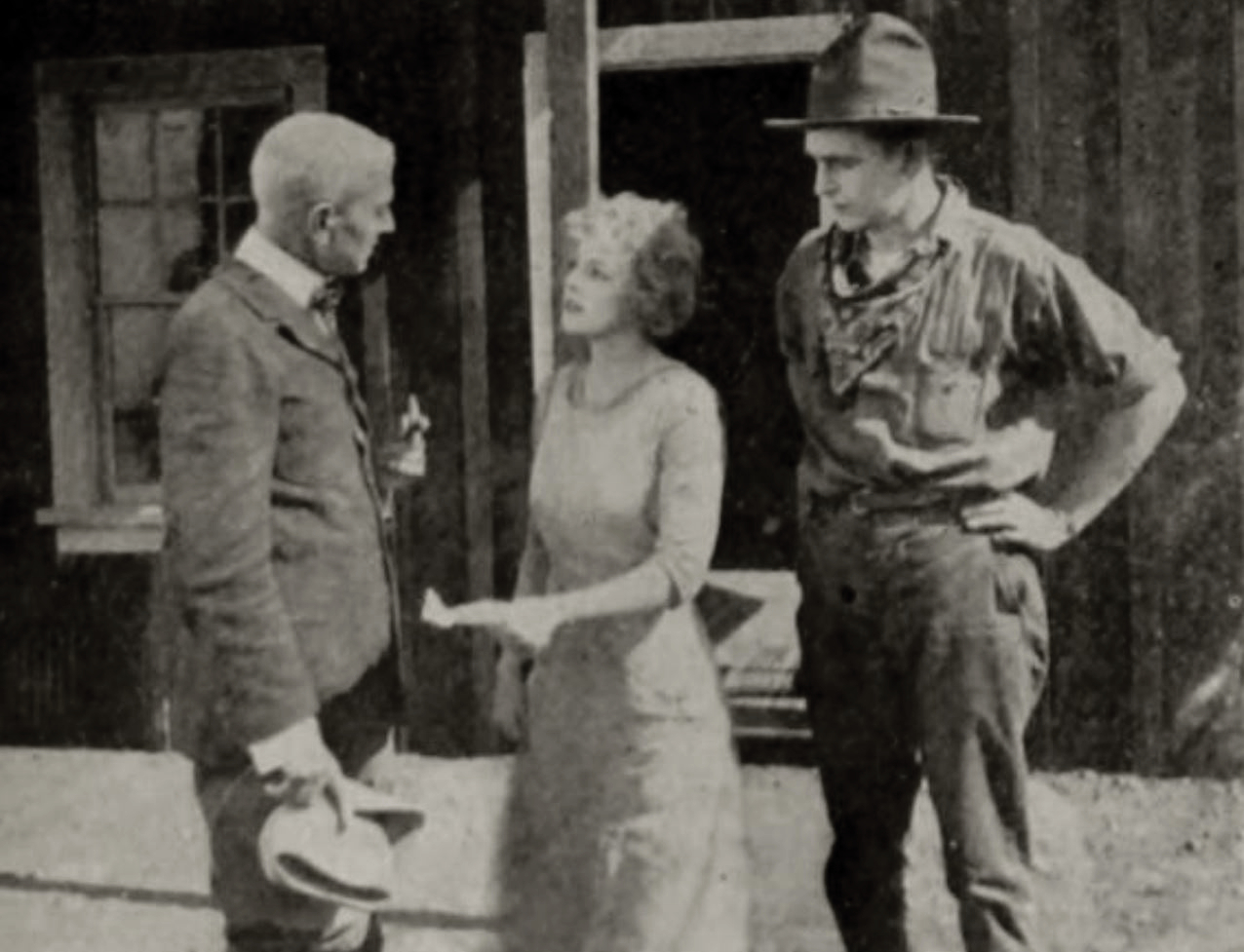
Based on the unique emotional resonance of East of Java, our vault has identified these titles as the most compelling follow-up experiences for fans of Drama cinema:
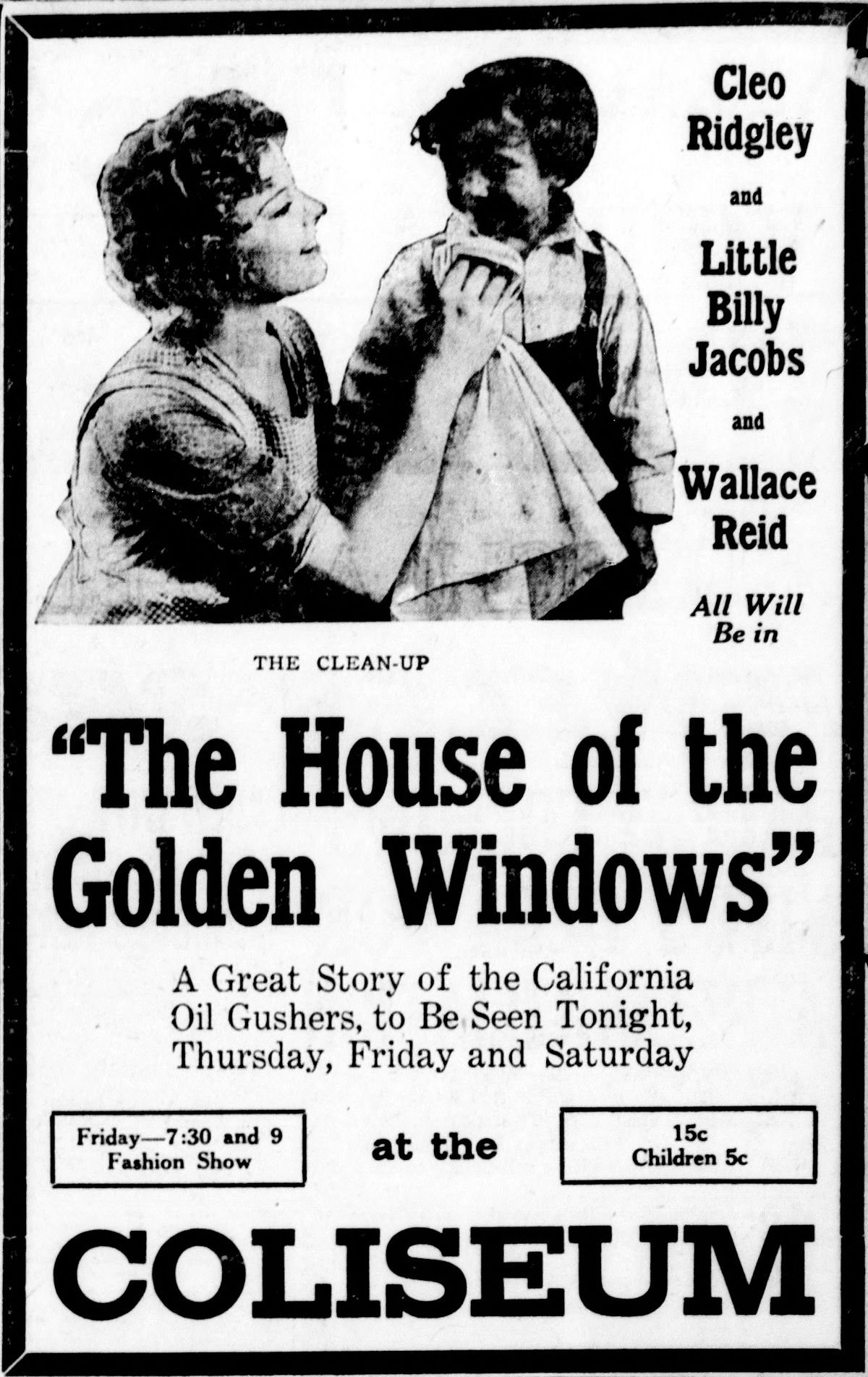
Dir: George Melford
Sue Wells husband Tom works as a shepherd, is sick of being poor, living in the shadow of Mr. and Mrs. James Peabody's opulent estate. When the Peabodys leave for a vacation, Sue and Tom carry out a check fraud scheme and take advantage of a loophole in the Peabody's lease, resulting in their becoming the owners of the estate. However, living in the mansion does little to make Sue happy, and when James returns and discovers what she and her husband have done, he kills Tom. He is about to murder Sue, too, when she wakes up, and realizes that her life as a wealthy landowner has been only a dream. James then enters, and announces that he has made Tom the estate manager, which forever ends Sue's financial worries.
View Details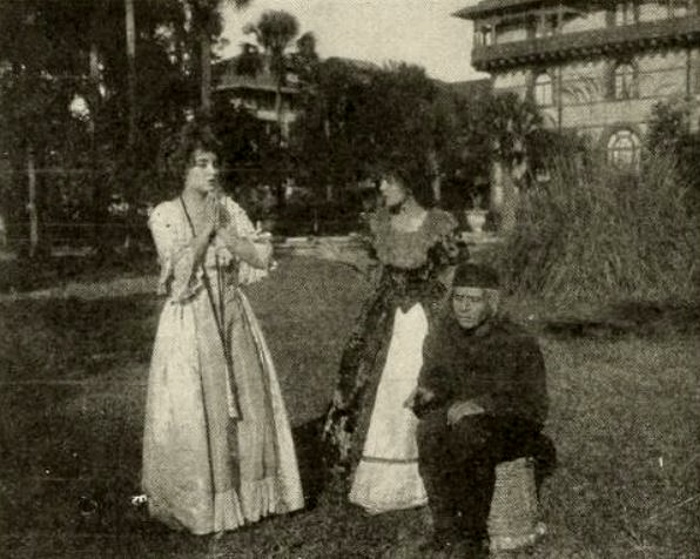
Dir: George Melford
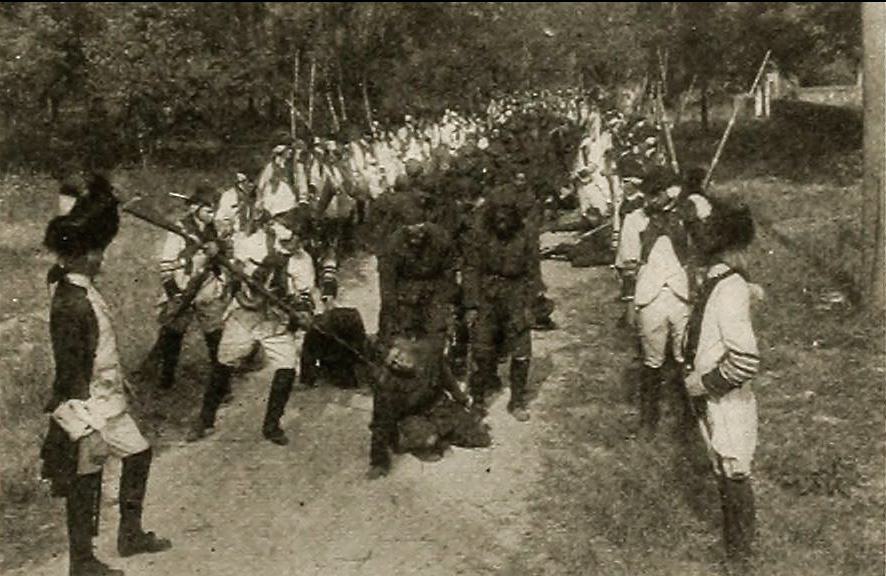
Foster sister of the Duchess d'Aubeterre, Madeline, marries Jean Renaud, a French soldier, and has a daughter named Adrienne. Five years later, on a battlefield, Renaud is entrusted by the Count de Moray with jewels and papers proving that Adrienne is his heir. After Moray's death, Renaud gives everything to Madeline and then returns to the battle. Lazarre, who had followed Renaud, then goes to Madeline and demands the jewels. Madeline's refusal awakens Adrienne, but Madeline quiets her by saying that her father is home. When Madeline still refuses Lazarre's request, he stabs her. Later, Adrienne tells the neighbors that her father had just been with her mother. Renaud is sentenced to prison for life, after which the Duchess adopts Adrienne. Many years later, Adrienne re-encounters her father and eventually the true murderer is revealed and Renaud is pardoned.
View Details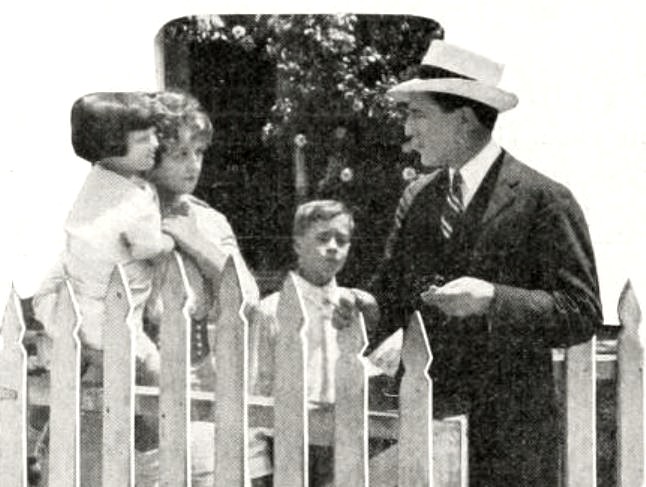
Dir: George Melford
Anna Granger's husband commits a fraud at the bank where he works and is condemned to pay the penalty of a jail sentence. In the hope of proving his innocence she goes to work, under an assumed name, for the President of the closed bank. This man is now indicted himself, though unjustly, and employs detectives who finally unearth a letter positively establishing the guilt of Granger. In spite of everything, Anna remains faithful until she learns that the theft her husband committed was to get money for another woman. Then comes a sudden climax which puts an end to a situation which she could not possibly endure.
View Details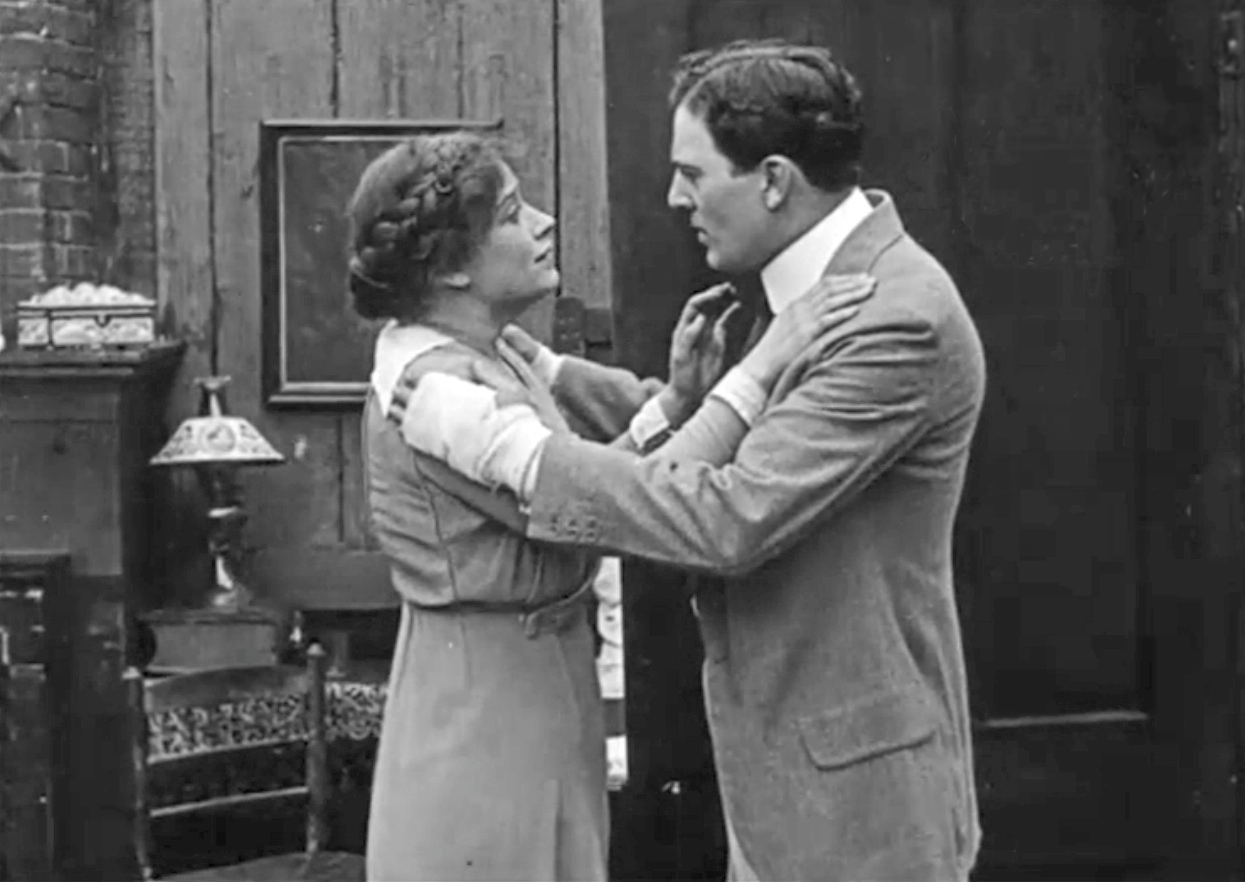
Dir: George Melford
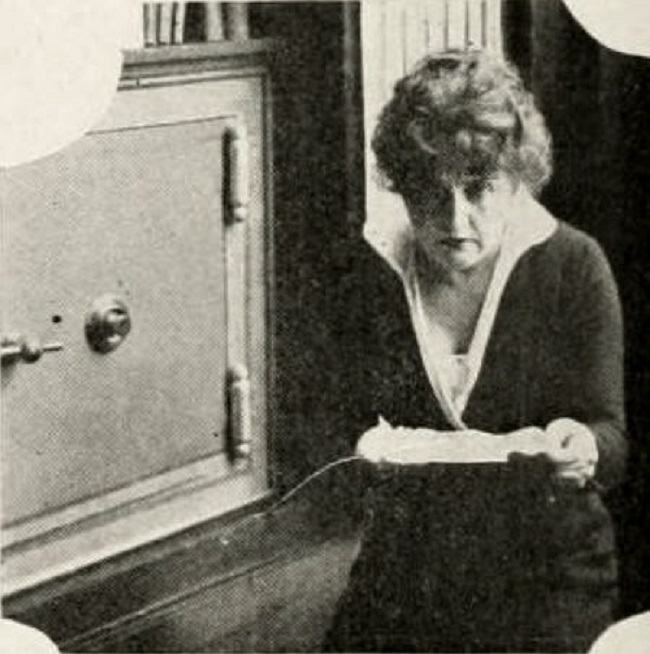
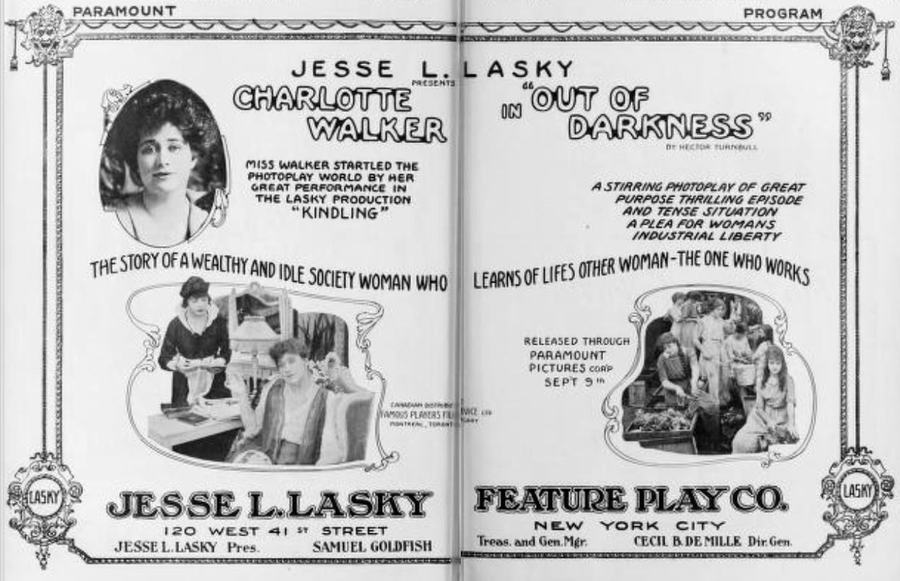
Helen Scott has been left the sole owner of the Scott Canneries by her father's death, but being too busy with social duties, she leaves the handling of the industry's business to her hard-fisted uncle and only calls upon him when she needs money. Harvey Brooks, manager of the canneries' Tampa branch, is a hard-working young man with new ideas of social welfare. He has hundreds of people in his employ working under most unfavorable conditions for starvation wages. He has pleaded with Helen Scott and her uncle to better the working conditions but has always been ignored. During the height of the social season, Helen goes to Palm Beach, Florida with a party of friends for the yacht races. While sailing her sloop one foggy night, it is run down and sunk by a large schooner, a fruit carrier for the Scott canneries. Helen is rescued from the sea by the captain of the schooner. The heiress is stunned by a blow on the head, received at the time her sloop was struck. When she recovers she is unable to remember her name or her identity. The schooner captain takes Helen to his home, and when she has recovered, his daughter, who works in the cannery, secures Helen a position beside her at the cutting table. Brooks, hearing of Helen's accident and loss of identity, takes an interest in her and she is attracted by his kind manner. Labor leaders are urging the cannery workers to strike and place the blame for the conditions upon young Brooks. One night Brooks is slugged and bound to a chair in his frame office building and the plant is set on fire by the excited workers. Helen rushes through the flames to his aid and as she unbinds him she is overcome by smoke and falls unconscious by his chair. Brooks carries her to safety through the burning buildings and returns her to the schooner captain's home. While they are both recovering from their burns a detective, employed by the uncle, locates Helen. The shock of the fire and the burns has slightly restored Helen's memory and the clever detective finally brings her to realize who she really is. Helen is in love with Brooks and he with her, believing that she is a poor factory girl. The heiress realizes that Brooks hates the real Helen Scott for her indifference to the workers. When he has recovered she meets him alone, tells him she is Helen Scott, and breaks down his wall of hatred and together they go to help their coworkers.
View Details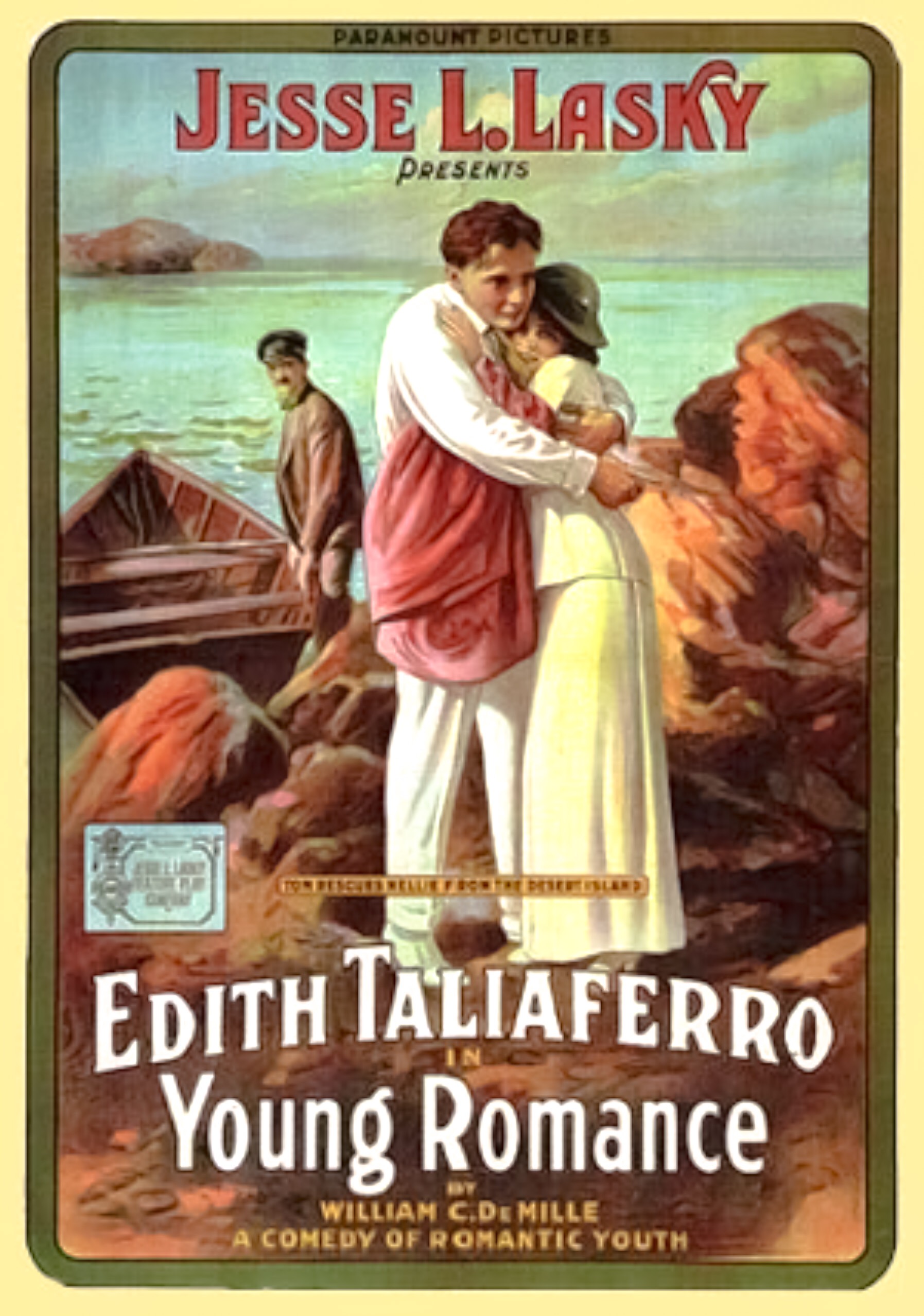
Dir: George Melford
Two people working in the same department store pretend to be aristocracy at a fancy resort, intending to pull a wealthy spouse, but end up falling in love with each other instead.
View Details
Dir: George Melford
The story relates the attempt of a group of machine politicians at Washington to ruin Matthew Standish, an insurgent who has made himself so strong with the people that he is in a position to defeat the Mullins bill, fostered by a corrupt ring in Washington, in favor of certain railroads. The leaders of this ring are Jim Blake, the boss of the party machine, and his son-in-law Mark Robertson. Standish is being hailed throughout the country as the exponent of morals and virtue, and Blake realizes that the only way to defeat him is to find some blot on his record in the past. He puts a detective to work, who, by bribing Standish's former secretary, finds out that some years ago Standish became involved with a young woman of good family, but for some reason he did not marry her. Blake realizes that skillfully handled, this story could be made to ruin Standish's career, but without the woman's name it will look like a campaign lie. So the entire machine bends its energy to discovering the woman's identity to prove the story. To accomplish this, they lay a trap that they think will make Standish try to warn the woman by telephone. He is deceived and does telephone the woman to be on her guard, calling the number Plaza 1001. Wanda Kelly, telephone girl at the Keswick, has been told of the plan by Blake, who believes that she can be bribed to give him the telephone number. After Standish telephones, Blake's son-in-law Robertson comes in to 'phone his home in New York, calling the same number that Standish has just called. Wanda, the operator, sees that the woman in the case is really Blake's daughter and Robertson's wife, and besides refusing to give the number, destroys her record sheet. Mrs. Robertson arrives from New York and is driven to desperation when Standish informs her that, though he has tried to protect her, he needs to give her name to Blake and Robertson if they continue striving to ruin him by this story. The subsequent events leading to the conclusion of the drama and the defeat of the offensive Mullins bill in Congress are stirring in the extreme. Once again the telephone girl interferes in the plot by disconnecting the wires when the "ring'' politicians, driven to their last ditch, are trying to telephone a newspaper to release the story even without the woman's name. She keeps her courage after this, even when threatened with arrest and criminal prosecution. It is the woman herself who finally comes to the rescue and refuses to see the little telephone girl made to suffer further on her behalf. This terrible revelation makes Blake and Robertson see what a veritable heroine she has been and even leads to the happy consummation of a romance between the telephone operator and Jim Blake's son.
View Details
Dir: George Melford
A fascinating piece of cinema that shares thematic elements.
View Details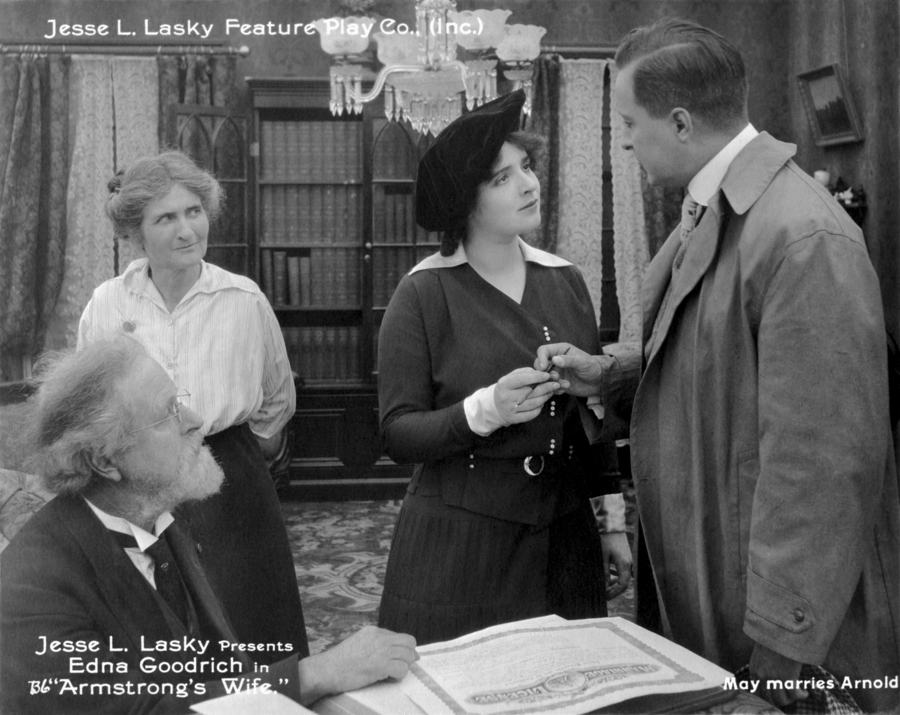
Dir: George Melford
Gambler Harvey Arnold is forced to leave San Francisco and winds up in a small country town that is in the midst of a reform movement. He marries local girl May Fielding, who has no idea of his profession. When she finds out, he promises to quit, but it turns out that his profession wasn't the only secret he was keeping from May.
View Details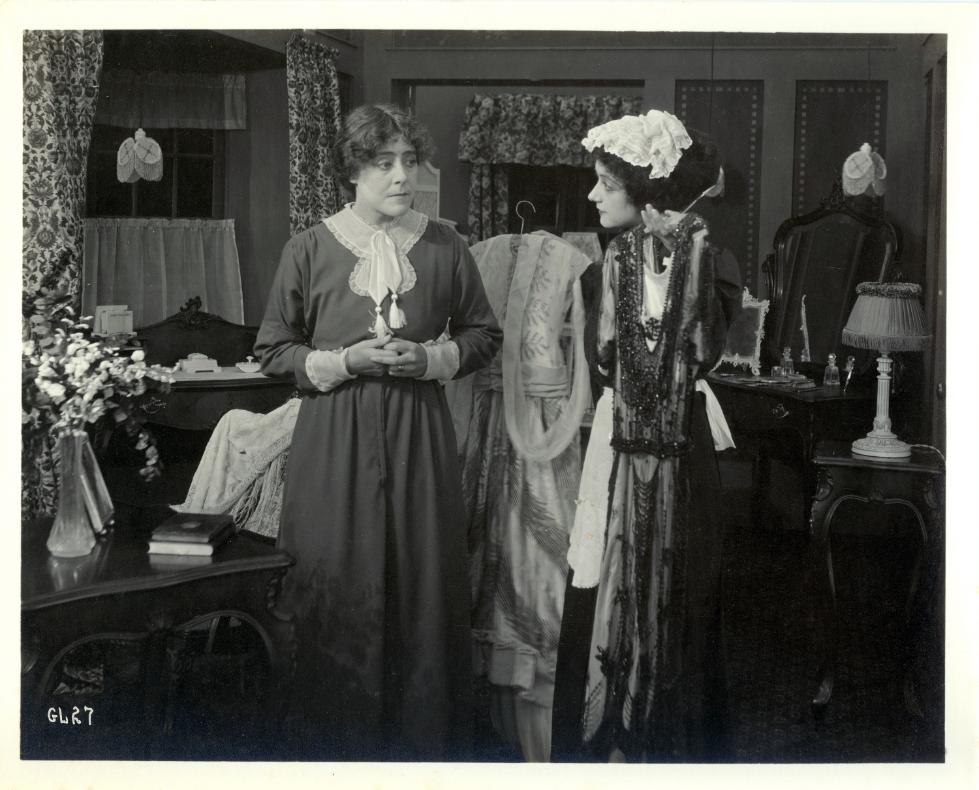
Dir: George Melford
At the opening of the story Daniel Slade is working in a mine and, though not positively in need, he and his wife live in comparative poverty. Slade is a man filled with ambition, but his wife is contented and absorbed in her love for her husband. By a fortunate accident he discovers a gold mine, and with his newly acquired wealth, immediately sets out to make a position of influence for himself in the world. His aggressive personality and ability at once attract attention, these qualities being combined with wealth, and the possibilities of a political career are pointed out to him by Senator Strickland. Slade has no sooner established himself in his new surroundings than he comes to feel that his wife does not know how to take advantage of their altered circumstances. She is still the same simple, home-loving person. In the course of time he becomes attracted to the Senator's daughter, who, like himself, is of ambitious temperament. In fact, though she does not love him, she agrees to marry him if he obtains a divorce from his wife. The concluding episodes of the story show how the wife rescues her husband from his unpardonable folly, and how, much chastened, he finally persuades her to come back to him. He has now become the chief executive of the State and Mary at last takes her place as the Governor's Lady.
View Details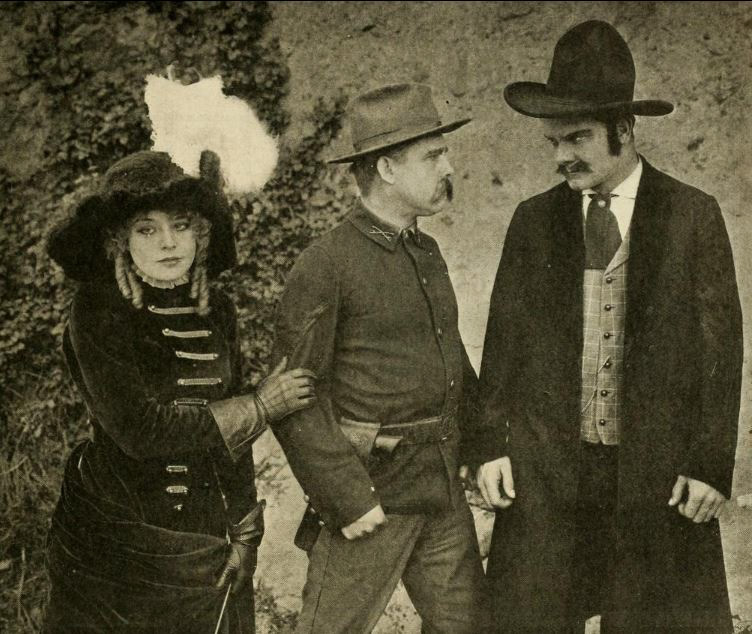
Dir: George Melford
Major Dean's developed mental powers have enabled him to give demonstrations in thought-suggestion. Interested in character types, the major, who is an army surgeon, visits a notorious dance hall owned by Lorenzo. The surgeon is struck by the beauty of Mabel, one of the dance hall girls. Mabel lives in deadly fear of Lorenzo. Due to the interest he takes in her Major Dean again demonstrates his wonderful power of mental suggestion by causing the girl to lay down the glass she raised to her lips. Later, a fight is started in the dance hall. All lights are shot out. Mabel is stunned by a bullet. Seizing her in his arms, Major Dean takes her to his home. The following morning finds the girl still unconscious. Major Dean's diagnosis leads him to believe that due to the wound caused by the bullet, a pressure on certain brain cells has wiped all memory of the past from Mabel's mind. Realizing that despite her condition, the girl's subconscious mind is capable o£ registering impressions, the surgeon forces upon Mabel's mind the thought she is, and always has been, his daughter. The girl is possessed of this belief when she recovers. She later accompanies Major Dean to the western army post to which he has been assigned. Sergeant Whitney, an old soldier, is stationed at the post. The man is struck by the wonderful resemblance which Mabel bears to his daughter who, several years previous, had been enticed from her home by a gambler. Although Whitney has never seen the man, he has vowed to find and kill him. Meanwhile, Lorenzo learns what has become of his former victim. Resolved to regain her, he leaves for the west. Arriving at the army post, Lorenzo demands that Dean surrender Mabel. Knowing the girl will not recognize the man, the surgeon allows her to comfort him. Mabel shrinks from Lorenzo in repulsion. Suspecting the truth, Lorenzo later waylays his former victim while she is out riding and endeavors to revive in her mind the memory of her life with him. At the same instant, Major Dean is obsessed by a sense of impending danger. The surgeon gazes out of the window through a pair of field glasses. He discovers Lorenzo talking to Mabel. Aware of the man's nefarious scheme, Major Dean concentrates his powerful will in an effort to so influence Mabel's mind as to enable her to withstand Lorenzo's hypnotic influence. The girl, who had been wavering, receives the message emanating from the major's mind. It causes her to shrink from her former master with the assertion she has no recollection of the incidents he has mentioned. The opportune arrival of Sergeant Whitney prevents Lorenzo from seizing Mabel and carrying her away. That night, Lieutenant Sibley, a young army officer who has fallen in love with Mabel, asks the major for her hand. Feeling it to be his duty, Dean informs Sibley of the girl's past. The surgeon declares it is his belief that Mabel is the daughter of Sergeant Whitney, and that Lorenzo is the man who enticed her from home. So great is his love, that Sibley vows to marry Mabel in spite of what has happened. Unknown to the two, Whitney has overheard the story. Mad with hate, he seeks Lorenzo. Unaware of his impending doom, Lorenzo resolves to make one supreme effort to regain Mabel. Seated by his window, the man fixes his mind upon Mabel with every ounce of power he possesses. Although fast asleep, the girl's mind receives the command sent forth by her former master. As though in a trance, she dons her clothes. Again the sense of danger overcomes Major Dean. He hastens towards Mabel's room. Just at this instant, Whitney enters Lorenzo's room. The rage-maddened father engages the gambler in a death struggle. While this combat rages, Mabel stands as though petrified. Securing possession of Whitney's revolver, Lorenzo shoots, wounding the old soldier mortally. Although he has received his death wound, Whitney's consuming hatred gives him strength to continue the struggle. A sudden twist, and the sergeant secures a vise-like grip on Lorenzo's throat. He forces the man back towards the bed. Mabel awakens with a start. In answer to Major Dean's anxious query, she replies that a bad dream had caused her to walk in her sleep. In Lorenzo's room, Whitney draws back from the silent form on the bed. The soldier attempts to reach the door, but his strength fails. The man staggers and crumples to the floor.
View DetailsAnalysis relative to East of Java
| Film Title | Atmosphere | Complexity | Similarity |
|---|---|---|---|
| The House with the Golden Windows | Gothic | High | 91% Match |
| A Celebrated Case | Gritty | Layered | 94% Match |
| The Fighting Hope | Gothic | High | 85% Match |
| Out of the Darkness | Tense | Layered | 86% Match |
| Young Romance | Surreal | Abstract | 86% Match |
This guide was algorithmically generated using the cinematic metadata of George Melford's archive. Last updated: 8/16/2026.
Back to East of Java Details →