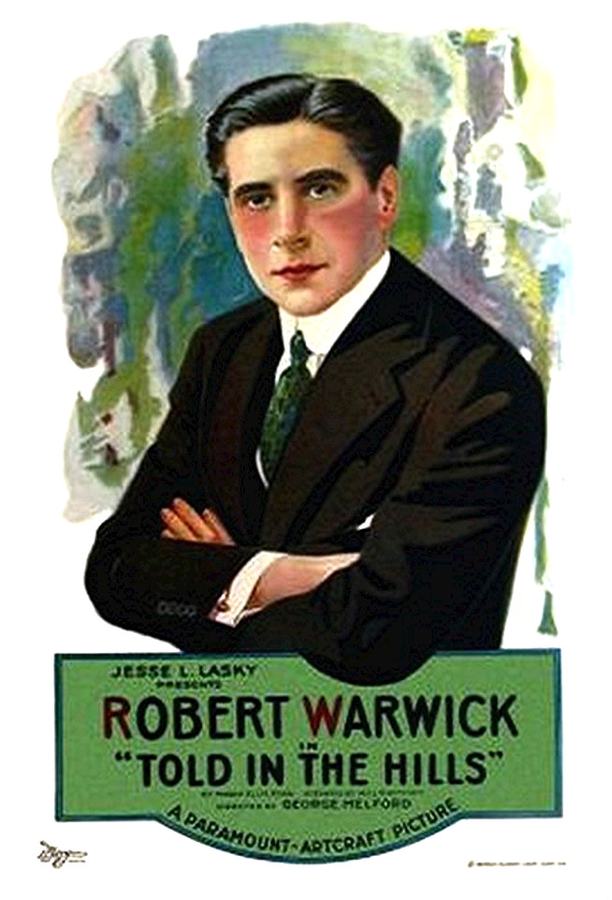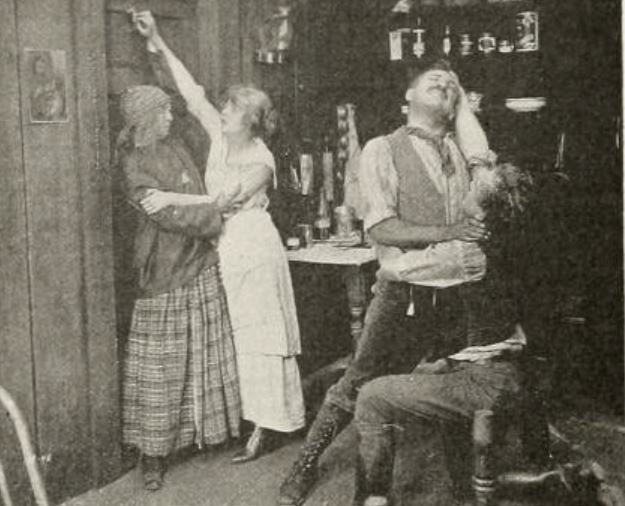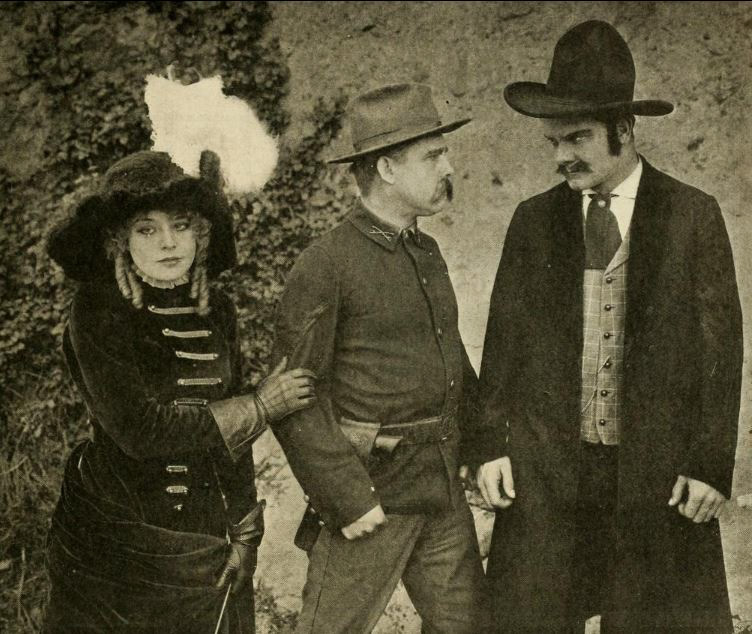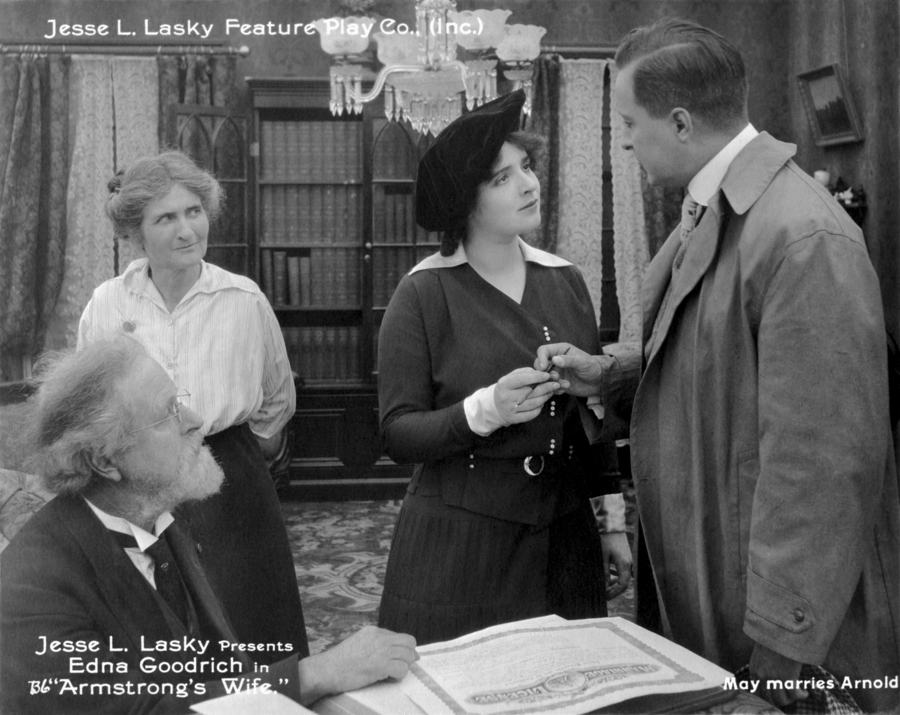
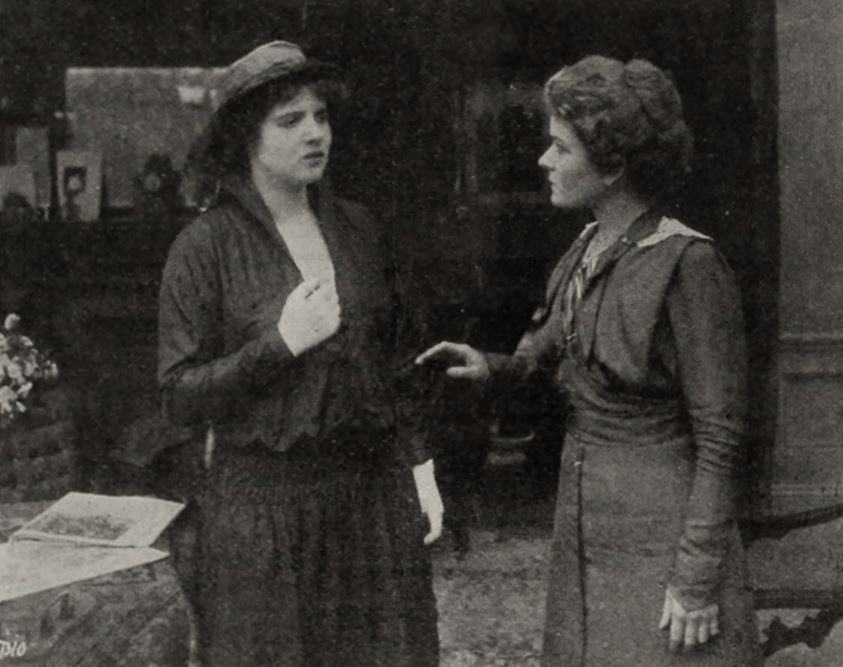
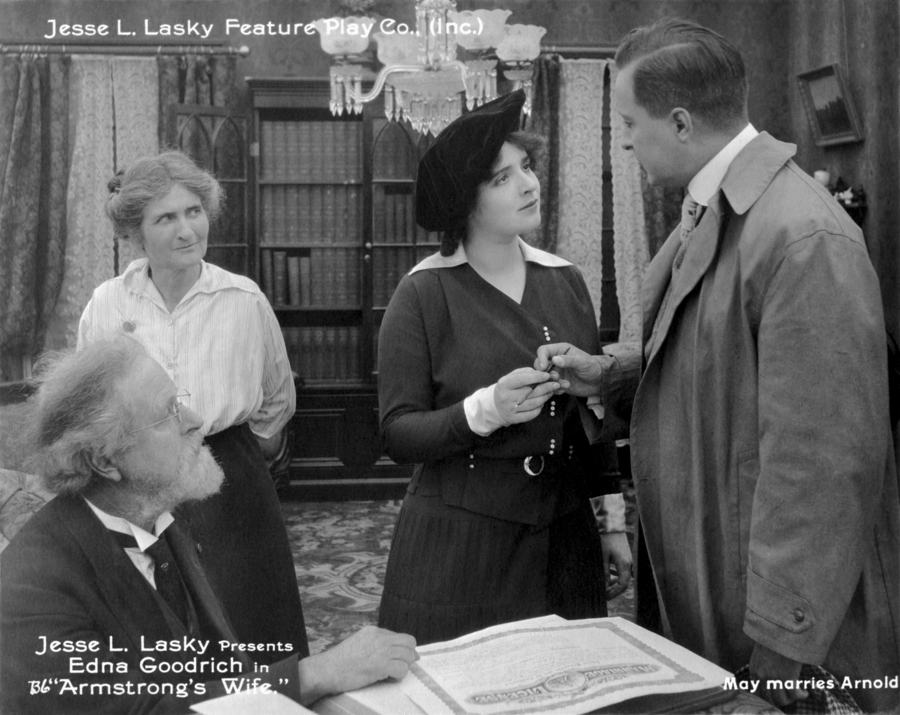
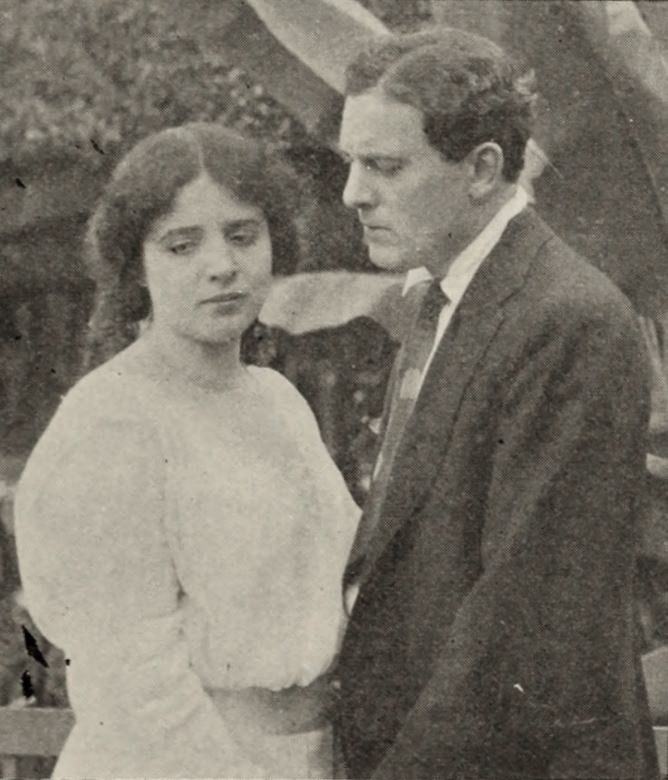
Gambler Harvey Arnold is forced to leave San Francisco and winds up in a small country town that is in the midst of a reform movement. He marries local girl May Fielding, who has no idea of his profession.
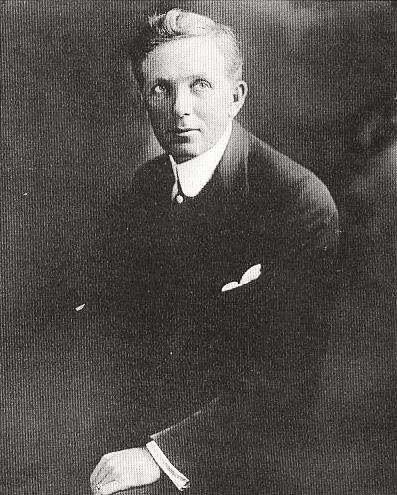
Margaret Turnbull
United States
Picture a sepia photograph left too long in High Sierra sun: edges curling, faces blistered into ghost halos—that is the visual after-taste of Armstrong’s Wife, a 1915 Paramount five-reeler that most historians skim past on their race to Griffith’s epics. Yet beneath its modest runtime lies a caustic study of American...
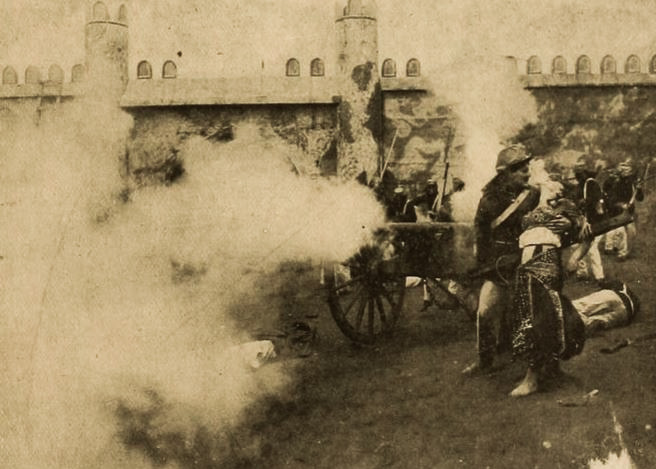
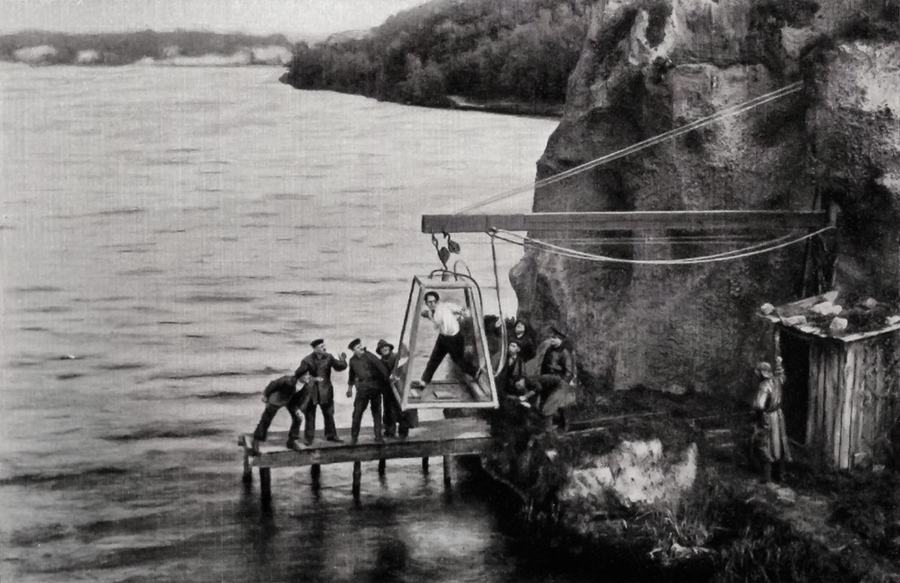
still_frame
still_frame

still_frame
still_frame
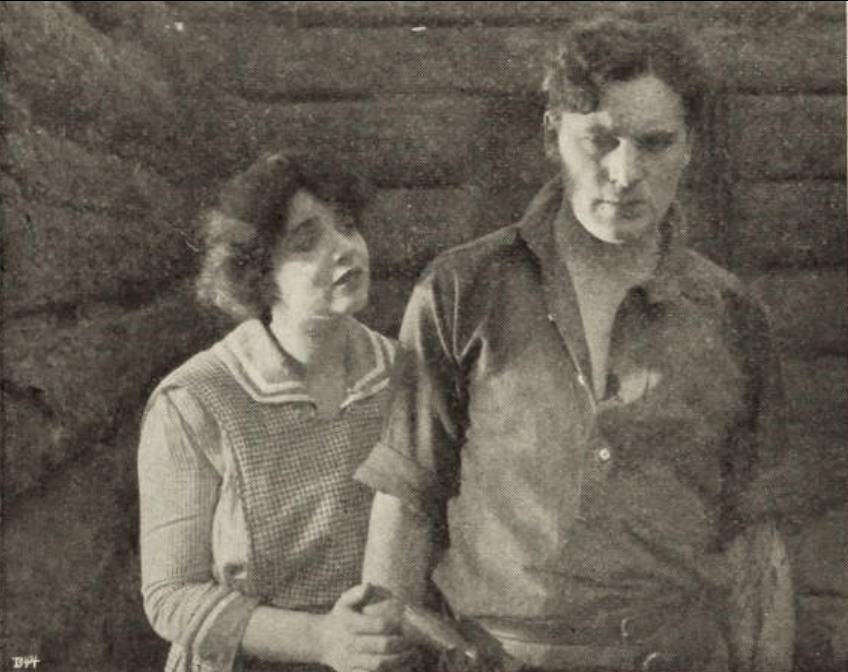
still_frame
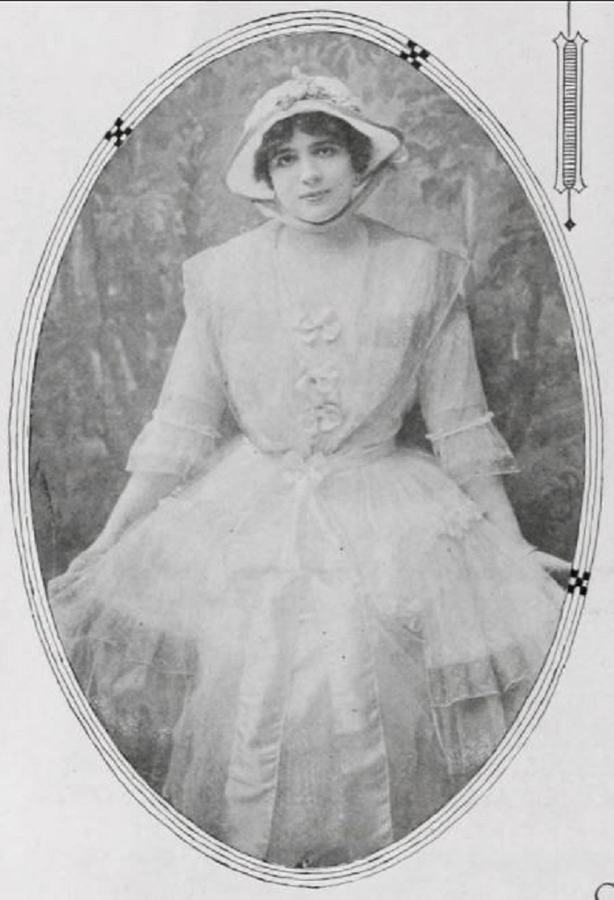
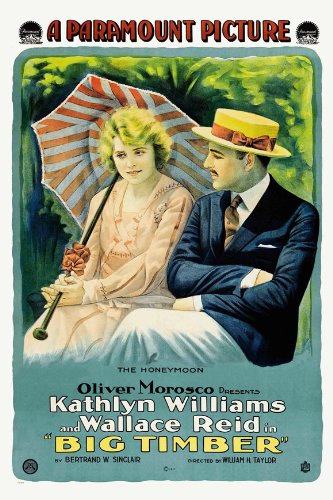
publicity
Comparing the cinematic DNA and archive impact of two defining moments in cult history.
George Melford
George Melford
Community
Log in to comment.
" Picture a sepia photograph left too long in High Sierra sun: edges curling, faces blistered into ghost halos—that is the visual after-taste of Armstrong’s Wife, a 1915 Paramount five-reeler that most historians skim past on their race to Griffith’s epics. Yet beneath its modest runtime lies a caustic study of American matrimony as shell-game, a film that anticipates The Master of the House’s domestic interrogations by nearly a decade and skewers the moral absolutism of reform movements with a c..."
Deep dive into the cult classic
Discover similar cinematic experiences
A Directorial Spotlight on George Melford