
DbcultAccessing Vault...
Recommendations
Senior Film Conservator
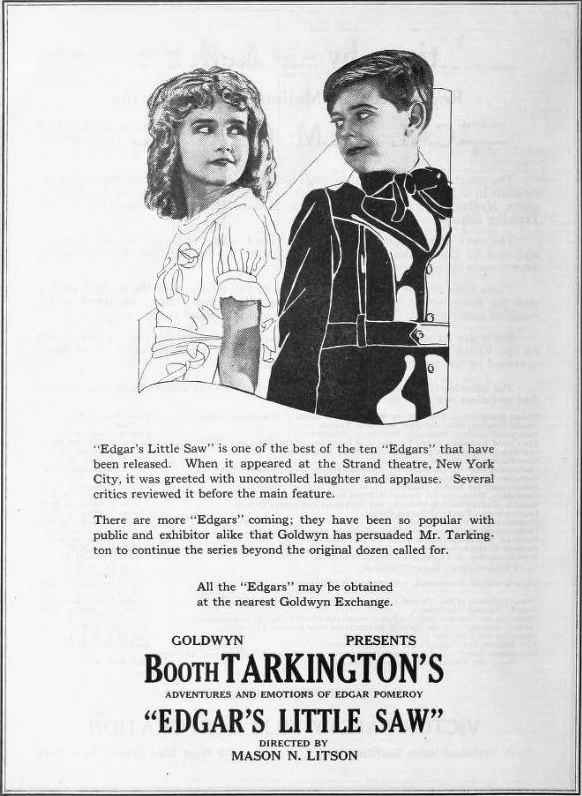
Exploring the artistic bravery in Edgar's Little Saw is a journey into United States cinema, the thematic layers of this 1920 classic invite a wider exploration of the genre. If John Cossar, Virginia Madison, Kenneth Earl impressed you, these next recommendations will too.
With E. Mason Hopper at the helm, Edgar's Little Saw became to reinvent the tropes of Comedy cinema for a global audience.
Among other Christmas gifts, Edgar receives a tool chest containing a little saw. While he is out displaying some of his other presents to the boy next door, little brother Charlie saws up everything in the house, furniture, hats, and at length attempts operations on the cat. Edgar gets the blame, and is being kept from his sweetheart's party as punishment, when Charlie's guilt is discovered.
Based on the unique artistic bravery of Edgar's Little Saw, our vault has identified these titles as the most compelling follow-up experiences for fans of Comedy cinema:
Dir: E. Mason Hopper
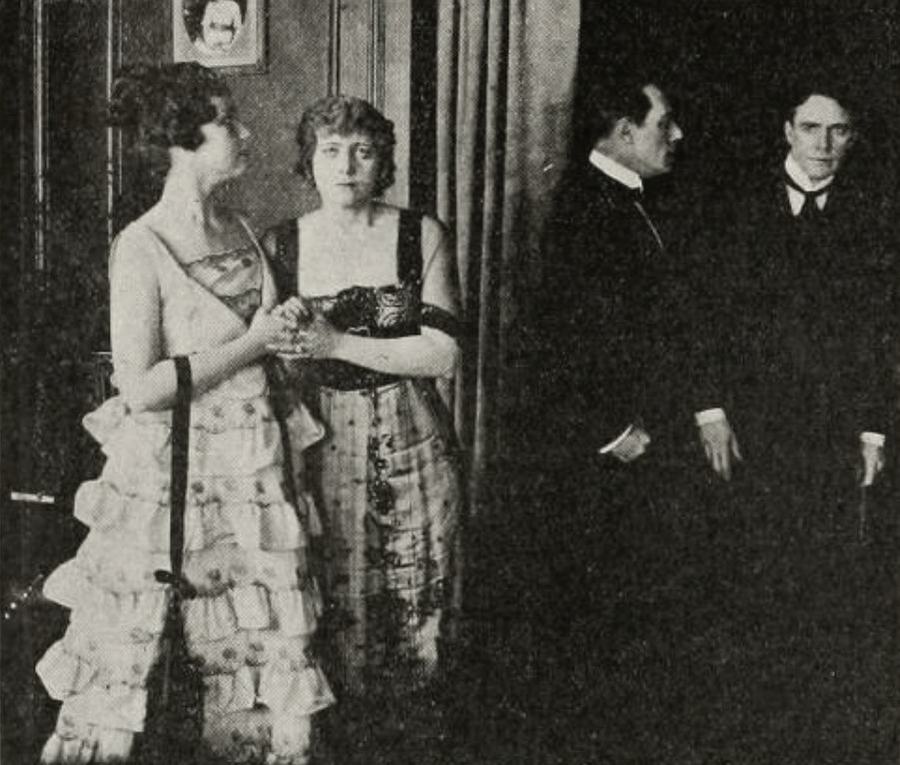
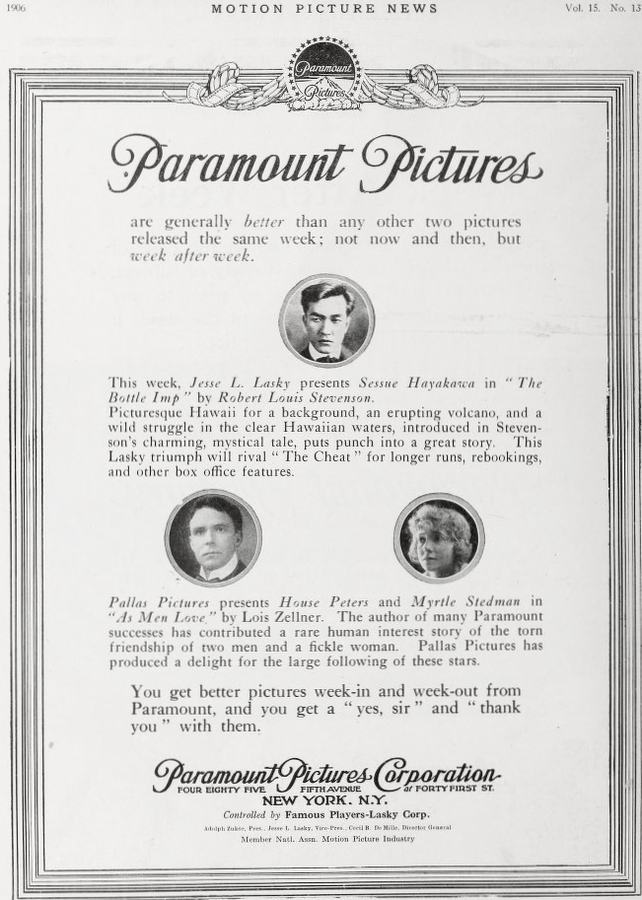
Diana Gordon a socialite, falls madly in love with Dr. Paul Russell, her husband Keith's best friend. Russell, however, is in love with Keith's sister Marjorie, who is spending the winter with the Gordons. Overhearing Russell's proposal to Marjorie, Diana is extremely jealous and when alone with the physician, throws herself into his arms. At that moment, Gordon enters the room, and to protect Diana's reputation, Russell takes the blame and is banished from the house. Sometime later, polio sweeps the city and Russell becomes an expert in treating the disease. The Gordon's young daughter is stricken and Diana summons the physician, but Gordon forbids him to enter their home. In order to save her child, Diana reveals the truth to her husband and sister-in-law. All are then reconciled and the little girl recovers.
View Details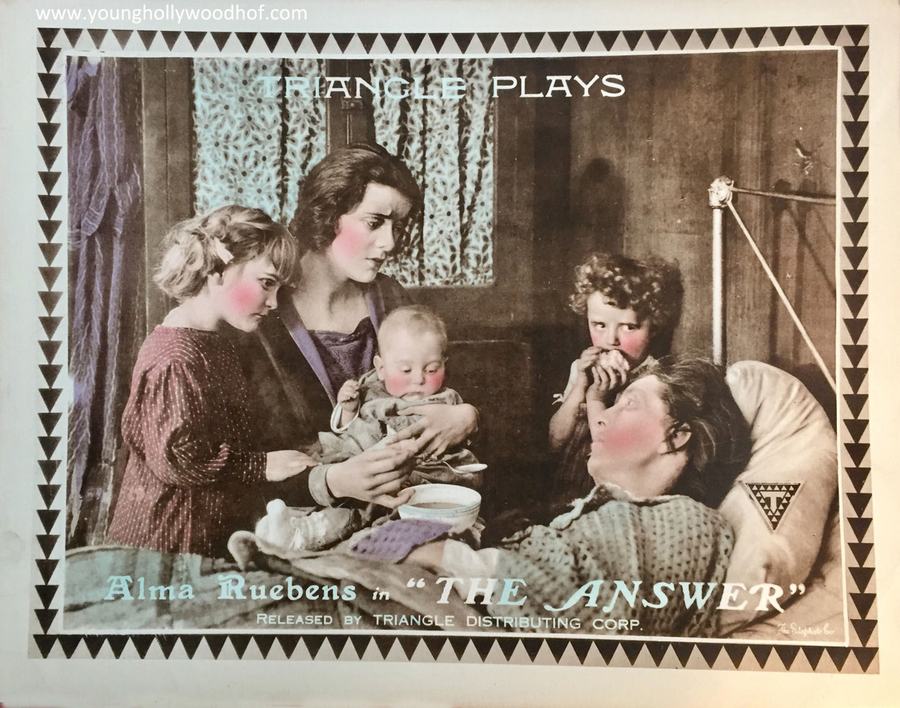
Dir: E. Mason Hopper
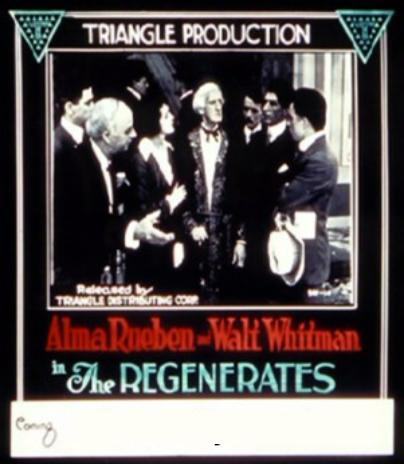
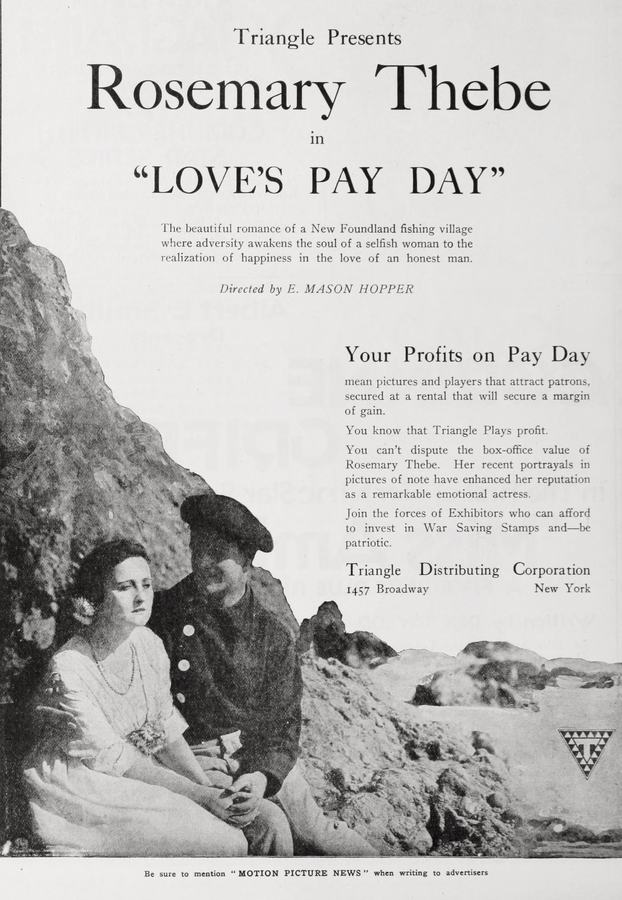
Social worker John Warfield meets socialist radical Guido Garcia, and together they establish a refuge in San Francisco for life's unfortunates. Goldie Shepard, whose father is an alcoholic, develops an interest in socialism and becomes Warfield's stenographer. Goldie's hatred of the rich increases when her father is killed by an automobile in which society woman Lorraine Van Allen is riding. As a result of the accident, Lorraine becomes a supporter of the refuge. Meanwhile, Warfield's mother dies in England and leaves him a large estate. When Warfield marries Goldie and takes her to England, he is shocked to see her fondness for luxury, and soon decides to donate his estate to the poor and return to San Francisco. Guido, who had been Goldie's suitor, learns of her marriage and murders her, after which he leaps from a bridge to his death. Later, Warfield marries Lorraine, and they convert the English mansion into a children's home.
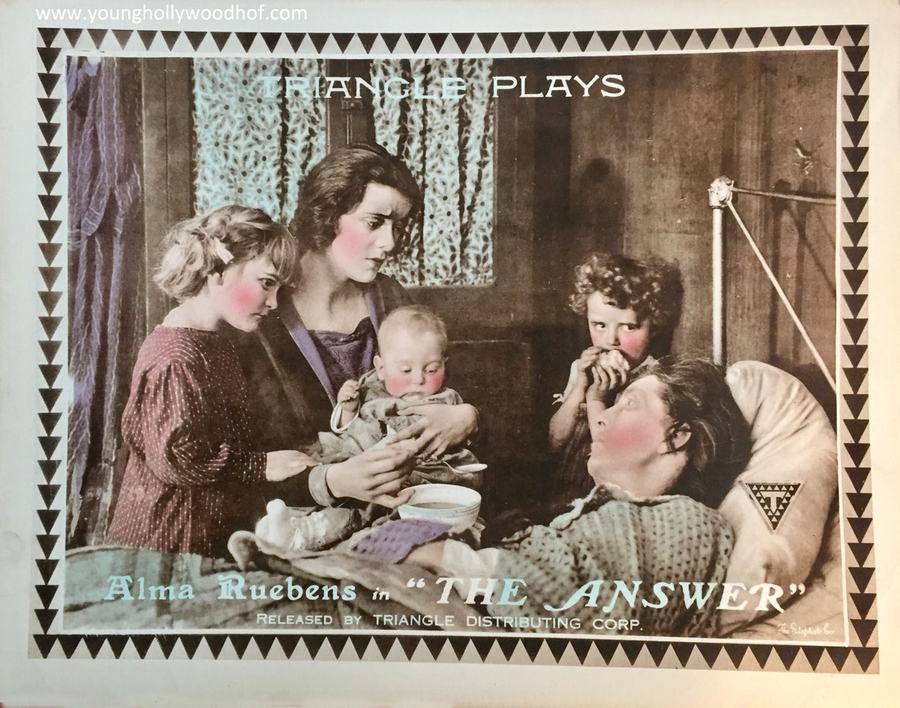
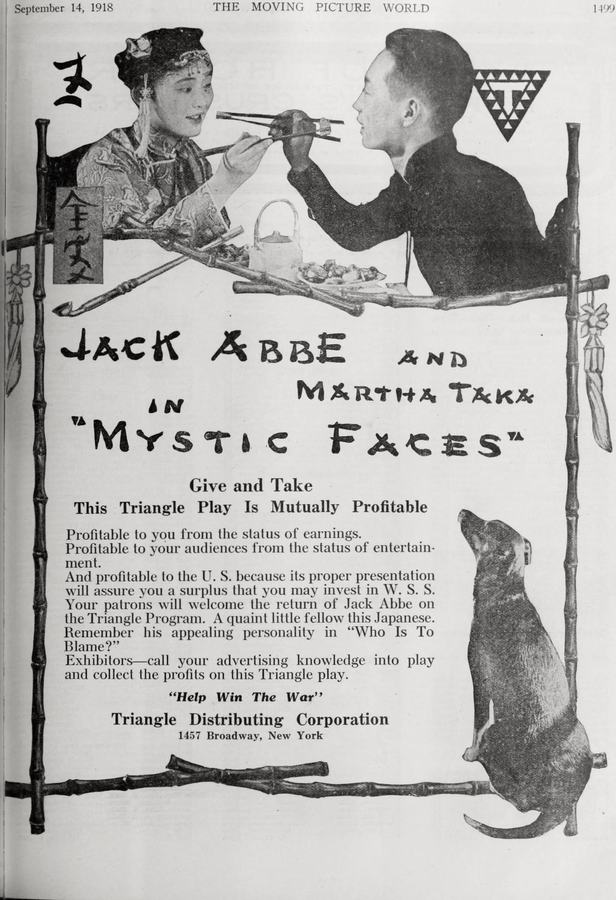
Dir: E. Mason Hopper
Yano is a small delivery boy for his uncle, who keeps a curio shop in Chinatown. His loves are Tama, his sweetheart, and Bengi, his dog. Bengi is seized by dog catchers, but is rescued by Letty Stanford, for which Yano promises his fealty. Later Letty is kidnapped by Germans because of her war activities, and it is Yano who goes to her rescue and gets her free in spite of his diminutive size. The Little Japanese has paid his debt.
View Details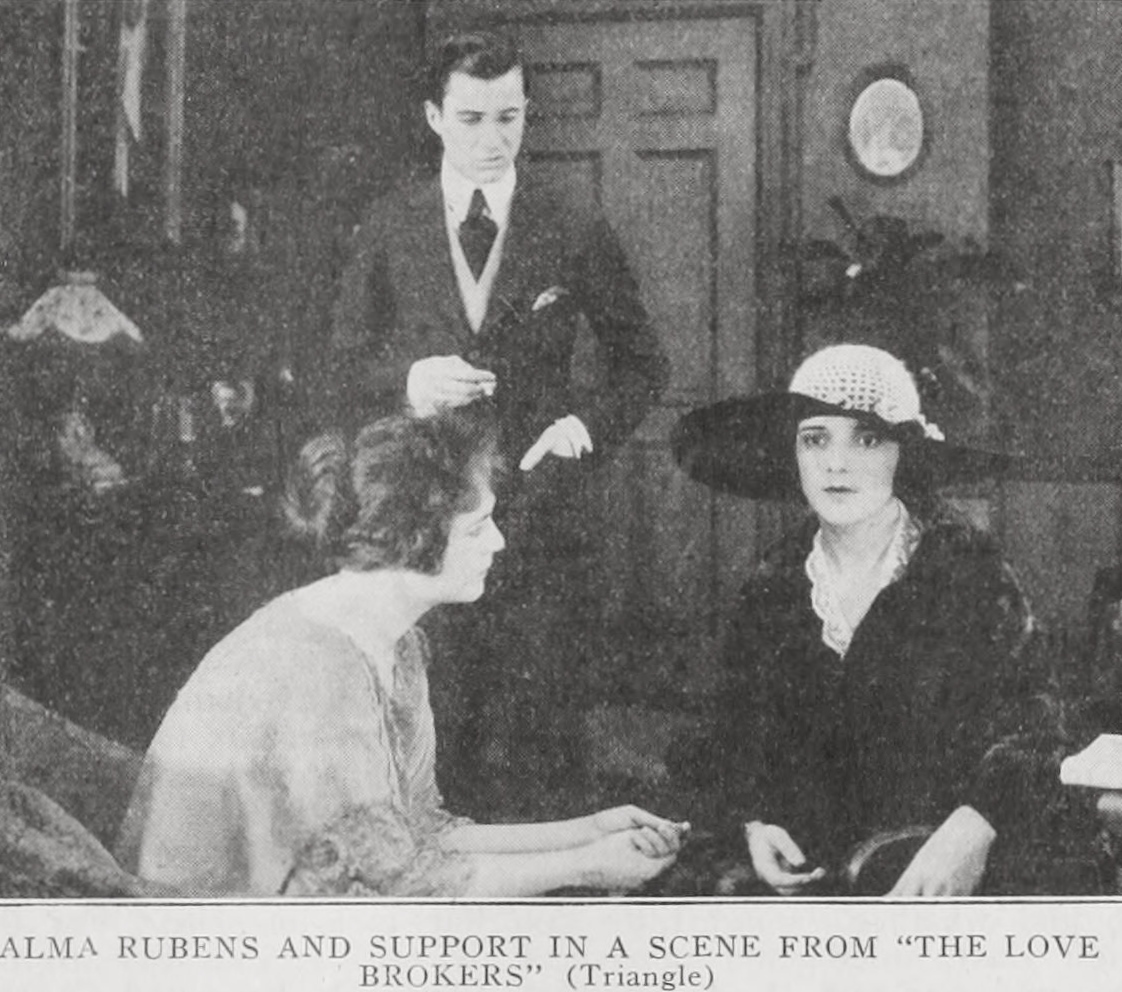
Dir: E. Mason Hopper
Charlotte Carter, a young songwriter, moves to New York and settles in the city's Bohemian quarter. When Peter Ladislaw, one of her admirers, confesses that he has forged a number of checks and is in danger of arrest, the good-hearted girl promises to help him. Olga Grey, a dishonest schemer, convinces Charlotte to marry wealthy arts patron Gerard Townshend, who has been injured in an auto accident and is near death. Charlotte consents and the two are wed, but following an operation, Gerard recovers. Ashamed, Charlotte confesses that she married Gerard for his money, and he forgives her. Olga and Peter try to frame them for a divorce, but the couple, now deeply in love, rid themselves of the crooks and begin their marriage again.
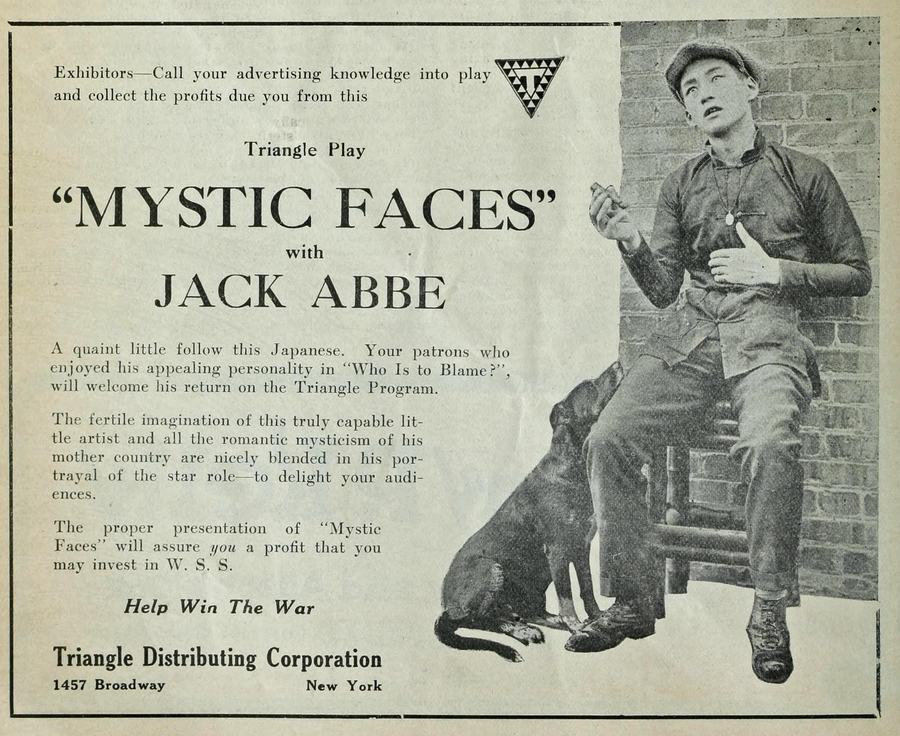
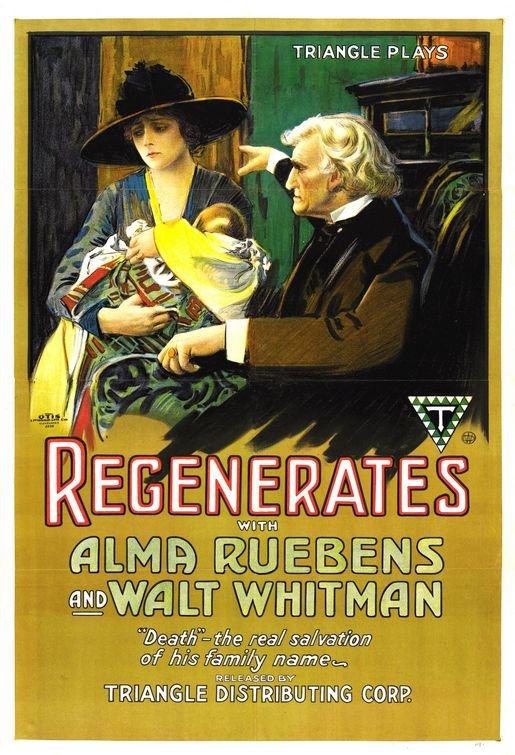
Dir: E. Mason Hopper
Mynderse Van Dyun, a wealthy old New York aristocrat, has one goal in life, to see his granddaughter Catherine and grandson Pell married; for, although they are cousins, the marriage would perpetuate the family name. Catherine, however, is in love with Paul La Farge and detests her drug-addicted cousin, who seduces and then secretly marries her maid, Nora Duffy. After a son is born to Nora, who dies in childbirth, the infant is taken to the Van Dyun house where, only a few days before, Pell, in a dispute involving drugs, had been thrown from a window by his valet and killed. When the old man refuses to acknowledge the child, Catherine and Paul adopt the baby, leave the Van Dyun house and are married. Five years later, Catherine comes to visit the old man with his great-grandson, and, seeing what a fine boy he is, the old aristocrat is forced to admit that the boy is worthy of bearing his name.
View Details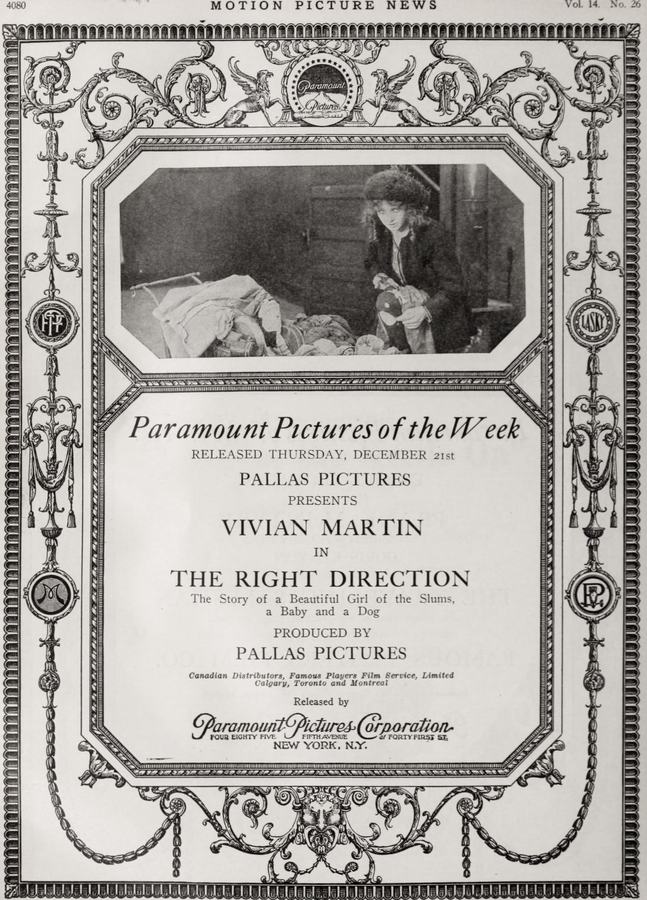
Dir: E. Mason Hopper
Young Polly Eccles is raising her sickly young brother Billy. When her doctor advises taking Billy away from their dank slum, she packs them both up and they head for California. While hitchhiking there, they are picked up by Kirk Drummond, who just happens to be driving to California himself. Upon their arrival, Kirk's wealthy father John is horrified that he has hooked up with a "lower-class" woman like Polly and does everything he can to make life miserable for her so she will leave. However, an incident occurs at the mine John's father owns that could turn out badly for all concerned.
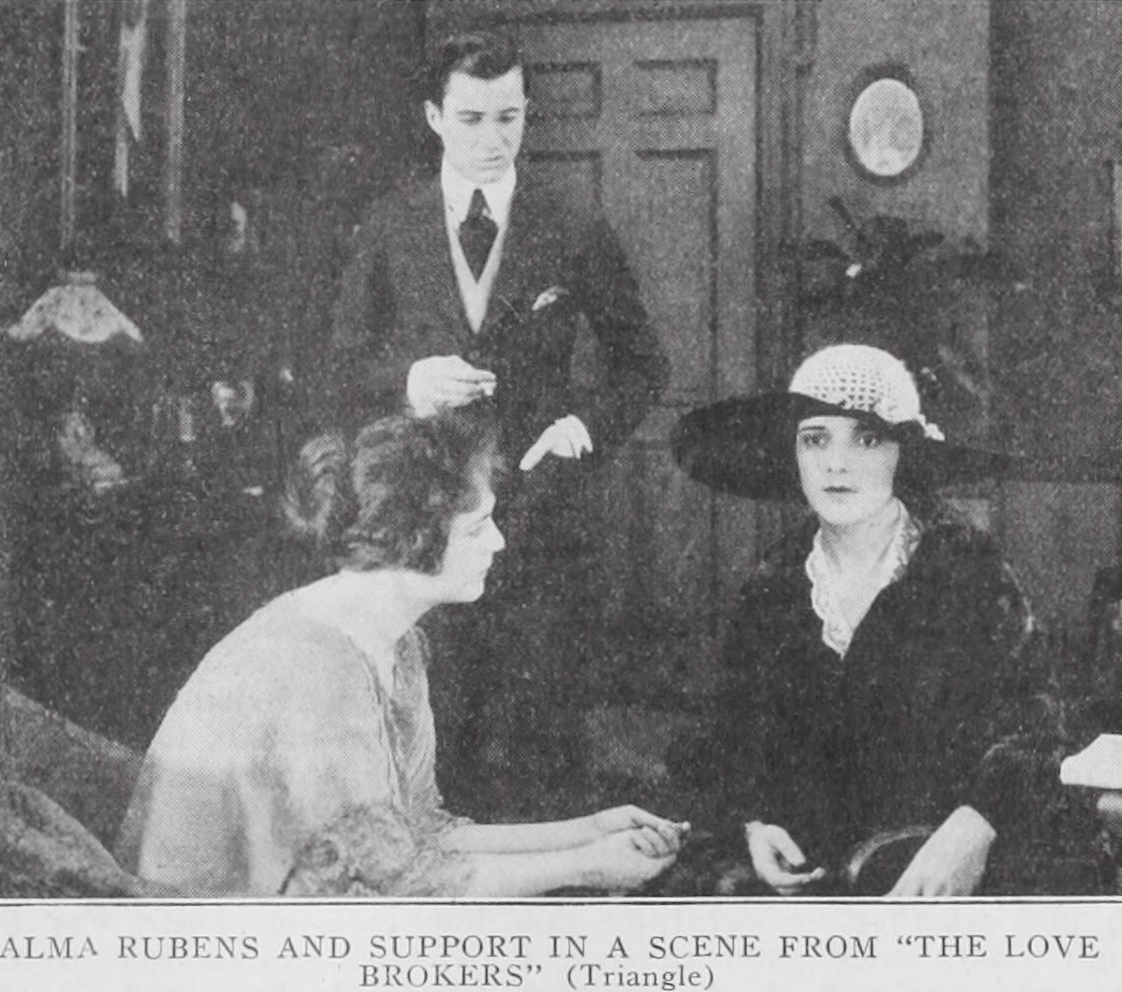
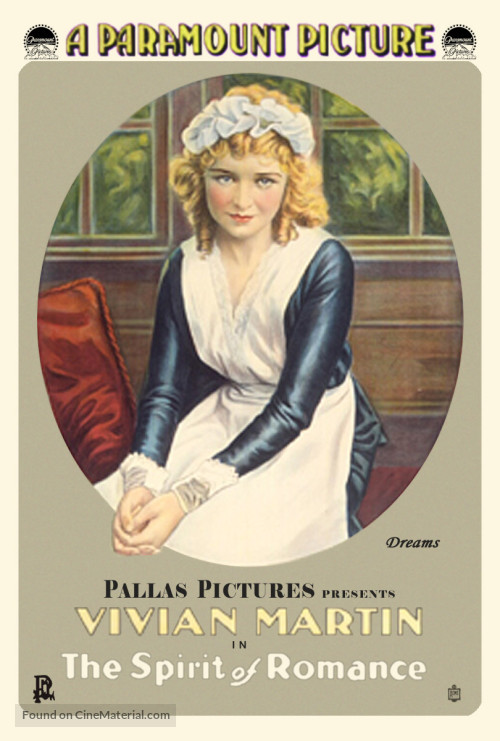
Dir: E. Mason Hopper
Abby Lou is the niece of the crabbed old antique dealer, Richard Cobb. Old Richard Cobb has a son who possesses all the qualities that his father seemingly was born without. This son, Tom Cobb, loves Abby Lou and is working on his great invention, a kettle that will not boil over. Finances are the only drawback to its successful achievement. Tom approaches wealthy old Joseph Snow for assistance but is turned down. Snow, though a hard man in money matters, in private life is also an unsuspected follower of Romance. In his home he has a secret chamber from which through the eyes of his portrait he can observe what goes on in his absence. Snow sees Abby in the antique shop and his charity offering of money to the ragged little girl is scorned. It amazes him; for the first time in his life his money is refused. It puzzles him and that night he decides on an eccentric test. The next day Abby Lou is notified that she is the heiress to deceased Snow's wealth. The lawyer takes her away to the mansion and she is surrounded by the parasitical Mrs. Rollins and her son Percival, relatives of Snow. Percival is in love with Marguerite D'Arcy but is as poor as a church mouse. Snow from his point of observation through the eves of his picture watches Abby set up Percival in business, secretly finance Tom's invention to success, reinstate his old and faithful employee Mace, and seemingly make everyone happy with his money. A new understanding of life and its meaning comes to Snow and the night of the mask ball Snow steps through the secret panel in costume, masked and apparently a guest. Then the denouement happens in a marvelously happy way and the Spirit of Romance, her mission finished, disappears forever.
View Details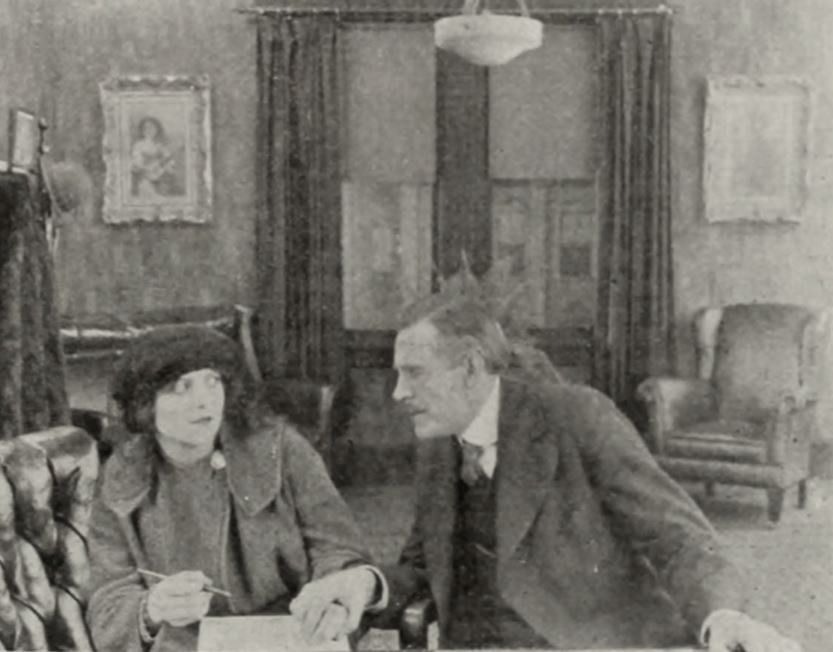
Dir: E. Mason Hopper
Florence Burgess, a singer in the Cafe Fanchon, supports her lame sister, Frances, but keeps her struggle secret. Oscar Morse, a theatrical manager, is attracted by Florence's beauty and talent, and offers her an engagement. When they meet he demands the usual payment his girls have to make, and is refused. The café has been closed, she is out of work and decides to trick Morse. She gets him drunk, and he signs a paper she has substituted for the contract he planned. Florence the next day admits her deception and Morse, fearing publicity, accepts the situation and stars Florence in "The Green Goddess." She makes a big success, her stage name being Flo Burke. At a little country hotel where she has gone to rest after the first year's work, she meets Fenton, the minister, whose efforts closed the Fanchon, but he does not recognize her. He tells the story of his mission work, she becomes interested, they fall in love, he not knowing that she is the actress, Flo Burke, the register showing Miss F. Burgess. She finally keeps her secret, saying she is the sister of the actress. Fenton is preaching, Florence hears him, determines to give up the stage, but Morse demands the payment of a large forfeit, and she is bound to the stage. Frances, who has been sent to a sanatorium, starts with her sister for New York, the train is wrecked, and Fenton, when the bodies are brought in, finds one bearing cards which tell him it is Flo Burke. Another woman, not dead, has cards of Florence Burgess. Florence sees in a paper in the hospital the announcement of the death of Flo Burke, and sees that it means her escape from the stage. She marries Fenton, but is full of remorse over her deception, and plans to use her money, which had come to her through her own will, which had left it to her sister, for the work of Fenton. Morse goes to the church rectory to see Fenton about a problem play, sees Florence, she denies knowing him, he returns to his office, finds a diary she had kept, and it reveals her secret. He returns, demands full payment of the contract forfeit, and Florence is up against a dilemma. If she gives the money to Morse, she must explain to her husband; if she gives it to her husband Morse will drag her back to the stage. Seeking a way out of the labyrinth, she promises Morse to read the play, and advises Fenton to favor it for production by Morse. He comes to the house, meets Fenton instead of Florence, who overhears her husband praising the play, and decides to give her husband the money. Morse flies into a rage, threatens to denounce her, but Fenton stops him; there is a fight, Morse accidentally shoots himself with his own pistol, and with her husband's love safe Florence feels that she has escaped from the labyrinth.
Dir: E. Mason Hopper
Representing a large New York fish packing concern, George Wilton travels to the Newfoundland fishing village of Hearts Desire to purchase a packing plant, but he soon learns that the plant's owner, Jean Laroque, has no intention of selling. Wilton promises Jean's restless young fiancée, Judith Bretans, that he will finance her move to New York City provided she give him the deed to the plant. On the night of the wedding, Judith secures the papers from her new husband, and when Jean realizes that he has lost the plant to Wilton, he denounces Judith and leaves town. As the new owner, Wilton operates the plant with such cruelty that the outraged fishermen decide to revolt and are about to attack the building when Jean appears. Although he succeeds in dispersing the mob, Wilton is killed, and Judith, who has realized her foolishness, is reunited with her husband.
View Details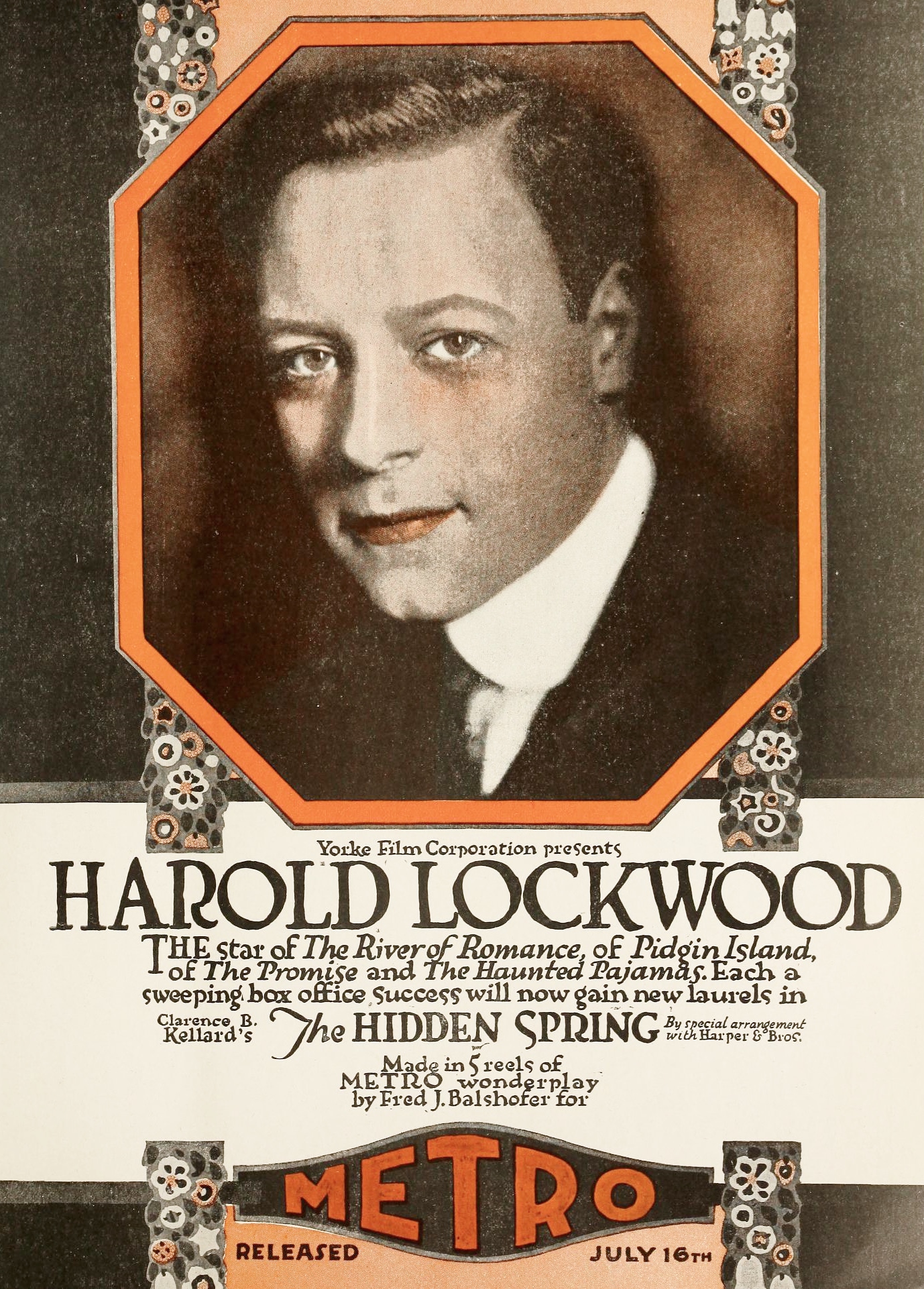
Dir: E. Mason Hopper
Quartus Hembly, a man without a conscience, is the ruler of the town of Copper City, having made himself rich at the expense of his workers. When Donald Keith, a young lawyer, arrives in town, a hidden spring within him is touched after Hembly viciously kicks his dog. Keith refuses to leave town and warns Hembly that he will fight to see that the people get their rights. Keith's only ally is Thora Erickson, the daughter of Hembly's henchman. Keith's opportunity to topple Hembly presents itself when he rescues Bill Wheeler, who, out of gratitude, confesses that it was Hembly who dynamited the log jam years earlier. With the lawyers and the courts in the palm of his hand, Hembly is acquitted, but the townspeople are so outraged that they capture Hembly and tie him to the whipping post. He is rescued by Keith, who forces a full confession for all Hembly's crimes and then allows him to leave town. Keith is then made district attorney, Thora becomes his bride, and Copper City becomes a decent place in which to live.
View DetailsAnalysis relative to Edgar's Little Saw
| Film Title | Atmosphere | Complexity | Similarity |
|---|---|---|---|
| As Men Love | Ethereal | High | 88% Match |
| The Answer | Surreal | Layered | 96% Match |
| Mystic Faces | Gothic | High | 94% Match |
| The Love Brokers | Gothic | Linear | 85% Match |
| The Regenerates | Ethereal | Abstract | 87% Match |
This guide was algorithmically generated using the cinematic metadata of E. Mason Hopper's archive. Last updated: 8/17/2026.
Back to Edgar's Little Saw Details →