Summary
Night after smoky night, Florence Burgess—siren of the shuttered Café Fanchon—cradles her polio-crippled sister in a garret whose cracked skylight drips starlight like cold gin; applause downstairs is her only currency, yet she hoards silence, hiding each rent receipt inside piano scores. Oscar Morse—impresario, satyr in spats—arrives with contracts rolled like love letters, but the price is flesh, so Florence swaps his champagne for absinthe, slips a counterfeit clause beneath his trembling Montblanc and wakes to find herself proprietress of her own ruin, now rechristened Flo Burke, emerald-wigged priestess of The Green Goddess. Fame arrives on a klieg-lit tidal wave: critics genuflect, diamonds proliferate like frost on her clavicle, but exhaustion ships her to a pine-scented hamlet where the Reverend Fenton—unaware that his sermons once shuttered her café—preaches abolition of the very footlights that feed her. Masquerading as her prim “sister,” she kneels in his rustic chapel, hears her stage name damned from the pulpit, and loves the man who unknowingly curses her. A railway cataclysm intercedes: steel shrieks, carriages somersault, and Florence, half-crushed, reads her own obituary—Flo Burke presumed dead—realizing destiny has handed her a scalpel to excise her past. She weds Fenton beneath a bruised autumn sky, but Oscar’s shadow lengthens; blackmail ink drips like venom, demanding either the fortune she willed to Frances or a return to the gilded cage. Cornered, she offers Morse a final Faustian bargain: produce Fenton’s moralistic play, launder her wages into sacred charity, and vanish. Instead, gunfire erupts in the rectory study; Oscar’s own pistol coughs, a crimson Rorschach blooms on the chintz, and Florence—blood-flecked, breathless—steps over the carcass of her keeper, finally free from the glittering, treacherous labyrinth of borrowed identities.
Synopsis
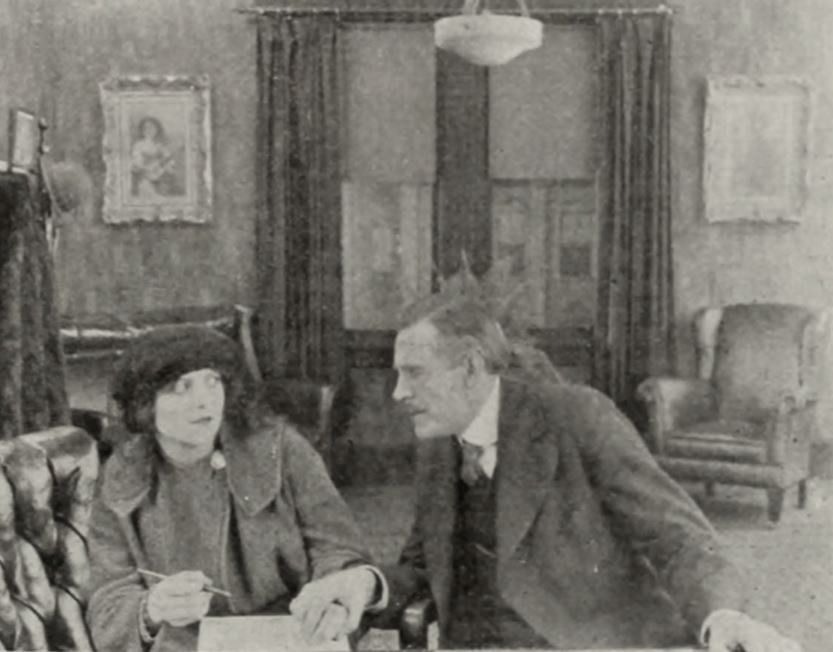
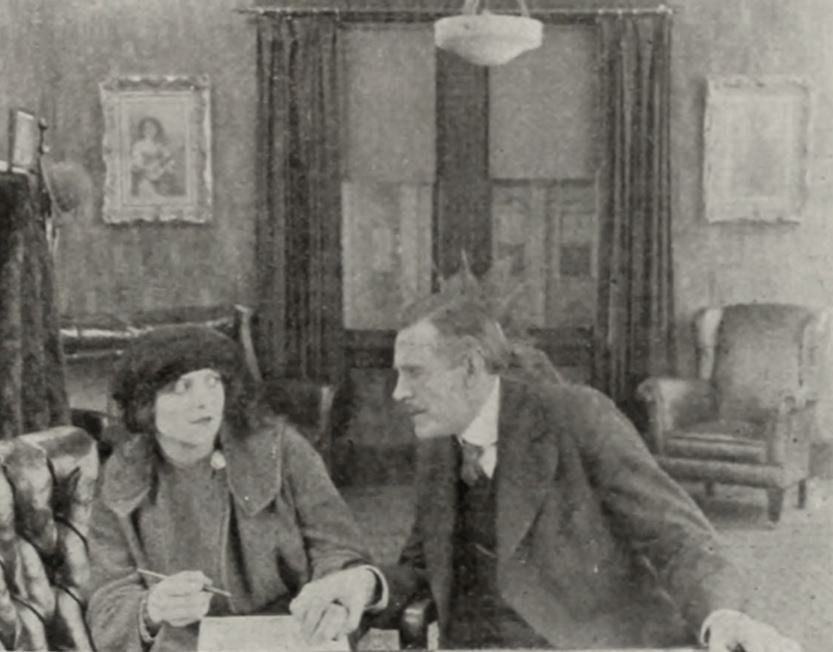
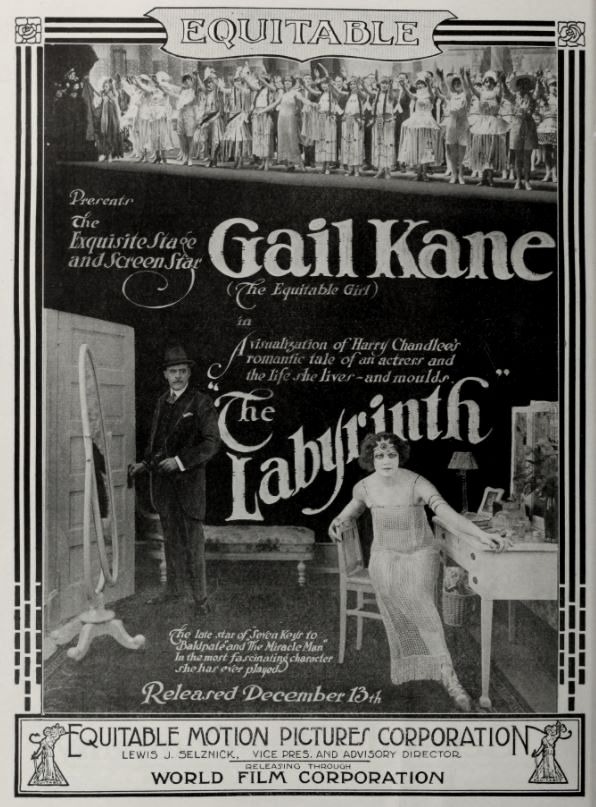
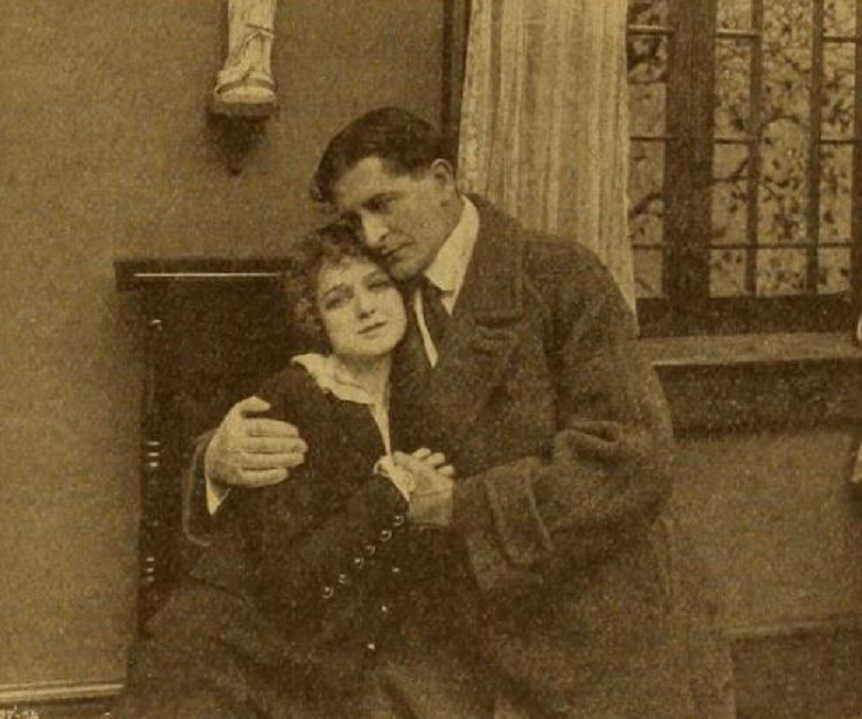
Florence Burgess, a singer in the Cafe Fanchon, supports her lame sister, Frances, but keeps her struggle secret. Oscar Morse, a theatrical manager, is attracted by Florence's beauty and talent, and offers her an engagement. When they meet he demands the usual payment his girls have to make, and is refused. The café has been closed, she is out of work and decides to trick Morse. She gets him drunk, and he signs a paper she has substituted for the contract he planned. Florence the next day admits her deception and Morse, fearing publicity, accepts the situation and stars Florence in "The Green Goddess." She makes a big success, her stage name being Flo Burke. At a little country hotel where she has gone to rest after the first year's work, she meets Fenton, the minister, whose efforts closed the Fanchon, but he does not recognize her. He tells the story of his mission work, she becomes interested, they fall in love, he not knowing that she is the actress, Flo Burke, the register showing Miss F. Burgess. She finally keeps her secret, saying she is the sister of the actress. Fenton is preaching, Florence hears him, determines to give up the stage, but Morse demands the payment of a large forfeit, and she is bound to the stage. Frances, who has been sent to a sanatorium, starts with her sister for New York, the train is wrecked, and Fenton, when the bodies are brought in, finds one bearing cards which tell him it is Flo Burke. Another woman, not dead, has cards of Florence Burgess. Florence sees in a paper in the hospital the announcement of the death of Flo Burke, and sees that it means her escape from the stage. She marries Fenton, but is full of remorse over her deception, and plans to use her money, which had come to her through her own will, which had left it to her sister, for the work of Fenton. Morse goes to the church rectory to see Fenton about a problem play, sees Florence, she denies knowing him, he returns to his office, finds a diary she had kept, and it reveals her secret. He returns, demands full payment of the contract forfeit, and Florence is up against a dilemma. If she gives the money to Morse, she must explain to her husband; if she gives it to her husband Morse will drag her back to the stage. Seeking a way out of the labyrinth, she promises Morse to read the play, and advises Fenton to favor it for production by Morse. He comes to the house, meets Fenton instead of Florence, who overhears her husband praising the play, and decides to give her husband the money. Morse flies into a rage, threatens to denounce her, but Fenton stops him; there is a fight, Morse accidentally shoots himself with his own pistol, and with her husband's love safe Florence feels that she has escaped from the labyrinth.
Review Excerpt
"
Klieg lights never forgave skin; they flay it. In The Labyrinth, director Warren F. Chandler wields that merciless illumination like a surgeon who enjoys the incision. We open on Café Fanchon’s final night—Polly Champlain’s Florence croons a chanson whose minor cadences feel piped in from Montmartre graveyards, while cigarette haze coils like incense around ankles. The camera glides past tableaux of trench-coated bohemians, each face a cameo of pre-Depression anxiety; you half-expect Children o..."