
DbcultAccessing Vault...
Recommendations
Senior Film Conservator
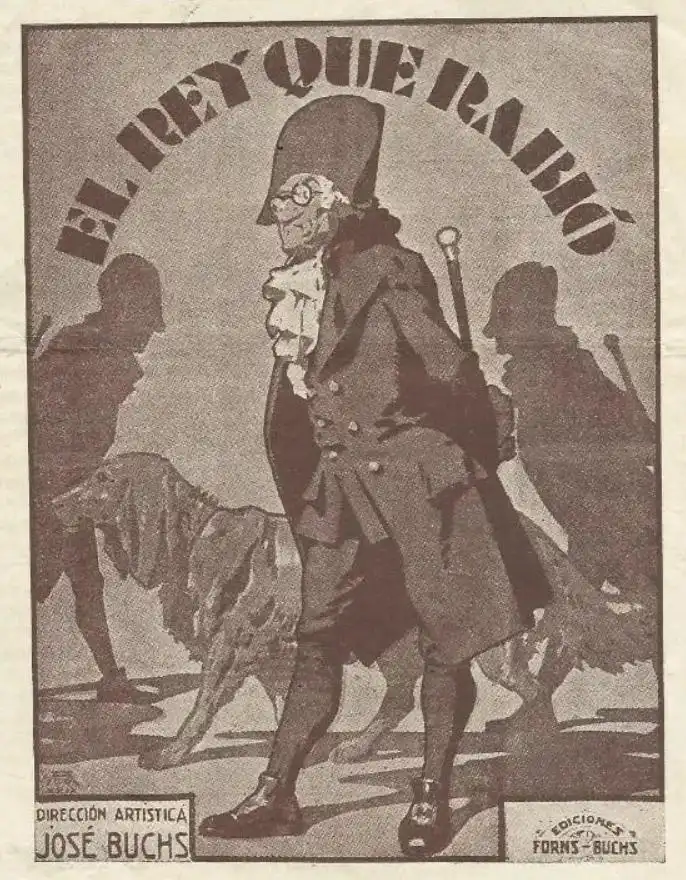
The evocative power of El rey que rabió (1929) continues to haunt audiences with its stylistic flair, the artistic provocations of El rey que rabió demand a follow-up of equal intensity. Explore the following titles to broaden your appreciation for cult excellence.
The visceral impact of El rey que rabió (1929) stems from to transcend the limitations of its 1929 budget and technology.
A king decides to merge incognito with his commoners disguised as a shepherd, to find out about their problems and eventual discontent; but his counselors, afraid of what he might find, travel ahead of him and bribe them in advance.
The influence of José Buchs in El rey que rabió can be felt in the way modern cult films handle stylistic flair. From the specific lighting choices to the pacing, this 1929 release set a high bar for atmospheric immersion.
Based on the unique stylistic flair of El rey que rabió, our vault has identified these titles as the most compelling follow-up experiences for fans of cult cinema:
Dir: José Buchs
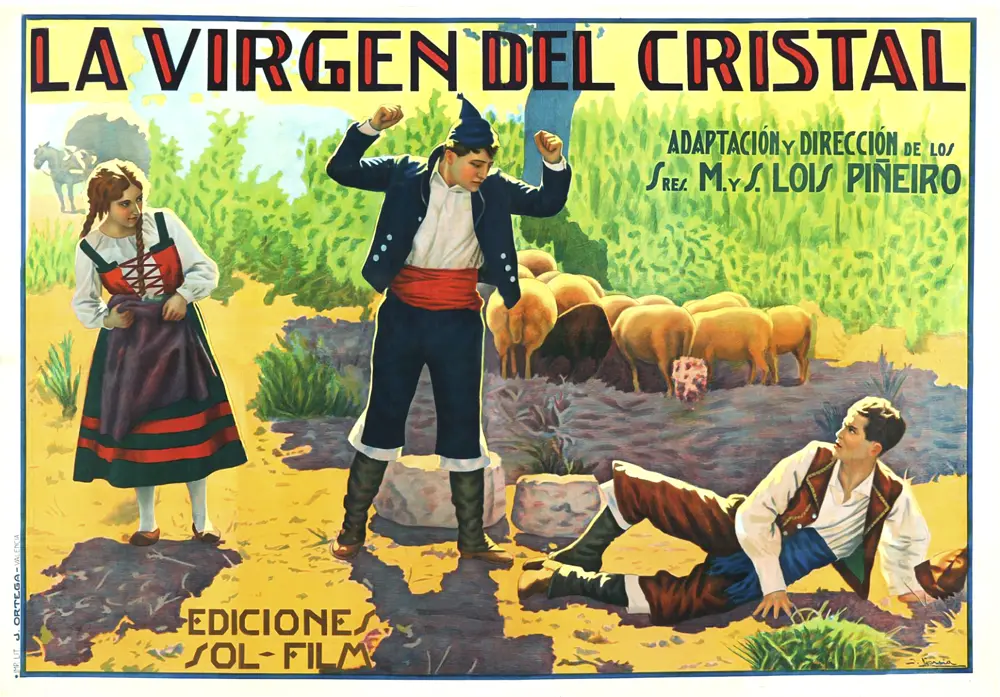
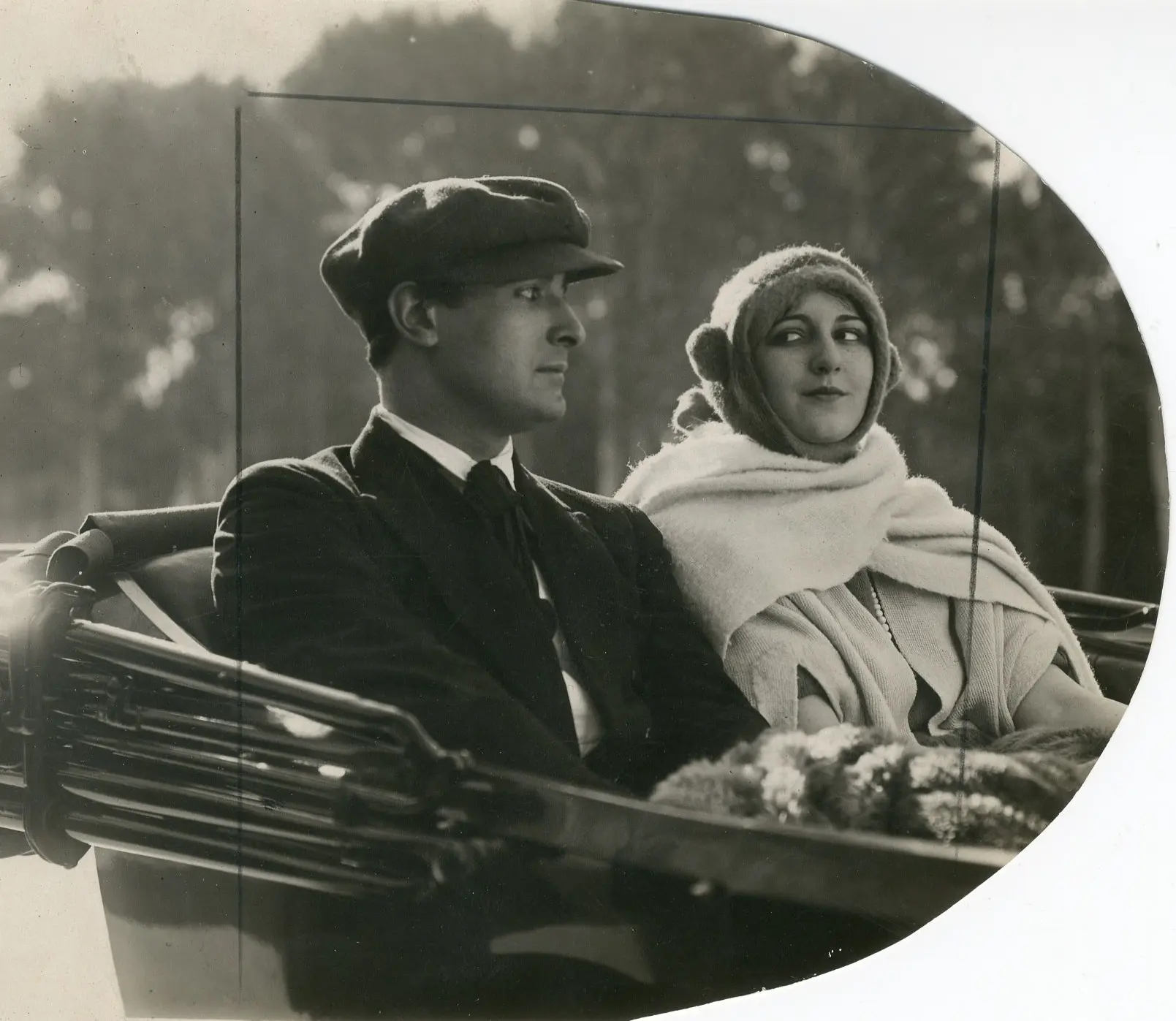
A couple in love work for the lord of Vilanova Castle, who lives at the Court and only comes to the castle when he wants to collect the rent.
View Details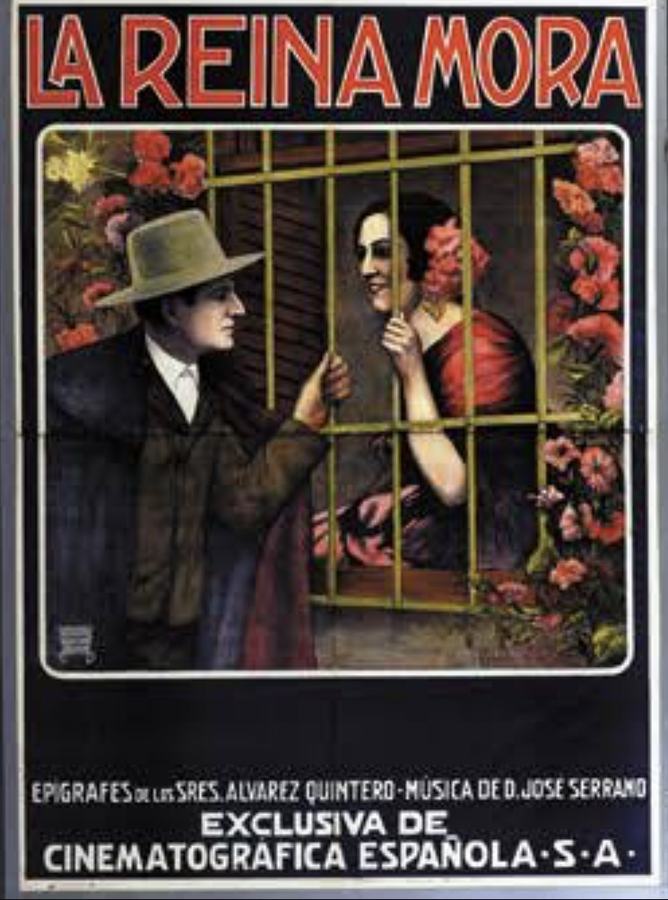
Dir: José Buchs
A fascinating piece of cinema that shares thematic elements.
View Details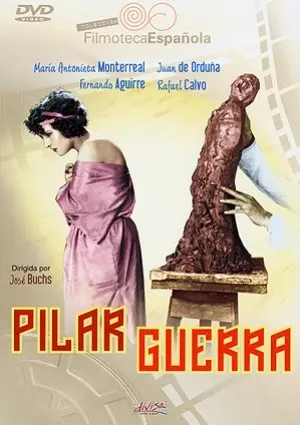
Dir: José Buchs
Pilar Guera, the young teacher from the town of Aráceli, maintains a romantic relationship with Luciano, the mayor's son, who does not accept the couple's love affairs. To separate them, he decides to send Luciano on a trip and gets Pilar to be transferred to her destination. But the force of love is stronger than what a simple village chief can decide.
View Details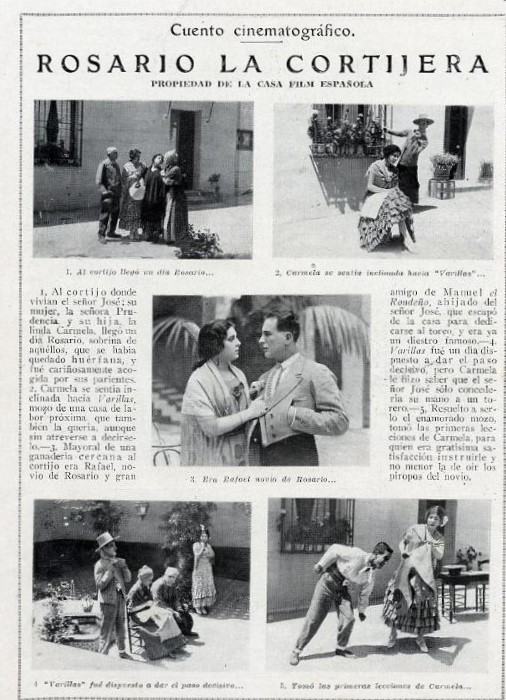
Dir: José Buchs
A fascinating piece of cinema that shares thematic elements.
View Details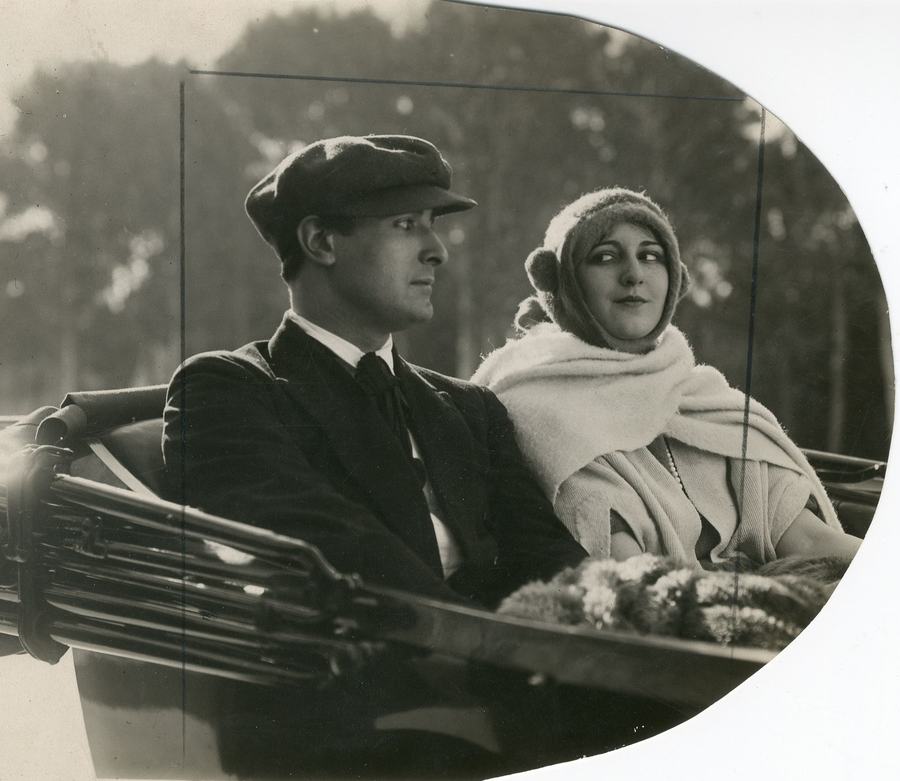
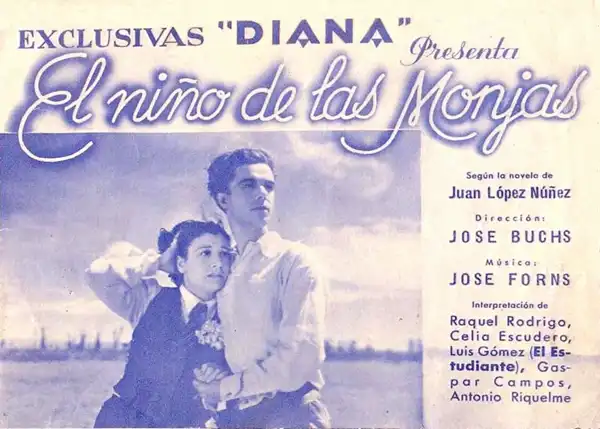
Dir: José Buchs
A fascinating piece of cinema that shares thematic elements.
View Details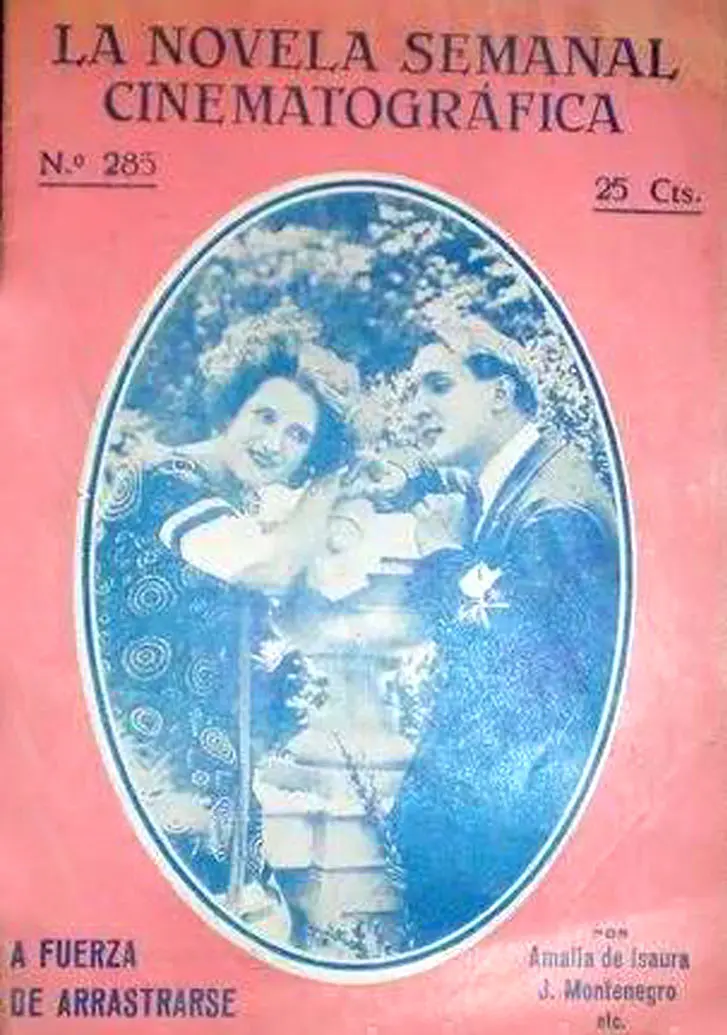
Dir: José Buchs
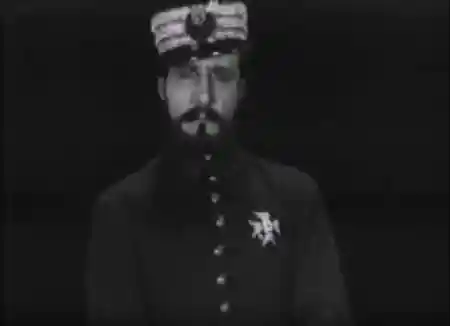
In 1843 there was a military uprising against the Espartero Regency. Colonel Prim takes Reus, but is forced to capitulate to avoid suffering for the civilian population; However, Narváez and Serrano prevailed in the rest of Spain, and Prim was named brigadier and obtained the title of Count of Reus, beginning a rapid political career. After being unjustly implicated in the attempted poisoning of Naváez, he is exiled, but after the attack on Ceuta, the government declares war on Morocco and rehabilitates Prim, who achieves a decisive victory in the battle of Castillejos. After the Mexican campaign, he returns to Spain and conspires against the moderate government, being exiled to London. In 1868, together with General Serrano and Admiral Topete, he commanded the September Revolution and was named President of the Government, being forced to use forceful measures that earned him the hatred of the Republicans. Finally, on December 27, 1870, after getting the Cortes to appoint Amadeo of Savoy as the new king of Spain, he suffered an attack on Turco Street, dying three days later.
View Details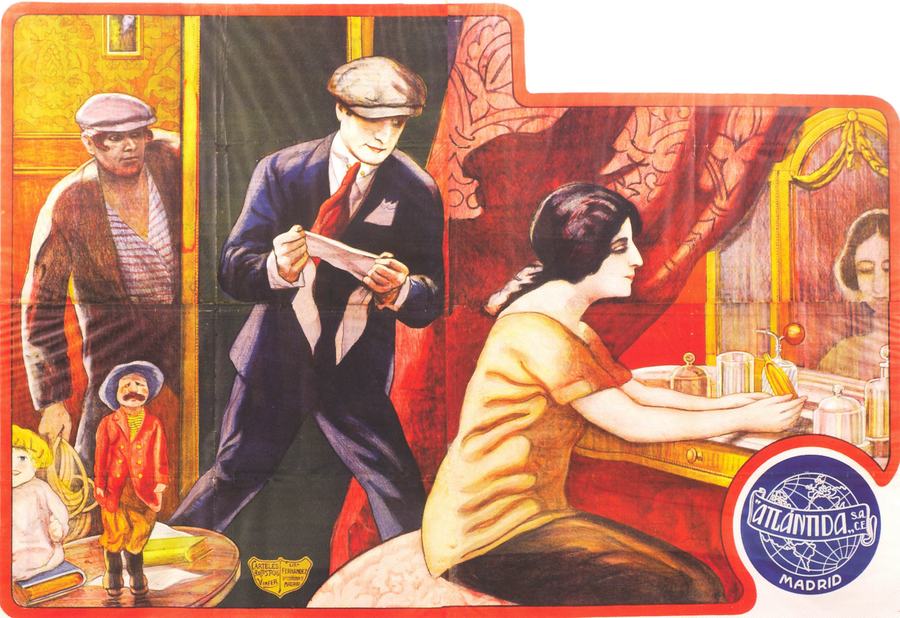
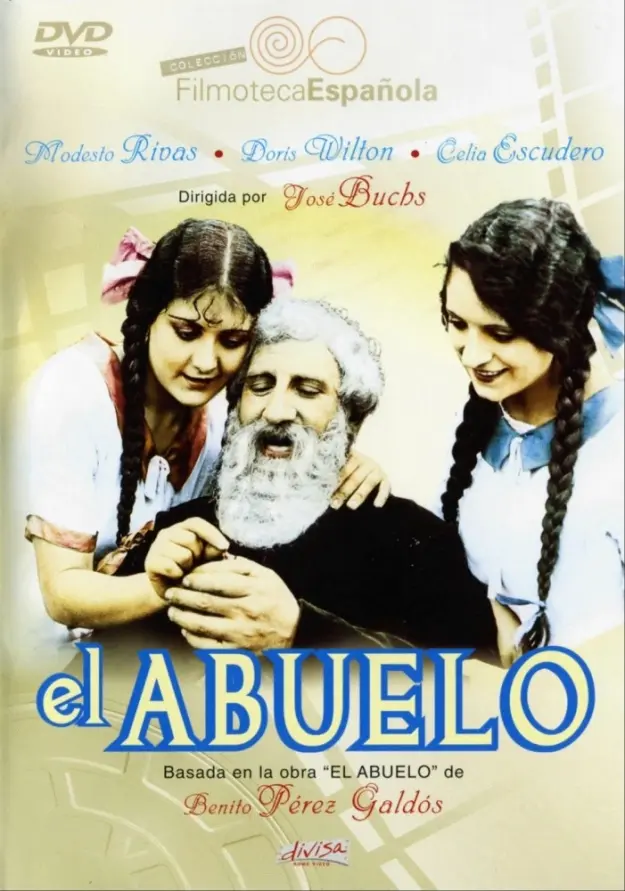
Dir: José Buchs
Literary adaptation: a Spanish count tries to learn, as a matter of family honor, which of his putative grand daughters resulted from an affair by his daughter in law with a Parisian painter.
View DetailsAnalysis relative to El rey que rabió
| Film Title | Atmosphere | Complexity | Similarity |
|---|---|---|---|
| La virgen de cristal | Ethereal | Dense | 86% Match |
| La reina mora | Ethereal | Layered | 89% Match |
| Pilar Guerra | Surreal | Linear | 93% Match |
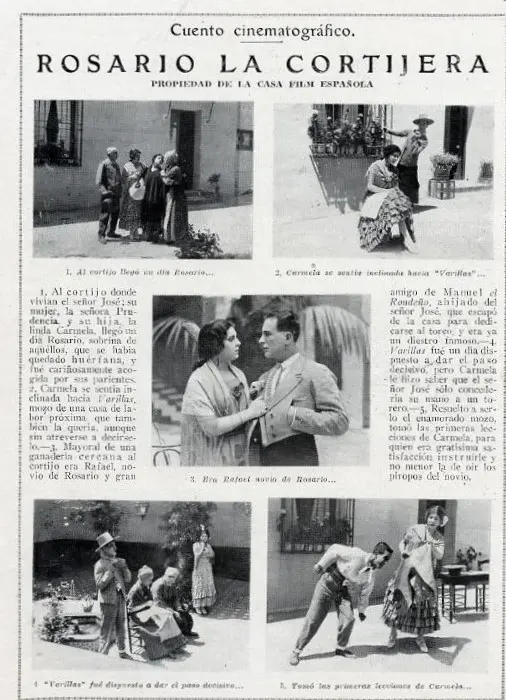
| Rosario, la cortijera | Gritty | Linear | 91% Match |
| The Unapproachable Woman | Gothic | Layered | 94% Match |
This guide was algorithmically generated using the cinematic metadata of José Buchs's archive. Last updated: 8/16/2026.
Back to El rey que rabió Details →