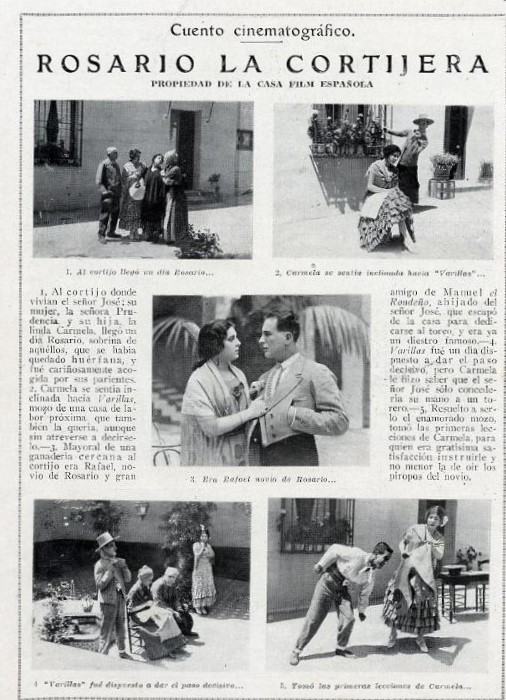
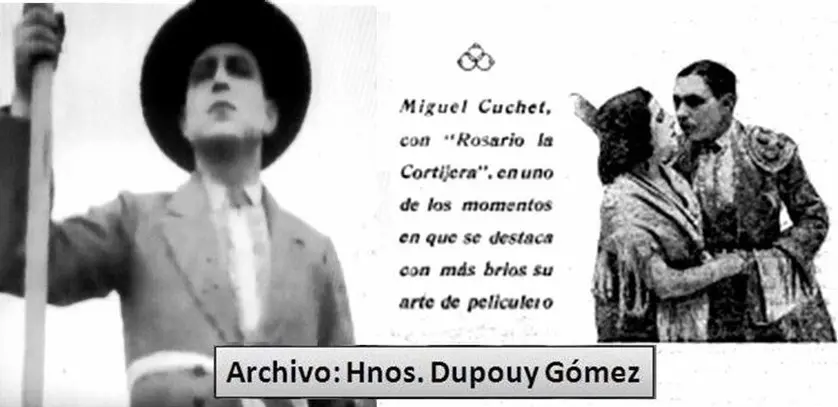
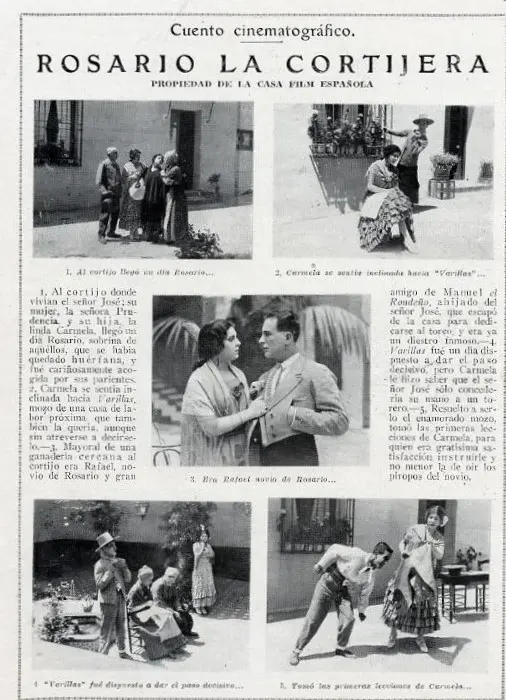
A Canvas of Conflict and Compassion The opening frames of Rosario, la cortijera are drenched in sepia‑toned mist, the camera lingering on the cracked earth as if it were a living parchment. The mise‑en‑scene instantly establishes a palpable tension between the past’s lingering ghosts and the encroaching present. A...
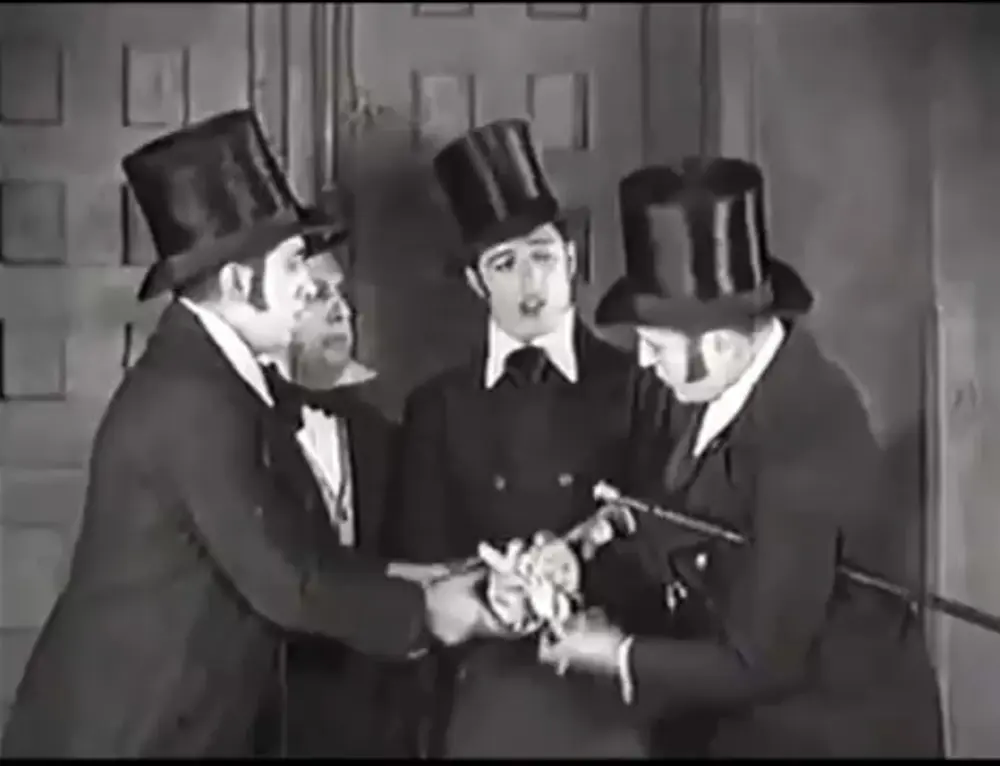
still_frame
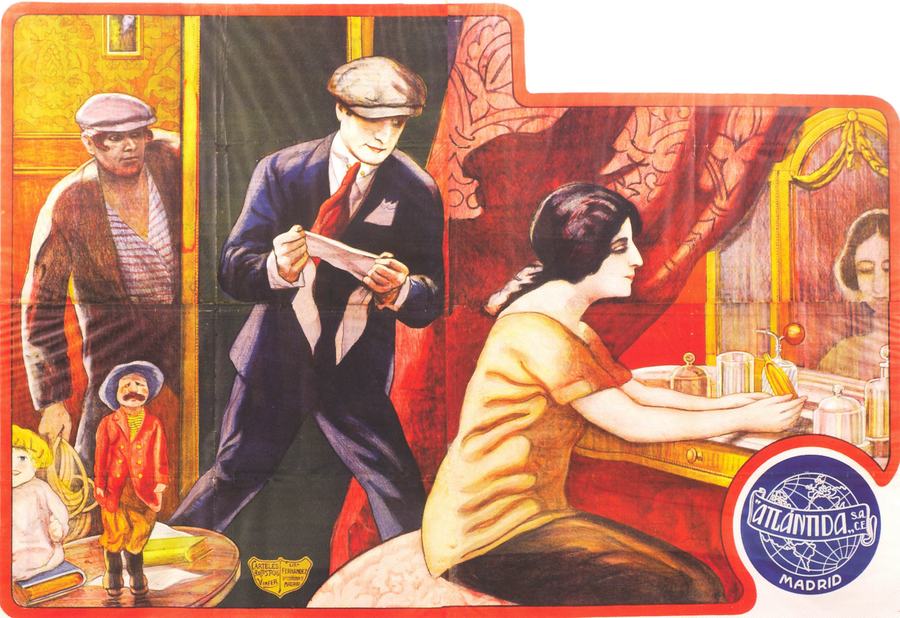
production_art
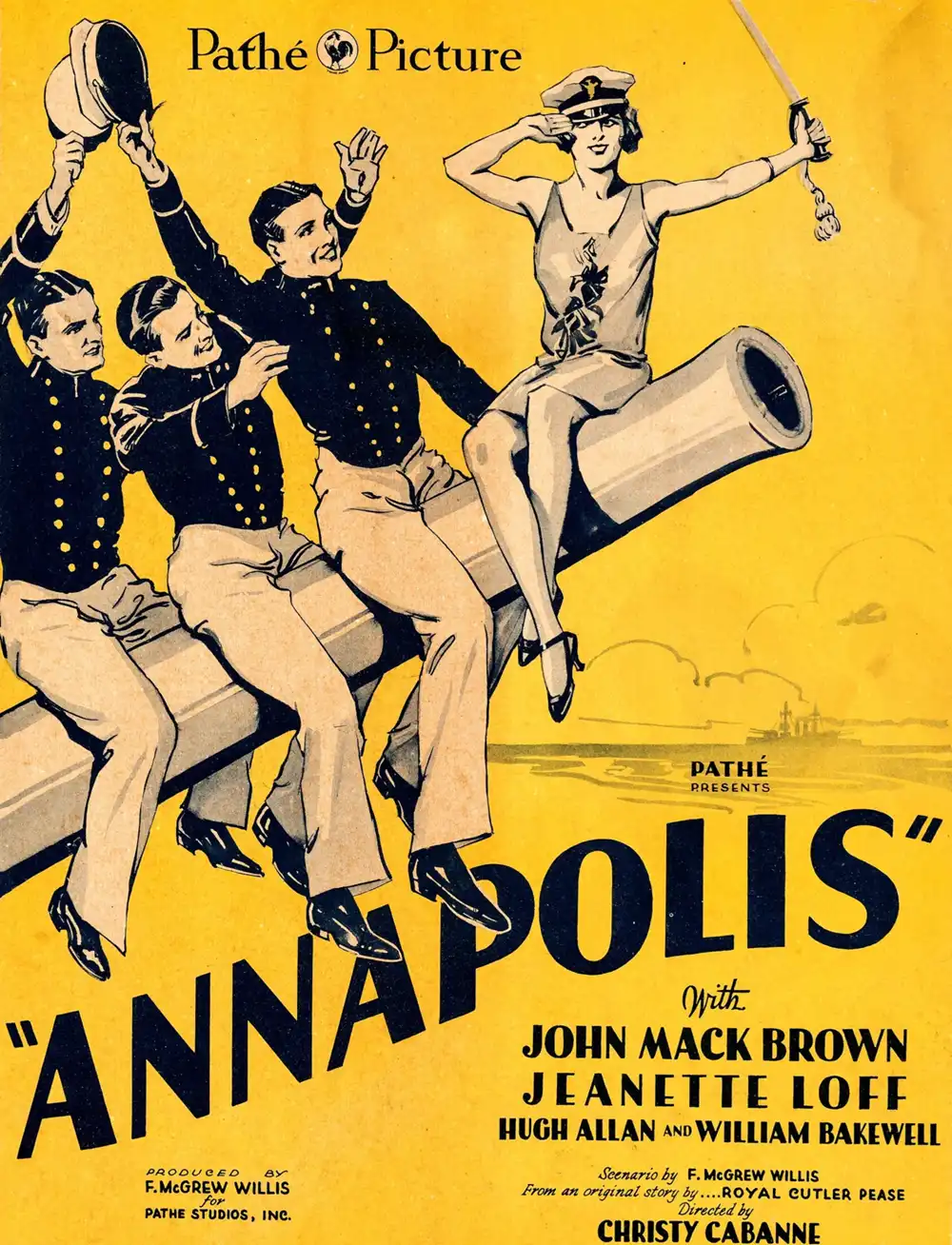
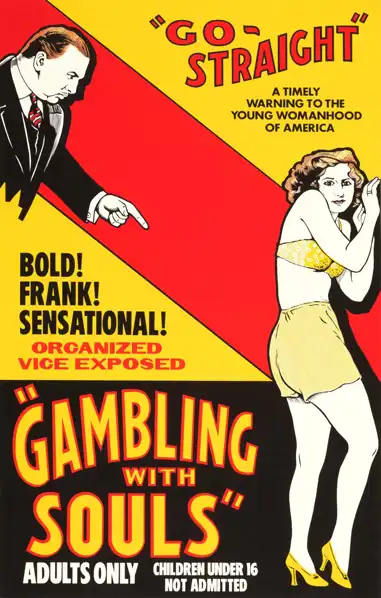
Comparing the cinematic DNA and archive impact of two defining moments in cult history.
José Buchs
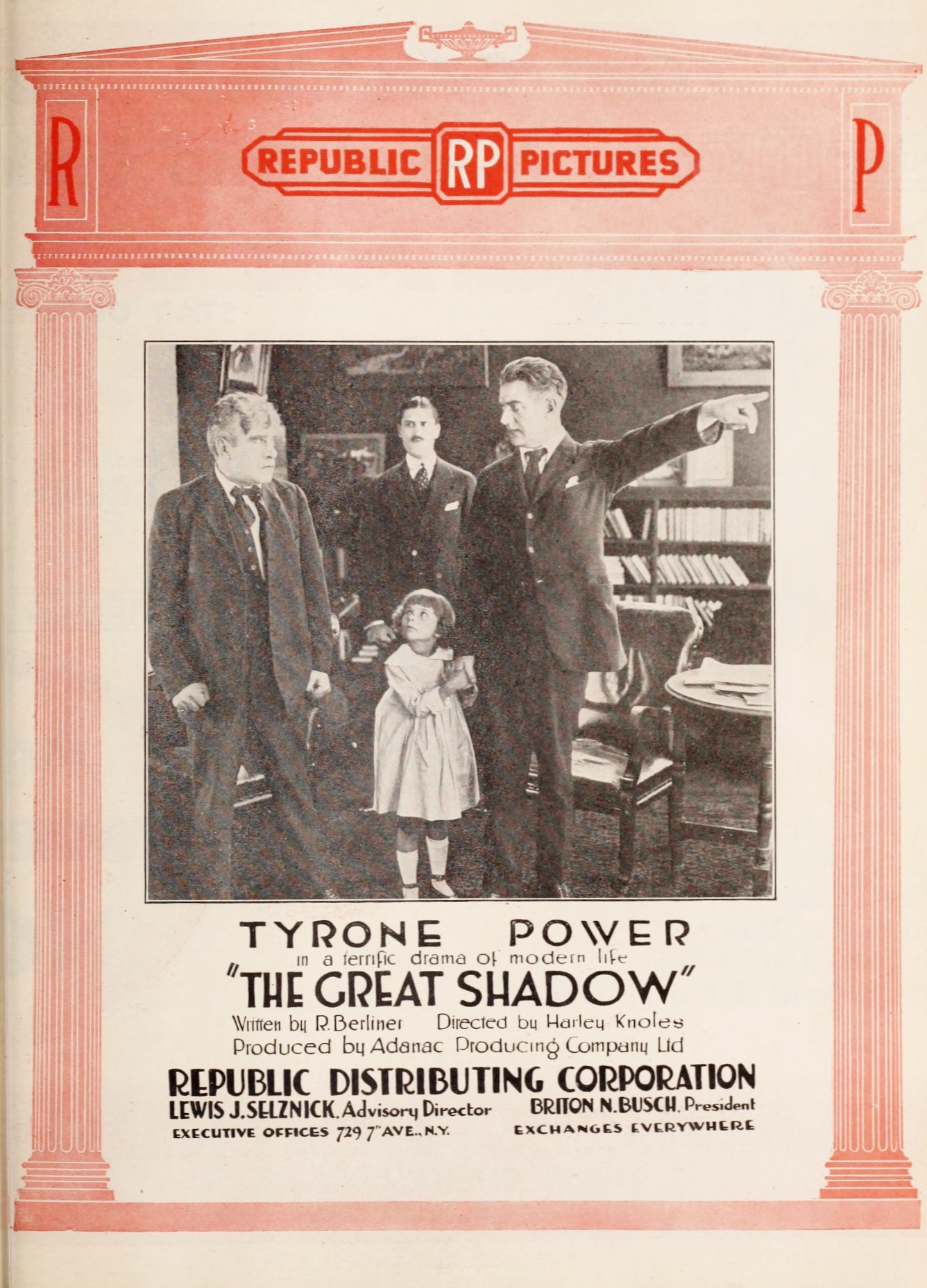
Harley Knoles
Community
Log in to comment.
" A Canvas of Conflict and Compassion The opening frames of Rosario, la cortijera are drenched in sepia‑toned mist, the camera lingering on the cracked earth as if it were a living parchment. The mise‑en‑scene instantly establishes a palpable tension between the past’s lingering ghosts and the encroaching present. Antonio Gil Varela’s Varillas is introduced not through bombast, but via a lingering close‑up of his weathered hands, each scar a testament to a life built on exploitation. This sub..."
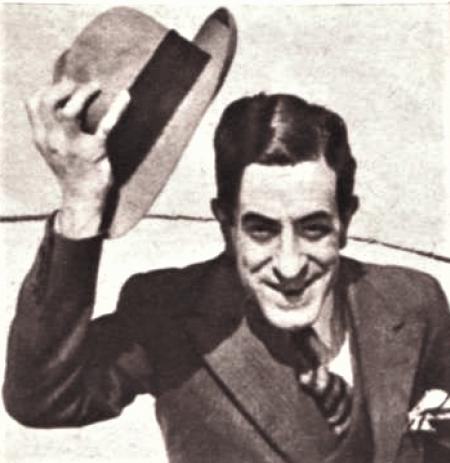
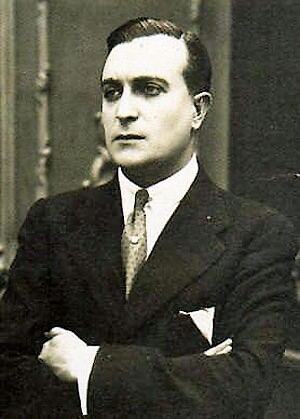
Antonio Gil Varela 'Varillas'
Manuel Paso, José Buchs, Joaquín Dicenta
Spain
Deep dive into the cult classic
Discover similar cinematic experiences
A Directorial Spotlight on José Buchs