
DbcultAccessing Vault...
Recommendations
Senior Film Conservator
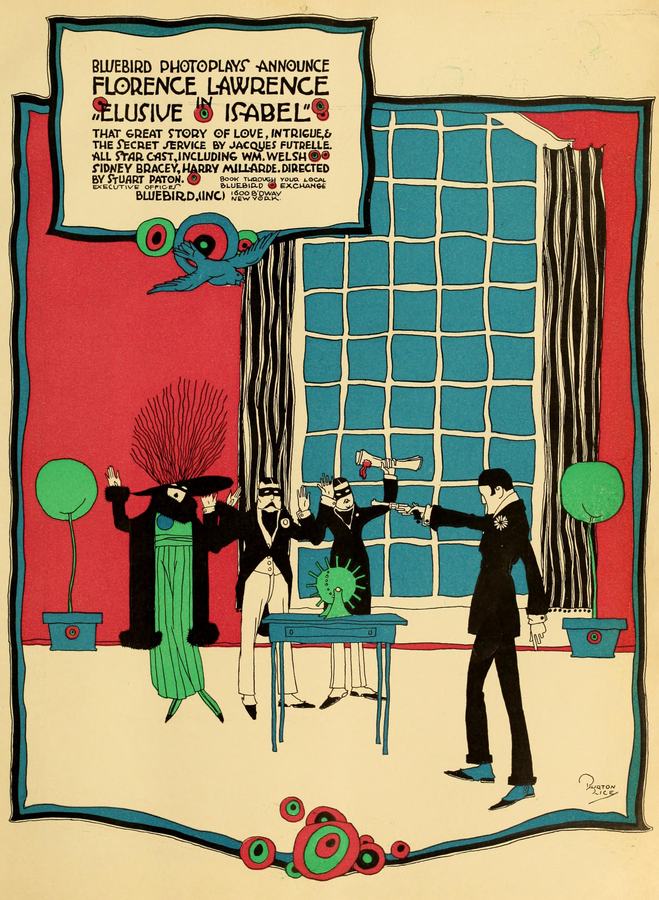
Navigating the complex narrative architecture of Elusive Isabel is a cinematic excellence experience, the emotional payoff of the 1916 classic is what fans crave in similar titles. The following gems are essential viewing for anyone captivated by Elusive Isabel.
The artistic audacity of Elusive Isabel ensures it to define the very concept of cinematic excellence in modern film.
A conspiracy to take over the world is uncovered when several Latin diplomats visit the United States.
The influence of Stuart Paton in Elusive Isabel can be felt in the way modern cult films handle cinematic excellence. From the specific lighting choices to the pacing, this 1916 release set a high bar for atmospheric immersion.
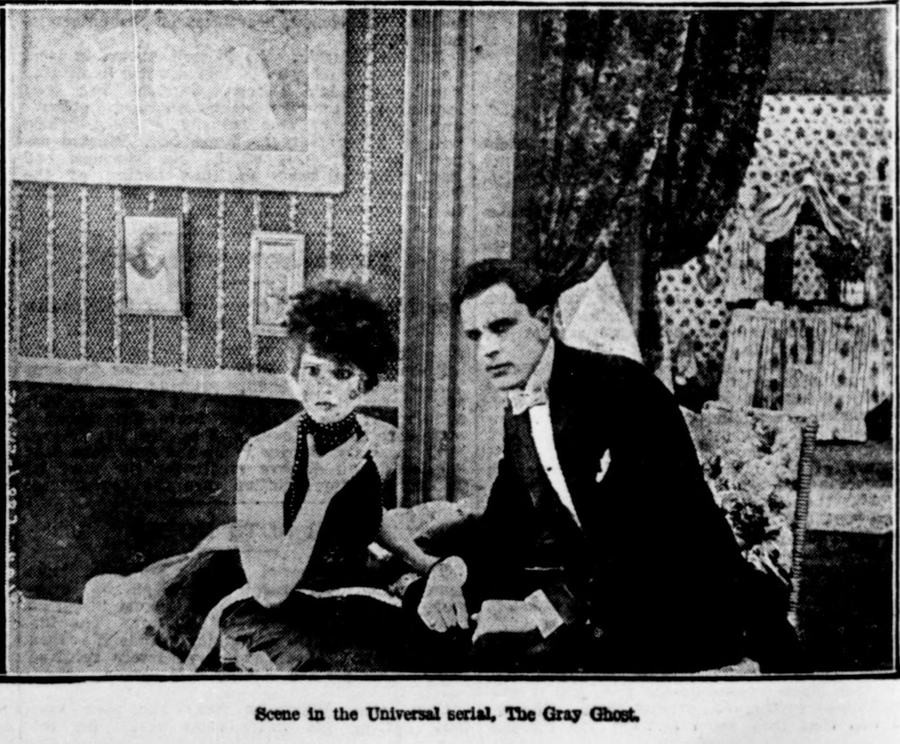
Based on the unique cinematic excellence of Elusive Isabel, our vault has identified these titles as the most compelling follow-up experiences for fans of cult cinema:
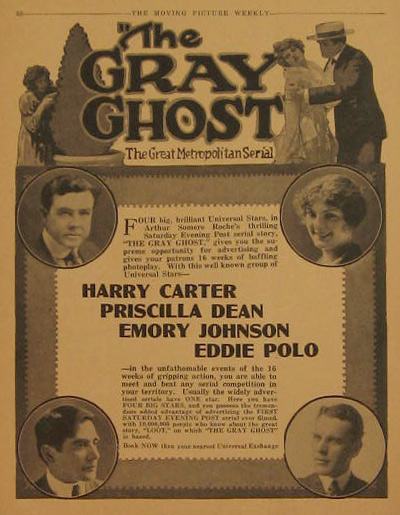
Dir: Stuart Paton
Episode 1: "The Bank Mystery" Mr. Carlow, a wealthy American living in London, is engaged to Lady Gwendolin, and has ordered from Arabin and Company, famous Fifth Avenue jewelers, a necklace worth two million dollars, to be made for her wedding present. She is anxious to see it, and he sends the junior partner of his London solicitors, Wade Hildreth, to America to get the jewel. He cables the young attorney's personal description to Arabin, and gives Wade his certified check for two million dollars. Wade makes ready to go with his secretary. Jean Marco. In New York is a master criminal known as the Gray Ghost. So perfect is his organization that he is never even suspected of the crimes and robberies which follow each other in quick succession. Only one member of the detective force really believes in his identity. This is Jerry Tyron. The Gray Ghost intercepts the message from Arabin. He prepares a reception for Hildreth, for he wishes to get the necklace and the check. Banker Olmstead is at dinner with his wife and son who is employed in the bank with him. His father is anxious that the books shall be in order, as the auditor is coming to examine them. He decides to go down to the bank. Young Olmstead is in the power of the Gray Ghost, to whom he has lost at cards. He goes to him to say that the game is up, and asks for mercy. Instead of helping him, the man plans to get him further into his power. Morn Light, a musical comedy star, whose connection with the Ghost is mysterious, arrives during their discussion. The Ghost asks her to retire, but she listens and watches. She sees the Ghost's men strike down Olmstead, and demands to know what is to be done with him. The Ghost tells her to mind her own business, and she is very angry. He sends her home. Olmstead has arrived at the bank and ordered the vault to be opened. The watchman is in the pay of the Ghost. Olmstead discovers his son's thefts from the bank. Suddenly he is shot down. It is the Ghost's men who have been introduced into the vault by the watchman. The men appear, carrying the boy. They place a revolver in his hand, and leave him lying upon his father's body. He comes to, and the watchman tells him that he has shot his father, and that the police are after him. He cannot believe it, but an officer rushes in and drags him out. In the car the officer changes his clothes to civilian attire, and when Olmstead demands to know what it means he is silenced. The Gray Ghost waits till one o'clock, and then he calls up Tyron and tells him that the bank has been robbed. Tyron sets out at once with a large force of police. They arrive at the bank, and find the unconscious watchman. The body of the banker has disappeared.
View Details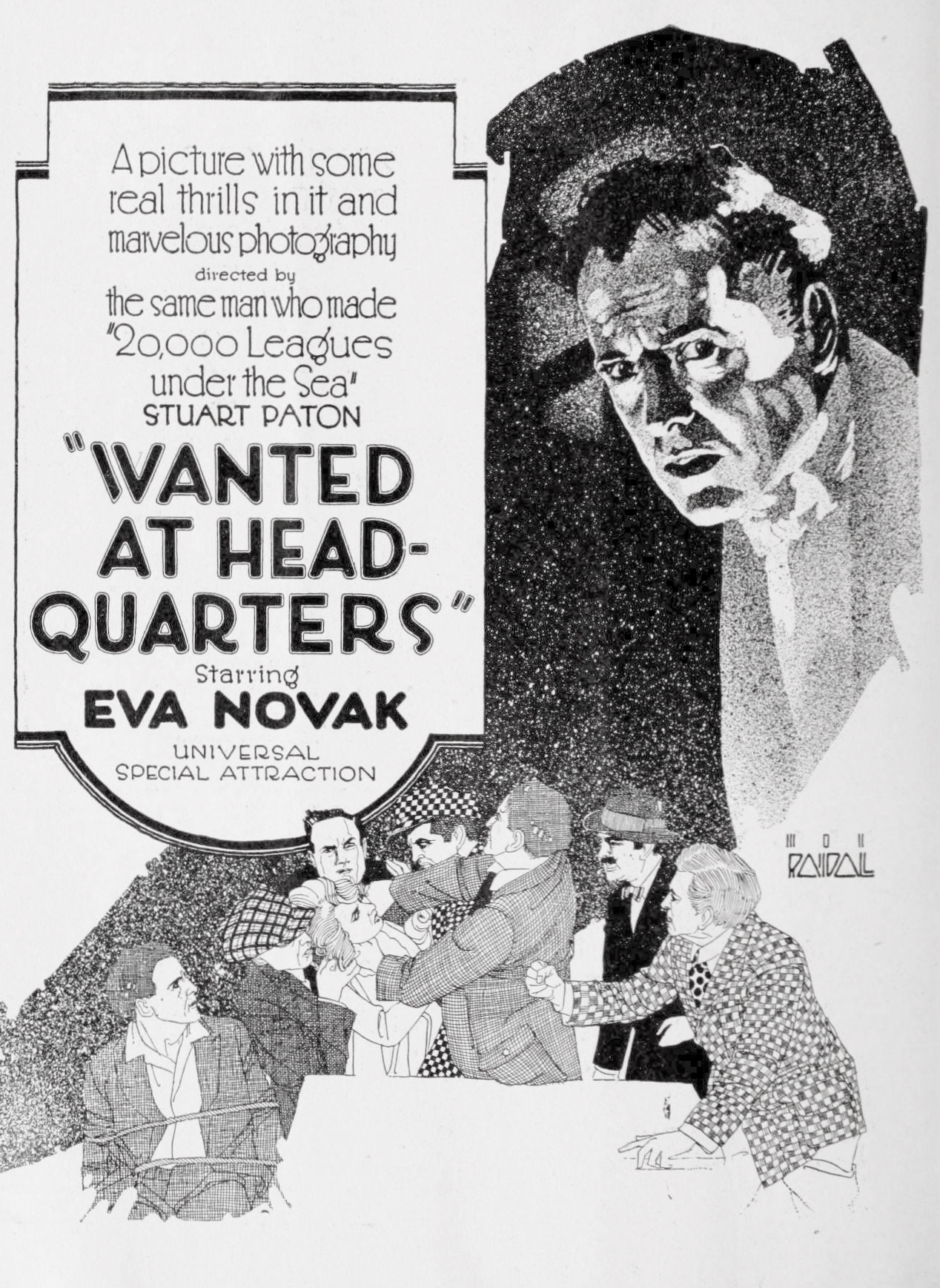
Dir: Stuart Paton
Although she is the mastermind of a gang of crooks, Kate Westhanger's talents are unknown to those outside her circle, thus enabling her to infiltrate George Flanbaugh's gold syndicate. While ostensibly working for Flanbaugh, Kate actually is compiling information on a large gold shipment. One day, while working, Kate meets young criminologist Michael Pretherson, and although finding herself attracted to the sleuth, she laughs at his detective work and challenges him to stop her. He fails, and after successfully robbing the gold shipment Kate is enraged when she learns that the gang has decided to disband. Her actions inflame the crooks, who capture both Kate and Michael and are about to kill their prisoners when the police arrive, igniting a fight in which all the criminals except Kate are killed. Realizing that her love for Michael has extinguished her desire for crime, Kate returns the gold, is exonerated and weds Michael.
View Details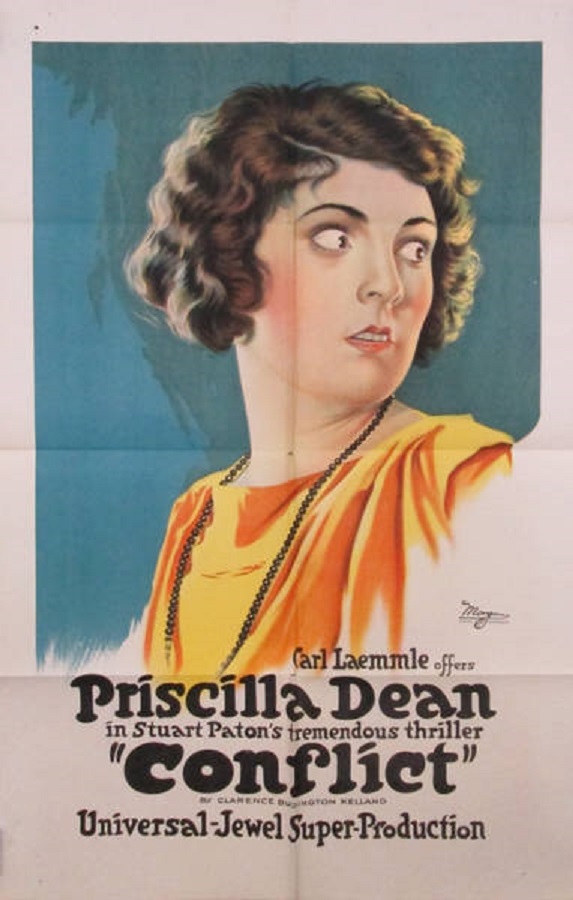
Dir: Stuart Paton
A society girl goes to live in the woods with her evil uncle and his wicked housekeeper.
View Details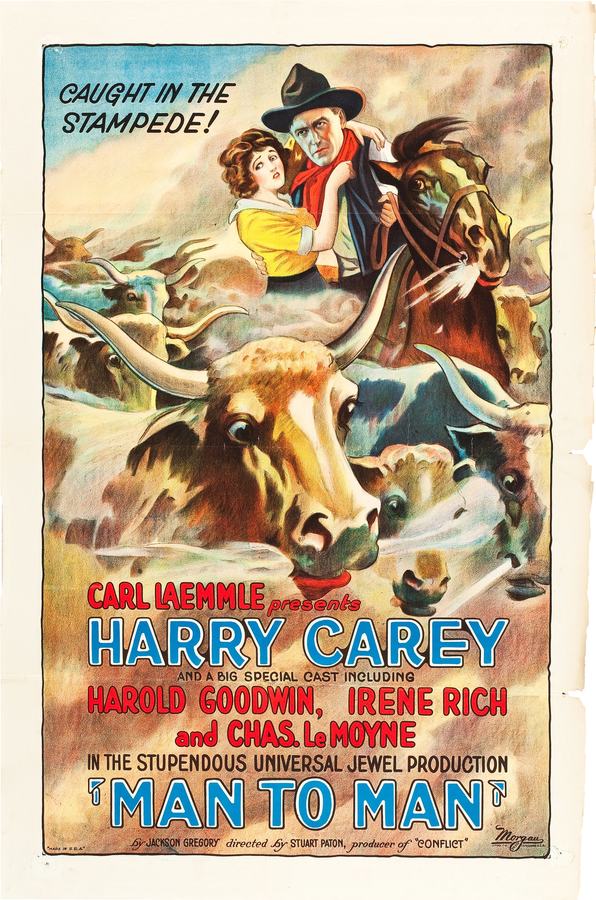
Dir: Stuart Paton
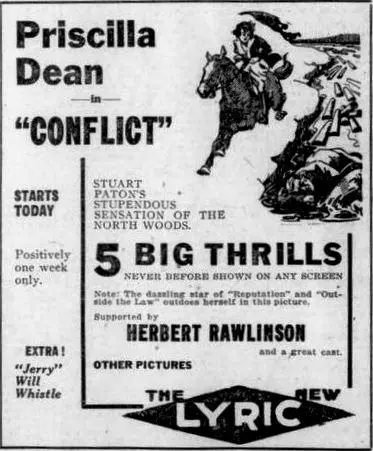
Steve Packard is the ne'er-do-well son of an Arizona ranching baron. Upon his father's death, Steve returns from his days as a South Pacific beach bum to protect his father's estate, which has fallen into the hands of Steve's estranged grandfather. The grandfather's foreman, Joe Blenham, attempts to wrest the ranch from Steve's rightful inheritance, whether the means are legal or not.
View Details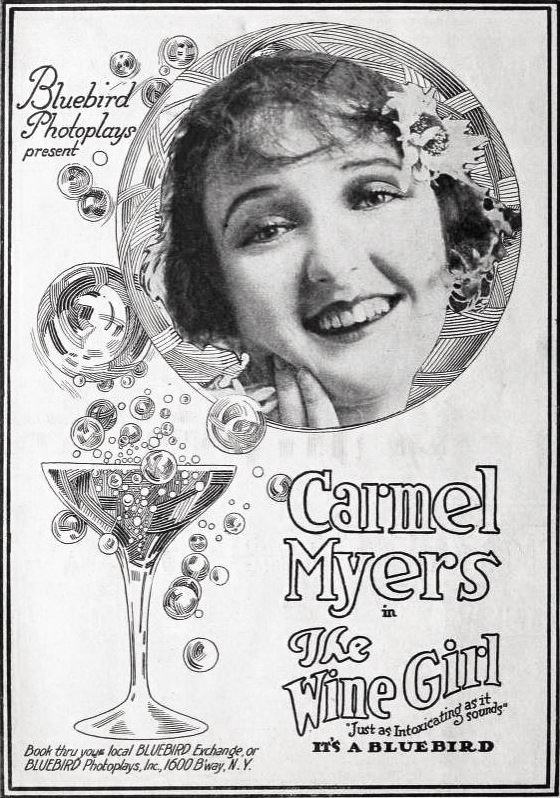
Dir: Stuart Paton
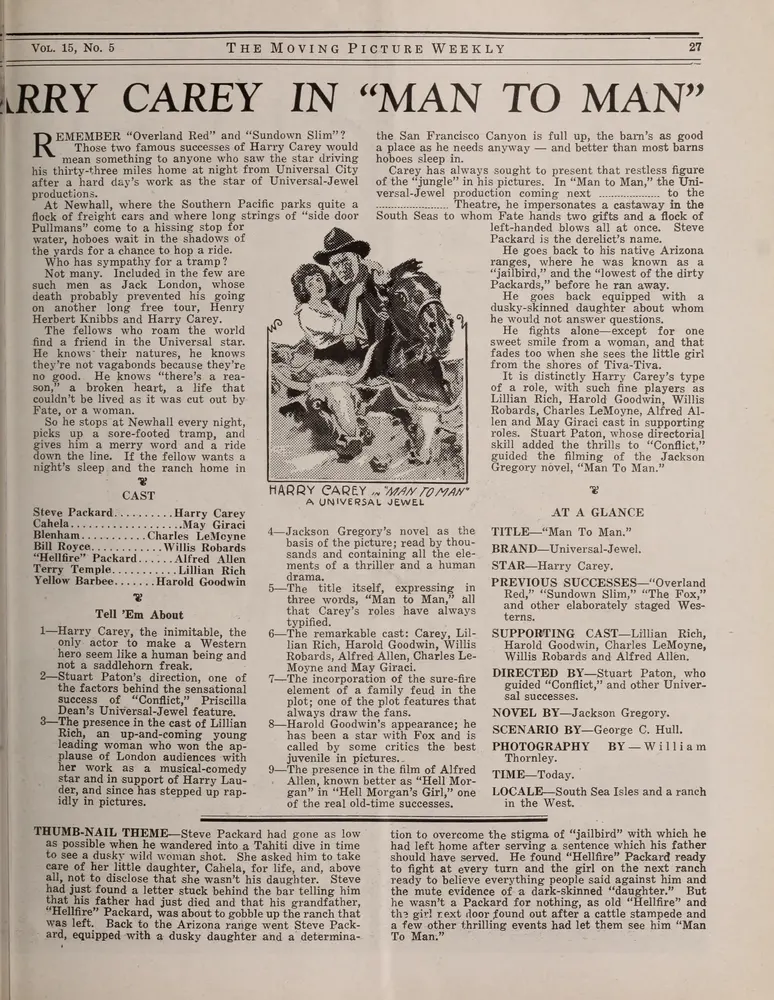
Andrea Minghetti runs a California vineyard with the help of his pretty niece Bona, who cooks for the employees. A worker named Chico Piave, who belongs to a secret crime society, tries unsuccessfully to force himself on Bona, and later, he demands that Andrea give him both the young woman and a large sum in cash. Meanwhile, the wealthy Frank Harris accepts a job at the vineyard on a dare and is so impressed with Bona's cooking that he offers her a position in his mother's kitchen. Mrs. Harris treats Bona cruelly until word comes that Bona has inherited a fortune from Andrea, who has disappeared in her absence. Mrs. Harris' sudden kindness dismays Bona, who returns home and informs the police of Chico's earlier threats. Chico is arrested, but Andrea, who merely hid to escape the criminal, returns to the vineyard, as does Frank, who declares his love for Bona.
View Details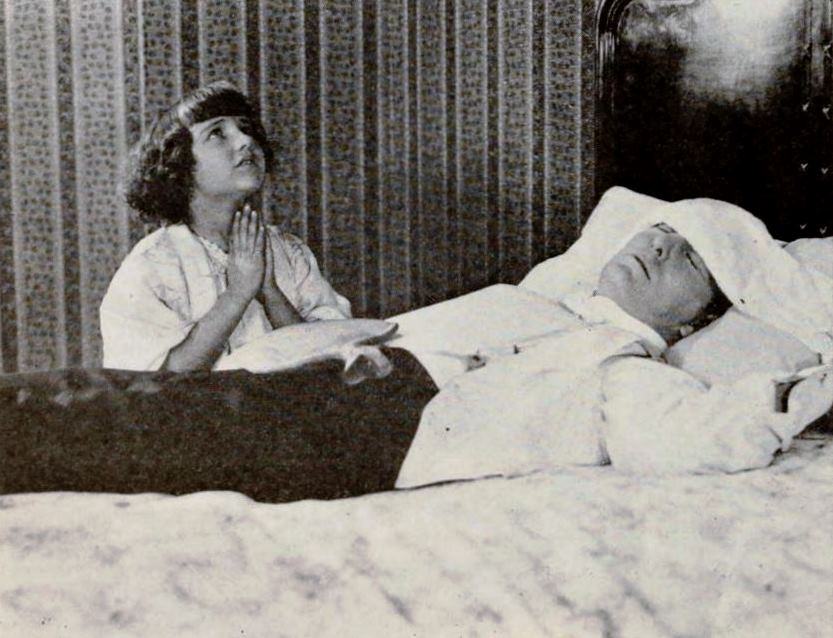
Dir: Stuart Paton
Antiques collector Bradley West agrees to adopt Little Marie, a French war orphan, to please his wife. Marie and a servant's son, George Washington Jones, Jr., irritate Bradley with their mischief until he hires Hulda, a governess who objects to Marie's friendship with a Black child. Marie attempts to placate Hulda by whitewashing George, then presents him at a tea party and shocks the guests. Bradley's nephew and secretary, Trent Gordon, befriends Marie and she assists him in overcoming difficulties with his girlfriend, Phyllis Dare. Unbeknown to the West family, Hulda, alias "Chicago Hattie," is in league with a gang of thieves led by Raymond Brownleigh, intent on robbing Bradley's safe. On the night of the burglary, the noise awakens Marie and she locks Brownleigh in the safe. Before the thief can make his escape, Trent captures the entire gang. Marie's courage and resourcefulness win her the love of her foster father.
View Details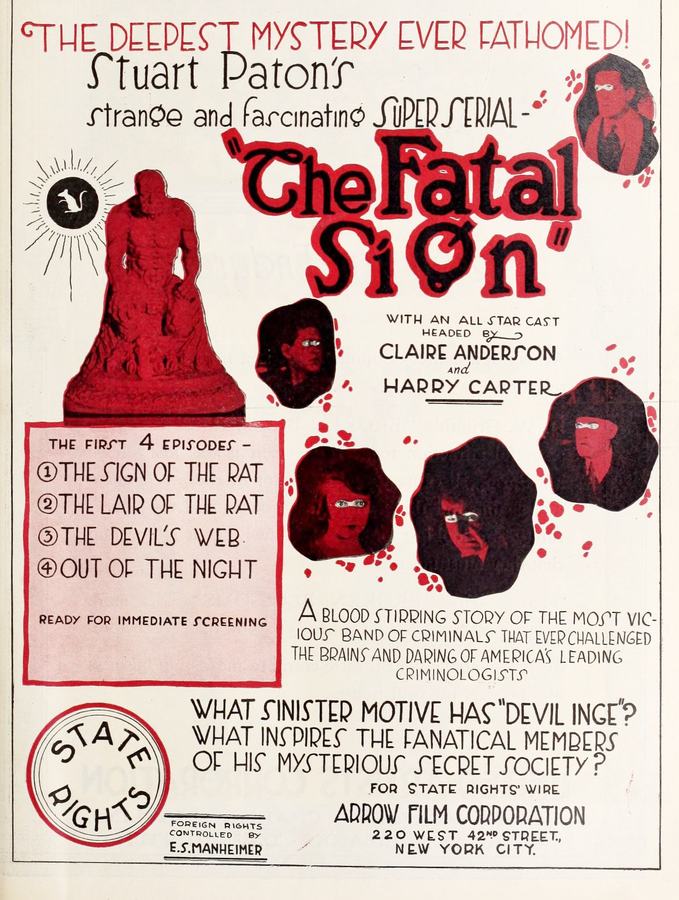
Dir: Stuart Paton
The exploits of a noted band of criminals whose reputation for notorious crime equals that of the famous Camorra gang that for many years terrorized the cities of Europe. 15 episodes.
View Details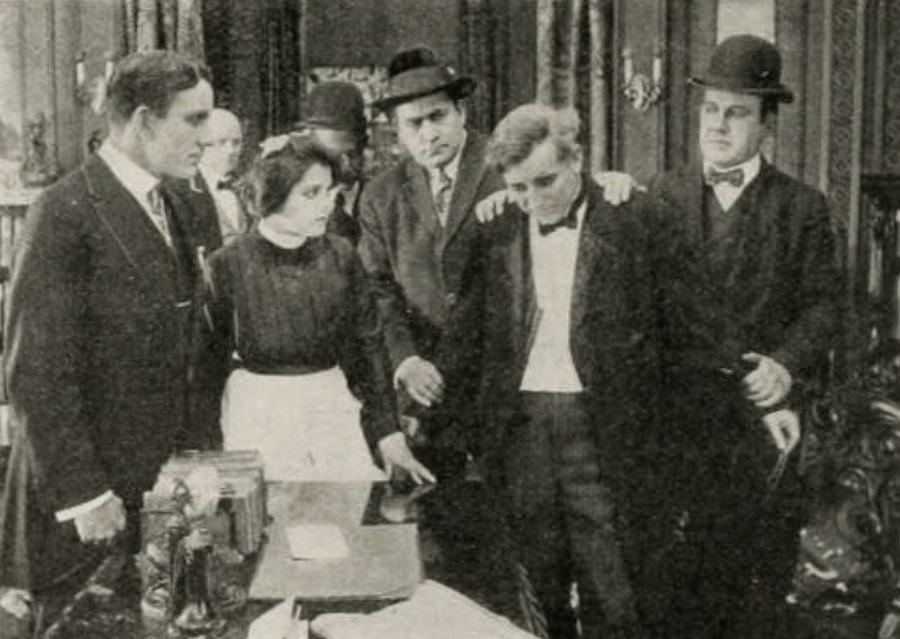
Dir: Stuart Paton
George Grant has invented a device which is being financed by his partner, John Benson, who receives an offer of $200,000 for the patent rights of the valuable invention. The offer is accepted with Grant's approval. Grant enters a barroom where an old man reprimands Dave Wilson, a young man out of employment, for wasting his time in barrooms. Dave strikes the old man, and Grant interferes, giving the young man a black eye. Benson sees the encounter and Grant returns to his home office with Benson. As Benson is leaving he meets Dave, who tells him he has been persuaded by his mother to apologize to Grant. The apology is accepted. Then Grant suddenly drops dead. Dave hears a police whistle blown outside, and runs into the next room where he crawls under the bed. Policemen and members of Grant's household arrive and discover Grant's body. One of the policemen telephones to the police station, and Detective Doyle is assigned to take charge of the case. Dave is present when Doyle arrives on the scene of the murder, and explains to Doyle how Grant dropped dead. Meanwhile a policeman finds a pistol in the yard, and hands it to Doyle. Benson telephones from his home that he wishes to speak to Grant. Doyle answers that there has been an accident and he had better come over at once. When Benson arrives Dave urges him to tell the detective that Benson knew of Dave's mission to the house, but Benson answers, "I know about the fight, and I know nothing about the apology." Dave collapses and is dragged off to the police station. The scene then shifts to the courtroom where Dave has been tried for murder and the jury have found him guilty. Shortly after Dave is electrocuted. One year later James Sprague, the criminologist, is visiting his old friend, the warden, and is shown the reforms the warden has made in prison life. The warden believes in the golden rule, and between working hours the men are allowed their freedom and are treated as human beings. The prisoners are shown playing baseball, and are given manual exercises. During the game the warden tells Sprague that he is glad capital punishment has been abolished as many an innocent man had been electrocuted. The warden then shows Sprague a photograph of Grant's home, declaring that he doesn't believe that the man who was electrocuted for killing Grant was actually guilty. Sprague is interested in the case, and departs with the photograph in his pocket. We next see Sprague at Grant's home making a close examination of the room in which Grant was killed. He looks out of the window into the yard where he sees a boy in a swing. He chases the boy out of the yard, gets on the swing, and concludes that Grant was shot by the murderer swinging himself to a height on a level with Grant's window which would account for the revolver picked up in the yard subsequent to the murder. Meanwhile Benson's guilty conscience has made him a nervous wreck. He goes to his home, where he has another vision of Grant, and shoots at the specter with his revolver. The servants rush in, and the butler revives him with a stimulating drink. Sprague consults Detective Doyle, who asserts that Grant's murder was a case of murder for revenge, and in his subsequent investigation learns of Benson's strange attack of nervousness. Under the pretense of wanting to make a business contract, Sprague makes the acquaintance of Benson. He bribes the butler and maid servant to get themselves discharged and the next day he installs servants of his own choice in Benson's household. Sprague's wife is engaged as the maid servant. The butler and Sprague's wife, abetted by a detective, act so strangely and get Benson into such an extremely nervous condition that when Sprague calls on him to close the proposed contract he begins to suspect that he is being spied on, especially on being asked whether he is interested in the abolition of capital punishment. Sprague then relates to him the peculiar case of Dave Wilson in connection with the murder of George Grant, which increases Benson's apparent nervousness. Meanwhile, Detective Doyle, who is in the yard, fires off a revolver, at a given signal from Sprague. Benson becomes hysterical and confesses that he committed the murder. At the close of the picture, Benson is seen in prison stripes in order to emphasize that while Dave Wilson had no chance of redemption. Benson, through the abolition of capital punishment, would at least be given a chance.
View Details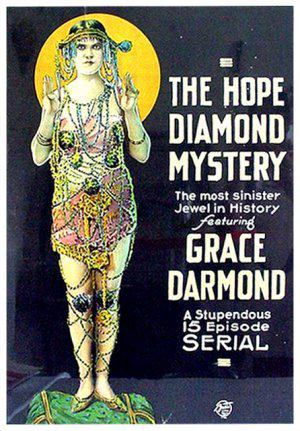
Dir: Stuart Paton
The true story of Lord Francis Hope, who inherits the Hope Diamond and marries showgirl May Yohe'. Lord Francis Hope gambles away the family fortune and May Yohe' leaves him--another suspected curse of owning the Hope Diamond.
View Details
Dir: Stuart Paton
Tommy Buckman, the ne'er-do-well son of dime store magnate John Buckman, is given one last chance to succeed by surveying a possible location in New England for the opening of another store in his father's chain. Arriving in the town of Winton, Tommy lands in jail and, disowned by his father, is bailed out by Nina Potter, whose father owns the only dime store in town. Tommy accepts a job as a delivery boy in the Potter store and soon rises to the post of general manager. When Buckman opens the store across the street, Tommy, now an adroit manager, corners the market. Old Buckman is sent for, and when he arrives to discover that his own son has beaten him in business, he consents to Tommy's marriage to Nina and withdraws his store from the town of Winton.
View DetailsAnalysis relative to Elusive Isabel
| Film Title | Atmosphere | Complexity | Similarity |
|---|---|---|---|
| The Gray Ghost | Gritty | Dense | 93% Match |
| Wanted at Headquarters | Ethereal | High | 87% Match |
| Conflict | Ethereal | Layered | 92% Match |
| Man to Man | Tense | Linear | 89% Match |
| The Wine Girl | Tense | Layered | 86% Match |
This guide was algorithmically generated using the cinematic metadata of Stuart Paton's archive. Last updated: 8/16/2026.
Back to Elusive Isabel Details →