
DbcultAccessing Vault...
Recommendations
Senior Film Conservator
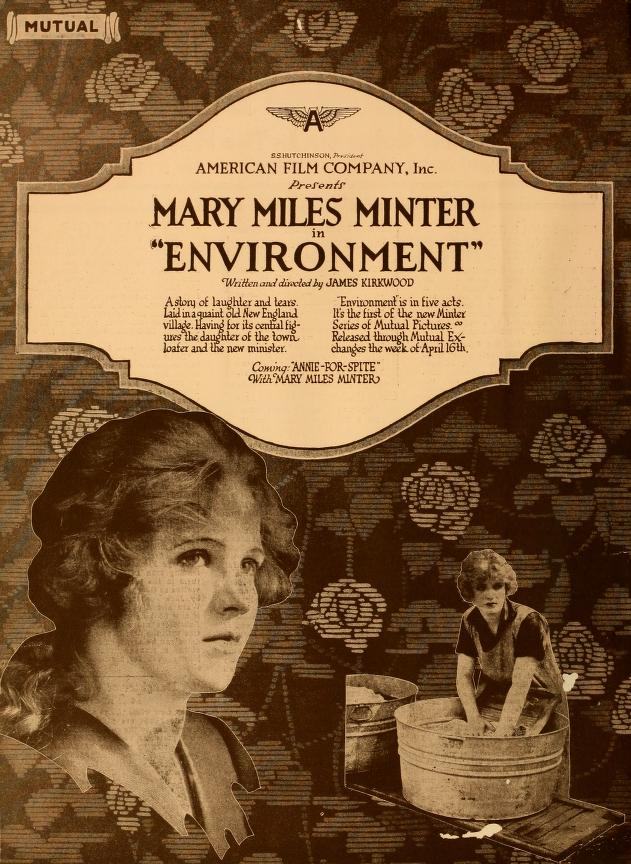
As a cultural touchstone of United States, Environment resonates with its cinematic excellence, its lasting impact ensures that its spirit lives on in modern recommendations. Our archive is rich with titles that mirror the cinematic excellence of James Kirkwood.
For many, the first encounter with Environment is to provoke thought and inspire awe in equal measure.
Liz and her alcoholic father are rejected by the young people in the staid little New England village where they live. One day, Henry Penfield, the new minister, comes to town and is attracted to Liz. On the same train as Henry is Arnold Brice, a young artist who takes a fancy to Mildred Holcombe, the prettiest girl in town and the daughter of a deacon of the church. Mildred falls in love with Arnold, but her brother Arthur threatens to kill the artist if he finds them together. Ignoring Arthur's threats, Mildred goes to the artist's studio. Liz discovers that Arthur has followed her and runs to the studio to warn them. When Arthur arrives, Liz sacrifices her honor to save Mildred and confesses that she was having an affair with Arnold. The deacons then decide to send Liz away because of her disgrace, and Henry, overhearing Liz bid goodbye to Mildred, discovers the truth. That Sunday, he tenders his resignation and announces that he is going to marry Liz.
Based on the unique cinematic excellence of Environment, our vault has identified these titles as the most compelling follow-up experiences for fans of cult cinema:
Dir: James Kirkwood
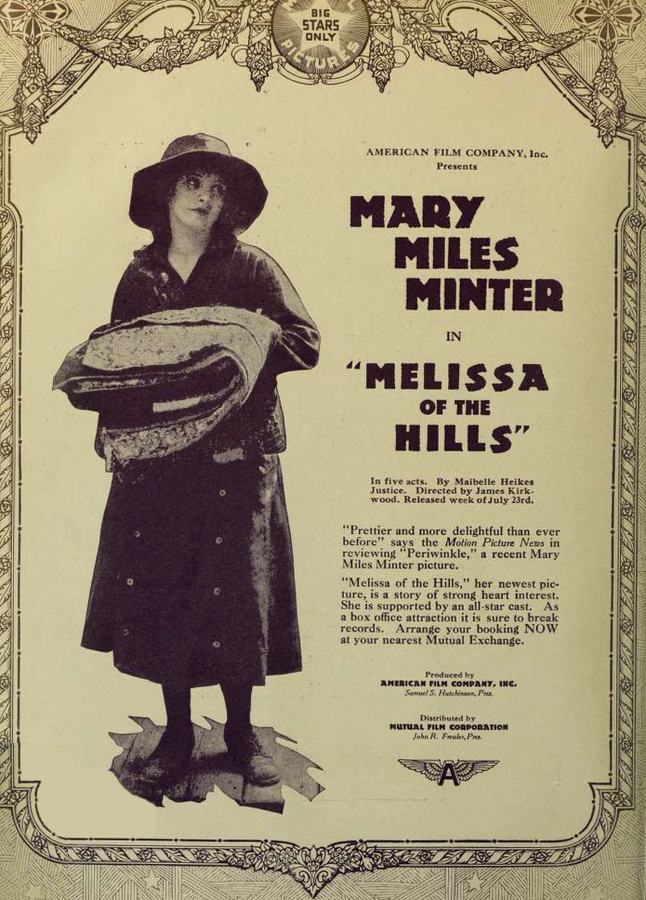
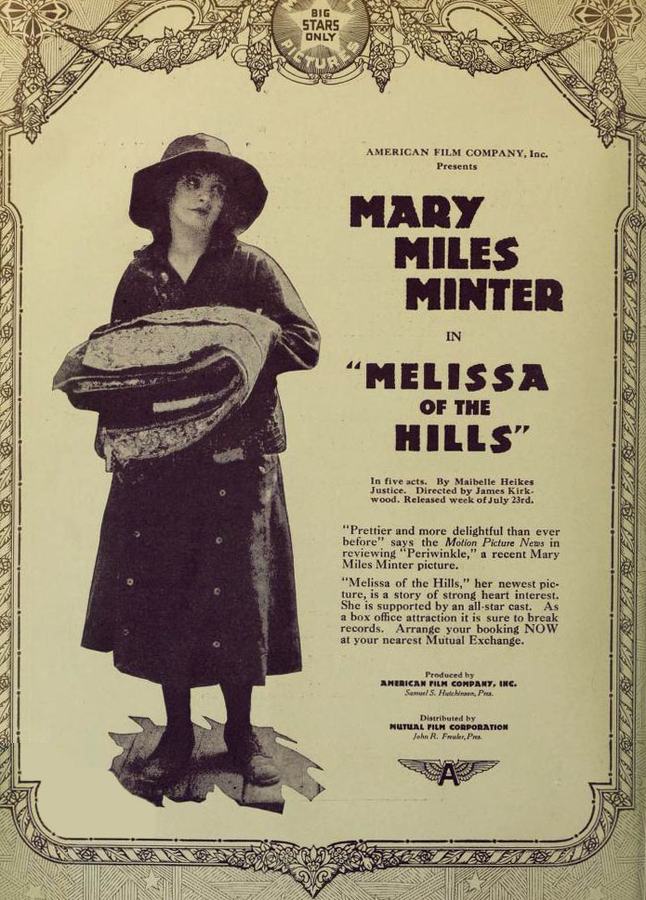
In the Tennessee hills, the feuding Allison and Watts families pay no heed to the preachings and sacrifices of Jethro Stark, a self-styled evangelist whose motherless daughter Melissa dispels quarrels among children of the feuding families, takes care of her father, and invents money-making schemes to relieve their poverty. While struggling young lawyer Tom Williams and Melissa are in love, she is loved by miserly octogenarian Cyrus Kimball, whose crabbiness Melissa dissipates. When Melissa reads in the newspaper that society lady Mrs. Sanders has offered to give clothes to a deserving girl, she writes a letter requesting a party dress for herself and a new coat for Jethro for the annual revival meeting. Mrs. Sanders visits and her husband recognizes Jethro as a fugitive wanted for murder. When deputy sheriff Sam Allison goes to arrest Jethro, Melissa gets help from the Watts faction, and a battle ensues. After Jethro is killed trying to stop the fighting, his innocence is confirmed, and the feuding families reconcile. Melissa thanks God that Jethro never knew that he was under suspicion.
View Details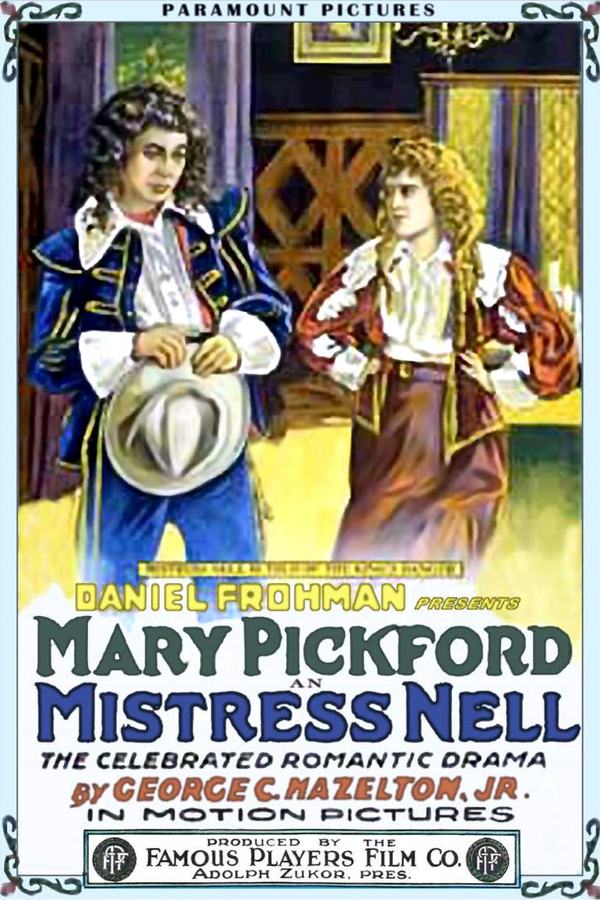
Dir: James Kirkwood
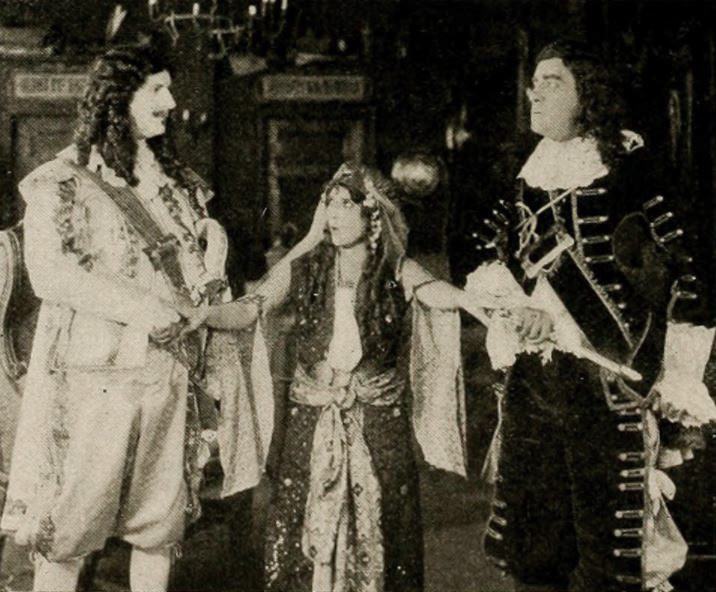
Nell Gwynne ( Mary Pickford ) and King Charles II ( Owen Moore ) fall in love after meeting at a fox hunt. Nell soon learns the jealous Duchess of Portsmouth ( Ruby Hoffman ) is a spy and conspiring with the Duke of Buckingham to place Charles at the mercy of the King of France. Nell boldly disguises herself as a fashionable young blade and wins the confidence of the Duchess. Now entrusted with the delivery of important documents, she makes sure they go to the King of England rather than the King of France. Now, Nell has the last laugh on the traitorous Duchess.
Dir: James Kirkwood
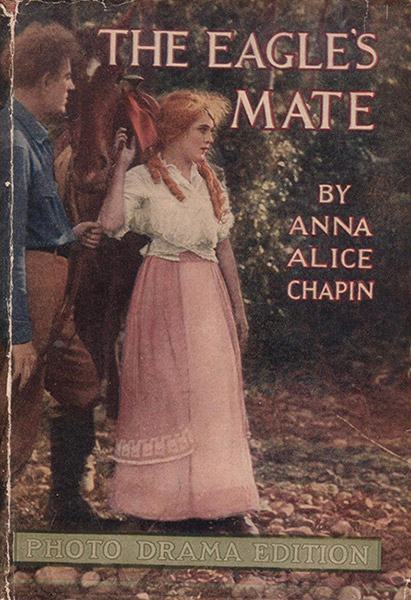
A young girl, Anemone (Mary Pickford), who lives with her Aunt (Ida Waterman) is abducted by a crude family of Virginia mountain moonshiners. A fight between two of the young male relatives decides who will marry the girl. Lancer (James Kirkwood) is the winner and marries Anemone against her will. She is reunited some time later with her Aunt, but when she learns Lancer is in dire trouble she returns and stays by his side, realizing she had always been in love with him.
View Details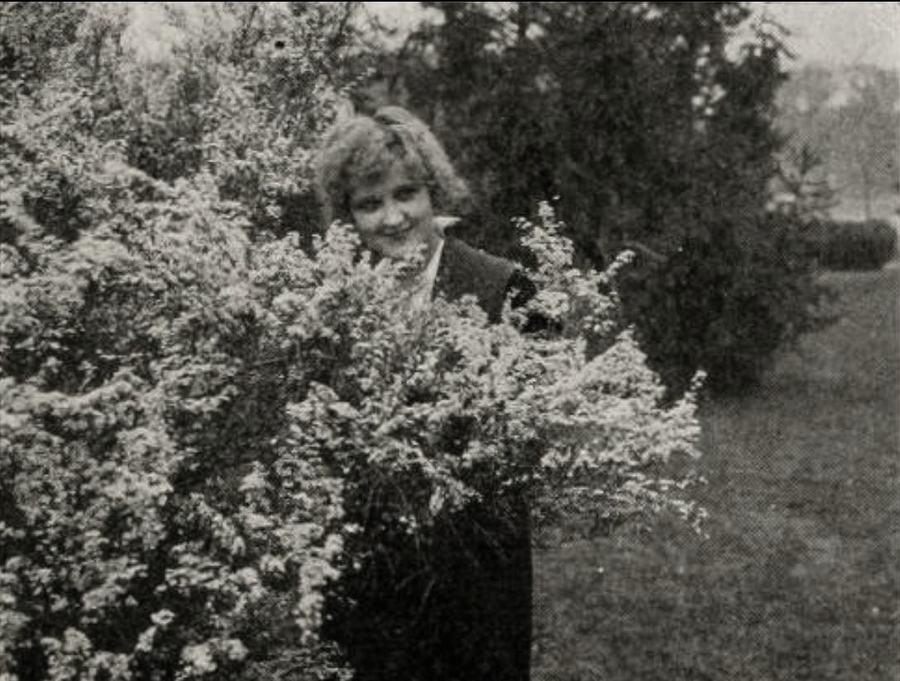
Dir: James Kirkwood
A fascinating piece of cinema that shares thematic elements.
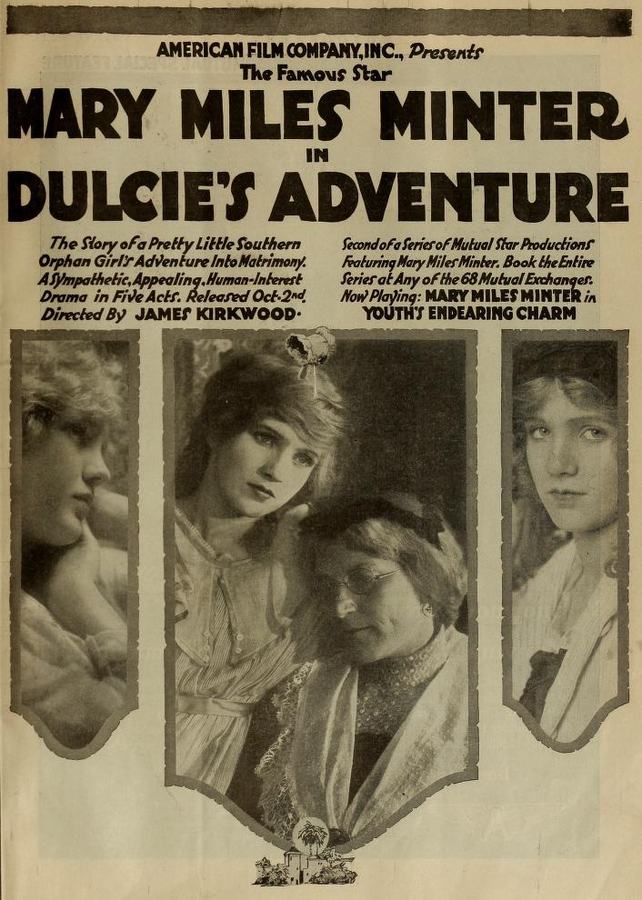
Dir: James Kirkwood
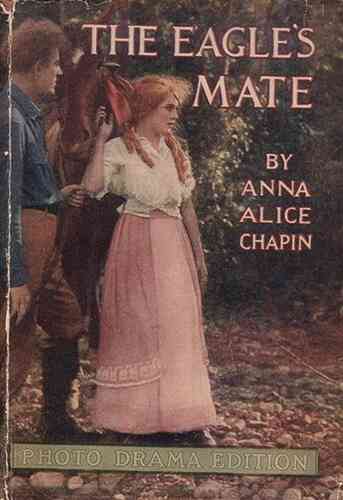
Dulcie's once-aristocratic Southern family has fallen upon hard times, so her Aunt Netta decides to take her to California in search of a millionaire husband. While Dulcie pines for Harry, her sweetheart back home, Netta triumphantly arranges an engagement with a wealthy suitor. On her wedding day, preparing to sacrifice herself for her family, Dulcie discovers that her fiance's millions actually belong to other people when he is arrested at the altar on a bank robbing charge. Meanwhile, Harry, who has come West to get Dulcie back, arrives at the wedding just as the police interrupt it. He volunteers to take the arrested fiance's place, and Dulcie accepts his offer instantly.
View Details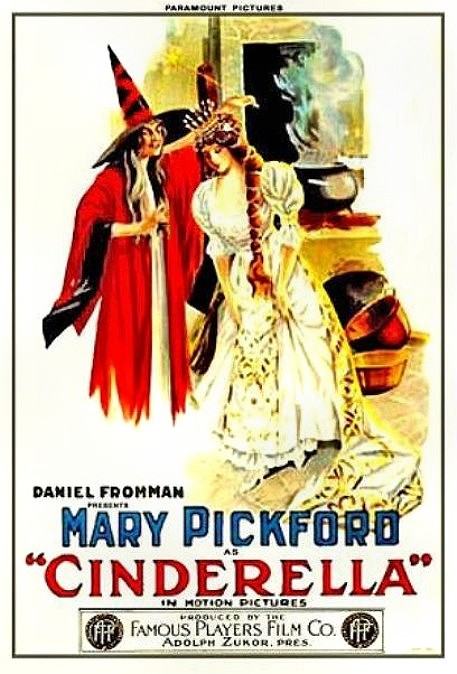
Dir: James Kirkwood
Though mistreated by her cruel stepmother and stepsisters, Cinderella is able to attend the royal ball through the help of a fairy godmother.
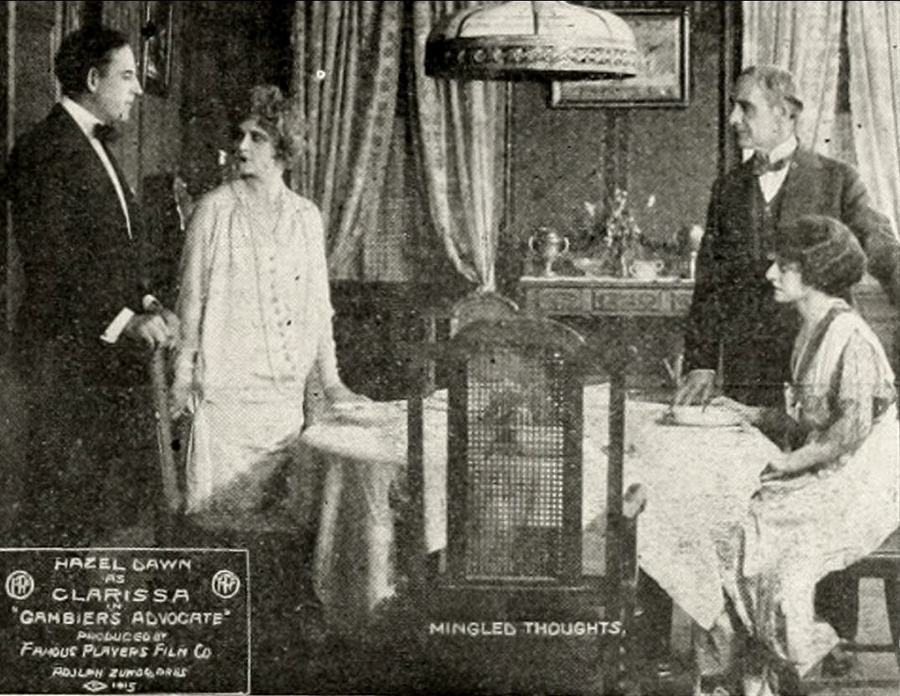
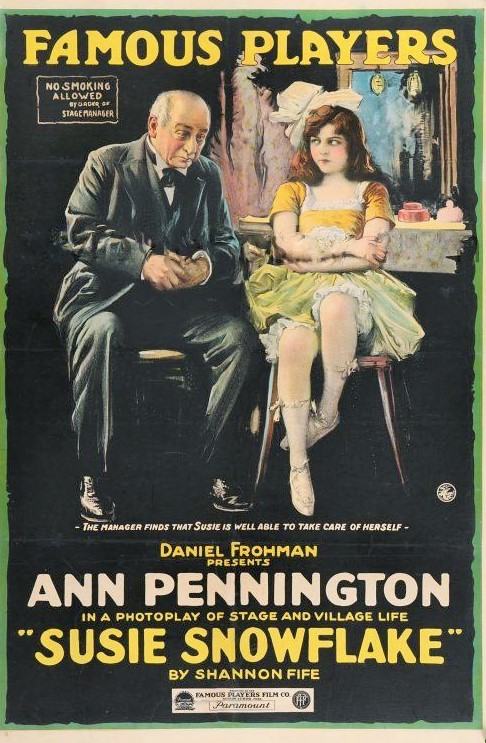
Dir: James Kirkwood
When a young girl who has grown up as a music hall entertainer is brought to live in a stodgy New England town, the quiet town life is changed forever.
View Details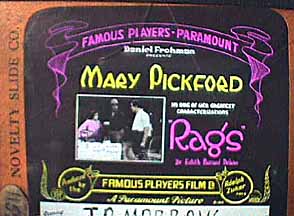
Dir: James Kirkwood
Mary Pickford plays "Rags," a pretty but wild girl who defends her alcoholic father a disgraced bank cashier, no matter how he mistreats her.
Dir: James Kirkwood
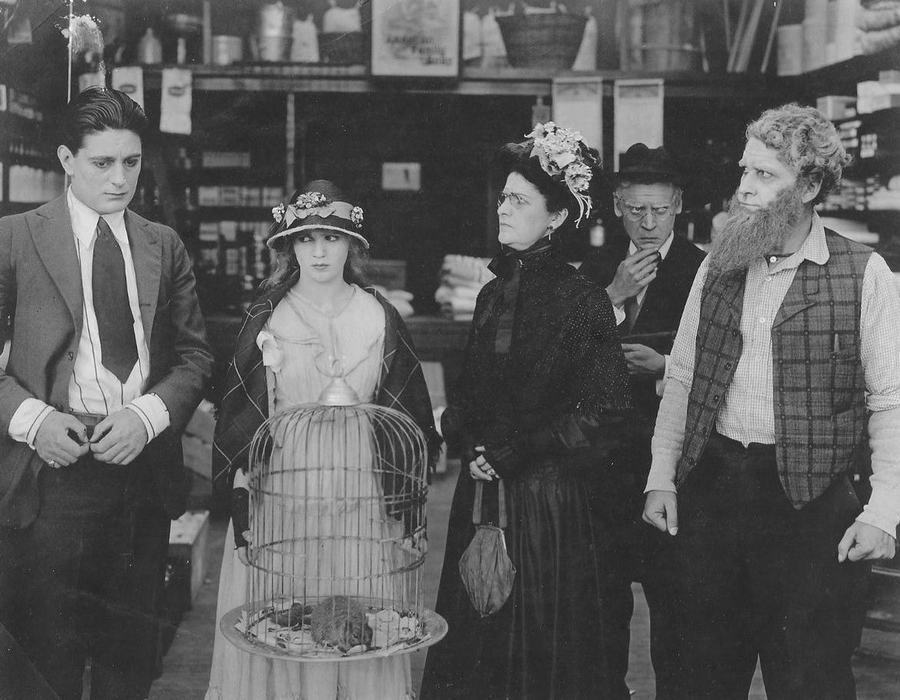
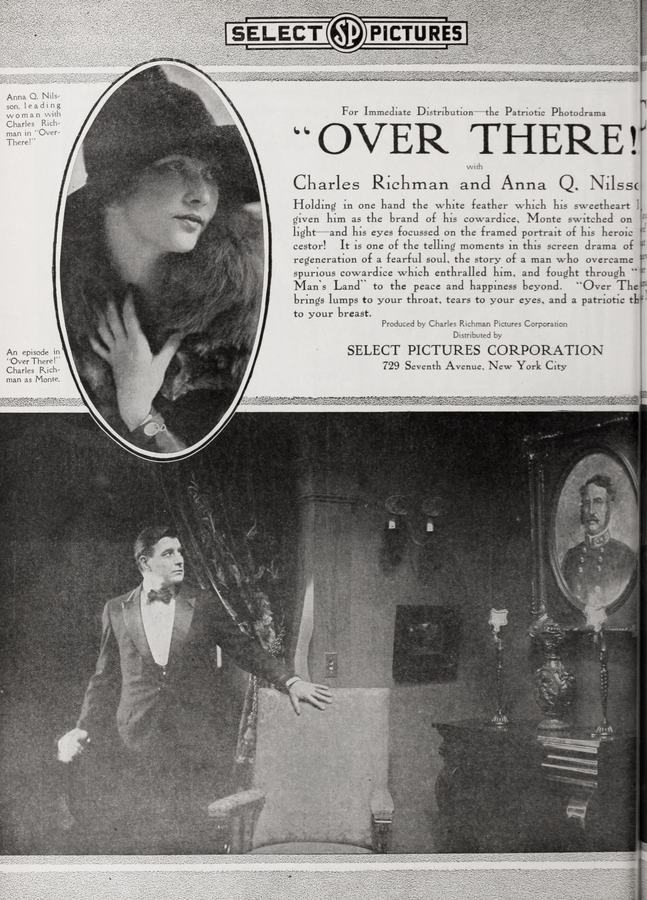
Montgomery Jackson, a man who possesses a deep fear of bloodshed, refuses to enlist in the American army during World War I, ignoring the appeals and insults of his friends and colleagues. Even when his fiancée, Bettie Adams, threatens to leave him, he refuses to fight, but after she volunteers to serve as a Red Cross nurse in France, he relents and joins the American forces. At the front, he proves his courage by fighting bravely and saving the lives of Bettie's father, Colonel Adams, and of the man to whom she had become engaged after accusing Montgomery of cowardice. Finally Montgomery is wounded, but through Bettie's care he recovers, and after his rival, realizing that Bettie still loves Montgomery, gives Bettie her freedom, she and Montgomery happily renew their engagement.
View Details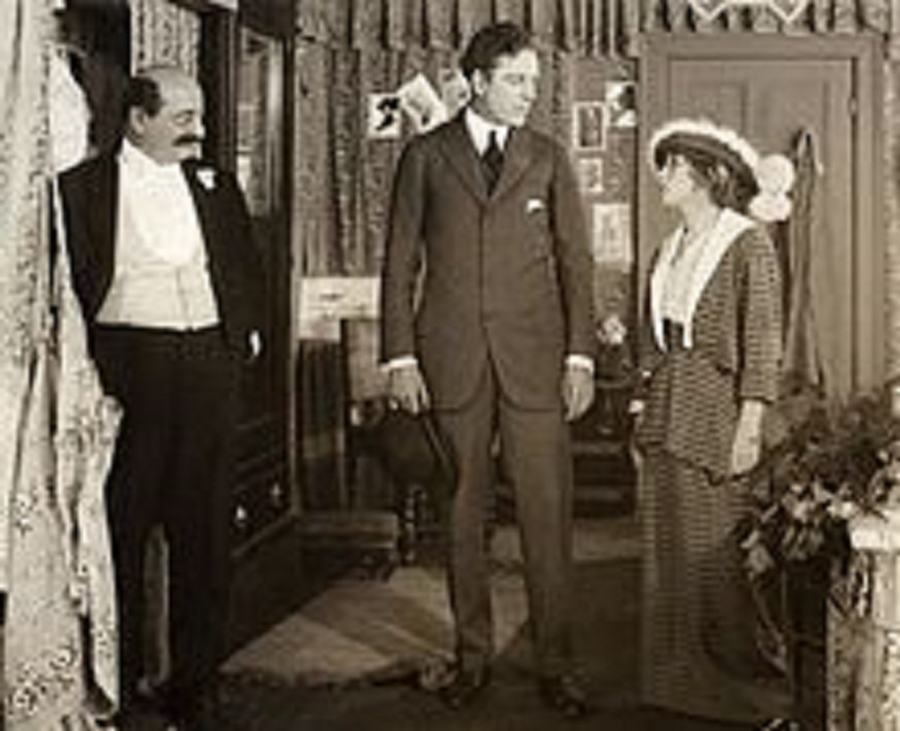
Dir: James Kirkwood
Young Dolly Lane has committed herself to becoming a star on the stage, but when she meets handsome and wealthy farmer Steve Hunter, she falls in love and marries him. Unfortunately, Steve soon loses his fortune and the couple is forced to move in with a friend, Teddy Harrington. Not long afterwards Steve's rich uncle dies, leaving him wealthy, but on that same day Dolly is asked to take the place of a stage star who has taken ill. She does and becomes the toast of Broadway, but now Steve wants her to return with him to the West and become a farmer's wife. She relents, but soon becomes bored with that role and longs to return to the stage.
View DetailsAnalysis relative to Environment
| Film Title | Atmosphere | Complexity | Similarity |
|---|---|---|---|
| Melissa of the Hills | Gritty | Abstract | 97% Match |
| Mistress Nell | Surreal | Layered | 96% Match |
| The Eagle's Mate | Gritty | High | 85% Match |
| Gambier's Advocate | Ethereal | Abstract | 92% Match |
| Dulcie's Adventure | Gritty | Dense | 98% Match |
This guide was algorithmically generated using the cinematic metadata of James Kirkwood's archive. Last updated: 6/27/2026.
Back to Environment Details →