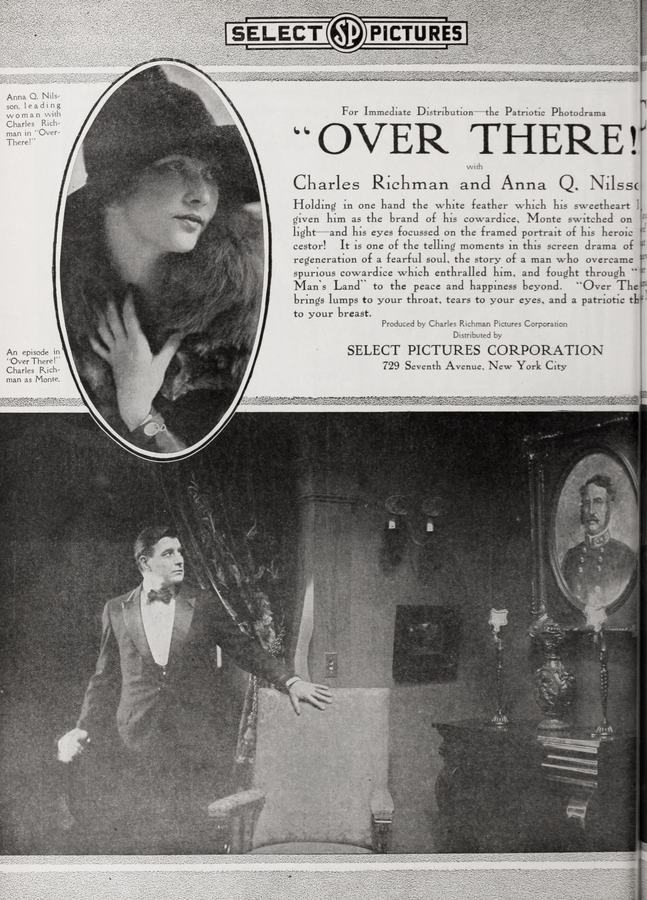
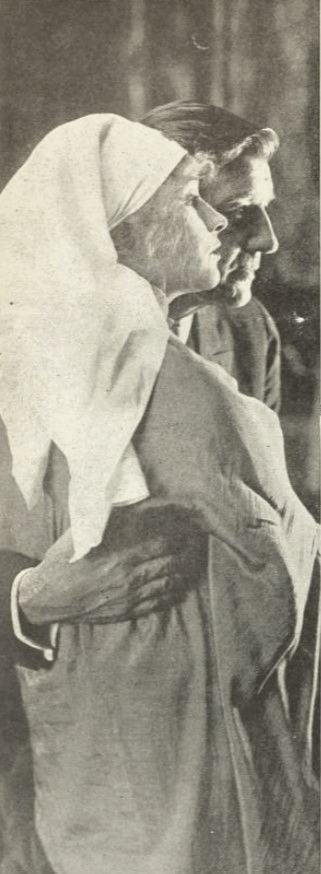
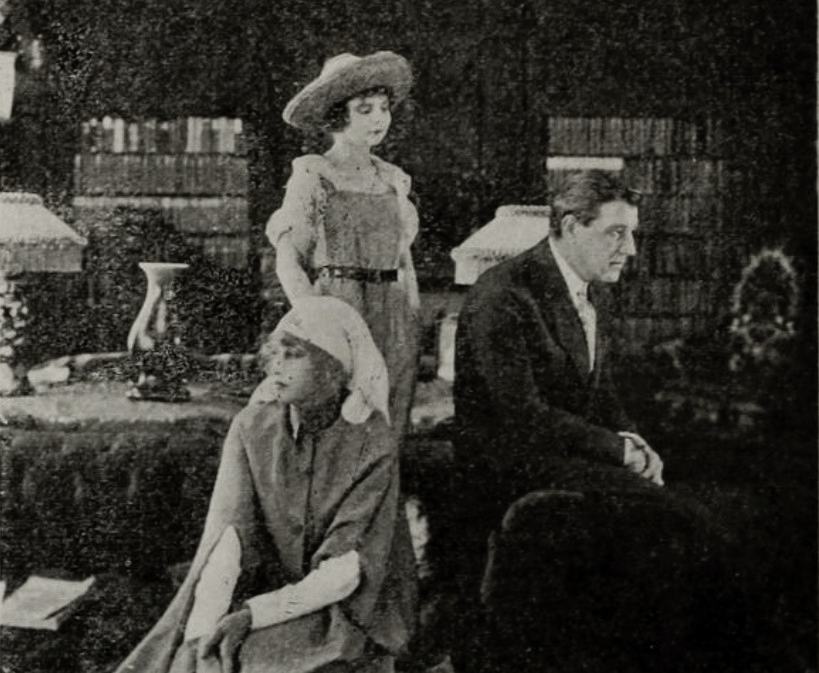
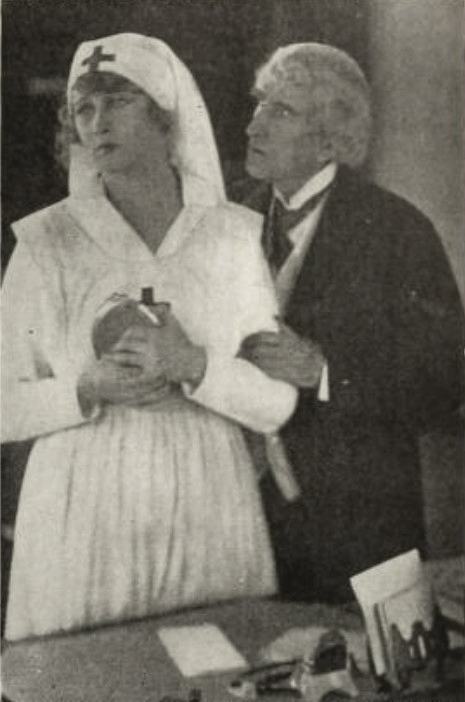
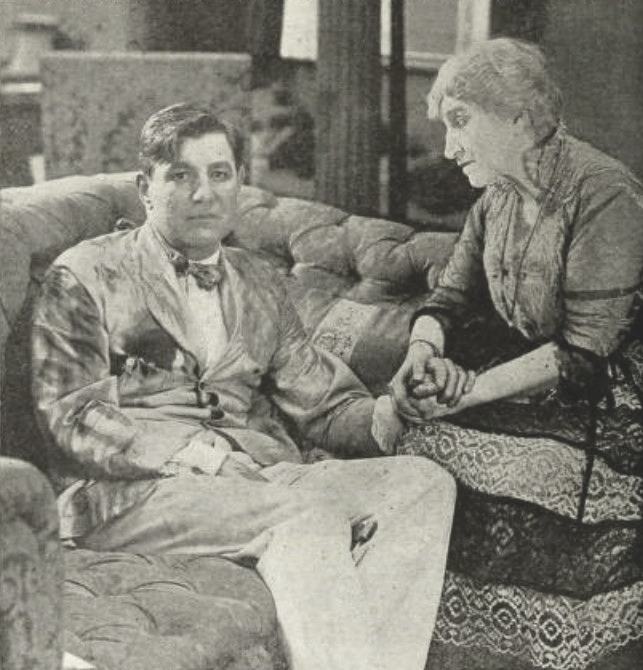
Montgomery Jackson, a man who possesses a deep fear of bloodshed, refuses to enlist in the American army during World War I, ignoring the appeals and insults of his friends and colleagues. Even when his fiancée, Bettie Adams, threatens to leave him, he refuses to fight, but after she volunteers to serve as a Red Cross nurse in France, he relents and joins the American forces.
Charles Richman, Eve Unsell
United States
The Pulse of a Nation: Re-evaluating Over There (1917) In the volatile atmosphere of 1917, American cinema was not merely an escapist medium but a potent instrument of social engineering. Over There, directed by James Kirkwood and penned by the formidable duo of Charles Richman and Eve Unsell, stand...
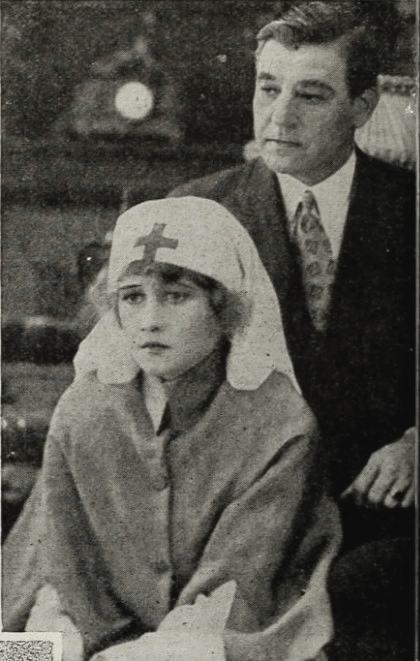
still_frame
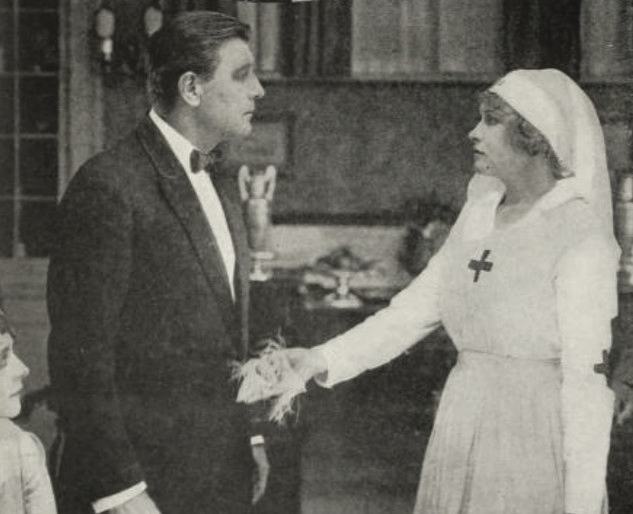
still_frame
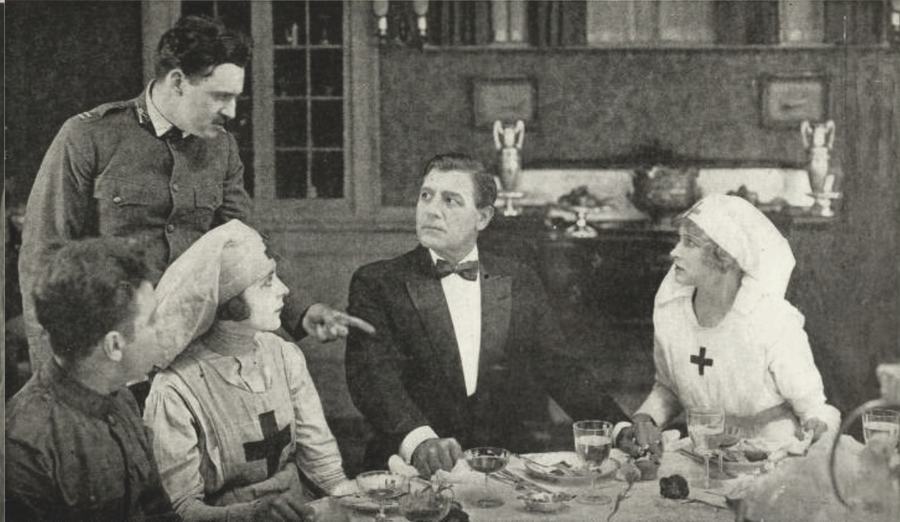
still_frame
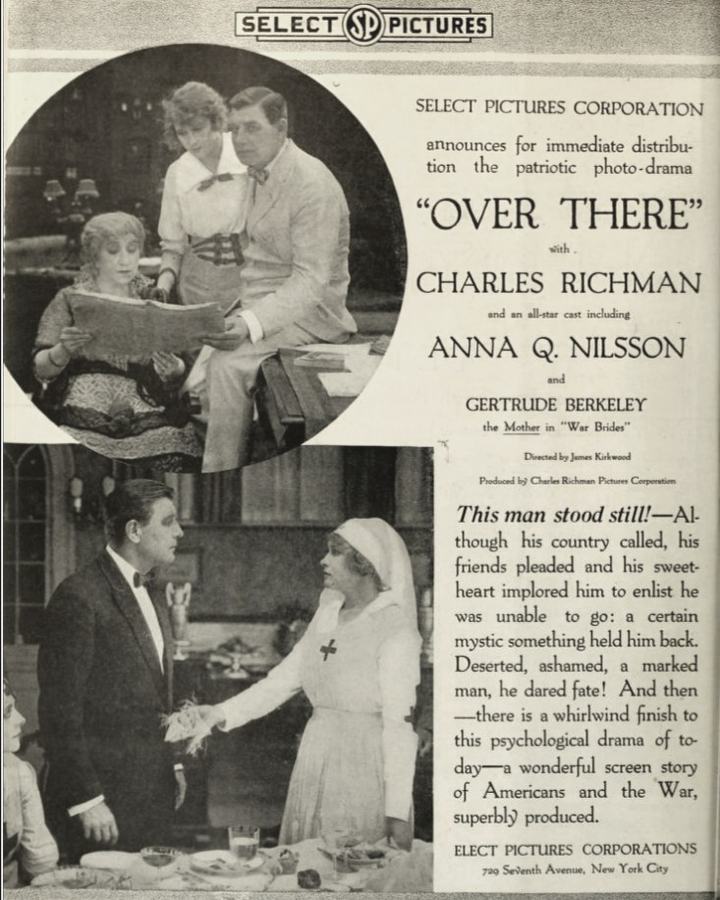
publicity
still_frame
still_frame
still_frame
still_frame
Comparing the cinematic DNA and archive impact of two defining moments in cult history.
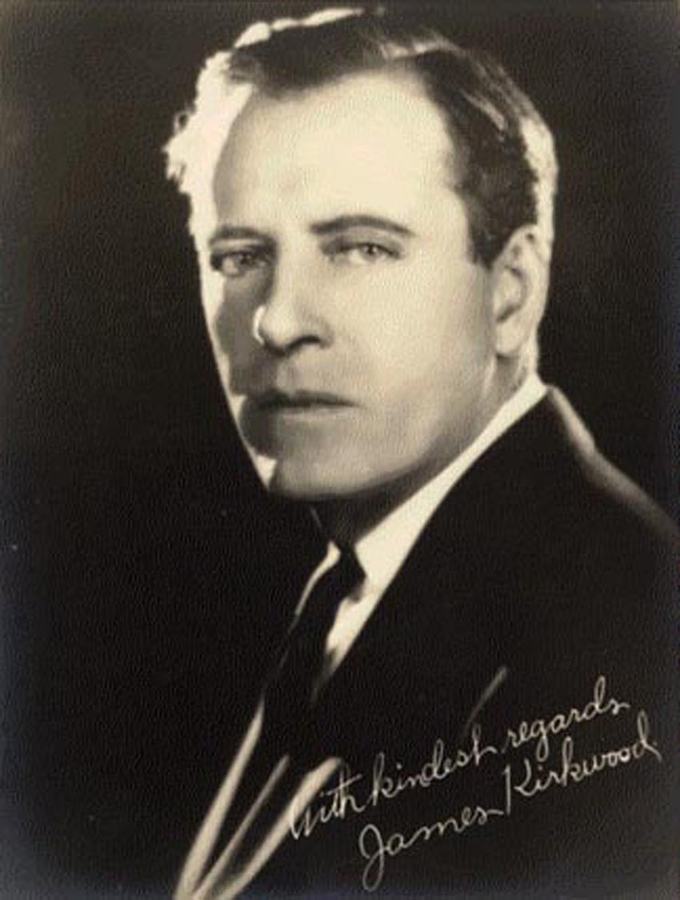
James Kirkwood
James Kirkwood
Community
Log in to comment.
" The Pulse of a Nation: Re-evaluating Over There (1917) In the volatile atmosphere of 1917, American cinema was not merely an escapist medium but a potent instrument of social engineering. Over There, directed by James Kirkwood and penned by the formidable duo of Charles Richman and Eve Unsell, stands as a seminal artifact of this era. It is a film that grapples with the transition from isolationist introspection to the globalist responsibility of the Great War. While many con..."