
DbcultAccessing Vault...
Recommendations
Senior Film Conservator
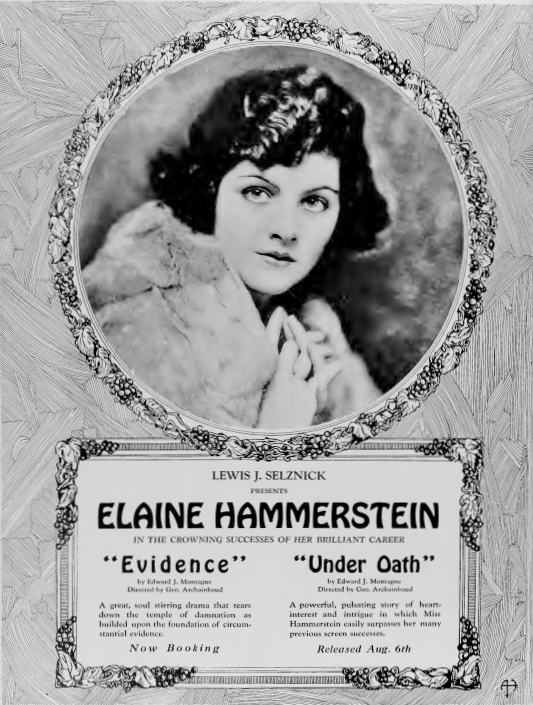
Ever since Evidence hit screens in 1922, fans have sought that same nuanced performance, the search for similar titles reveals the deep impact of George Archainbaud's direction. These recommendations provide a deep dive into the same stylistic territory occupied by Evidence.
Whether it's the nuanced performance or the thematic depth, this film to capture the existential zeitgeist of 1922.
When Florette, a popular actress, and her friend Edith become rivals for the love of Walter Stanley, a leading man, Florette sacrifices her feelings for the other girl. Three years later, Phillip Rowland, a young aristocrat, falls in love with Florette. When Edith intrudes in her affairs, Florette--although she fears unhappiness will result because of their differing social positions--decides to marry Rowland regardless of the consequences. Rowland stands by his wife, although she is snubbed by his family, but when Edith conspires with Walter Stanley to place Florette in a compromising position, Judge Rowland accepts circumstantial evidence as truth and plans for a divorce. Florette, however, cleverly puts her brother-in-law on the defensive; making amends, he has her reinstated in the family's good graces.
The influence of George Archainbaud in Evidence can be felt in the way modern Romance films handle nuanced performance. From the specific lighting choices to the pacing, this 1922 release set a high bar for atmospheric immersion.
Based on the unique nuanced performance of Evidence, our vault has identified these titles as the most compelling follow-up experiences for fans of Romance cinema:
Dir: George Archainbaud
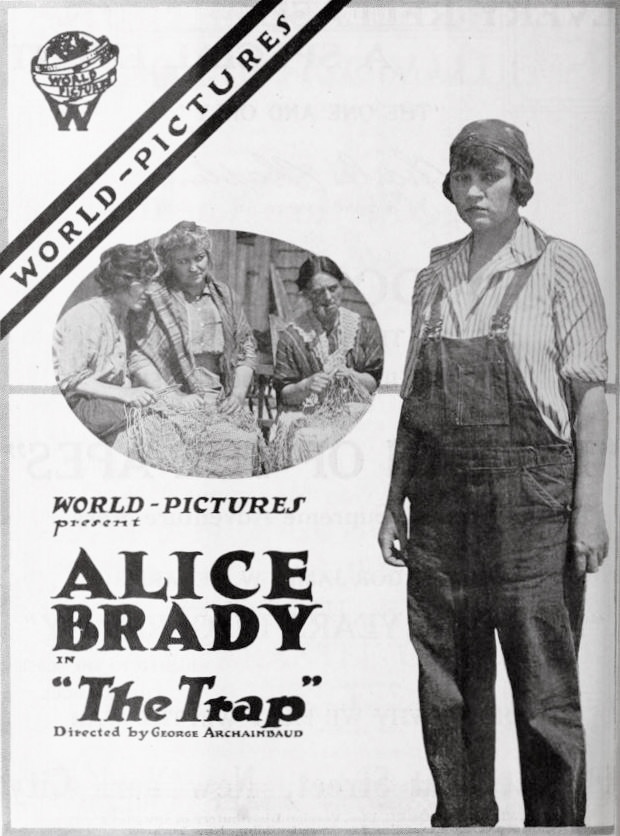
Doris is driven from her small New England fishing village when a jealous admirer implies that her mild flirtation with visiting artist Stuart Kendall was an intimate love affair. Arriving in New York, alone and penniless, Doris finds employment in a Greenwich Village café, where she again meets Stuart and agrees to become his model. Unaware of his true intentions, Doris lives at Stuart's expense and innocently evades his advances. Out West, rancher Jack Masterson sees Doris' face on a poster and journeys East to propose to her. Doris returns his affections, which so angers Stuart that he resolves to prevent the marriage. On the eve of the wedding, Stuart throws a party for Doris, and when the celebration becomes an orgy, he telephones Jack, who arrives and denounces his fiancée. Realizing Stuart's trick, Doris, in turn, denounces him, but Jack overhears their conversation, and the wedding takes place as planned.
View Details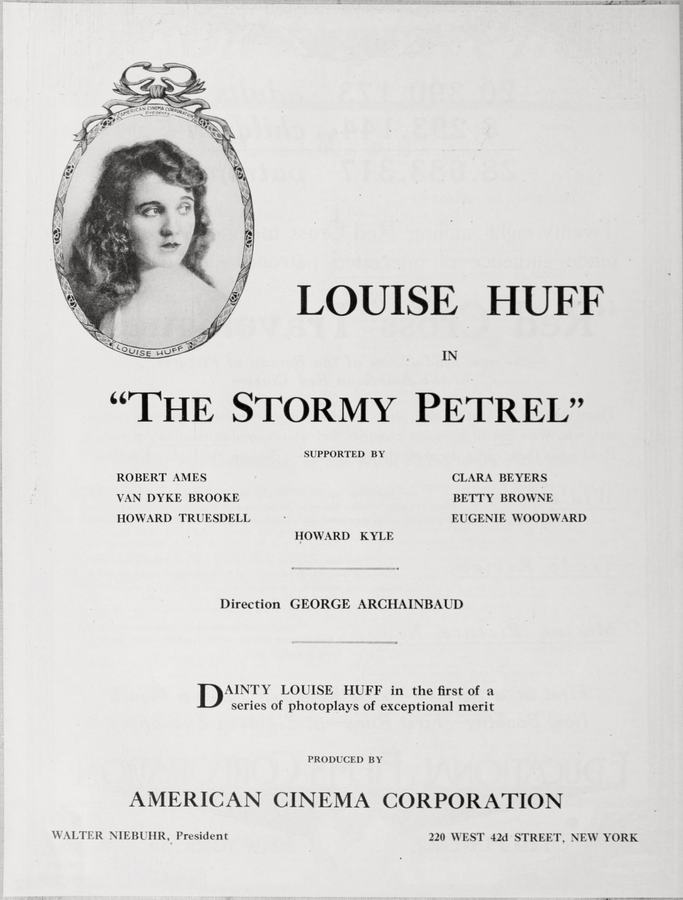
Dir: George Archainbaud
A fascinating piece of cinema that shares thematic elements.
View Details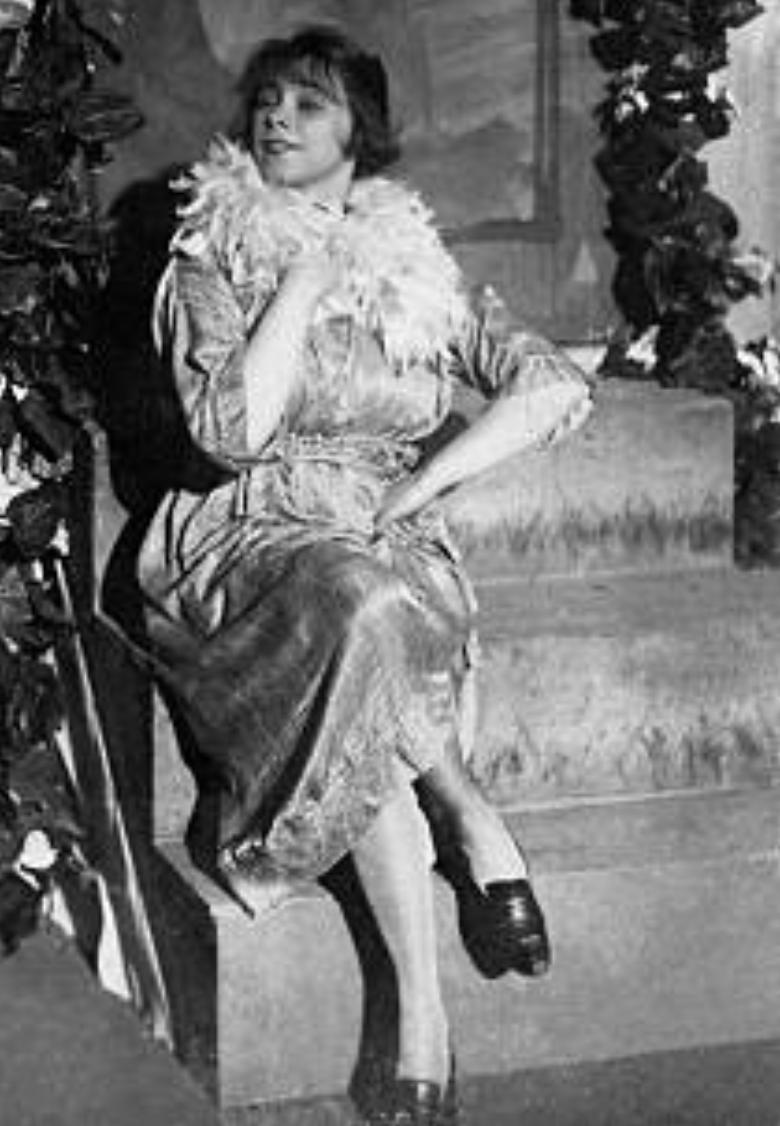
Dir: Bruno Ziener
A fascinating piece of cinema that shares thematic elements.
View Details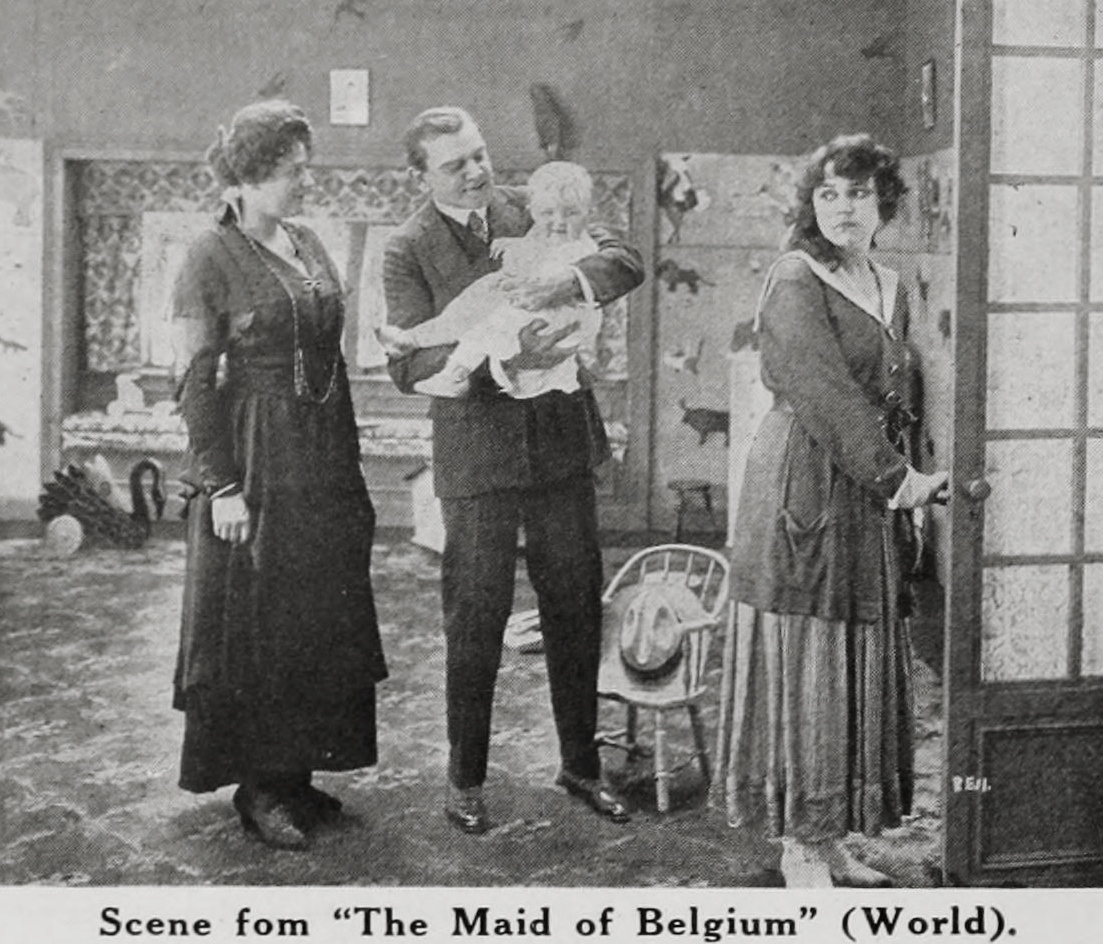
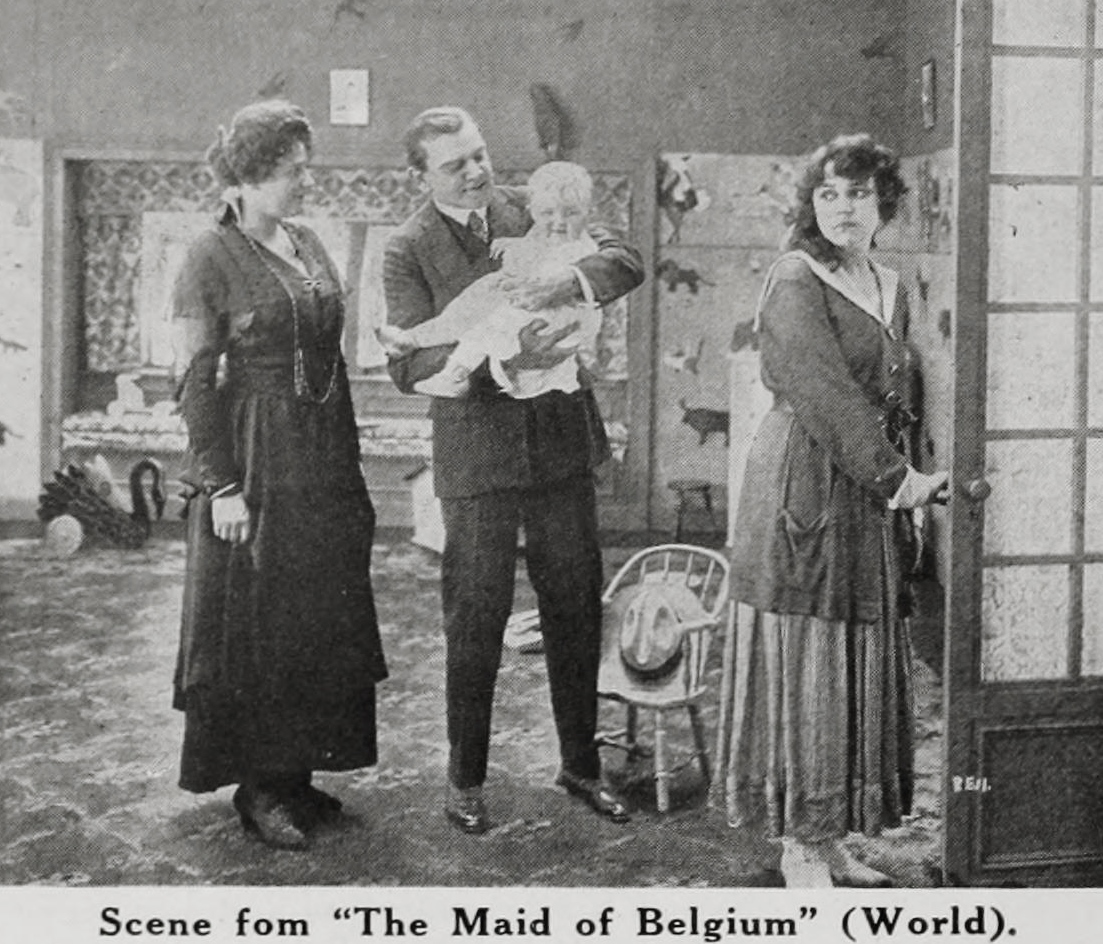
Dir: George Archainbaud
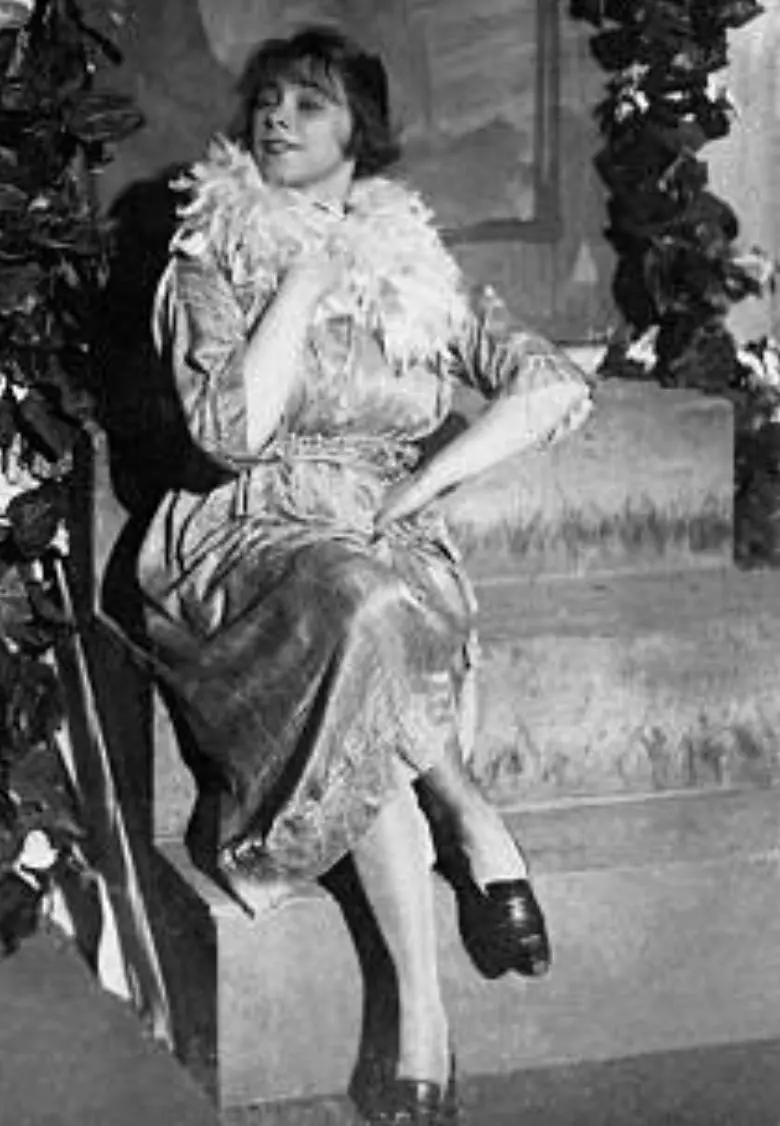
Adoree, a young Belgian girl, half-mad by the war horrors that she has experienced,is found by the Hudsons, a wealthy American couple who take the amnesia-stricken girl back to the United States with them. Soon after, Roger Hudson is called away to business in South America, and when his wife Claire discovers that Adoree is pregnant, she convinces the girl to allow the Hudsons to claim the child as theirs. The child is born and Dr. Thorn cables Hudson to come home because his wife has given birth. Meanwhile, Adoree, longing for her baby, steals the infant and disappears. Finding the girl's coat near a lake, Hudson assumes that she has drowned and dynamites the lake in order to locate her body. The explosions restore Adoree's memory, and she recalls her marriage to the Vicomte Jean de Michelet, who happens to be in town raising money for Belgian relief. The vicomte is brought to his wife and the family is happily reunited.
View Details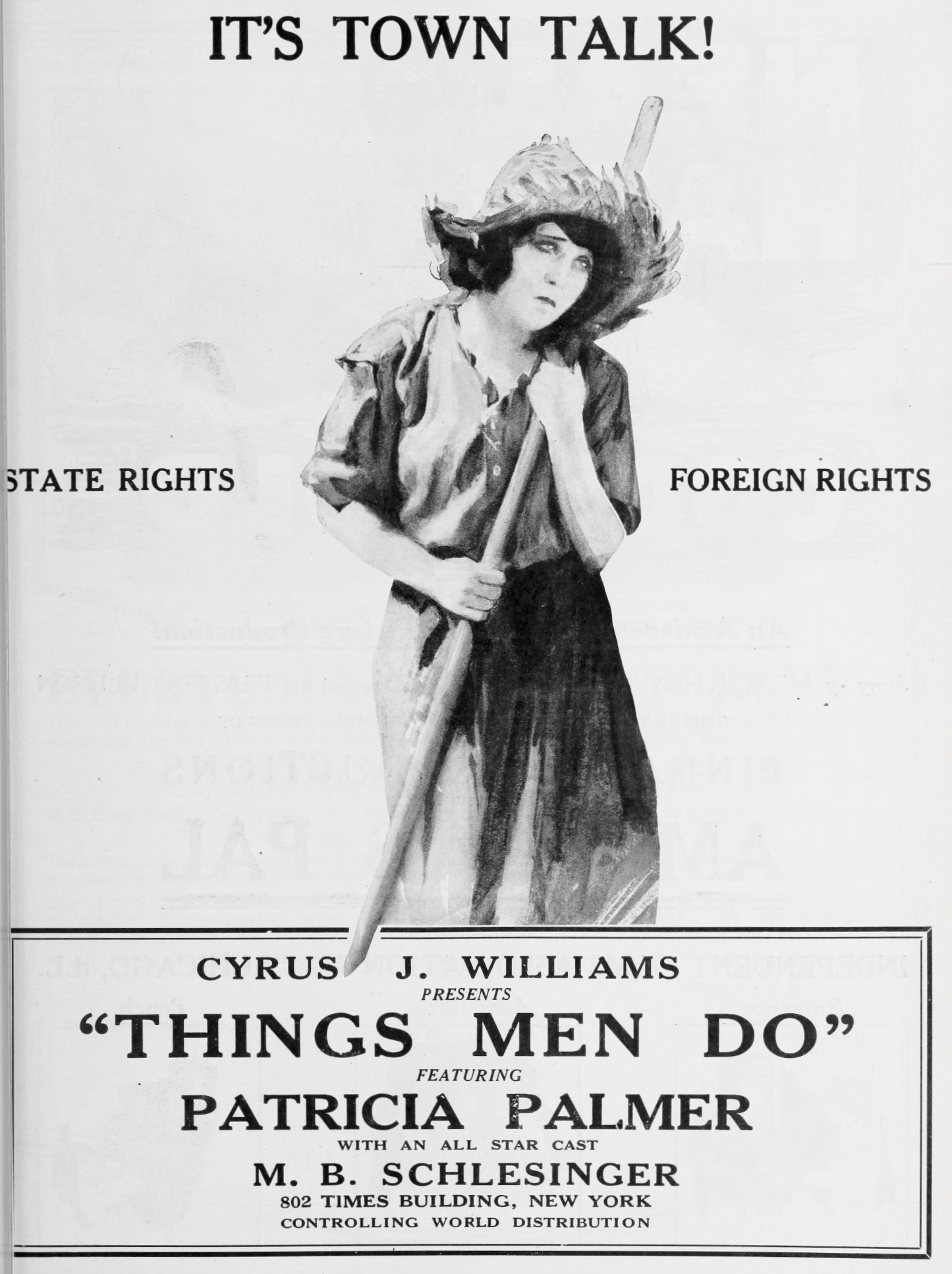
Dir: Robert N. Bradbury
A simple country girl, brutally mistreated by her stepfather, awakens first the sympathy, then the love, of The Boy. The Spider, who lusts after The Girl, makes a bargain with the stepfather and takes her to the city where, kept prisoner, she is soon broken in health and spirit. Cast out and near death, she is taken in by The Boy. Following the demise of The Spider, The Boy takes her to church, where he prays, and after many hours she is restored to health.
View Details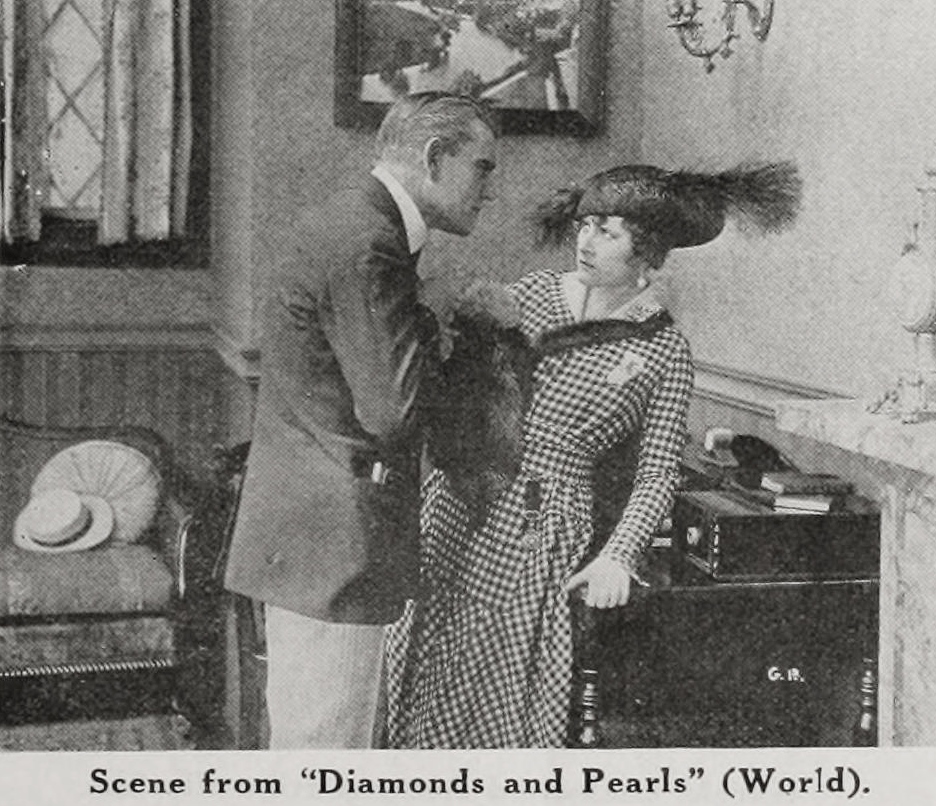
Dir: George Archainbaud
Violetta D'Arcy turns down the proposal of Jack Harrington, whom she believes to be poor, and instead marries the wealthy Robert Van Ellstrom. Her husband's fortune, however, is not sufficient to cover her gambling debts, so she pawns her sister-in-law's jewels and accepts money from Jack's father, who wishes to be introduced into society. When Harrington, Sr. makes improper advances towards Violetta, Robert fights him, and in the struggle, Harrington, Sr. shoots Jack in the arm. Believing that he has killed his son, Harrington commits suicide. Despondent and ashamed, Violetta tries to drown herself, but Robert intercedes and takes her in his arms.
View Details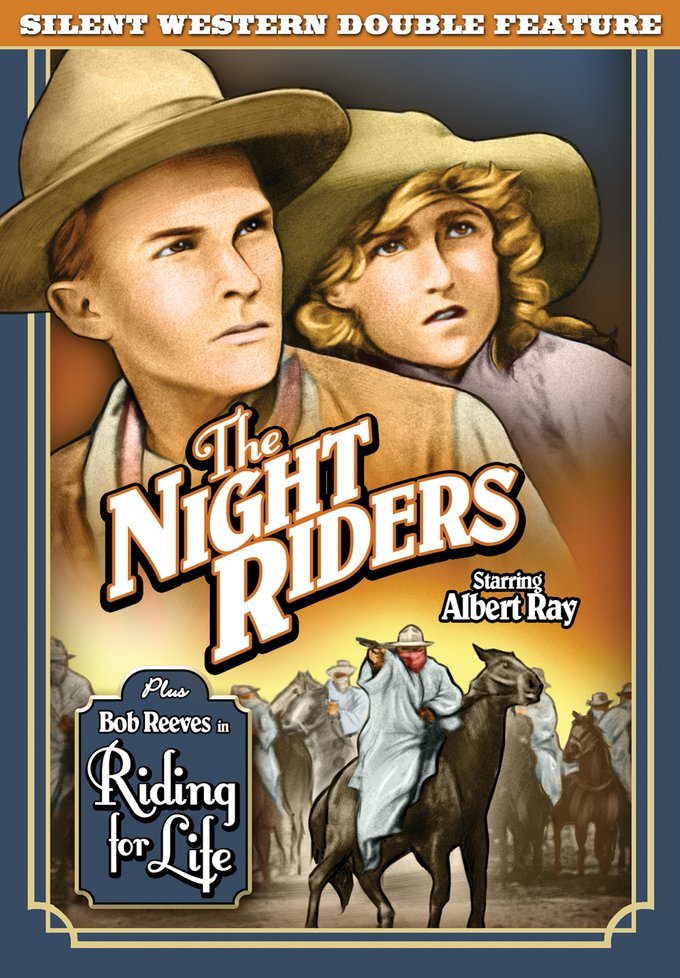
Dir: Alexander Butler
In Alberta, Canada, a Cornish emigrant unmasks a rustler posing as the girl's "blind" father.
View Details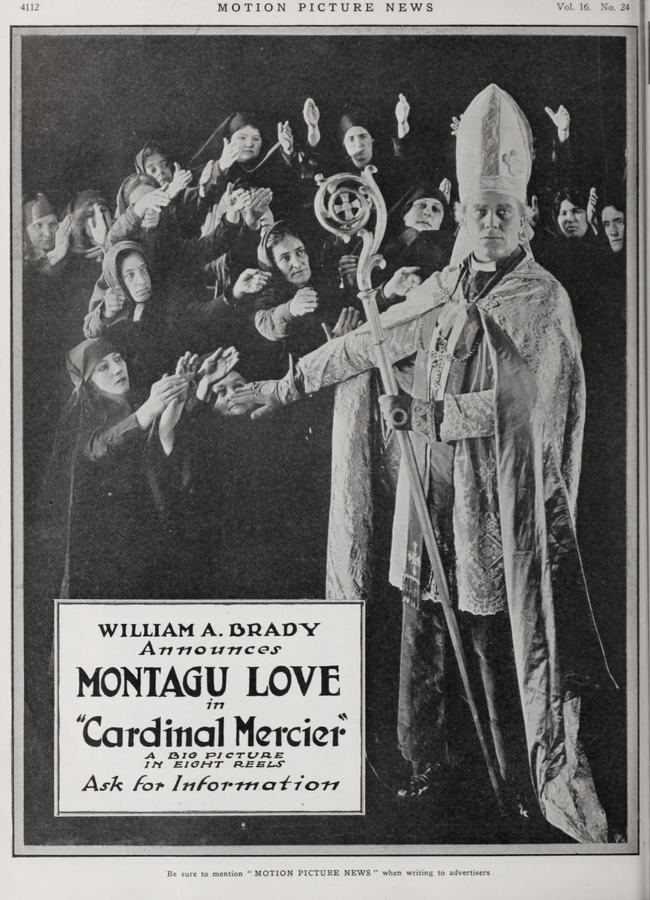
Dir: George Archainbaud
Cardinal Mercier protects the altar of his church from desecration when German forces invade the Belgian city of Louvain during World War I. Although the soldiers commit widespread atrocities, the cardinal does his best to protect the townspeople. Cardinal Mercier's young ward, Liane de Merode, is betrothed to Belgian officer Maurice Lambeaux, but the German governor general tries to gain possession of her against the cardinal's will. Despite the plotting of the governor general, Maurice breaks through the German lines in a disguise. Secretly the cardinal marries the young couple and smuggles them across the border to France.
View Details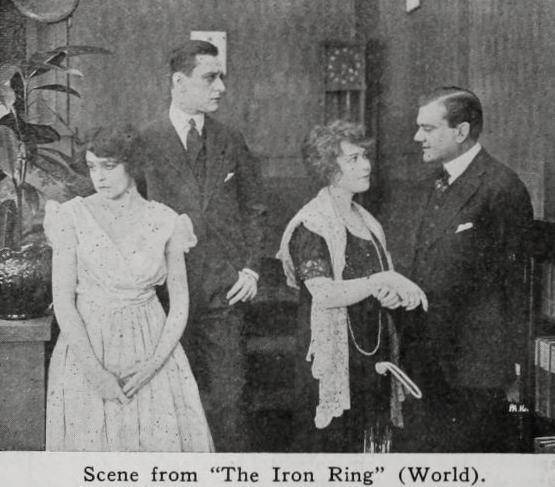
Dir: George Archainbaud
Bess Hulette is disappointed and feels ignored when her husband Aleck accepts a partnership in an ad agency owned by Stephen Graves. She tells her neighbor, Mrs. Leonard, about her predicament. One day a young woman, Dorothy Delamore, is injured in a car accident just outside the Hulettes' home. Bess meets Dorothy's brother, Jack, who is attracted to her. Noticing his attraction, Mrs. Leonard--who is cheating on her own husband--urges Bess to take up with Jack. Still feeling ignored by her husband, Bess accepts an invitation to a party at Jack's house, but finds out that things aren't exactly what they seem.
View Details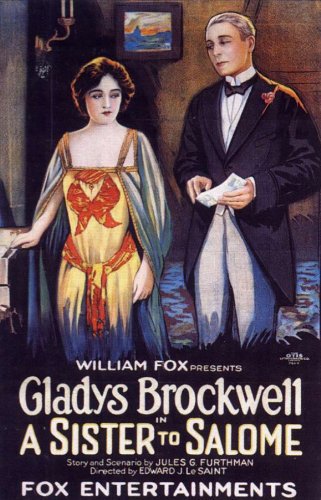
Dir: Edward LeSaint
When famous opera singer Elinore Duane undergoes an operation on her throat, she has a series of ether-induced visions. In one, she is transported to ancient Rome where she appears as a much-admired woman in love with Paul, a young heretic, and at odds with Lutor, the high priest. To save her love, she poisons Lutor with her ring. After several other visions which involve variations on this love triangle, Elinore awakens to discover that Lutor is actually her doctor, Sascha Jaccard, and that Paul is the son of a friend who has come to visit the recovering prima donna.
View DetailsAnalysis relative to Evidence
| Film Title | Atmosphere | Complexity | Similarity |
|---|---|---|---|
| The Trap | Gritty | High | 89% Match |
| The Stormy Petrel | Tense | Dense | 97% Match |
| Eva, wo bist du? | Gothic | Dense | 86% Match |
| A Maid of Belgium | Surreal | High | 89% Match |
| Into the Light | Gothic | Abstract | 89% Match |
This guide was algorithmically generated using the cinematic metadata of George Archainbaud's archive. Last updated: 8/16/2026.
Back to Evidence Details →