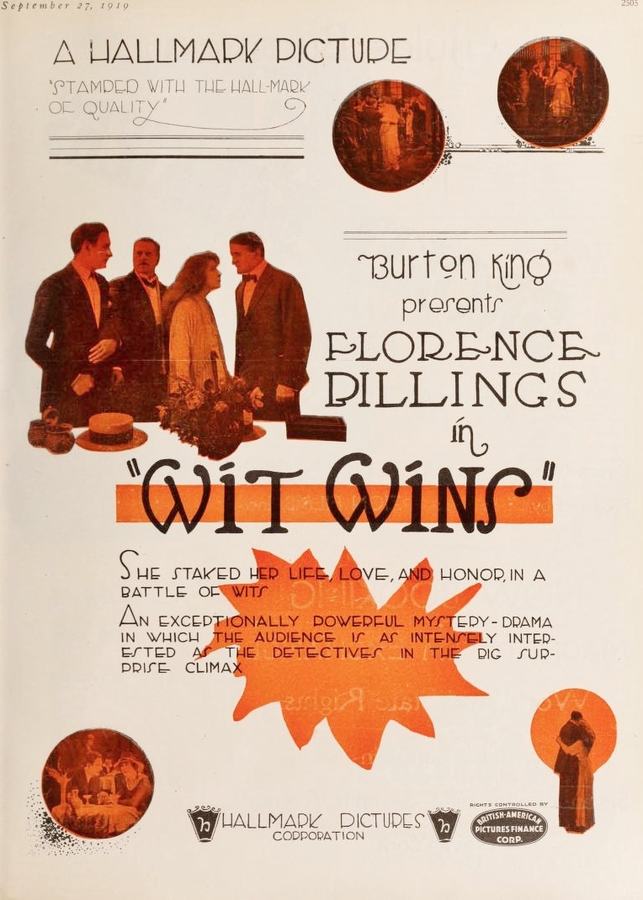
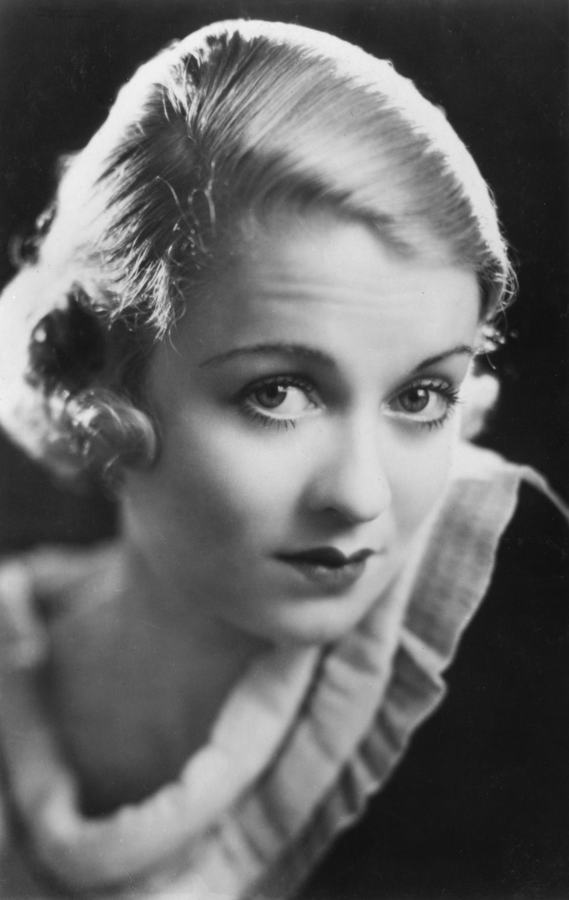
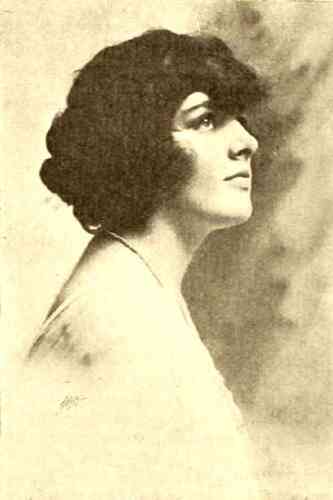
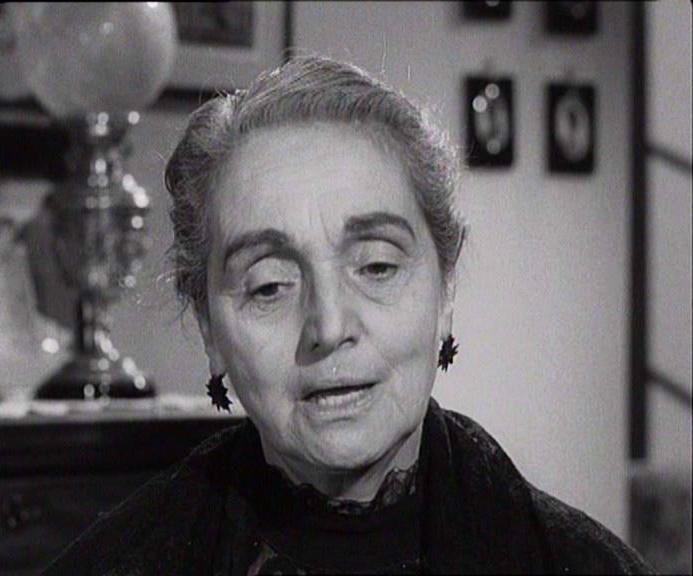
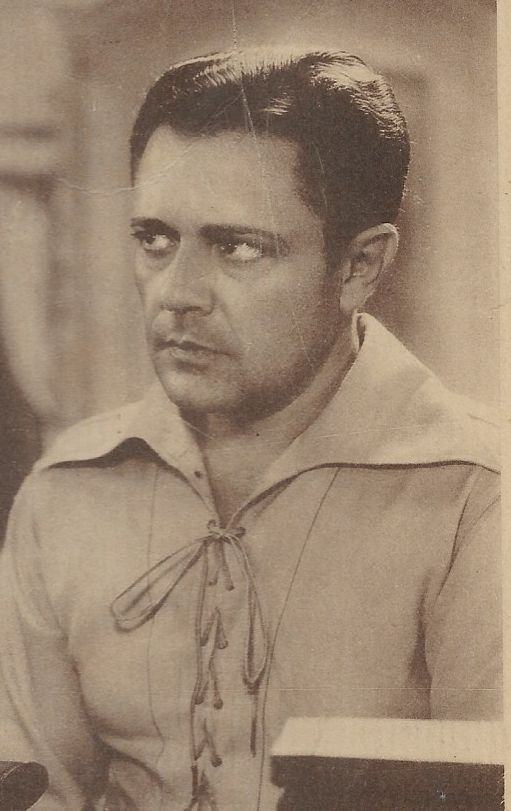
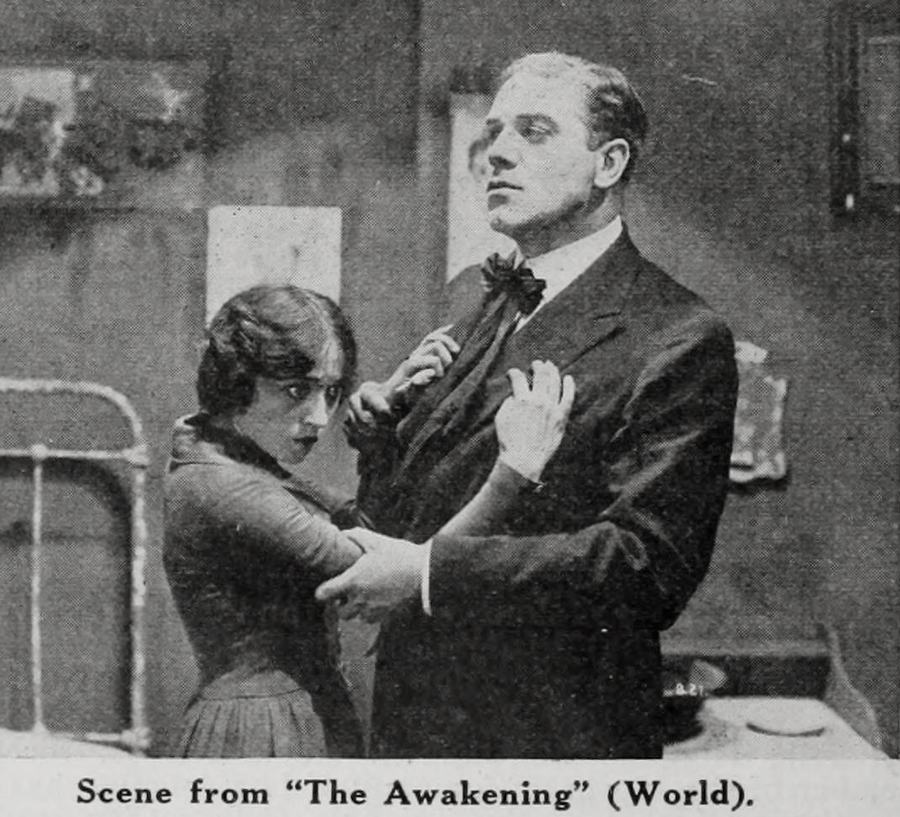
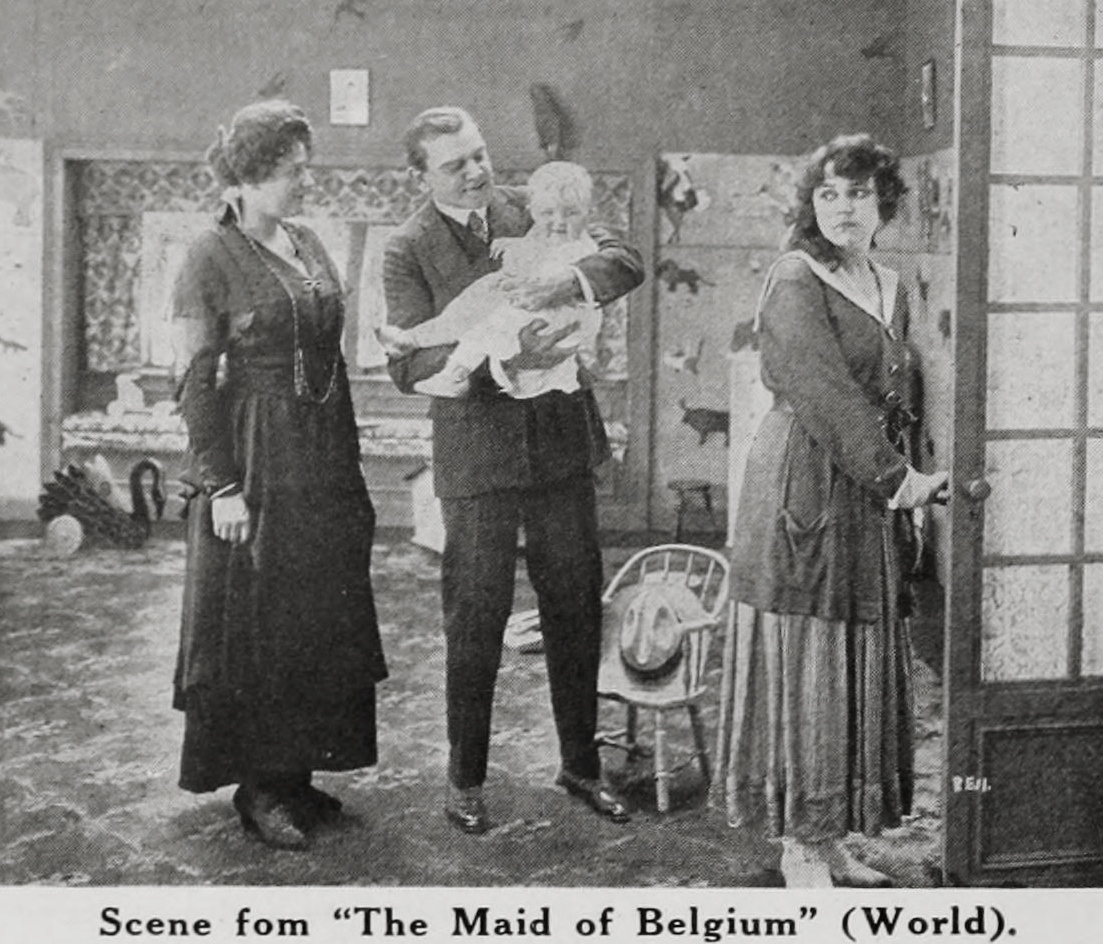
When Florette, a popular actress, and her friend Edith become rivals for the love of Walter Stanley, a leading man, Florette sacrifices her feelings for the other girl. Three years later, Phillip Rowland, a young aristocrat, falls in love with Florette.
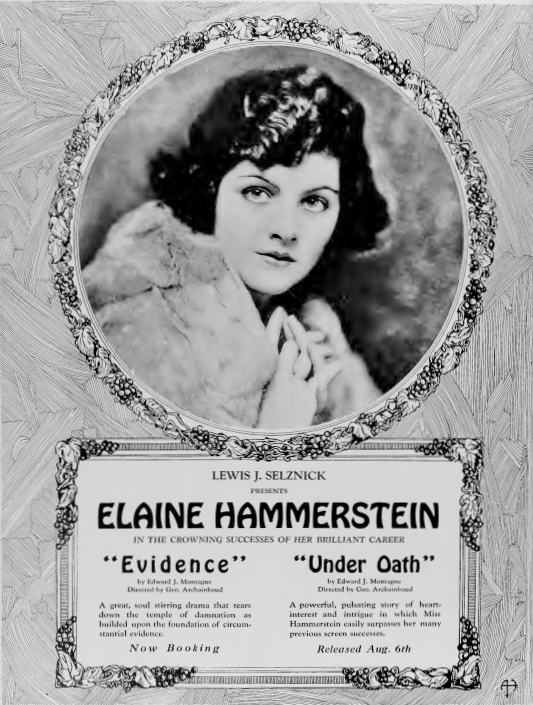
The flickering carbon-arc of 1922 illuminates Evidence like a silvered daguerreotype held to candle: edges curl, shadows quiver, yet the image—achingly human—refuses to fade. Director Edward J. Montagne, armed only with intertitles and the mute eloquence of faces, stages a drawing-room crucible where desire and decoru...
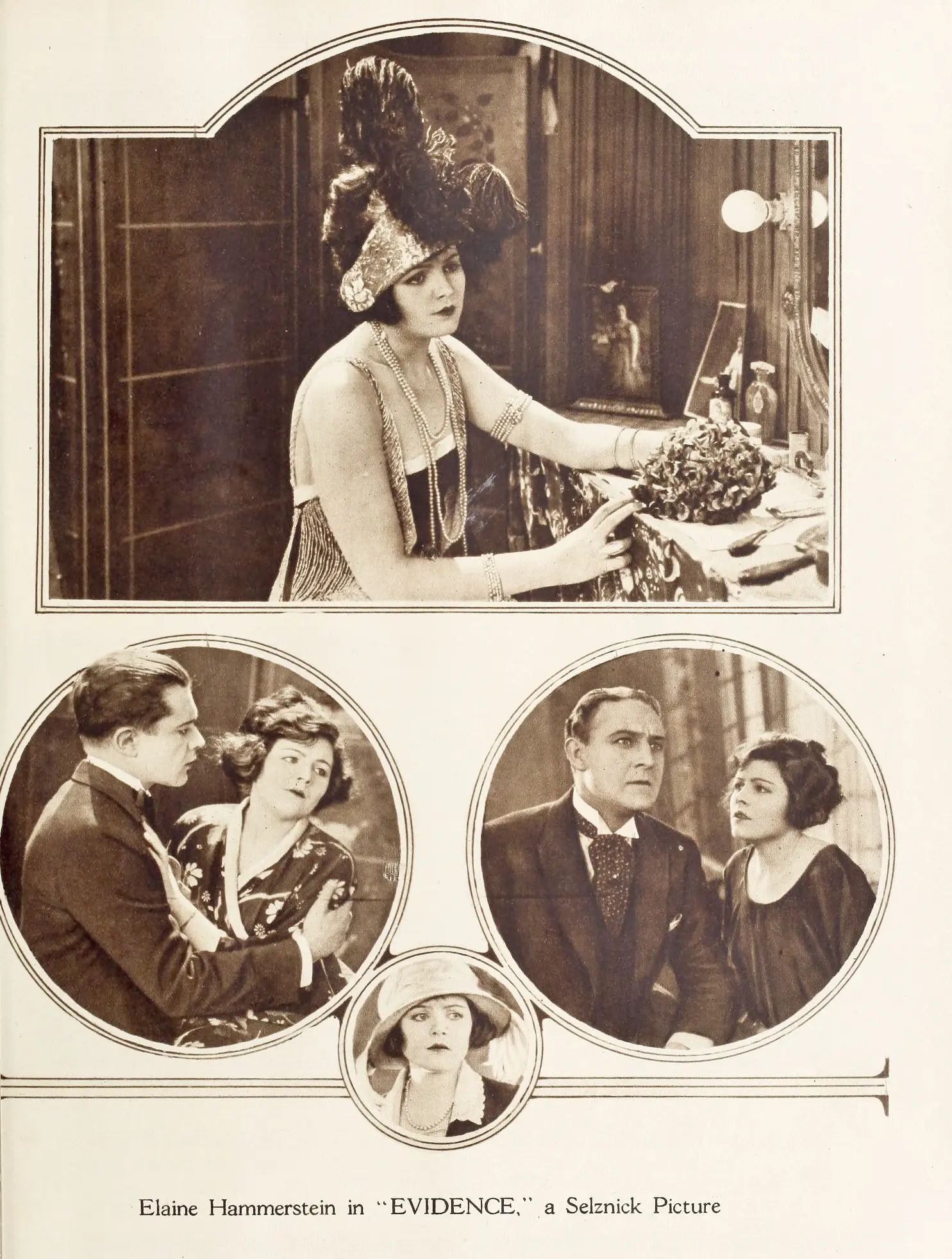
publicity
Comparing the cinematic DNA and archive impact of two defining moments in cult history.
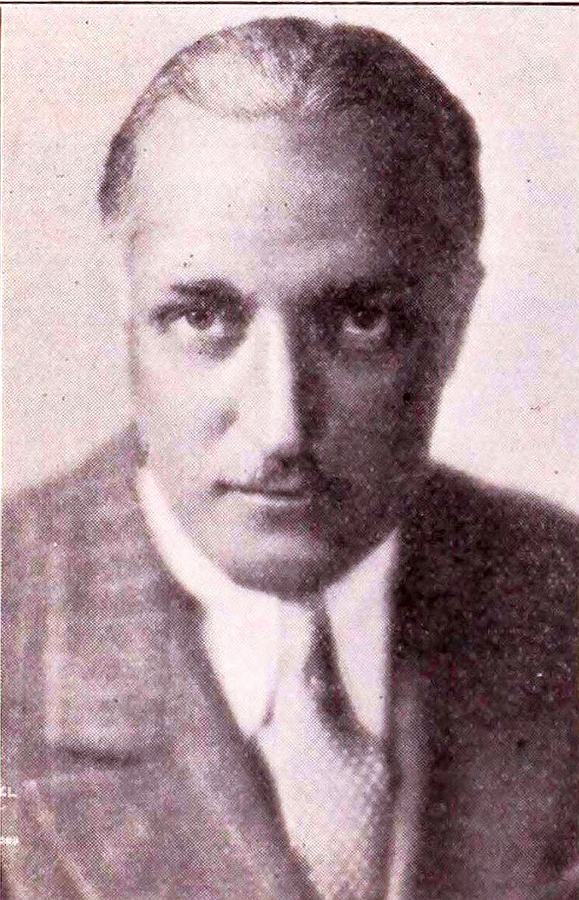
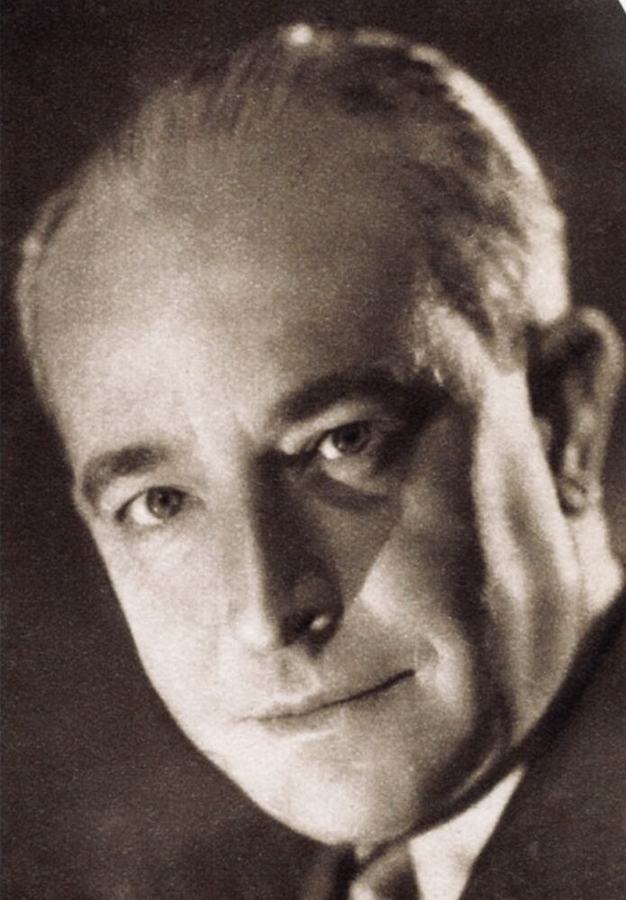
George Archainbaud
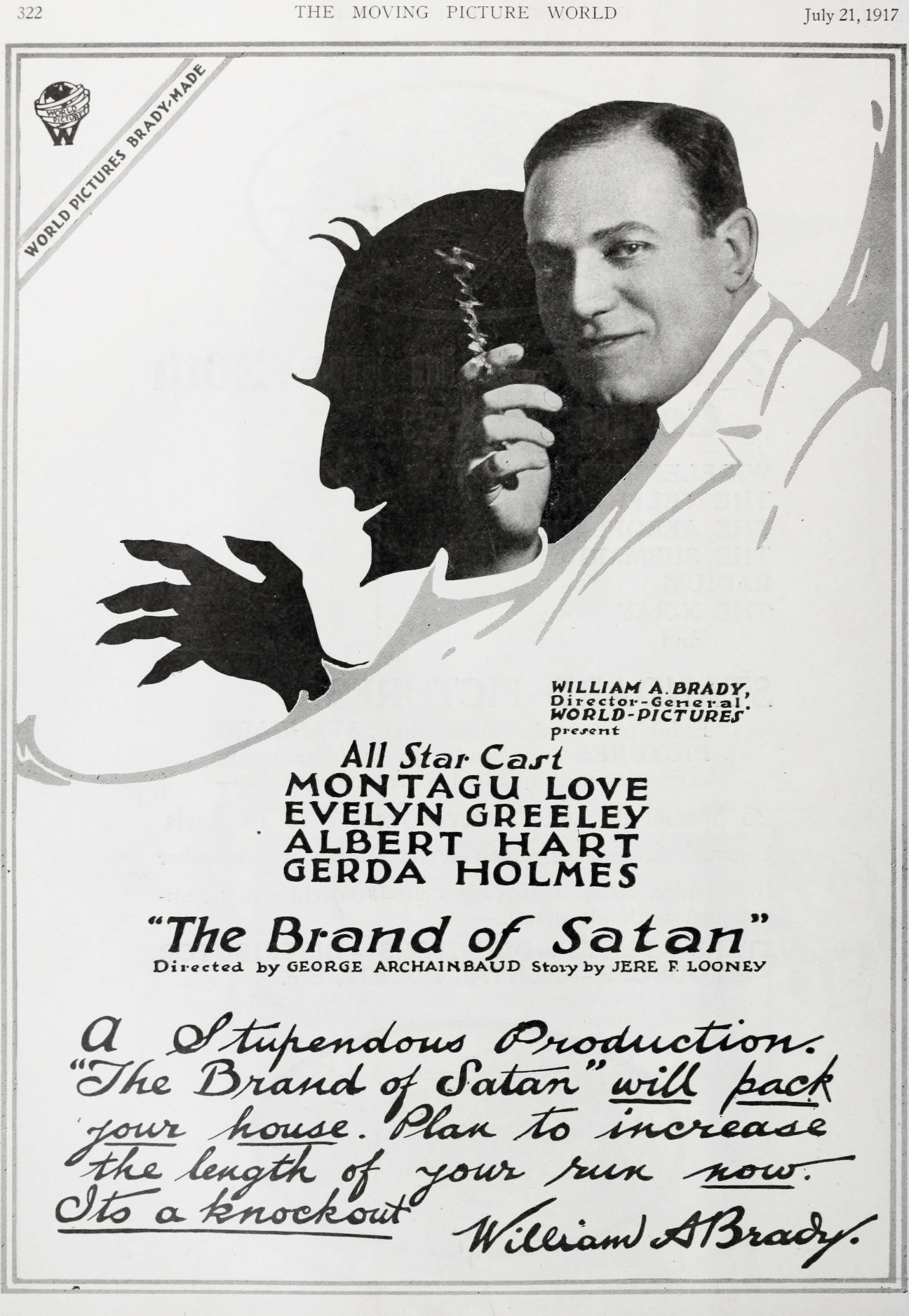
George Archainbaud
Community
Log in to comment.
" The flickering carbon-arc of 1922 illuminates Evidence like a silvered daguerreotype held to candle: edges curl, shadows quiver, yet the image—achingly human—refuses to fade. Director Edward J. Montagne, armed only with intertitles and the mute eloquence of faces, stages a drawing-room crucible where desire and decorum perform a lethal gavotte. From the first iris-in on Florette’s dressing-room mirror, greasepaint dissolving into private tears, we sense that every klieg-light caress is also an ..."
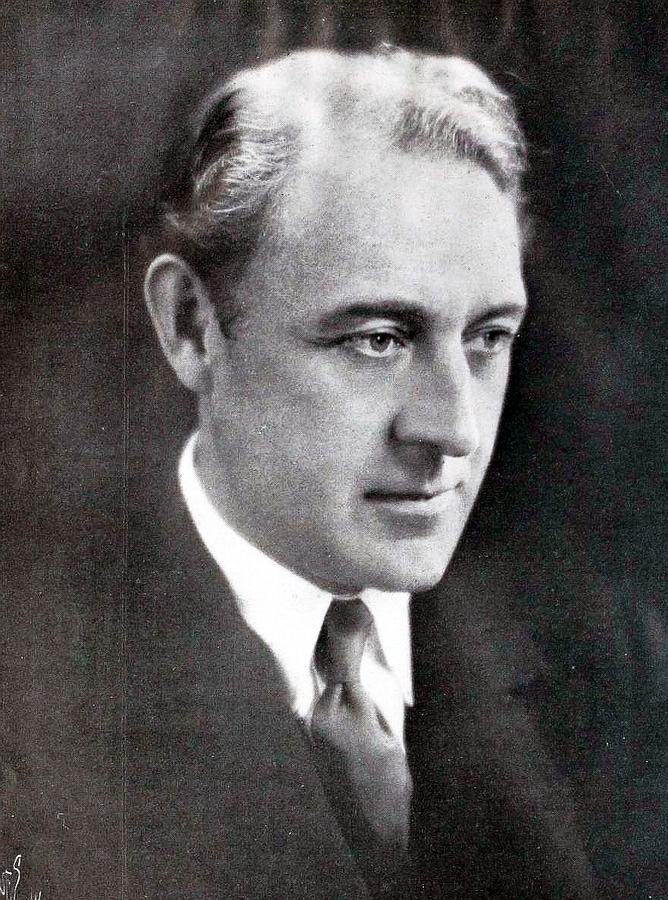
Edward J. Montagne
United States